
By AI Landscape Design Team · Editorial policy
Garden Planters for Useful and Manageable Planting
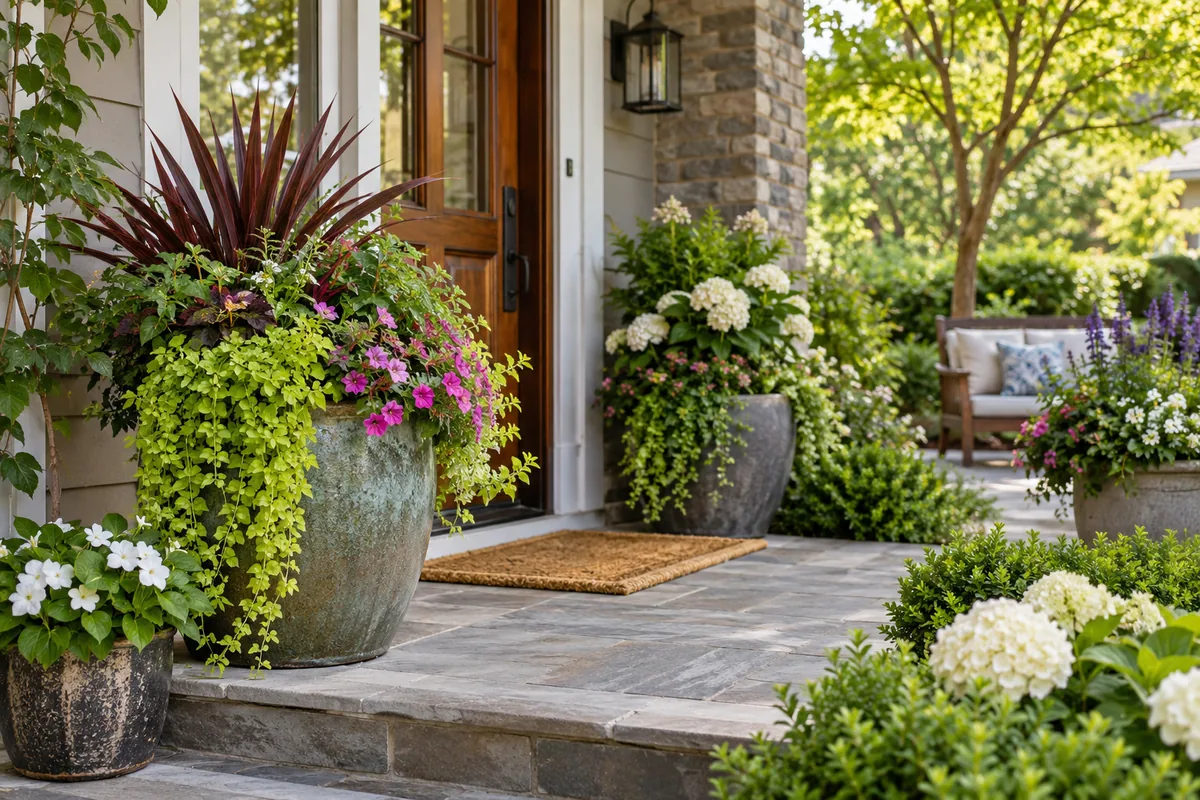
Garden planters hold a defined growing volume and can place planting near a doorway, terrace, or other useful view. Choose the container and plants together: material, usable soil volume, drainage, weight, weather exposure, and maintenance access all matter. A decorative pot does not establish plant suitability. Compare the real product and local growing conditions before selecting a container from a concept image.
Published · 6 min read
Key takeaways
- Select a workable growing volume rather than a decorative silhouette alone.
- Confirm drainage, outdoor exposure, and support for the actual container.
- Plan watering, moving, cleaning, and seasonal care before adding more pots.
What job should the planter perform?
A planter can mark an entrance, introduce planting on a terrace, or make a particular seasonal display reachable. Decide which role it serves before buying several unrelated pots. A pair at a doorway may provide a clear visual relationship, but door swings and movement must remain comfortable. A container beside a seat should be placed where care and water do not disrupt use. The pot's location changes its exposure and practical obligations. A protected corner beneath an overhang may receive different rainfall from an open terrace. Choose a useful placement and realistic care routine, not simply an empty space that looks better when filled in a photograph.
How do container materials change the choice?
Clay, metal, timber, and fiber-reinforced concrete-like products can offer different appearance, weight, care, and exposure characteristics. Verify the actual product rather than assuming a category has one consistent performance. A lightweight manufactured pot and a substantial mineral-based vessel may create different handling and support demands despite a similar shape. Ask about intended outdoor use, cleaning, and any limitations. Metal finish and timber treatment deserve attention where relevant, especially for particular growing uses. Compare the container beside the house and paving with real samples. The material should support the visual role while remaining practical to place, inspect, and eventually replace.
How should container size be assessed?
The usable growing volume and shape should fit the selected plants and intended care, not only the width visible in an image. Ask local horticultural advisers about mature growth and root-space needs for the actual selection. A tall narrow vessel may appear generous while providing a different practical arrangement from a wider container. Consider how you will reach the soil surface, move the plant if needed, and manage replacement. Do not prescribe a universal pot dimension for every plant. If several pots are grouped, ensure each can be maintained without moving all the others. Scale is both a visual and a growing decision.
What should be checked about drainage?
Confirm that the container's design and the proposed planting arrangement allow an appropriate water-management approach. Drainage requirements depend on the product, growing medium, plants, and location. Do not assume that adding a layer of stone automatically resolves every container issue. Ask how excess water leaves and where it goes, particularly beside doorways or on elevated structures. A pot that appears dry in a concept cannot demonstrate actual behavior during rain or watering. If runoff affects a building or structural surface, seek the relevant qualified local advice. Keep access to inspect the container and avoid concealing drainage questions beneath decorative covers.
How should plants be selected?
Choose plants for the actual light, moisture, wind, winter conditions, mature size, and available care. USDA hardiness zone is one useful input, not a complete suitability rating for every container location. Check local invasive guidance and species-specific advice before buying. For pets, consult the ASPCA toxicity list where the planting is within reach. A cottage display, modern foliage grouping, or Mediterranean-style pot is a visual direction rather than a verified plant combination. Avoid treating an image as an identification tool. The practical selection should explain what each plant contributes and whether its requirements can be met in the intended container and position.
What winter and handling issues deserve attention?
Outdoor suitability and freezing exposure depend on the actual container and use, so ask the supplier about the relevant product guidance. Do not assume every clay or concrete-like planter is frost-resistant. Plan whether a vessel must be moved, sheltered, or treated differently seasonally, and account for its weight when filled. Elevated decks or other structures need appropriate support assessment before heavy containers are added. Use qualified local professionals where structural questions arise. A large pot shown on a rendered balcony or terrace is not evidence of capacity. The handling plan should be realistic for the household without relying on unsafe lifting or inaccessible storage.
Which style and maintenance choices stay manageable?
Repeat a selected container family or material to connect the terrace, rather than collecting many unrelated shapes. A simple pot can support modern planting, a warm texture can relate to a Mediterranean setting, and a useful group can suit cottage character. Maintenance still involves observing water needs, clearing debris, cleaning the container, and addressing growth or replacement. Ask for product-compatible cleaning methods. Compare costs including growing medium, delivery, plants, supports, and seasonal handling, not just the vessel. A smaller deliberate group may provide more usable interest than many pots whose individual care becomes burdensome. The best display is one you can actually reach and maintain.
How can photo concepts help with placement?
Use concepts to compare scale and repetition while keeping entrances, furniture, and paths clear. AILandscape provides visual exploration from yard photos; local checks must establish plants, drainage, support, and any construction details. The image cannot confirm container dimensions or weights. Review the preferred positions with actual products and the people who will care for them. If a planter blocks a hose point or requires constant rearrangement for chair movement, change the layout. An appealing container group should remain useful outside its most photogenic season, with a credible plan for watering, inspection, winter exposure, and eventual replacement.
Frequently asked questions
Does a larger-looking planter always provide more root space?
No. The usable interior volume and shape matter, and decorative proportions can be misleading. Assess the actual product with the needs of the selected plant. A tall narrow vessel and a broad pot can create different growing and care conditions.
Are all outdoor planters frost-resistant?
Do not assume they are. Check the specific product's exposure guidance and the proposed planting arrangement. Local winter conditions, moisture, and handling can matter. Plan any seasonal protection or relocation according to appropriate supplier and horticultural advice.
Can I put a heavy planter on a deck?
Have the relevant structure and proposed load appropriately assessed before placing heavy containers. A photo or concept cannot establish capacity. Include filled weight, position, and access for care in the discussion with a qualified local professional.
Sources
Related reading
Raised garden beds vs In-ground garden: Which Fits Your Yard?
Compare raised garden beds and in-ground garden for your yard. Review layout, materials, upkeep, and practical trade-offs before choosing a direction.
Mediterranean patio ideas for shaded meals and warm materials
Find Mediterranean patio ideas for clay pots, quiet stone colors, useful shade, comfortable dining, and locally suitable container planting around the room.
Cottage front yard ideas that welcome visitors through flowers
Find cottage front yard ideas for layered borders, useful gates, brick details, seasonal flower groups, and a welcoming entrance that stays easy to reach.
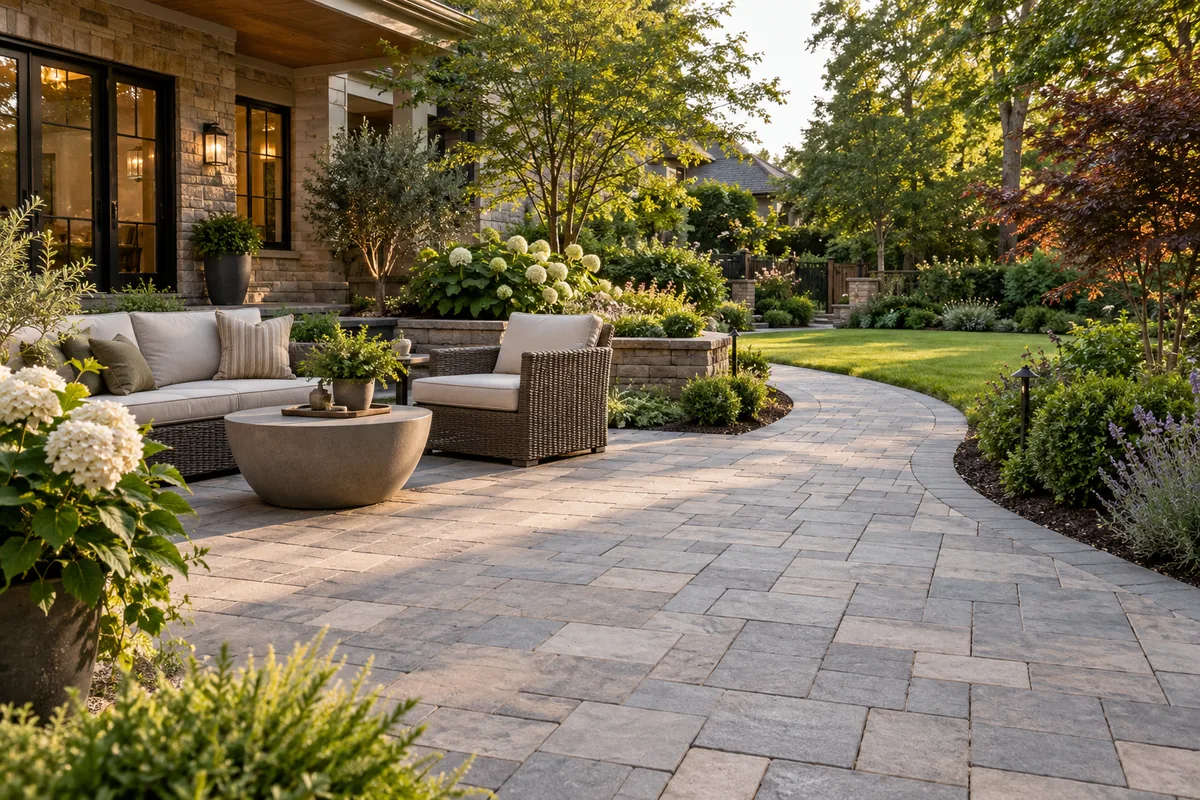
Concrete Pavers for Patios, Paths, and Yard Routes
Learn how concrete pavers fit your yard, with practical material, placement, upkeep, and safety questions to review before choosing a visual direction.
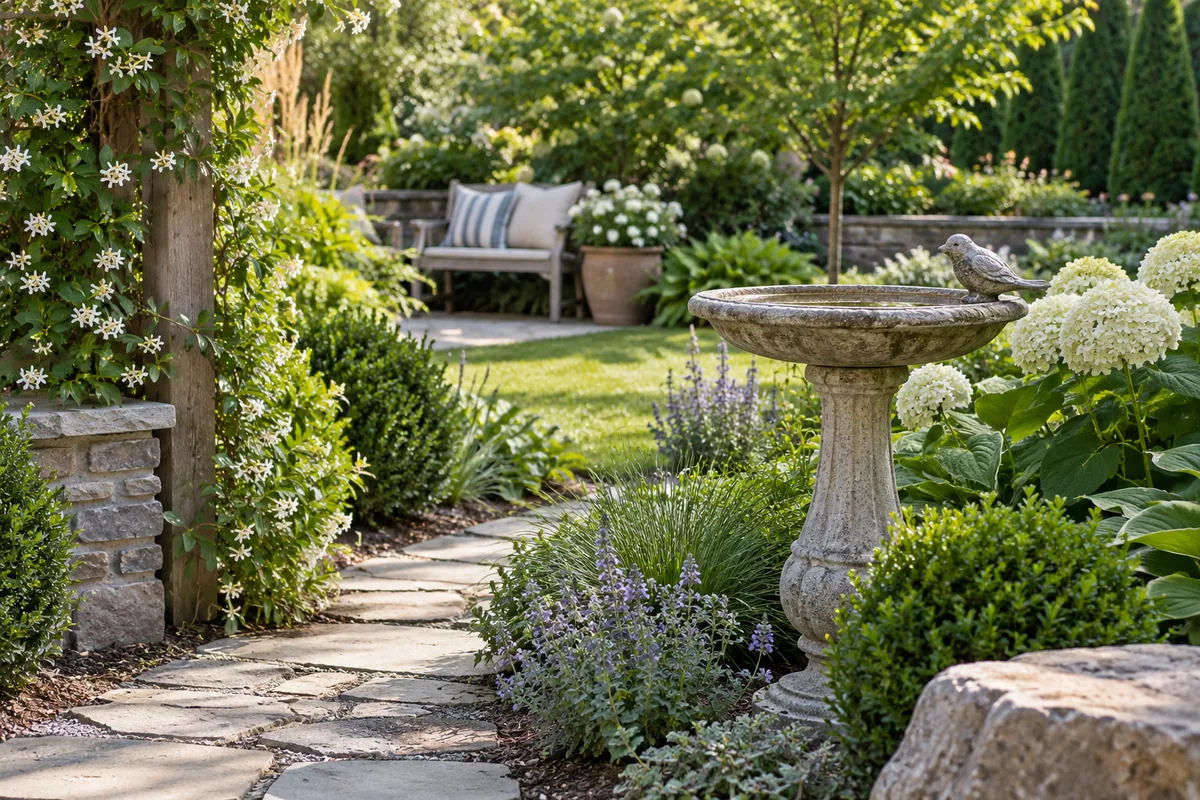
Garden Ornament Ideas with Fewer Clearer Visual Roles
Compare garden ornament ideas with a few clear focal roles, suitable materials, style relationships, stable placement, and practical access for ongoing care.
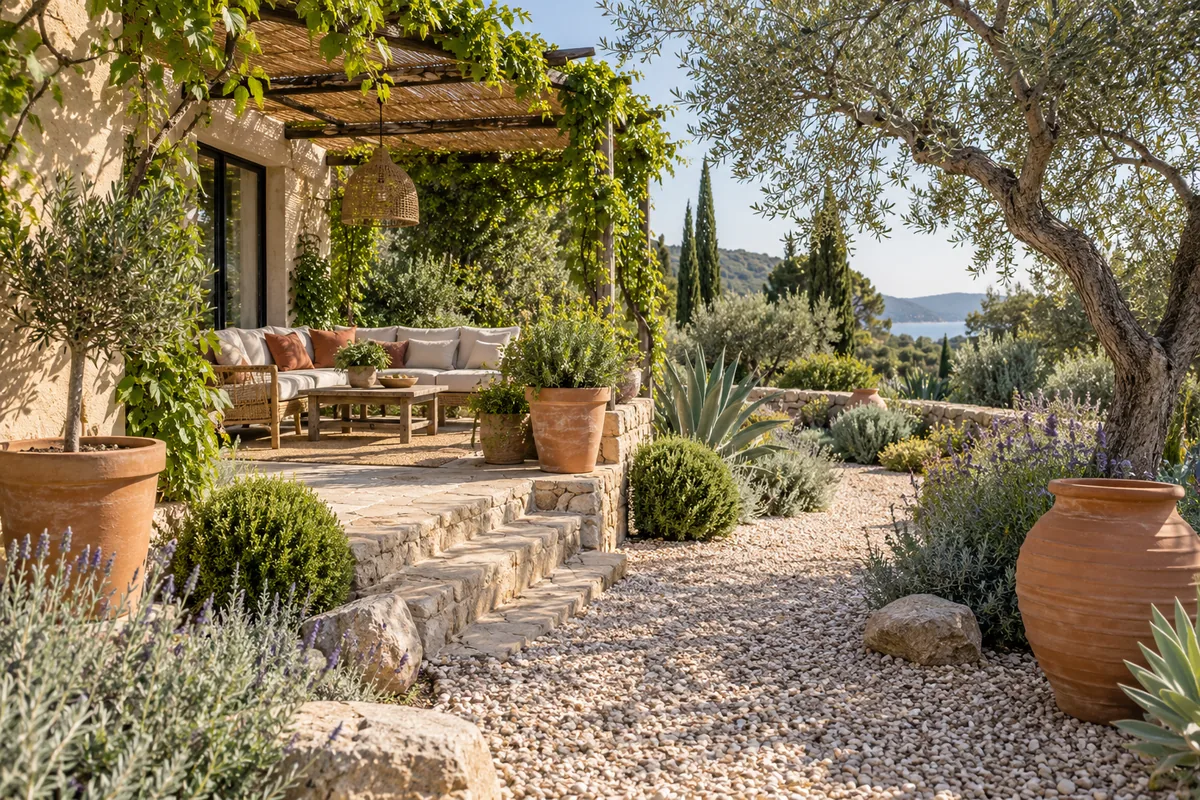
Mediterranean garden style: shade, gravel, and warm color
Understand Mediterranean garden style through shade, gravel, clay pots, and silver foliage, with practical ways to adapt the visual language to local climates.