
By AI Landscape Design Team · Editorial policy
Raised garden beds vs In-ground garden: Which Fits Your Yard?
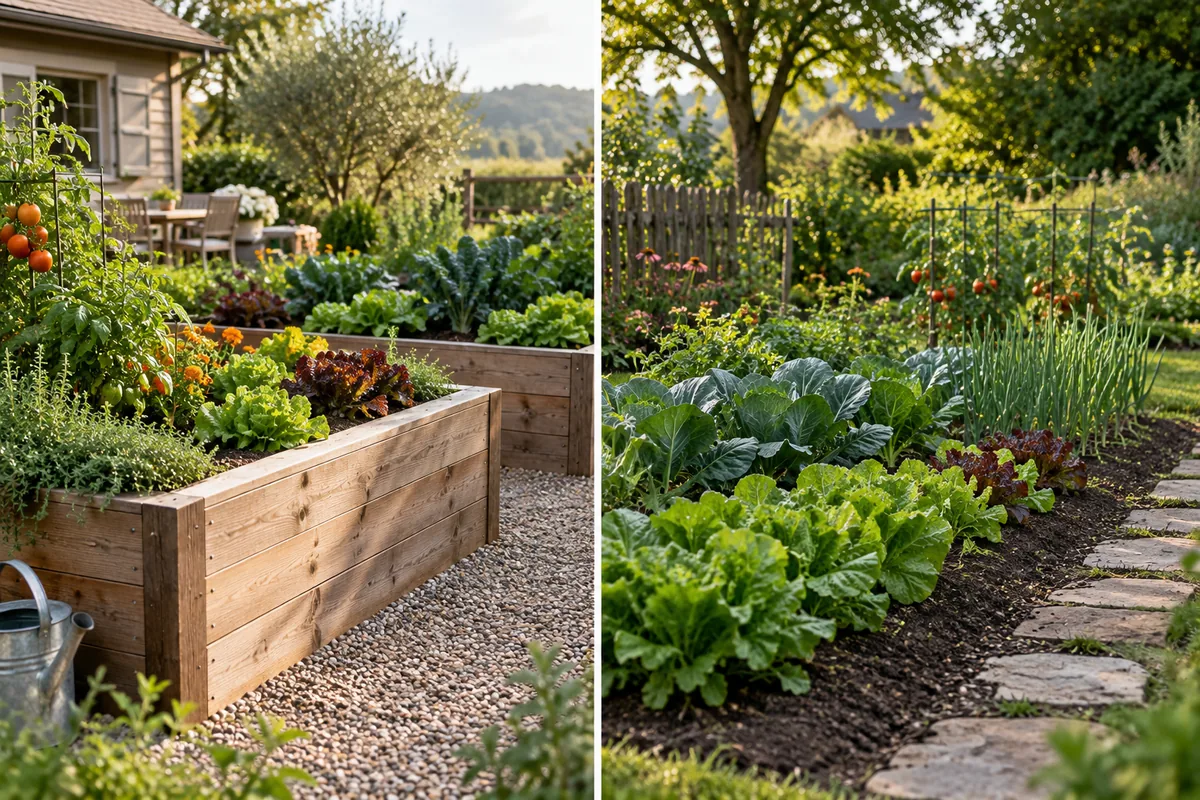
Choose raised beds when a defined growing area and selected soil volume solve a specific site or access need; choose in-ground beds when suitable existing soil and a workable layout can support the garden with fewer constructed components. Raising soil does not automatically fix drainage, contamination, or accessibility. Compare soil assessment, reach, water needs, material suitability, and maintenance before deciding.
Published · 6 min read
Key takeaways
- Relative cost: Moderate to Higher; Lower to Higher.
- Maintenance: Frame fill and planting care; Soil paths and planting care.
- Lifespan factors: Frame materials connections and use; Soil management and site conditions.
| Dimension | Raised garden beds | In-ground garden |
|---|---|---|
| Relative cost | Moderate to Higher | Lower to Higher |
| Maintenance | Frame fill and planting care | Soil paths and planting care |
| Lifespan factors | Frame materials connections and use | Soil management and site conditions |
| DIY difficulty | Moderate to Higher with fill handling | Moderate to Higher with preparation |
| Best for | Specific reach soil-volume or organization needs | Suitable existing soil and practical access |
| Drainage | Depends on full site and bed conditions | Depends on full site and soil conditions |
| Watering | Assess fill volume exposure and plants | Assess local soil exposure and plants |
What problem should a raised bed solve?
A raised bed can organize a growing area, introduce a selected soil volume, or bring some work closer to a user's comfortable reach. An in-ground bed can use suitable existing soil without the same retaining frame or imported fill. According to the Royal Horticultural Society, creating a raised bed requires additional soil to raise the level; that is part of its scope rather than a minor afterthought. Name the problem before selecting the container-like shape. If the existing bed simply needs clearer paths, rebuilding it above ground may add cost without resolving the actual issue. A constructed edge is useful when it supports the growing and maintenance plan.
How should existing soil be investigated?
Assess the soil and site history through appropriate local advice before growing food or selecting a planting system. Imported soil does not automatically resolve uncertainty about underlying conditions or contamination, and a raised bed is not a substitute for a suitable assessment. An in-ground garden may need appropriate amendments or a different layout, depending on the findings. Avoid diagnosing soil from a photograph. Ask what information is needed about texture, nutrients, drainage, and prior use, and who can provide it. The choice between bed types should follow that investigation. A visually tidy frame can conceal unresolved conditions just as easily as an informal border can.
Does elevation guarantee good drainage?
No. Water behavior depends on the fill, underlying ground, bed construction, grade, and the broader site. A raised volume may offer useful options in some conditions, but it cannot be assumed to solve every wet area. An in-ground bed also needs a suitable relationship with rainfall and runoff. Have qualified local professionals assess drainage changes where they affect structures, neighboring areas, or significant ground work. Contact 811 before excavation in the United States and investigate private-service locating. Do not use a raised bed as a casual retaining structure or divert water without assessment. The plants need an appropriate growing environment, not merely a higher-looking position in the image.
How should accessibility be compared?
The height, width, surrounding route, and ability to reach planting determine the usefulness of a raised bed for a particular person. A tall bed with inaccessible sides can still be difficult to work, while an in-ground bed with suitable paths may serve another user well. Test comfortable reach with the actual user and seek qualified advice about relevant access requirements. Avoid prescribing a universal height or width. Leave room for equipment, turning, and movement without placing the frame across an essential route. The aim is practical participation in gardening. Raising the soil should solve a real handling issue rather than being assumed to make the whole garden automatically accessible.
What planting and watering plan is needed?
Select plants according to verified local conditions, including USDA hardiness zone, sunlight, growing space, and regional invasive guidance. A raised bed's soil volume and exposure can affect how it behaves, so its care may differ from an adjacent in-ground area. Do not promise the same watering interval for both. Observe the actual soil moisture and follow local horticultural guidance for the plants selected. For pets, check the ASPCA toxicity list for nearby planting and consider access to the bed. A vegetable-looking rendering cannot establish a validated crop combination. Plan maintenance and harvesting routes as carefully as the initial planting arrangement.
Which materials create extra obligations?
A raised bed frame introduces materials, connections, soil loads, and eventual replacement or repair. Ask about suitability for the intended growing use and local exposure, particularly where food is grown. Do not assume every reused timber or decorative container is appropriate. In-ground beds can need edges or paths too, but they may avoid a substantial frame. Compare what happens if part of the boundary deteriorates or the planting layout changes. Reserve space to inspect connections and work around the bed without compacting the growing area. A frame that looks appealing on installation day should also have a credible maintenance and end-of-life plan.
How do cost and labor compare?
Raised beds can involve frames, fill, delivery, assembly, and supporting site work. In-ground beds can involve soil assessment, preparation, paths, and amendments where appropriate. Existing conditions can make either option more or less involved. Obtain quotes or a careful task list for equivalent growing area and use, without assigning a universal price. Consider the weight and handling of soil as well as the visible construction. A raised bed may make routine gardening more comfortable while making initial preparation demanding. A phased approach can let you test one area before building several. Choose the work you can support rather than using bed count as a measure of a successful garden.
How should concepts be turned into a decision?
Compare the same growing goals, sun exposure, routes, and user needs under both bed types. AILandscape produces visual concepts for exploring layout, while soil safety, plant suitability, water behavior, and construction must be confirmed locally. Its images do not establish crop yields, dimensions, or frame capacity. Review the preferred concept with actual measurements and a soil-informed plan. If the raised version solves reach and organization, document those benefits; if existing ground already works, keep the simpler option. The best comparison identifies why the bed type serves the site and the gardener, including what it will take to fill, tend, repair, and eventually change it.
Frequently asked questions
Are raised beds always better for poor drainage?
No. Fill, underlying soil, construction, and site water movement all matter. A raised bed can help in some assessed conditions but should not be treated as a universal drainage fix. Obtain appropriate local advice before changing grades or runoff around buildings or neighboring areas.
Does a raised bed make gardening accessible?
It can address certain reach or handling needs, but height, width, paths, and the actual user's requirements must be considered together. Test the arrangement and seek relevant qualified advice. Elevating soil alone does not make every part of the garden accessible.
Can imported soil remove contamination concerns?
Do not assume it can. Site history and soil conditions require appropriate assessment, especially for food growing. A frame and new fill are not substitutes for that investigation. Ask qualified local advisers what testing and system design are suitable before planting.
Sources
Related reading
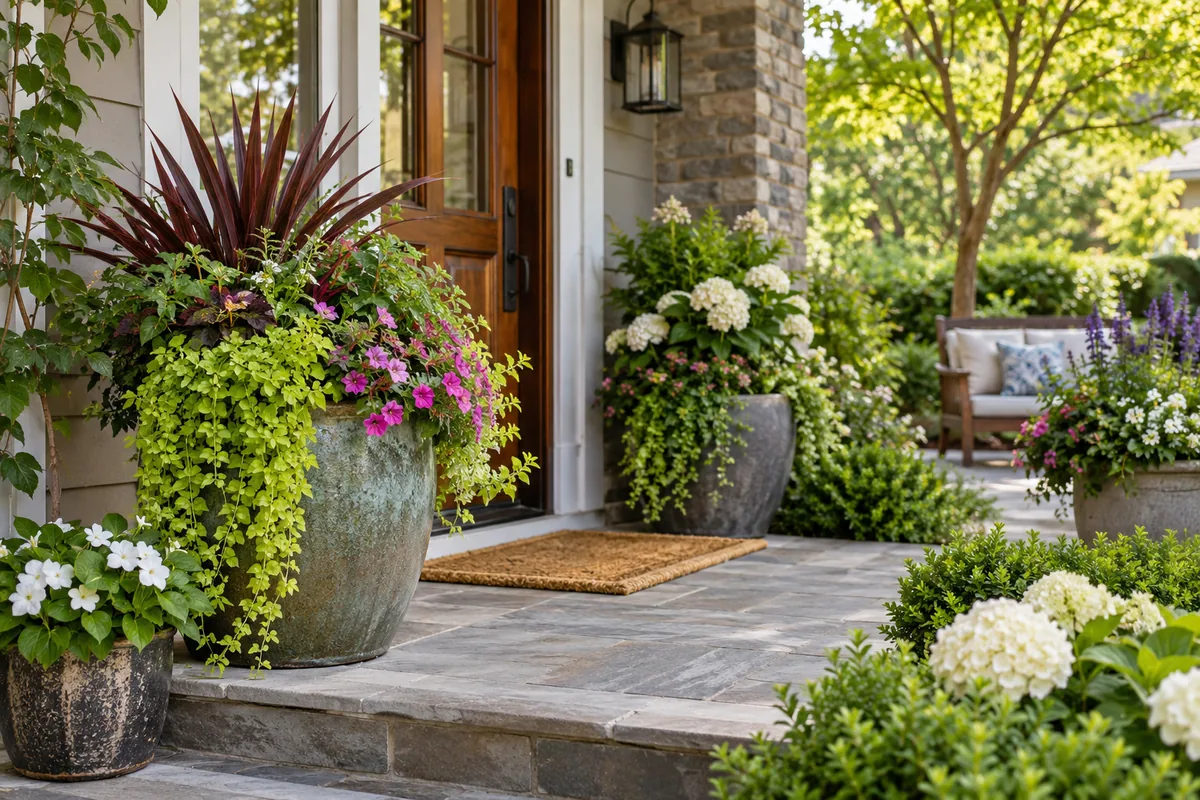
Garden Planters for Useful and Manageable Planting
Learn how garden planters fit your yard, with practical material, placement, upkeep, and safety questions to review before choosing a visual direction.
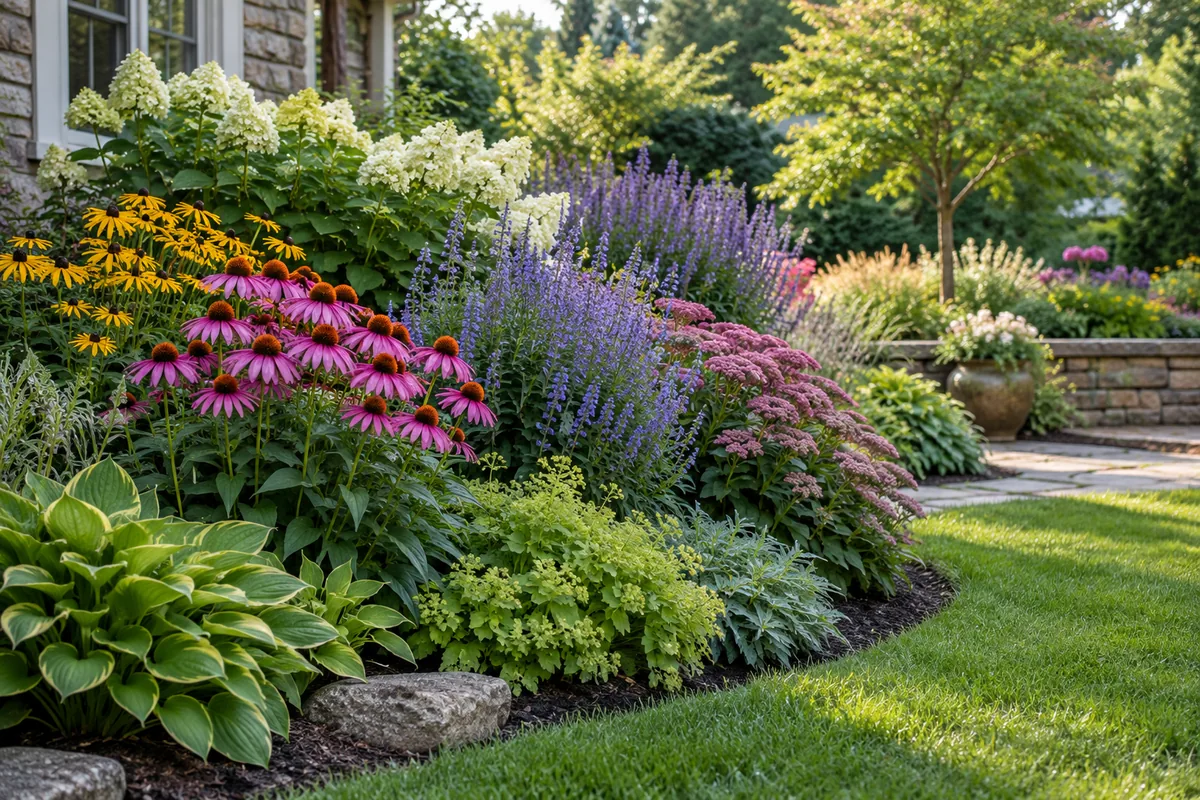
Perennial Flowers for Seasonal Roles and a Readable Border
Learn how perennial flowers fit your yard, with practical material, placement, upkeep, and safety questions to review before choosing a visual direction.
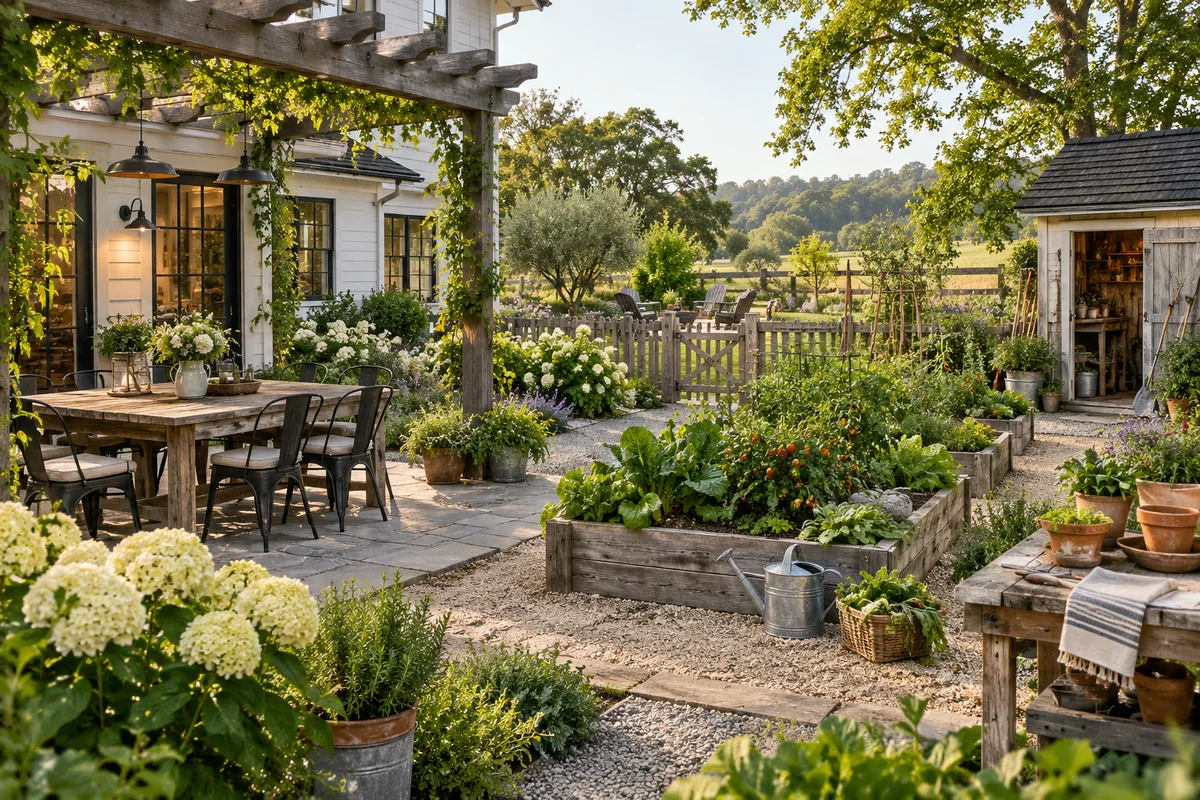
Farmhouse backyard ideas for growing, gathering, and work
Find farmhouse backyard ideas for productive beds, simple gathering spaces, working routes, sturdy materials, and practical storage connected to everyday use.
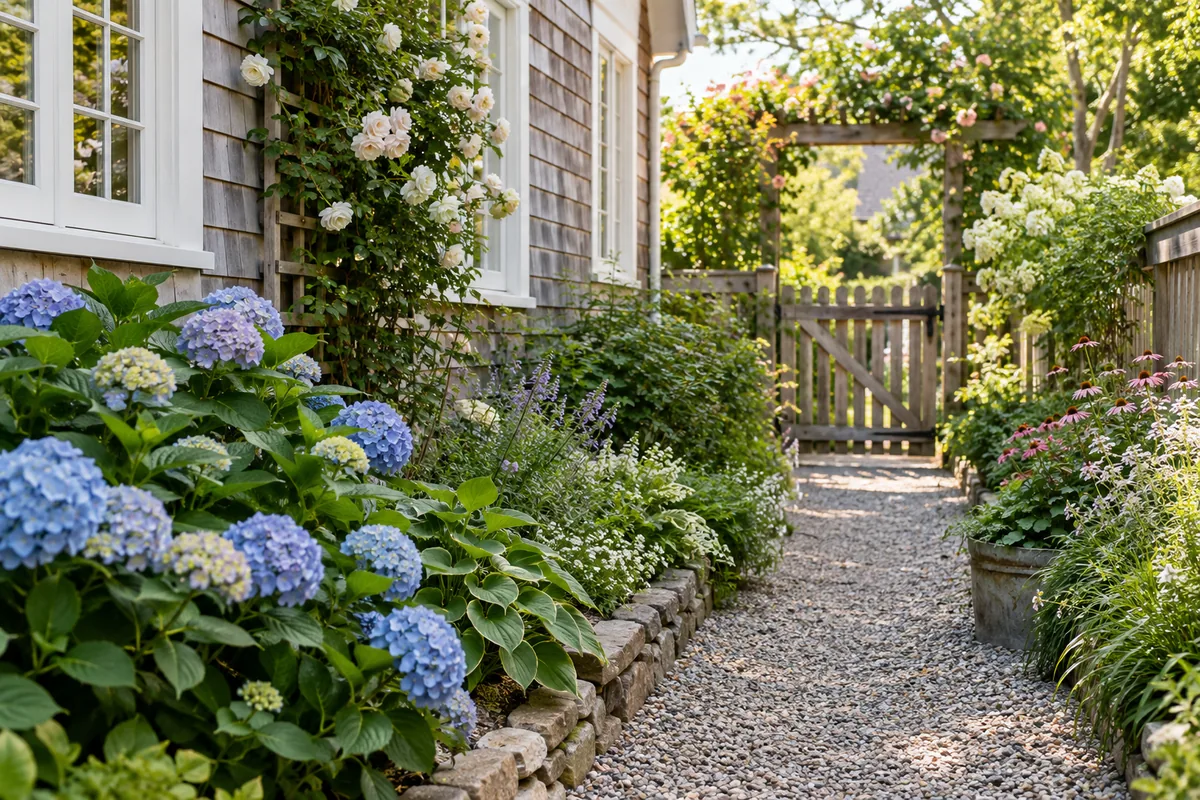
Cottage side yard ideas for flowers beside a working route
Find cottage side yard ideas for connected flowers, appropriate climbers, stable pots, readable gates, and a working route that stays comfortable to use.
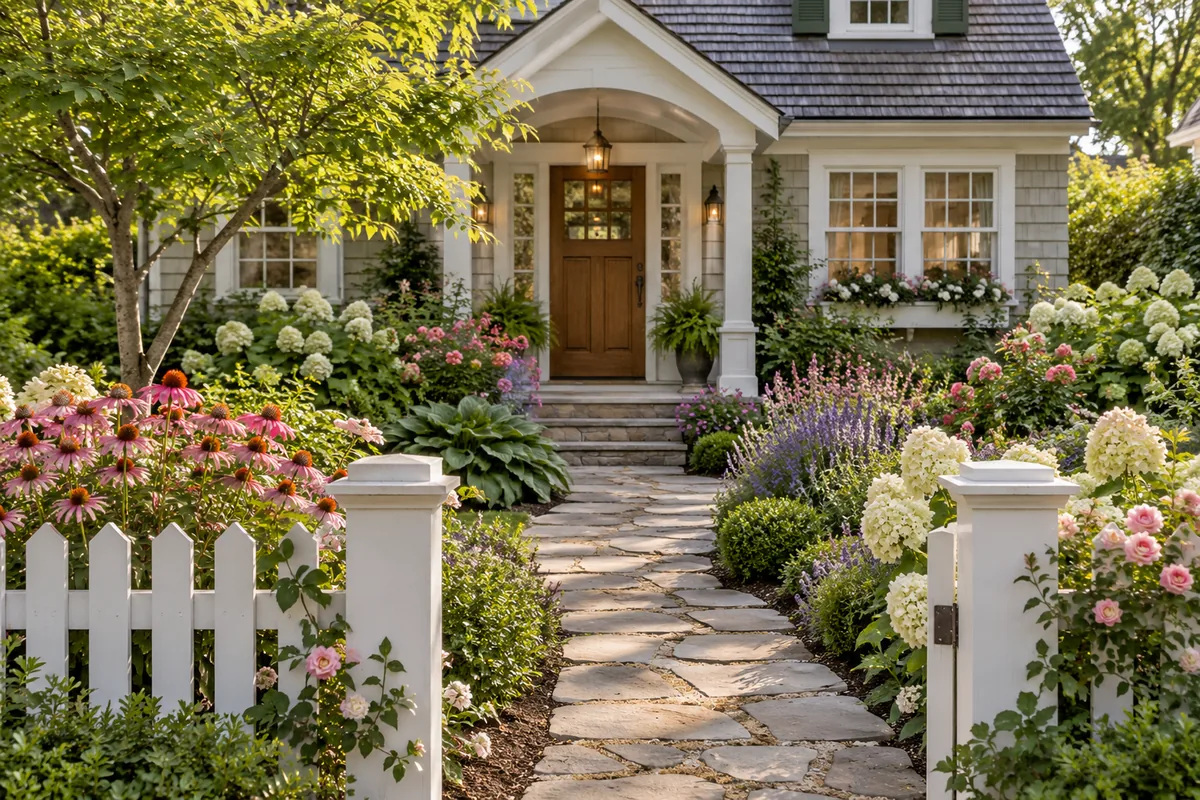
Cottage front yard ideas that welcome visitors through flowers
Find cottage front yard ideas for layered borders, useful gates, brick details, seasonal flower groups, and a welcoming entrance that stays easy to reach.
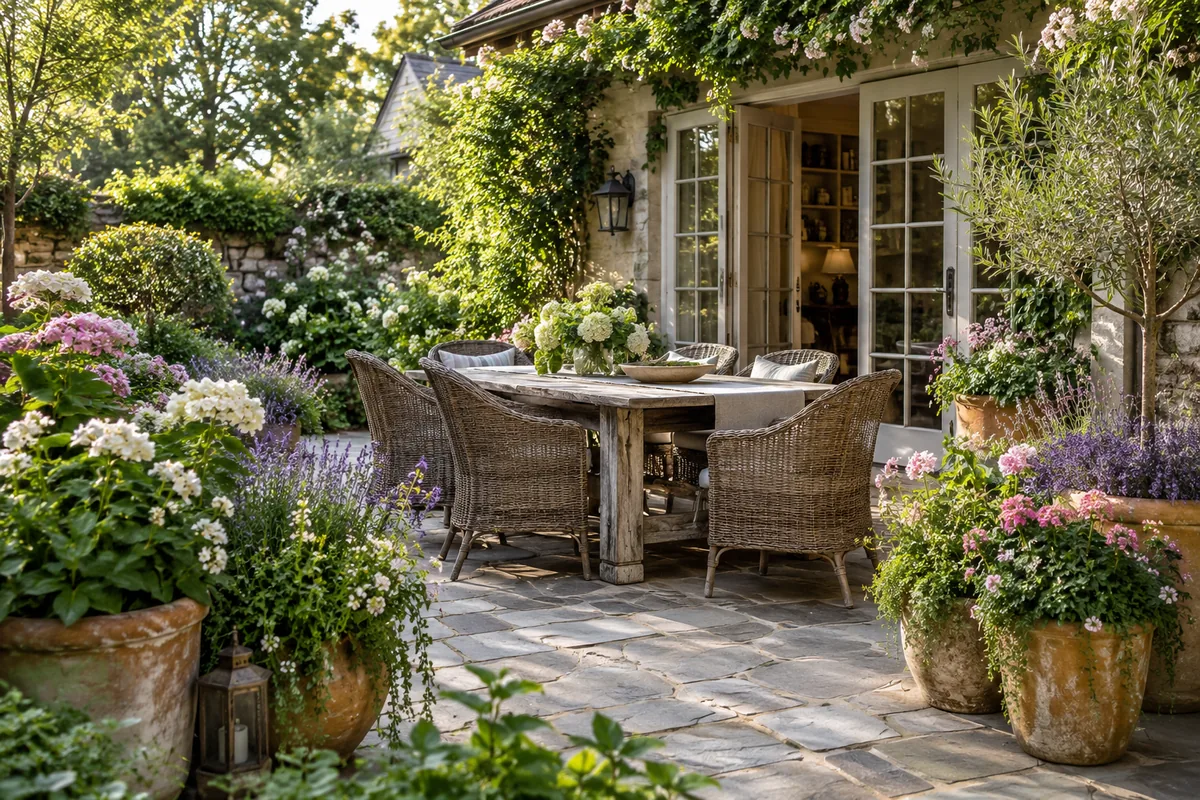
Cottage patio ideas that place flowers around a usable room
Find cottage patio ideas for grouped flowers, stable containers, appropriate climbers, warm materials, and a clear outdoor room that stays comfortable to use.