
By AI Landscape Design Team · Editorial policy
Cottage front yard ideas that welcome visitors through flowers
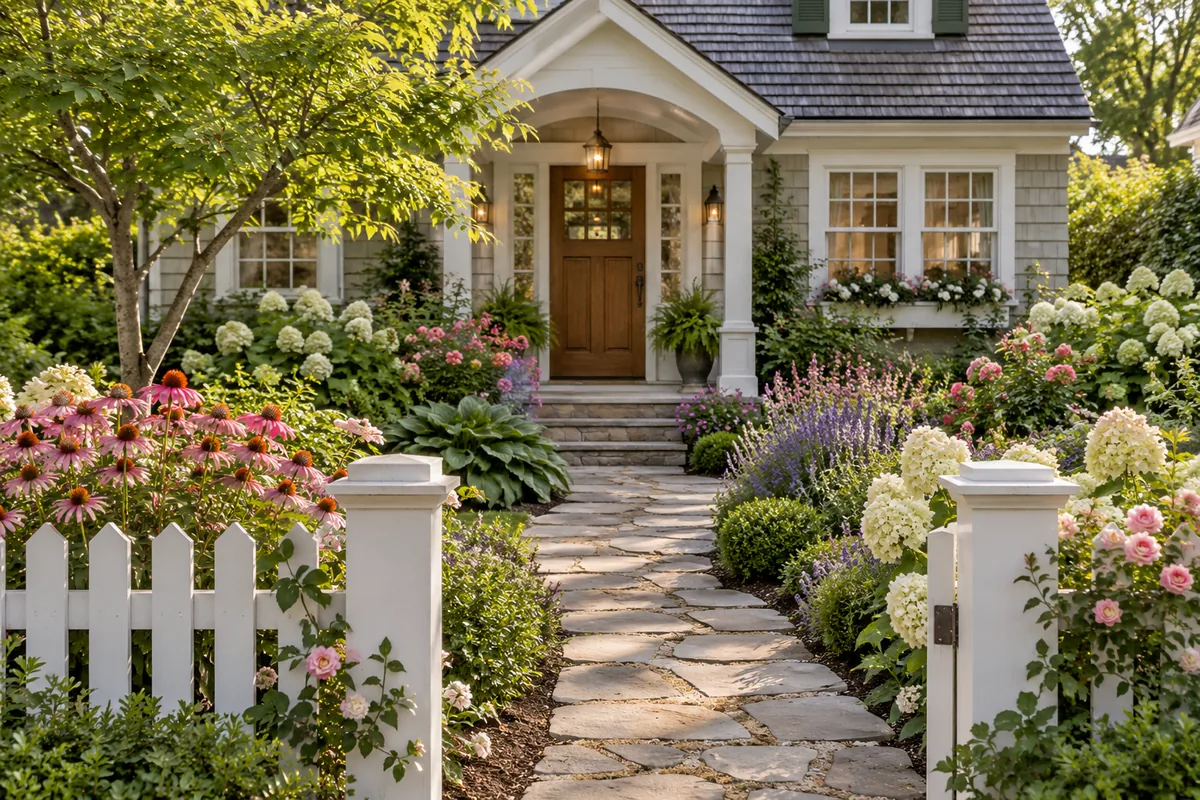
Cottage front yard ideas should make generous planting feel welcoming without obscuring the entrance or spilling across essential access. Build the composition around a dependable route, connected flower groups, and a few repeated structural cues. From the street, clear edges and a visible door help seasonal abundance read as intentional care rather than unmanaged growth.
Last updated · 6 min read
Key takeaways
- Keep flower abundance inside an understandable entrance framework.
- Repeat selected groups so seasonal variety still looks connected.
- Edit seedlings and sprawling growth where visitors need access.
What makes an abundant frontage comfortable to approach?
A visitor should recognize the door before needing to interpret the planting. Check the view from the sidewalk and then walk the approach carrying a bag. Note stems brushing against clothing, pots narrowing a turning point, and features hidden by parked cars. The cottage effect comes from generous borders beside a route, not from making that route disappear.
Consider the publicly visible workload too. Seasonal gaps and seed heads can be intentional, but a defined edge helps explain them. Before adding a gate or changing the frontage, review neighborhood rules and local restrictions. Preserve mailbox access, address visibility, and service equipment. A border near the road may need a different mature height from one beside a sheltered porch, even when the same visual style connects both.
Eight flower-led ideas with practical structure
- Wrap a connected border around the approach. Use a continuous planted edge instead of isolated flower circles in the lawn. This fits a house where the route already provides a strong backbone. Leave access for tending the interior and verify mature plant widths so the apparent fullness does not depend on repeatedly cutting stems away from paving.
- Repeat a recurring flower group. Choose a locally suitable perennial role and repeat it at several points in the frontage. It can connect a varied border without requiring uniform planting. Judge the foliage after bloom, not only the flower color in a nursery display. Plants with compatible light and moisture needs are easier to care for as one group.
- Let brick supply a quiet anchor. Retain an intact brick detail or consider a restrained brick-paver connection where professional assessment supports it. It works especially well when the house already uses warm masonry. Check surface condition and access rather than choosing uneven material for age alone. Mixed flowers are easier to read beside a dependable, visually consistent edge.
- Frame the gate rather than conceal it. A flowering shrub group can make a gate a destination when its mature growth stays clear of the opening. This suits a frontage with an actual boundary function. Review fence rules and preserve the latch and swing area. A gate added only as scenery can confuse circulation if the entrance route lies elsewhere.
- Use a porch container for seasonal emphasis. Group a few stable planters near the place where visitors pause, leaving the door unobstructed. This is useful when the main border is between flowering periods. Choose a container scale that relates to the porch, confirm drainage, and plan watering access. More small pots mean more individual care decisions, not necessarily more character.
- Support a vertical plant at a deliberate point. A locally suitable climber can draw the eye toward the entrance when an appropriate support exists. It fits a blank wall or boundary where maintenance access remains possible. Have structural attachment assessed where necessary and check regional invasive status. Do not choose an aggressive vine merely because it appears in cottage photographs.
- Select where seedlings may remain. Allow identified self-sown plants to soften a border where they do not crowd slower planting or obscure the house number. This suits an owner who enjoys editing through the season. Remove volunteers from the route and driveway view early. Informality is a decision about placement, not a commitment to keep every seedling.
- Save one quiet spot near the entry. A plain bench or a clear porch corner can provide visual rest beside a busy border. It works when the frontage has room for a real stopping place. Keep the seat away from turning cars and ensure it does not reduce delivery access. A useful pause point is more convincing than scattered decorative furniture.
How should the planting palette respond to the site?
Layer shrubs, perennial flowers, and optional annuals by mature form rather than stacking nursery pots too close together. Check the USDA hardiness zone with actual soil, exposure, water, and local invasive guidance. A cottage label does not resolve any of those questions. Where pets can enter the planting, use the ASPCA toxicity list and seek advice on uncertain identification.
Keep thorny branches and sprawling stems away from the route visitors use. The cottage style guide gives the larger planting framework, while perennial flower guidance helps organize purchase questions. Neither reference is a verified species list for your address. If the design involves new levels, walls, or electrical lighting, bring in licensed local professionals. Contact 811 before digging in the United States, including new planted areas that appear visually modest.
What keeps the cottage entrance cared for through the year?
A publicly visible border benefits from selective tidying rather than indiscriminate removal. Keep the route open, inspect supports, and decide which seed heads contribute and which need cutting back. Photograph the frontage outside peak bloom so bare areas or overgrown patches can be evaluated. Do not fill every temporary gap immediately; that can crowd the planting later.
The AILandscape front yard tool can show a cottage visual concept on your property photo, helping compare border density and entrance visibility. The result is a discussion image. Confirm plants, measurements, drainage, and construction with local expertise before buying or changing the site. If the image hides the mailbox or adds an inaccessible flower strip, revise the arrangement. A welcome frontage has to support ordinary arrivals as well as a seasonal photograph.
Frequently asked questions
Can cottage flowers work beside a simple modern house?
They can soften a contemporary facade when the approach and material palette remain clear. Repeat plant groups and limit decorative accessories so the border relates to the house. Verify mature growth and leave the entrance visible instead of spreading flowers across every open surface.
Do all cottage front yard flowers need to bloom together?
A mix of flowering periods can give seasonal variety, but continuous bloom should not be assumed. Consider foliage and seed heads between flowering periods. Check how locally suitable plants behave and record actual gaps before adding more plants to an already full border.
Can a cottage front yard include a driveway?
Yes. The driveway is a working part of the composition and should remain easy to use. Keep mature growth and containers outside vehicle movement and required sightlines, then relate the remaining planting to the entry rather than trying to disguise the entire paved area.
Sources
Related reading
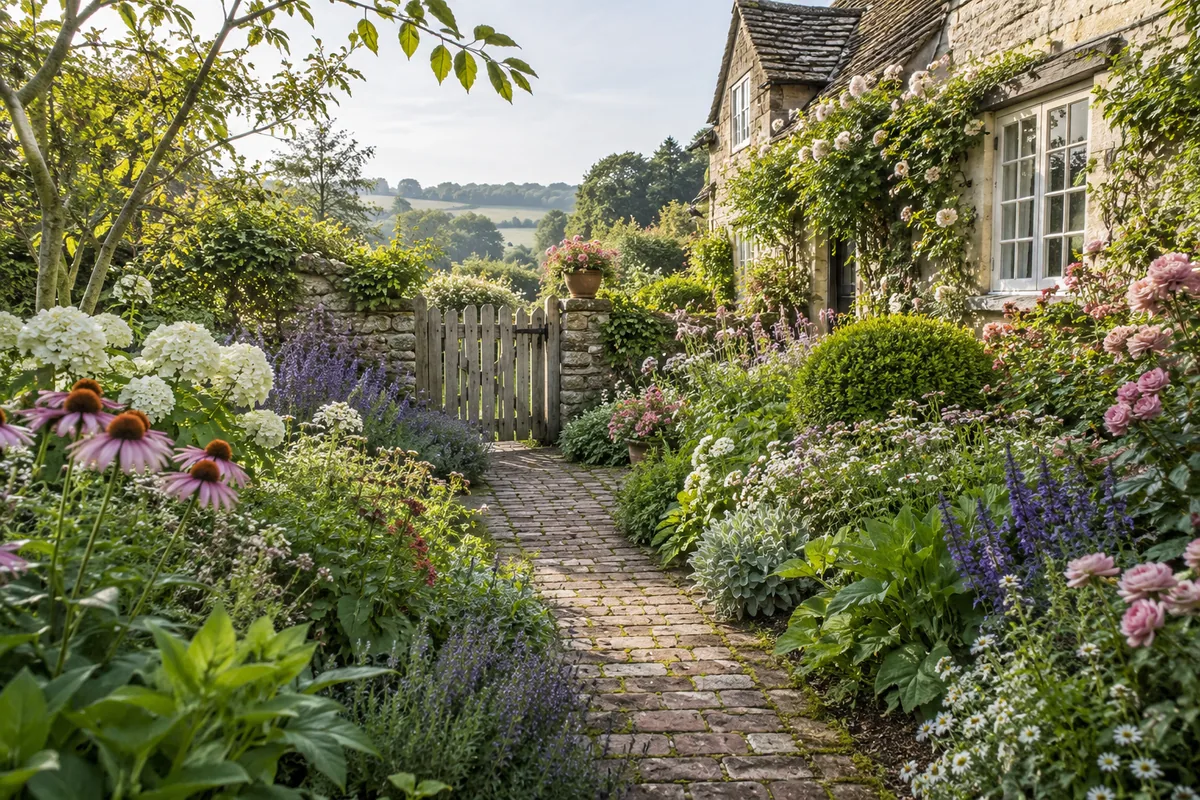
Cottage garden style: flowers with a working framework
Explore cottage garden style through layered flowers, selective self-seeding, clear paths, seasonal care, and the framework that makes informal planting usable.
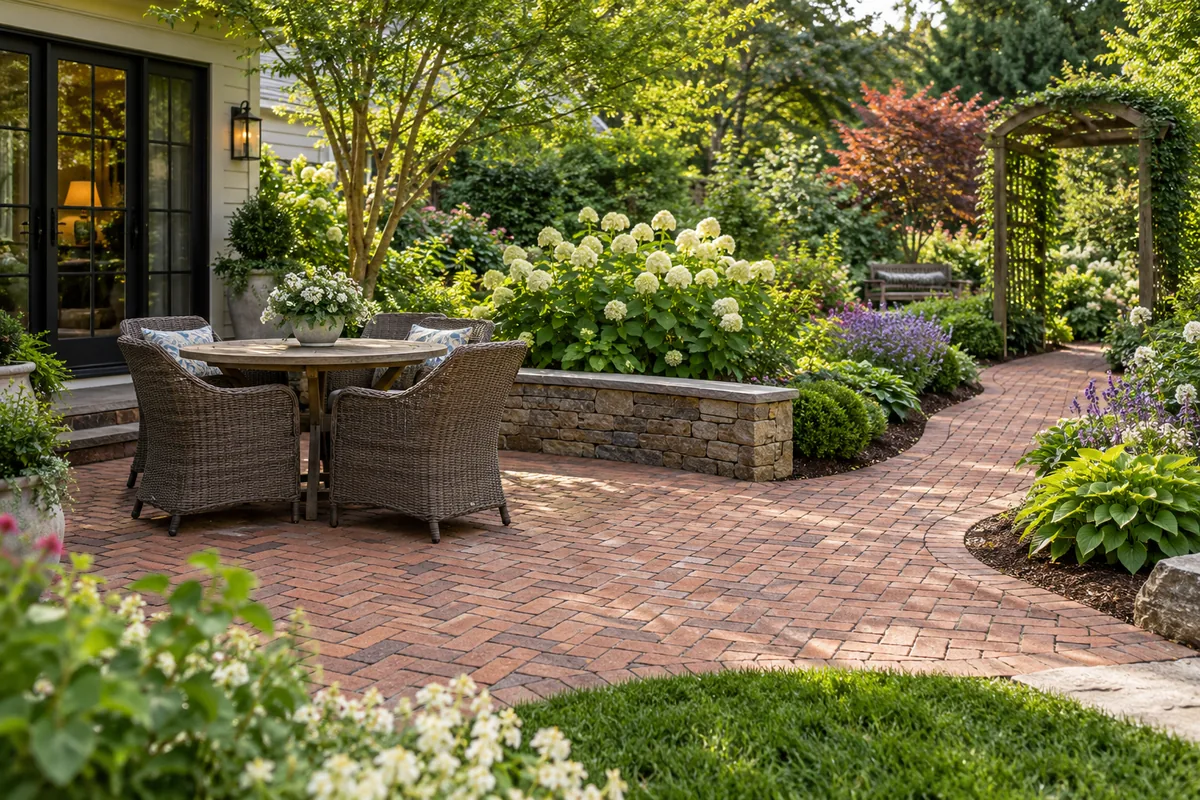
Brick Pavers for Useful Patios and Garden Paths
Brick Pavers for Patios and Paths: explore materials, placement, upkeep, and local safety questions before deciding how this feature fits your yard.
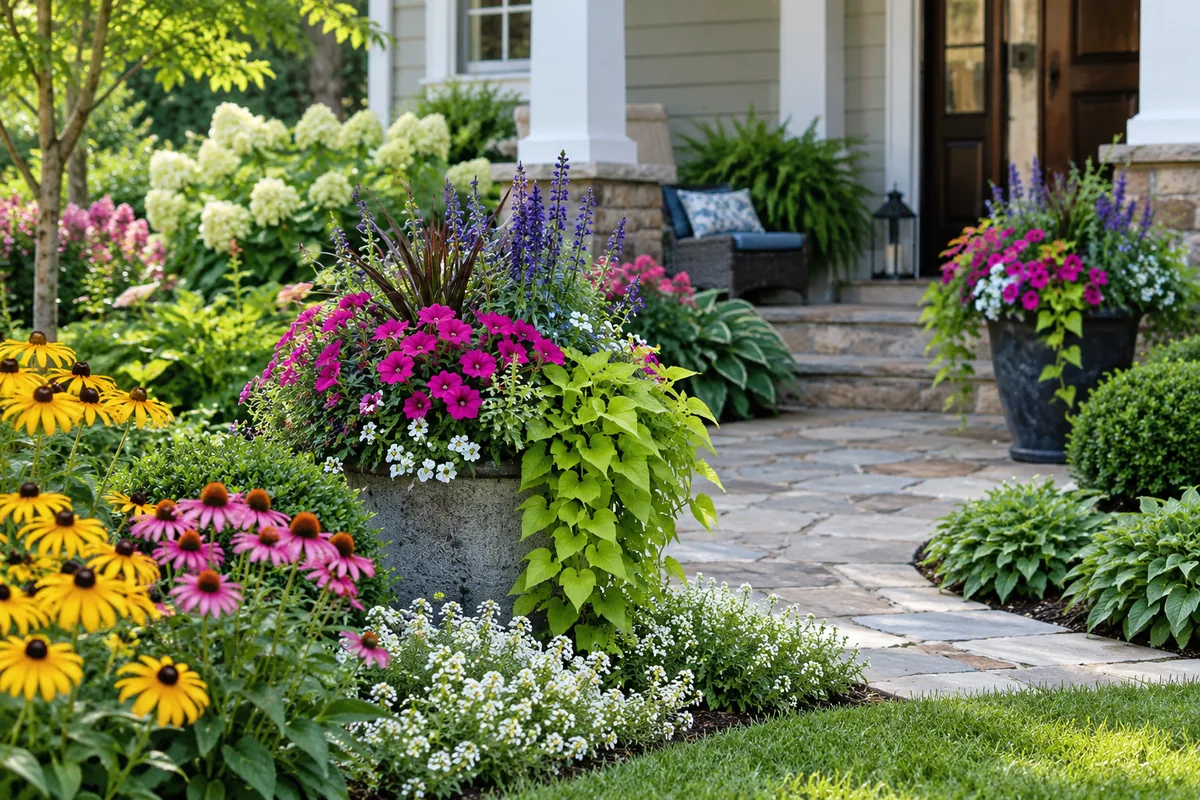
Annual Flowers for Seasonal Borders and Garden Containers
Annual Flowers: Seasonal Color and Containers: explore placement, upkeep, and local safety questions before deciding how this feature fits your yard.
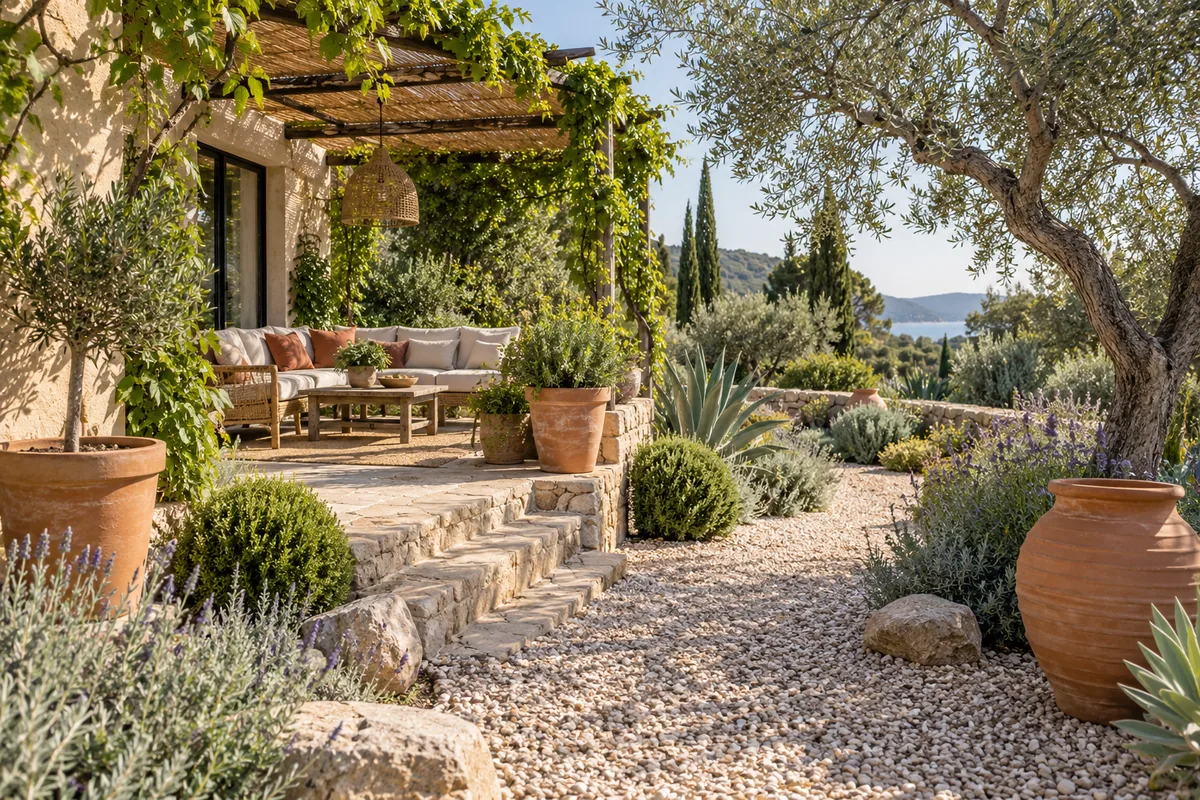
Mediterranean garden style: shade, gravel, and warm color
Understand Mediterranean garden style through shade, gravel, clay pots, and silver foliage, with practical ways to adapt the visual language to local climates.
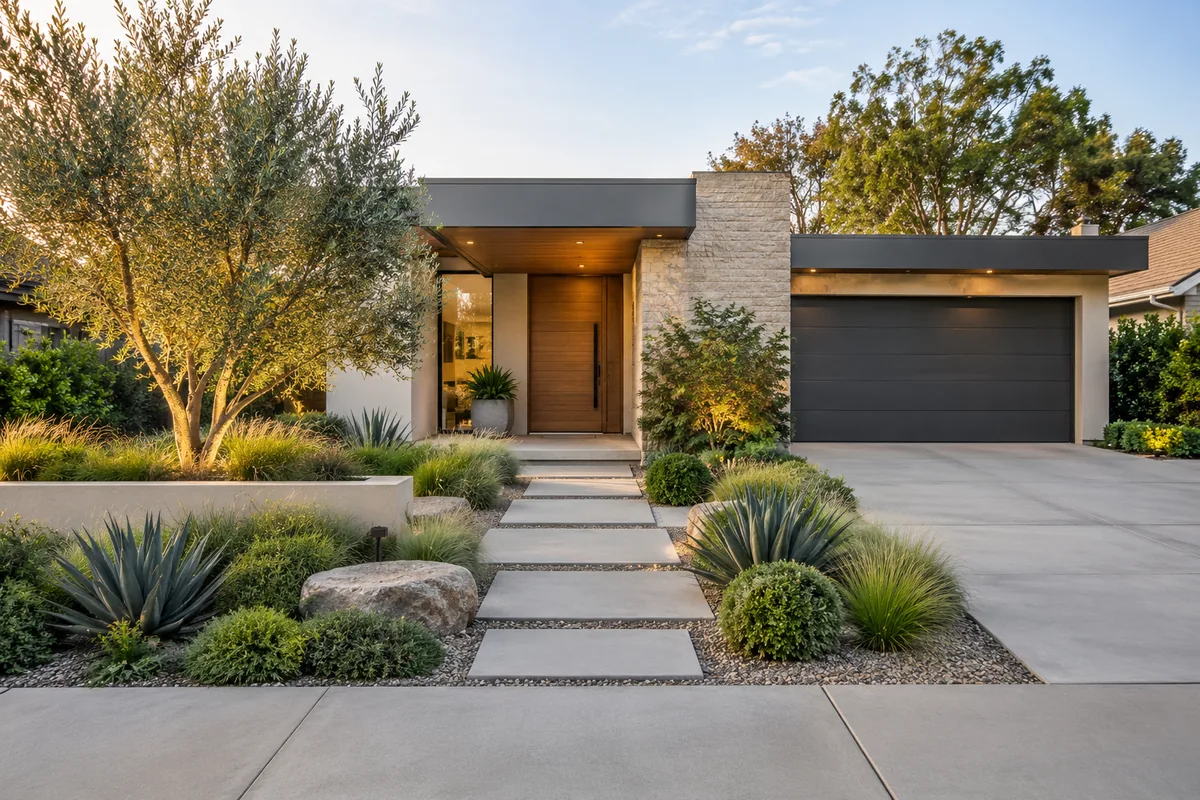
Modern front yard ideas for a clear, composed entrance
Explore modern front yard ideas for clear entrances, repeated planting, restrained materials, readable house numbers, and practical maintenance from the street.
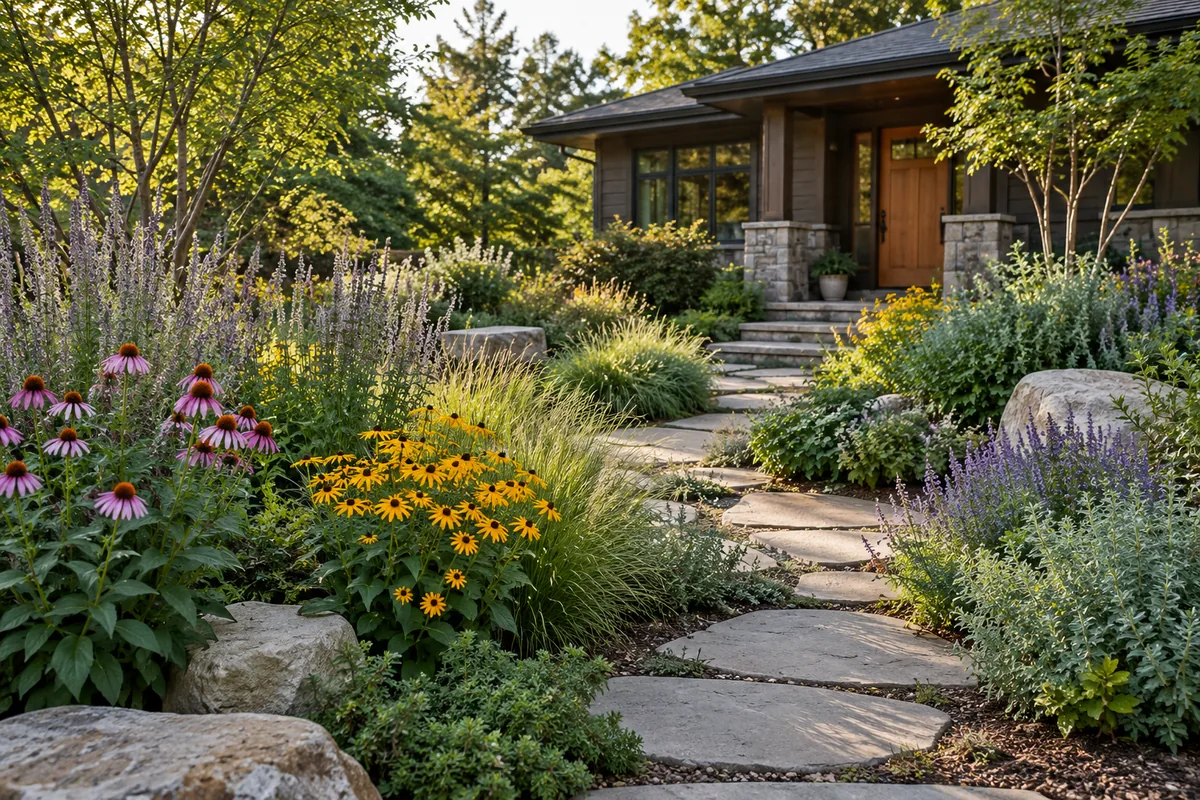
Native plant landscape style: regional plants with structure
Learn how native plant landscape style combines regional plant choices, seasonal change, and clear garden structure with practical care and neighborhood views.