
By AI Landscape Design Team · Editorial policy
Mediterranean garden style: shade, gravel, and warm color
Mediterranean garden style pairs sheltered outdoor living with warm mineral surfaces, terra-cotta, and planting associated with dry summers. Gravel, pale stone, and silver or aromatic foliage are familiar elements, but climate and site conditions determine the actual plant choices. Outside a Mediterranean climate, the look can be borrowed through color, texture, and shade without pretending that the same species will thrive.
Last updated · 7 min read
Key takeaways
- Treat summer comfort and shade as layout decisions.
- Connect terra-cotta and pale mineral finishes with the house.
- Use silver foliage as a visual role, not a universal plant prescription.
- Adapt drainage, winter protection, and planting to the local climate.
What distinguishes Mediterranean garden style?
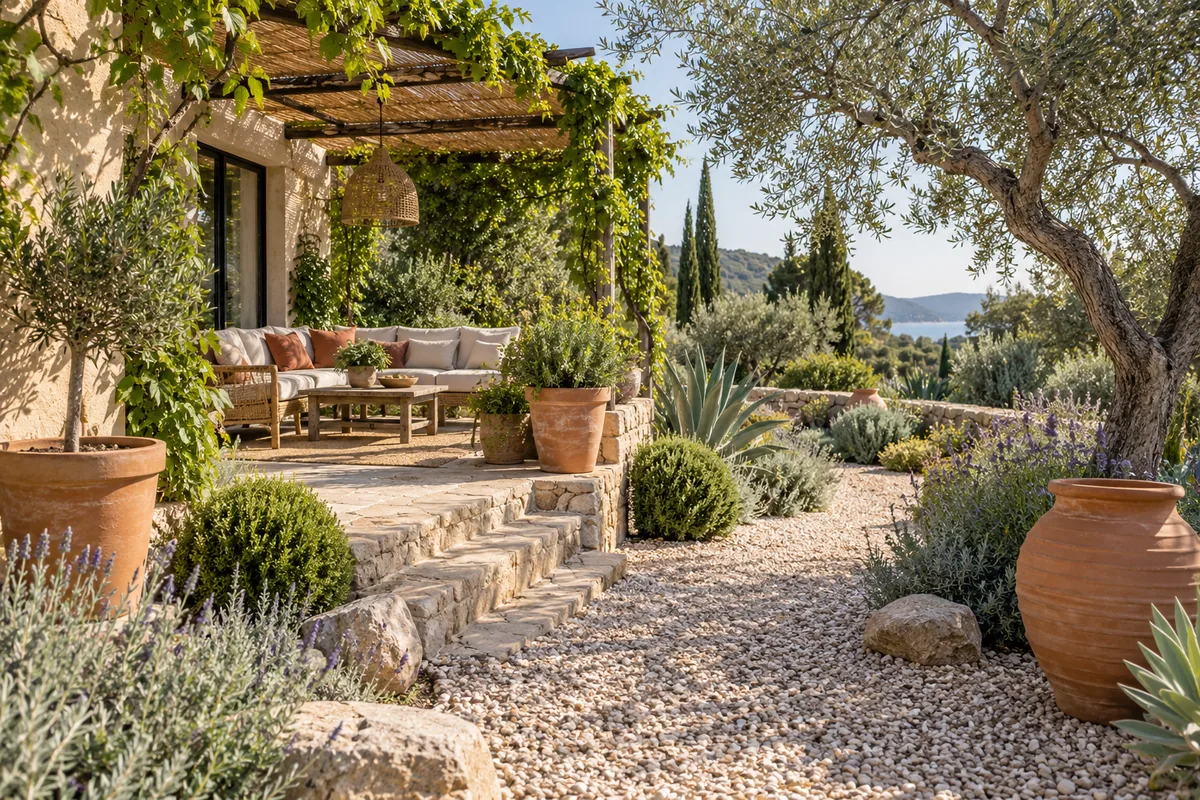
The garden often feels like an extension of everyday living: a shaded place to eat, a route between planted edges, and pots close enough to enjoy from a seat. The material palette can carry warm stone, gravel, weathered wood, and clay. Planting frequently has a textured, dry-summer character rather than a continuously irrigated tropical appearance.
Those visual cues are not a complete climate strategy. A terra-cotta pot in a wet northern garden still faces winter and drainage conditions very different from a sheltered coastal courtyard. Decide which part of the style you want to borrow. A warm paving color and a shaded table may achieve the intended character without a major planting change. Avoid interpreting the label as permission to install a nationally applicable collection of Mediterranean plants.
How should a shaded outdoor room shape the plan?
Identify the time of day when the household wants to sit outside. Observe where the sun falls then, not only when you happen to visit the garden in the morning. A dining area next to a wall may need shade from a structure or a locally suitable tree before its position becomes comfortable. Leave circulation around chairs and keep the route from the kitchen straightforward.
A pergola can establish a room visually, but its foundations, anchoring, and wind exposure need professional review. A climber adds another variable: its mature weight, growth, and maintenance must suit the support. Do not specify structural dimensions from an inspiration image. Mark a proposed seating footprint temporarily and test it with actual furniture before choosing the surrounding bed shapes. Comfort should guide the composition rather than follow it as an afterthought.
Which hardscape and container materials fit the look?
Gravel and pale stone can create a mineral background for foliage and clay containers. Select aggregate appropriate to its purpose: an ornamental bed surface and a dependable walking route have different needs. Contain loose material and assess access before spreading it across the main entrance. Where paving already works, a modest gravel edge may supply the visual transition without replacing the whole surface.
Terra-cotta containers vary in durability and weather resistance. Ask the supplier about the intended climate and inspect drainage arrangements. A pot that looks substantial can be difficult to move when planted, so settle its position before filling it. Place containers where watering is manageable and leaves will not interfere with doors. Distinct sizes can form a deliberate group; a row of unrelated small pots tends to create more watering work than visual structure.
How do you develop a suitable plant palette?
Start with the role each plant must perform: shade, screening, a silver foliage accent, a low aromatic edge, or seasonal flowers. Then identify locally suitable plants that can perform those roles. Lavender, rosemary, and olive foliage are familiar references for the style, not promises of suitability on your property. Check their actual requirements and local restrictions before considering them.
Review the USDA hardiness zone together with summer heat, soil, moisture, and exposure. Winter cold is only one part of the assessment. A plant that survives cold may still suffer in persistently wet soil or a shaded bed. Consult regional horticultural guidance rather than relying on the origin implied by a common name. Also check invasive status and, where animals reach the planting, the ASPCA toxicity list. Visual similarity does not establish equivalent care or safety.
How should color and texture be balanced?
Warm clay can act as an accent against quiet gray-green foliage. Pale masonry provides a background that changes with sun and shadow. Use one of those relationships prominently and let the others support it. An intense blue door or cushion can be effective when it is the exception; repeating strong colors across every pot, tile, and flower can dilute the intended focus.
Look closely at leaf surfaces and growth habit. Fine, silvery foliage contrasts with a broad clay vessel, while a darker shrub can anchor the edge of a bright courtyard. Keep seasonal flowers in connected groups instead of scattering unrelated colors through the gravel. Evaluate the scene after rain as well as in dry weather because stone and aggregate change appearance. The palette should remain understandable when the flowering plants are between seasons.
How can the style adapt outside a Mediterranean climate?
In a wetter climate, borrow the material colors and outdoor-room structure while choosing plants for local moisture conditions. Do not assume that raising a bed or adding gravel automatically solves drainage; a licensed local professional should assess where water goes before grades change. Containers may offer flexibility, but they still need suitable drainage and a realistic winter care plan.
In colder regions, a Mediterranean reference can be expressed with seasonal pots and regionally appropriate permanent planting. Determine where any tender containers will spend the winter before buying them. In hot humid areas, prioritize airflow and choose plants with regional advice rather than assuming all dry-summer references suit humidity. The design succeeds when the adapted garden remains usable and maintainable, even if its plant list differs substantially from the original inspiration.
What maintenance and water planning are realistic?
A gravel garden still needs weed control, leaf removal, and edge inspection. Pots need attentive watering and may dry differently from ground planting. Group plants by their verified water needs so one irrigation practice does not force an unsuitable compromise. According to EPA WaterSense, outdoor water efficiency involves plant choices and watering practices; decorative gravel alone is not evidence of an efficient landscape.
Plan access to hoses and any irrigation equipment before pots become too heavy to move. Inspect clay containers for damage and review pruning needs with the selected plants' actual behavior in mind. Excavation for beds or irrigation in the United States requires contacting 811 beforehand. Qualified professionals should handle drainage alterations and outdoor electrical work. A garden can look relaxed while still depending on careful behind-the-scenes maintenance.
How to use Mediterranean style in a front yard, backyard, side yard, or patio
For a Mediterranean front yard, use a clear paved approach and a few well-positioned containers to connect the house to the planted edge. In a Mediterranean backyard, make shade and a comfortable dining position the main organizing decisions, then add planting around that useful room.
A Mediterranean side yard can borrow gravel and muted foliage without obstructing a service route or directing runoff toward the house. A Mediterranean patio can build the character through clay pots, a quiet surface, and a shaded seat. Leave room to water and inspect the containers. Choose the interpretation that fits the site rather than trying to install every familiar regional detail in each space.
What mistakes make the design difficult to live with?
Overreliance on imported-looking plants can create avoidable losses and ongoing replacement. Too much exposed pale hardscape can also make a garden uncomfortable despite an appealing photograph. Review the proposal from the seat you will actually use and assess shade, glare, and access. Keep useful existing vegetation when it supplies shelter or a material connection that the new palette can respect.
AILandscape offers a way to compare Mediterranean visual concepts from a yard photo before settling on a direction. The image can help explain a desired relationship between shade, pots, and planted areas; it does not verify species, soil suitability, or installation details. Ask local specialists to assess plants and construction, and measure the property independently. A believable adaptation keeps the style's outdoor-living purpose while responding to the weather and routines of the real site.
Frequently asked questions
Can Mediterranean garden style work in a rainy climate?
The color palette, containers, and outdoor-room layout can be adapted, but plant and surface choices need local assessment. Select plants for the actual moisture conditions and have drainage concerns reviewed professionally. A decorative gravel layer does not by itself correct a wet site.
Are olive trees necessary for a Mediterranean look?
No single tree is essential. Shade, clay containers, mineral surfaces, and suitable foliage textures can express the style without an olive tree. Consider the role you want a tree to perform, then select a regionally suitable candidate with appropriate mature size and maintenance.
Does gravel mean the garden needs little water?
Water use depends on the chosen plants, establishment needs, soil, weather, and irrigation practice. Gravel is a surface treatment rather than proof of reduced demand. Check the actual plant requirements and monitor conditions instead of assuming that the material creates a dry garden automatically.
Sources
Related reading
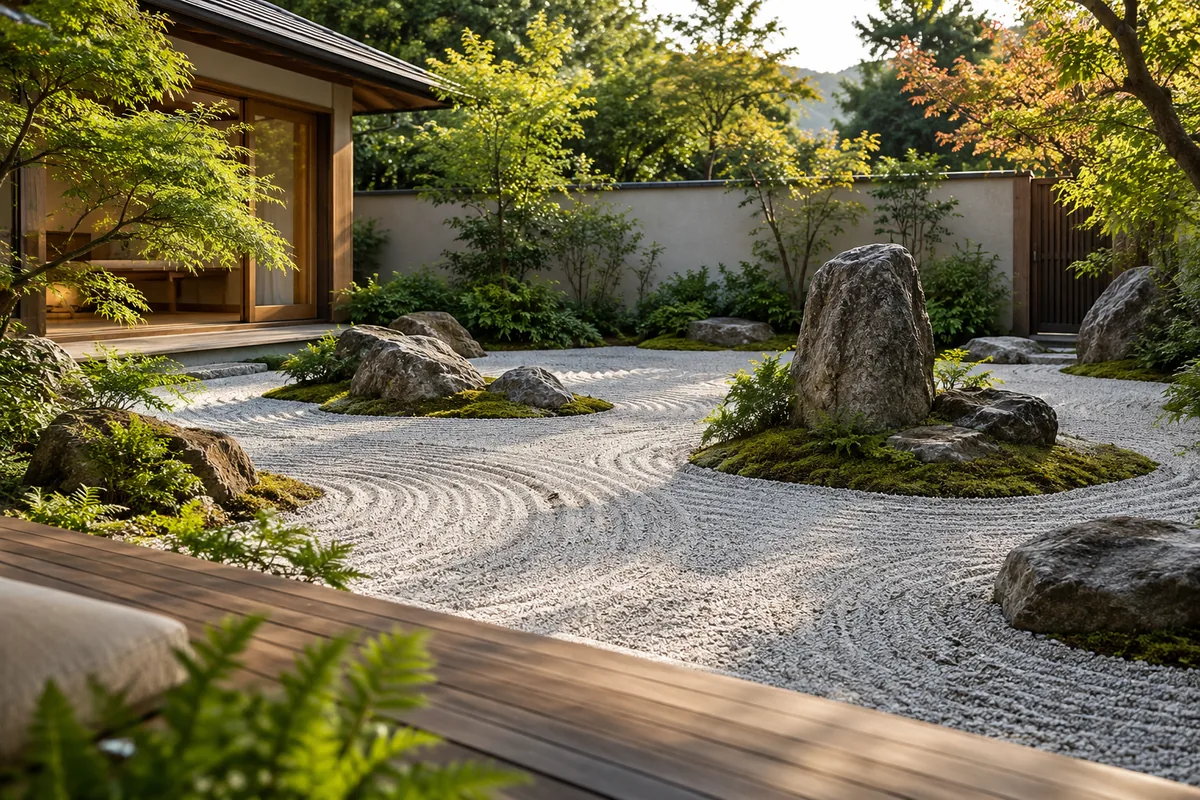
Zen garden style: stones, gravel, and deliberate space
Learn how zen garden style uses composed stones, raked gravel, restrained planting, and a chosen viewpoint, with practical limits for residential gardens.
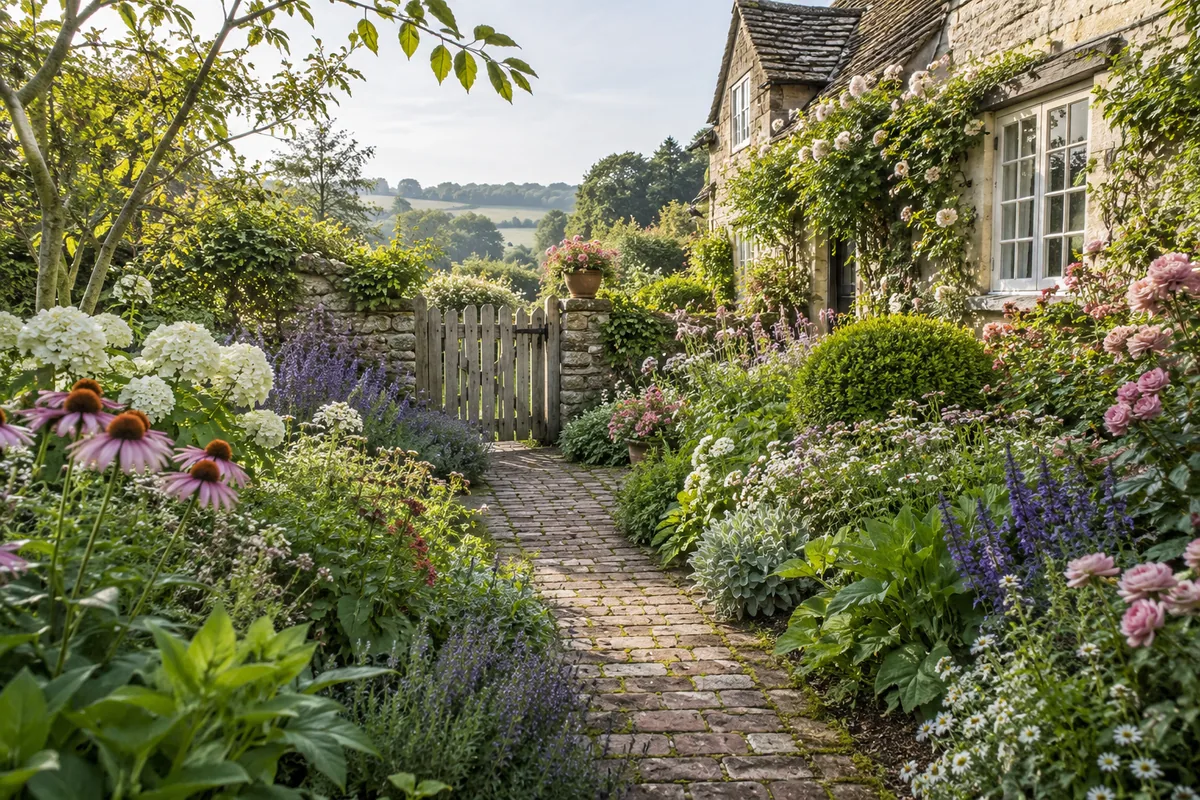
Cottage garden style: flowers with a working framework
Explore cottage garden style through layered flowers, selective self-seeding, clear paths, seasonal care, and the framework that makes informal planting usable.
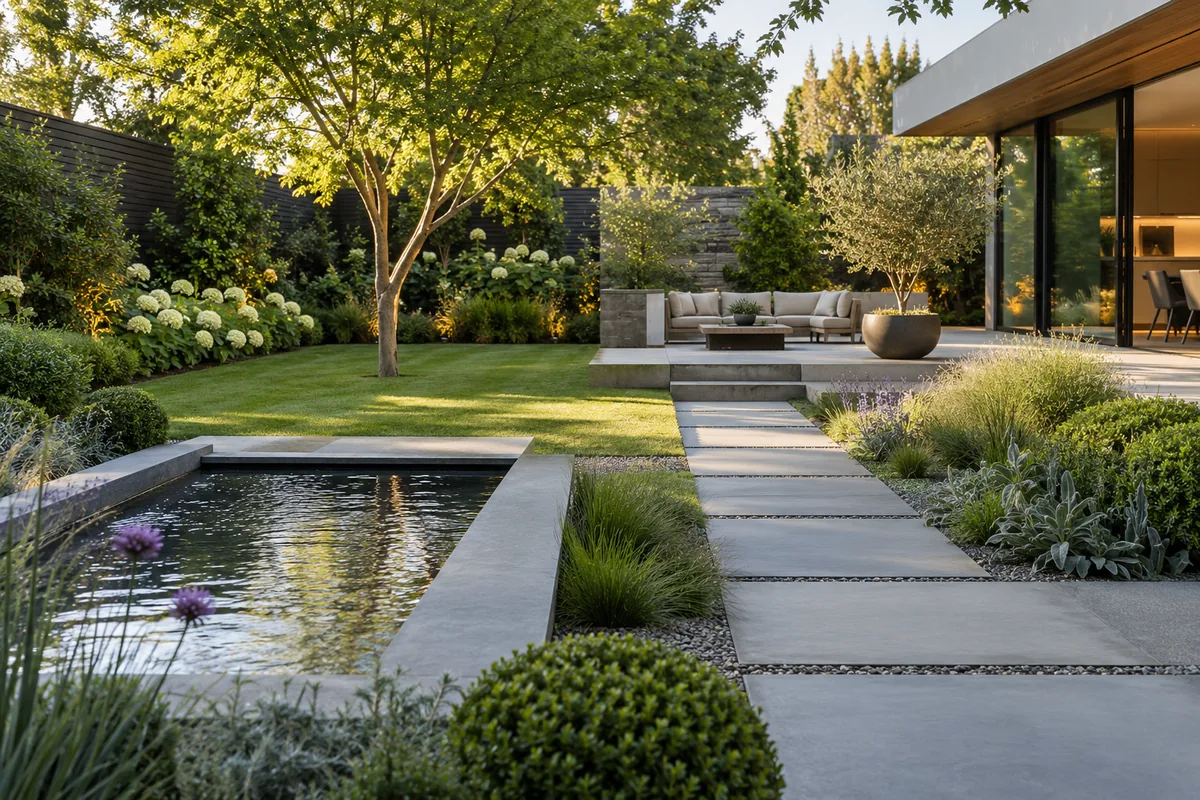
Modern landscape style: lines, space, and materials
Understand modern landscape style through clean lines, restrained materials, planting structure, and practical connections to contemporary architecture.