
By AI Landscape Design Team · Editorial policy
Brick Pavers for Useful Patios and Garden Paths
Brick pavers are individual paving units used to create outdoor paths, patios, and other surfaces. Specify paving products suited to the application: clay paving brick and concrete units can look similar but are not the same material. Their useful character comes from unit scale, pattern, and color; dependable performance also requires appropriate preparation, joints, restraints, and local site assessment.
Last updated · 6 min read
Key takeaways
- Specify exterior paving products rather than choosing brick by appearance alone.
- Keep the pattern compatible with the house and the actual route.
- Confirm climate suitability, drainage, and installation details locally.
What is the difference between clay and concrete brick?
Clay paving brick and concrete paving units are produced differently and can offer different textures, color behavior, and product guidance. Ask the supplier to identify the actual material and its exterior paving application. Do not assume every brick from a demolition pile can perform as an outdoor paver. A reclaimed product may require assessment and sorting before use. The comparison should name the intended units rather than rely on the word brick alone. Our material comparison page is listed among the related reading so you can investigate the two options without turning a single-element guide into a universal ranking.
Which paving pattern helps the space?
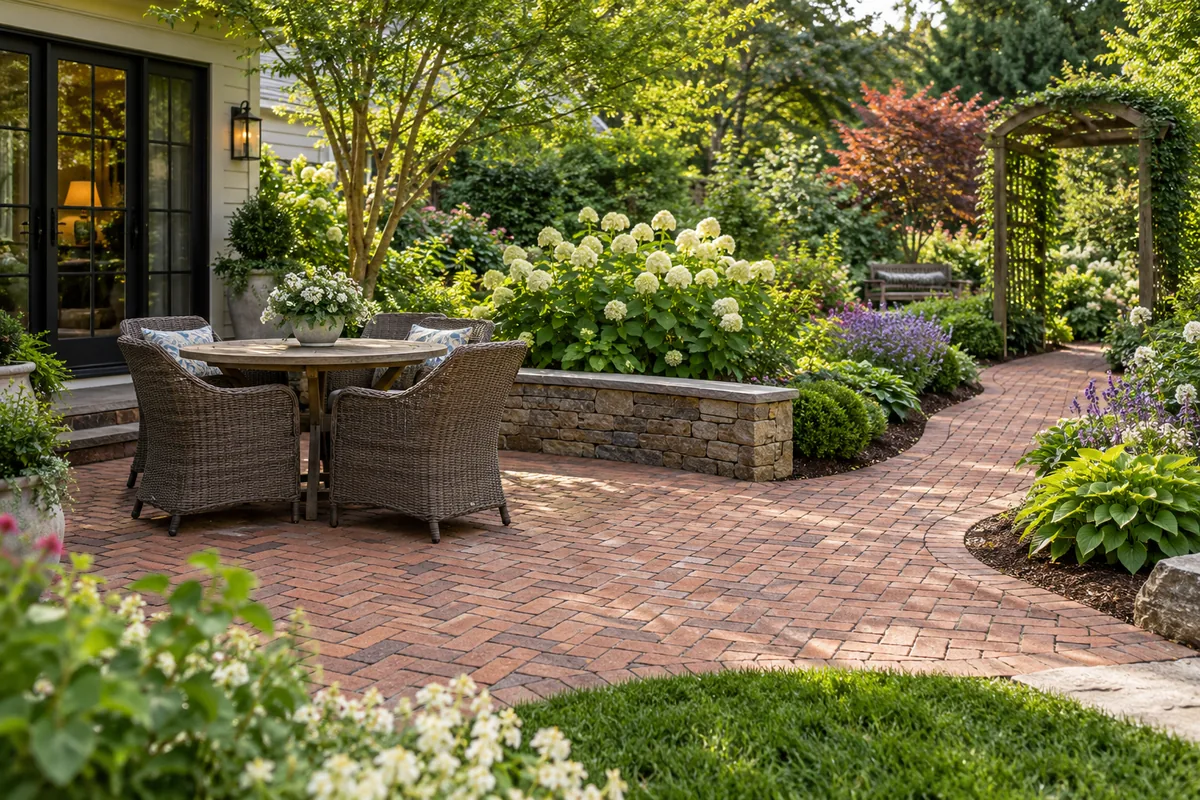
A restrained running pattern can make a route feel direct, while a more directional arrangement can draw attention to an entrance or sitting area. The appropriate layout depends on unit dimensions, boundaries, cuts, and use. Choose a pattern for the whole surface, not only a display panel. A busy brick facade may benefit from quieter paving, whereas a plain wall may tolerate a more visible rhythm. Ask the installer how the selected pattern meets edges and changes in direction. Avoid adding several decorative borders if they obscure the route or produce unnecessary cuts that do little for daily use.
How should the route be placed?
Trace the movement from door to gate and identify where people pause, carry bags, or turn with equipment. Let the brick surface support those movements before shaping a decorative curve. A patio needs an actual furniture test, with chairs moved as they would be during a meal. Measurements and access requirements must be checked at the site rather than taken from a concept image. Consider the surface transition at the doorway and the edge beside planting. A familiar brick texture can be visually welcoming, but it does not excuse uneven levels or a route interrupted by growth and ornaments.
What lies beneath the visible units?
The supporting system, restraints, joints, and ground conditions are part of the paving choice. Ask a qualified installer to explain the proposed arrangement and what site information it relies on. Do not copy a base depth or preparation recipe from another property whose soil and use differ. Licensed local professionals should assess grading and drainage changes, especially near buildings or retaining features. Contact 811 before digging in the United States and clarify private-service locating needs. The finished pattern is only the surface of the project; its appearance cannot demonstrate that the less visible work has been suitably designed and completed.
What should be asked about freezing weather?
Confirm that the specific paving brick and installation system suit the local exposure, including relevant freeze-thaw conditions. Product suitability should be verified rather than inferred from a traditional appearance or the success of a different brick elsewhere. Ask about maintenance practices and any limitations related to deicing products. Water movement deserves review alongside the unit choice, since the whole system experiences the site's conditions. Avoid a blanket claim that every brick is frost-proof. Keep supplier documentation so future repair decisions use the actual product information rather than the broad material category or a remembered color name.
Which planting styles pair naturally with brick?
Brick can frame a cottage border, support farmhouse working routes, or provide a warm accent in a more restrained modern layout. Its role should be clear: a quiet path beneath layered planting or a deliberately visible terrace pattern. Choose plants using verified local conditions, including USDA hardiness zone, light, moisture, mature size, and invasive status. A cottage reference is not a planting specification. Keep growth out of the route and allow maintenance access to both the bed and paved edge. The material pairing is successful when plants and surface support each other without making cleaning, watering, or ordinary circulation unnecessarily difficult.
How should repairs and upkeep be planned?
Clear leaves and debris using methods compatible with the units and joints, and inspect displacement or damaged edges before they worsen. Ask how individual units would be lifted, reset, or replaced if a repair is needed. Matching replacement material can be affected by age and product availability, so retain records and suitable spare units where practical. Compare the cost of the complete preparation and installation rather than the price of brick alone. Delivery, cuts, demolition, access, and restoration all matter. Do not describe a brick path as maintenance-free; its advantage is a useful, repairable surface when the actual system supports that role.
How can you review brick in a photo concept?
Inspect the joint rhythm and color beside the house from the normal approach, then ask whether the route still serves everyday use. AILandscape provides visual yard concepts, while product suitability, plant choices, drainage, and construction need local confirmation. Its images cannot establish quantities, levels, or the condition of the ground. Compare real paving samples after choosing a direction and bring the concept to the responsible professional as an appearance reference. Keep existing sound surfaces in the comparison too. Replacement is worthwhile when it solves a specific problem or supports a clear use, not simply because a newly patterned surface makes the image look finished.
Frequently asked questions
Can I use reclaimed wall bricks as pavers?
Only after the particular material has been assessed for the intended paving use and exposure. A worn appearance is not evidence of outdoor suitability. Ask the supplier and responsible installer about condition and application before using reclaimed units in an essential route.
Will brick paving match a brick house?
It can relate well without being an exact match. Compare full samples beside the actual facade and consider pattern scale as well as color. A quiet complementary surface may work better than a nearly matching tone that makes differences more noticeable.
Do brick paths need ongoing attention?
Yes. Debris, joints, edges, and any displacement need appropriate care. Obtain guidance for the actual product and system. A well-organized repair process can be useful, but it does not mean the surface will never require inspection or maintenance.
Sources
Related reading
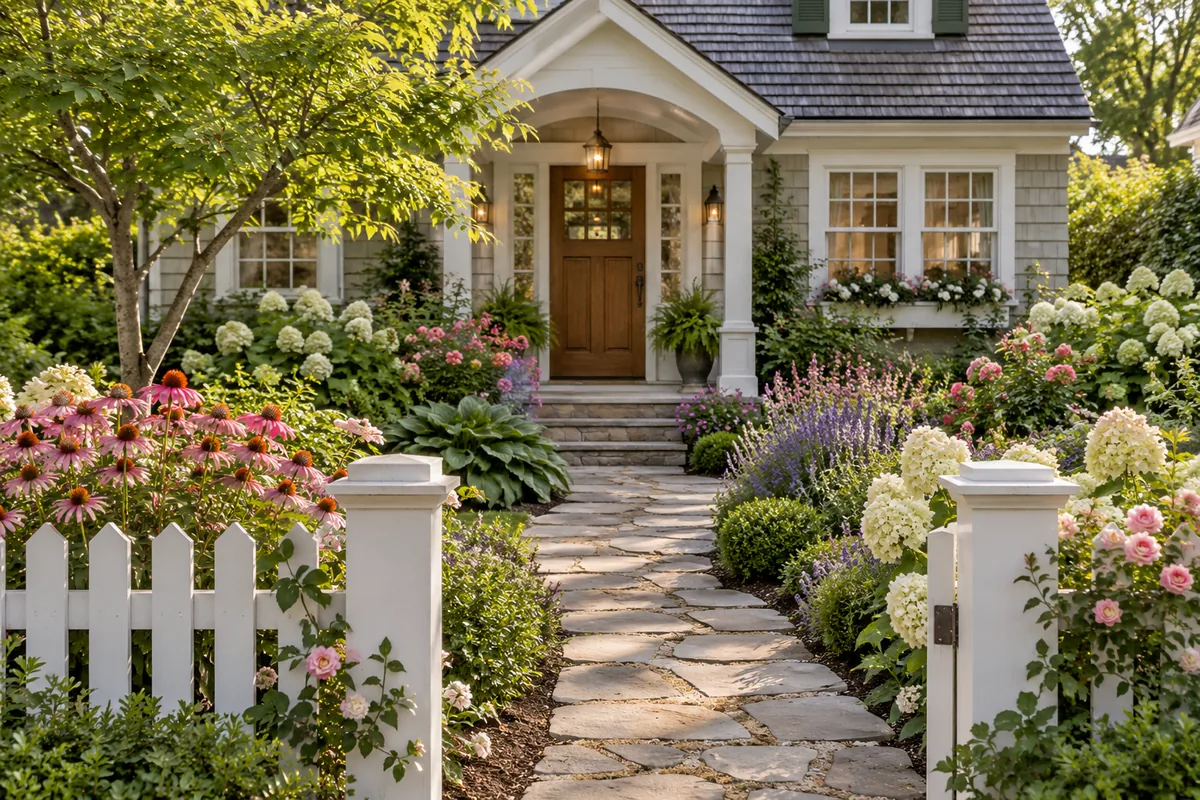
Cottage front yard ideas that welcome visitors through flowers
Find cottage front yard ideas for layered borders, useful gates, brick details, seasonal flower groups, and a welcoming entrance that stays easy to reach.
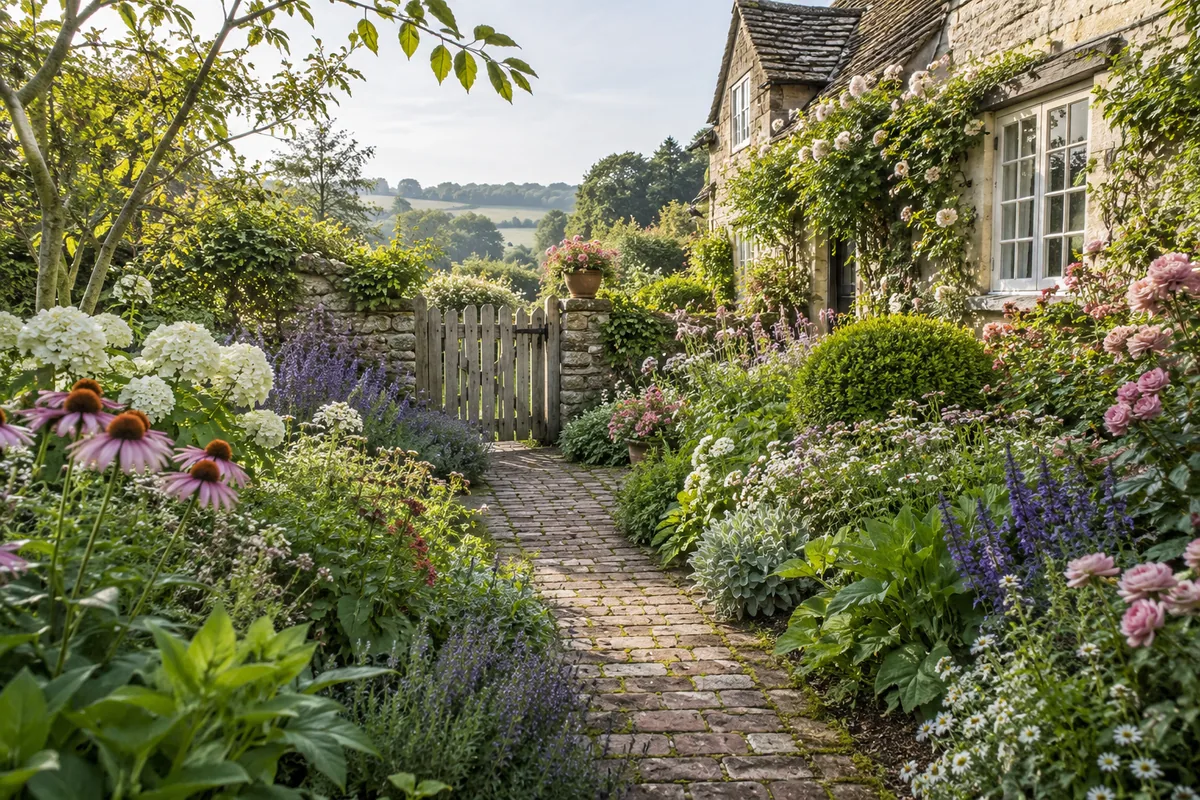
Cottage garden style: flowers with a working framework
Explore cottage garden style through layered flowers, selective self-seeding, clear paths, seasonal care, and the framework that makes informal planting usable.
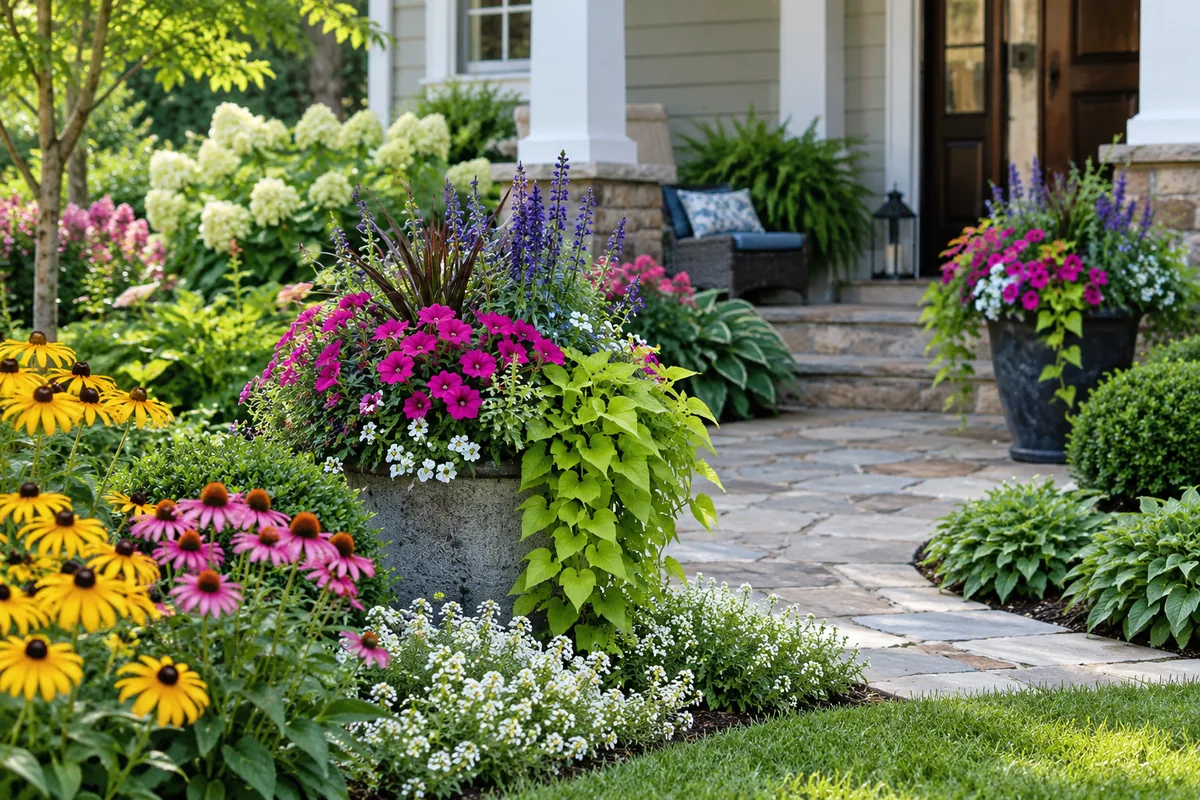
Annual Flowers for Seasonal Borders and Garden Containers
Annual Flowers: Seasonal Color and Containers: explore placement, upkeep, and local safety questions before deciding how this feature fits your yard.
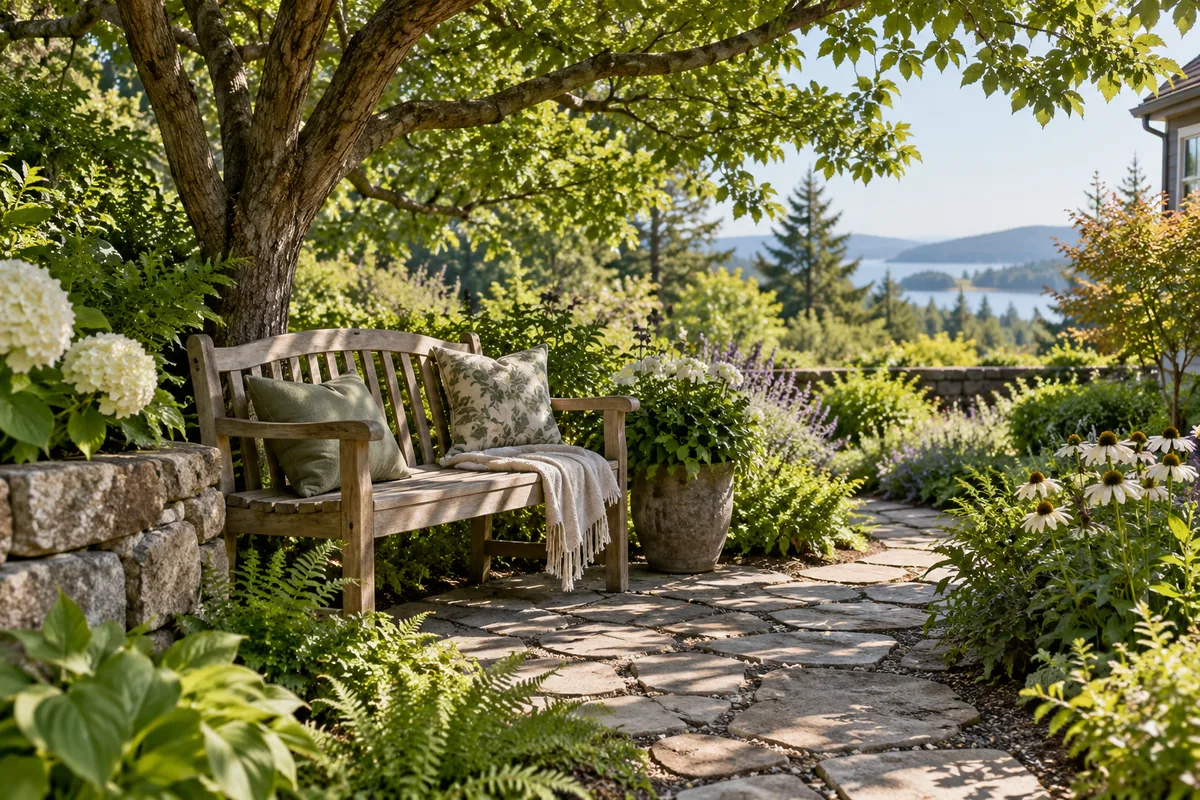
Garden Bench Ideas That Give People a Reason to Sit
Find garden bench ideas for shade, views, and everyday pauses, with practical guidance on seat fit, materials, access, maintenance, and stable placement.
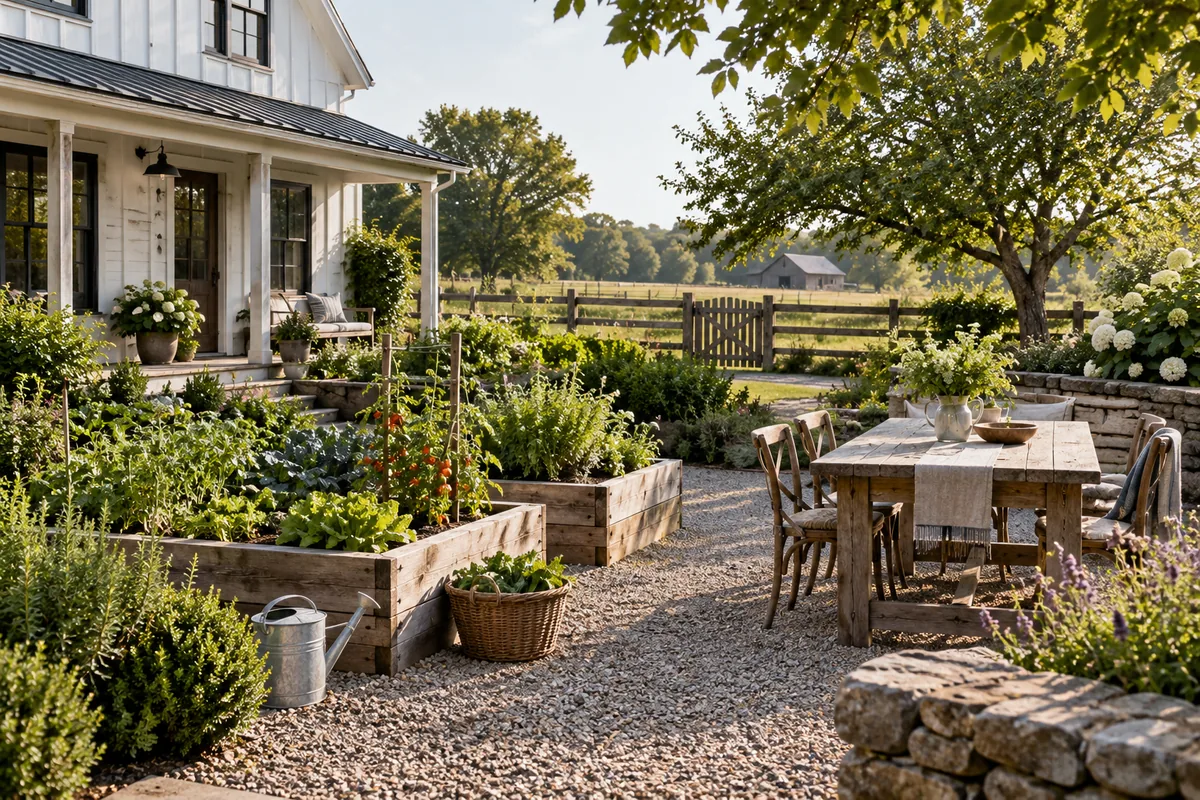
Farmhouse landscape style: useful spaces and honest materials
Discover farmhouse landscape style through practical fences, productive beds, wood and stone, and useful outdoor spaces that support everyday garden routines.
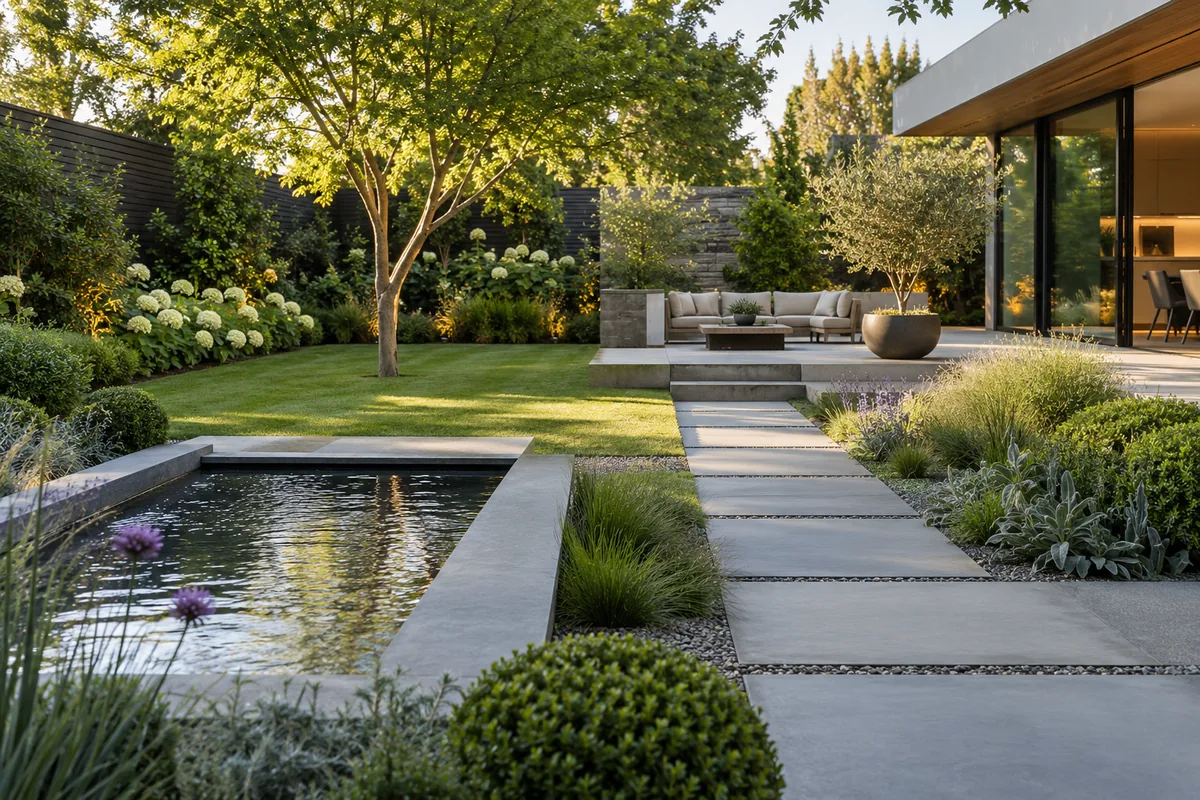
Modern landscape style: lines, space, and materials
Understand modern landscape style through clean lines, restrained materials, planting structure, and practical connections to contemporary architecture.