
By AI Landscape Design Team · Editorial policy
Farmhouse landscape style: useful spaces and honest materials
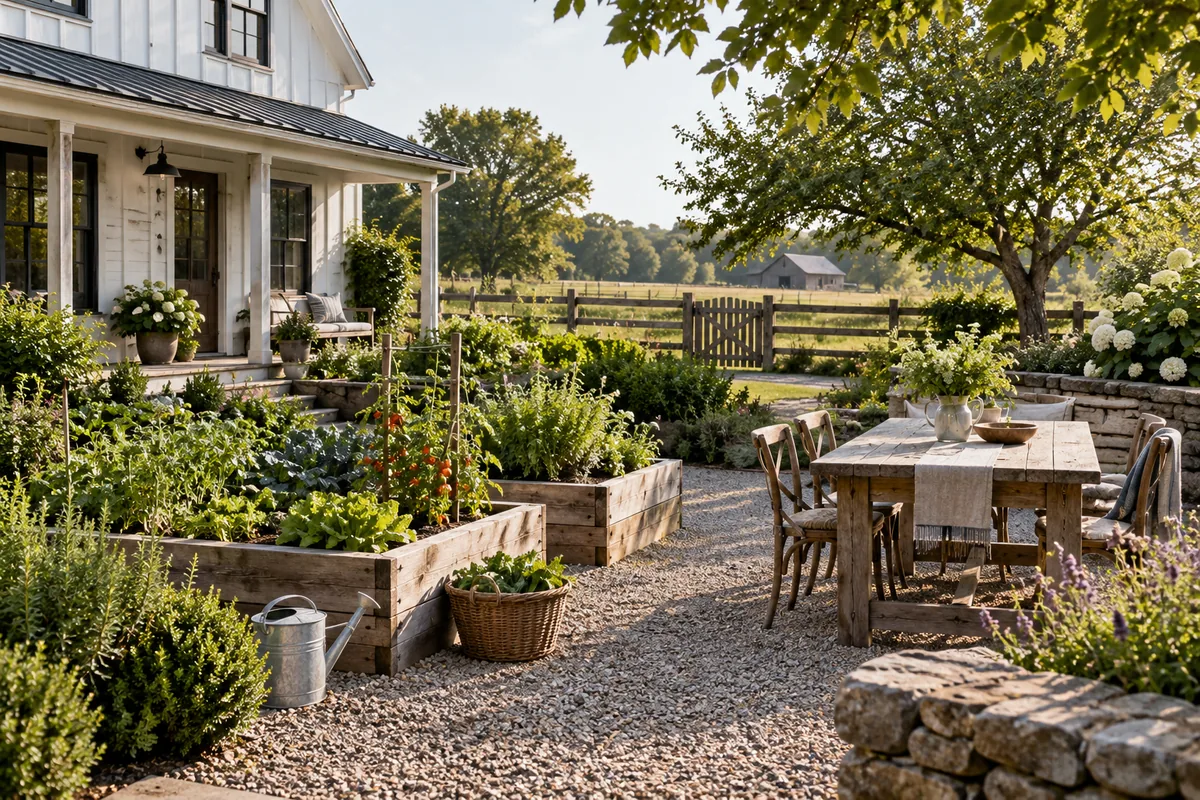
Farmhouse landscape style combines practical outdoor spaces with simple planting and familiar materials such as wood, stone, and gravel. Fences, productive beds, and places to gather contribute to its character when they serve real uses. Compared with cottage style, farmhouse design usually gives more emphasis to working routes, food growing, and straightforward construction than to a dense ornamental flower border.
Last updated · 7 min read
Key takeaways
- Let daily work and outdoor meals explain the layout.
- Use fences and materials for real purposes rather than decoration alone.
- Place productive planting where care and harvest are convenient.
- Keep a clear difference between deliberate rustic character and disrepair.
What makes the landscape feel farmhouse?
A farmhouse garden usually appears useful before it appears ornamental. A gate explains where to enter, a path reaches the growing area, and a table offers a place to stop after work. The materials can be plain and the planting varied, but the relationship between those elements should remain understandable. An old-looking wheelbarrow placed in the middle of a lawn does not establish that relationship.
The style can suit a rural house or a suburban interpretation. Start with the activities the household actually wants: tending vegetables, gathering outdoors, drying equipment, or moving between doors and storage. Keep the interpretation honest if those activities are limited. A small productive bed and a practical seat can provide more farmhouse character than a large decorative imitation of agricultural infrastructure that nobody uses.
How is farmhouse different from cottage planting?
Cottage style often centers on mixed ornamental borders whose flowers and volunteers appear to mingle. Farmhouse style can include those borders, but it tends to organize them around useful outdoor work. A vegetable patch, a fruit-growing area, and a clearly functioning boundary may have equal or greater visual importance. The distinction is an emphasis, not a strict separation between two incompatible plant lists.
Choose a leading idea so the garden does not become a collection of references. If productive beds are the focus, make their approach and water access straightforward and let flowers support the edges. If the household primarily wants outdoor dining, organize the materials around that room. You can combine both styles without labeling every feature, provided the useful framework remains visible and the maintenance demands match the available time.
Where should fences, gates, and routes go?
Define what the fence needs to do before choosing its appearance. A visual boundary, animal barrier, and security enclosure have different requirements. Check local rules and discuss necessary height, openings, and durability with a qualified installer. A charming-looking gate still needs room to swing and an approach that remains dependable in wet weather.
Connect the growing area, compost handling, storage, and house along routes people will use. Avoid placing a ornamental bed across the route used to carry tools. Gravel can suit secondary work areas when contained and appropriate to access needs, while a paved entrance may be better for the main approach. In the United States, contact 811 before digging fence posts or altering ground. Licensed local professionals should assess grading and structural questions rather than infer safe construction from the style.
Which materials express practical character?
Wood and stone can provide a restrained palette without requiring distressed finishes everywhere. Relate new work to the existing house: warm masonry can inform path choices, and a plain timber structure can support a seating area. Reuse sound material when its condition and intended use justify it, not simply because it looks old. Inspect salvaged pieces before treating them as working components.
Think about replacement and maintenance. A gate latch should be available when it fails, decking needs accessible repairs, and a container should be stable where people work. Corrugated or metal details can fit a practical setting, but sharp edges and glare need attention. Cost depends on quantities, groundwork, installation, transport, and workmanship; rustic appearance does not make a project inexpensive automatically. Choose a few durable relationships rather than many small decorative finishes.
How do productive beds fit the composition?
Put edible growing close enough to be visited regularly. Check sunlight, water access, soil suitability, and the ability to work around the beds before drawing an attractive geometric patch. A raised bed may be convenient in some situations but brings material, soil, and maintenance decisions. Do not assume that its shape alone improves growing conditions.
Begin with the crops or plant roles you intend to manage, then ask local horticultural sources about appropriate varieties and seasonal practices. Verify the USDA hardiness zone and other site conditions for permanent fruiting plants. Ornamental flowers can frame the growing area, but they should not shade or crowd it unintentionally. Keep plants reachable for inspection and harvest. If the bed is near children or pets, assess plant toxicity and safe access separately, including the ASPCA list for animals.
What planting creates structure through the year?
A farmhouse palette can combine a simple tree canopy, useful shrubs, perennial groups, and seasonal crops. Repeat a modest number of ornamental forms along the route so productive beds do not appear detached from the rest of the property. Flowering plants can add a seasonal accent near a door while a quieter boundary carries the larger outline.
Evaluate mature sizes and regional behavior before selecting fruit trees, hedging, or climbers. Do not recommend a familiar rural plant solely because it appears in older photographs. Local invasive status, exposure, moisture, and winter conditions matter more than the style association. A fruit tree also creates work: pruning, fallen material, and harvest access need space. Keep those tasks in mind when positioning it near a driveway, dining area, or service route.
How should outdoor gathering relate to working areas?
Place the table where people can reach it comfortably from the house without crossing the vegetable beds or tool area. A simple surface and a useful shade source can make the space feel part of daily life. It does not need multiple ornamental focal points. Leave enough clear ground for chairs to move and for someone carrying food to pass.
Keep dirty work and relaxation connected but distinct. A nearby storage place can prevent equipment from accumulating beside the seat. If a pergola or outdoor kitchen is proposed, have foundations, electrical or gas work, and applicable permits reviewed by licensed professionals. A broad tree may offer shade, but roots and mature branches require site-specific consideration. Test the planned gathering arrangement with movable furniture before committing to permanent bed edges or construction.
How to use farmhouse style in a front yard, backyard, side yard, or patio
A farmhouse front yard can use a readable gate, a sound approach, and repeated planting that relates to the house. The farmhouse backyard can give productive beds and a dining place distinct but connected positions. Keep the route to water and tools available while someone is seated outside.
For a farmhouse side yard, storage and access may be the main opportunities; practical screening can look intentional without filling the passage. A farmhouse patio can use simple furniture, contained pots, and a material connection to the building. Every space should support an actual routine. It is unnecessary to add a decorative fence or growing bed wherever the site cannot accommodate it comfortably.
What maintenance keeps rustic character convincing?
The distinction between relaxed and neglected is often visible at the edges. Repair gates, contain gravel, keep routes open, and remove unused objects before adding more decoration. Productive beds bring seasonal changes and periods of bare soil, so evaluate their appearance from the house outside harvest time. A modest, well-tended area may fit the household better than a large garden that becomes an obligation.
AILandscape can help compare a farmhouse visual direction using a property photo. Use the concept to discuss material relationships and broad placement, then verify the working layout against measured site information. The depicted planting and structures still need local suitability and construction review. An image cannot settle crop performance, structural adequacy, water movement, or project costs. Keep the useful daily activities at the center of the final decision rather than building scenery around an idealized rural photograph.
Frequently asked questions
Does farmhouse landscape style require a vegetable garden?
Productive planting is a common reference, but it is not mandatory. A practical gate, useful routes, straightforward materials, and a comfortable outdoor gathering place can communicate the same emphasis. Add vegetables only if sunlight, access, and the household care routine support them.
Can farmhouse style fit a suburban property?
Yes, if the scale and activities fit the site. A restrained material palette and a small working garden can relate to an ordinary house without imitating a large farm. Check local boundary rules and prioritize everyday access before adding decorative agricultural references.
Should farmhouse materials look weathered?
Weathered appearance is optional. Sound construction, repair access, and material compatibility matter more than artificial age. Inspect reclaimed pieces for their intended use, and distinguish a deliberate patina from damaged or unstable components that need professional assessment or replacement.
Sources
Related reading
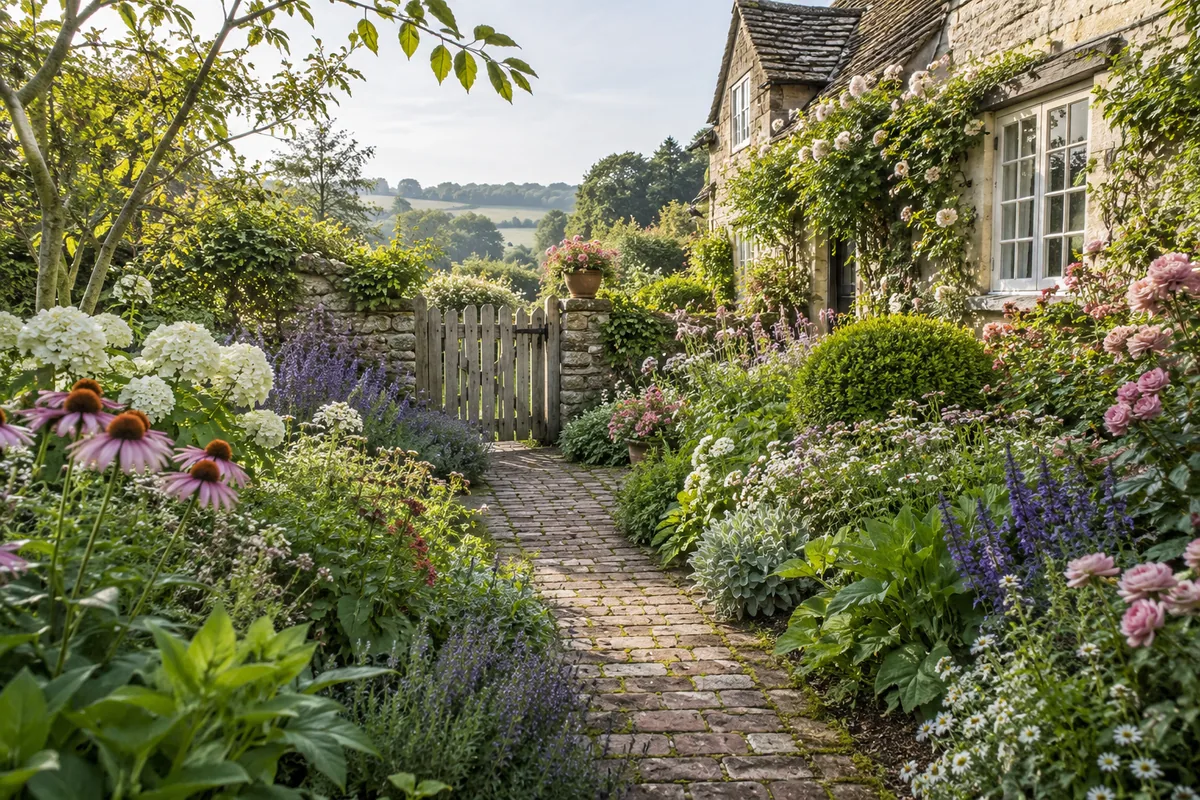
Cottage garden style: flowers with a working framework
Explore cottage garden style through layered flowers, selective self-seeding, clear paths, seasonal care, and the framework that makes informal planting usable.
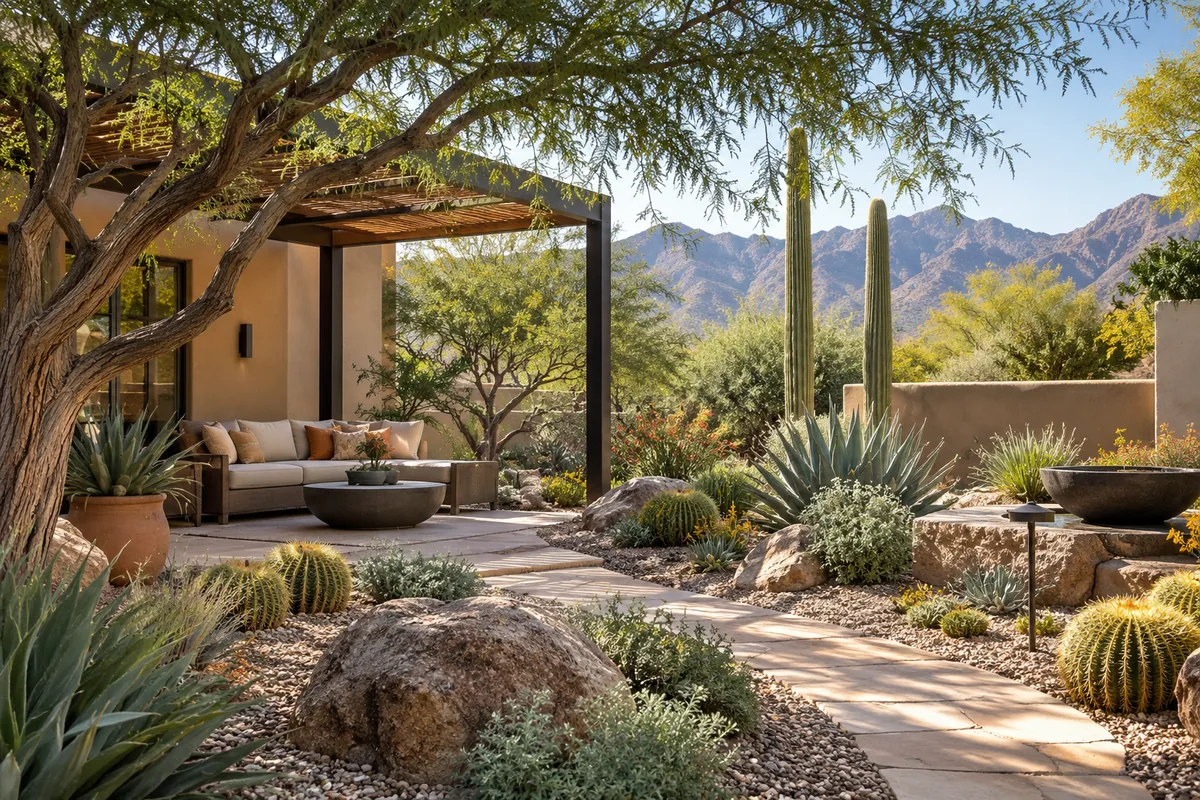
Desert landscape style: shade, stone, and plant form
Understand desert landscape style through plant form, mineral surfaces, useful shade, and heat-aware layouts, while separating its appearance from xeriscaping.
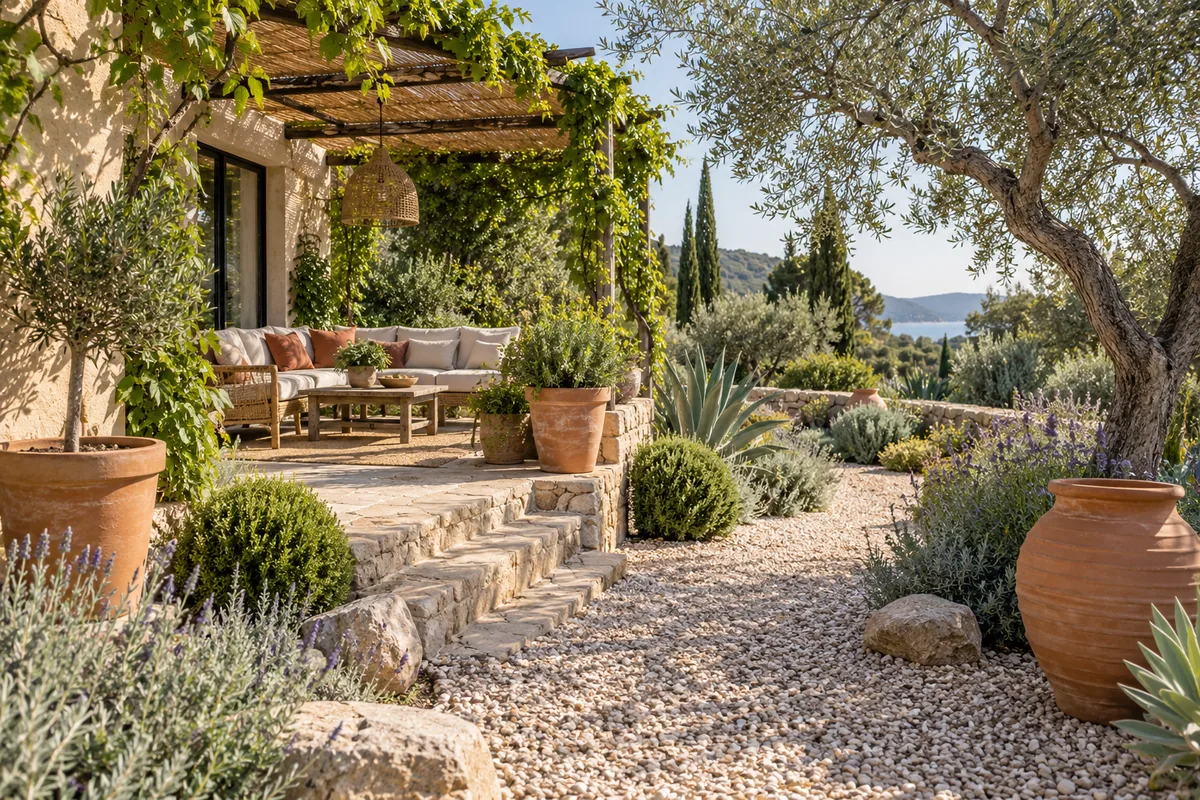
Mediterranean garden style: shade, gravel, and warm color
Understand Mediterranean garden style through shade, gravel, clay pots, and silver foliage, with practical ways to adapt the visual language to local climates.
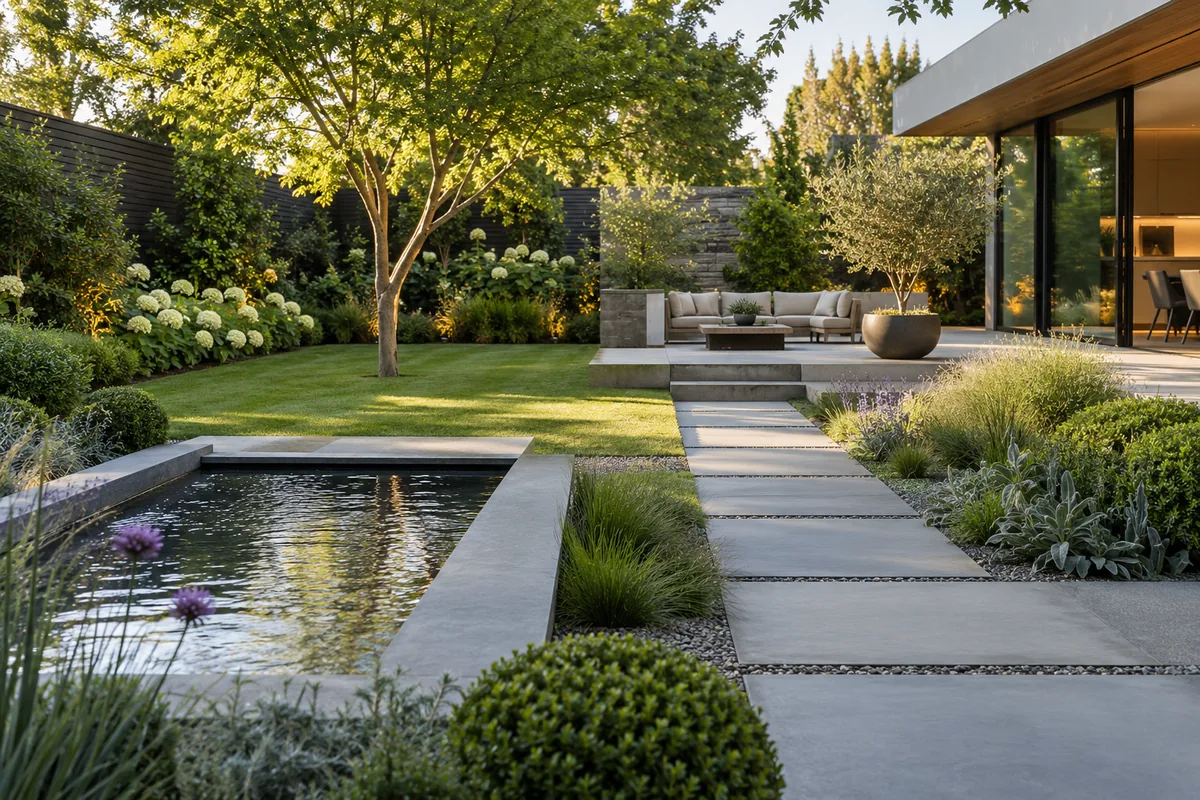
Modern landscape style: lines, space, and materials
Understand modern landscape style through clean lines, restrained materials, planting structure, and practical connections to contemporary architecture.
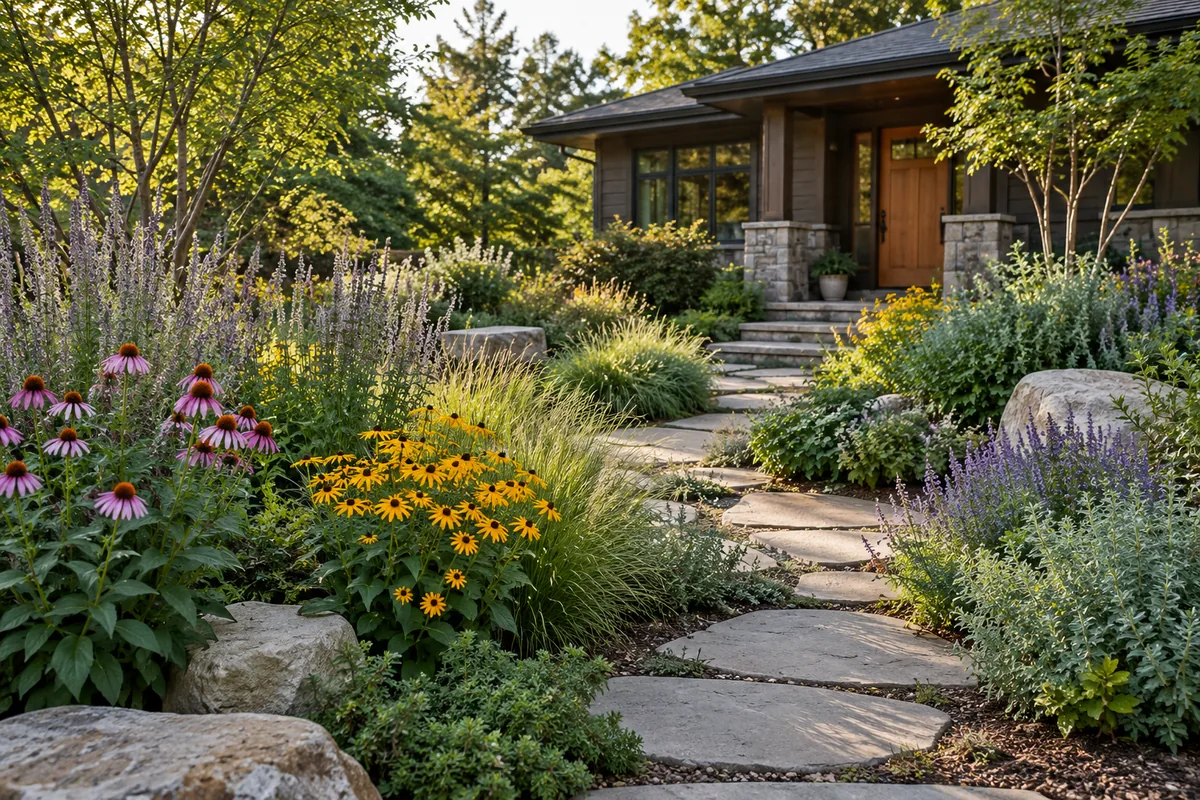
Native plant landscape style: regional plants with structure
Learn how native plant landscape style combines regional plant choices, seasonal change, and clear garden structure with practical care and neighborhood views.
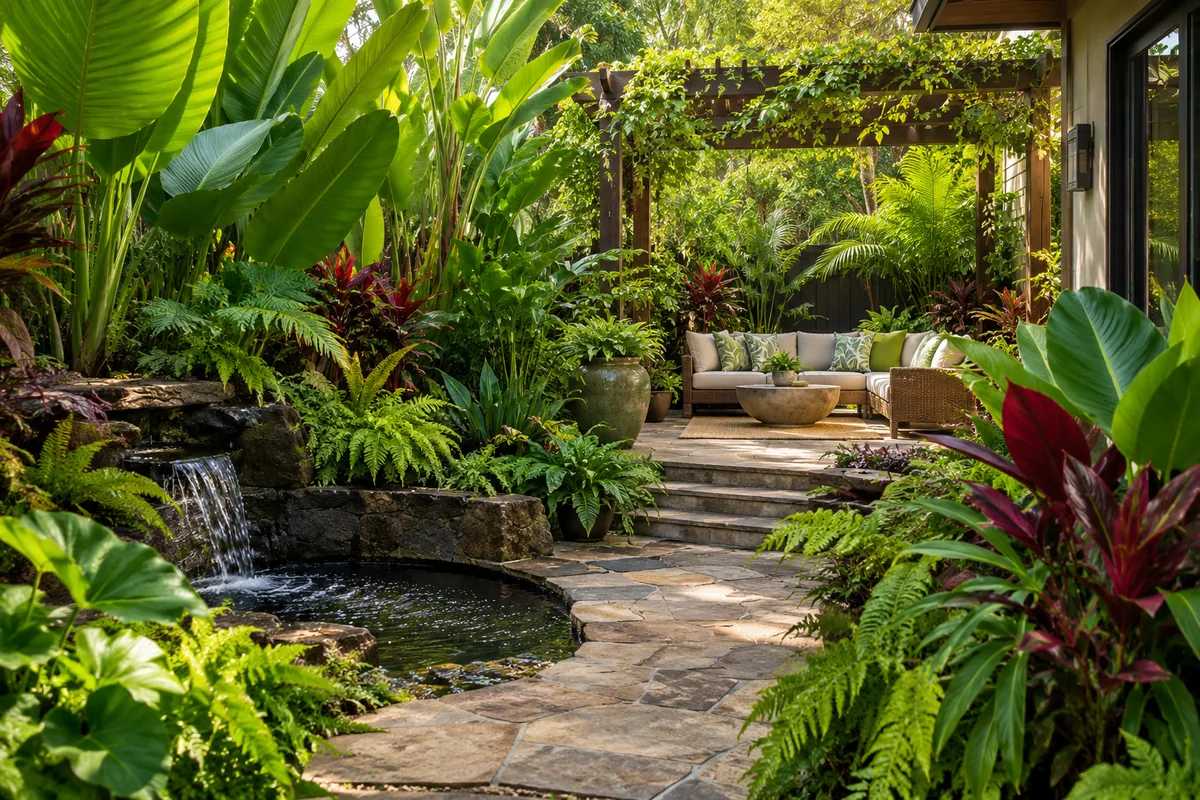
Tropical landscape style: foliage, layers, and shelter
Explore tropical landscape style using large leaves, layered greenery, sheltered seating, and container strategies adapted to local weather and care routines.