
By AI Landscape Design Team · Editorial policy
Farmhouse garden vs Cottage garden: Which Fits Your Yard?
Choose farmhouse garden character when porch life, productive beds, and practical yard organization should lead; choose cottage garden character when layered flowers and informal planting around close paths should lead. Both can include vegetables, familiar materials, and abundant borders. The distinction is the emphasis placed on working spaces versus planting richness, not a rule that one is useful and the other merely decorative.
Published · 6 min read
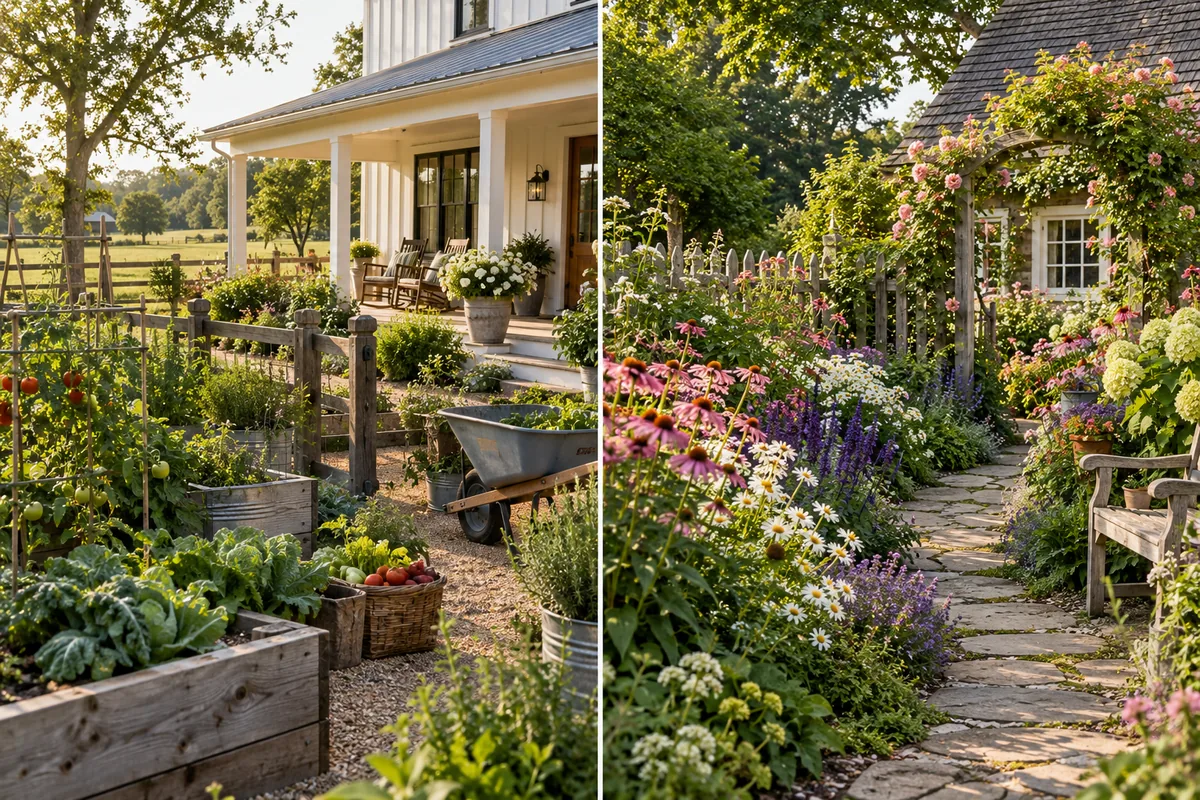
Key takeaways
- Primary emphasis: Porch life and productive organization; Layered informal planting.
- Useful spaces: Clearly expressed working destinations; Integrated among close planted routes.
- Boundaries: Practical fences and gates visible; Edges softened by planting.
| Dimension | Farmhouse garden | Cottage garden |
|---|---|---|
| Primary emphasis | Porch life and productive organization | Layered informal planting |
| Useful spaces | Clearly expressed working destinations | Integrated among close planted routes |
| Boundaries | Practical fences and gates visible | Edges softened by planting |
| Materials | Functional familiar surfaces | Quiet support for flower texture |
| Seasonal character | Working framework remains evident | Border appearance changes strongly |
| Combination | Organized productive core | Soft planting around the approach |
What should organize the garden first?
For a farmhouse interpretation, begin with the activities that connect the house to the yard: eating on the porch, reaching a vegetable plot, rinsing tools, or moving between a service entrance and storage. Give those destinations reliable routes. For a cottage interpretation, begin with the planting experience along the paths and near the dwelling, while protecting the same functional needs. The approaches share more than their names suggest. According to the Royal Horticultural Society, traditional cottage gardens mixed fruit, vegetables, and flowers. Treat the comparison as a choice of emphasis rather than erasing that productive history or adding a set of rustic ornaments to an otherwise unrelated plan.
How do boundaries change the impression?
A farmhouse garden can make a working boundary part of the scene: a simple fence around a productive plot, a gate aligned with a useful route, or a trellis that supports locally suitable planting. A cottage garden may let the border soften the same boundary so flowers and foliage dominate close views. Neither requires a white picket fence. Choose a boundary according to privacy, maintenance access, local rules, and the relationship with the house. Leave enough room to reach both sides where upkeep demands it. A fence that disappears under mature growth may be difficult to repair, and a decorative gate that opens into planting can make routine movement awkward.
What belongs beside the porch?
In a farmhouse-led arrangement, porch furniture and containers can support actual daily habits: a place for a drink, a reachable herb container, or a storage bench with room to open it. Cottage-led planting can frame the same porch through layered borders and flowers at different heights. Keep the immediate entrance clear and consider where rainwater lands. Containers should drain appropriately and remain stable; small pots crowded around steps can create obstacles. Choose a few useful objects rather than accumulating decorative watering cans and signs. The porch should still function when the border is at its fullest and when someone arrives carrying bags or moving a chair.
How should productive planting be handled?
Reserve a workable location for vegetables or fruit where the light, soil assessment, water access, and maintenance space are suitable. Farmhouse character can make that productive area a visible organizing feature. Cottage character can integrate productive planting visually with ornamental borders while keeping its care requirements understandable. Do not confuse a charming mixture with an interchangeable watering or soil regime. Check USDA hardiness zone, regional invasive status, mature plant dimensions, and local food-growing guidance before choosing particular crops or ornamentals. If pets reach the planting, consult the ASPCA toxicity list for relevant plants. A productive-looking concept image cannot establish that its species or location are appropriate.
Which materials are helpful rather than theatrical?
Brick, gravel, and timber can connect either approach with an existing house, but there is no need to make every finish appear aged. A straightforward paver path may be the best practical route even when the adjacent border looks cottage-like. Inspect stability, wet appearance, and cleaning access before assigning a material to a style. For farmhouse character, material reuse can reinforce the working quality if the reused items remain safe and suitable. For cottage character, quiet paving can give flowers room to carry the visual interest. Avoid introducing distressed surfaces where people need dependable footing. The lived use of a material matters more than whether its label says rustic.
How much seasonal variation feels acceptable?
A cottage border may look very different during flowering, after cutting back, and in winter. A farmhouse-led yard can retain more visible structure through the productive plot boundaries, porch, and storage arrangement, even when planting is quiet. Both benefit from a clear path and an edge that remains legible through seasonal change. Decide whether you enjoy the tasks of a varied border and the visible stages of productive growing. If you do not, simplify the planting roles without discarding the overall direction. Keep notes during the year rather than judging the garden from its busiest flowering week. Maintenance should match the household's available time and interests.
When is a hybrid the strongest choice?
A farmhouse organization with cottage planting along the main approach can provide both useful destinations and close flower detail. Let the productive plot stay readable, then use a softer border near the porch rather than spreading every plant type across all zones. New fences, attached trellises, irrigation, and grading changes need site-specific assessment. Seek licensed local advice for retaining structures, drainage, electrical work, or supports affecting a building. Contact 811 before excavation in the United States. A simple appearance does not make those jobs automatically suitable for casual installation. Combining styles should reduce friction between use and appearance, not conceal the practical scope of the work.
What should you keep fixed when exploring concepts?
Retain the locations of the doors, utility access, and any established features that must remain. Compare one version that makes porch and productive areas prominent with another that gives the border stronger visual emphasis. AILandscape offers yard-photo concepts for visual exploration; confirm planting, drainage, and construction locally before implementing a direction. Its output does not verify a vegetable layout or establish dimensions. Review the images alongside a short task list: where tools go, how the gate opens, and where you reach water. Choose the version whose ordinary routines make sense as well as the version whose flowers and materials you prefer.
Frequently asked questions
Is a cottage garden only ornamental?
No. Cottage gardens have a productive tradition as well as an ornamental one. Fruit, vegetables, and flowers can share the design, provided their individual needs and access are considered. The farmhouse comparison concerns emphasis, not a strict division between useful and decorative planting.
Do I need rustic accessories for a farmhouse garden?
No. A useful porch, organized productive area, and appropriate working materials can establish the direction without decorative signs or imitation farm objects. Add accessories only where they support a real use and do not obstruct movement or maintenance.
Which is better for someone who enjoys growing vegetables?
Either can work. A farmhouse-led layout can give the productive area a clear central role, while cottage planting can soften its boundaries. Base the choice on suitable light, soil, water access, and the amount of seasonal work you want to undertake.
Sources
Related reading
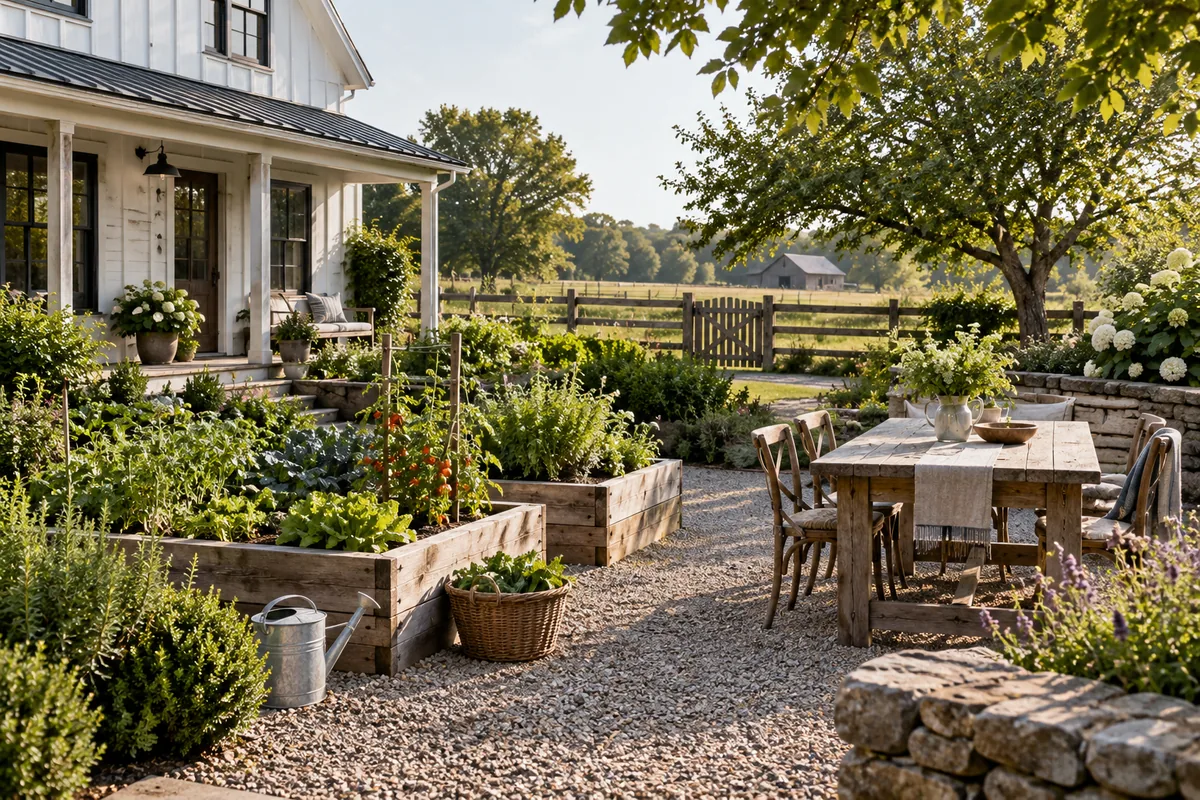
Farmhouse landscape style: useful spaces and honest materials
Discover farmhouse landscape style through practical fences, productive beds, wood and stone, and useful outdoor spaces that support everyday garden routines.
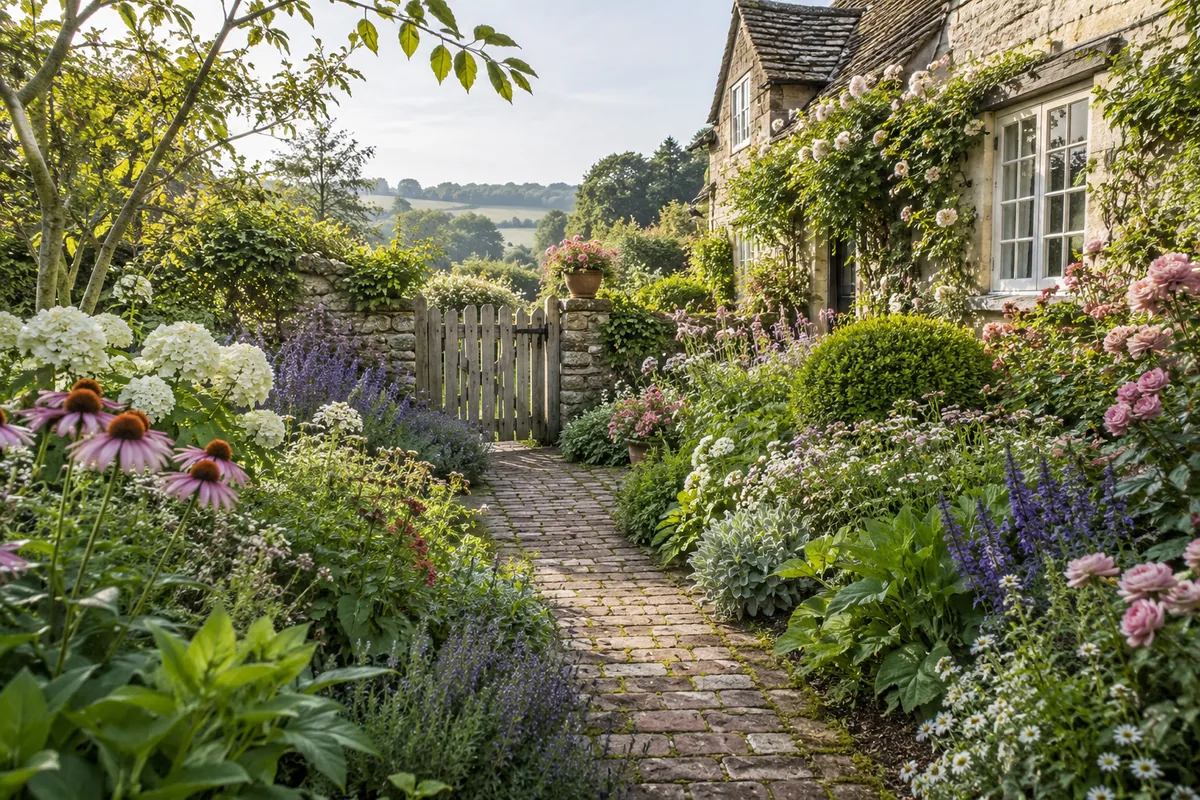
Cottage garden style: flowers with a working framework
Explore cottage garden style through layered flowers, selective self-seeding, clear paths, seasonal care, and the framework that makes informal planting usable.
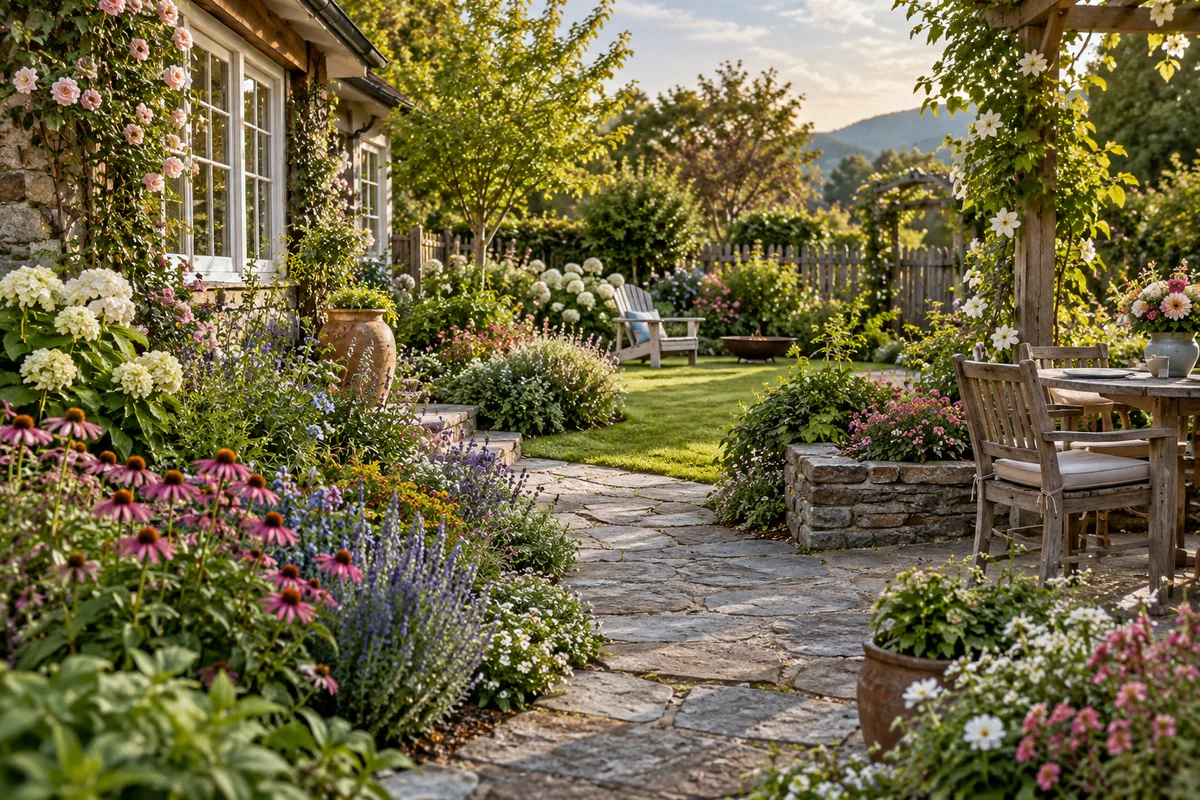
Cottage backyard ideas for flowers, seats, and seasonal life
Explore cottage backyard ideas for layered flowers, comfortable seats, connected borders, productive corners, and practical access through seasonal planting.
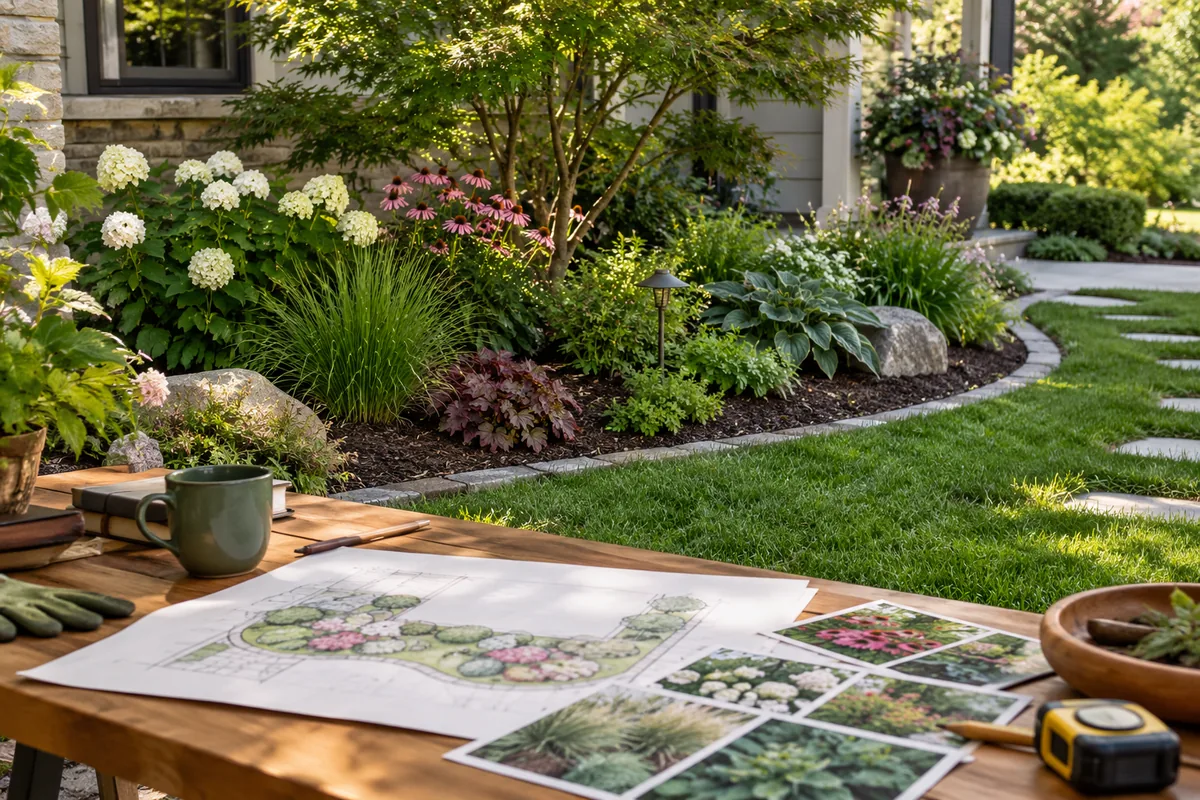
How to Design a Garden Bed Around Real Site Conditions
Design a garden bed by testing its outline, planting roles, mature growth, and maintenance access before selecting locally suitable plants and edging.
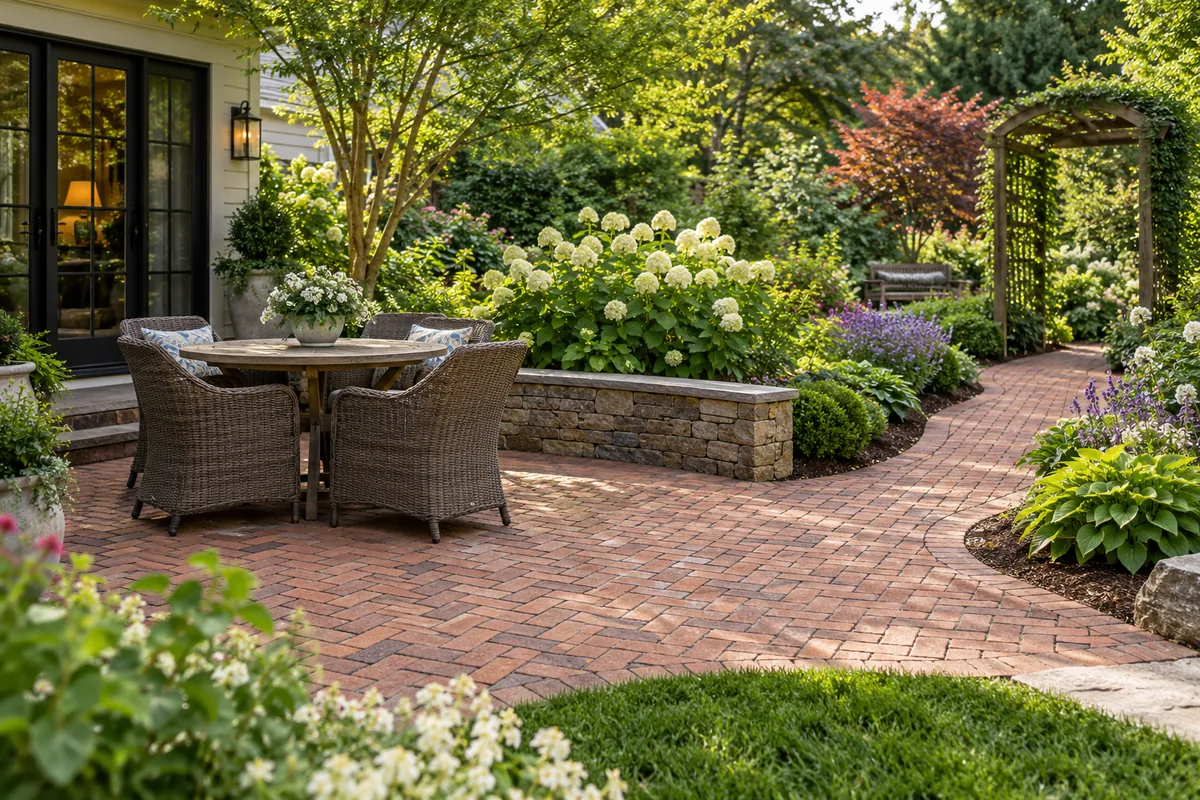
Brick Pavers for Useful Patios and Garden Paths
Brick Pavers for Patios and Paths: explore materials, placement, upkeep, and local safety questions before deciding how this feature fits your yard.
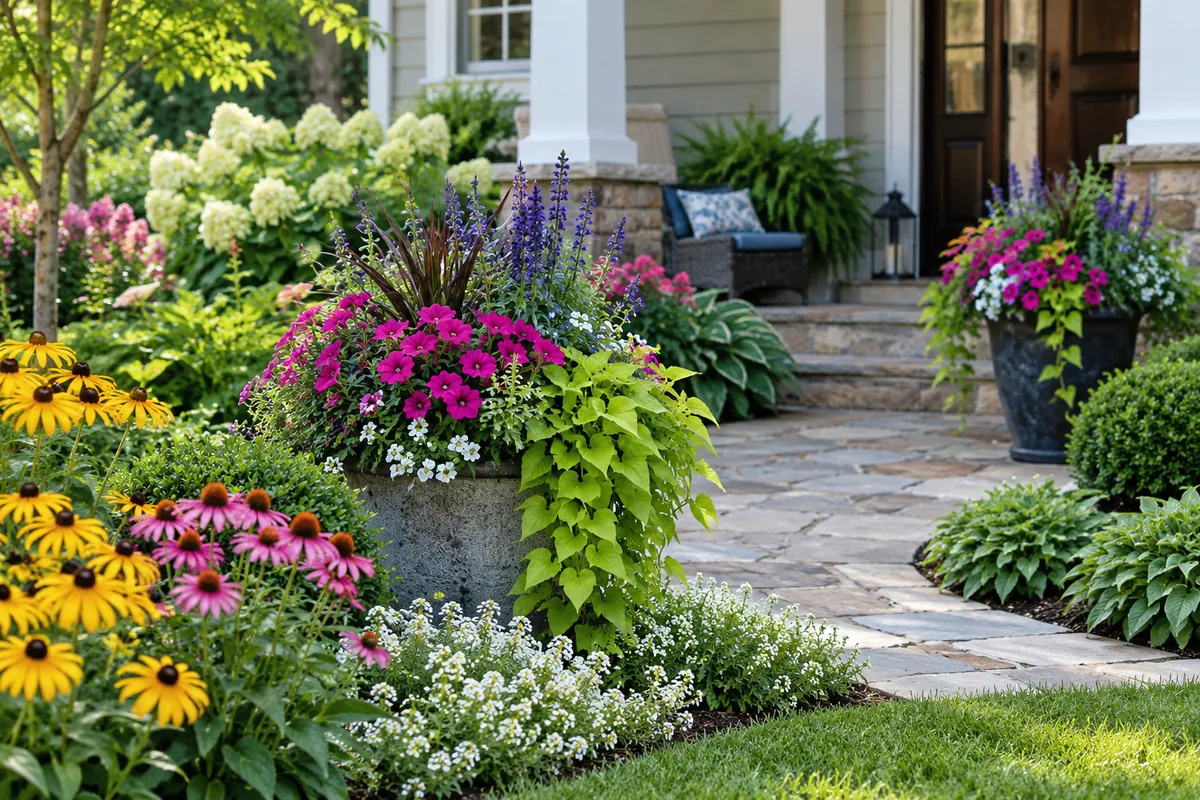
Annual Flowers for Seasonal Borders and Garden Containers
Annual Flowers: Seasonal Color and Containers: explore placement, upkeep, and local safety questions before deciding how this feature fits your yard.