
By AI Landscape Design Team · Editorial policy
Cottage backyard ideas for flowers, seats, and seasonal life
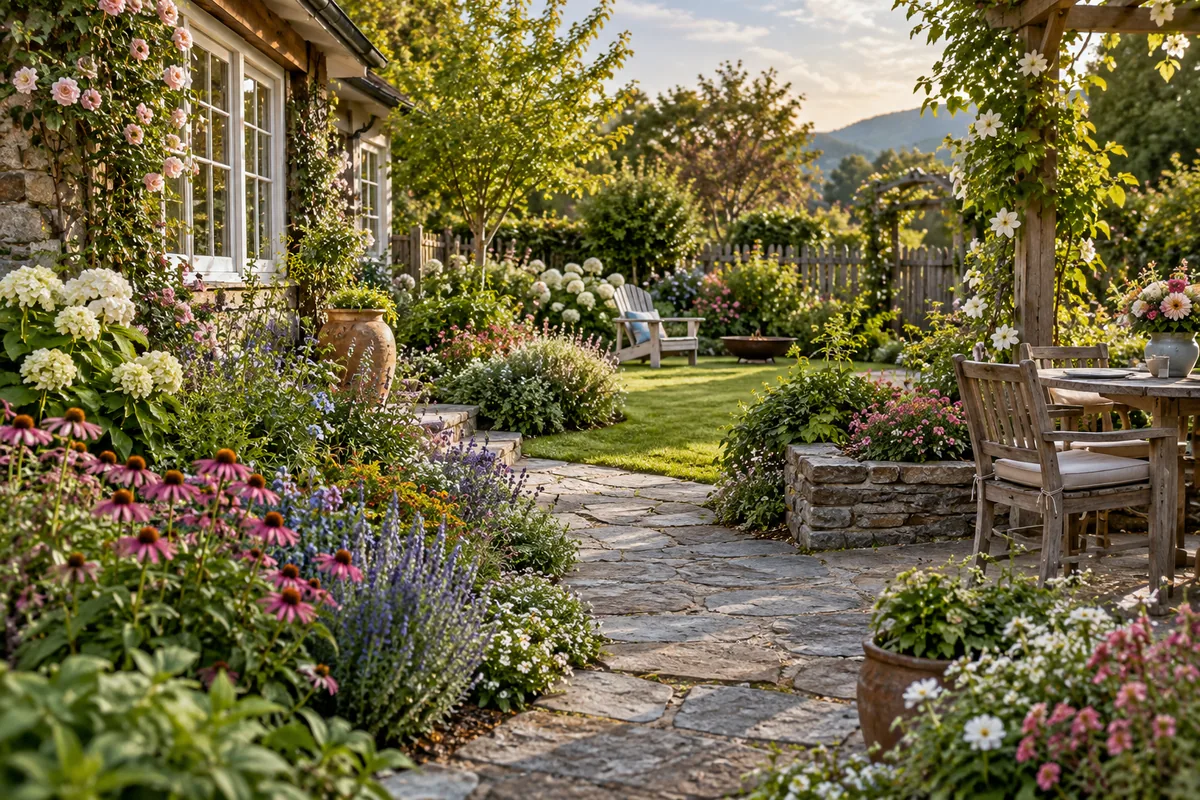
Cottage backyard ideas should place abundant planting where it can be enjoyed from a seat, a house window, or an ordinary garden route. Connect mixed borders with a clear framework, reserve working access, and leave useful open areas for the household. Seasonal flowers and selective self-seeding add character when maintenance and daily activities remain possible behind the apparent informality.
Published · 6 min read
Key takeaways
- Place the seat and working routes before expanding mixed borders.
- Let repeated foliage roles connect varied seasonal planting.
- Keep productive and decorative areas manageable through the year.
What belongs beside the flowers before planting begins?
A backyard supports longer visits than a front approach. Decide where someone will sit, eat, play, and tend the planting, then choose which of those uses deserves the best view. A border that looks generous from the house may become hard to enjoy if it occupies every comfortable seating position. Keep at least one useful pause point where flowers can be viewed without reaching through them.
Locate water, tools, and access to the back of the border. Those working routes can be discreet but should not be imaginary. Observe sun and shade through the intended hours of use and retain useful existing vegetation. New structures and changes in level require local assessment. The cottage framework can accommodate irregularities without flattening the site or replacing every sound surface.
Eight ways to build a flower-rich but usable backyard
- Put a seat at the border's viewing edge. A plain bench or suitable lounge furniture can create a destination beside seasonal planting. It works where the household wants to observe the garden rather than occupy its center. Leave access around the seat and check mature growth. The nearest flowers should remain enjoyable without regularly brushing across someone sitting there.
- Connect borders instead of scattering islands. Link planted areas along the existing useful framework so variety feels related. This suits a yard with several isolated beds and no clear composition. Preserve access for tending the interior and allow future plant spread. A connected border is easier to read, but it should not become an uninterrupted barrier between house, storage, and gate.
- Repeat foliage between flowering peaks. Use a locally suitable enduring shrub or perennial role to connect areas that flower at different times. It fits a garden whose appearance currently depends on one short display. Judge leaves and seed heads as well as blossoms. Repetition can provide calm within a varied palette without making every bed identical or promising continuous bloom.
- Frame dining with planting on one side. Let mixed foliage soften the edge of an outdoor table without surrounding it tightly. This works where food service and chair movement need open circulation. Keep thorny or sprawling growth outside the table's practical footprint. Check pets and children's access separately; an attractive flower edge can still create toxicity or contact concerns.
- Give climbers an appropriate destination. A supported vertical plant can connect a boundary to the planted garden where regional conditions and the structure permit it. It suits a bland wall that has real maintenance access. Verify mature weight, invasive status, and safe attachment locally. Avoid assuming every cottage-associated vine is suitable or that an ornamental support is strong enough.
- Include a manageable productive patch. A modest vegetable or herb-growing area can sit within the working garden when sunlight and routine care support it. This fits owners who enjoy regular tending. Maintain harvest and watering access and avoid hiding the patch behind ornamentals. Seasonal bare ground is part of productive use; decide how it will relate to the view from the house.
- Let selected volunteers soften the outline. Identified self-seeding plants can occupy useful gaps without requiring every opening to be replanted. It works for a household prepared to edit the border. Remove seedlings that cross routes or crowd slower neighbors. Record which plants spread acceptably so next season's choices reflect actual behavior rather than an idealized effortless cottage image.
- Keep a flexible open area. A suitable lawn or other usable surface can support play and everyday movement beside the flowers. This fits families whose activities change through the season. Do not fill the whole yard simply because mixed planting looks attractive. Keep loose pots, supports, and sharp edges outside the open activity zone, then relate its outline to the surrounding beds.
How should the planting palette and safety review work?
Choose layers by function: a lasting outline, recurring flower groups, and optional seasonal additions. Check USDA hardiness zone, soil, sunlight, moisture, mature size, and local invasive information before selecting actual plants. Ask local horticultural sources about behavior, division, and support needs. Pet-reachable planting needs ASPCA toxicity screening, while children's routes also need review for thorns, unstable containers, and trip hazards.
The cottage style guide explains managed abundance, and perennial flower considerations help structure plant questions. Drainage, retaining changes, structural supports, lighting, and gas work belong with licensed local professionals. Contact 811 before excavating in the United States and separately identify private utilities where relevant. A richly planted concept does not establish species or safe installation methods. Keep the safety review attached to actual decisions rather than hidden behind a general style label.
What makes the seasonal garden worth maintaining?
Set a realistic care standard for each area. A prominent dining border may need more editing than a distant patch whose stems remain seasonally visible. Keep records of crowding, gaps, and support problems before adding more plants. Inspect the view when flowers are absent; foliage, boundaries, and a usable seat should still explain the garden's purpose.
AILandscape's backyard tool can compare a cottage visual concept using your own photo. Use the image to discuss density and the position of garden rooms, then confirm measurements, regional plant choices, drainage, and construction locally. It cannot tell you whether the depicted border will remain attractive without work. Reject inaccessible beds or routes removed by the concept. The satisfying version is the one where enjoying flowers and caring for them fit the same everyday garden.
Frequently asked questions
Can a cottage backyard have a large dining area?
A useful dining area can sit beside mixed borders without weakening the style. Keep service routes and chair movement clear, then use planting to frame one or more edges. The garden does not need to surround every seat with flowers to feel generous.
Should self-seeded plants be left everywhere?
Keep identified volunteers only where they improve the arrangement and behave acceptably locally. Remove those that block paths, crowd slower plants, or dominate the border. Informal planting still depends on editing, especially in a backyard used for food, play, and regular garden work.
How can the backyard look coherent after flowering?
Include recurring foliage roles, readable boundaries, and usable seats or open areas that remain visible. Observe the actual garden outside peak bloom before adding more plants. Seasonal stems and gaps can belong when they are intentional and practical access remains clear.
Sources
Related reading
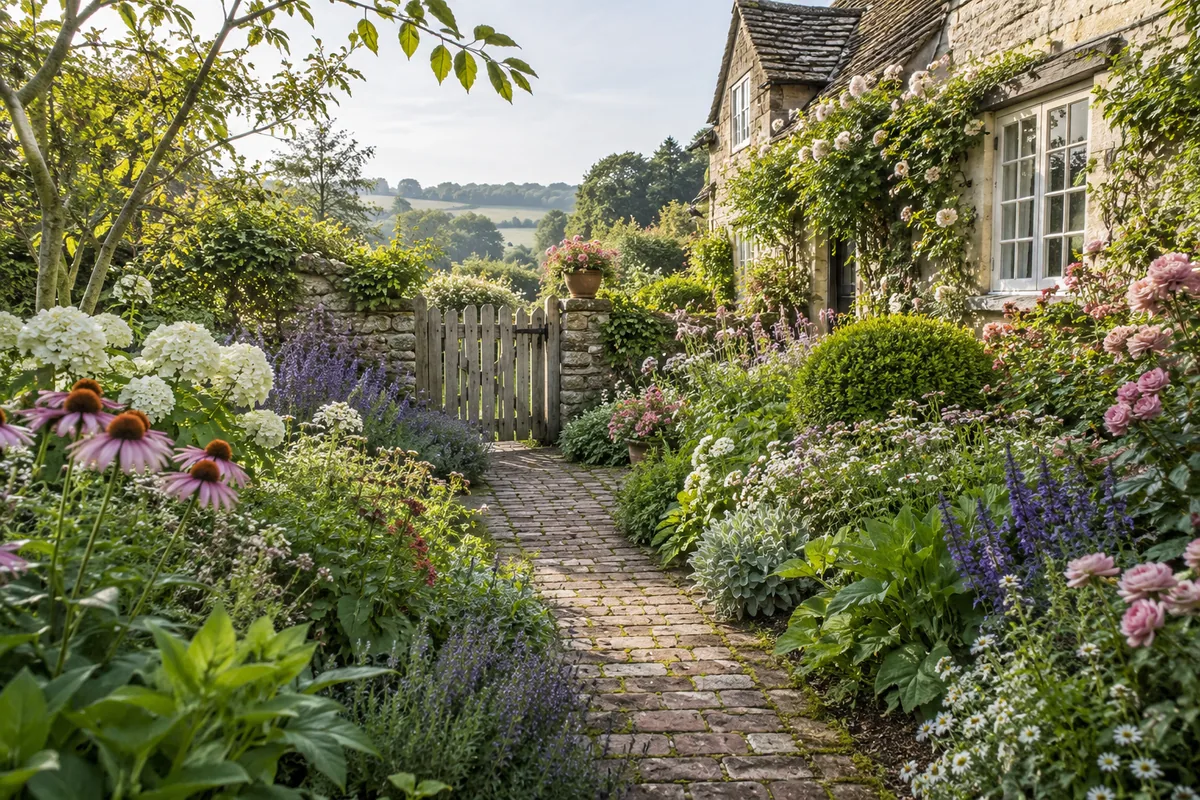
Cottage garden style: flowers with a working framework
Explore cottage garden style through layered flowers, selective self-seeding, clear paths, seasonal care, and the framework that makes informal planting usable.
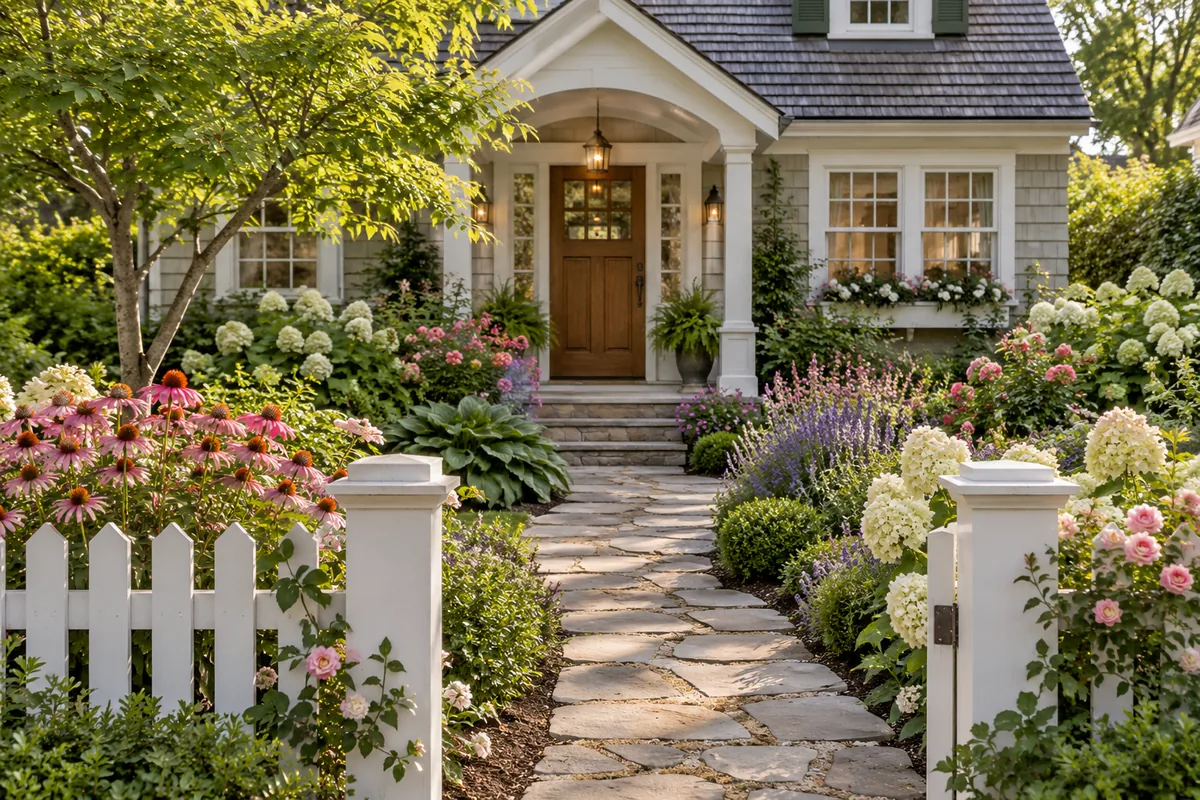
Cottage front yard ideas that welcome visitors through flowers
Find cottage front yard ideas for layered borders, useful gates, brick details, seasonal flower groups, and a welcoming entrance that stays easy to reach.
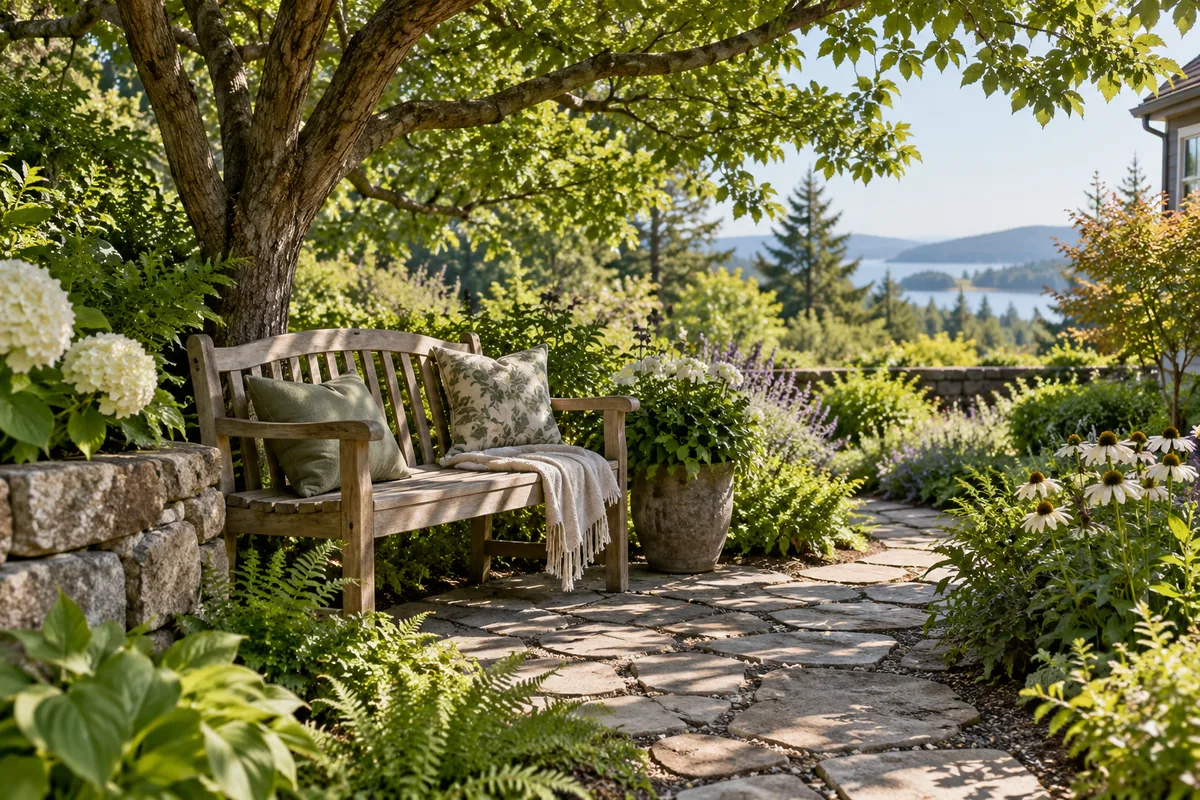
Garden Bench Ideas That Give People a Reason to Sit
Find garden bench ideas for shade, views, and everyday pauses, with practical guidance on seat fit, materials, access, maintenance, and stable placement.
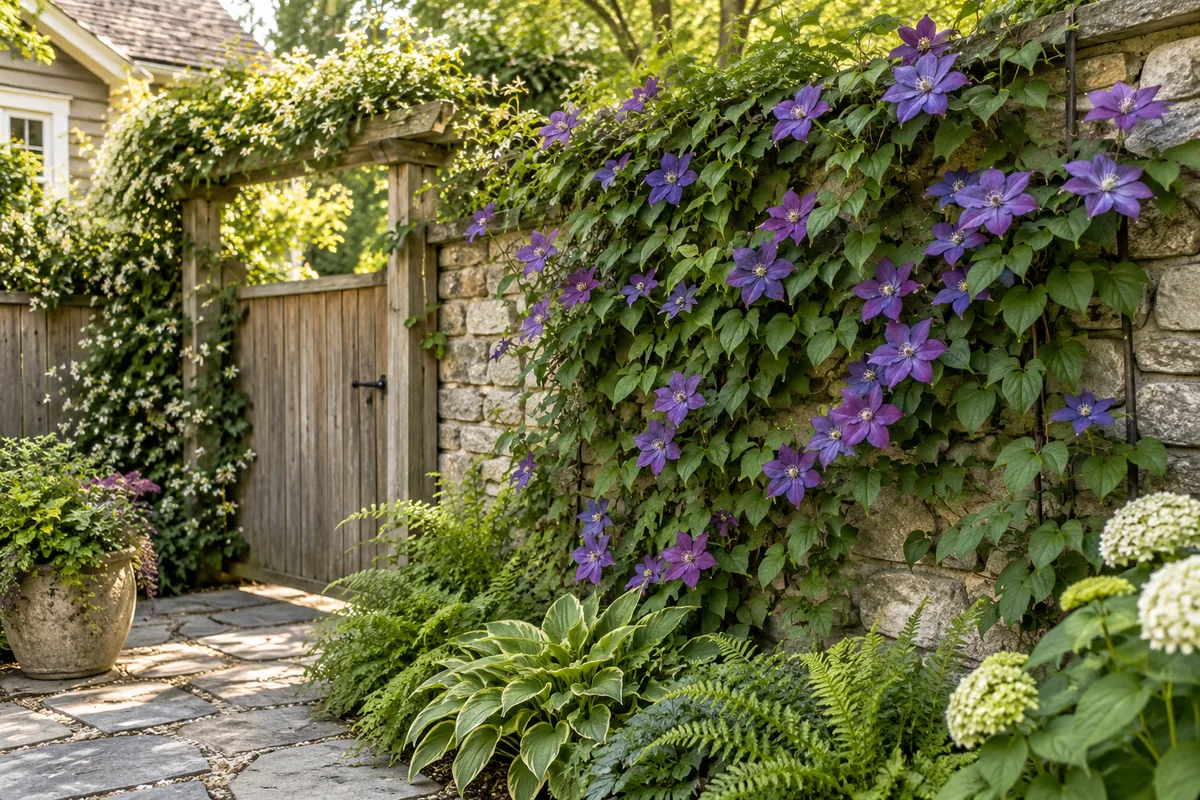
Climbing Vines for Fences and Walls with Suitable Supports
Climbing Vines: Support, Walls, and Local Fit: explore placement, upkeep, and local safety questions before deciding how this feature fits your yard.
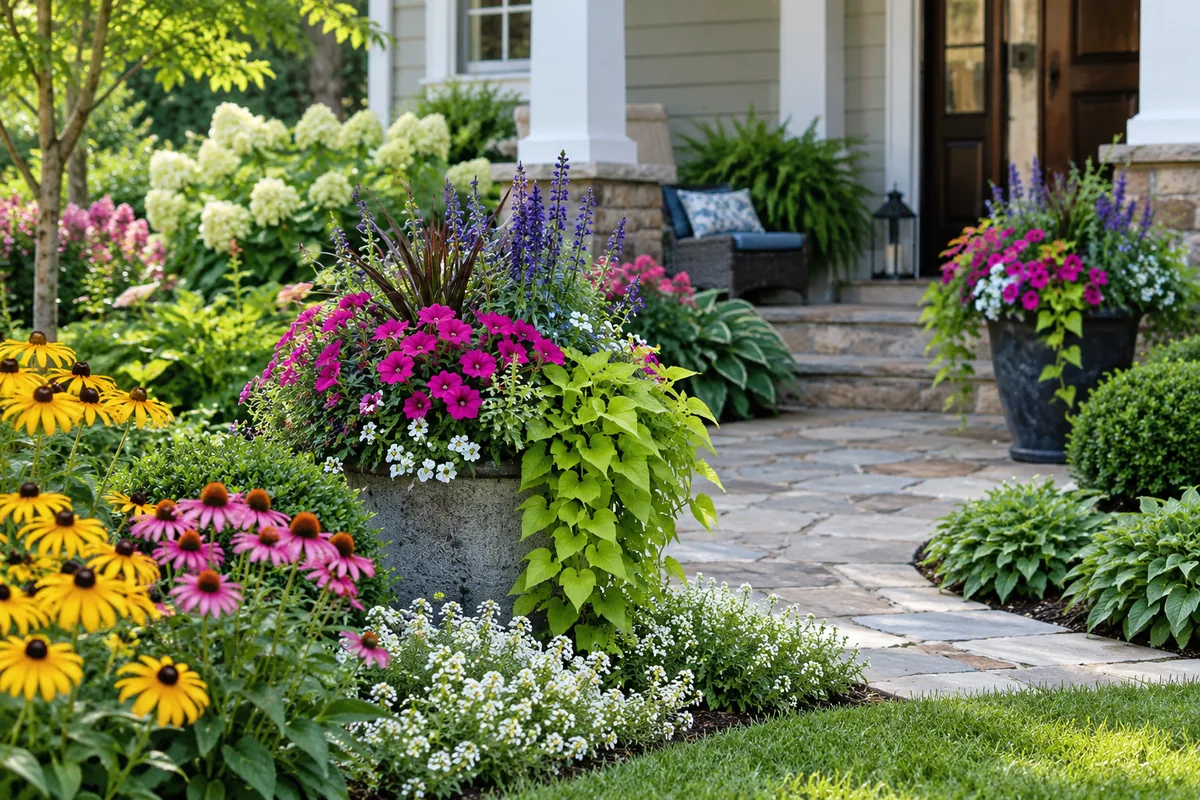
Annual Flowers for Seasonal Borders and Garden Containers
Annual Flowers: Seasonal Color and Containers: explore placement, upkeep, and local safety questions before deciding how this feature fits your yard.

Pond Plants Selected for Roles and Local Conditions
Learn how pond plants fit your yard, with practical material, placement, upkeep, and safety questions to review before choosing a visual direction.