
By AI Landscape Design Team · Editorial policy
Annual Flowers for Seasonal Borders and Garden Containers
Annual flowers can provide seasonal color in containers and selected border areas, while more permanent plants organize the garden around them. Choose the actual flowers for regional conditions, care capacity, and the intended viewing distance. Availability and suitability vary locally; review USDA hardiness context and extension guidance, recognizing that seasonal use also depends on weather and growing conditions beyond a zone number.
Last updated · 6 min read
Key takeaways
- Give seasonal flowers a specific role within the permanent layout.
- Design container access and watering before choosing a display.
- Verify local suitability and invasive concerns for each selection.
What seasonal role is worth renewing?
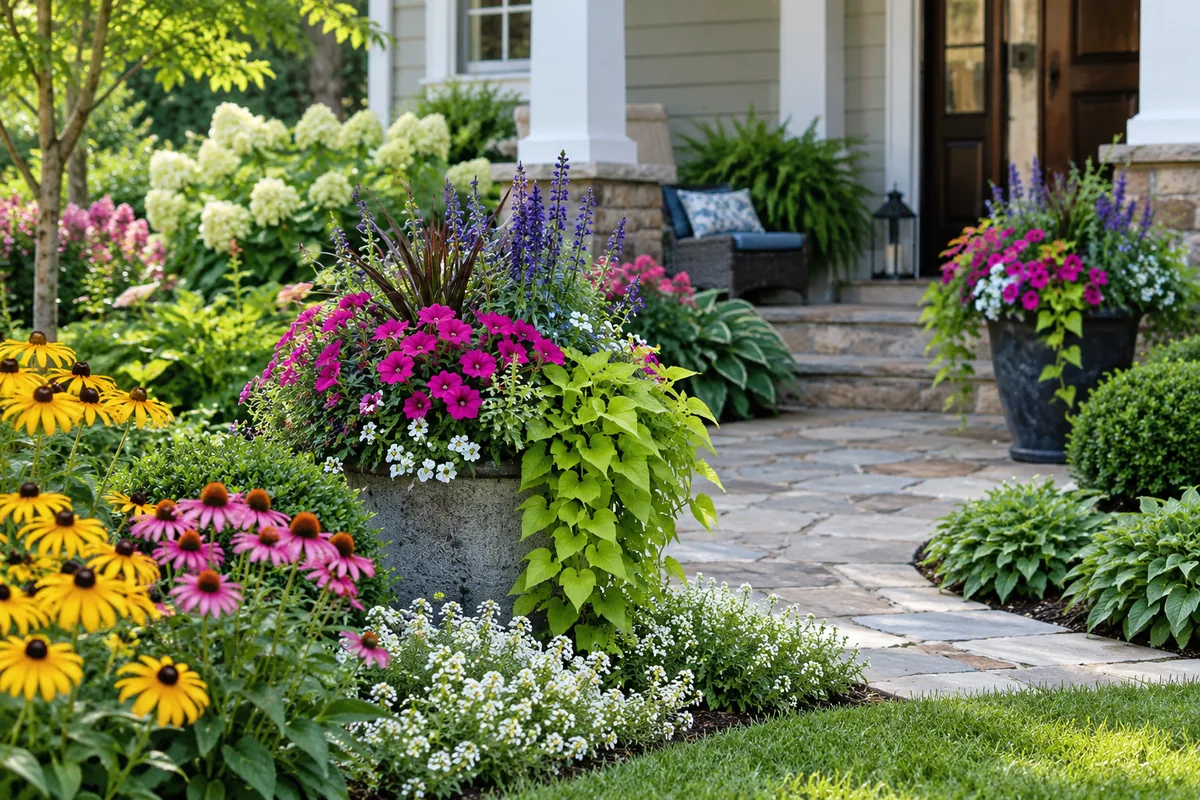
Decide which part of the garden benefits from a changing flower display: the entrance, a patio container, or a small gap within a permanent border. Annuals can make that area feel deliberate without asking the whole landscape to be replanted. Establish a clear background of suitable shrubs, perennials, or other retained forms. Then choose the seasonal role around that framework. A limited display can be easier to care for and read than scattered pots at every corner. Consider the periods when the household is present to enjoy and maintain it, rather than planning a peak display during weeks when nobody can tend the flowers.
Which examples introduce different display roles?
These examples are starting points for local advice, not a guarantee that each behaves as an annual in every climate or belongs in every region. Verify actual identity and seasonal use.
- Zinnia: an upright color mass in a suitable sunny arrangement.
- Marigold: a compact seasonal edge or container accent.
- Cosmos: a lighter flower-and-foliage texture where locally appropriate.
- Petunia: a selected container or seasonal border role.
- Snapdragon: an upright flower accent suited to assessed conditions.
- Sweet alyssum: a low flower edge with invasive checks where needed.
- Celosia: a distinct seasonal flower form for a deliberate focal group.
- Nasturtium: a trailing or border accent with local growing requirements checked.
A decorative example does not establish that any part is edible or safe for animals; investigate those questions separately.
How do containers change the design task?
Choose containers around their placement, access, and the realistic care routine, not only flower color. Check how pots affect door swings, movement, and the available seating area. Ask about the appropriate growing medium, drainage, and water management for the actual plants and container. Those questions differ from planting the same flowers in a garden bed. Group pots where they create a readable composition and can be tended without obstruction. Significant containers or raised arrangements may need assessment for support and loading. A cluster in a visual concept does not establish that a deck or other surface can carry the proposed installation.
How should annuals work with permanent plants?
Let perennial and shrub forms provide a stable relationship to the house and routes. Annual flowers can occupy selected foreground or container roles around that framework, with their colors repeated deliberately. Avoid filling every seasonal gap with unrelated accents. Observe how the display reads at the ordinary viewing distance, particularly from a room or sitting area. A clear repeated color can connect the layout, while too many competing flower types can make it difficult to follow. Leave the permanent plants adequate mature room and maintenance access. Seasonal color should enrich the established garden rather than conceal crowding or replace a needed long-term planting decision.
Which conditions determine the actual selection?
Discuss regional weather, light, soil, moisture, and seasonal timing with extension staff or a qualified horticultural adviser. USDA zone supplies winter-temperature context but cannot alone determine seasonal planting dates or performance. Availability changes too, so keep the palette flexible within the intended visual role. Review the actual species against local invasive guidance instead of assuming a seasonal purchase cannot spread. Check the identities in seed packets and mixed displays. A flower sold for a temporary effect still belongs in a real ecological setting. The useful selection is one that fits the site's conditions and local guidance rather than the national label attached to an attractive picture.
What upkeep should be planned before buying?
Ask what the actual selections require for establishment, watering, observation, and flower management. Some displays need repeated attention to remain aligned with the household's expectations, so match their scale to the time available. RHS deadheading guidance explains approaches vary by plant; do not reduce every annual to one cutting instruction or promise continual bloom. Decide who tends the display during travel and what happens when its seasonal role ends. Keep tools and water access convenient without cluttering the route. A modest cared-for arrangement can serve the garden more effectively than a broad display whose maintenance depends on unrealistic daily availability.
How do pets and other practical uses affect flowers?
Where pets can investigate pots or borders, identify the actual plants and consult ASPCA resources and veterinary advice about accessible parts. Familiar garden use is not a toxicity assessment. Place containers where everyday activity will not overturn them or require constant rearrangement. Preserve inspection access to the house and utilities. Contact 811 before any US excavation associated with new beds or support installations, and clarify private-service locating. Changes to drainage or significant structures need appropriate professional review. Seasonal flowers are a small part of the design, but they still have real relationships to people, animals, and the surfaces on which they are placed.
How can a concept help choose the amount of color?
Compare a restrained entrance display with a larger seasonal border using the actual architecture and retained planting as context. AILandscape can help explore that visual proportion, but cannot authenticate flower species, verify toxicity, establish planting dates, or predict bloom performance. Record the intended height, color relationship, and seasonal role, then ask a local adviser for suitable actual choices. Adjust the containers or bed layout to their requirements. A useful concept shows where renewing color has a purpose and where the permanent garden should remain quiet. It supports a manageable seasonal plan instead of treating abundant generated flowers as a performance promise.
Frequently asked questions
Does an annual-flower label establish local suitability?
No. Seasonal behavior, availability, and growing requirements vary with the actual plant and region. Check local extension advice and invasive guidance before selecting, and use USDA zone as limited winter-temperature context rather than a complete seasonal planting rule.
Should annuals replace every gap in a perennial border?
Give annuals selected roles while leaving permanent plants adequate room and access. A repeated seasonal accent can connect the composition without filling every opening. Evaluate the overall border and maintenance capacity before expanding the display.
Can container flowers be left without a care plan?
Containers need plant-specific attention to growing medium, drainage, water, and seasonal management. Decide who will tend them and keep access practical. A decorative pot arrangement cannot establish that the actual flowers will perform without appropriate local care.
Sources
Related reading
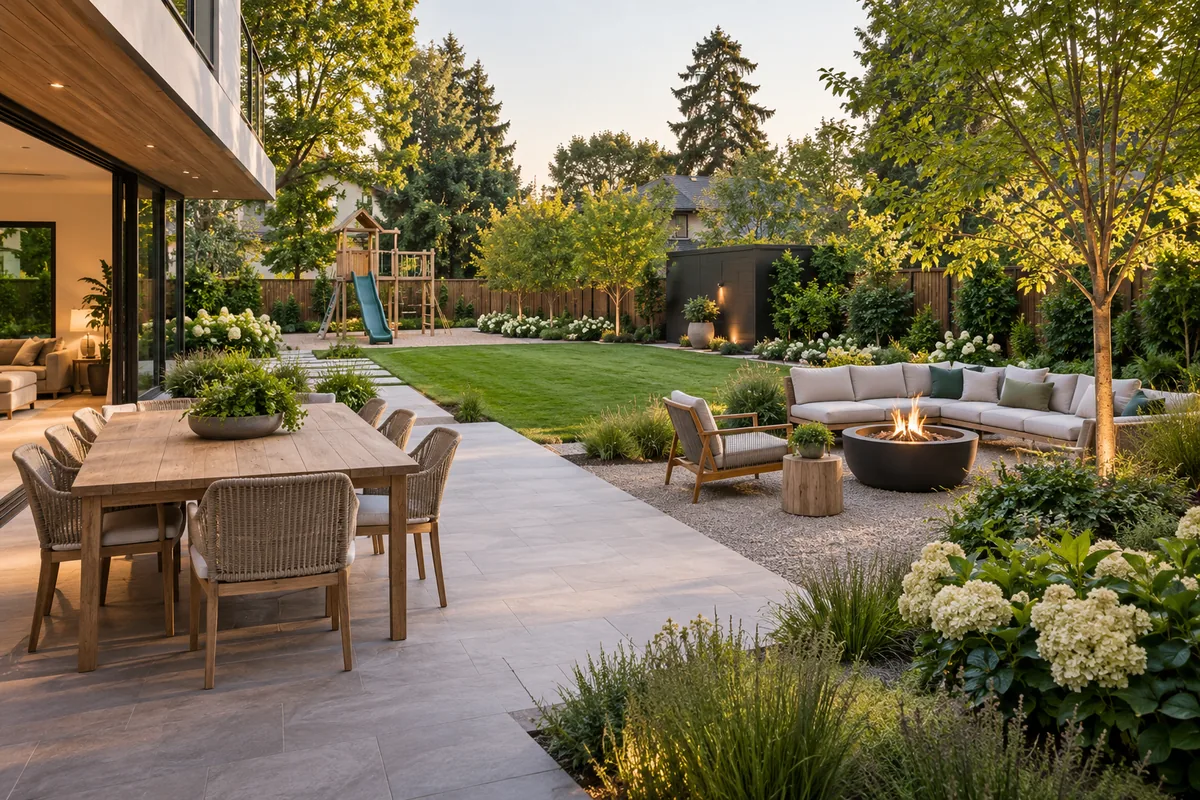
Modern backyard ideas organized around the way you live
Explore modern backyard ideas for activity zones, clean material connections, repeated planting, usable furniture layouts, and careful evening lighting.
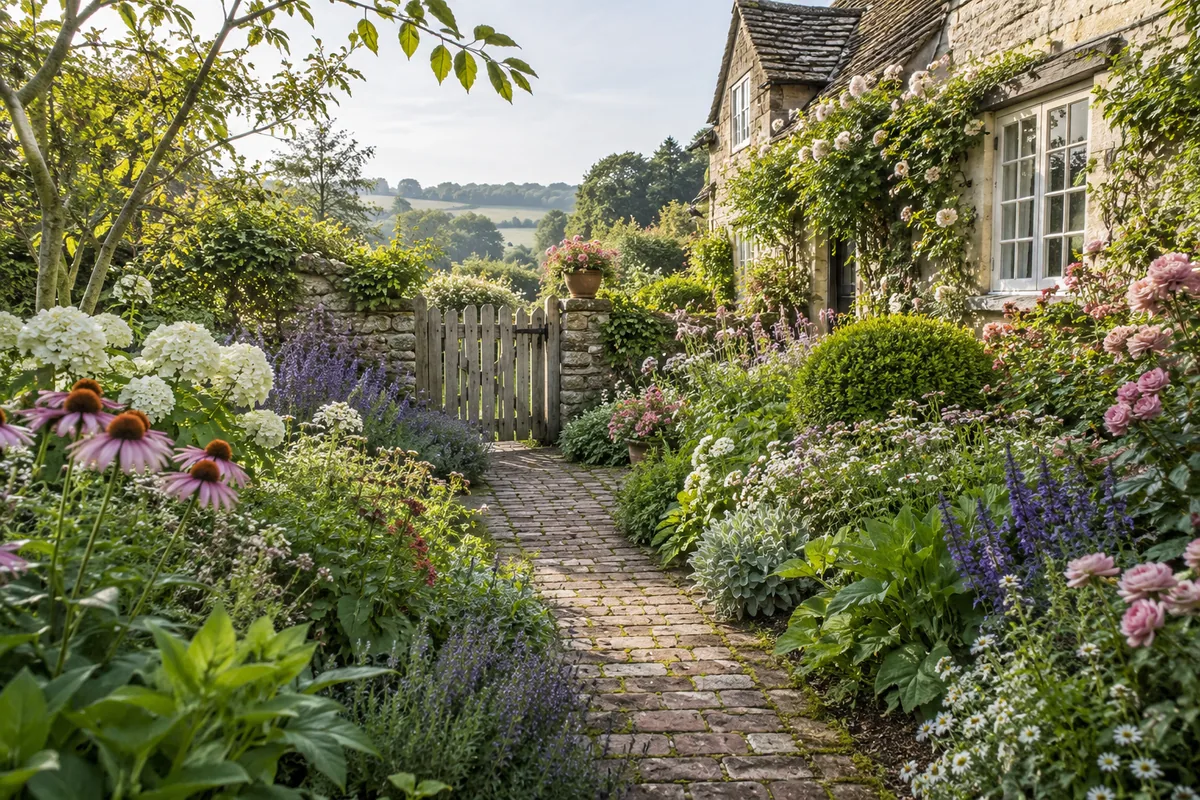
Cottage garden style: flowers with a working framework
Explore cottage garden style through layered flowers, selective self-seeding, clear paths, seasonal care, and the framework that makes informal planting usable.
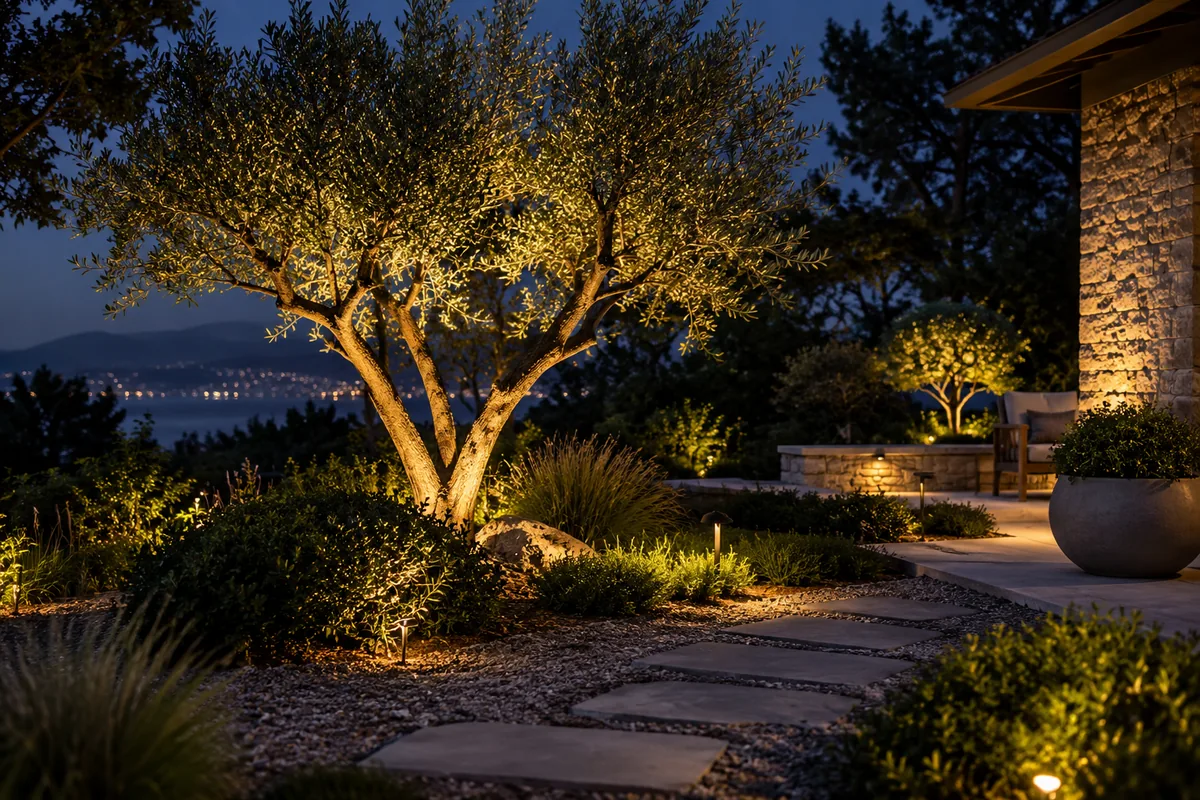
Landscape Accent Lighting That Respects the Night View
Plan landscape accent lighting around selected features, controlled glare, useful viewing positions, appropriate fixtures, and professional electrical review.
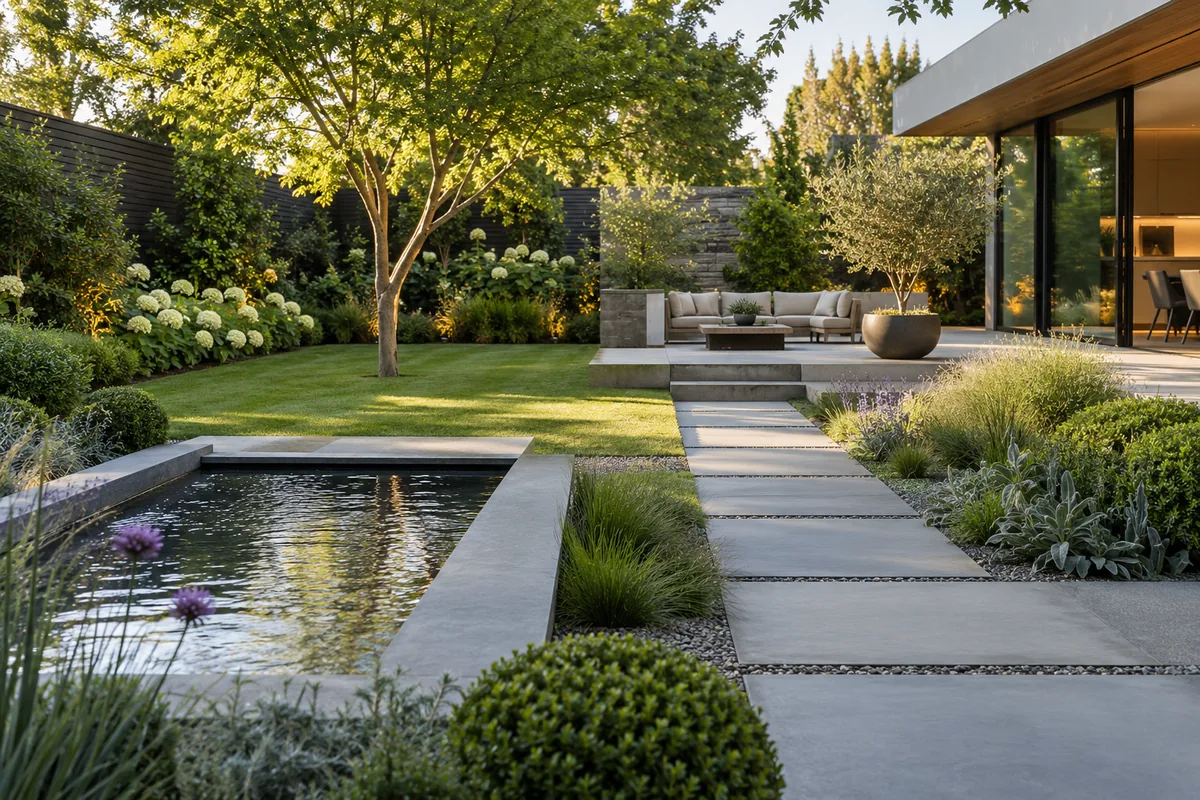
Modern landscape style: lines, space, and materials
Understand modern landscape style through clean lines, restrained materials, planting structure, and practical connections to contemporary architecture.
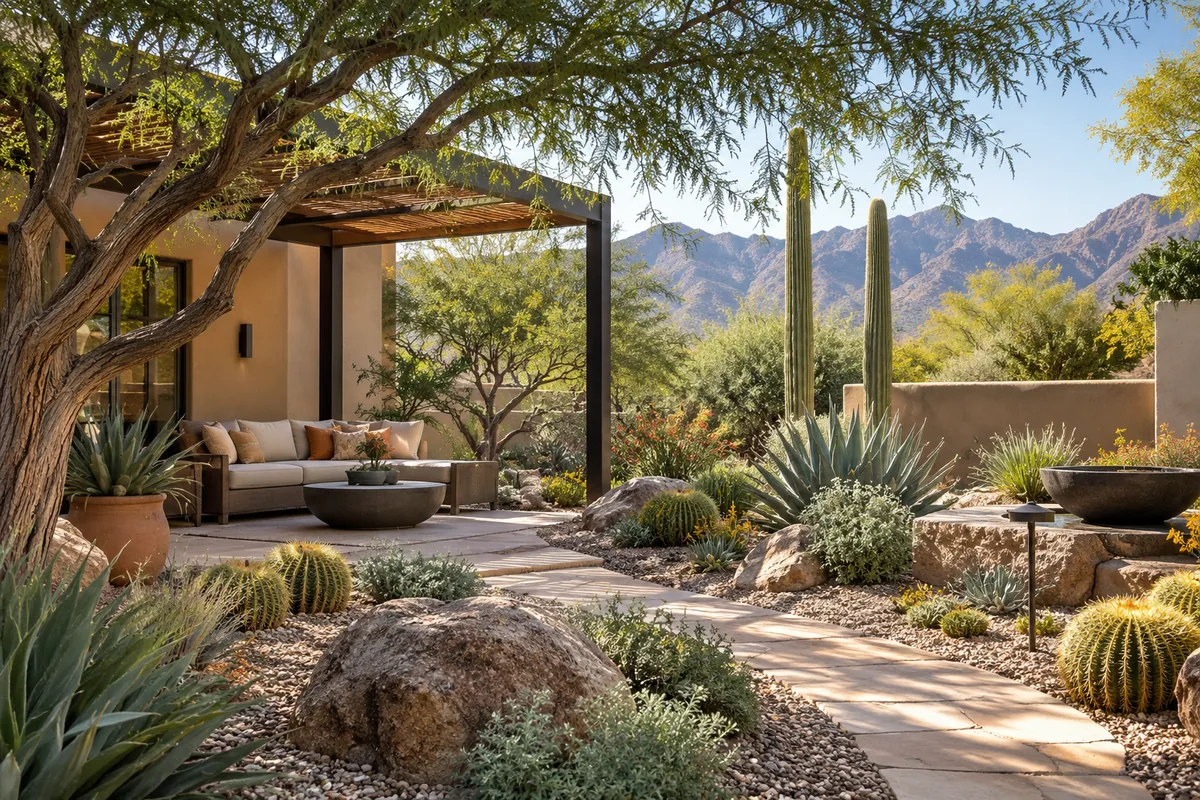
Desert landscape style: shade, stone, and plant form
Understand desert landscape style through plant form, mineral surfaces, useful shade, and heat-aware layouts, while separating its appearance from xeriscaping.
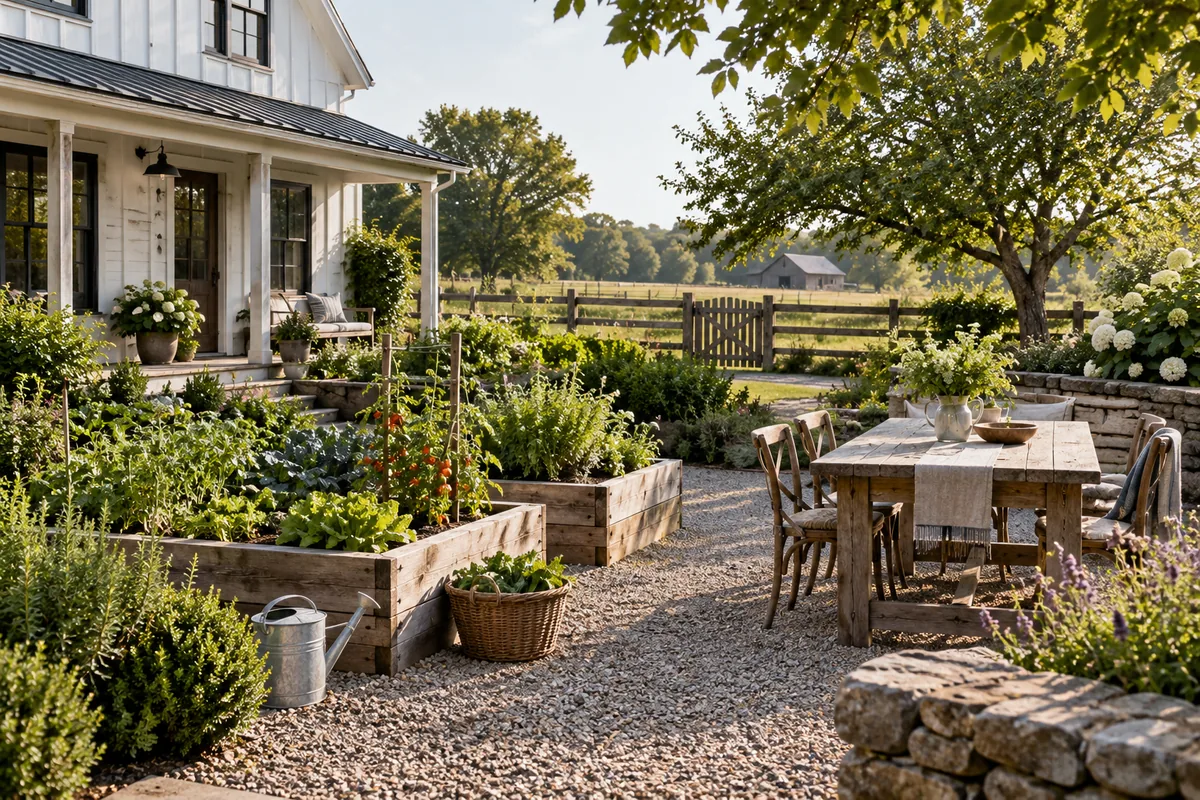
Farmhouse landscape style: useful spaces and honest materials
Discover farmhouse landscape style through practical fences, productive beds, wood and stone, and useful outdoor spaces that support everyday garden routines.