
By AI Landscape Design Team · Editorial policy
Spring Landscaping Checklist for a Thoughtful Start
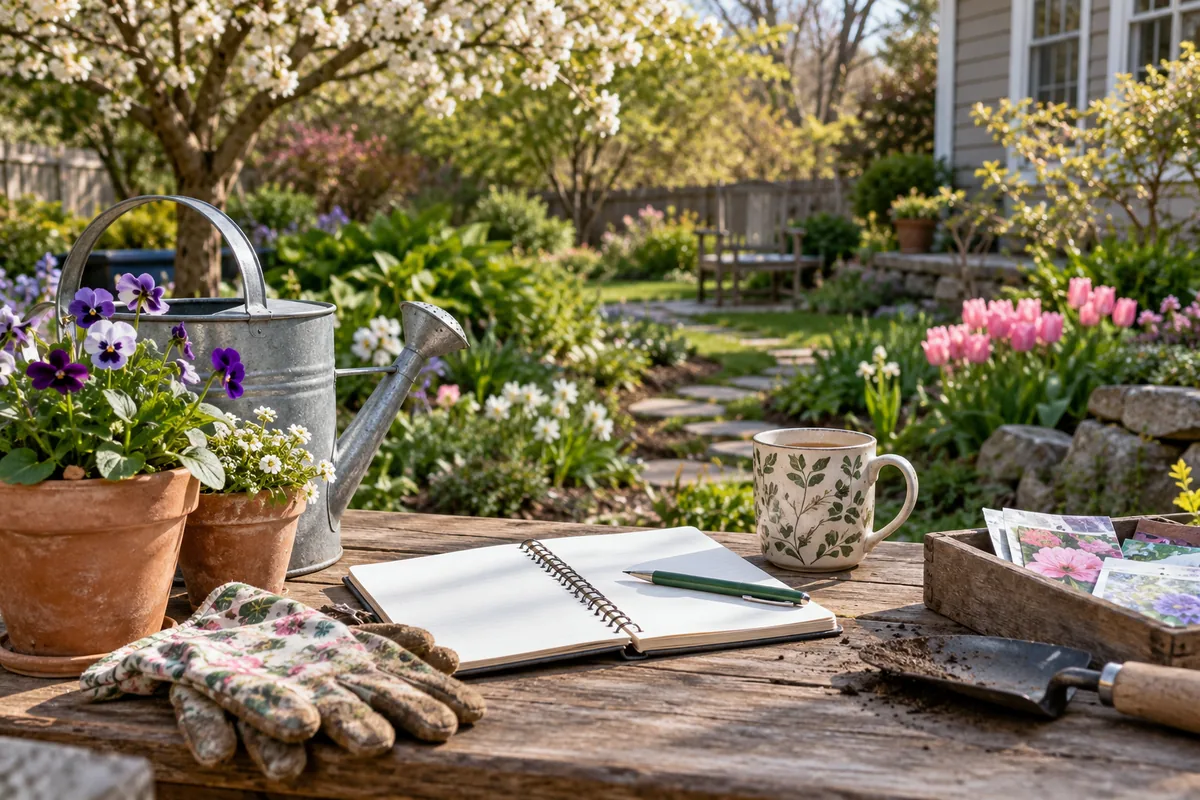
A spring landscaping checklist should begin with observation of the site after winter, then separate repairs, planting decisions, and routine care before new purchases. In most temperate US climates, spring conditions can change quickly, so local soil, weather, and plant guidance must determine timing. Use the list to organize questions and priorities, not as a universal instruction to dig, prune, fertilize, or install features on a fixed date.
Published · 6 min read
Key takeaways
- Observe conditions before starting seasonal work.
- Separate repairs from visual improvements.
- Adjust every planting and care task locally.
What should be reviewed before buying anything?
Walk the accessible parts of the yard and record changes since the previous season. Note surfaces that moved, areas that remain wet, damaged features, and planting whose condition is uncertain. Keep observations distinct from diagnosis. A qualified professional may need to investigate drainage, structures, tree health, or electrical concerns before a decorative update is appropriate. Do not remove unfamiliar growth simply because the garden looks unfinished.
In most temperate US climates, the change into spring can offer a useful review point, but local conditions determine when specific work is suitable. Ask local extension or nursery experts about planting and care for the actual location, with USDA hardiness as one part of the context. Revisit the yard’s activities and retained features before changing the layout. A budget or priorities list can help distinguish necessary work from optional details. Use cottage style and native style as visual references only where their relationships support the project, rather than a reason to buy an unverified seasonal plant collection.
How should hardscape and access be checked?
Review entrances, gates, paths, furniture areas, and transitions for condition and usability. An attractive new border should not distract from a route that needs professional attention. Observe damage without trying to specify its cause from the surface. Ask qualified local professionals about levels, support, drainage, structures, and applicable access requirements before repairs or new installation.
Test the intended furniture arrangement and ordinary movement again if activities have changed. Existing sound paving may still suit the revised visual direction. Containers and decorations need stable positions that leave access clear. Check outdoor lighting through the appropriate professional rather than opening equipment or investigating wiring. Before excavation in the United States, contact 811 and arrange private-service locating when required. Spring enthusiasm should not turn a visual concept into permission to build every feature at once. Record the responsible person and next information needed for each repair so the project can move forward with real assessment instead of a shopping list organized only by appearance.
What planting decisions deserve local confirmation?
Review actual plant identities, health, mature growth, and seasonal behavior before adding more. A gap in a border may reflect normal seasonal development or an unresolved condition, so obtain suitable horticultural advice rather than treating every empty patch as an urgent purchase. Confirm USDA hardiness, light, soil, moisture, invasive status, and toxicity where relevant for new candidates. Pets’ access should be checked against ASPCA information.
Consider the roles that would improve the existing composition: a repeated group, a lower edge, or a structural background. These roles allow locally suitable choices instead of identifying species from an image. The perennial flower guide can help frame care questions without promising a universal spring palette. Keep space for mature spread and maintenance. Verify timing for soil work, planting, and pruning locally; this guide does not prescribe a date or application rate. A visual concept can compare planting density and relationships, but exact species, suitability, and care need independent confirmation before the references become a purchase list.
How can the work remain manageable?
Choose a small set of priorities that fit available care and professional support. Completing an essential repair and one coherent planting adjustment may be more useful than opening many areas at once. Keep future phases documented so early purchases do not create incompatible care or obstruct later access. Review the actual budget and unknowns rather than assigning a fixed seasonal spending amount.
Use mature size when evaluating whether new growth will fit the spaces left around paths and windows. Review what has already been agreed with local professionals and what remains provisional. AI concepts are visual exploration rather than plant verification, site measurement, or construction information. Mark invented features and compare the image with the real notes. If a preferred detail conflicts with site findings, replace its visual role rather than forcing the plant or structure into the available area. A spring checklist should support controlled decisions and sensible care, leaving room to learn from the garden as the season develops instead of treating the first finished-looking concept as a permanent specification.
Which grouped checklist can guide the discussion?
Planning
- [ ] Record the uses that matter this spring.
- [ ] Identify retained features before selecting new references.
- [ ] Separate essential repairs from optional seasonal details.
- [ ] List professional assessments still needed for the site.
Hardscape
- [ ] Inspect visible route changes without diagnosing concealed construction.
- [ ] Keep gates and door swings clear of additions.
- [ ] Ask appropriate experts about damaged surfaces or structures.
- [ ] Arrange utility locating before any proposed excavation.
Planting
- [ ] Confirm actual plant identities and local seasonal behavior.
- [ ] Match new candidates to researched growing conditions.
- [ ] Verify invasive status and pet toxicity separately.
- [ ] Leave room for mature spread and care.
Maintenance
- [ ] Obtain local advice before unfamiliar pruning or treatment.
- [ ] Check access to watering and inspection points.
- [ ] Record what changes as growth develops.
- [ ] Review the priorities again before the next purchase.
Treat checked boxes as evidence of discussion or appropriate assessment, not proof that construction or plant suitability has been independently approved. Adapt the list to local conditions and the scope of actual work.
Frequently asked questions
Should spring planting start on the same date everywhere?
Timing varies with local weather, soil, species, and the actual project. Consult appropriate regional advice instead of using a national date as a planting rule. A seasonal checklist organizes decisions but does not establish that the ground or plants are ready for work.
Should every bare border space be filled immediately?
Seasonal growth and mature spread can change the apparent gaps. Identify the existing plants and assess actual conditions before adding more. Local horticultural advice can help distinguish normal development from a problem, while a visual concept alone cannot diagnose the planting.
Can the checklist replace professional repair advice?
The list helps record observations and priorities, but damaged surfaces, drainage, structures, trees, or electrical systems may need qualified assessment. Keep unresolved questions explicit. Do not treat a checked planning box or garden image as verification of technical safety or installation readiness.
Sources
Related reading
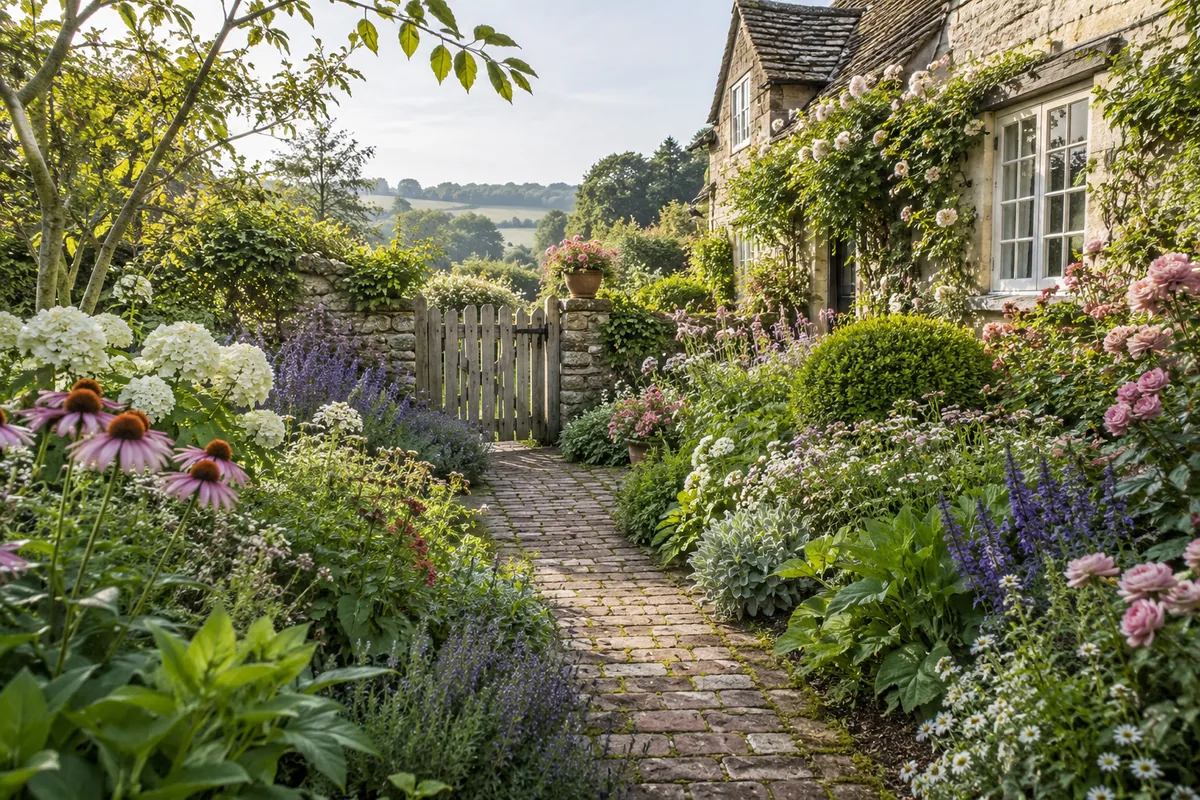
Cottage garden style: flowers with a working framework
Explore cottage garden style through layered flowers, selective self-seeding, clear paths, seasonal care, and the framework that makes informal planting usable.
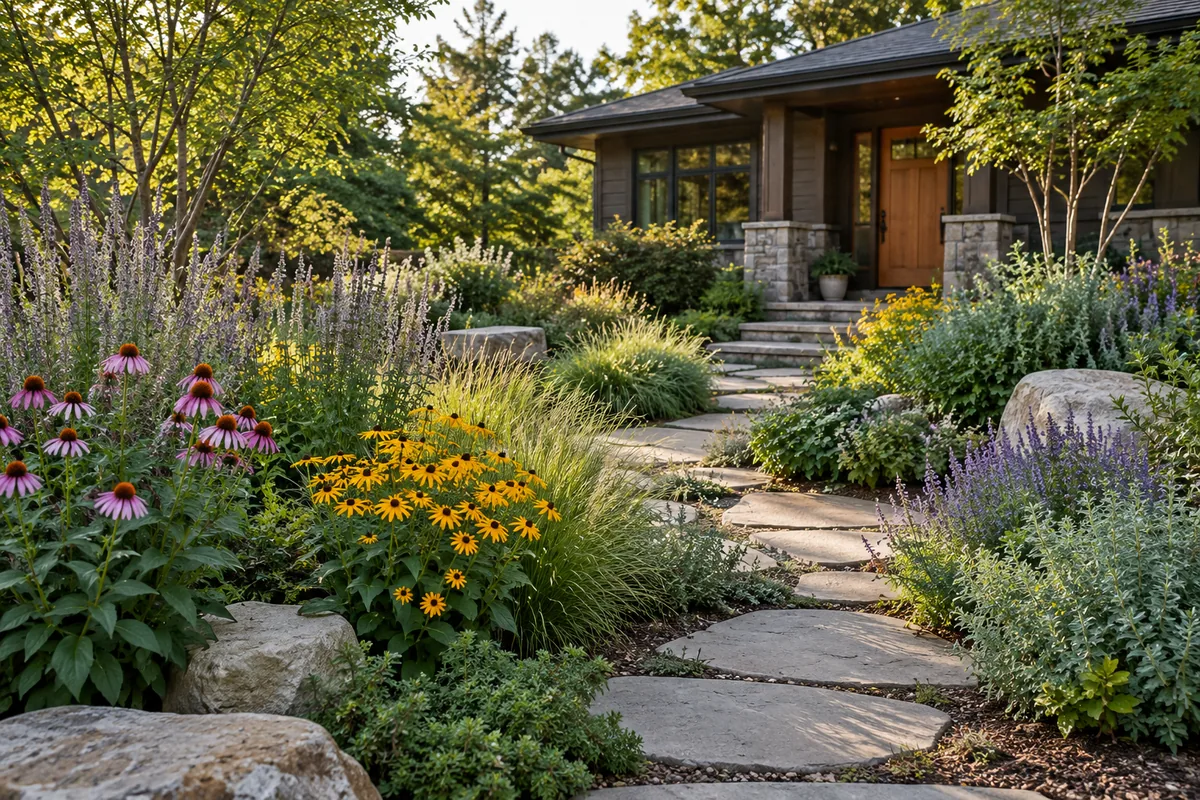
Native plant landscape style: regional plants with structure
Learn how native plant landscape style combines regional plant choices, seasonal change, and clear garden structure with practical care and neighborhood views.
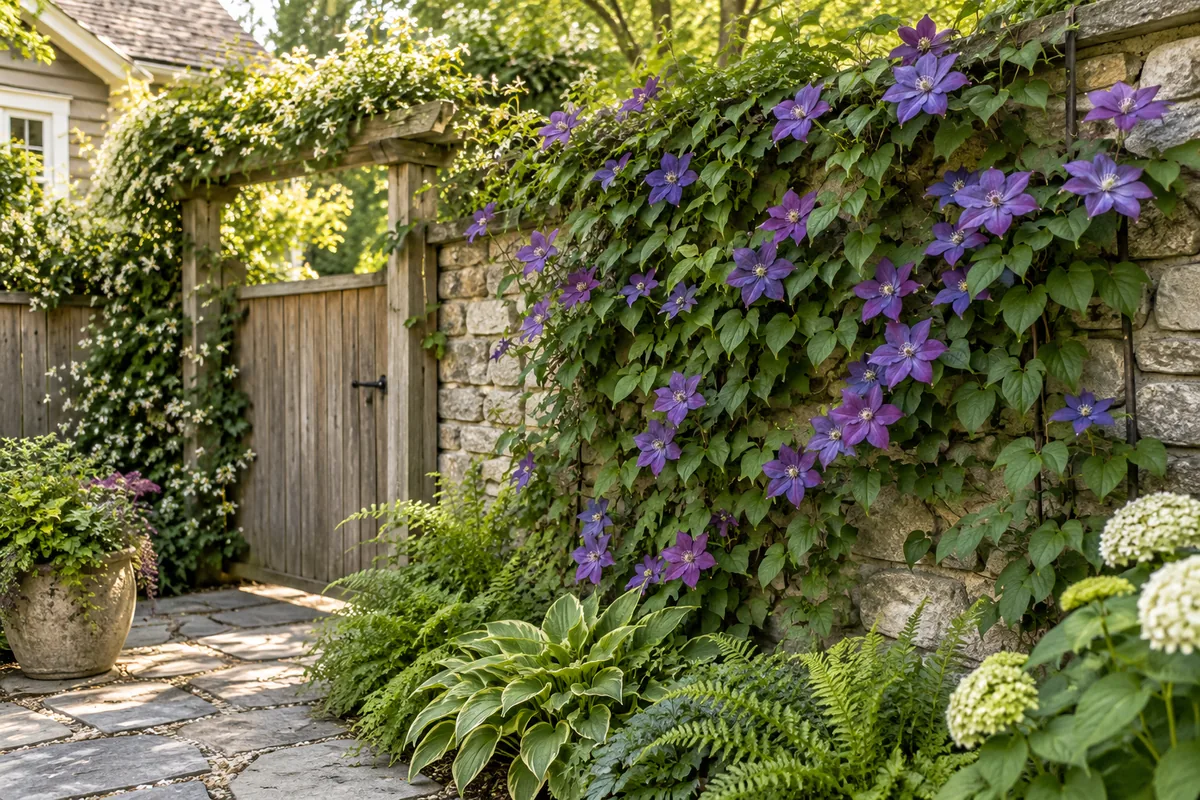
Climbing Vines for Fences and Walls with Suitable Supports
Climbing Vines: Support, Walls, and Local Fit: explore placement, upkeep, and local safety questions before deciding how this feature fits your yard.
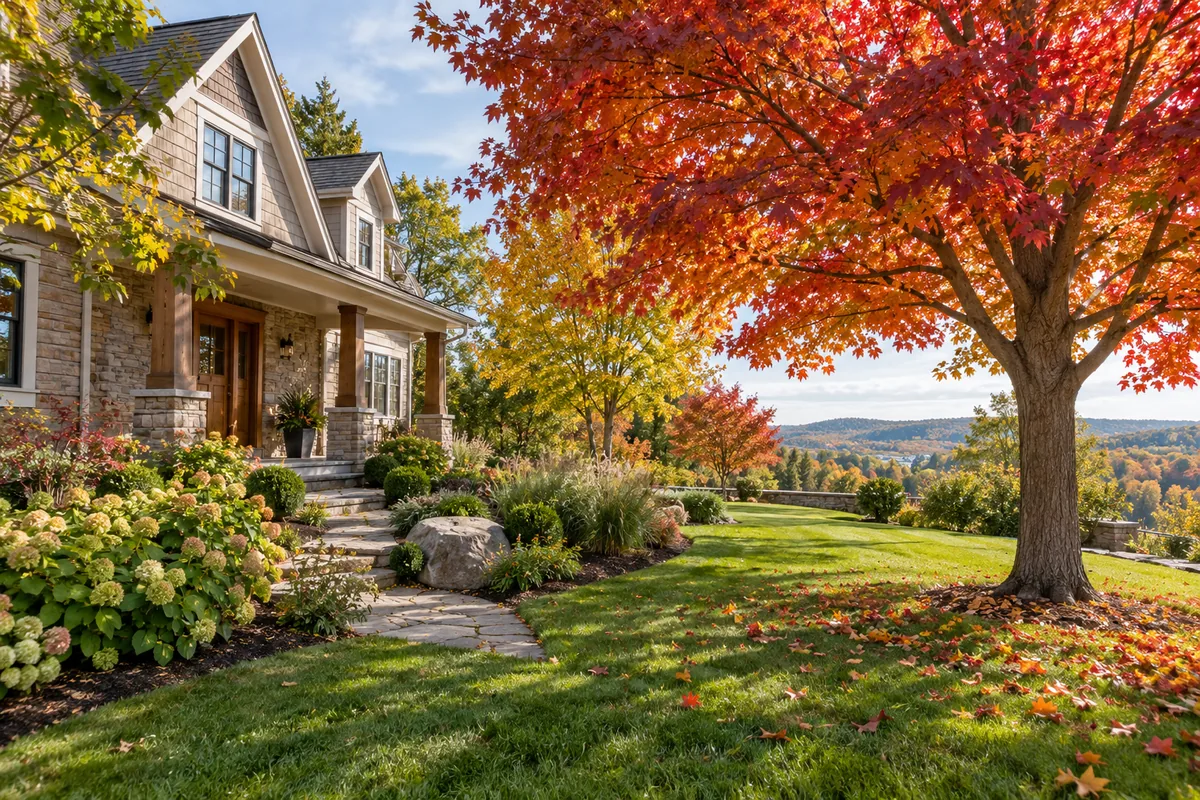
Deciduous Trees for Landscaping and Seasonal Views
Deciduous Trees: Shade, Space, and Local Fit: explore placement, upkeep, and local safety questions before deciding how this feature fits your yard.
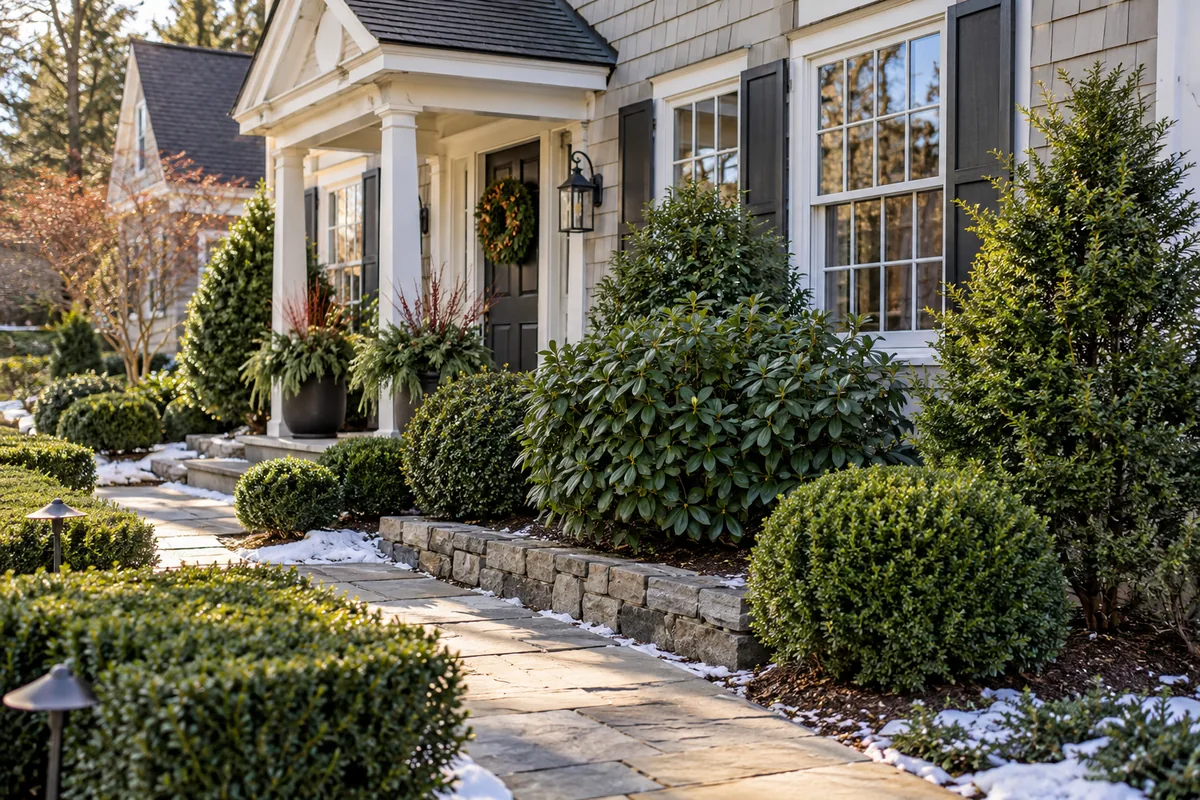
Evergreen Shrubs for Foundations and Winter Structure
Evergreen Shrubs: Foundation and Hedge Roles: explore placement, upkeep, and local safety questions before deciding how this feature fits your yard.
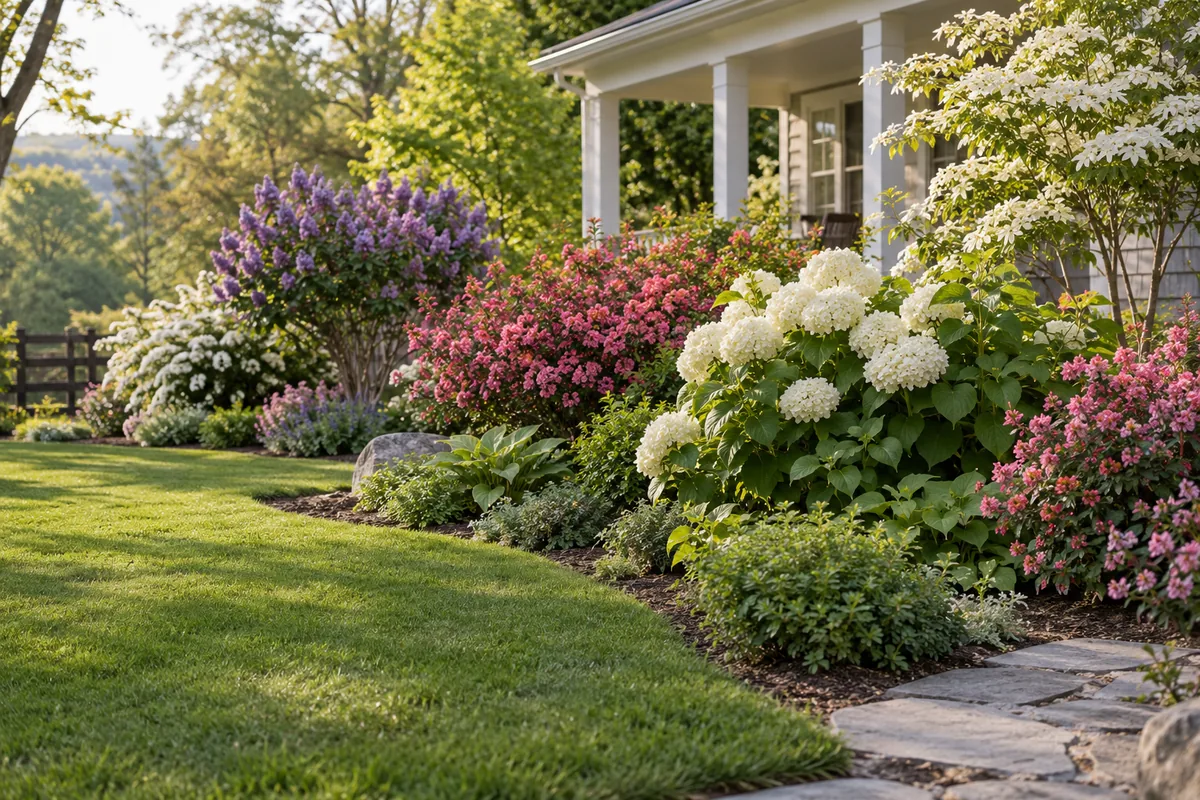
Flowering Shrubs for a Seasonal Border with Clear Structure
Learn how flowering shrubs fit your yard, with practical material, placement, upkeep, and safety questions to review before choosing a visual direction.