
By AI Landscape Design Team · Editorial policy
Deciduous Trees for Landscaping and Seasonal Views
Deciduous trees lose their leaves seasonally and can contribute summer canopy, changing foliage, and a more open winter view. Choose them for a verified site and mature role rather than a small nursery shape. Available species and suitability vary by region: check your USDA hardiness zone and local extension service, then assess roots, buildings, utilities, light, soil, and ongoing care.
Published · 6 min read
Key takeaways
- Plan for mature canopy and roots before choosing a nursery-size tree.
- Seasonal openness does not guarantee a particular building-light result.
- Verify regional suitability, invasive status, and safe installation locally.
What should the seasonal canopy accomplish?
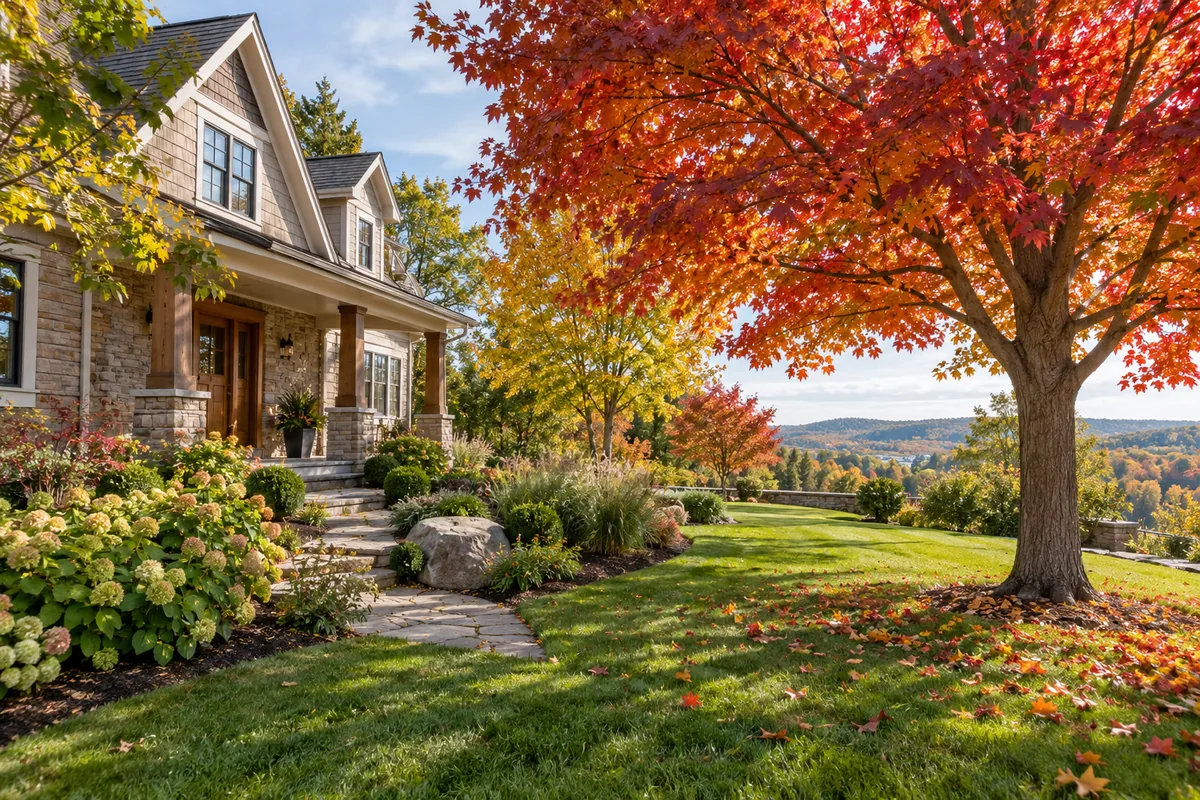
A deciduous tree can frame a view, provide a seasonal sense of enclosure, or contribute shade where a suitable species and location support that aim. Loss of leaves changes the garden's winter appearance, but it does not guarantee a precise amount of light reaching a particular room. Observe the house orientation and surrounding features, then ask a qualified local adviser about the proposed relationship. Keep the tree's role clear before choosing fall color. A canopy over seating may be welcome while the same tree beside a service route can create access or debris concerns. The useful aim is a mature tree in an appropriate place, not a dramatic seasonal photograph.
Which examples can help discuss different roles?
These are examples to investigate locally, not a nationally verified planting list. Species and cultivars vary in size, behavior, availability, and suitability.
- Red maple: a canopy and seasonal-foliage role where the site fits.
- Oak: a potentially substantial canopy and habitat relationship, with species selected regionally.
- River birch: trunk and bark interest as well as a canopy.
- American beech: a broad structural presence where adequate space is available.
- Serviceberry: a smaller-tree or multistem role depending on the actual selection.
- Eastern redbud: a flowering accent with mature form considered.
- Blackgum: a seasonal focal-tree option to discuss locally.
- Hornbeam: a selected structural form for a suitable setting.
Ask your local extension service which exact species or cultivar fits the growing conditions and intended mature role. Do not buy from the common name alone.
How should mature space be assessed?
Reserve room for the actual eventual canopy, trunk, roots, and maintenance access. A tree's nursery dimensions do not establish its adult footprint. Ask local professionals about the relationship with foundations, paving, overhead lines, underground services, boundaries, and retained trees. Do not give a universal distance that claims to fit every species and structure. The intended shade should be considered alongside visibility and everyday routes. A tree that starts as a neat accent can become unsuitable if the available space only accommodates its purchase size. Mature planning is an important selection decision rather than an optional concern deferred until branches reach the house.
What site conditions should be checked?
USDA bases its hardiness map on average annual extreme minimum winter temperatures, providing a cold-temperature reference for plant selection. That describes one climate input, not the whole growing environment. Assess light, soil, moisture, wind, drainage, and local suitability with qualified horticultural advice. A tree surviving winter does not establish that it will perform well beside an exposed terrace or in unsuitable soil. Use regional extension information and reliable species identification. The seasonal look in a reference may come from a different climate or cultivar. Choose the actual tree for the conditions it will experience, not the name of the landscaping style surrounding it.
How should invasive and pet questions be handled?
Check current regional invasive guidance before selecting or replacing trees. The USDA National Invasive Species Information Center provides species resources, while local lists and advisers can clarify regional status. Do not recommend Bradford or Callery pear as a default flowering tree; its invasive concerns require caution. Native status should also be verified for the particular region rather than assumed across the country. Where pets can reach leaves, fruit, or other material, check relevant ASPCA information and veterinary advice for uncertain species. A tree's beauty or native origin is not a toxicity rating. Keep identification clear and discuss the household's actual use of the area.
What upkeep belongs in the plan?
Leaves, fallen material, watering during appropriate establishment care, and professional inspection can create different tasks depending on the tree and site. Do not promise a fixed growth rate or lifespan. Ask qualified local advisers what the actual selection needs and how significant pruning or health concerns will be managed. Keep access for care and avoid surrounding a trunk with structures that make inspection difficult. Seasonal change is part of the attraction but also part of the work. A tree over a patio may require more surface clearing than a tree elsewhere. Compare those practical relationships before placing the canopy solely for a picture.
Which design pairings are useful?
A deciduous canopy can soften modern geometry, frame a cottage border, or support a native-led composition when the species and site are appropriate. Reuse healthy suitable existing trees where they serve the brief rather than removing them for a blank design. New excavation needs 811 contact in the United States and appropriate private-service review. Licensed local professionals should assess drainage, retaining structures, electrical changes, and root-related construction conflicts. Keep the tree's mature role consistent with the house and routes. Costs involve species, size, delivery, assessment, planting preparation, and care, not simply the visible height of the nursery plant.
How can concepts support a tree decision?
Use a visual concept to discuss canopy position, seasonal openness, and the relationship with the house, while treating species and scale as unresolved. AILandscape offers exploratory yard images; it does not verify tree identity, mature size, climate fit, root behavior, drainage, or construction. Take the intended role to local advisers with actual site information. Be prepared to choose a different species or location if the conditions demand it. A successful deciduous-tree idea has a credible mature-space and care plan. It should remain understandable when the leaves are absent and should not depend on a generated silhouette as evidence of a safe planting decision.
Frequently asked questions
Does a deciduous tree guarantee winter sunlight indoors?
No. Leaf loss changes the canopy, but actual light depends on orientation, branches, nearby features, and the proposed tree. Investigate the building and site relationship with appropriate local advice rather than treating seasonal openness as a fixed performance promise.
Can I choose by nursery height alone?
No. Verify the mature size and form of the actual species or cultivar, including roots and relationships with structures and utilities. A small purchase plant can become a substantial feature. Plan the adult role before placing it.
Are native deciduous trees safe for pets?
Native status is not a toxicity rating. Confirm identity and check relevant ASPCA information, with veterinary advice for uncertain trees within pets' reach. Leaves, fruit, and other accessible material should be considered alongside the tree's visual and ecological role.
Sources
Related reading
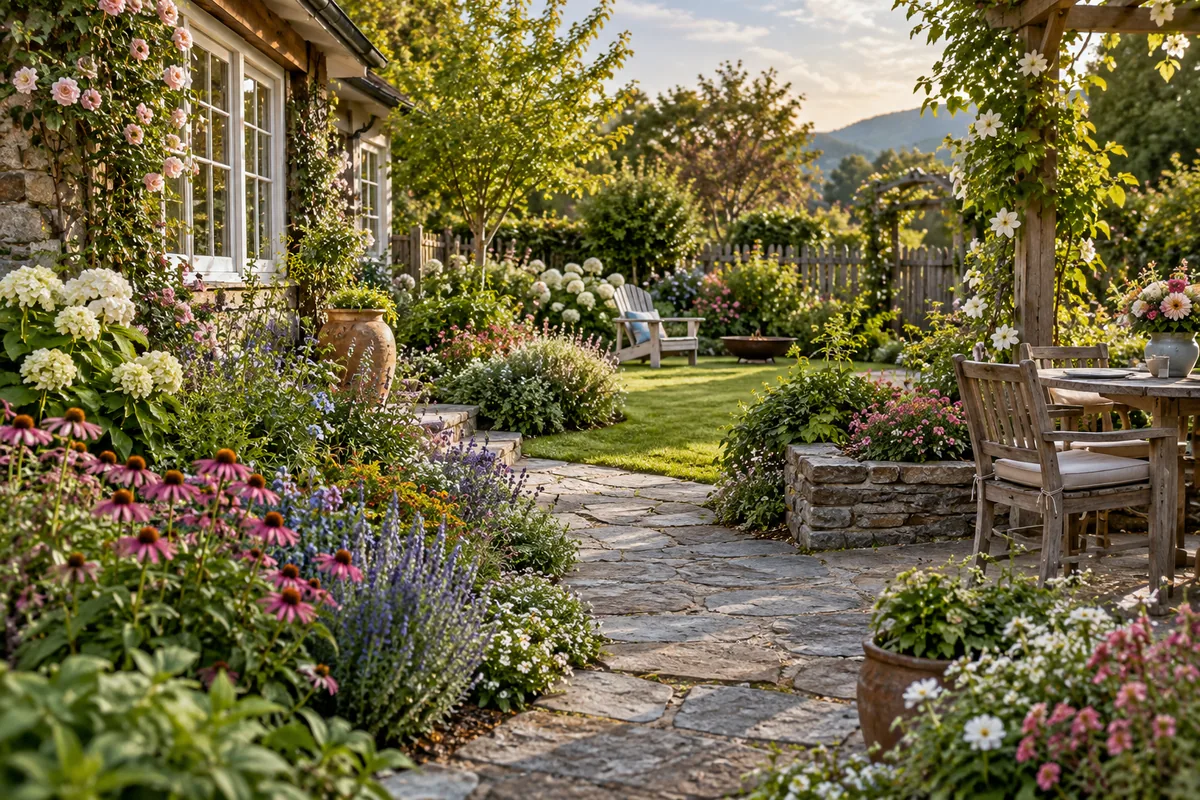
Cottage backyard ideas for flowers, seats, and seasonal life
Explore cottage backyard ideas for layered flowers, comfortable seats, connected borders, productive corners, and practical access through seasonal planting.
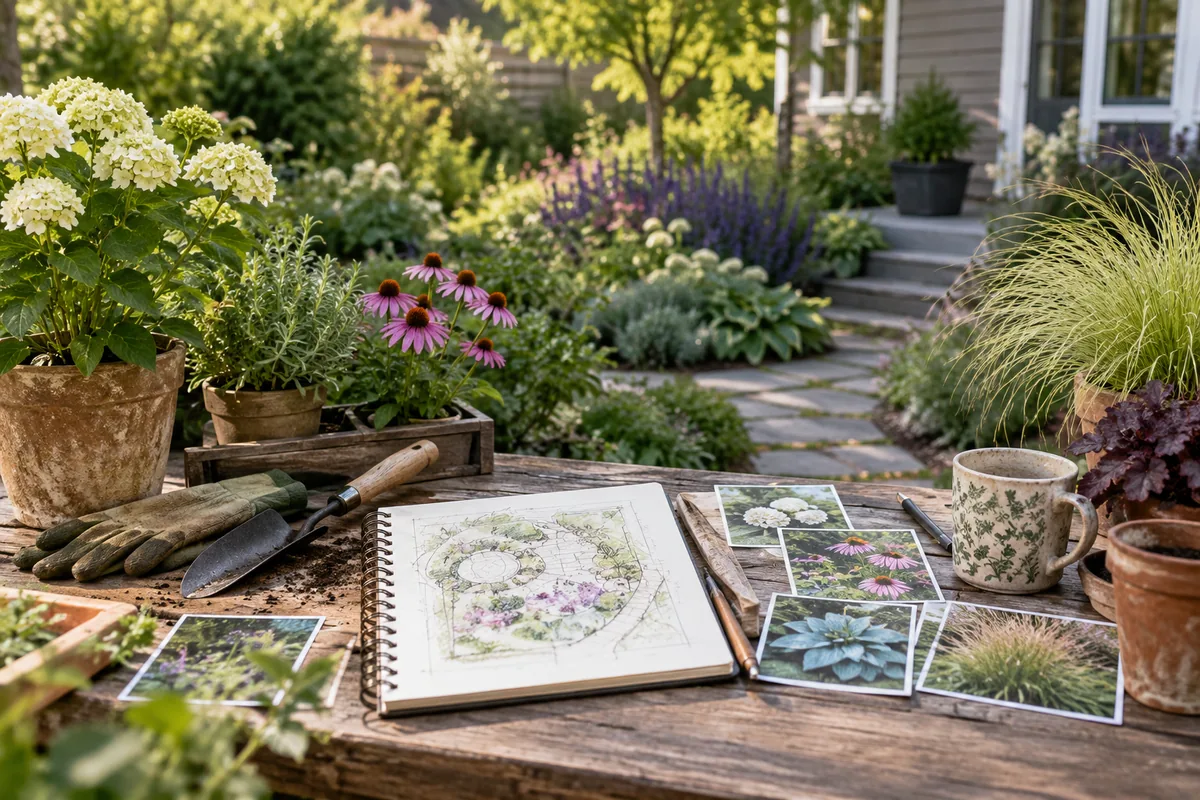
How to Plan a Planting Palette for Your Garden
Plan a planting palette around structure, repeated groups, seasonal interest, and confirmed regional conditions rather than copying species from a garden image.
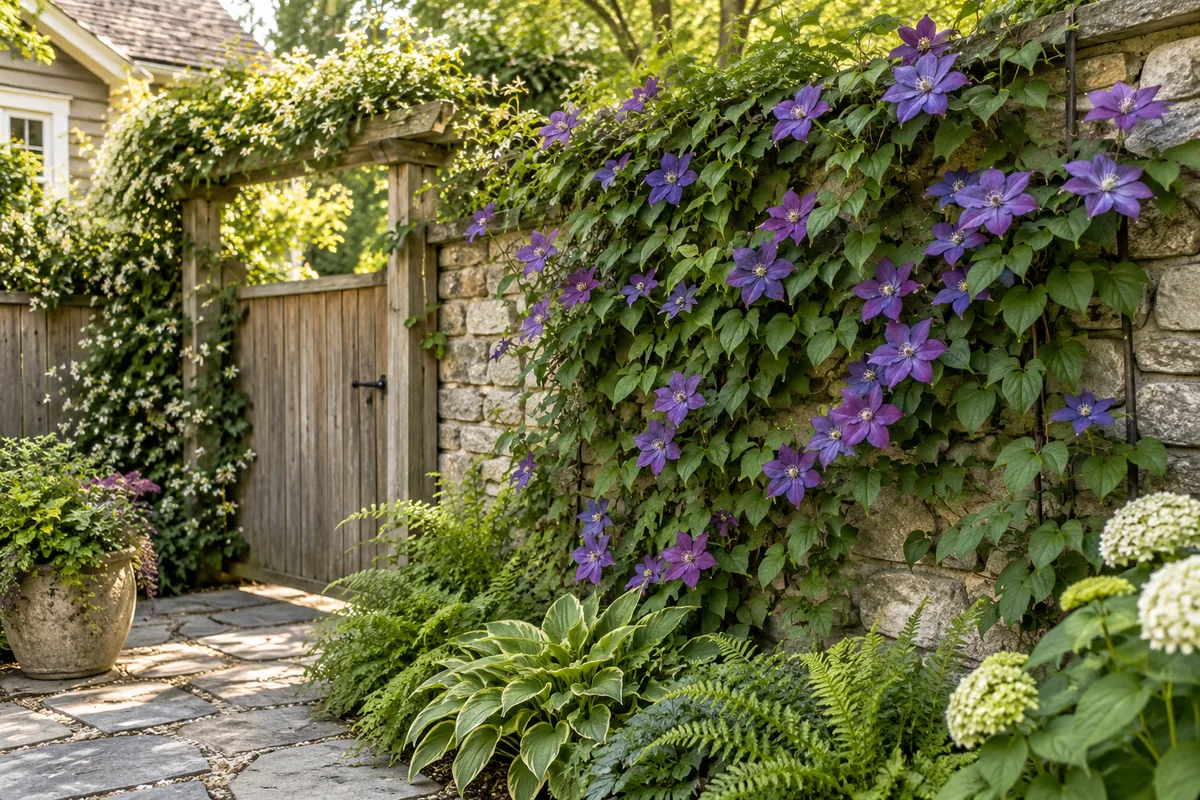
Climbing Vines for Fences and Walls with Suitable Supports
Climbing Vines: Support, Walls, and Local Fit: explore placement, upkeep, and local safety questions before deciding how this feature fits your yard.
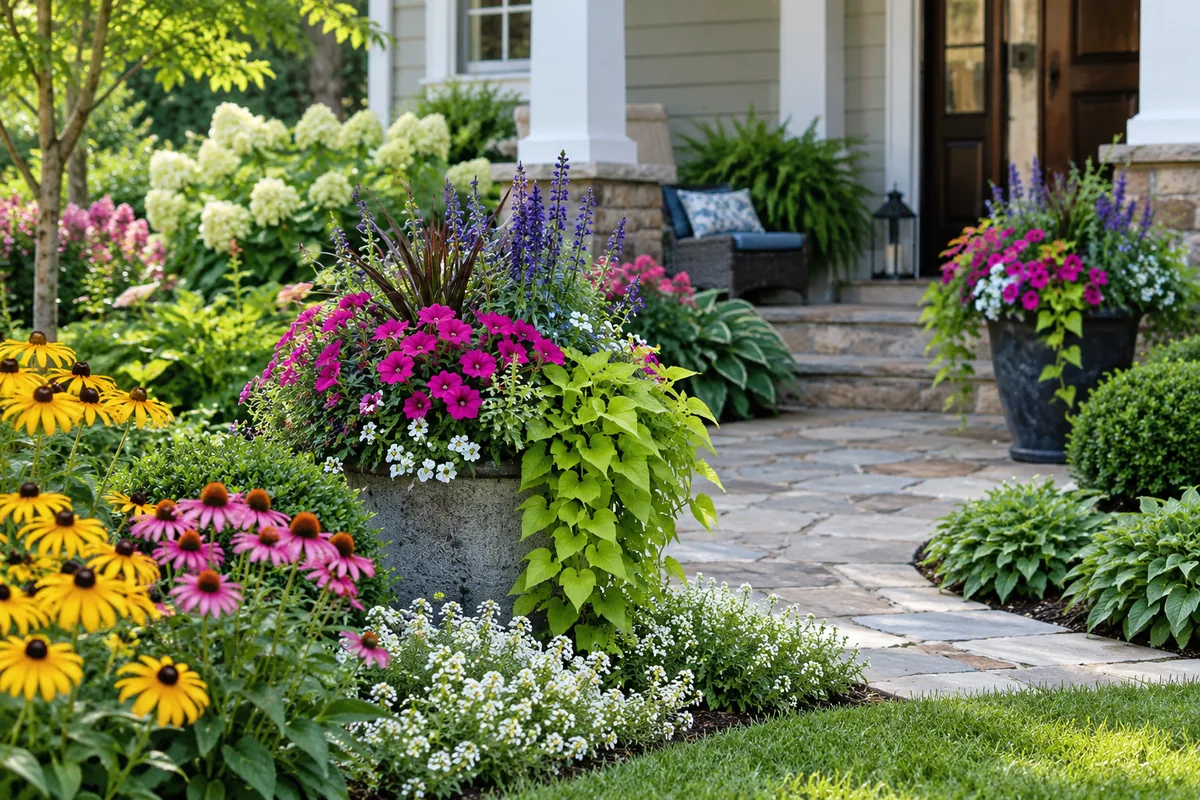
Annual Flowers for Seasonal Borders and Garden Containers
Annual Flowers: Seasonal Color and Containers: explore placement, upkeep, and local safety questions before deciding how this feature fits your yard.
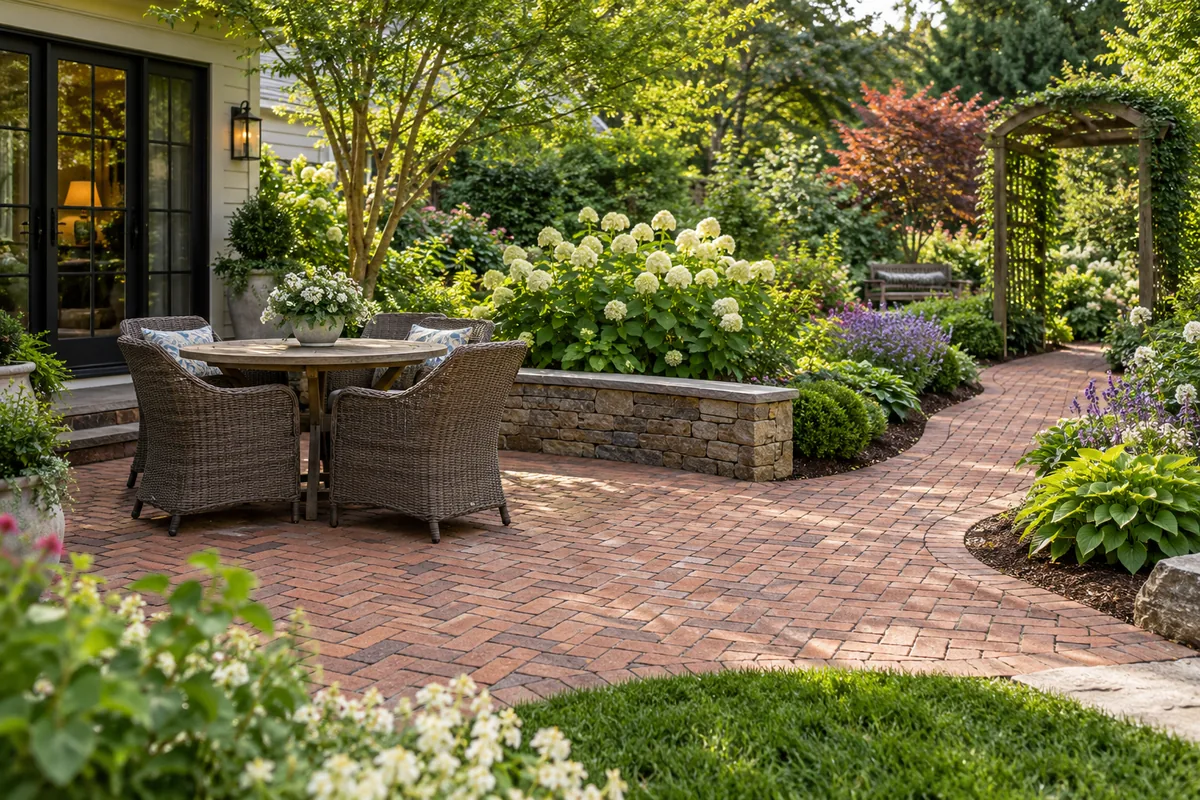
Brick Pavers for Useful Patios and Garden Paths
Brick Pavers for Patios and Paths: explore materials, placement, upkeep, and local safety questions before deciding how this feature fits your yard.
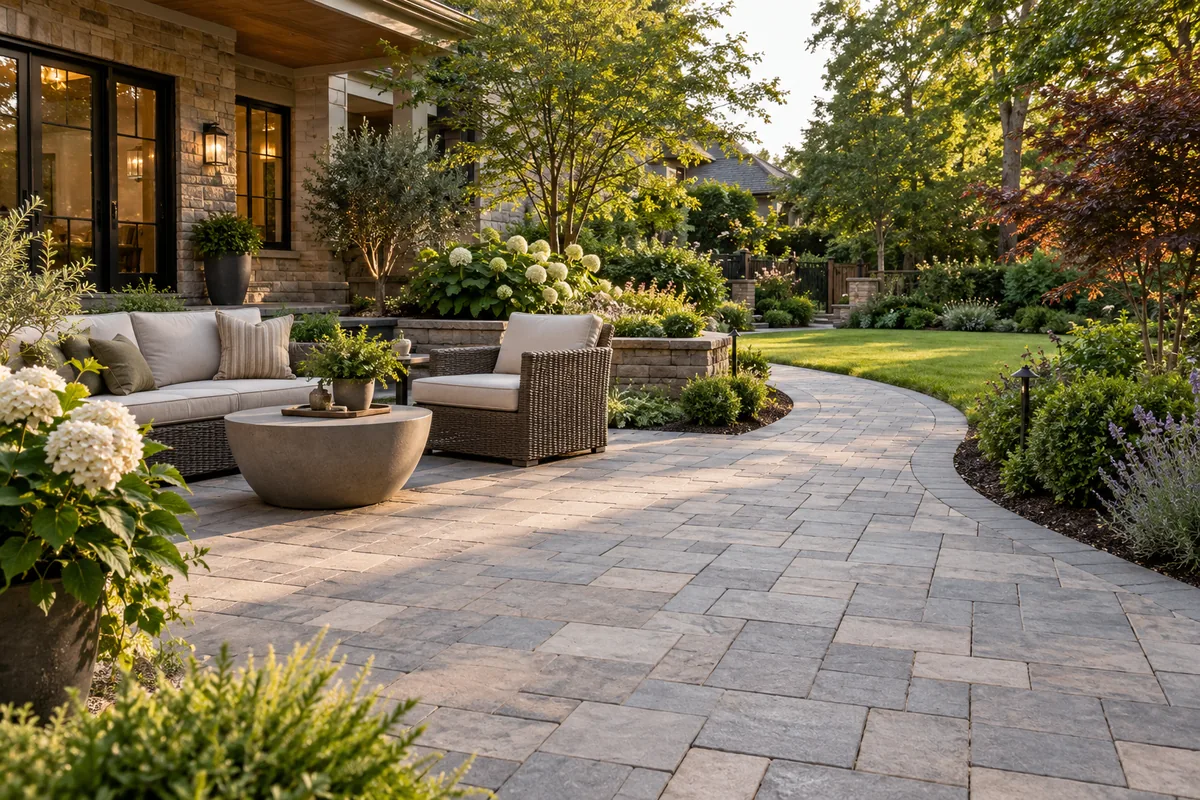
Concrete Pavers for Patios, Paths, and Yard Routes
Learn how concrete pavers fit your yard, with practical material, placement, upkeep, and safety questions to review before choosing a visual direction.