By AI Landscape Design Team · Editorial policy
Climbing Vines for Fences and Walls with Suitable Supports
Choose climbing vines by the way they climb, the mature growth they produce, and the surface or support they will occupy. Twining stems, tendrils, and attaching growth ask for different arrangements. Availability and suitability differ by region; check your USDA zone and local extension service. Avoid Chinese and Japanese wisteria and English ivy, and investigate locally appropriate alternatives with their own requirements verified.
Published · 6 min read
Key takeaways
- Match the climbing mechanism to the intended support.
- Review wall condition and inspection access before allowing attachment.
- Exclude invasive familiar vines rather than copying their appearance.
What vertical role needs a vine?
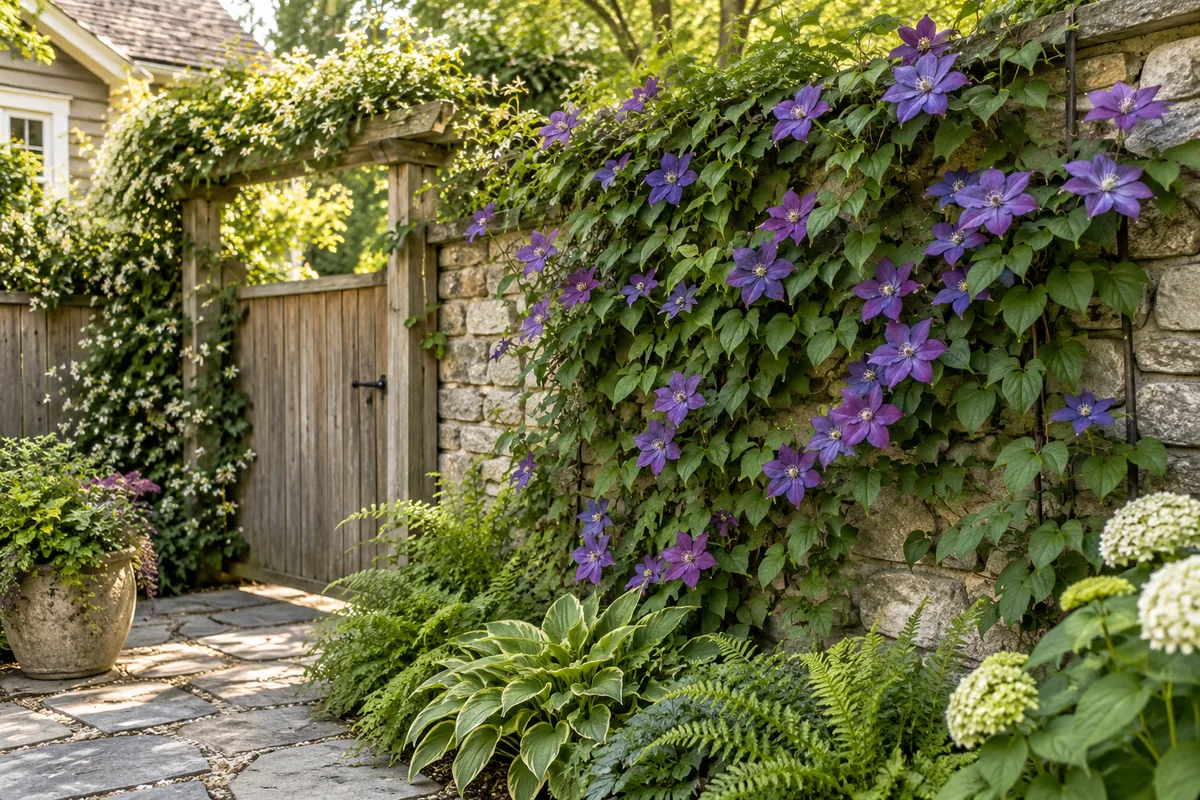
A vine can soften a boundary, frame an opening, or create an intentional planted plane beside a patio. Define that role before choosing a species. Decide whether foliage should occupy a freestanding support, an existing fence, or a surface near the house. Each position involves different access and maintenance. A planted wall may look attractive while obscuring important building details, and a vine-covered fence may still need repair. Keep gates, windows, and everyday routes usable. The role should be specific enough that a qualified adviser can suggest an appropriate plant and support instead of treating any climbing foliage as interchangeable green coverage.
Which examples show possible regional alternatives?
These examples introduce different climbing and trained-plant roles; they are not approved for every region or wall. Confirm actual identity, attachment method, adult growth, and local invasive status.
- American wisteria: a regional twining alternative to investigate, with support assessed.
- Coral honeysuckle: a native-led vine possibility where locally appropriate.
- Virgin's bower clematis: a climbing role requiring verified species identity.
- Crossvine: a foliage-and-flower option with attachment implications checked.
- Virginia creeper: a native regional possibility that still needs surface and vigor review.
- Selected native grape: a vine canopy or trained boundary role on appropriate support.
- Dutchman's pipe: a regional foliage screen to discuss with local experts.
- Climbing rose: a trained ornamental option requiring an assessed tying and support approach.
Native status does not establish that a plant is suitable for any structure or small space.
How does the climbing mechanism affect support?
Twining plants wrap growth around suitable supports, while tendrils need an arrangement they can grip. Other vines attach to surfaces through their own structures, and some climbing-style garden plants need deliberate training and ties. Identify the exact method rather than guessing from a common name. Ask what the plant requires as it develops and how its growth will be inspected or managed. A support that suits one mechanism may do little for another. Do not specify structural loads or fixing details from a garden illustration. Have a qualified professional review significant supports and connections, using the actual mature plant and site conditions in that assessment.
What should be checked before using a house wall?
Review the wall material, existing condition, and need to inspect or maintain it with an appropriate building professional. Clinging growth may create different questions from a vine held on a separate support. Keep windows, vents, gutters, and relevant building elements accessible. Avoid assuming that a green wall is harmless because a photograph shows vegetation on another building. An independent trellis may offer a different arrangement, but still needs suitable construction and access. The vine should serve the design without concealing unresolved damage or maintenance responsibilities. Select the plant only after the intended surface relationship has been assessed, rather than asking the building to accommodate an unsuitable climber.
Why are familiar invasive vines excluded?
Chinese and Japanese wisteria and English ivy are not recommended in this palette. University of Maryland extension identifies the two Asian wisterias as invasive, and USDA invasive-species resources profile English ivy. Their familiar ornamental use does not establish suitability for a new garden. Ask local advisers about native or otherwise appropriate alternatives for the intended role, including American wisteria where regionally suitable. Verify the actual species rather than relying on a general wisteria label. Existing infestations need responsible local management advice. A decorative article should not improvise removal methods around buildings or trees, and a dramatic flowering reference should not override regional ecological concerns.
How should adult growth and pruning shape placement?
Account for the eventual vine mass and the route needed to maintain it. A support visible in a nursery pot does not establish what mature growth will require. Discuss appropriate training and pruning for the actual selection, including whether flowers are carried on older or current growth when that matters. Preserve access along boundaries within your own property. If the only way to keep the vine out of a gate or window is continuous emergency cutting, choose another arrangement. Match the plant's role to realistic care capacity rather than assume every climber can be forced into a permanently thin green strip.
What regional and household checks remain?
USDA hardiness zone is a winter-temperature reference; local light, soil, moisture, exposure, and species behavior need further assessment. Availability varies, so keep alternative selections open. Check ASPCA toxicity resources and veterinary guidance where pets can reach leaves, fruit, or other plant parts. Vines placed around seating or play areas should be considered in those household relationships. Contact 811 before digging for supports or planting in the United States and clarify private-service locating. Root protection and significant structural installation need qualified review where relevant. The vine's attractive vertical effect should be accompanied by identified plants, appropriate construction, and clear maintenance responsibilities.
What can a visual concept clarify?
Explore whether a planted boundary should be continuous or limited to one deliberate panel, and compare the effect from important windows and seating. AILandscape can help visualize the arrangement but cannot validate species identity, attachment behavior, invasive status, wall condition, or structural support. Carry the desired vertical role to a qualified local designer and the relevant building professional. Select a suitable actual plant afterward and alter the composition if its adult growth requires more room. A helpful concept makes the relationship between house, support, and planting easier to discuss; it does not establish permission to attach any pictured vine to a real surface.
Frequently asked questions
Can every vine climb a flat fence panel?
Climbing methods differ. A twining vine or tendril climber may need a suitable supporting arrangement, while attaching vines raise other surface questions. Identify the actual plant and review the fence and intended growth locally before assuming the panel itself is enough.
Are Chinese or Japanese wisteria recommended?
They are excluded because of invasive concerns. Investigate locally appropriate alternatives, including American wisteria where suitable, and confirm the exact identity. An alternative still needs mature-space, support, and maintenance review rather than approval from native status alone.
Does a vine-covered wall confirm safe attachment?
An attractive photograph cannot verify a particular wall's material, condition, or maintenance needs. Have the intended relationship assessed appropriately and preserve access to building elements. Choose the vine and support based on that review instead of inferring suitability from appearance.
Sources
- University of Maryland Extension · Invasives in Your Woodland: Chinese and Japanese Wisteria
- USDA · USDA Plant Hardiness Zone Map
- USDA · National Invasive Species Information Center
- Lady Bird Johnson Wildflower Center · Native Plant Resources
- Royal Horticultural Society · Gardening Resources
- ASPCA · Toxic and Non-Toxic Plants
- Call 811 · Before You Dig
Related reading
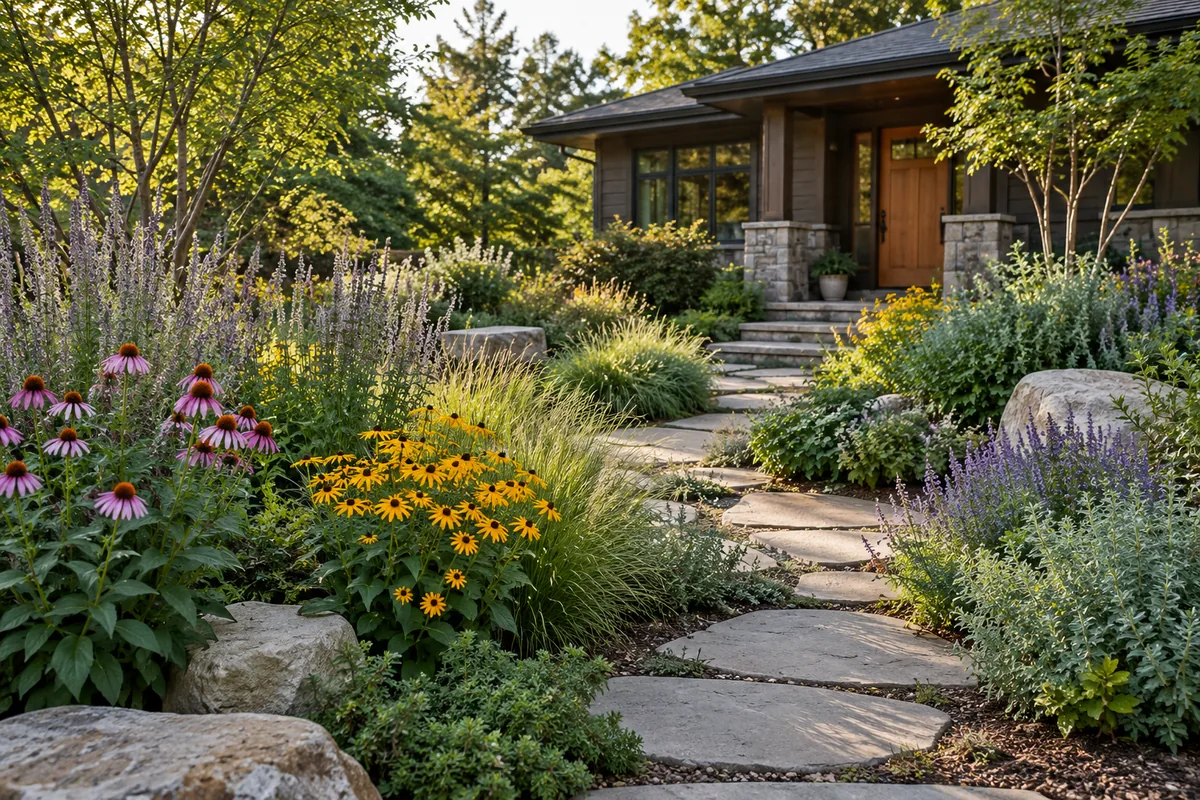
Native plant landscape style: regional plants with structure
Learn how native plant landscape style combines regional plant choices, seasonal change, and clear garden structure with practical care and neighborhood views.
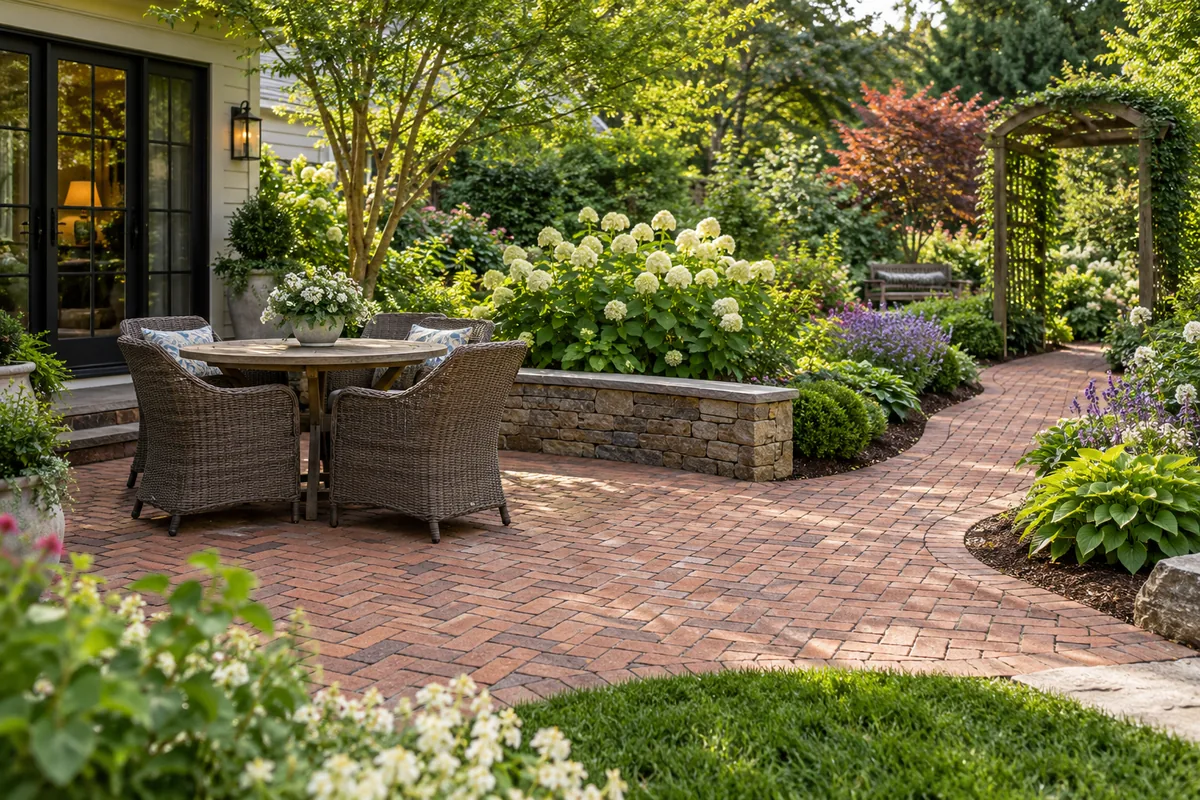
Brick Pavers for Useful Patios and Garden Paths
Brick Pavers for Patios and Paths: explore materials, placement, upkeep, and local safety questions before deciding how this feature fits your yard.
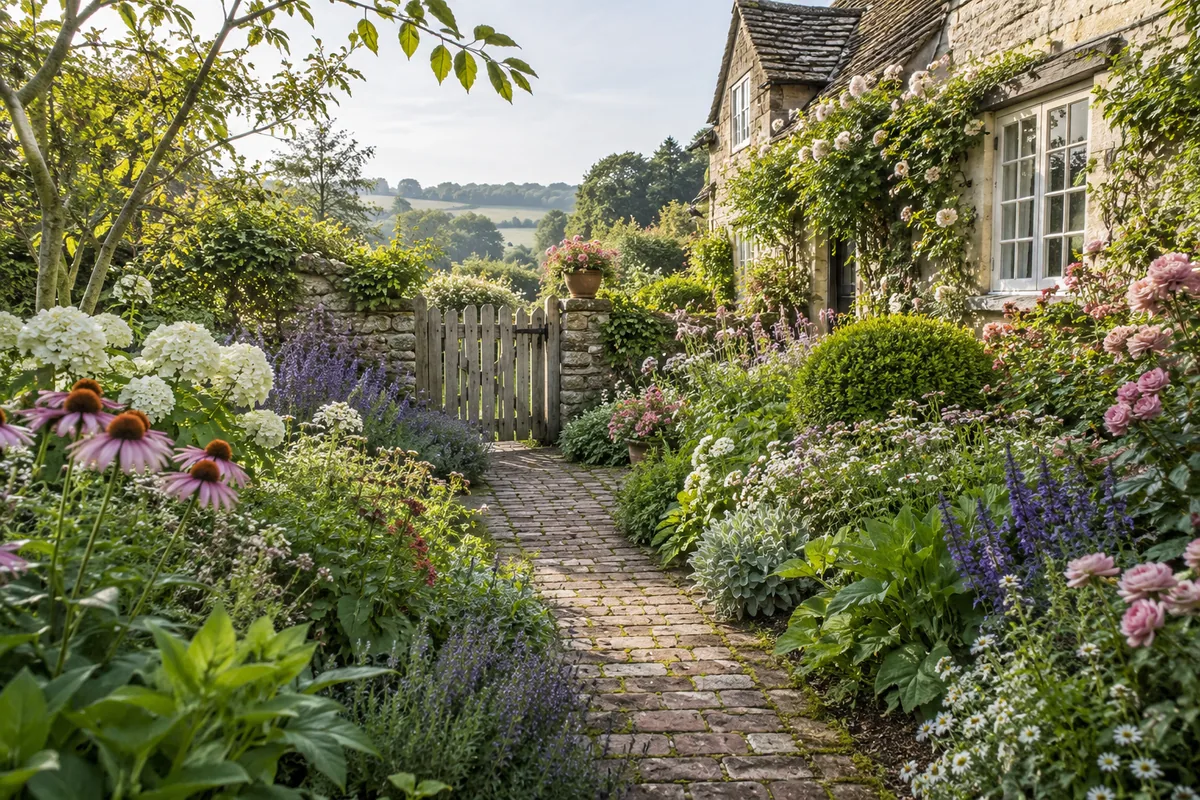
Cottage garden style: flowers with a working framework
Explore cottage garden style through layered flowers, selective self-seeding, clear paths, seasonal care, and the framework that makes informal planting usable.
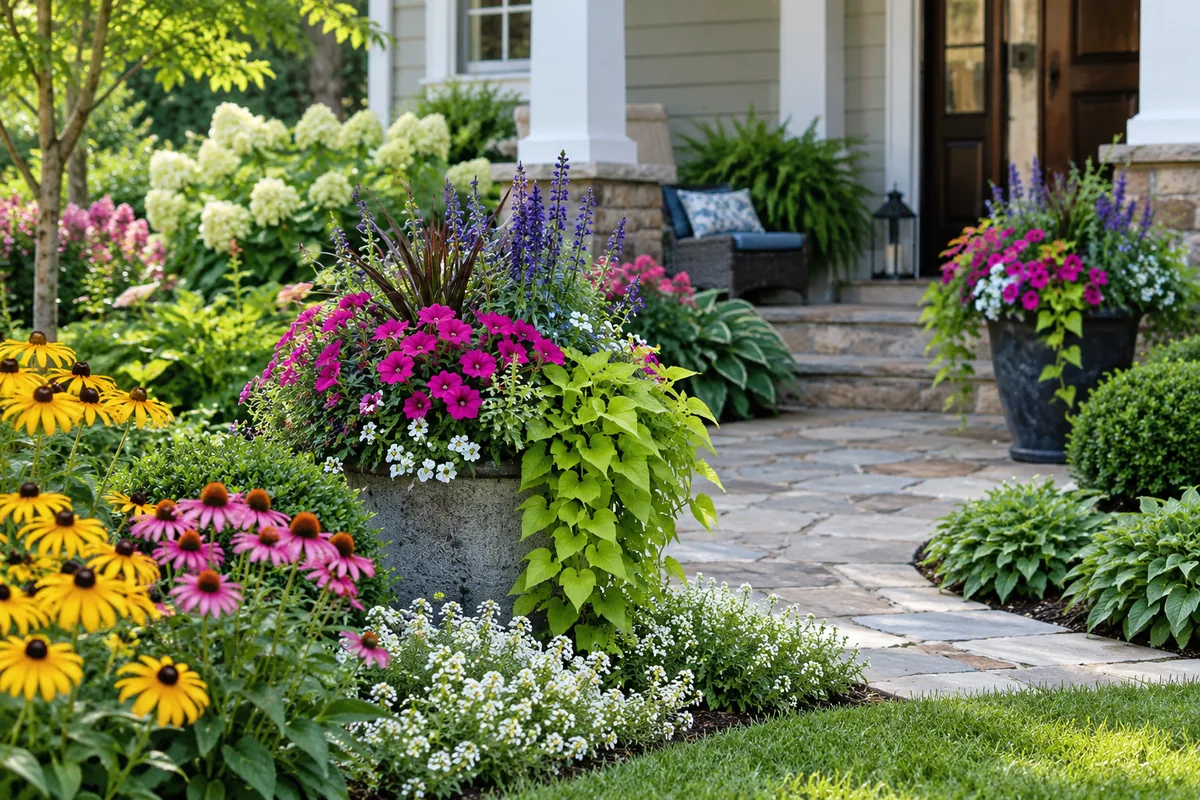
Annual Flowers for Seasonal Borders and Garden Containers
Annual Flowers: Seasonal Color and Containers: explore placement, upkeep, and local safety questions before deciding how this feature fits your yard.
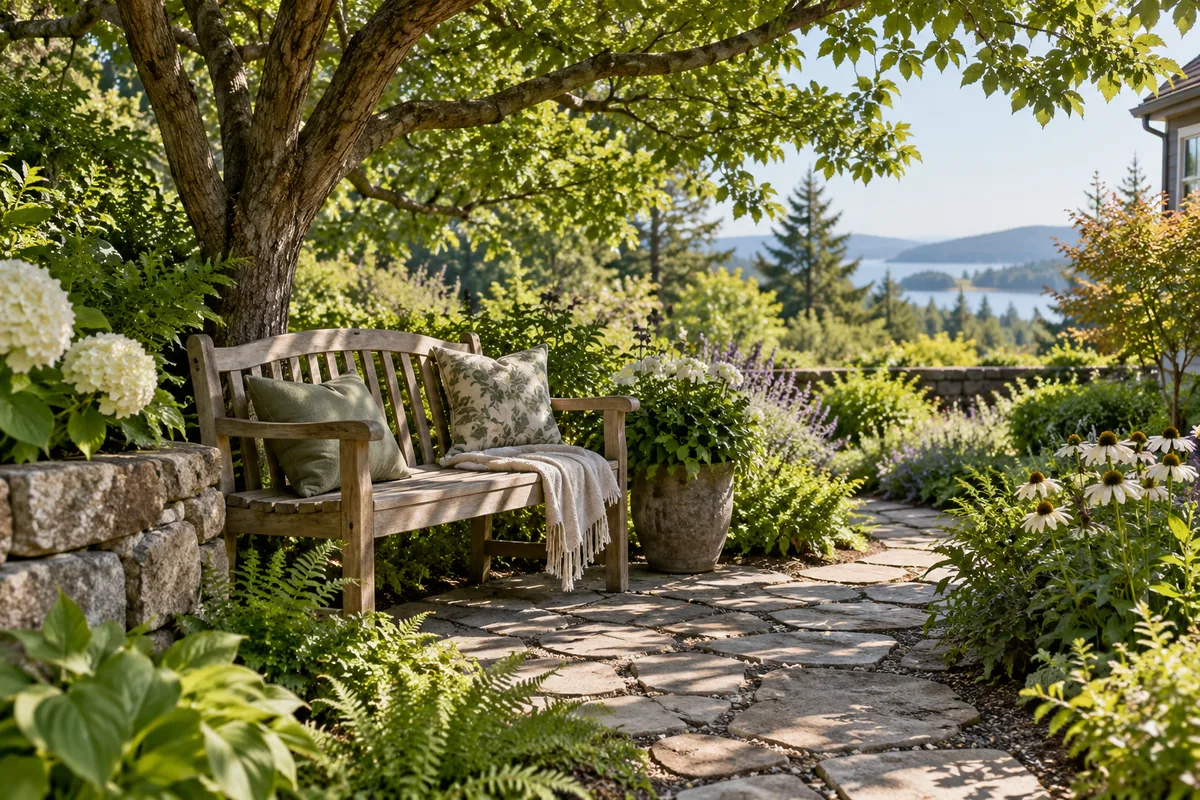
Garden Bench Ideas That Give People a Reason to Sit
Find garden bench ideas for shade, views, and everyday pauses, with practical guidance on seat fit, materials, access, maintenance, and stable placement.
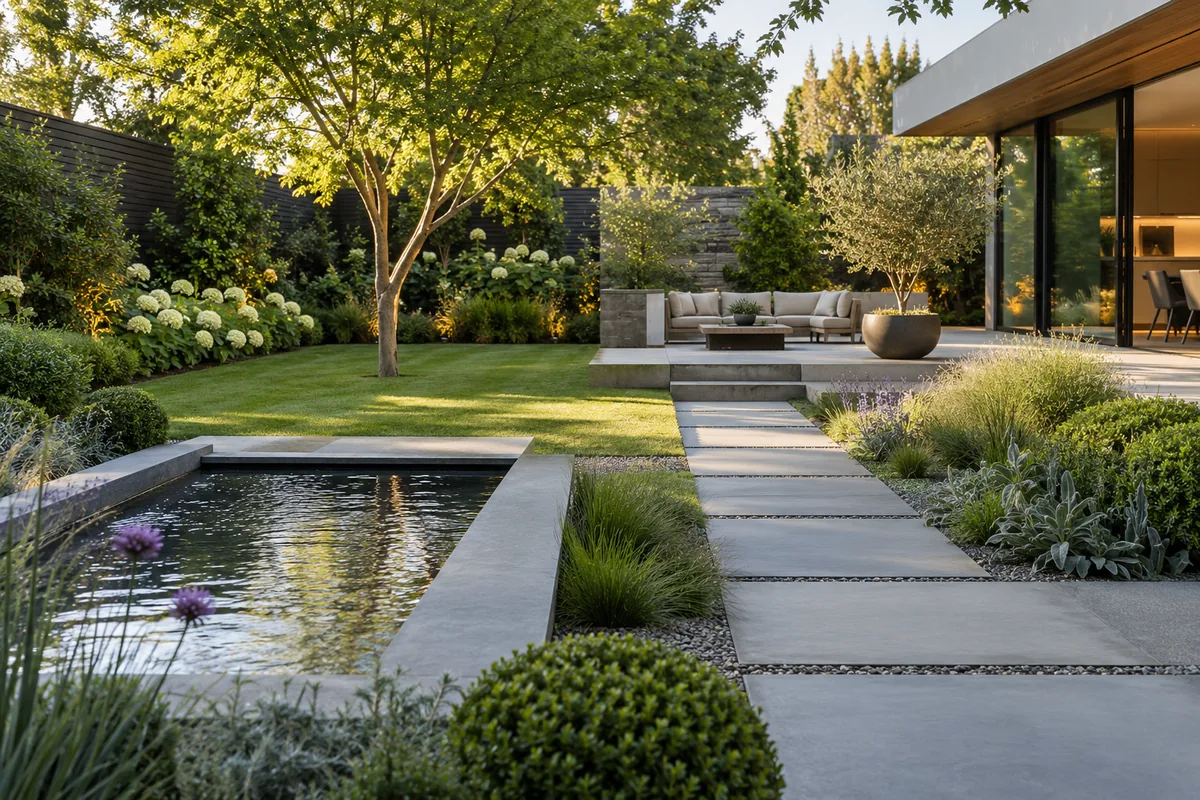
Modern landscape style: lines, space, and materials
Understand modern landscape style through clean lines, restrained materials, planting structure, and practical connections to contemporary architecture.