
By AI Landscape Design Team · Editorial policy
Garden Bench Ideas That Give People a Reason to Sit
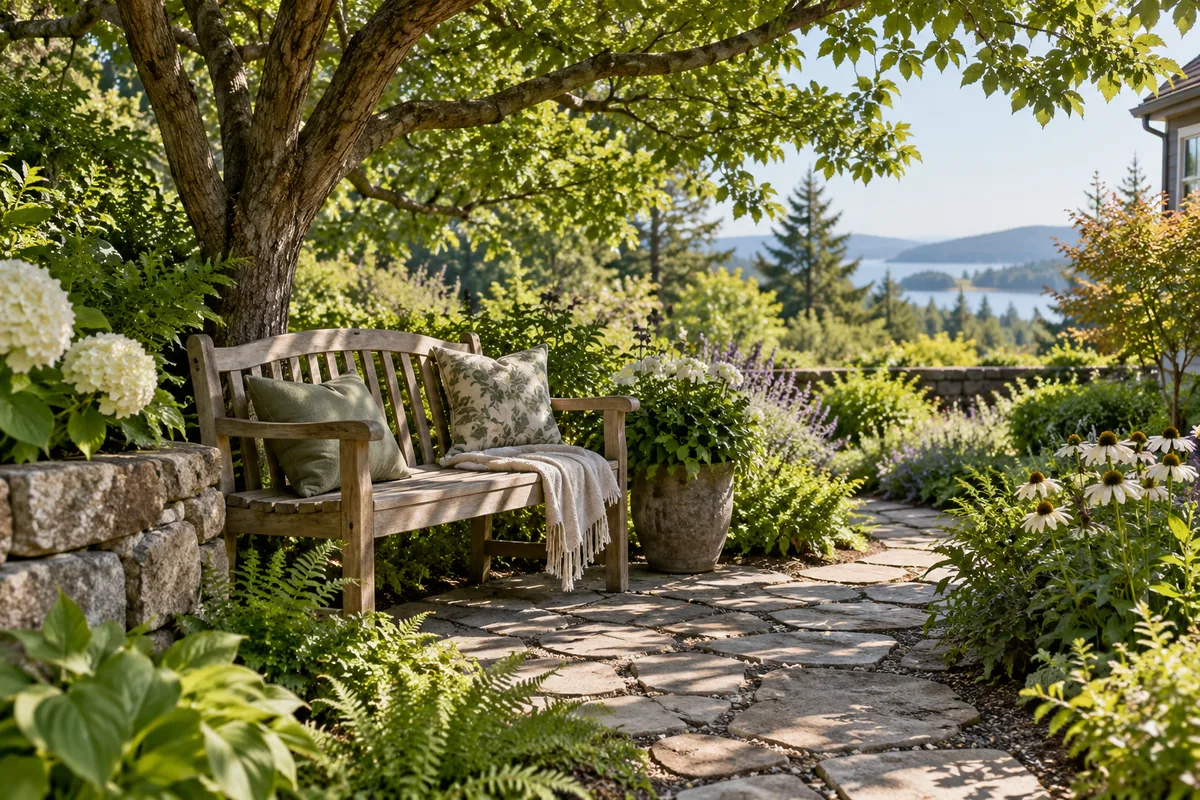
Garden bench ideas should begin with a reason to sit: a useful pause beside a route, a comfortable shaded position, or a view worth facing. Test the location with a movable seat before selecting a permanent bench. Compare materials, seat fit, access, and upkeep together, then confirm a stable installation. A bench placed only as a distant focal object may offer little everyday comfort.
Last updated · 6 min read
Key takeaways
- Test the view and exposure while sitting at the proposed spot.
- Match seat height and support to the people who will use it.
- Leave space for approach, cleaning, and changing plant growth.
Which location gives the bench a purpose?
Notice where people already stop in the garden. A bench beside a frequently used route can offer a pause without becoming a destination reached only for maintenance. A shaded position near the house may be more useful than the end of a long axis, especially if the latter faces a blank wall or lies far from ordinary activity.
Place a movable seat at the candidate spot and spend time there. Check the view from seated height rather than standing with a camera. Look toward the entrance, the house, and neighboring windows, and observe how people pass nearby. A bench can be both a visual anchor and useful furniture, but the visual role should not hide an uncomfortable exposure or an awkward approach.
What is a helpful seat-height rule of thumb?
Use a chair-height seat you already find comfortable as an initial comparison, then test the proposed bench itself. Height alone does not establish comfort: depth, back angle, arm support, and the way feet meet the ground all affect the experience. People with different mobility needs may require a different arrangement or a professionally reviewed accessible setting.
Create a simple physical trial before ordering a built-in version. Sit, stand, and approach while carrying the objects normally used outside. Check whether arms, back support, or nearby clear space matter to the household. Do not buy a sculptural slab solely because its dimensions resemble another seat. The suitable fit comes from the users and actual product, with relevant accessibility requirements confirmed locally where applicable.
How do timber metal and stone change the decision?
Timber can relate naturally to planting or a painted garden palette, but finish care, connections, and exposure need product-specific attention. Metal offers different profiles and surface finishes; consider the feel of the seat in local weather as well as coating care. Stone or concrete can create a substantial visual presence, but weight, support, placement, and surface comfort require independent review.
Inspect real samples and ask how the bench is repaired or moved. A dark surface may feel different from a shaded pale one, and an open slatted seat behaves differently from a solid slab. Avoid universal claims about durability or comfort based on material names. Evaluate the actual construction, use conditions, and maintenance information before deciding which appearance deserves a permanent position.
How can the bench sit beside a path?
Leave the normal route understandable when someone is seated. A bench can occupy a recess beside a path, but legs, feet, bags, and another person standing nearby all need to be considered. Mark the occupied area during the trial rather than treating only the bench's empty outline as the required space.
Look at the surface and transition where a person approaches. The placement should not require stepping through planting or negotiating an uncertain edge. Ask appropriate local professionals to assess foundations, levels, and any relevant accessibility needs. New work near trees needs suitable root-protection advice. If excavation is proposed in the United States, contact 811 before digging and clarify private utilities separately rather than assuming a small furniture installation cannot affect buried services.
Which styles suit different bench forms?
A restrained bench can reinforce a modern garden when its alignment relates to a path or terrace edge. A painted timber form may complement cottage landscaping, while a quieter seat facing a selected view can work in a Zen-inspired setting. Match the bench to the composition without assuming each style requires a particular material.
Keep nearby planting from crowding the approach or becoming an uncomfortable backdrop as it grows. Verify USDA hardiness, local suitability, mature dimensions, and invasive status for proposed plants. A flowering border can be an appealing view without becoming an obligation to sit directly within it. Review sightlines from indoors as well, so the bench feels intentionally located even when nobody is using it.
When should a bench be built in?
A movable bench is useful while testing different exposures or when the garden changes through the year. Its storage and stability still need attention, especially in exposed locations. A built-in bench can define a terrace edge or gathering area, but it creates a more permanent relationship with the surface and any supporting construction.
Assess the complete support and fixing arrangement with qualified installers before selecting a heavy or attached design. Consider how finish work, drainage, cleaning, and eventual repairs reach the bench. A built-in seat should not conceal an unresolved retaining or structural issue. Compare the occupied layout and future access, then decide whether permanence provides a useful benefit or simply removes the flexibility that would make the seat comfortable more often.
What belongs in the cost and care plan?
Include delivery, access, lifting where needed, support preparation, installation, finishes, and restoration in the comparison. A heavy bench can be difficult to bring into a side yard even if its footprint fits the chosen location. Ask what the supplier includes and who checks the final positioning and stability.
Follow product care information for cleaning, coatings, hardware, and storage. Leave enough access to inspect underneath and behind the bench. Watch how fallen leaves and plant growth affect the setting, and address visible movement through appropriate assessment rather than wedging objects underneath. Relative cost depends on the complete product and installation. An inexpensive seat placed where nobody wants to sit may provide less value than a simpler, well-tested arrangement.
How can you compare a bench on your photo?
Use cottage backyard ideas or Zen backyard ideas to discuss the relationship between a seat, planting, and a view. The focal-point definition can help distinguish a distant visual object from the place people actually occupy. Record the successful physical trial before developing a permanent proposal.
AILandscape can show a broad bench placement in a garden photo. It cannot verify seat comfort, usable clearances, support, accessibility, or the behavior of materials in local weather. Bring the preferred image and the trial observations to the supplier or installer, and compare actual products. The picture is most useful when it starts a practical discussion about where people will sit and how the setting will be maintained.
Frequently asked questions
Should a bench always sit at the end of a garden path?
Only if the view, approach, and exposure make that position useful. Test a movable seat there and compare it with a position beside ordinary household routes. A distant visual endpoint can work, but it should offer comfortable access and a reason to stay.
How do I choose a comfortable bench height?
Begin with a seat you already use comfortably, then test the actual bench including its depth, back, arms, and approach. Consider all intended users and any mobility needs. A copied dimension is a starting comparison rather than proof that the seat suits everyone.
Is a stone bench automatically low maintenance?
The actual stone, construction, exposure, and installation determine the care needs. Consider cleaning, surface comfort, stable support, and repair access. Ask the supplier for product-specific guidance instead of treating a heavy natural material as something that never requires attention.
Sources
Related reading
How to Choose a Landscape Style That Fits Your Yard
Choose a landscape style by comparing house lines, everyday uses, maintenance preferences, and local conditions before testing a few visual directions.
What Is Focal Point in Landscape Design?
Learn what focal point means in landscape design, with a practical yard example, related terms, and the site decisions to check before making changes.
Landscape Accent Lighting That Respects the Night View
Plan landscape accent lighting around selected features, controlled glare, useful viewing positions, appropriate fixtures, and professional electrical review.
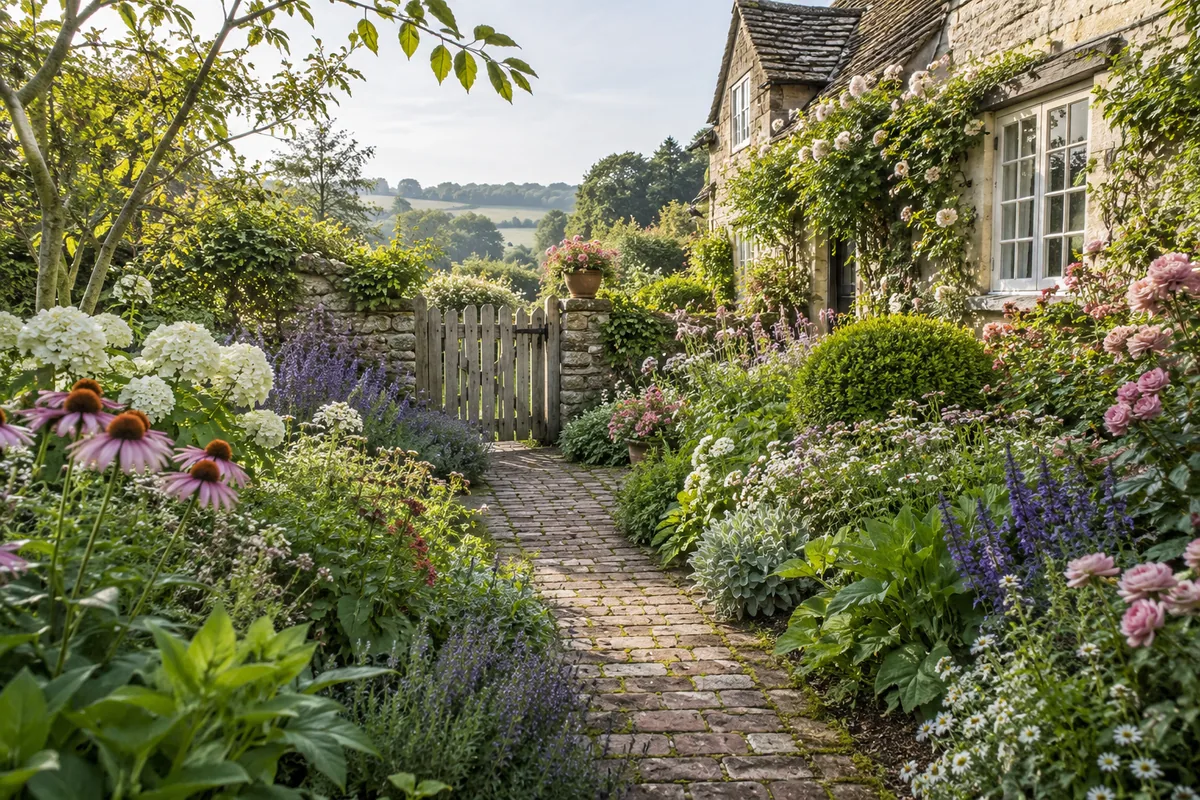
Cottage garden style: flowers with a working framework
Explore cottage garden style through layered flowers, selective self-seeding, clear paths, seasonal care, and the framework that makes informal planting usable.
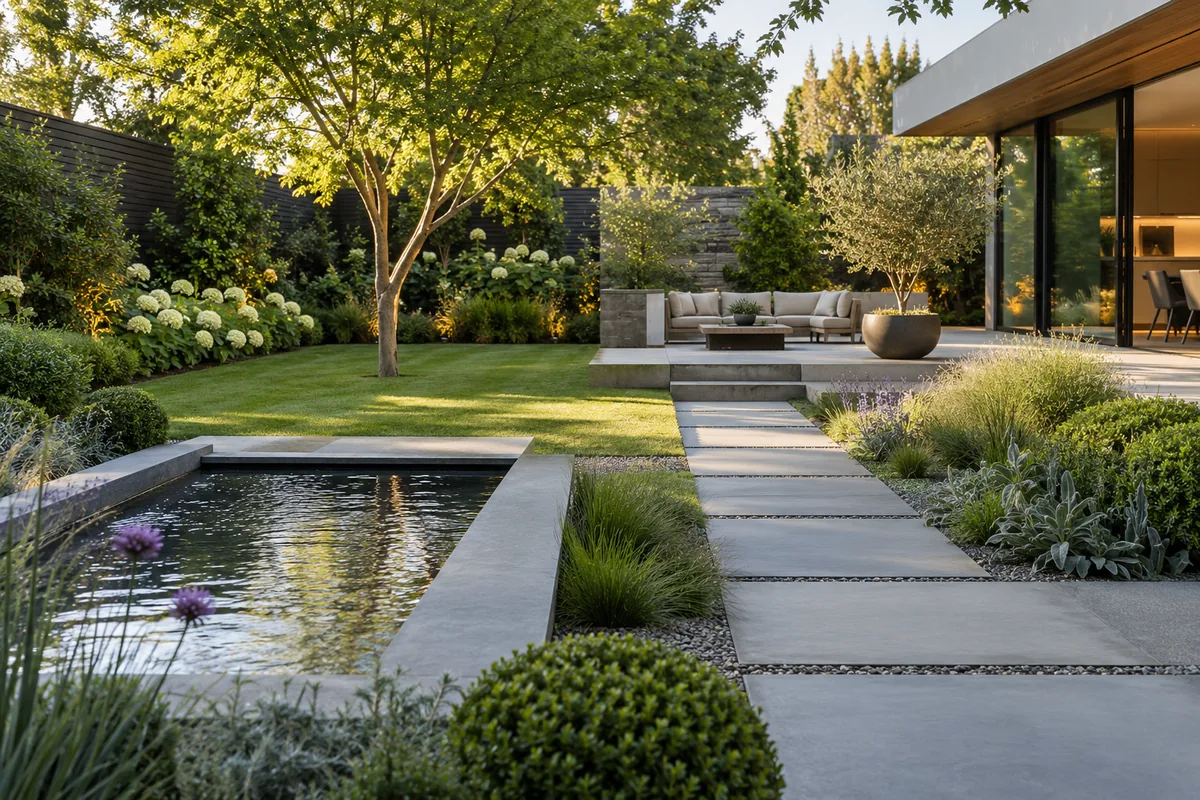
Modern landscape style: lines, space, and materials
Understand modern landscape style through clean lines, restrained materials, planting structure, and practical connections to contemporary architecture.
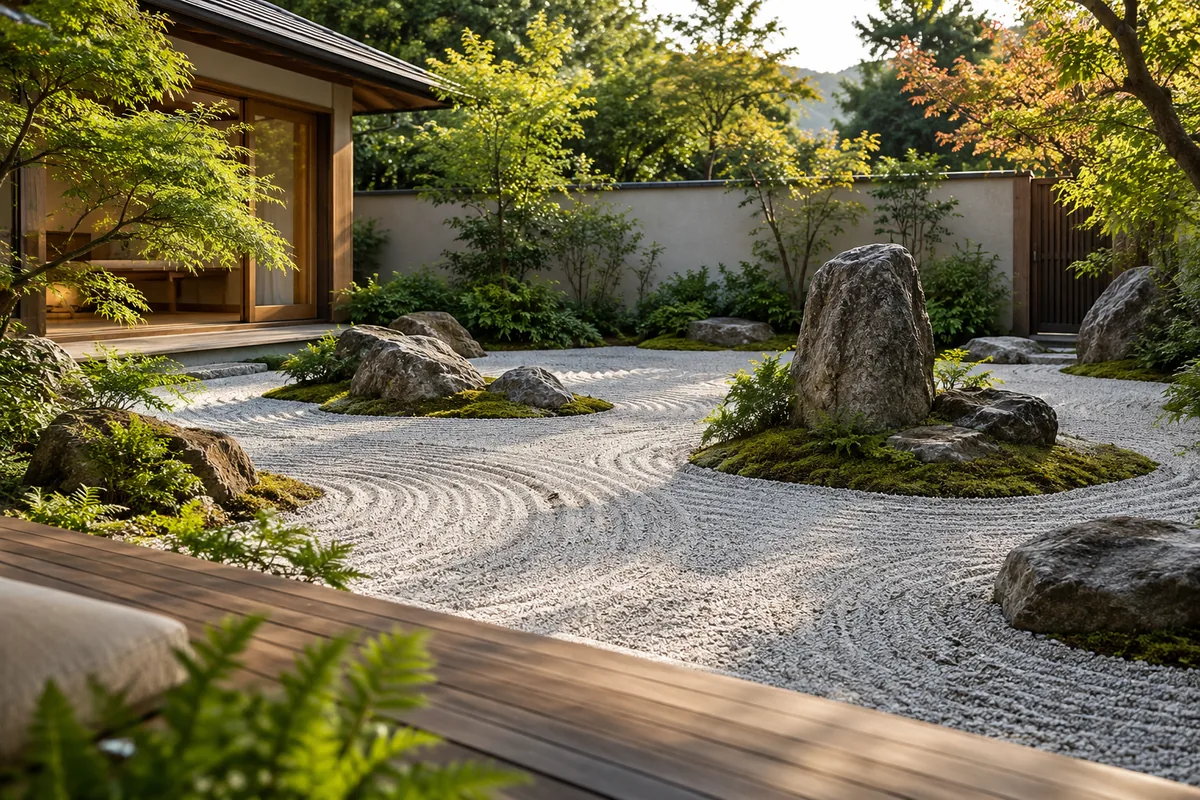
Zen garden style: stones, gravel, and deliberate space
Learn how zen garden style uses composed stones, raked gravel, restrained planting, and a chosen viewpoint, with practical limits for residential gardens.