
By AI Landscape Design Team · Editorial policy
How to Choose a Landscape Style That Fits Your Yard
Choose a landscape style by starting with your house, everyday outdoor activities, local conditions, and maintenance preferences, then comparing a small set of visual directions. A style should organize decisions rather than require copying every detail from an inspiration image. Keep useful existing features, identify the materials and planting roles that appeal to you, and verify real plants and construction separately before committing to purchases.
Last updated · 6 min read
Key takeaways
- Use the house and daily activities as the starting point.
- Compare a few coherent directions rather than collecting every style.
- Distinguish visual preferences from verified site decisions.
Planning steps
Review the house and existing features
Look at the permanent parts of the setting before collecting new garden references. Record the house lines, visible paving, boundaries, entrances, and established vegetation. A style choice can respond to these features instead of treating them as obstacles to erase. Decide which existing elements are useful, sound, or important to retain.
List uses and maintenance preferences
Describe actual outdoor activities in plain language. Eating outside, reaching a gate, gardening, watching children, or sitting quietly impose different priorities. Rank the activities before looking at decorative features. A style that removes useful circulation or leaves no room for the intended use is a poor fit regardless of its name.
Check climate and site constraints
Record the confirmed location and USDA hardiness zone, then observe light, soil, moisture, and exposure at the intended planting positions. Style labels describe aesthetics, not plant suitability. A tropical-looking concept does not establish that its depicted plants tolerate the local climate, and a native-style image cannot confirm regional native status.
Compare a small set of directions
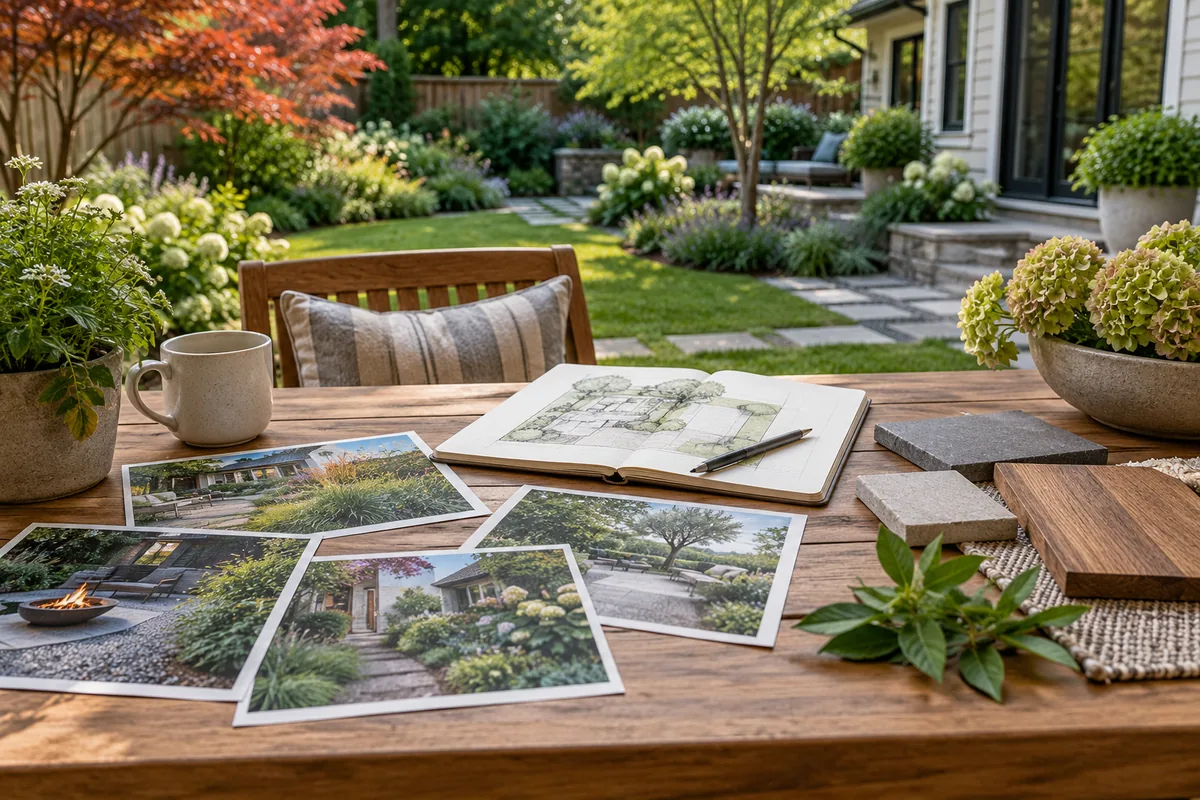
Choose a few candidate directions whose material and planting relationships you can describe. For example, compare the restrained forms of [modern style](/styles/modern) with the layered planting of [cottage style](/styles/cottage). Explain what appeals in each reference: clear edges, repeated foliage, a limited material palette, or a particular balance of open space and planting.
Test the preference and write a brief
Use the same yard view to compare the shortlisted directions, with notes about what must remain. AILandscape can explore broad visual concepts from a photo. The result may change existing objects or invent details, so judge the planting density, material relationships, and overall composition rather than treating small objects as reliable specifications.
Review the house and existing features
Look at the permanent parts of the setting before collecting new garden references. Record the house lines, visible paving, boundaries, entrances, and established vegetation. A style choice can respond to these features instead of treating them as obstacles to erase. Decide which existing elements are useful, sound, or important to retain. A modern planting arrangement can sit beside older paving, and an informal border does not require replacing every straight line.
Review the house from the views you use most: arrival, a frequently used window, and the outdoor sitting position. Note where the same material appears repeatedly. This gives you a practical basis for deciding whether a new visual language should echo that pattern or introduce a limited contrast. Do not choose a style from a close-up flower photograph alone; it may reveal little about circulation or the building relationship. Keep condition and safety questions separate from appearance. Local professionals should assess trees, structural elements, or surfaces that need repair before style preferences drive changes.
List uses and maintenance preferences
Describe actual outdoor activities in plain language. Eating outside, reaching a gate, gardening, watching children, or sitting quietly impose different priorities. Rank the activities before looking at decorative features. A style that removes useful circulation or leaves no room for the intended use is a poor fit regardless of its name. Write down the tasks you are willing to undertake and the tasks you would need help with.
Distinguish liking a full flower border from wanting the care that its real plants need. Similarly, a clipped outline may look simple while requiring sustained attention. Ask about care for actual materials and planting rather than assigning low maintenance to a style label. Check pet and child access as part of the activity list, not as an afterthought. Plant toxicity, sharp edges, and loose surfaces require separate review. If the yard supports several uses, choose one organizing direction and adapt it rather than creating unrelated themed corners. A short priorities list will make later comparisons easier to explain.
Check climate and site constraints
Record the confirmed location and USDA hardiness zone, then observe light, soil, moisture, and exposure at the intended planting positions. Style labels describe aesthetics, not plant suitability. A tropical-looking concept does not establish that its depicted plants tolerate the local climate, and a native-style image cannot confirm regional native status. Discuss the actual palette with a local nursery, extension office, or appropriate professional.
Identify constraints that could override visual preferences: existing levels, wet areas, building access, boundaries, and mature trees. These deserve site-specific advice rather than a style-based solution. Do not interpret a dry-looking image as a drainage assessment. Before any excavation in the United States, contact 811 and arrange private utility locating where required. Retain notes about unresolved conditions beside the visual references so they remain part of the conversation. A style shortlist is useful at this stage, but buying plants or reshaping the ground before checking the constraints can lock the project into unsuitable choices.
Compare a small set of directions
Choose a few candidate directions whose material and planting relationships you can describe. For example, compare the restrained forms of modern style with the layered planting of cottage style. Explain what appeals in each reference: clear edges, repeated foliage, a limited material palette, or a particular balance of open space and planting. Those observations are more useful than collecting labels without knowing what they mean.
Compare each candidate against the same priorities list. Keep entrances, furniture use, and retained features consistent so the exercise is about the visual direction rather than changing the whole project between examples. Reject details that conflict with the actual site. You can combine compatible ideas, but avoid importing every motif from every reference. Select a dominant organizing language and a small number of supporting details. Review the planter guide or stone paving guide when a specific element drives the choice rather than assuming the style name determines the product.
Test the preference and write a brief
Use the same yard view to compare the shortlisted directions, with notes about what must remain. AILandscape can explore broad visual concepts from a photo. The result may change existing objects or invent details, so judge the planting density, material relationships, and overall composition rather than treating small objects as reliable specifications. AI concepts are for visual exploration; verify plants, measurements, drainage, and construction locally.
Write a short preference statement after the comparison: the direction you favor, the features worth keeping, and the details that need professional discussion. Save an example of what you do not want as well, with a specific explanation. This avoids forcing a professional to infer your priorities from a large image collection. Review how to create a mood board when the reference set still feels scattered. Keep the statement revisable until site investigations and realistic material choices are complete. Selecting a visual direction is the beginning of planning, not approval to build every feature that appears in the image.
Frequently asked questions
Can I combine two landscape styles?
Compatible elements can be combined when one clear organizing direction remains. Describe the shared materials, planting roles, or layout principles rather than mixing every decorative motif. Check the result against house lines, everyday use, and actual maintenance expectations before deciding it belongs in the yard.
Does choosing a style determine the plant list?
A style suggests visual roles, not a verified plant list. Confirm the USDA hardiness zone, light, soil, mature size, local invasive status, and toxicity where relevant. A locally appropriate palette may differ substantially from the species visible in a reference image.
Should I replace existing paving to match the style?
Inspect its condition and usefulness first. Sound existing paving may work with a new planting direction or limited material contrast. Replacement adds practical decisions beyond appearance, including support, access, and drainage. Ask qualified local professionals to assess those matters before committing to construction.
Sources
Related reading
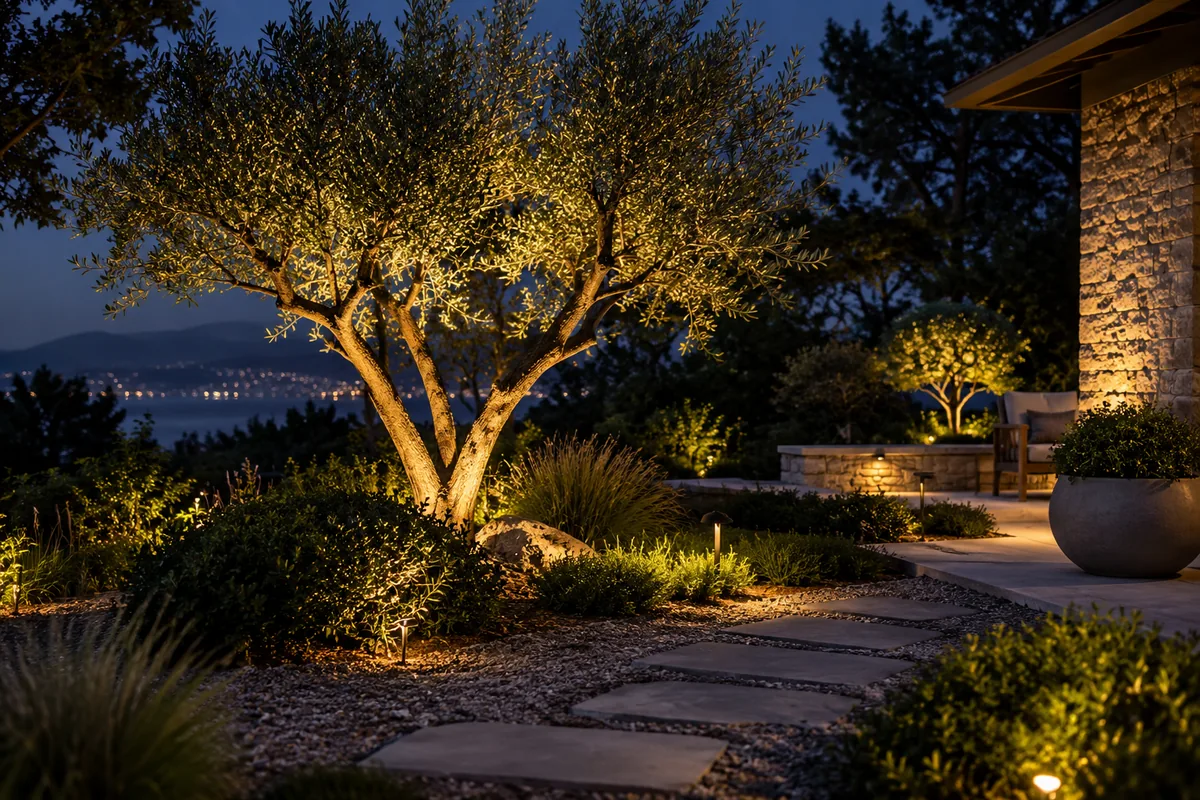
Landscape Accent Lighting That Respects the Night View
Plan landscape accent lighting around selected features, controlled glare, useful viewing positions, appropriate fixtures, and professional electrical review.
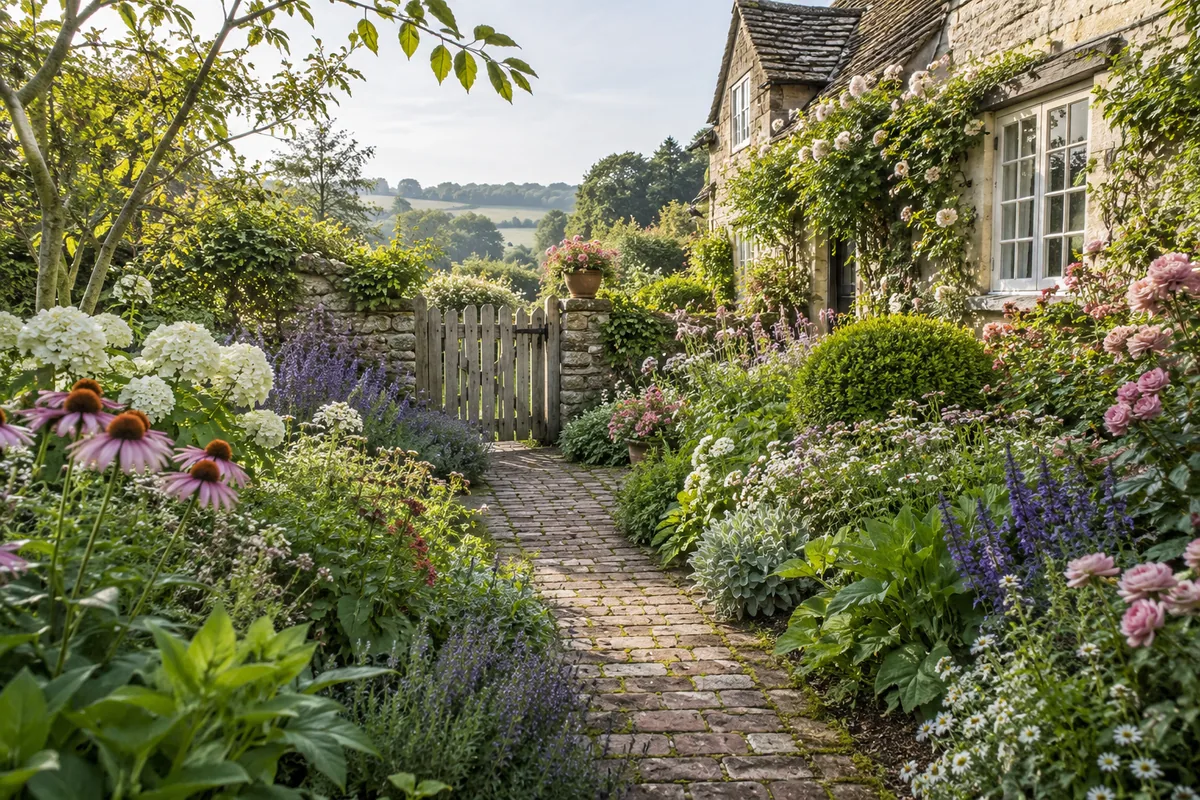
Cottage garden style: flowers with a working framework
Explore cottage garden style through layered flowers, selective self-seeding, clear paths, seasonal care, and the framework that makes informal planting usable.
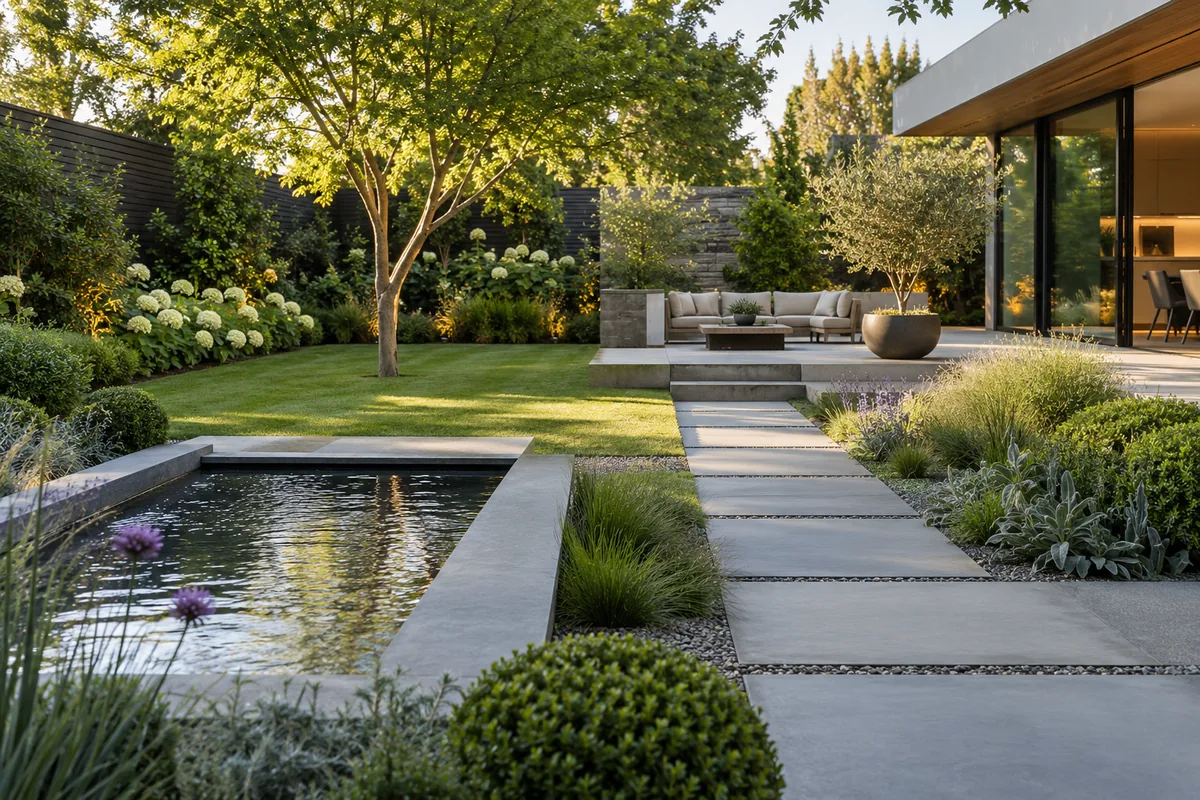
Modern landscape style: lines, space, and materials
Understand modern landscape style through clean lines, restrained materials, planting structure, and practical connections to contemporary architecture.
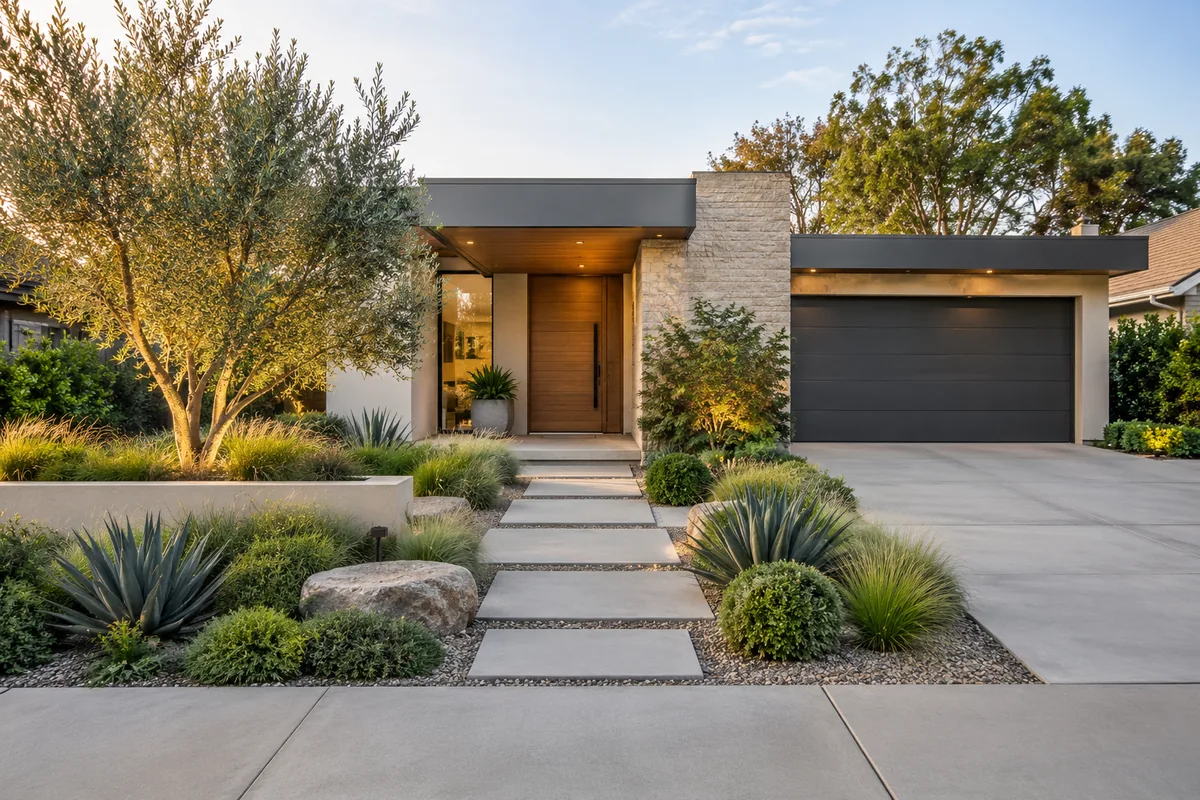
Modern front yard ideas for a clear, composed entrance
Explore modern front yard ideas for clear entrances, repeated planting, restrained materials, readable house numbers, and practical maintenance from the street.