
By AI Landscape Design Team · Editorial policy
Concrete Pavers for Patios, Paths, and Yard Routes
Concrete pavers are manufactured units assembled into an outdoor paving surface. They can offer repeated shapes, varied textures, and localized repair options, but the units belong to a complete installation system. Standard unit paving is different from deliberately designed permeable paving. Choose the product, joints, supporting layers, restraints, and water-management approach together rather than treating the top surface as the entire project.
Published · 6 min read
Key takeaways
- Choose unit shape and texture for the whole route or patio.
- Permeable paving depends on the complete system, not visible gaps alone.
- Use product-compatible joint care and local site assessment.
How do unit shape and texture affect the plan?
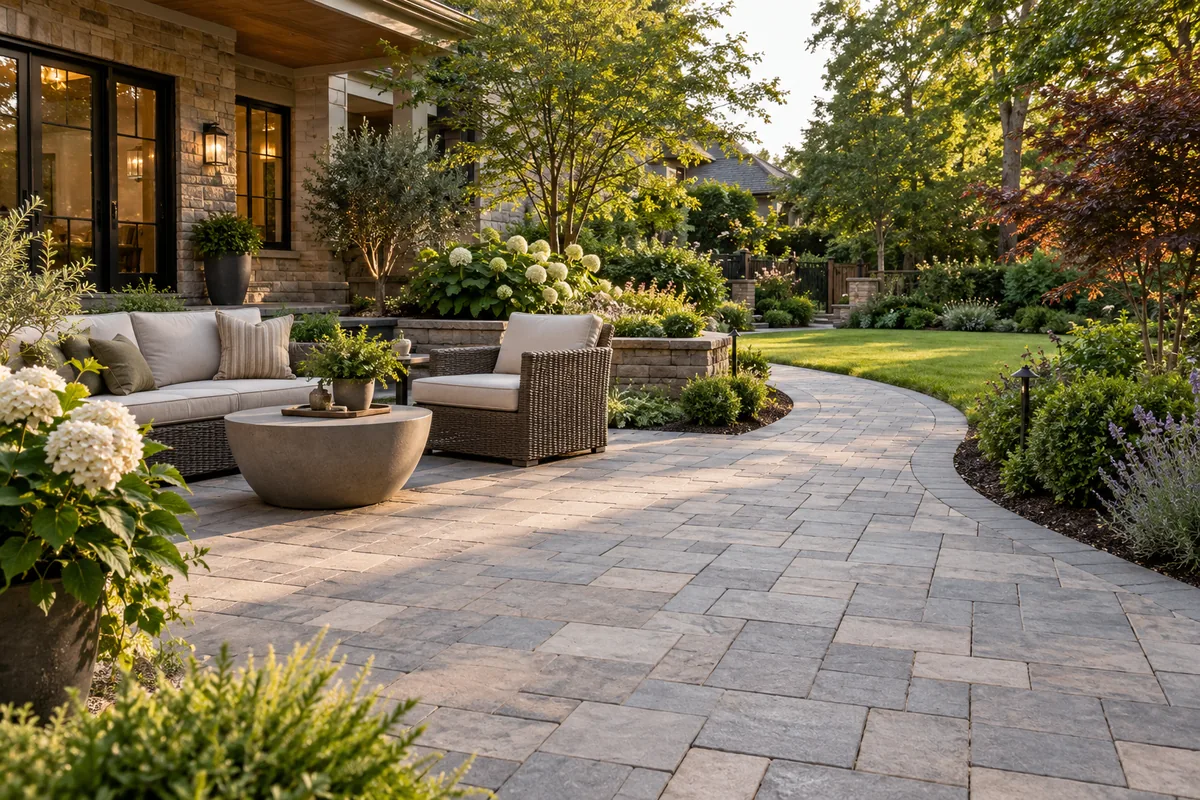
Large rectangular units can make a patio read as a calm field, while smaller repeated units can give a path a finer scale. Textured surfaces may support a particular visual direction, but they should be evaluated for furniture movement, cleaning, and wet use as well. Examine samples outdoors beside the house. A strongly patterned facade may need quieter paving rather than another busy repeat. Ask how the proposed units meet edges and irregular boundaries, since cuts and transitions are part of the result. The best shape is one that fits the layout's actual use and scale, not necessarily the largest product on the display.
What makes a paving system permeable?
A permeable installation is designed so water can move through an appropriate surface and supporting arrangement, with the site and overflow considered. Visible joints between ordinary pavers do not establish that performance. According to the Royal Horticultural Society, permeable surfaces can be part of garden water-conscious design, but the actual system still requires suitable assessment. Ask a licensed local professional about soil, drainage, grade, and the relationship with buildings. Keep ordinary unit paving and specified permeable paving distinct when requesting quotes. Otherwise one proposal may appear equivalent while relying on a different water-management approach that has never been checked for the property.
What should you know about supporting layers?
The ground beneath the pavers, the specified support, bedding, and edge restraint affect the installation. Have a qualified professional explain the arrangement for your site rather than copying universal layer depths from a photograph or tutorial. Traffic, ground conditions, weather, and water movement can change what is appropriate. Contact 811 before excavation in the United States and review separately locating private services. Changes to grading or drainage need relevant licensed advice. The point of discussing the base is not to create a casual construction recipe; it is to ensure the visible product is being selected as part of a suitable, clearly described project.
Where does polymeric sand fit?
Polymeric jointing products can be used in suitable paving arrangements, but compatibility and installation guidance depend on the product and system. They are not an interchangeable fix for every joint or every permeable installation. Ask the installer which joint material is specified and why, and retain the instructions for later care. Cleaning or repairs can affect joints, so maintenance must suit the chosen arrangement. Avoid claiming that one joint material permanently eliminates weeds or movement. The joints have a technical role as well as a visual one. Their width, condition, and relationship with the units deserve attention before the surface pattern is finalized.
How should the patio connect to daily movement?
Draw the door-to-gate route and test the furniture footprint before choosing decorative borders. A paver field can distinguish dining and circulation through a consistent pattern rather than multiple competing finishes. Check thresholds, changes in level, and relevant accessibility requirements with qualified local advice. Units that look flat in a rendering do not establish an even installed surface. Leave room to inspect the edge and maintain nearby planting. If chairs repeatedly catch at a transition, the visual pattern is not doing its job. The layout should remain usable when the patio is occupied and when someone is cleaning or carrying equipment through it.
Which style combinations remain coherent?
Concrete pavers can support modern geometry, provide a simple foreground for native planting, or form a restrained terrace within a Mediterranean-inspired garden. The pairing comes from scale, color, and organization rather than a rule that concrete belongs only to contemporary design. Check plants against USDA hardiness zone, light, soil moisture, mature size, and local invasive information before implementing a reference palette. Keep the paved edge distinct enough to maintain without making it unnecessarily dominant. A plain unit arrangement can let the planting carry interest. Adding many accent colors may complicate the image and future repairs without improving how the garden functions.
What makes repair planning useful?
Ask how a locally affected area can be lifted, reset, or replaced and what is needed to restore its support and joints. Unit paving can offer options for localized work, but access and matching products still matter. Keep supplier details and suitable spare units where practical. Inspect restraints and displacement as part of routine care, and follow compatible cleaning guidance. Compare costs for a complete equivalent scope, including preparation, cuts, disposal, and restoration. The price of a pallet is not the total patio budget. A clear repair process is a benefit only when the installation and household maintenance plan actually allow it to be used.
How should a visual concept be interpreted?
Treat the image as a proposal for surface scale, pattern, and relationship with the house. AILandscape offers visual exploration from a yard photo; it does not verify permeable performance, joint compatibility, dimensions, plants, or construction details. Record the aspects you like, then compare actual products and a site-specific professional proposal. If the concept adds a wall, changes a grade, or moves utilities, identify those as separate technical decisions. Keeping a sound existing paved area can also be part of the brief. Choose a direction whose use, water-management questions, and care can be explained rather than a pattern selected solely for its appearance online.
Frequently asked questions
Are all concrete pavers permeable?
No. Standard unit paving and a deliberately specified permeable paving system are different arrangements. Ask about the entire installation, including joints, supporting layers, soil, and overflow. Visible gaps alone are not evidence that the site will manage water appropriately.
Can polymeric sand be used in every joint?
No universal recommendation applies to all products and systems. Confirm compatibility and the specified joint treatment with the responsible installer. Follow the actual guidance for installation and care rather than using a jointing product as a general fix for unrelated paving problems.
Can individual concrete units be replaced?
Localized replacement may be possible in a suitable unit system, but matching material, access, and restoration of support and joints still matter. Ask for the specific repair process and retain product records instead of assuming every future repair will be invisible.
Sources
Related reading
Modern patio ideas for clear furniture layouts and calm materials
Explore modern patio ideas for restrained surfaces, usable furniture, clear door connections, suitable containers, and deliberate shade and evening light.
Modern landscape style: lines, space, and materials
Understand modern landscape style through clean lines, restrained materials, planting structure, and practical connections to contemporary architecture.
Landscape Accent Lighting That Respects the Night View
Plan landscape accent lighting around selected features, controlled glare, useful viewing positions, appropriate fixtures, and professional electrical review.
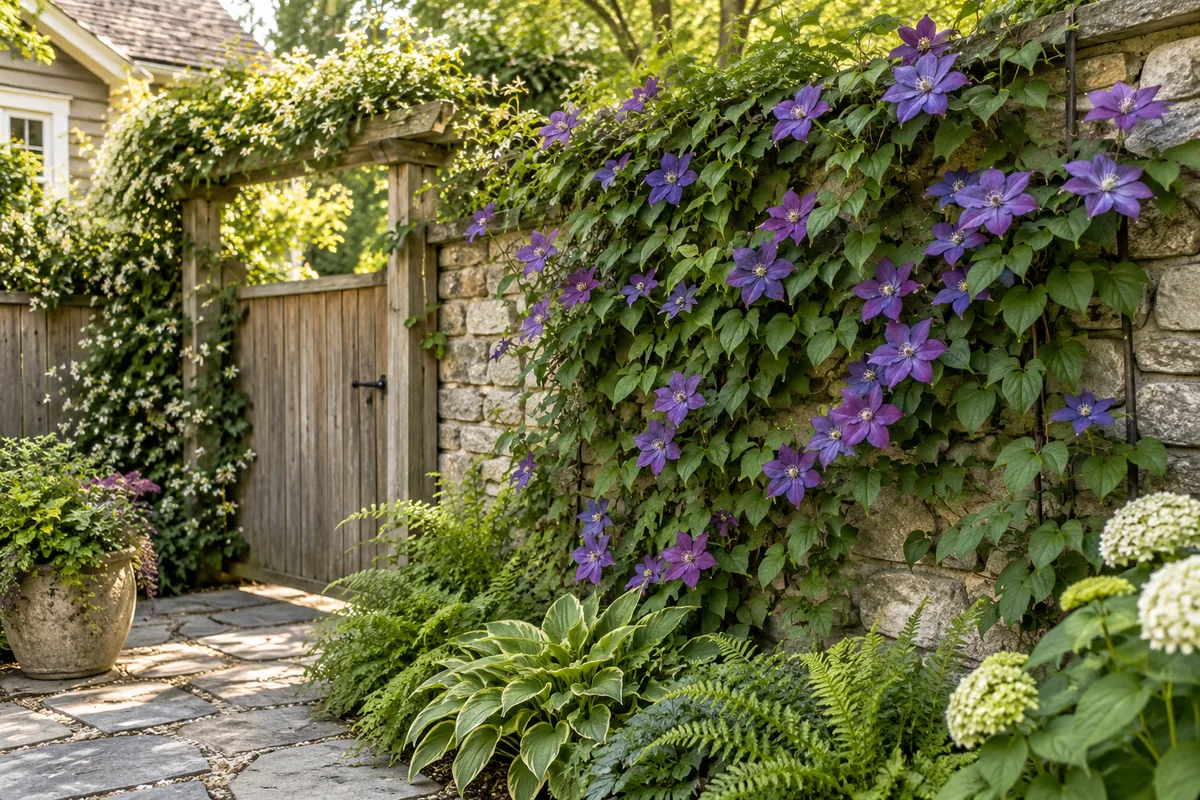
Climbing Vines for Fences and Walls with Suitable Supports
Climbing Vines: Support, Walls, and Local Fit: explore placement, upkeep, and local safety questions before deciding how this feature fits your yard.
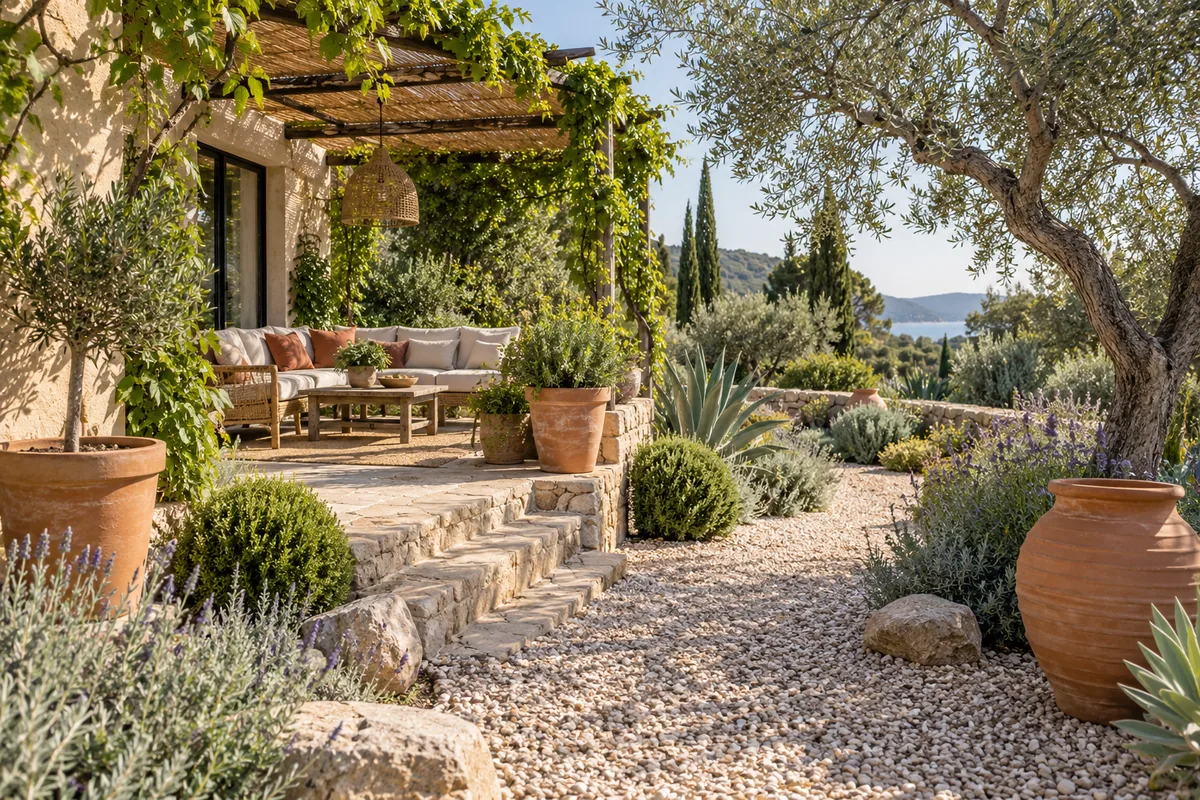
Mediterranean garden style: shade, gravel, and warm color
Understand Mediterranean garden style through shade, gravel, clay pots, and silver foliage, with practical ways to adapt the visual language to local climates.
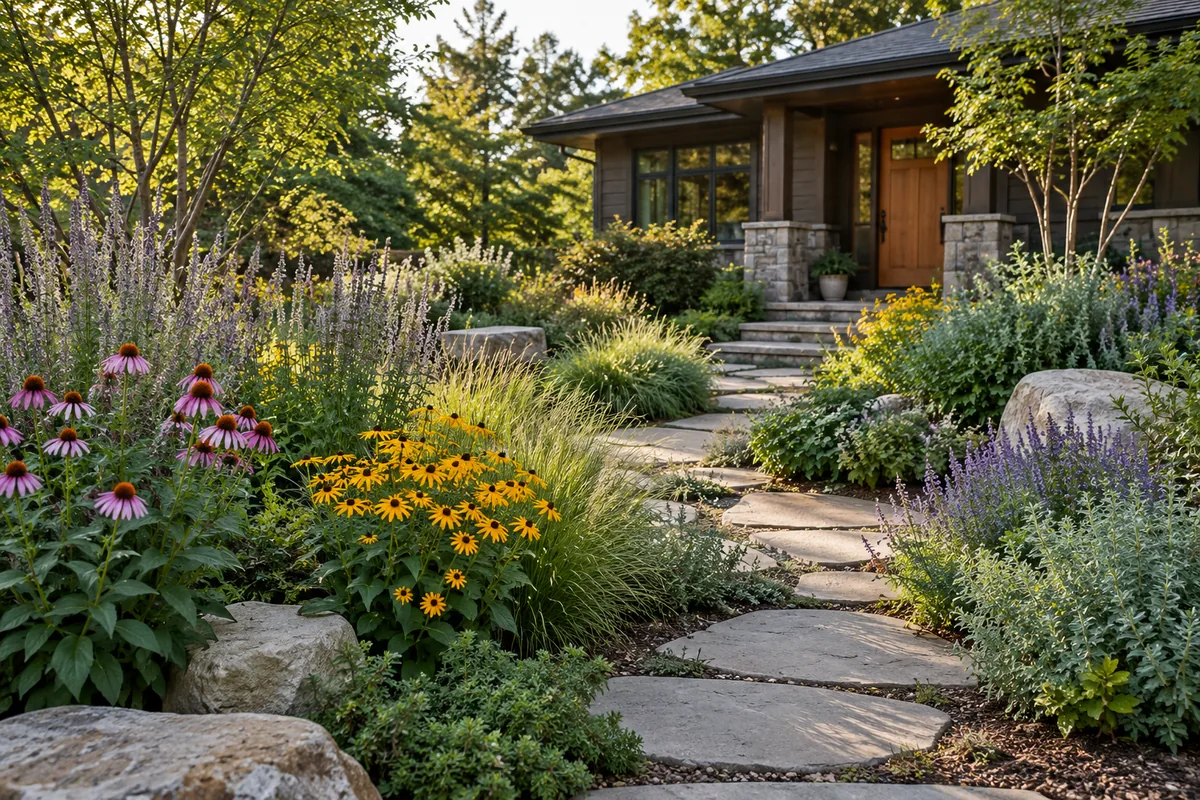
Native plant landscape style: regional plants with structure
Learn how native plant landscape style combines regional plant choices, seasonal change, and clear garden structure with practical care and neighborhood views.