
By AI Landscape Design Team · Editorial policy
Flowering Shrubs for a Seasonal Border with Clear Structure
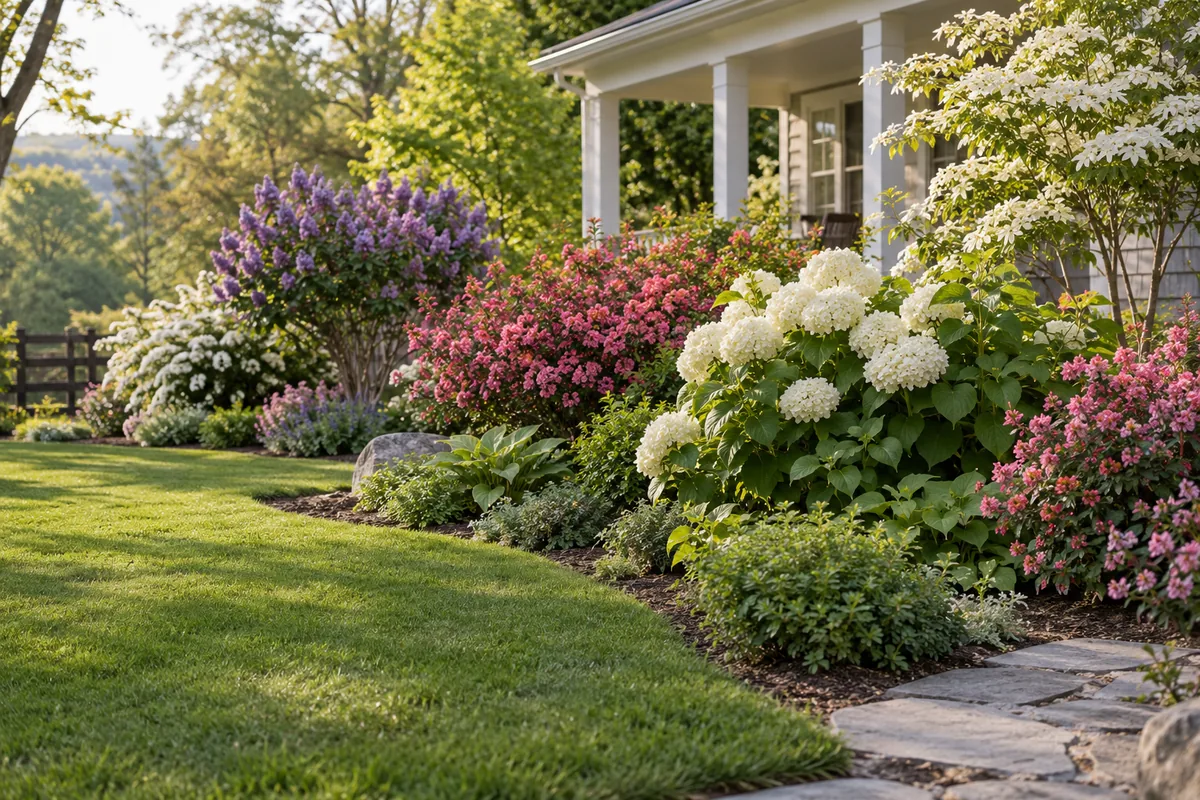
Flowering shrubs can create a seasonal sequence around a stable garden structure. Choose species for the actual growing conditions, mature footprint, and care rather than trying to promise continuous bloom. Availability and regional suitability differ; use your USDA hardiness zone and local extension service to verify selections. Pruning advice must match the plant's flowering wood and growth pattern instead of a universal calendar date.
Published · 6 min read
Key takeaways
- Build seasonal interest around foliage and mature form too.
- Verify flowering wood before scheduling pruning.
- Use locally suitable examples and check invasive status.
What does a seasonal flowering relay mean?
A relay means different parts of the border contribute interest at different stages, not a guarantee that some shrub flowers every day. Begin with the garden's ordinary appearance and the periods when people use it most. A spring entrance display, summer seating border, and later foliage accent can each have a place without competing for the same view. Leave room for quiet intervals. Record local observations rather than relying on national bloom calendars. Weather and the exact selection can shift performance. A useful seasonal border remains legible when a flowering period ends, with branches and foliage carrying the composition between its more conspicuous moments.
Which examples can start the discussion?
These eight examples represent different roles to check regionally, not a ready-made planting prescription. Species or cultivar identity remains necessary when asking about flowering time, size, and care.
- Hydrangea: a prominent flower mass, with flowering wood checked by selection.
- Viburnum: a shrub framework with species-specific flowers and other interest.
- Azalea: a flowering accent where the actual growing requirements fit.
- Ninebark: a branch-and-foliage structure that also offers flowers.
- Sweet pepperbush, or clethra: a seasonal flower contribution for a suitable site.
- Spicebush: a regional shrub option to discuss with local advisers.
- Fothergilla: a flowering and foliage-interest component.
- Shrubby cinquefoil: a smaller flowering layer where locally appropriate.
The United States Botanic Garden describes regional native examples, but local suitability still needs confirmation beyond a botanical garden list.
How do old and new flowering wood affect pruning?
Before cutting, identify whether the actual shrub carries relevant flower buds on growth made previously or on new growth in the current season. Pruning can remove a future display when the timing or cuts do not match that habit. Confirm that distinction through advice for the identified plant, because exceptions and particular selections require specific guidance. Do not apply one late-winter instruction to every flowering shrub or assume all hydrangeas share a pruning schedule. Ask about the desired structural work as well as preserving flowers. Photograph and identify an existing plant if necessary. The objective is informed care of the real shrub rather than a neat shape produced at the wrong time.
How much mature space should the border reserve?
Sketch the eventual shrub masses beside the path, windows, and retained plants. A border that looks generous around nursery specimens may become crowded when each plant reaches its verified spread. Decide where branches may extend and where movement must remain clear. Leave access to observe and care for the plants without trampling the whole bed. Check sightlines at approaches and gates. Do not use repeated severe pruning as the assumed solution to every space conflict. A smaller suitable selection or fewer shrubs may create a clearer composition and a more manageable garden. Mature dimensions are part of the flowering design rather than a separate technical afterthought.
What conditions determine which shrubs belong?
Use USDA zone to understand the winter-temperature context, then seek local advice about soil, moisture, light, exposure, and other site conditions. Record how sun and shade change through the day around the proposed border. Check USDA invasive-species resources and regional restrictions for each identity, particularly broad common names containing many species. Regional availability also affects the actual palette. Do not force a botanical combination seen elsewhere into unsuitable ground simply to reproduce its colors. A relay assembled from locally appropriate plants is more useful than a nationwide list presented as assured flowering coverage. Let conditions narrow the palette before refining the decorative sequence.
How should leaf and branch interest support flowers?
Look at the mass after the bloom ends. Fine branching, broad leaves, contrasting textures, or a deliberate repeated form can hold the border together during quieter periods. Avoid choosing every shrub as a separate flower-color event with no common visual relationship. Place the most conspicuous display where it can be appreciated from the main route or sitting position, then keep neighboring masses calmer. Consider the house background and retained trees. A cottage border may allow variety, while a modern arrangement may repeat fewer verified forms. Both need a recognizable structure that continues outside the flower display instead of depending entirely on simultaneous peak bloom.
What household and installation questions remain?
Discuss establishment and later care with someone familiar with the selections and region. Avoid unsupported lifespan or growth-rate numbers. Where pets explore the border, use ASPCA information and veterinary advice about the actual species and accessible plant parts. Flowering beauty does not establish household safety. Contact 811 before digging in the United States and clarify private utilities. Nearby structures, changes in drainage, and retained roots may need professional review. Keep tools and working access in mind while arranging shrubs. The seasonal composition should be enjoyable to tend, with manageable tasks and clear responsibilities rather than a dense floral display that hides practical limitations.
How can a concept lead to a verified palette?
Compare the overall placement of shrub groups and their relationship to the house in a visual concept. AILandscape can help explore that arrangement, but cannot verify flowering dates, species, mature dimensions, pruning rules, or site suitability. Write the desired seasonal roles separately from the pictured plants and ask an extension adviser or qualified designer to propose actual selections. Adjust the spacing and composition to those plants. A useful concept keeps the long-term shape intelligible and leaves room for local decisions. The final planting palette should contain identified shrubs with suitable conditions and care, not assumed botanical facts extracted from a generated flower display.
Frequently asked questions
Should every flowering shrub be pruned in winter?
No single calendar instruction fits all selections. Identify how the actual shrub flowers and ask for appropriate local guidance before cutting. Removing wood that carries future buds can change the display even when the shrub still appears neatly shaped.
Can a shrub border guarantee continuous flowers?
A seasonal sequence is a design goal, not an assured daily schedule. Climate, weather, selection, and care affect flowering. Combine flowers with useful foliage and branch structure so the composition remains purposeful when the border is between displays.
Can I choose shrubs using a flower-color picture?
Use the picture to discuss the visual relationship, then verify actual species, growing conditions, invasive status, and mature spread. Flower color alone does not establish whether a plant belongs in your region or fits the available border and maintenance plan.
Sources
- United States Botanic Garden · Native Plant Recommendations
- USDA · USDA Plant Hardiness Zone Map
- USDA · National Invasive Species Information Center
- Lady Bird Johnson Wildflower Center · Native Plant Resources
- Royal Horticultural Society · Gardening Resources
- ASPCA · Toxic and Non-Toxic Plants
- Call 811 · Before You Dig
Related reading
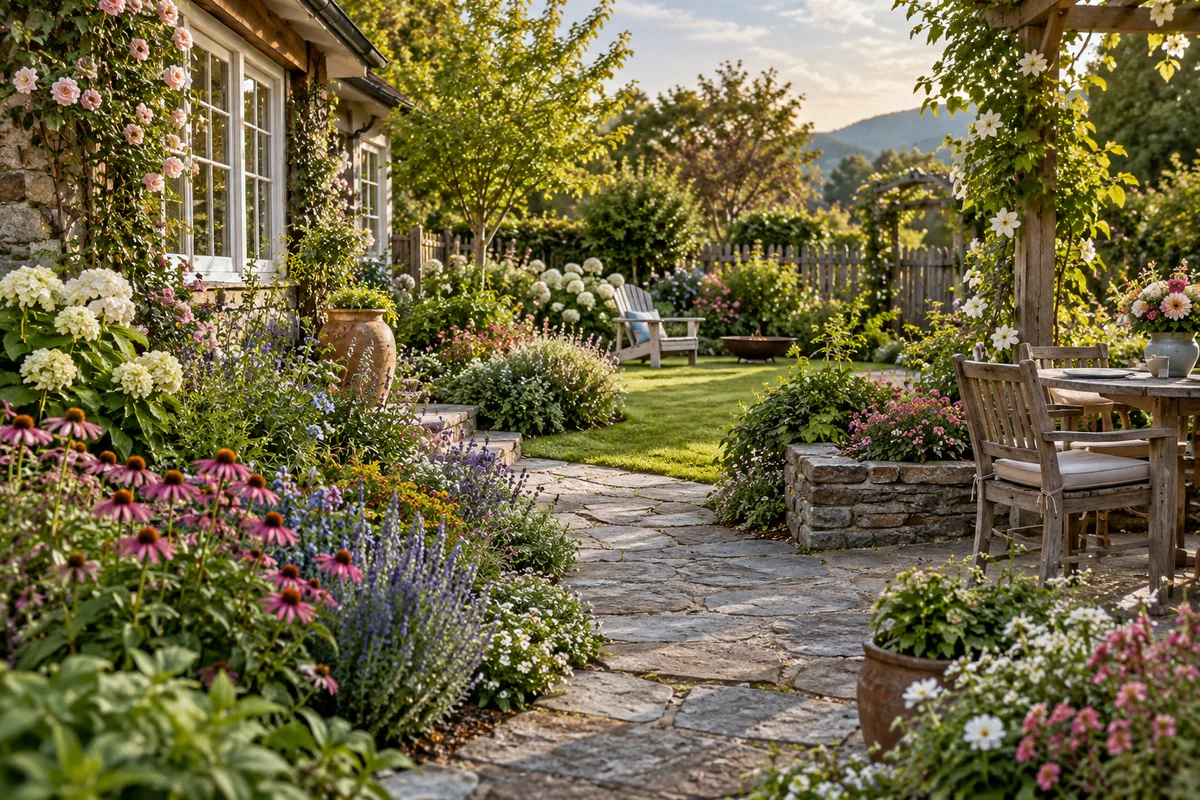
Cottage backyard ideas for flowers, seats, and seasonal life
Explore cottage backyard ideas for layered flowers, comfortable seats, connected borders, productive corners, and practical access through seasonal planting.
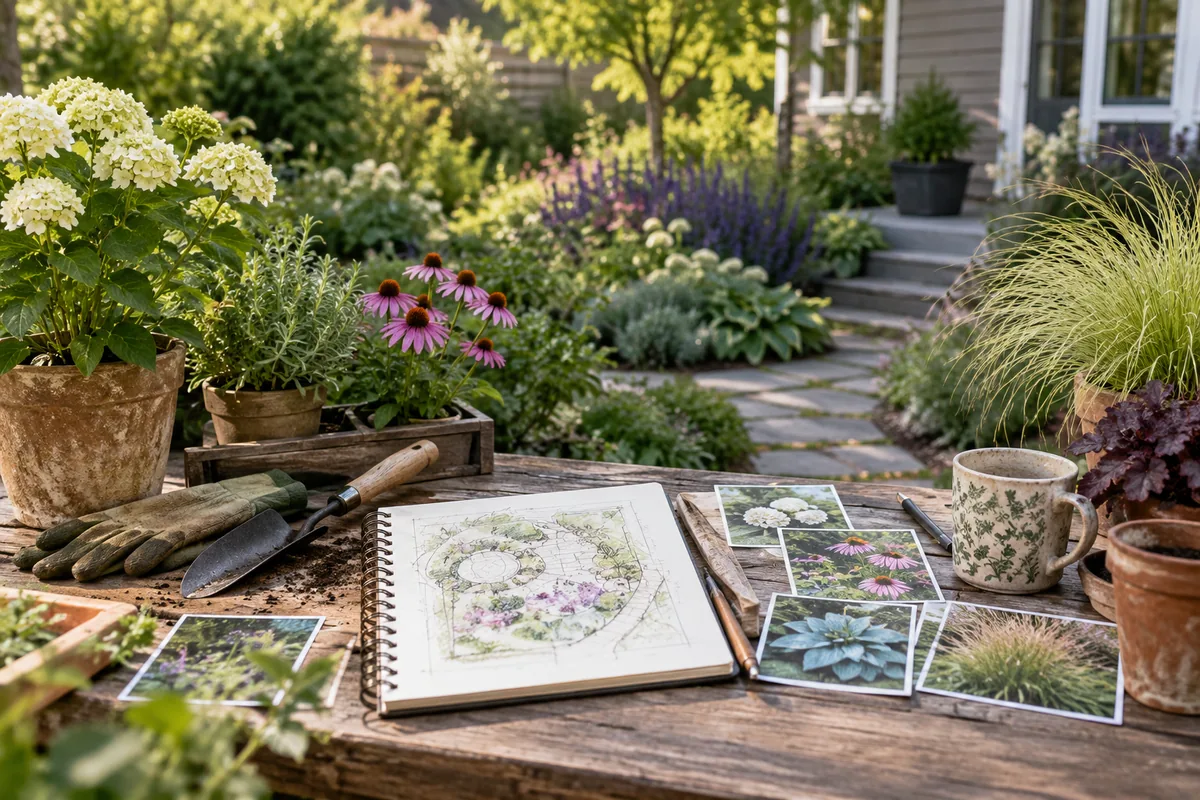
How to Plan a Planting Palette for Your Garden
Plan a planting palette around structure, repeated groups, seasonal interest, and confirmed regional conditions rather than copying species from a garden image.
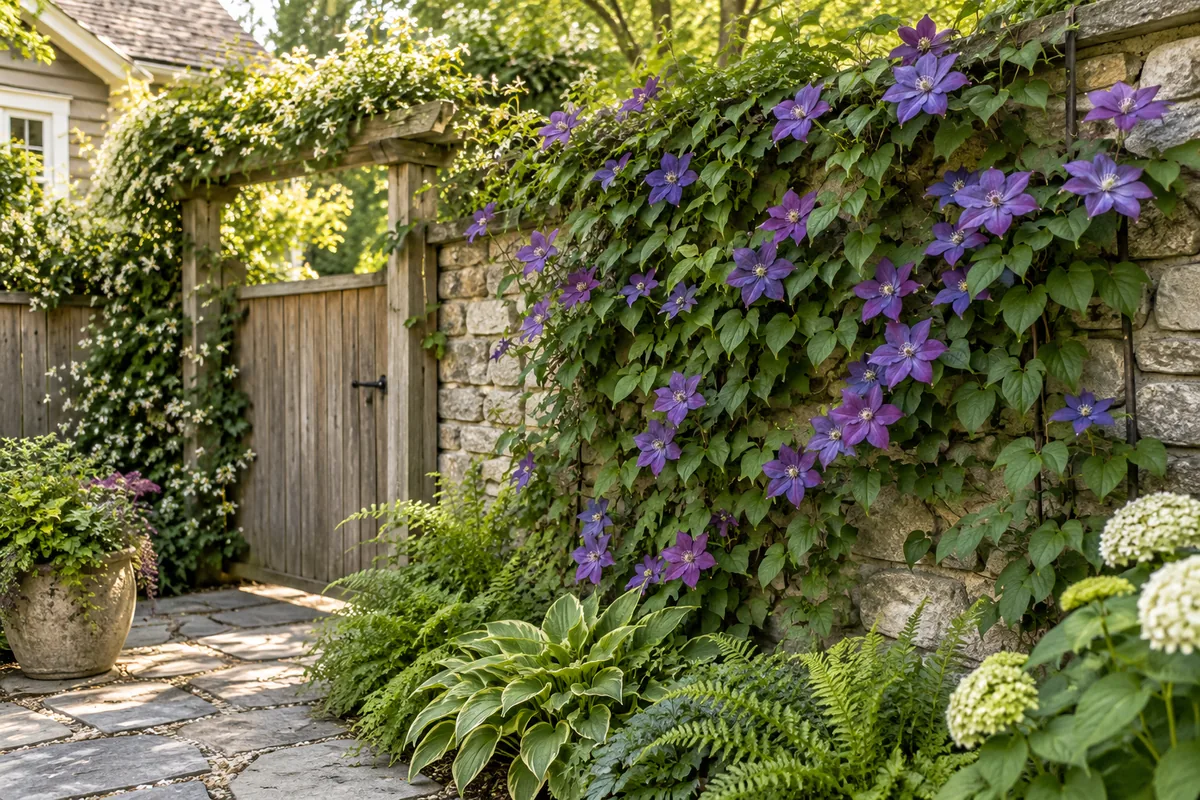
Climbing Vines for Fences and Walls with Suitable Supports
Climbing Vines: Support, Walls, and Local Fit: explore placement, upkeep, and local safety questions before deciding how this feature fits your yard.
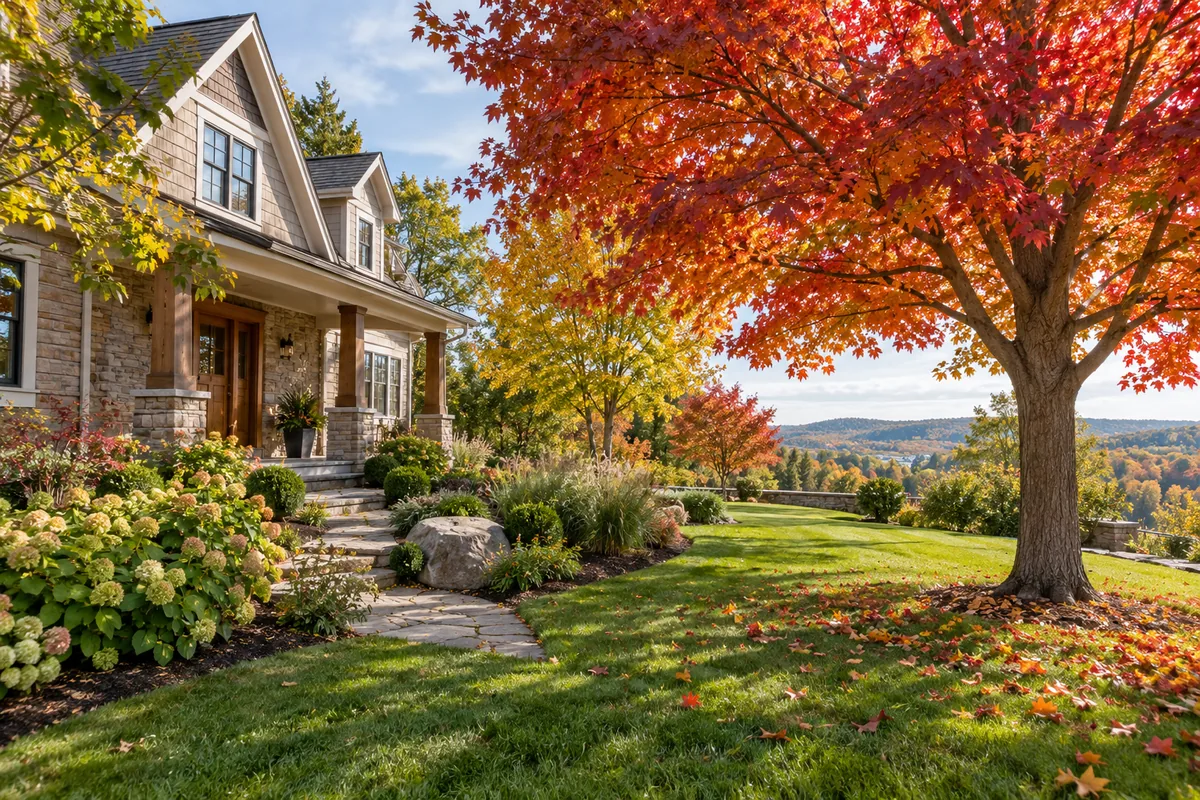
Deciduous Trees for Landscaping and Seasonal Views
Deciduous Trees: Shade, Space, and Local Fit: explore placement, upkeep, and local safety questions before deciding how this feature fits your yard.
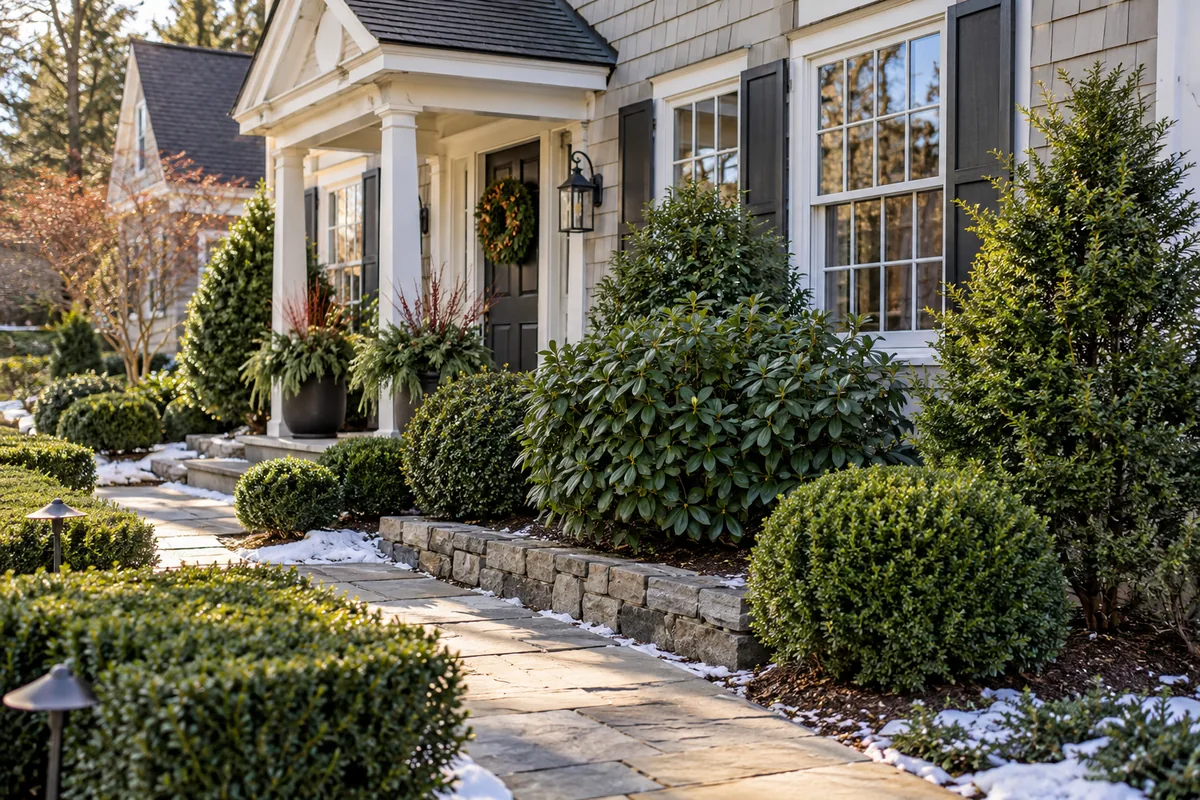
Evergreen Shrubs for Foundations and Winter Structure
Evergreen Shrubs: Foundation and Hedge Roles: explore placement, upkeep, and local safety questions before deciding how this feature fits your yard.
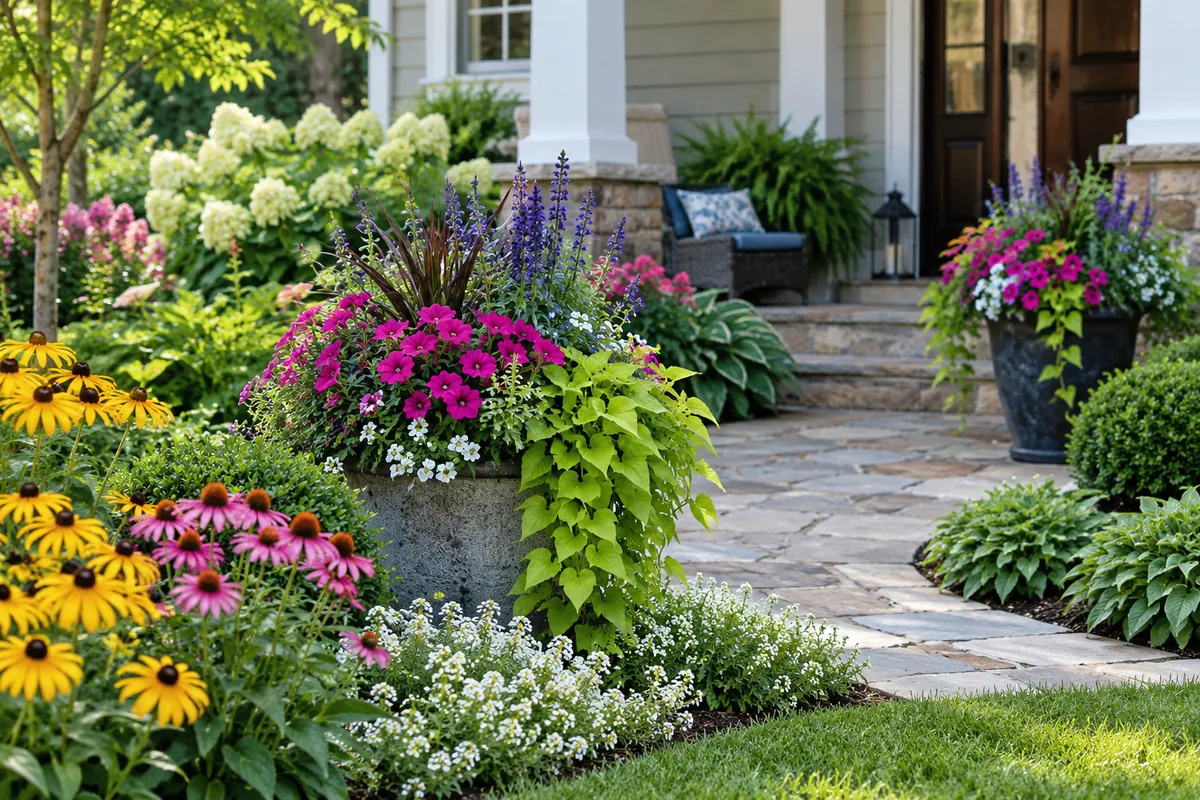
Annual Flowers for Seasonal Borders and Garden Containers
Annual Flowers: Seasonal Color and Containers: explore placement, upkeep, and local safety questions before deciding how this feature fits your yard.