
By AI Landscape Design Team · Editorial policy
Pond Plants Selected for Roles and Local Conditions
Pond plants should be selected by their role in the actual water feature: marginal or emergent planting near edges, floating-leaved forms at the surface, and submerged plants below it. These groups have different needs and behaviors. Verify the species, local restrictions, growing conditions, mature spread, and care before purchase; an attractive aquatic image cannot establish habitat balance or regional suitability.
Last updated · 6 min read
Key takeaways
- Choose an aquatic role before selecting individual species.
- Check invasive restrictions and never release plants into natural water.
- Keep pond safety and equipment access separate from planting appearance.
Which roles should be distinguished?
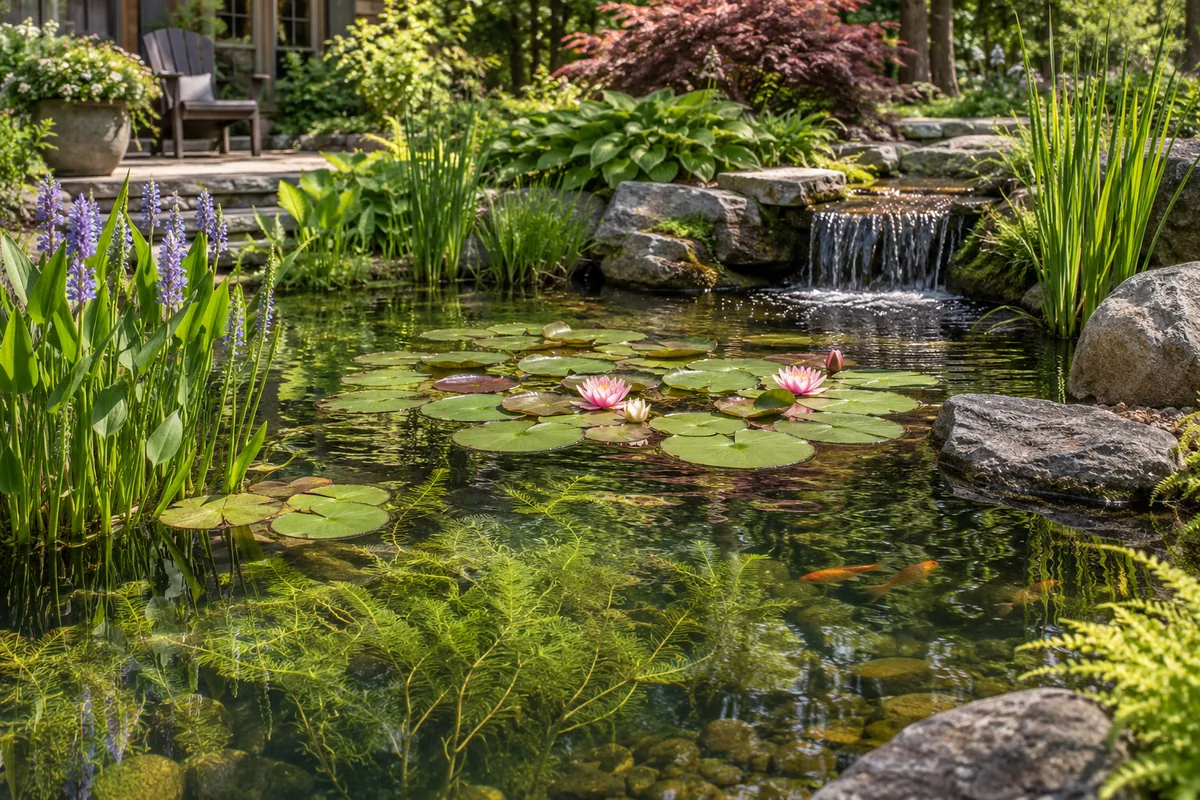
Marginal and emergent plants can relate to water edges, floating-leaved forms can organize part of the surface, and submerged plants occupy another part of the system. According to the Royal Horticultural Society, pond plants can provide visual and wildlife-related roles, with different groups contributing in different ways. These categories are not interchangeable purchase lists. Identify what the pond actually needs and seek locally appropriate aquatic-gardening advice. A dense layer of leaves in a photograph may conceal maintenance access or be unsuitable for the feature's size. The planting brief should explain each role and the conditions it requires rather than aiming to fill every visible area of water.
How should marginal planting be placed?
Review the actual water level, growing location, light, and the species requirements with qualified local advisers. Do not adopt a universal shelf depth for every plant. A margin can provide a visual transition between land and water, but it also relates to access, edges, and safety. Keep the areas needed for inspection and maintenance clear. Emerging foliage should not hide the route or make the pond's boundary difficult to read where people approach. Choose mature dimensions deliberately rather than judging plants from their purchase size. An attractive planted edge remains useful when its care and relationship with the complete water system are understood.
What do floating leaves change visually?
Floating-leaved planting can create a pattern on the water and affect how much open surface is visible. Decide whether the garden's aim is a clear reflected view or a more planted scene before buying plants. According to the Royal Horticultural Society, waterlily selection includes attention to the space and conditions the plant needs. Not every floating-looking plant behaves the same way or is suitable for the region. Confirm the species and avoid using a generic lily image as an identification. Plan how growth will be monitored and tended. The intended visual pattern should not become an assumption that surface coverage can be increased indefinitely without considering the whole feature.
What should be understood about submerged plants?
Submerged planting has system and habitat roles different from the decorative outline above the water. Obtain advice appropriate to the feature's purpose and local conditions instead of calling any submerged plant an automatic solution to water quality. The Royal Horticultural Society describes daytime oxygen production and cover among the roles of submerged plants, but a selected list does not guarantee clear water or ecological balance. Check species identity, mature behavior, and regional restrictions before purchase. Keep monitoring and maintenance in the plan. Plants should be part of a considered water-feature system rather than substitutes for assessment of how that system is intended to function.
Why do invasive restrictions matter here?
Aquatic plants can spread beyond a managed feature if handled irresponsibly. Check the current local and regional invasive lists before buying, exchanging, or disposing of material. Do not recommend water hyacinth as a default ornamental choice; it is restricted or invasive in many locations and requires regional verification. Similar caution applies to any vigorous or unfamiliar aquatic selection. Use authoritative local guidance and reliable identification rather than a retailer's general visual label. Never release unwanted plants into natural waterways. Ask about appropriate disposal. A species pictured in a distant garden cannot establish that it is lawful, ecologically appropriate, or manageable at your site.
How should climate and pet questions be checked?
USDA hardiness zone is a useful climate input, but aquatic suitability also depends on the actual water feature, seasonal conditions, light, and species. Verify locally rather than treating a zone number as a complete rating. Where pets can reach plants, consult the ASPCA toxicity list and relevant veterinary advice for uncertain species. Common names can be ambiguous, so use confirmed botanical identification when seeking advice. The planting should not obscure child supervision or required edge and barrier arrangements. A natural-looking pond does not establish safety. Those responsibilities must be assessed through the complete feature and household use, separately from the botanical composition.
What care and installation access are needed?
Allow room to inspect equipment, tend planting, remove appropriate material, and reach the pond without unsafe stretching. Ask local aquatic-gardening advisers about the selected plants' seasonal care rather than prescribing one feeding or division routine for all groups. Electrical equipment and any regulated water, structural, or drainage work require appropriate licensed professionals. Contact 811 before excavation in the United States and check private services. Costs include suitable plants, growing arrangements, system care, access, and any supporting work. Avoid claiming a fixed balance ratio or universal maintenance-free combination. The pond's actual conditions should guide observations and changes after planting.
How can concepts support the planting brief?
Use a concept to compare edge texture, open water, and the relationship with views, while treating depicted species as unverified. AILandscape offers visual yard exploration; it does not identify plants reliably or confirm invasive status, toxicity, habitat performance, water conditions, or construction. Take the intended roles to qualified local advisers and select appropriate actual plants afterward. A Zen-inspired pond may keep its planting restrained, while cottage or tropical references may be fuller, but neither label resolves suitability. A successful aquatic composition has clearly explained plant roles, regional checks, realistic care, and safe access, rather than a dense attractive surface mistaken for a validated ecosystem.
Frequently asked questions
Can pond plants be chosen from a generated image?
Use the image for composition, not identification or suitability. Confirm the actual species with reliable sources and local aquatic-gardening advice. Check regional restrictions, growing needs, mature behavior, and toxicity where relevant before purchasing any depicted plant.
Should I use water hyacinth for quick coverage?
Do not treat it as a default recommendation. It is invasive or restricted in many regions, and local status must be checked. Choose appropriate locally verified alternatives by role, and never release unwanted aquatic material into natural waterways.
Do submerged plants guarantee clear pond water?
No. They can contribute roles within a system, but plant selection alone does not establish water clarity or ecological balance. Obtain appropriate advice for the feature's purpose and continue monitoring conditions rather than relying on a universal planting formula.
Sources
Related reading
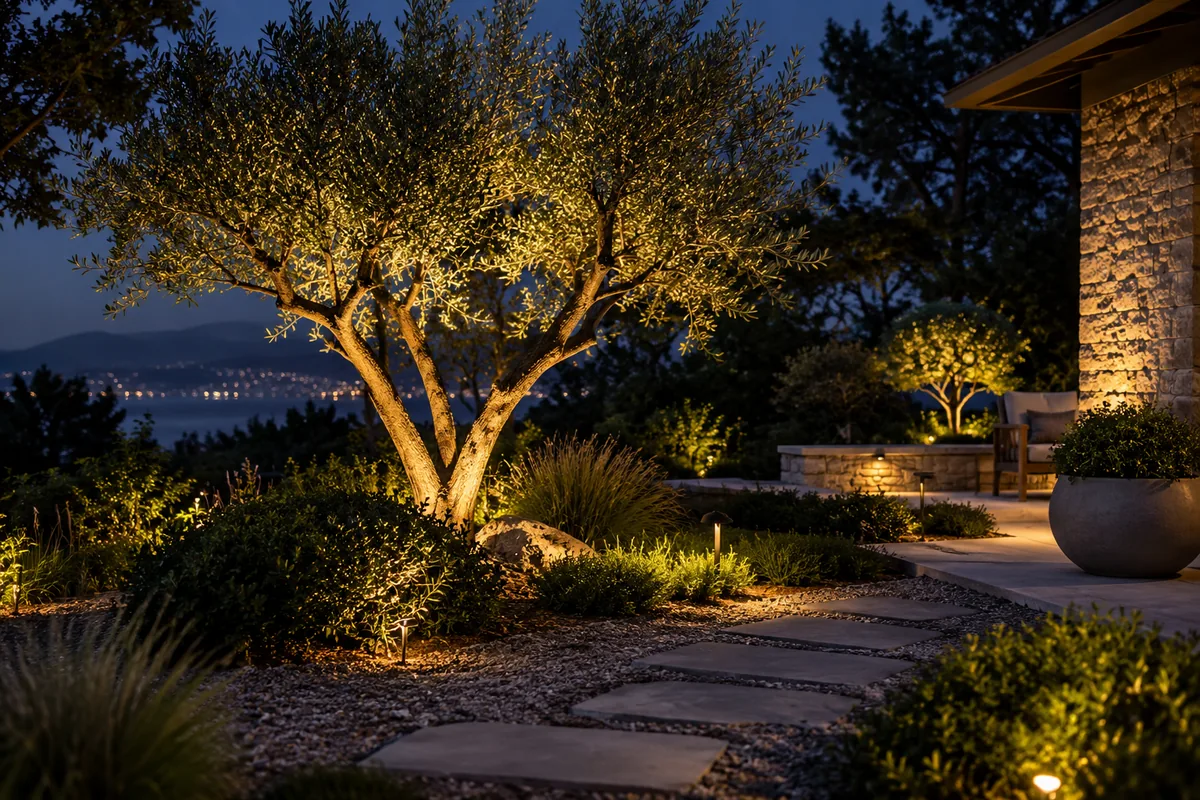
Landscape Accent Lighting That Respects the Night View
Plan landscape accent lighting around selected features, controlled glare, useful viewing positions, appropriate fixtures, and professional electrical review.
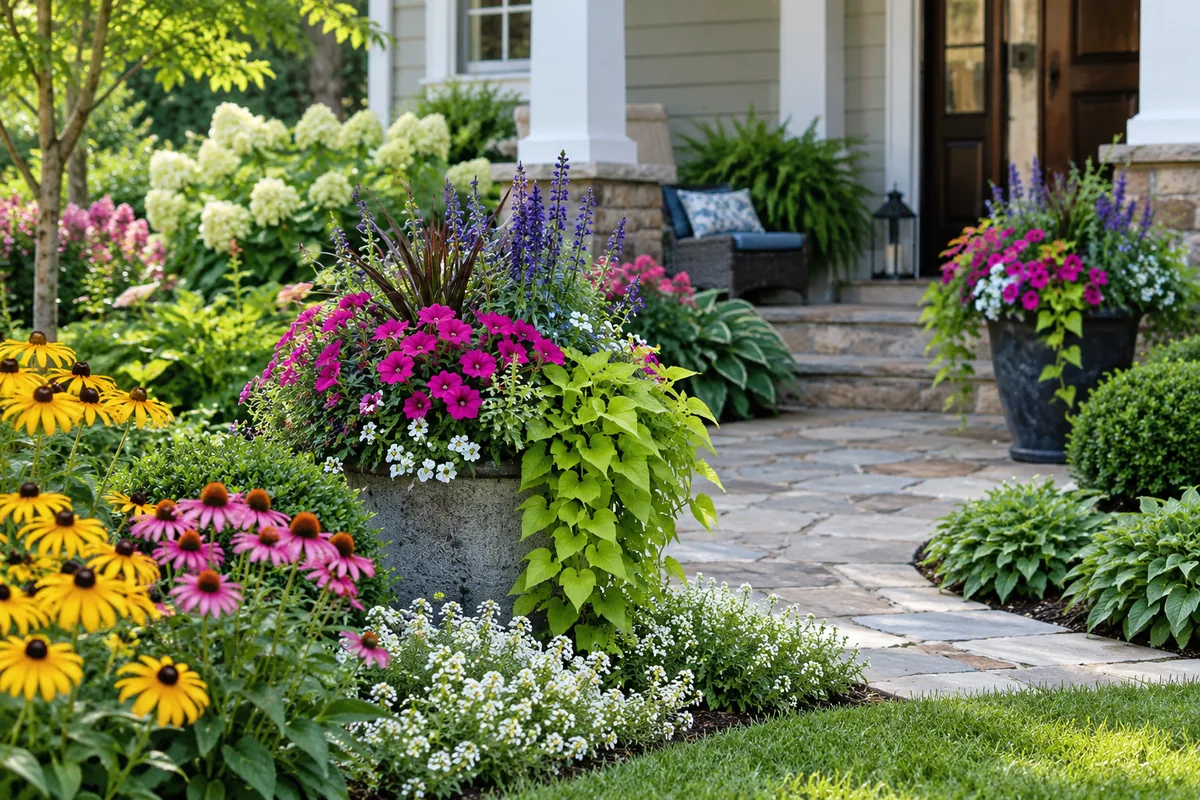
Annual Flowers for Seasonal Borders and Garden Containers
Annual Flowers: Seasonal Color and Containers: explore placement, upkeep, and local safety questions before deciding how this feature fits your yard.
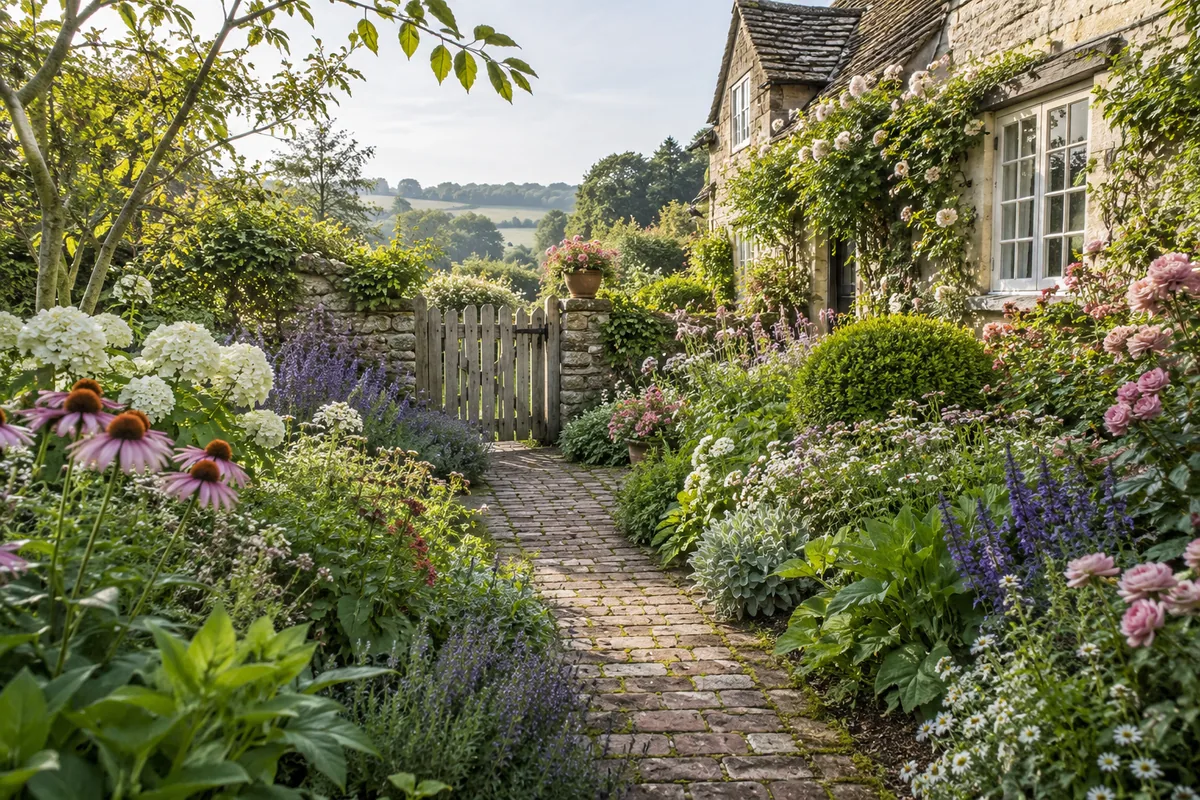
Cottage garden style: flowers with a working framework
Explore cottage garden style through layered flowers, selective self-seeding, clear paths, seasonal care, and the framework that makes informal planting usable.
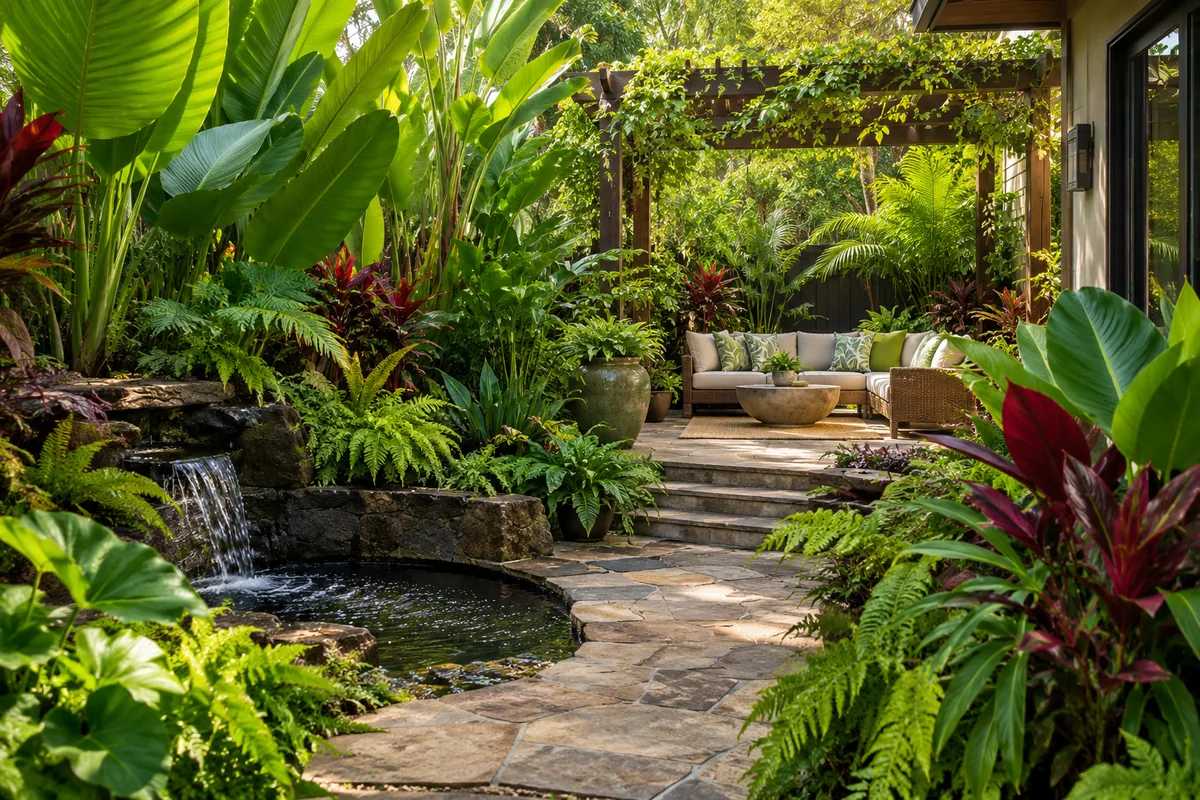
Tropical landscape style: foliage, layers, and shelter
Explore tropical landscape style using large leaves, layered greenery, sheltered seating, and container strategies adapted to local weather and care routines.
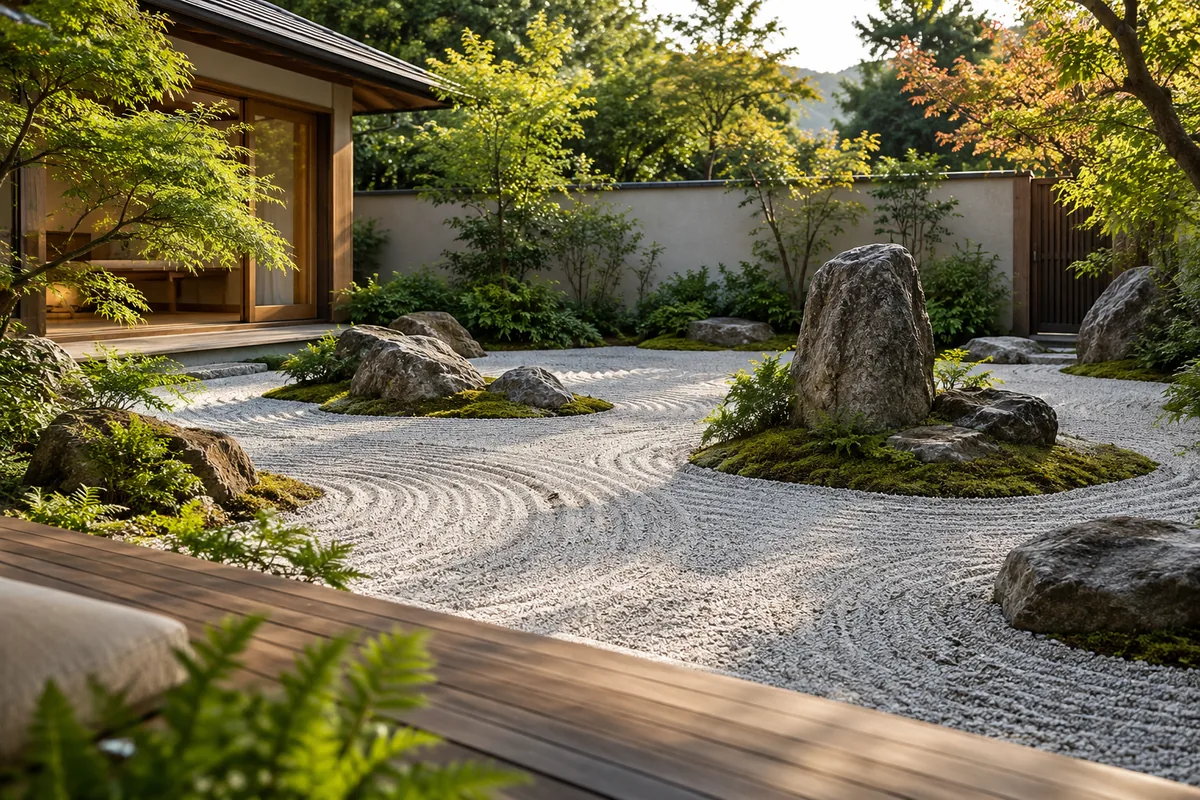
Zen garden style: stones, gravel, and deliberate space
Learn how zen garden style uses composed stones, raked gravel, restrained planting, and a chosen viewpoint, with practical limits for residential gardens.
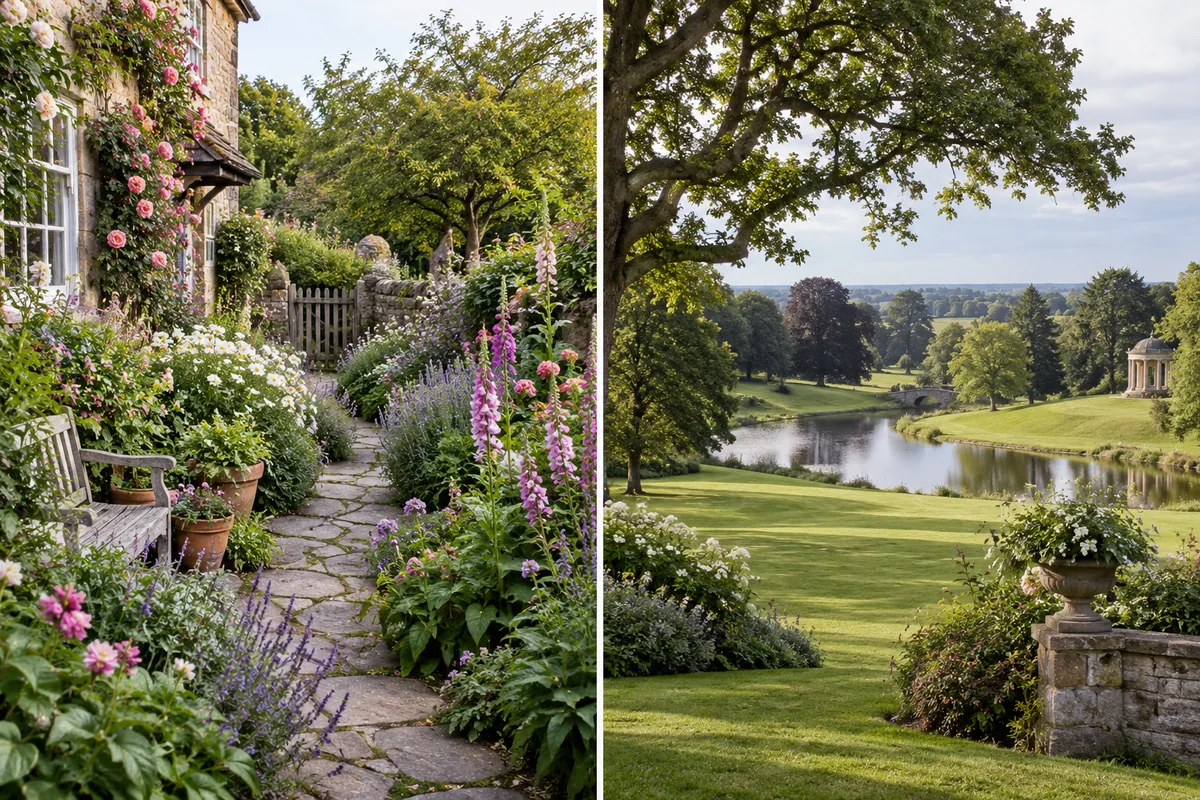
Cottage garden vs English landscape garden: Which Fits Your Yard?
Compare cottage garden and english landscape garden for your yard. Review layout, materials, upkeep, and practical trade-offs before choosing a direction.