
By AI Landscape Design Team · Editorial policy
Tropical landscape style: foliage, layers, and shelter
Tropical landscape style emphasizes large leaves, layered greenery, and a sense of sheltered outdoor space. The effect comes from foliage scale and overlapping plant roles as much as from flowers. A garden outside a tropical climate can borrow that visual language through suitable permanent plants and seasonal containers, provided winter care, water needs, and mature growth are checked locally.
Last updated · 7 min read
Key takeaways
- Build the composition around foliage size and overlapping layers.
- Keep seating and paths usable beneath or beside the planting.
- Plan winter storage before adding tender container plants.
- Match the lush visual effect to a realistic water and care budget.
What creates a tropical visual effect?
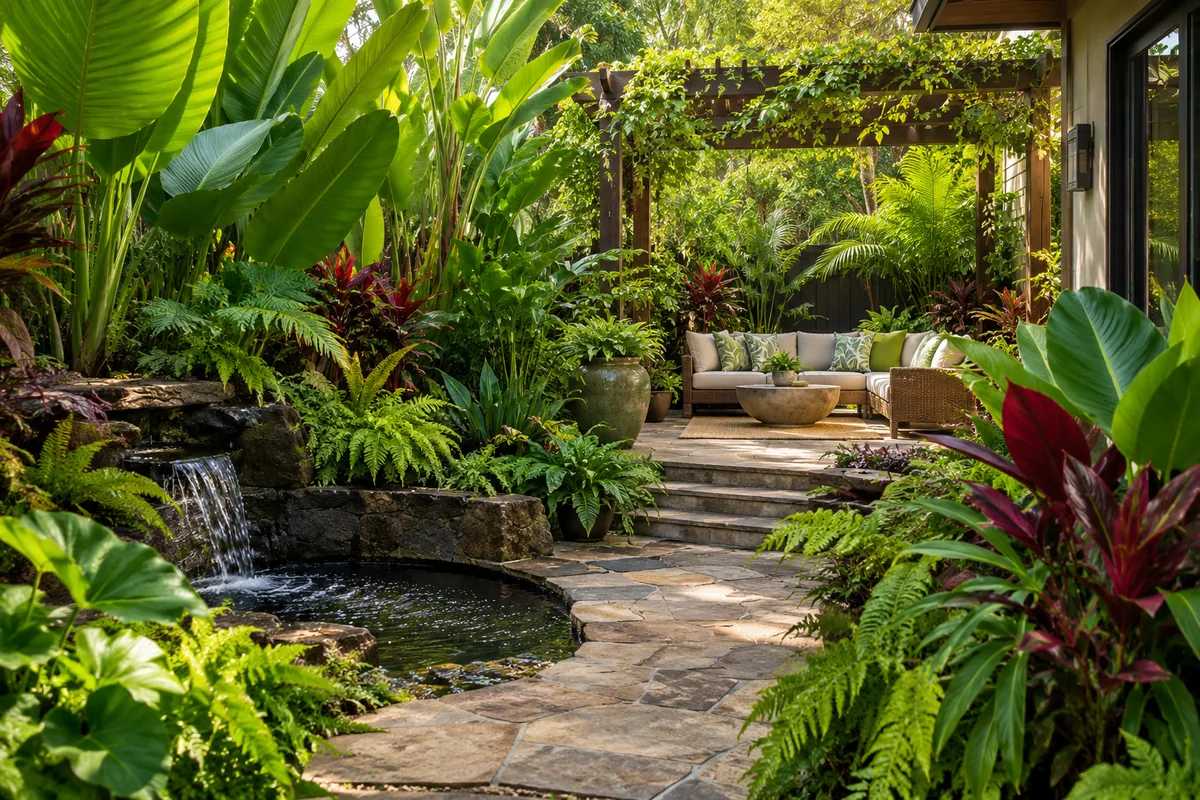
Broad foliage close to the viewer establishes a different scale from a border dominated by fine leaves. Taller planting behind it can suggest depth even in a relatively shallow bed. Darker background foliage makes the shape of a light leaf easier to see, while a limited flower accent can punctuate the green composition. The central idea is layered vegetation rather than a collection of exotic-looking specimens.
Do not equate tropical appearance with plants that tolerate every warm location. Humid shade, exposed heat, wind, and seasonal cold produce different conditions. Some landscapes can maintain large-leaved permanent planting; others rely on seasonal containers and locally adapted shrubs. Decide which visual traits matter most before selecting species. A small garden can express the style through one convincing leaf contrast instead of attempting to reproduce a dense forest.
How should layers relate to seating and circulation?
Put the usable room on the sketch first. Mark the table, chairs, door swing, and route to storage before extending planted edges. Layers should frame those activities rather than obscure them. A broad leaf near a seat can be enjoyable when there is space for its mature growth; the same leaf across a passage becomes a recurring obstacle.
Use planting depth deliberately. A taller background group can give the sitting area enclosure, with lower forms near its edge. Avoid creating an inaccessible band behind furniture where fallen leaves will accumulate. Plan a way to inspect irrigation and retrieve items without pushing through foliage. If a structure provides shade, its wind loading and support details belong with qualified local designers and installers, not with assumptions made from a concept image.
Which materials work beside bold foliage?
Wood decking, quiet stone, and simple concrete surfaces can support foliage without competing with it. The texture of leaves is already visually strong, so highly patterned paving may be unnecessary. Pick a finish based on exposure, grip, maintenance, and the existing house. A comfortable route to the seat matters more than an imagined resort vocabulary.
Containers can provide a strong sculptural element, especially where planting cannot go in the ground. Consider their planted weight, drainage, and resistance to wind. On a deck or roof terrace, have loading and waterproofing reviewed by appropriate licensed professionals before placing heavy pots. Keep drainage outlets accessible. Dark containers may suit the color composition but can behave differently in intense sun; discuss material performance with the supplier instead of selecting by appearance alone.
How do you choose plants without assuming tropical suitability?
Describe plant roles in plain terms: a large leaf near the seat, an upright background, a dense mid-height group, and a ground layer. Then ask a local nursery or extension office which plants can perform those roles on the actual property. Familiar references such as banana-like leaves or palm silhouettes should be understood as visual cues, not a verified regional planting list.
Check the USDA hardiness zone and the particular plant's light, moisture, wind, soil, and mature-size requirements. According to USDA, its zone map reflects extreme minimum winter temperature, so it does not resolve all those other conditions. Review invasive status locally before buying. If pets browse the foliage, use the ASPCA toxicity list and seek veterinary advice where identification is uncertain. A plant's attractive leaf size is not evidence of safety or manageable growth.
How can colder regions borrow the style?
A seasonal container strategy can place bold foliage where it matters while permanent planting carries the rest of the composition. Determine which containers can be moved, where they will spend the cold season, and who will handle that work. A large pot that needs machinery to move is a very different commitment from a modest container beside a door.
Use locally suitable plants for the enduring framework rather than expecting every tropical reference to overwinter outdoors. Leaf contrast, layered heights, and sheltered placement can remain even when tender foliage is removed. Keep a winter photograph beside the summer concept to judge the off-season view. Do not promise that a substitute plant has identical behavior: it may achieve a similar visual role while requiring different pruning, watering, or seasonal handling.
What color and light decisions support the foliage?
Green can provide a varied palette without constant flowering. Compare glossy and matte leaves, upright and arching forms, and light and dark foliage. Pick one strong contrast near the main viewpoint, then repeat quieter relationships elsewhere. Too many variegated plants can make the border difficult to read, particularly when several patterns compete at close range.
Shade also affects the way foliage appears. Observe existing sunlight before assuming that a shaded corner is suitable for every large-leaved candidate. Lighting can make selected leaf forms visible in the evening, but fixtures and wiring require licensed installation and local code review. Aim lights carefully so the seated viewer and neighbors are not exposed to glare. A night view should preserve safe movement rather than depend only on dramatic foliage shadows.
What maintenance does a lush effect involve?
Large leaves can produce substantial debris, and dense layers can make weeds or damaged growth harder to notice. Provide working access and inspect the interior of the planting, not just its front. Containers may need frequent attention during warm weather; establish who will water them when the household is away. Group irrigation according to verified plant needs instead of applying one schedule to every layer.
Plan for pruning and replacement as mature growth changes the balance. Do not repeatedly cut a plant to an unsuitable size just to preserve the original image. A smaller candidate may serve the role more practically. Before digging planting holes or installing irrigation in the United States, contact 811. Site-specific drainage and structural questions should go to licensed local professionals. The dense appearance should never hide service equipment that needs inspection or emergency access.
How to use tropical style in a front yard, backyard, side yard, or patio
In a tropical front yard, keep bold foliage away from driveway views and identify a clear approach to the door. A tropical backyard can place layered greenery around a usable sitting area, with maintenance gaps kept outside the principal view.
For a tropical side yard, choose the leaf scale carefully so it does not fill a service passage as plants mature. A tropical patio may rely on grouped containers and a sheltered seat instead of deep beds. Consider how the group looks after seasonal plants are moved or cut back. The best adaptation is the one that keeps the useful space comfortable through the year, not only during peak summer growth.
What should a concept image help you decide?
Use the image to compare foliage scale, visual enclosure, and the relationship between planted areas and the seat. It can show whether a large leaf near a window feels balanced or overbearing. It cannot tell you which depicted plant is appropriate, how much irrigation it needs, or whether a deck can support the containers. Make a separate list of those practical questions.
AILandscape can explore tropical-looking visual concepts from a property photo. Confirm the generated scene against the real building, access, and retained vegetation before using it as a discussion reference. Local specialists must verify planting choices, drainage, and construction. Avoid buying plants from an image without identifying them and assessing their requirements. A convincing tropical composition is useful only when its seasonal care and physical scale suit the people living with it.
Frequently asked questions
Can tropical landscape style work where winters freeze?
It can be interpreted with locally suitable permanent planting and selected seasonal containers. Plan storage, handling, and the winter view before adding tender plants. The visual effect can come from leaf scale and layering even when the exact plants differ from a warm-climate reference.
Does tropical style require bright flowers?
Large leaves and layered greens can carry the style without many flowers. A limited flower accent may help identify a focal area, but it is optional. Look at leaf texture, mature size, and the contrast between foreground and background before adding more colors.
Are large tropical-looking plants appropriate beside a path?
They can work if mature leaves and stems remain clear of the route. Evaluate growth rather than judging the small nursery specimen. Protect doorways and service access, screen plants for local invasive status, and check ASPCA information where pets can reach the foliage.
Sources
Related reading
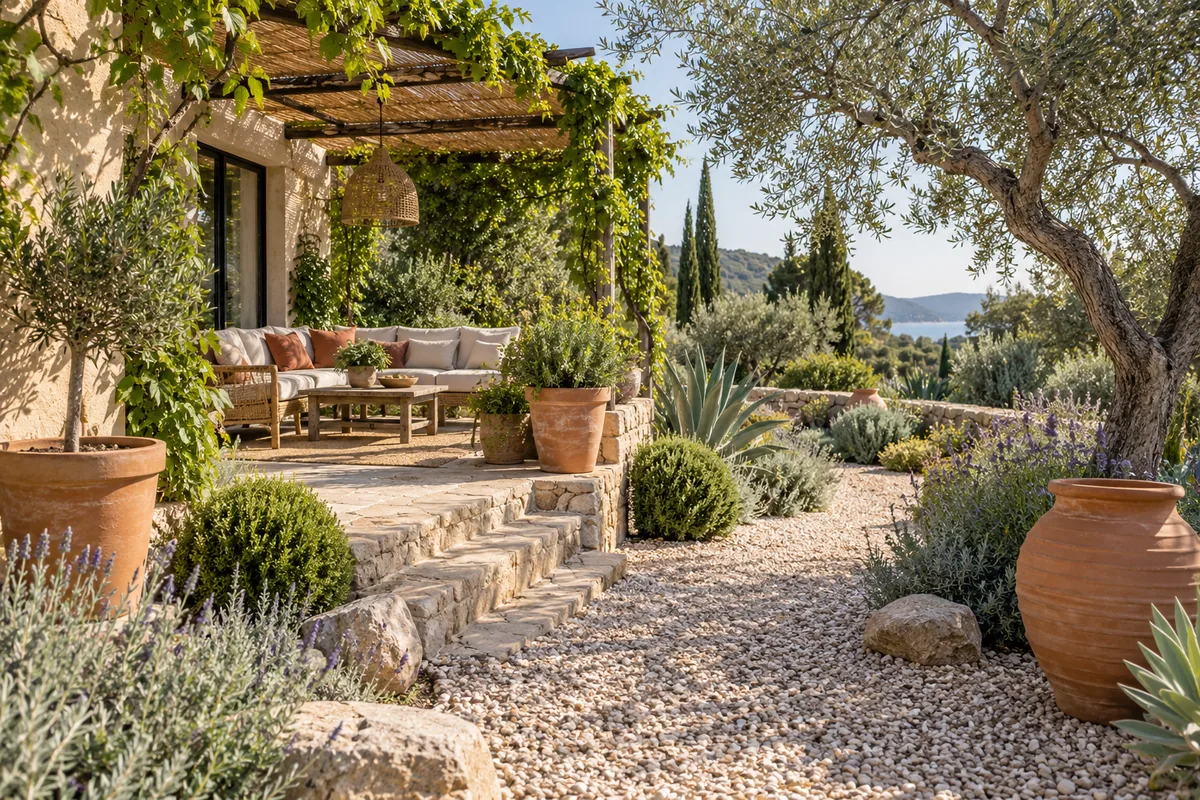
Mediterranean garden style: shade, gravel, and warm color
Understand Mediterranean garden style through shade, gravel, clay pots, and silver foliage, with practical ways to adapt the visual language to local climates.
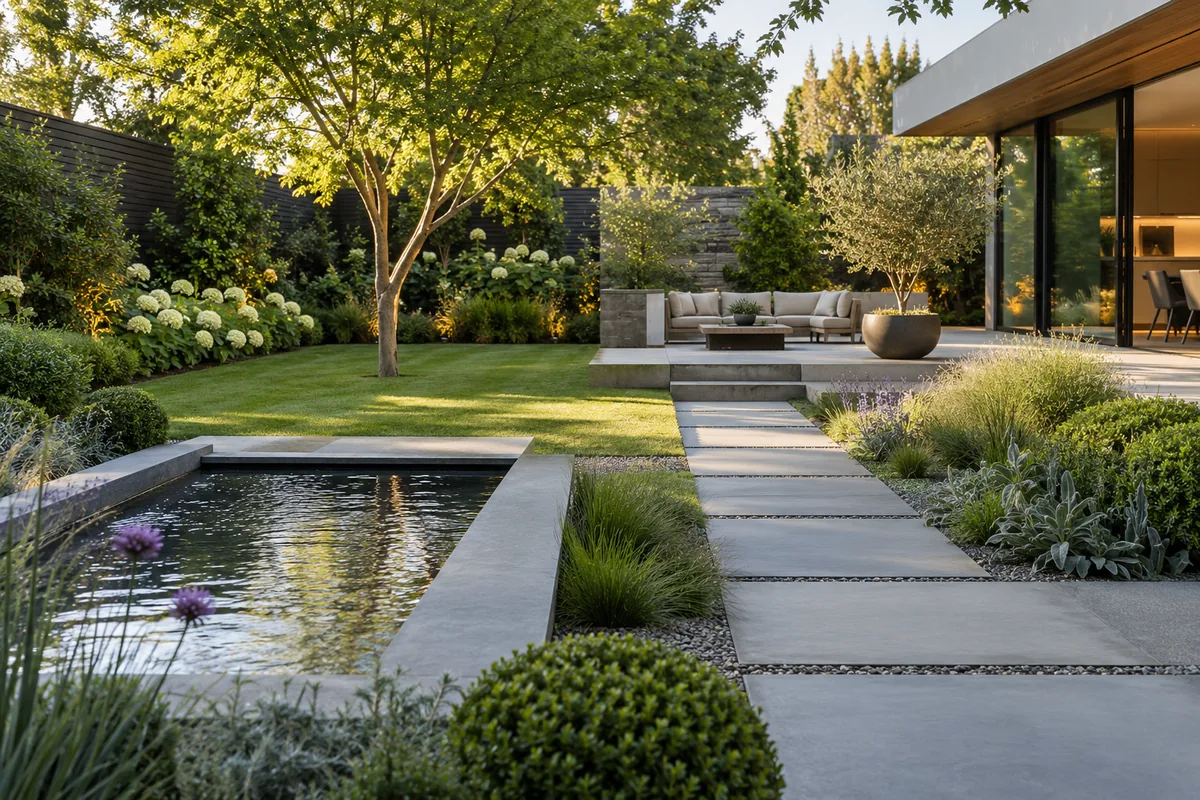
Modern landscape style: lines, space, and materials
Understand modern landscape style through clean lines, restrained materials, planting structure, and practical connections to contemporary architecture.
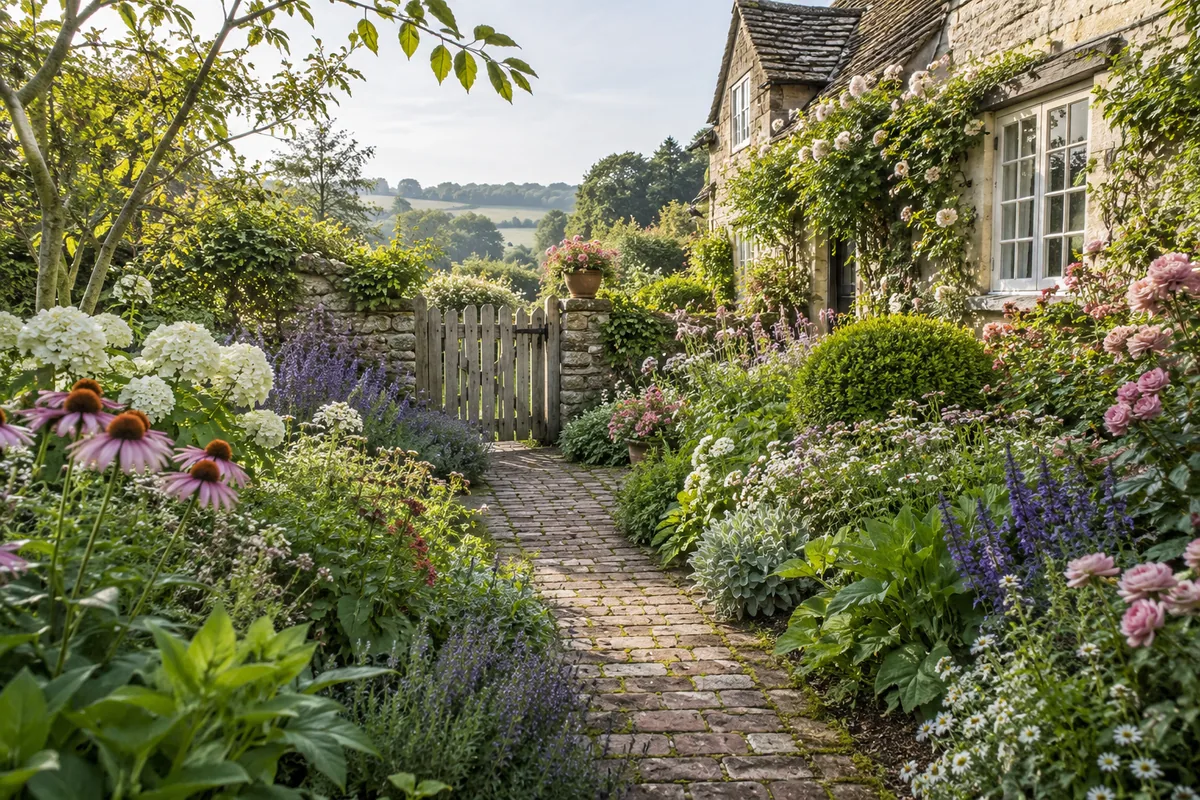
Cottage garden style: flowers with a working framework
Explore cottage garden style through layered flowers, selective self-seeding, clear paths, seasonal care, and the framework that makes informal planting usable.
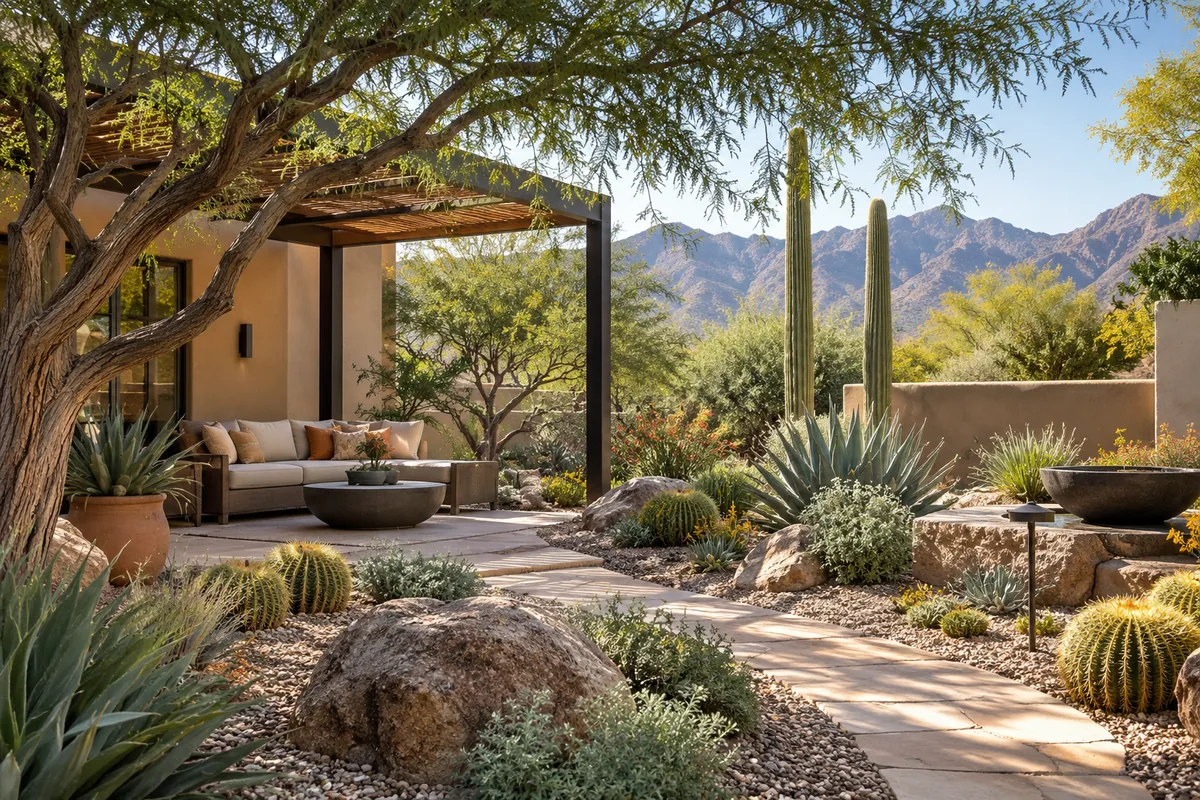
Desert landscape style: shade, stone, and plant form
Understand desert landscape style through plant form, mineral surfaces, useful shade, and heat-aware layouts, while separating its appearance from xeriscaping.
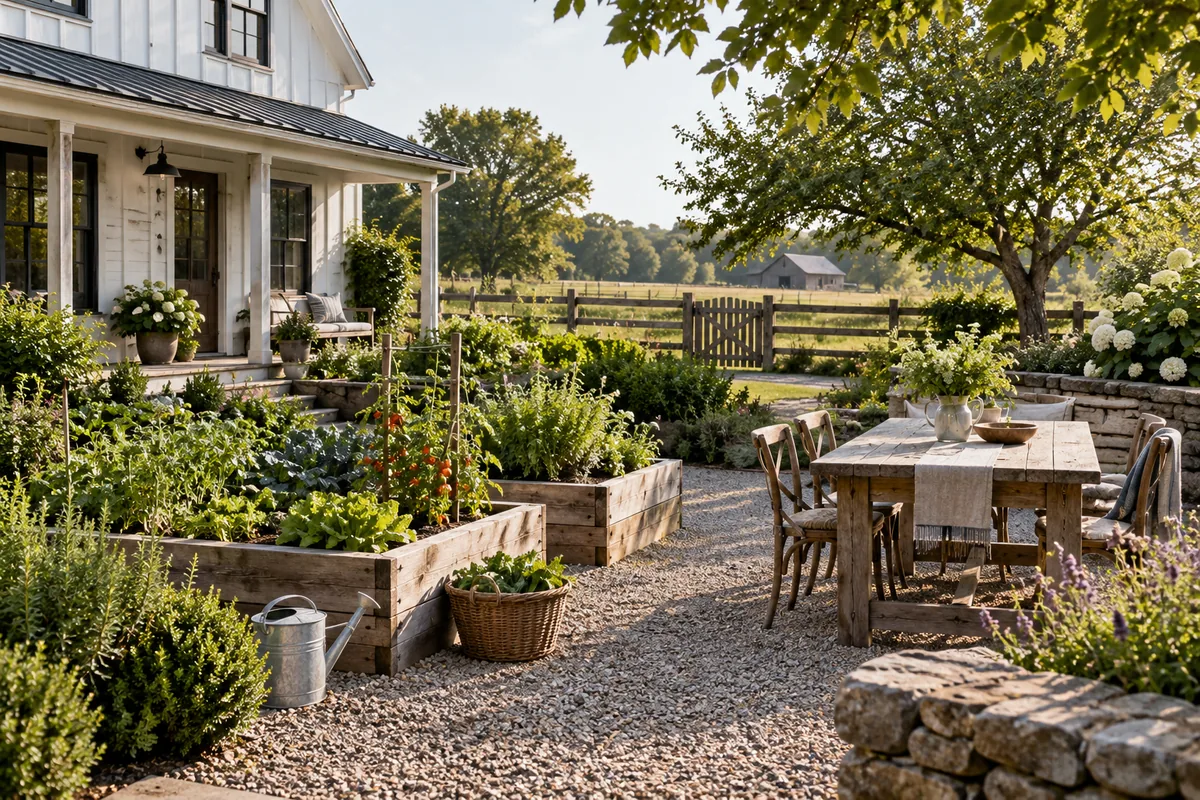
Farmhouse landscape style: useful spaces and honest materials
Discover farmhouse landscape style through practical fences, productive beds, wood and stone, and useful outdoor spaces that support everyday garden routines.
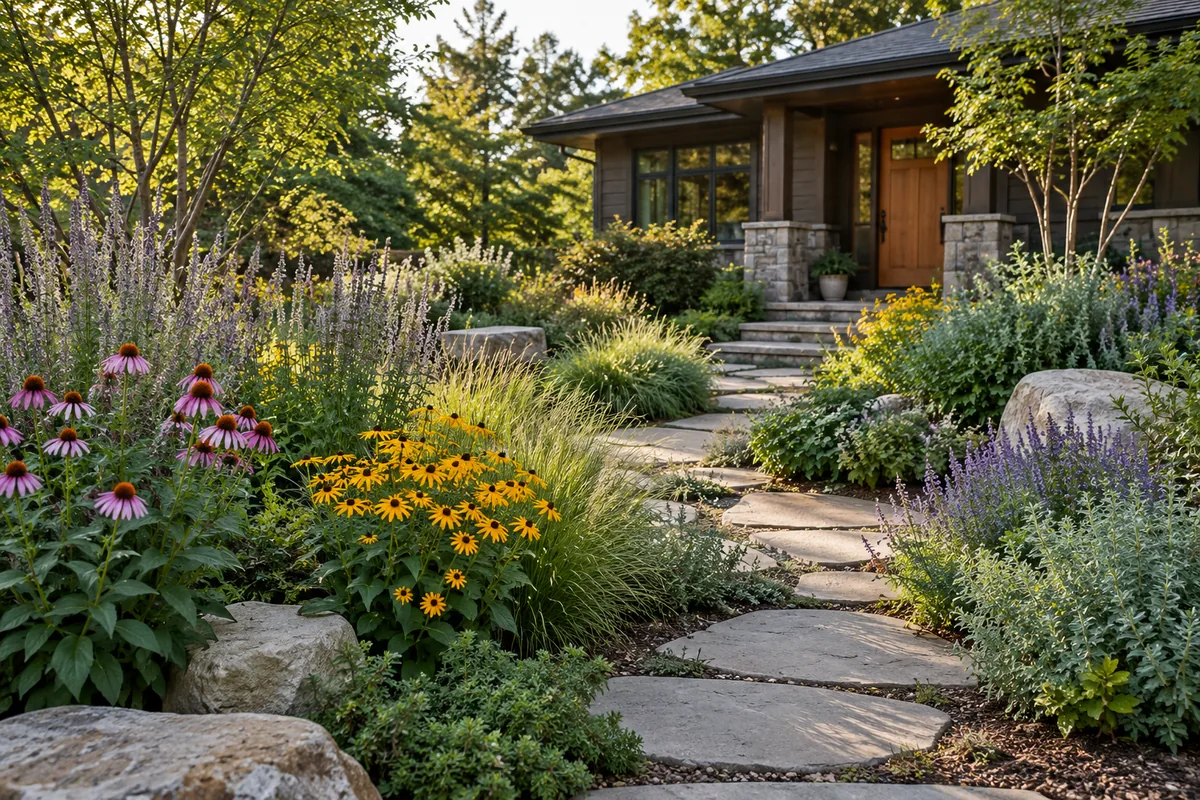
Native plant landscape style: regional plants with structure
Learn how native plant landscape style combines regional plant choices, seasonal change, and clear garden structure with practical care and neighborhood views.