
By AI Landscape Design Team · Editorial policy
Tropical side yard ideas with bold leaves and service access
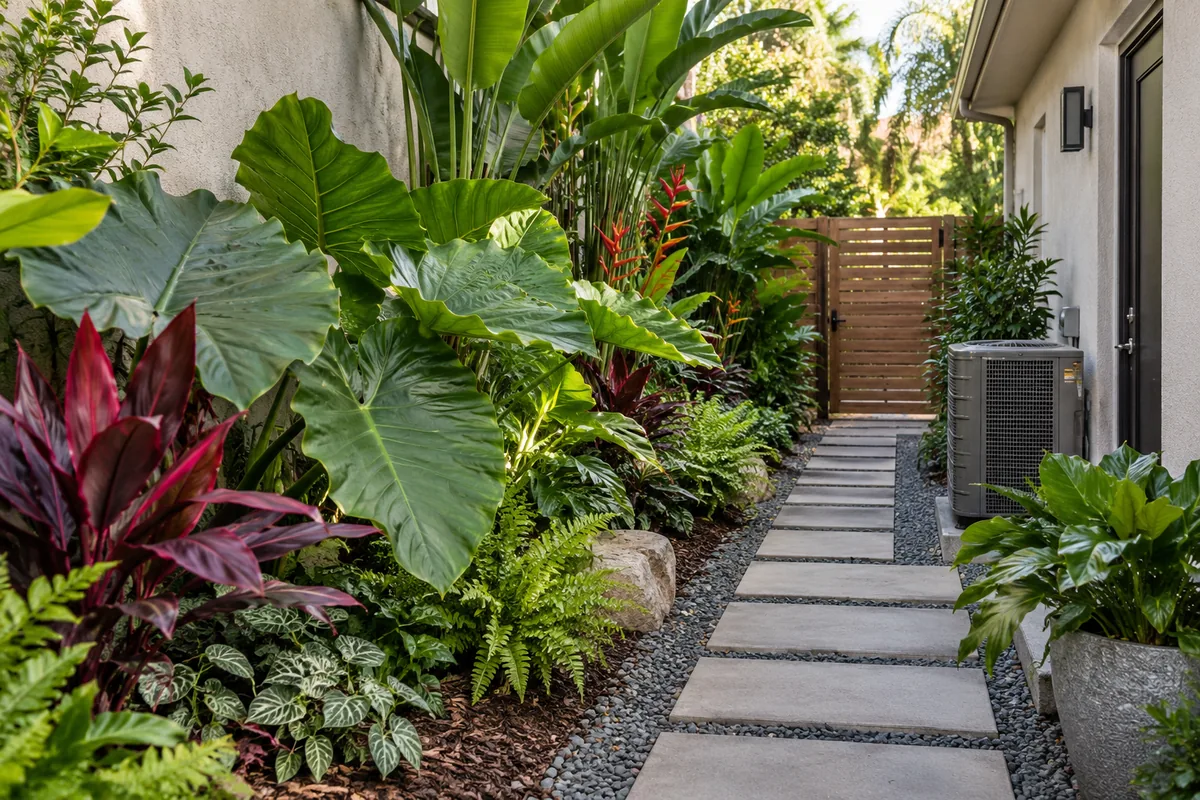
Tropical side yard ideas should create foliage interest beside a service passage rather than fill the passage itself. Use verified large-leaved roles at genuine openings and quieter layers where mature space permits them. Building shade, equipment, doors, and gate movement should lead the arrangement, with seasonal containers considered only when handling, watering, and winter care are practical.
Published · 6 min read
Key takeaways
- Place bold leaves where mature growth fits beyond circulation.
- Preserve equipment reachability inside the layered view.
- Assess seasonal handling before installing heavy containers.
What sets the limit on foliage in a working side space?
Leaves that look impressive from a window may obstruct the route when viewed on foot. Walk the passage with bins or tools and open each door and gate before choosing the planted area. Check equipment access against manufacturer, utility, and local requirements. A tropical-looking screen is not a reason to conceal machinery that needs inspection, airflow, or repair.
Observe how sunlight and shelter differ beside the house. Shade alone does not establish that any large-leaved plant will fit; moisture, soil, wind, and mature growth remain relevant. Consider neighboring windows when adding visual enclosure. Decide whether the garden is primarily viewed from inside or used as a destination. A layered glimpse can provide character without taking working space away from a necessary connection.
Eight foliage ideas that fit a useful passage
- Put the boldest leaf at a genuine opening. Use a verified plant role where mature foliage can remain outside movement. It suits a side yard with a usable widening near the backyard. Check the actual species and scale rather than judging a nursery pot. Broad leaves placed along the tightest working section are a counterexample even if the view appears richly planted.
- Compose the indoor glimpse deliberately. A contained plant group near the main window can offer depth without continuous planting along the route. This works when the side yard is seen often from a room. Compare the view at ordinary eye level and retain service access. The arrangement should be comfortable from the window without forcing everyone outside to push through foliage.
- Keep quieter planting around the working edge. A suitable lower or finer-textured role can connect the bold group to the rest of the property. It fits sections with enough mature room but less visual importance. Verify local conditions and maintenance access. Fine texture does not mean small growth, so actual mature dimensions still determine what can occupy the edge.
- Use a stable container as a seasonal option. A manageable pot can borrow the large-leaf effect where permanent planting is unsuitable. This suits an owner with a real winter and handling plan. Confirm planted weight, drainage, watering, and storage before purchase. Heavy pots that must be moved for gate access turn an attractive seasonal idea into recurring work.
- Choose a calm walking finish. An appropriate paver or related surface can allow foliage texture to lead the view. It works where several patterned materials currently compete. Ask qualified professionals about grip, levels, drainage, and service covers. A resort-like finish is not automatically appropriate for moving equipment or maintaining utilities beside the house.
- Keep screens away from equipment needs. If a boundary backdrop would clarify the foliage, review its position against real service requirements. This fits a view dominated by unrelated objects. A dense leaf wall around a unit is an explicit failed approach when it limits required access or airflow. Resolve the actual constraints first and keep any permitted treatment readily maintainable.
- Plan watering without crossing the leaves. Locate supplies and access gaps so care can happen without damaging the planted view. It suits container or layered planting requiring regular attention. Inspect the interior for debris and damaged growth instead of watching only the front. Different plant roles may need different care even when their textures work together visually.
- Protect the route at night. Identify useful light near a gate or transition rather than illuminating every leaf dramatically. This fits an evening service passage. Have licensed professionals assess electrical work and requirements, and examine glare through house and neighbor windows. Preserve fixture access as foliage matures so maintenance does not require removing the whole border.
What belongs on the verification checklist?
Develop plant choices with regional horticultural advice on USDA hardiness zone, exposure, soil, water, wind, mature growth, and invasive status. A tropical reference cannot establish which candidates will survive winter or perform in building shade. Check ASPCA toxicity information where pets pass and keep rigid, sharp, or sprawling growth out of contact areas used by children.
The tropical style guide explains seasonal adaptation; planter considerations help compare container obligations. Drainage concerns, structural loads, grades, supports, foundations, and electricity need licensed local review. Contact 811 before US excavation and arrange private service locating when needed. No photograph establishes safe equipment clearance or a workable drainage solution. Separate those assessments from deciding how much visual foliage enclosure is desirable.
How do you know the tropical effect remains manageable?
Inspect the route after growth and keep care access open. Remove debris that accumulates behind containers, monitor plants whose size begins to dominate the passage, and reassess seasonal handling before adding another pot. If routine maintenance requires moving furniture or reaching through dense leaves around machinery, reduce the planting footprint. The side garden should add interest without creating a second service problem.
AILandscape's side yard tool can compare tropical-looking visual concepts on your own photo. Review leaf scale and the window view, then verify measurements, actual plants, utility needs, water movement, and installation locally. The output is a visual exploration, not proof that the layers fit or perform on the property. Reject versions that obscure equipment or erase door movement. A compelling planted glimpse can coexist with a plainly usable working passage.
Frequently asked questions
Does building shade make a side yard suitable for tropical plants?
Shade is only one condition. Actual species need review for winter temperature, soil, moisture, wind, and mature size. Use local horticultural advice to select plants for the desired leaf roles rather than assuming a shaded photograph proves regional suitability.
Can large leaves screen service equipment?
Only where actual utility, manufacturer, and local requirements permit the position and maintenance remains practical. Required access and airflow cannot be judged from a concept image. Keep the equipment reachable and review any proposed planting or screen independently.
Are seasonal pots easier than permanent planting?
They offer flexibility but bring watering, drainage, weight, handling, and winter-storage work. Decide those tasks before buying large containers. A seasonal plant can be useful at a genuine opening, but it is not easier if it must be moved whenever the passage is used.
Sources
Related reading
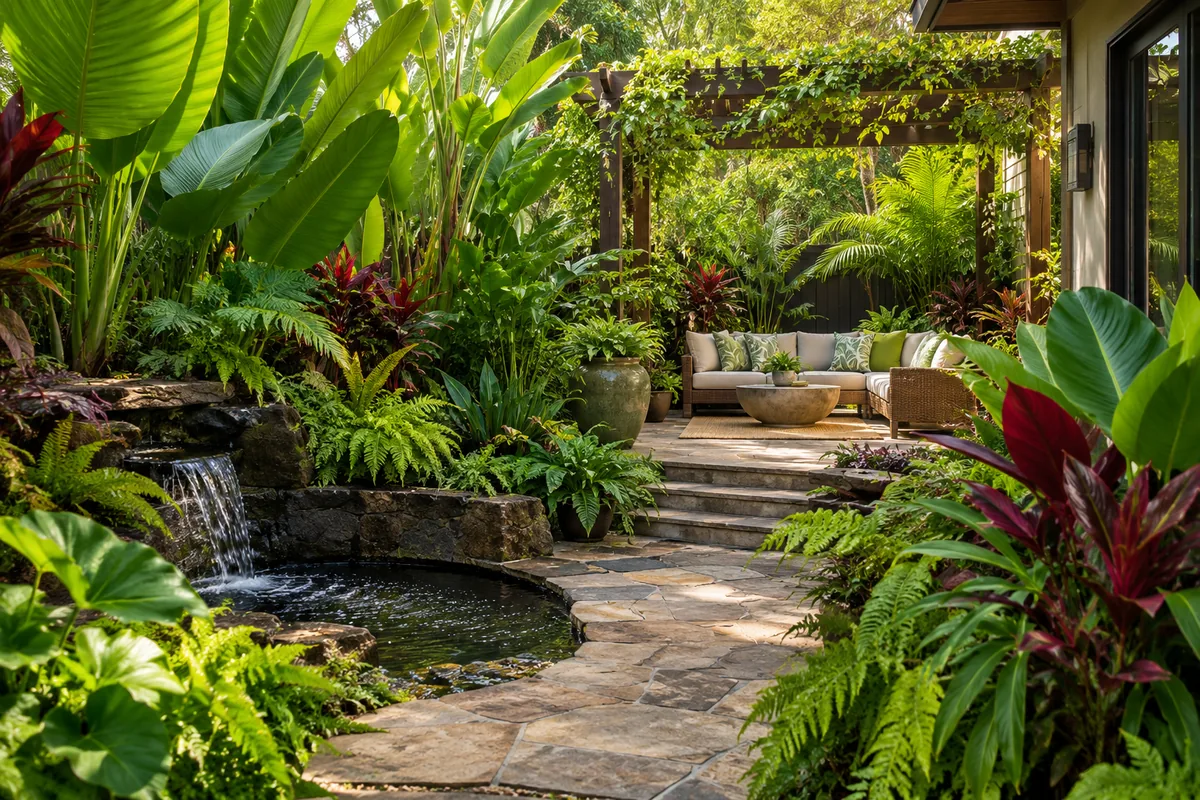
Tropical landscape style: foliage, layers, and shelter
Explore tropical landscape style using large leaves, layered greenery, sheltered seating, and container strategies adapted to local weather and care routines.
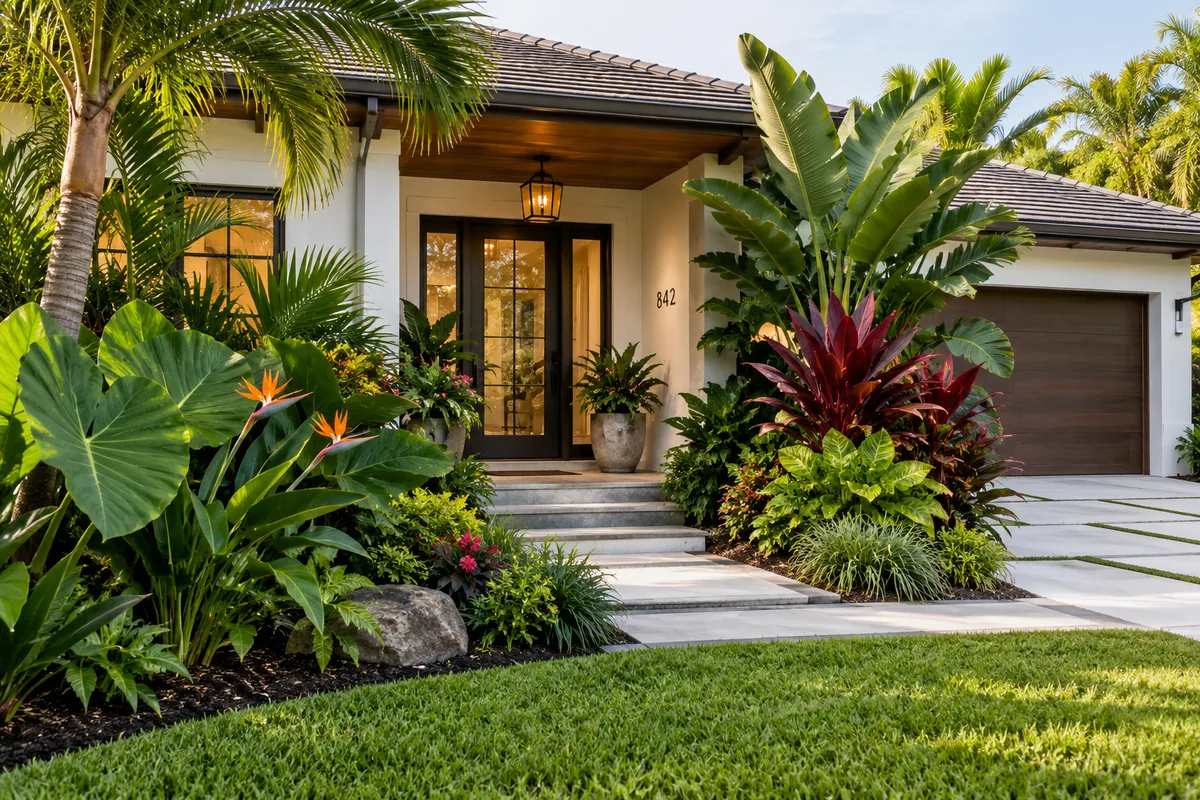
Tropical front yard ideas for bold foliage and open sightlines
Explore tropical front yard ideas with bold foliage, layered borders, sheltered containers, visible entrances, and locally verified mature plant growth.
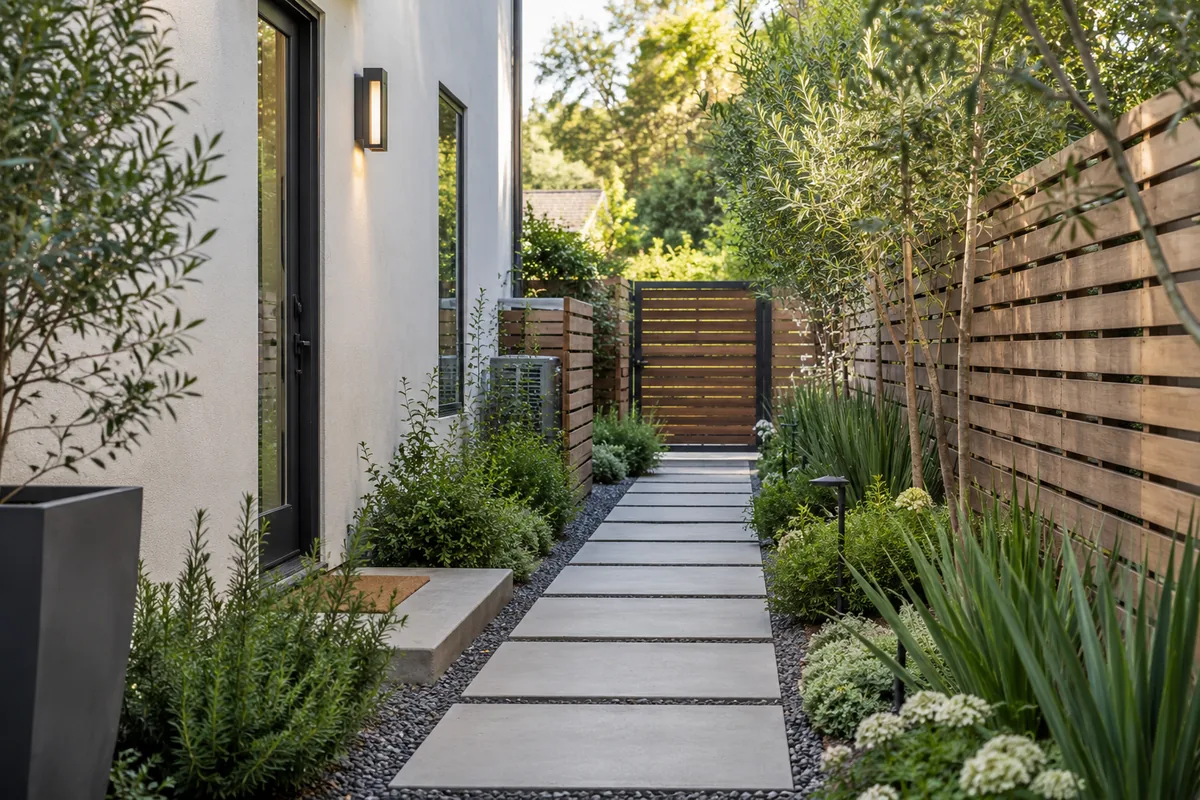
Modern side yard ideas that make service space deliberate
Explore modern side yard ideas for coherent surfaces, reachable equipment, restrained planting, practical storage, and a clear passage between garden spaces.
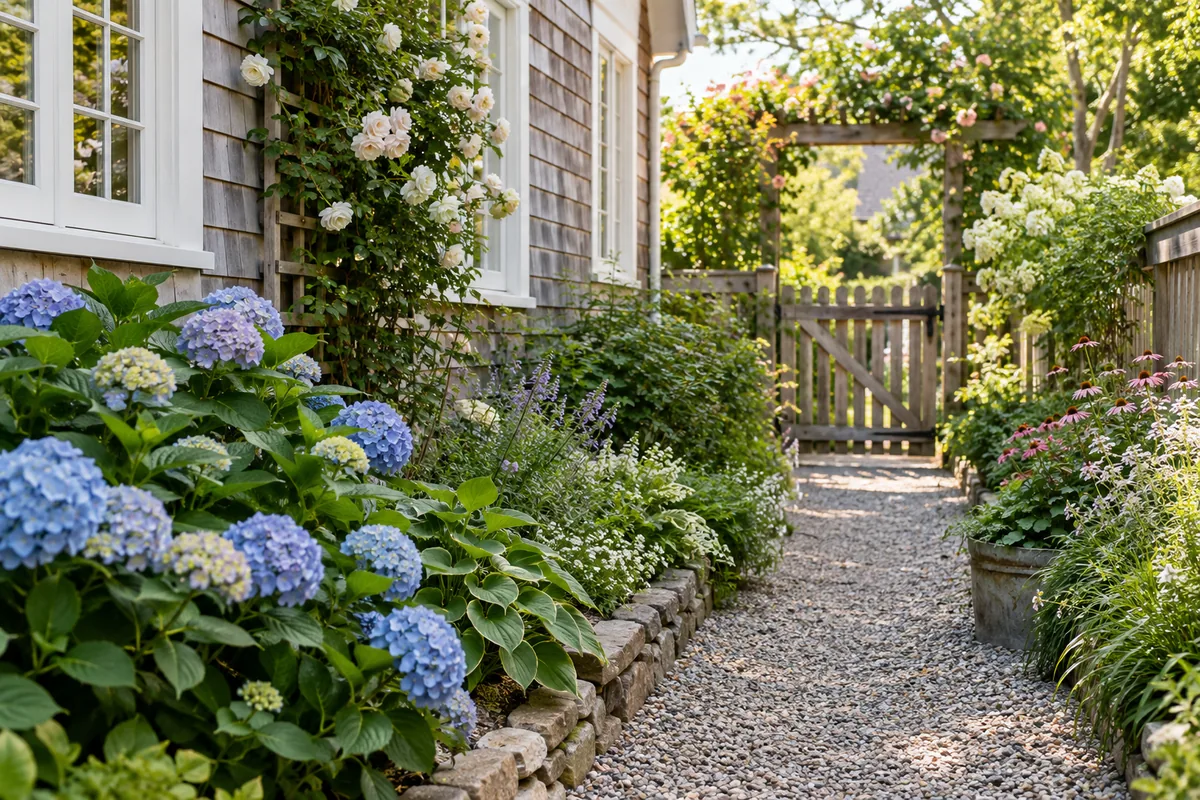
Cottage side yard ideas for flowers beside a working route
Find cottage side yard ideas for connected flowers, appropriate climbers, stable pots, readable gates, and a working route that stays comfortable to use.
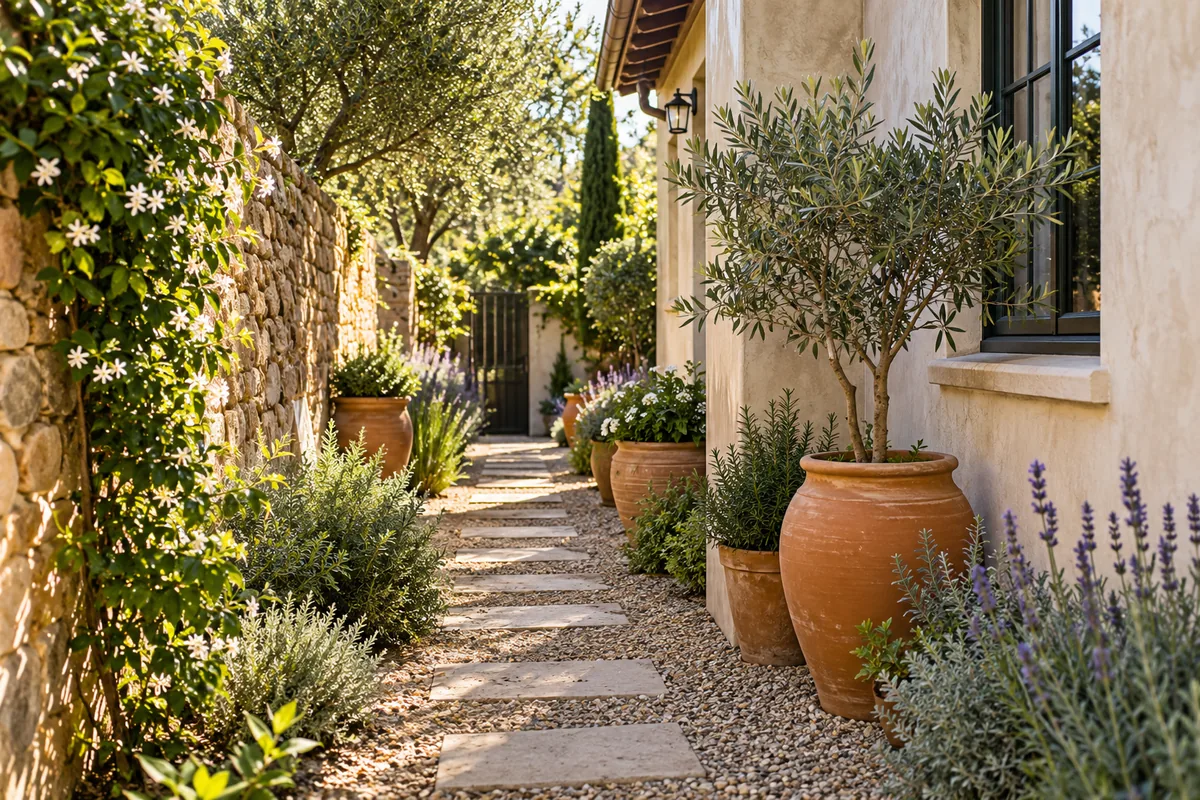
Mediterranean side yard ideas using clay, texture, and light
Find Mediterranean side yard ideas for warm material links, manageable clay pots, locally suitable foliage, clear gates, and practical passage maintenance.
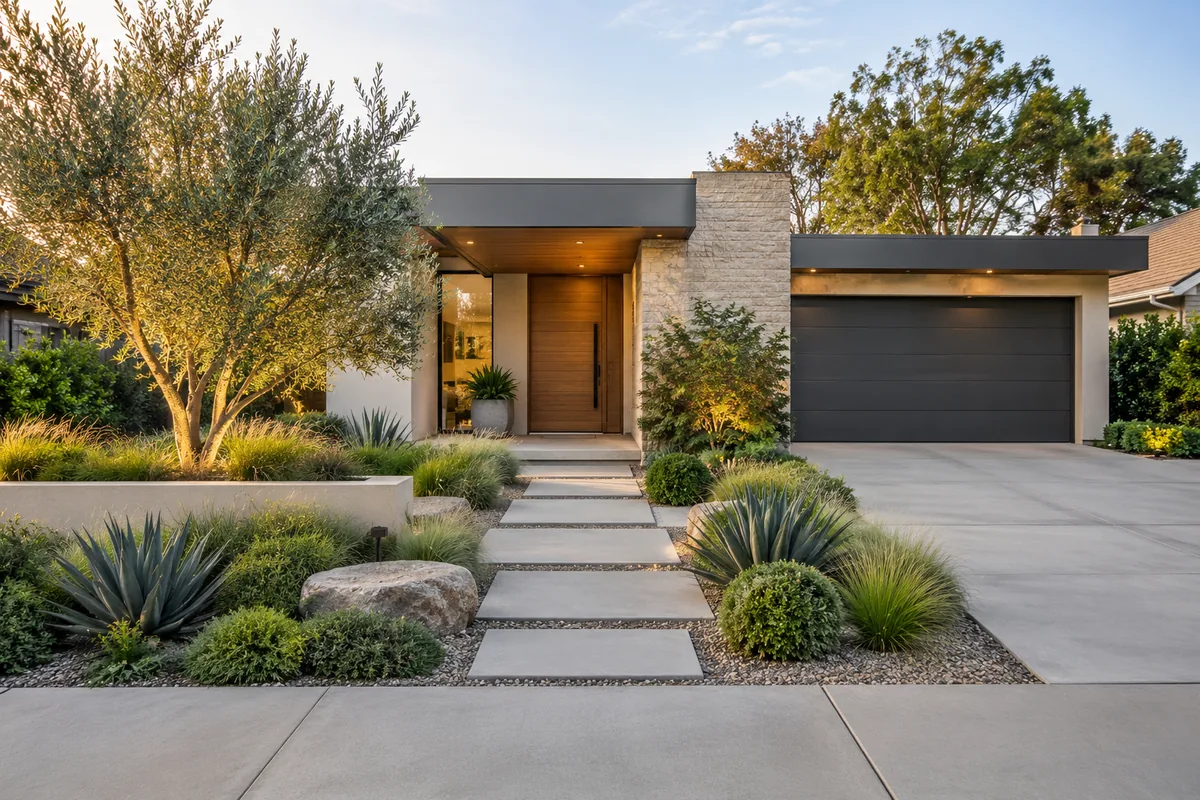
Modern front yard ideas for a clear, composed entrance
Explore modern front yard ideas for clear entrances, repeated planting, restrained materials, readable house numbers, and practical maintenance from the street.