
By AI Landscape Design Team · Editorial policy
Cottage side yard ideas for flowers beside a working route
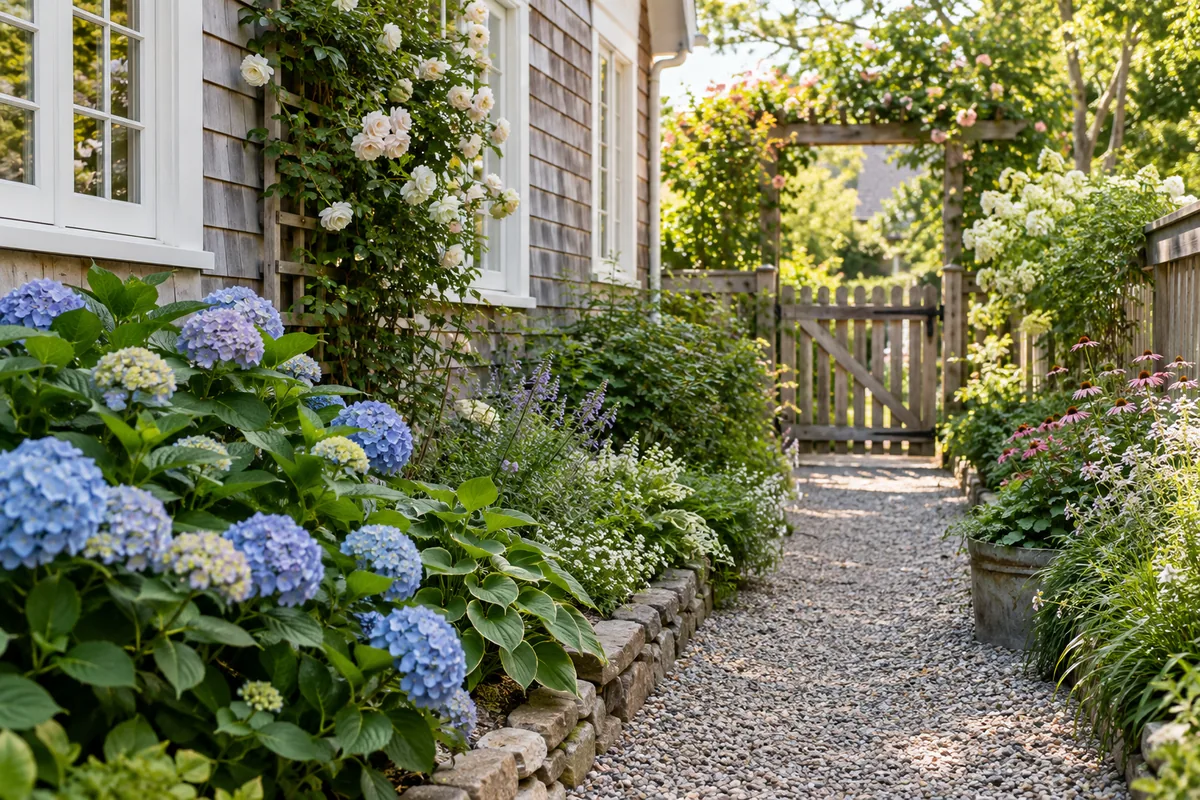
Cottage side yard ideas should place flowers and informal foliage beside a working route rather than across it. A few connected groups, a suitable vertical plant, and a clear gate can borrow cottage character without reproducing a deep border. Check mature growth, service access, and the actual light before deciding how much planting the passage can support.
Published · 6 min read
Key takeaways
- Keep informal growth outside the essential passage.
- Use vertical planting only with suitable support and access.
- Edit volunteers where equipment and gates must remain reachable.
Where can abundance fit without taking over?
Walk the side yard carrying the objects normally moved through it. Open the gate, identify machinery and meters, and locate areas technicians may need. Verify service clearances and access through the appropriate utility and local requirements. Cottage planting can soften those spaces, but it should not hide them behind a continuous wall of flowers.
Record differences in shade along the house and boundary. A plant that works at the sunny end may not suit the middle of the passage. Decide whether there is room for a real stopping place or whether the side yard primarily links other garden areas. Review neighboring windows and rules before changing a fence or adding support. The informal look needs an especially clear working framework in this setting.
Eight cottage ideas scaled to a service passage
- Keep one dependable route through the planting. Let the existing useful surface or an appropriately reviewed replacement explain movement. It suits a side yard where planting currently obscures the way through. Keep growth clear as it matures and leave room for actual equipment trips. A romantic path hidden by sprawling stems is a counterexample, not a practical cottage feature.
- Repeat a locally suitable flower group. Use connected pockets where exposure and mature space permit them. This works when small planting areas need a relationship without being filled with unrelated specimens. Check foliage between flowering periods and access for tending. Repetition should support a coherent view, not force the same plant into both sunny and shaded positions.
- Put a climber on an appropriate support. A verified regional vine can add vertical texture where ground planting is limited. It suits a boundary with real space for inspection and pruning. Review attachment and structural needs locally, and check invasive status. A spreading vine over meters, machinery, or a neighbor's property fails the side yard's practical requirements.
- Use pots only at a widened pause point. A stable container group can mark the entry into the backyard or a genuine stopping place. This fits a passage that has usable room outside circulation. Check door and gate movement, planted weight, and watering access. A line of containers down the center creates extra obstacles even when their flower colors look connected.
- Let a gate provide the structural cue. A simple working gate can anchor informal planting without added decorative objects. It suits an existing boundary that needs a clearer arrival point. Keep the latch visible and verify the full swing. Plants may soften the edge but should not require someone to push through foliage to operate it.
- Allow volunteers selectively at the edge. Identified self-seeding plants can occupy appropriate gaps without treating every seedling as part of the design. It works for someone willing to edit during the growing season. Remove growth from joints, service points, and narrow working areas. Informality should not make routine weed identification or access disappear behind the style label.
- Use a warm material connection. A restrained brick or related detail can tie the passage to cottage areas elsewhere on the property. This fits a house with existing warm masonry. Assess access and surface condition with qualified advice before choosing aged-looking material. An uneven essential route is not improved merely by its rustic appearance.
- Make evening use simple. Place appropriate path lights at necessary openings or level transitions, keeping the planted texture quieter. This suits a side route used after sunset. Licensed professionals must assess electricity and local requirements. Check light through adjacent windows and preserve fixture access so the cottage growth does not become a barrier to repairs.
How should the plant palette respond to the building edges?
Check actual species against USDA hardiness zone, light, soil, water, mature width, and regional invasive advice. Do not transplant a cottage plant list from a sunny open border into building shade. Ask local horticultural sources about suitable roles and support needs. Where pets use the passage, screen planting through ASPCA toxicity information and keep thorns outside contact routes.
The cottage style guide describes managed abundance, and climbing-vine considerations help organize vertical planting questions. Drainage concerns, structural attachment, new grades, foundations, and lighting need licensed local assessment. Contact 811 before digging in the United States and review private service locating separately. A visual proposal cannot determine safe equipment clearance or a workable slope. Resolve those conditions before increasing the planted area.
What maintenance keeps the passage welcoming?
Inspect the planted edge from both ends and remove stems that brush across movement. Keep supports sound, identify seedlings, and clear debris near gates and service covers. Plan watering access that does not require carrying equipment through delicate flowers. The publicly hidden side of a bed still needs tending if the border is to remain healthy and useful.
AILandscape's side yard tool can explore a cottage visual direction using your own photo. Compare planting density and the relationship to the gate, then verify dimensions, species, utility needs, drainage, and construction locally. The output is a visual reference rather than a planting specification. Reject concepts that cover machinery or remove essential access. The satisfying version makes the passage pleasant without turning each ordinary trip through it into a negotiation with the flowers.
Frequently asked questions
Can cottage planting work in building shade?
Use plants verified for the actual exposure and local conditions rather than a general cottage list. The style can come from layered forms and a warm structural cue even where familiar sunny-border flowers are unsuitable. Check seasonal light before purchasing.
Are climbing plants a good way to save ground space?
They may provide a vertical role, but support, mature growth, attachment, and pruning access still need assessment. Keep service equipment and neighboring property clear. Verify regional invasive status and avoid assuming any cottage-associated vine is appropriate for the side yard.
How much self-seeding should be allowed?
Keep identified volunteers only where they improve the border without blocking movement, gates, or service points. Edit others early and record regional behavior. A side passage has practical limits, so informal planting should remain a deliberate choice rather than acceptance of every seedling.
Sources
Related reading
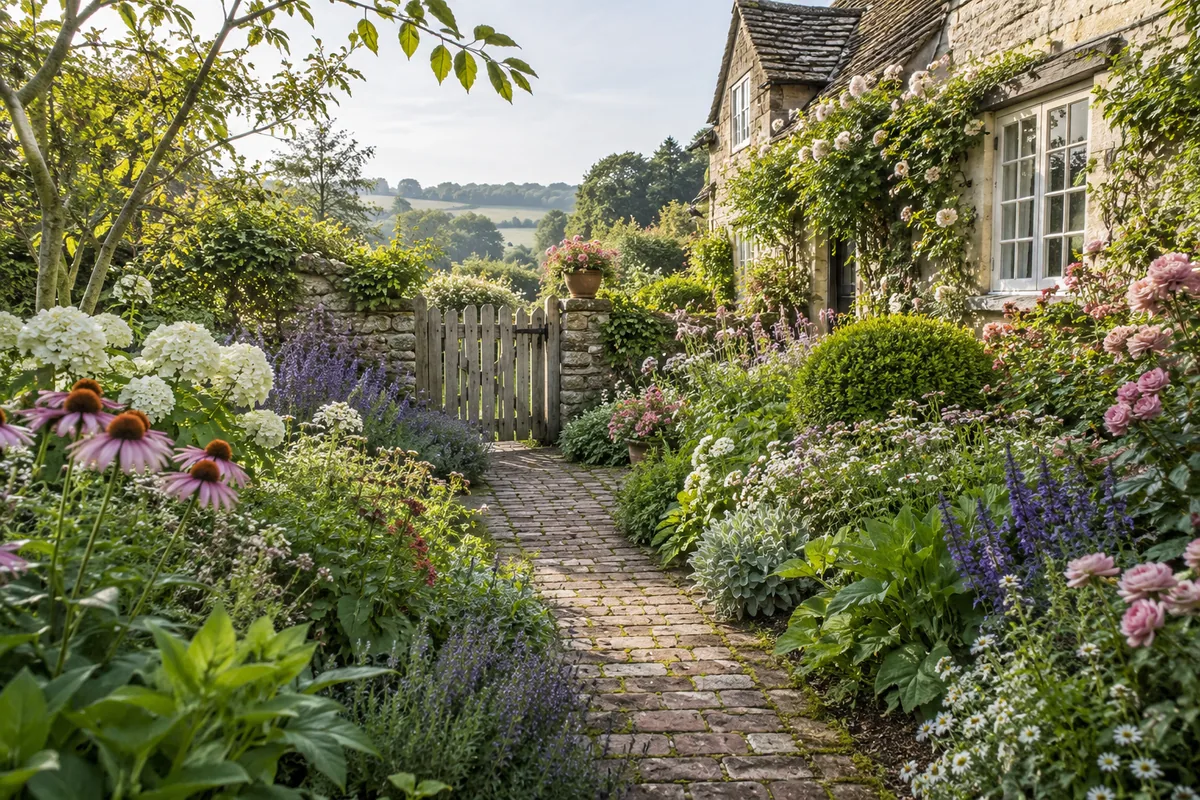
Cottage garden style: flowers with a working framework
Explore cottage garden style through layered flowers, selective self-seeding, clear paths, seasonal care, and the framework that makes informal planting usable.
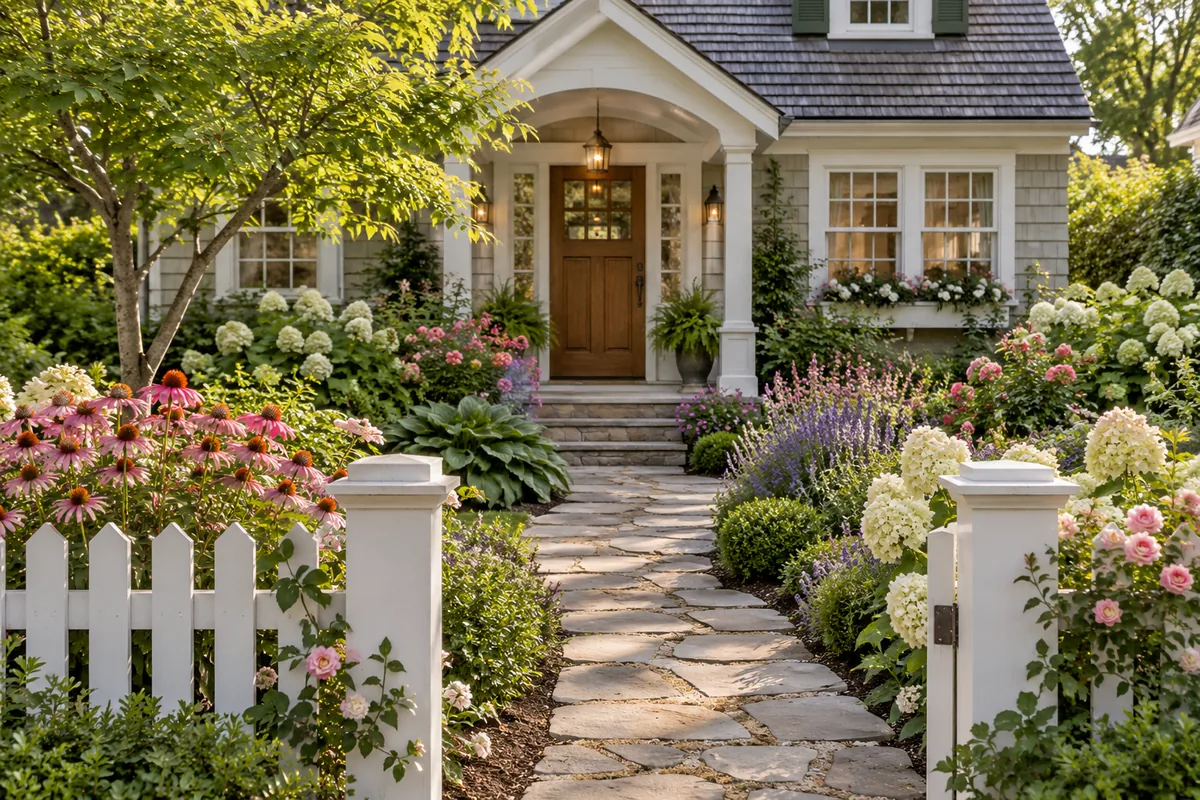
Cottage front yard ideas that welcome visitors through flowers
Find cottage front yard ideas for layered borders, useful gates, brick details, seasonal flower groups, and a welcoming entrance that stays easy to reach.
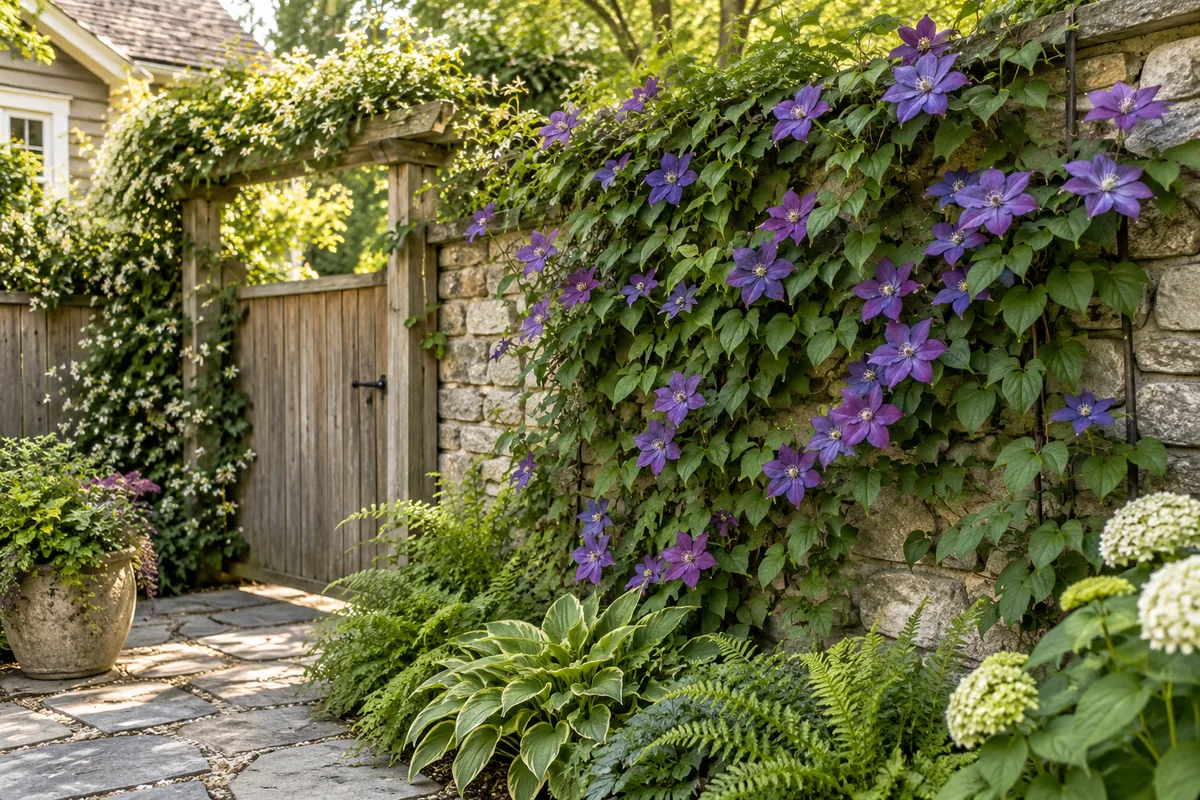
Climbing Vines for Fences and Walls with Suitable Supports
Climbing Vines: Support, Walls, and Local Fit: explore placement, upkeep, and local safety questions before deciding how this feature fits your yard.
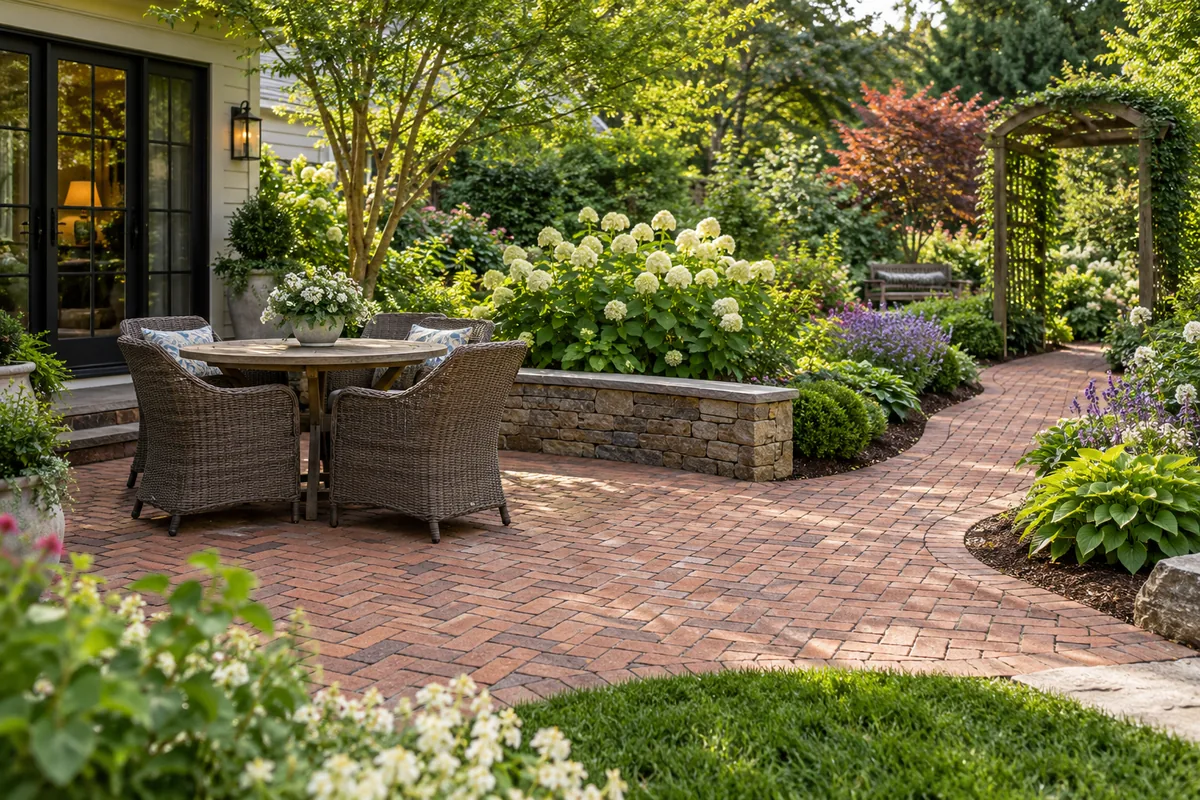
Brick Pavers for Useful Patios and Garden Paths
Brick Pavers for Patios and Paths: explore materials, placement, upkeep, and local safety questions before deciding how this feature fits your yard.
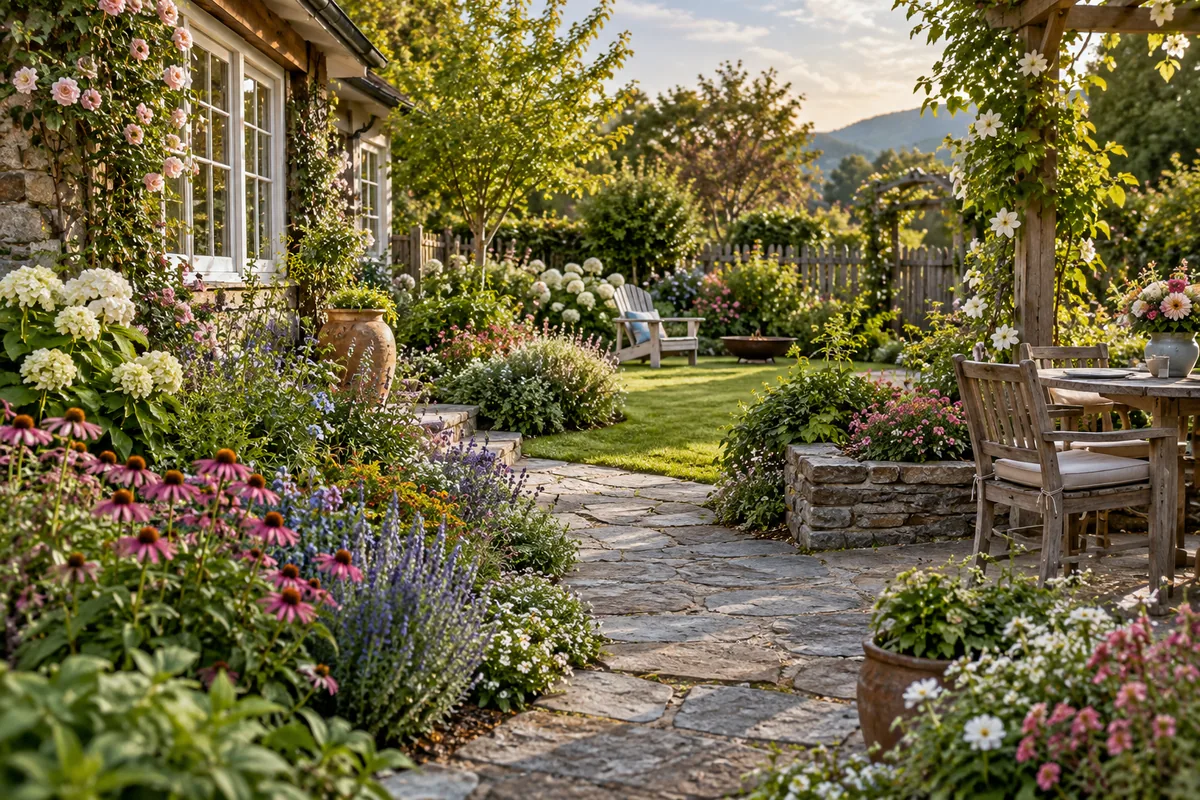
Cottage backyard ideas for flowers, seats, and seasonal life
Explore cottage backyard ideas for layered flowers, comfortable seats, connected borders, productive corners, and practical access through seasonal planting.
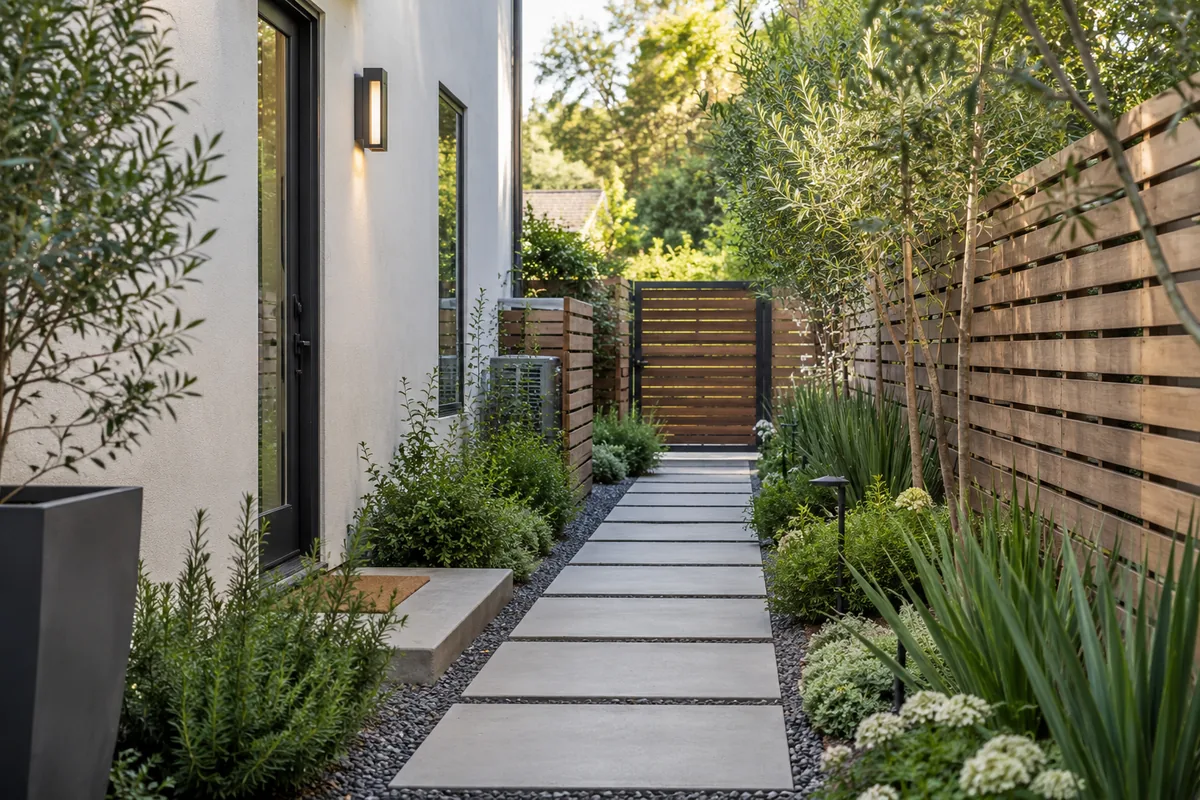
Modern side yard ideas that make service space deliberate
Explore modern side yard ideas for coherent surfaces, reachable equipment, restrained planting, practical storage, and a clear passage between garden spaces.