
By AI Landscape Design Team · Editorial policy
Tropical backyard ideas for leafy rooms and everyday use
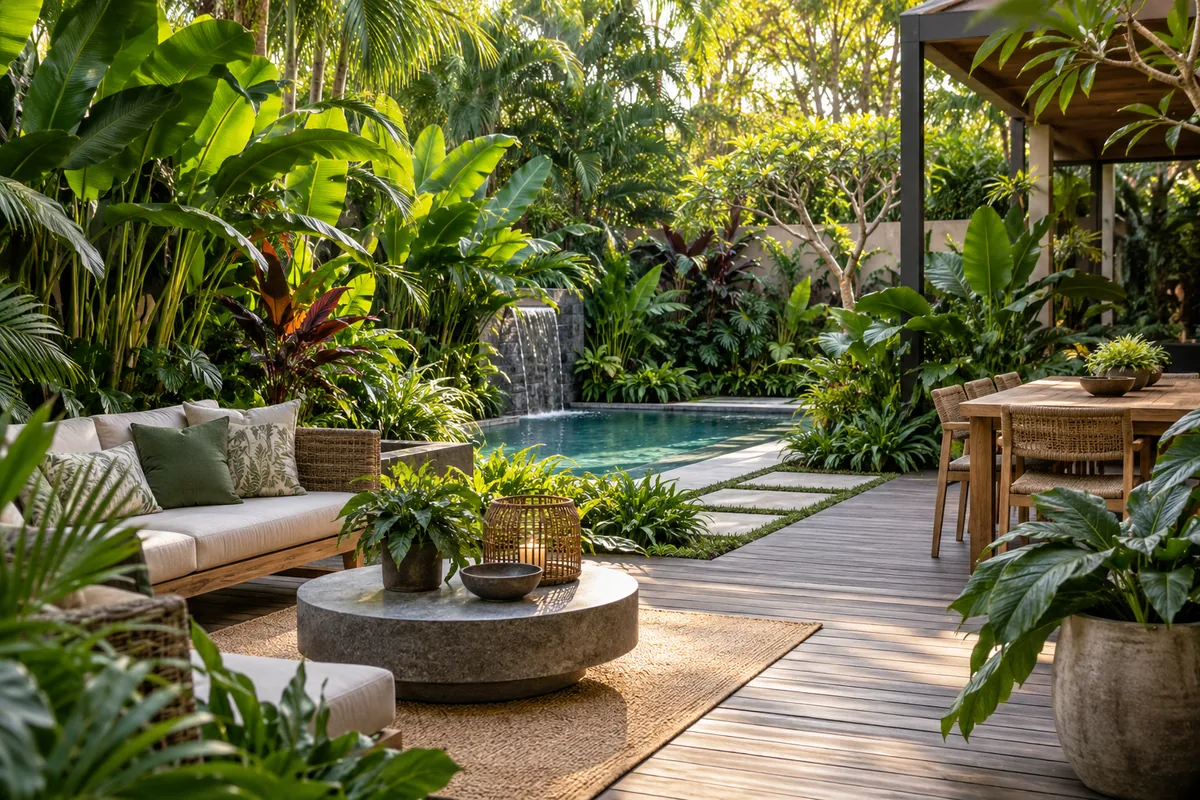
Tropical backyard ideas should use bold leaves and layered greenery to frame usable places for sitting, meals, and activity. The planting can create visual enclosure without occupying every route. Check mature scale, local conditions, and seasonal care before selecting plants; a lush-looking room only works when its furniture, service access, and watering needs remain manageable.
Published · 6 min read
Key takeaways
- Use foliage layers to frame usable outdoor rooms.
- Keep working access behind and beside dense planting.
- Plan the off-season view and care of containers.
How much enclosure will make the room comfortable?
From the main house window, compare the existing open ground with places where planting could provide a useful frame. Then sit outdoors and assess the same areas at eye level. A foliage mass that gives an attractive indoor view may feel cramped beside a chair if mature leaves have no room. Establish circulation and the outdoor room before deciding how dense the layers should become.
Observe sun, wind, and existing shelter. Different parts of a backyard can support different plant roles, and tropical appearance should not override actual conditions. Keep utility equipment and storage accessible. If children or pets use the space, include their activity early rather than trying to fit it behind the planting later. Permanent foliage and seasonal containers need a coordinated winter view.
Eight ways to use bold foliage without losing the garden
- Frame one side of the lounge area. Put a broad-leaved visual role where it can be seen comfortably from the seat. It suits a backyard with room outside the furniture footprint. Check mature growth locally and leave space to inspect the plant. Dense leaves on every side can turn a welcoming room into an inaccessible corner.
- Layer the background behind a useful view. Position taller locally appropriate forms behind quieter mid-height planting where the bed has real depth. This fits a house window overlooking a plain boundary. Keep a way to reach the interior for care. A layered image does not show whether pruning, irrigation inspection, and debris removal are actually possible.
- Keep dining outside the leaf spread. Let the planted edge soften a table area without covering the chair movement or route to the kitchen. It works for frequent outdoor meals. Judge mature leaves and fallen material, not only the initial plant size. A large foliage plant beside food service needs practical separation and a care routine appropriate to its actual behavior.
- Connect rooms with a quiet surface. A suitable decking or paver finish can let leaf textures carry the visual emphasis. This fits a yard in which several small patterned surfaces currently compete. Ask qualified installers about grip, repair, drainage, and structural requirements. The tropical reference does not dictate a particular timber or prove that a deck can support heavy planted containers.
- Group movable seasonal containers. Use a manageable pot group where local winter conditions limit permanent bold foliage. It suits owners willing to plan handling and storage. Confirm the planted weight, winter destination, and watering routine before purchase. A pot that appears movable in a concept may become a permanent fixture once filled, which changes the commitment considerably.
- Retain a real activity opening. Reserve suitable clear ground for play, pets, or flexible family use when that is part of daily life. This works beside a foliage-framed sitting room. Keep unstable pots and sharp growth outside the activity zone. The garden can feel planted and sheltered without reducing every open patch to another bed.
- Repeat a leaf contrast instead of many specimens. Connect a fine-textured role with a broader form in selected places. It suits a border that risks becoming a collection of unrelated tropical-looking plants. Check compatible care needs and mature behavior. Visual contrast is useful, but similar placement does not establish that the plants require the same soil or water.
- Light useful routes and selected forms. Make movement back to the house readable before adding dramatic leaf shadows. This fits a backyard used in the evening. Licensed professionals must assess wiring, installation, and applicable requirements. Inspect seated glare and service access as planting grows; a fixture hidden inside a dense mass can be difficult to repair safely.
Which regional and household checks shape the palette?
Develop a locally checked shortlist for the intended roles. Review USDA hardiness zone, actual exposure, water, soil, wind, mature size, and invasive guidance. Do not identify a depicted species from leaf shape alone. Permanent and seasonal candidates can achieve different versions of the effect. Check ASPCA toxicity information for plants pets can reach and separately evaluate sharp growth and loose objects around children.
The tropical style guide discusses cold-region adaptation, and wood decking guidance helps frame material review. Containers, shade structures, grade changes, drainage, and electrical work need appropriate licensed local assessment. Use 811 before US excavation and arrange private service locating where relevant. A lush image cannot establish plant suitability, structural loads, or safe water movement. Keep practical questions on a separate checklist as the visual composition develops.
How do you manage the seasonal work behind the leaves?
Make watering equipment reachable and inspect the interior of the border regularly. Fallen large leaves can accumulate behind containers, while dense growth may hide damaged plants or service fittings. Establish who will care for pots during travel and decide how winter changes will be handled before adding another seasonal specimen. Reassess any plant that repeatedly overwhelms its assigned room.
AILandscape's backyard tool can compare tropical-looking visual concepts from your photo. Discuss enclosure, foliage scale, and connections between rooms using the image, then confirm measurements, plants, drainage, and construction locally. The result is an appearance proposal, not evidence that the planting will perform on the property. Reject inaccessible layers or unintended changes to the house. The most useful tropical effect leaves the household enough room to sit, move, and care for the garden behind its greenery.
Frequently asked questions
Can a tropical-looking backyard include space for children?
Reserve a suitable open activity area and keep dense planting around rather than across its routes. Review plant toxicity, sharp growth, loose objects, and unstable containers separately. Bold foliage can frame a family garden without occupying every piece of useful ground.
Do seasonal containers need the same care as planted beds?
Container conditions differ from the ground, and their watering, drainage, winter handling, and weight need separate review. Check actual plants and materials with local advice. Grouping containers for appearance does not mean they can all follow the same care schedule.
How can the winter backyard still look intentional?
Use locally suitable permanent forms and a readable room outline that remain when seasonal foliage is removed. Plan where pots and supports will go during the cold period. Compare the winter view before buying more summer plants rather than leaving the off-season arrangement unresolved.
Sources
Related reading
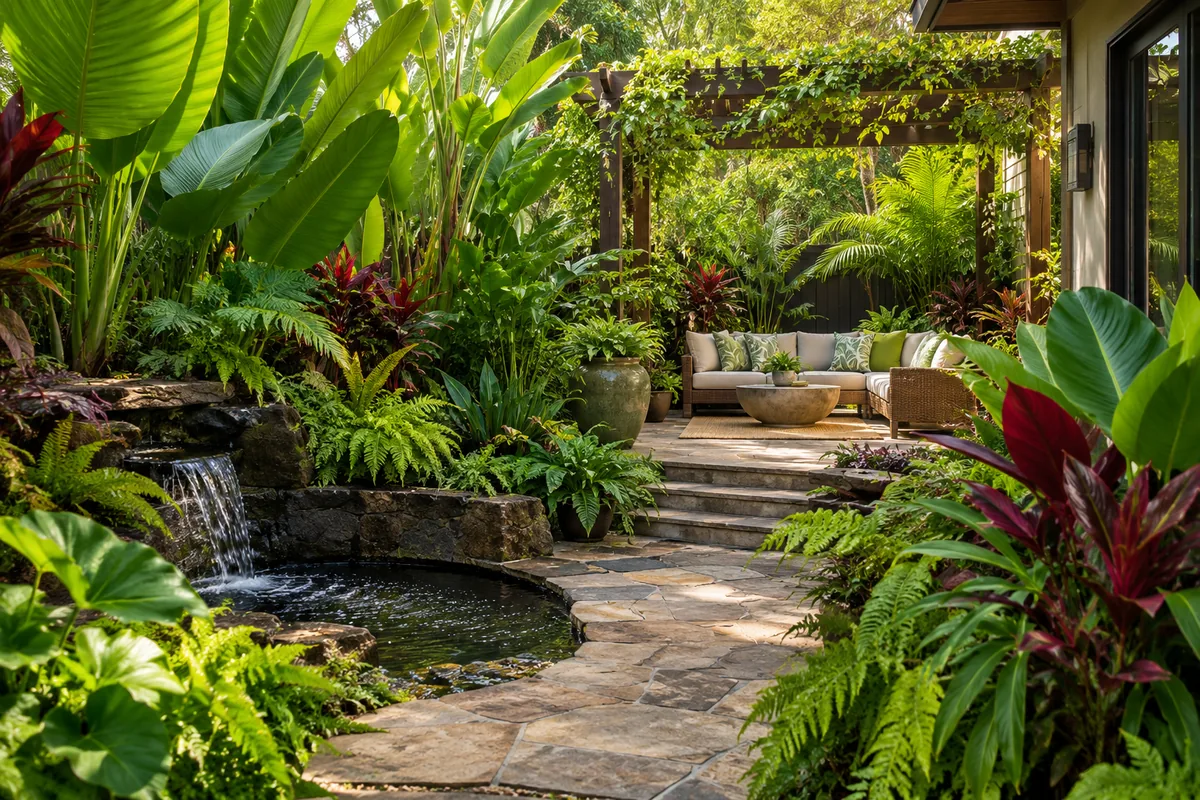
Tropical landscape style: foliage, layers, and shelter
Explore tropical landscape style using large leaves, layered greenery, sheltered seating, and container strategies adapted to local weather and care routines.
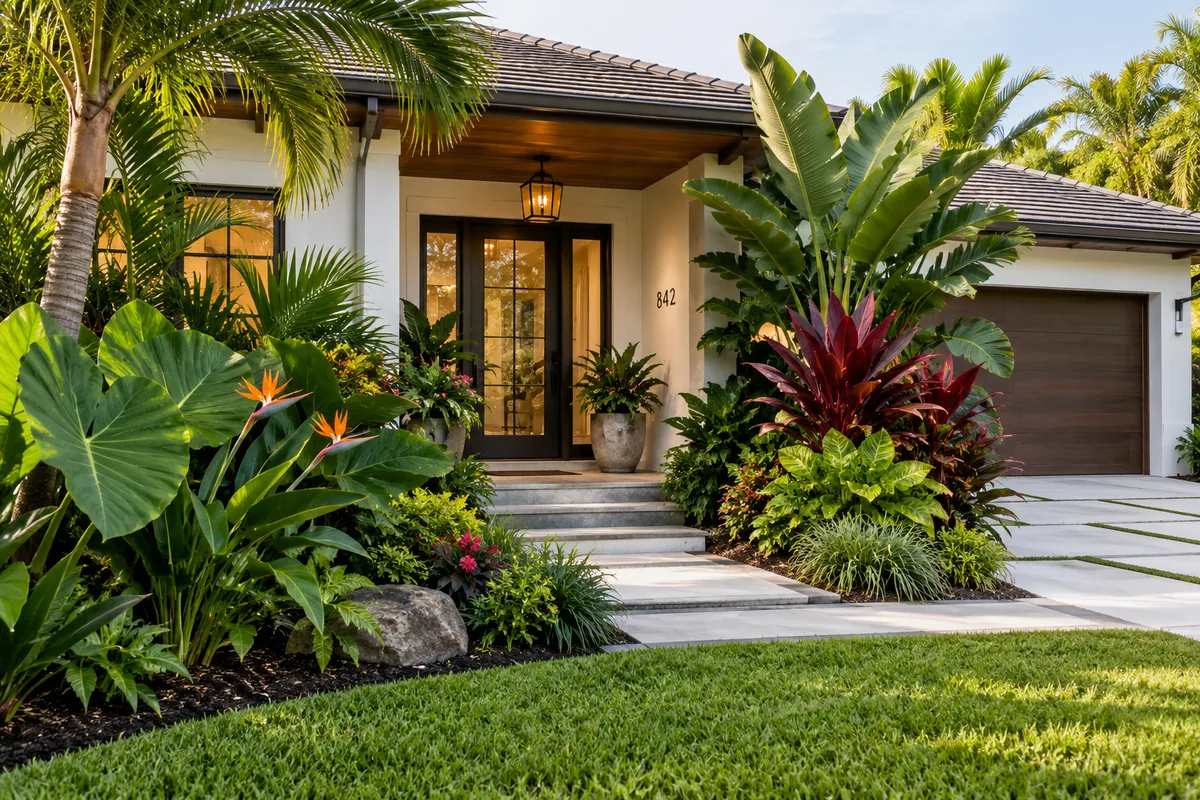
Tropical front yard ideas for bold foliage and open sightlines
Explore tropical front yard ideas with bold foliage, layered borders, sheltered containers, visible entrances, and locally verified mature plant growth.
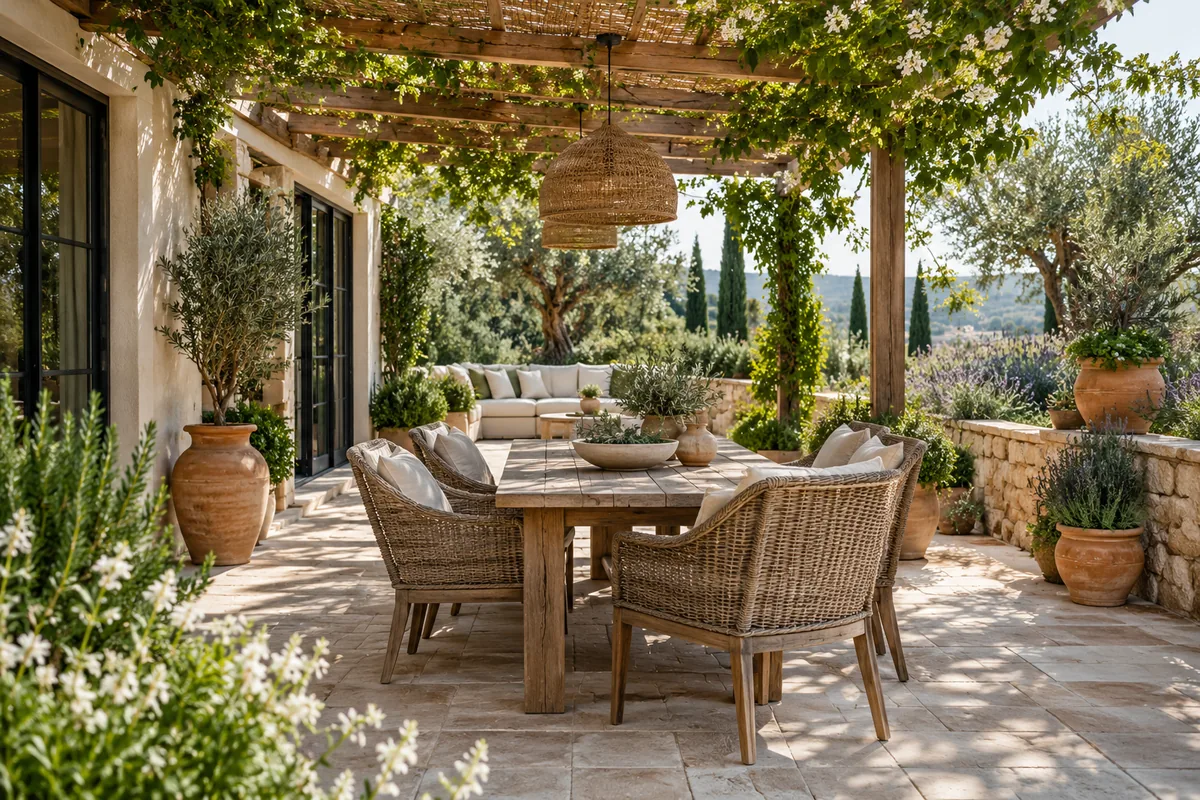
Mediterranean backyard ideas for shaded outdoor living
Find Mediterranean backyard ideas for shaded meals, clay containers, mineral surfaces, textured planting, and comfortable garden rooms adapted to local weather.
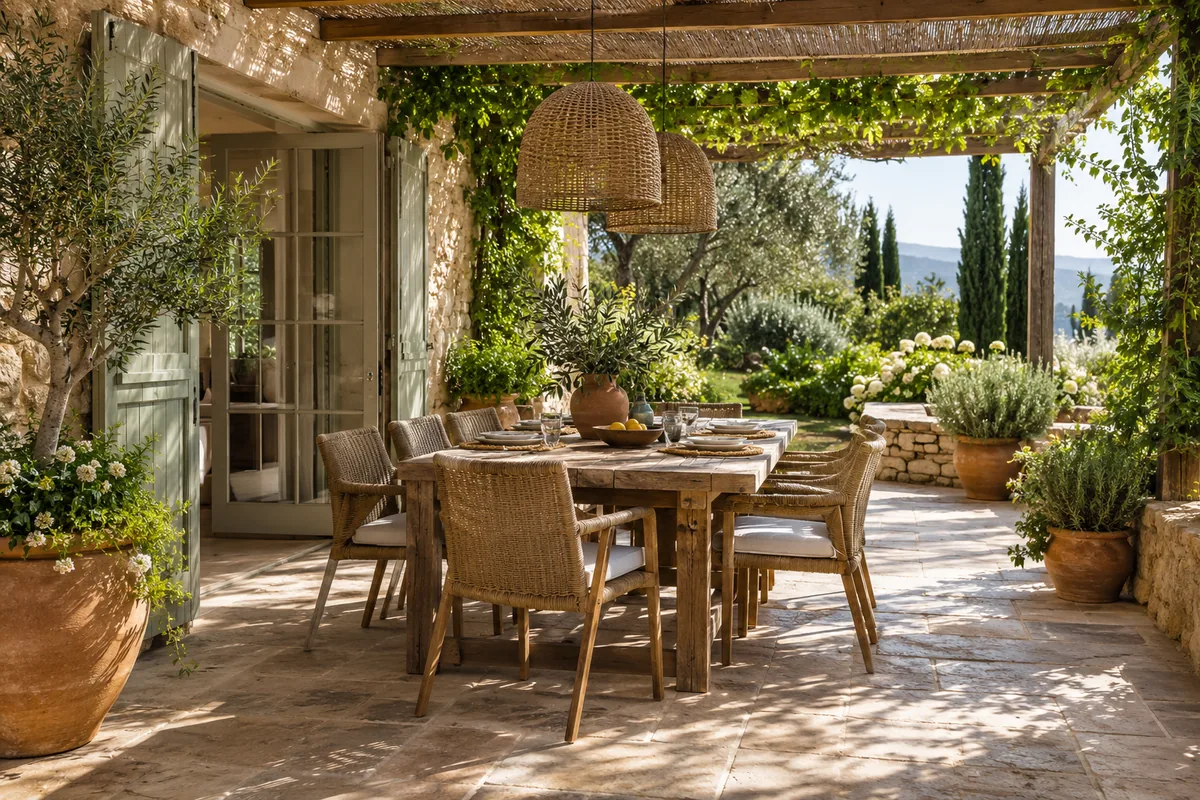
Mediterranean patio ideas for shaded meals and warm materials
Find Mediterranean patio ideas for clay pots, quiet stone colors, useful shade, comfortable dining, and locally suitable container planting around the room.
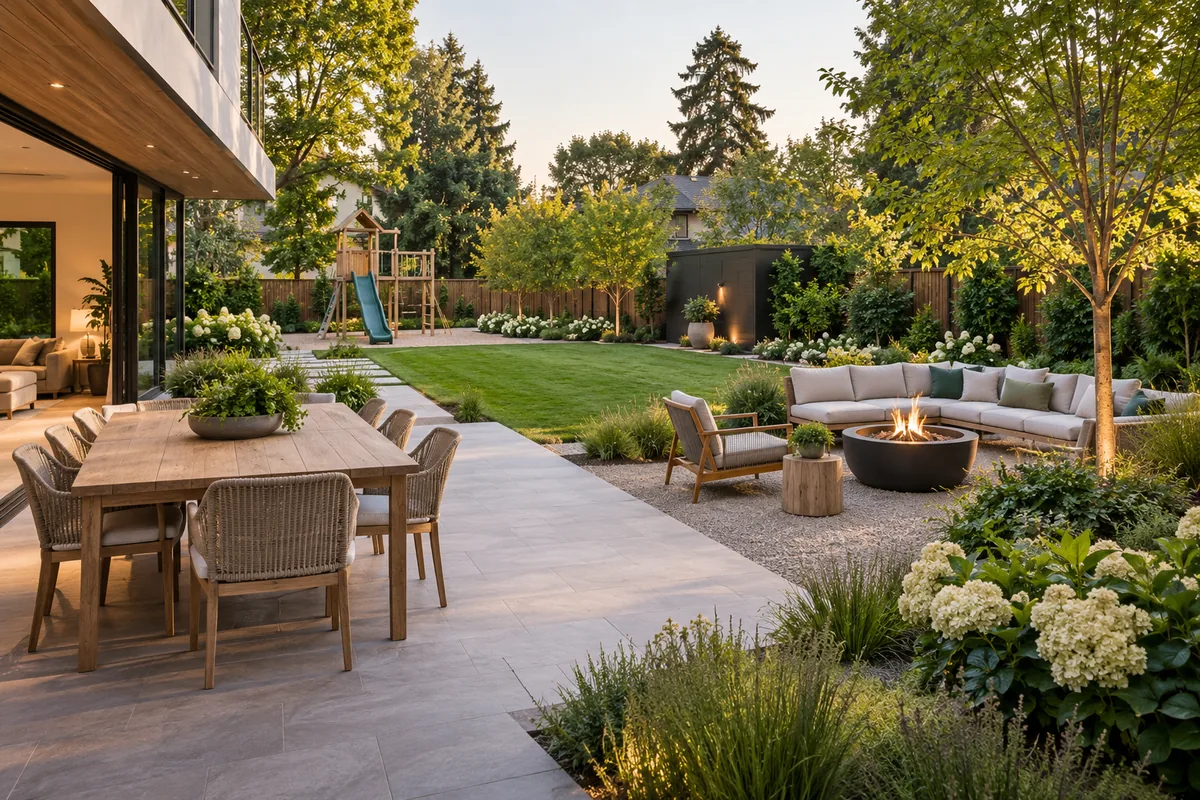
Modern backyard ideas organized around the way you live
Explore modern backyard ideas for activity zones, clean material connections, repeated planting, usable furniture layouts, and careful evening lighting.
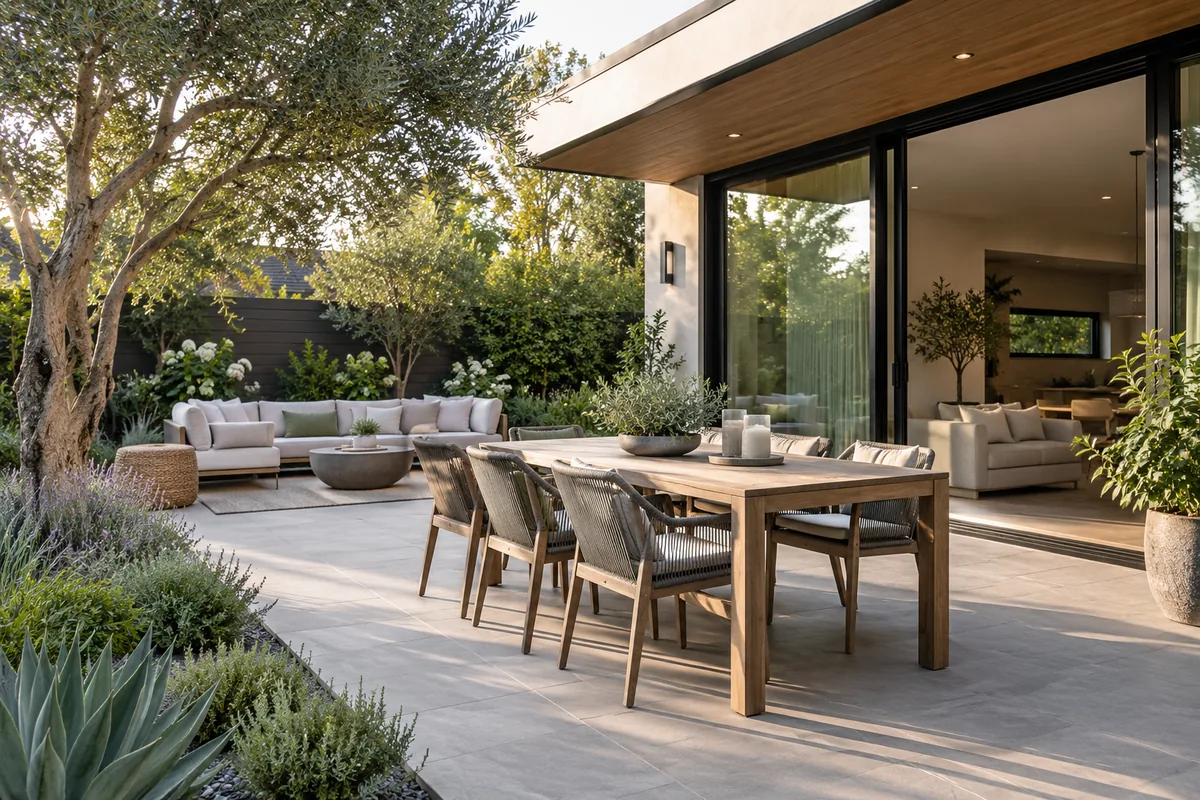
Modern patio ideas for clear furniture layouts and calm materials
Explore modern patio ideas for restrained surfaces, usable furniture, clear door connections, suitable containers, and deliberate shade and evening light.