
By AI Landscape Design Team · Editorial policy
Farmhouse side yard ideas that give working space a purpose
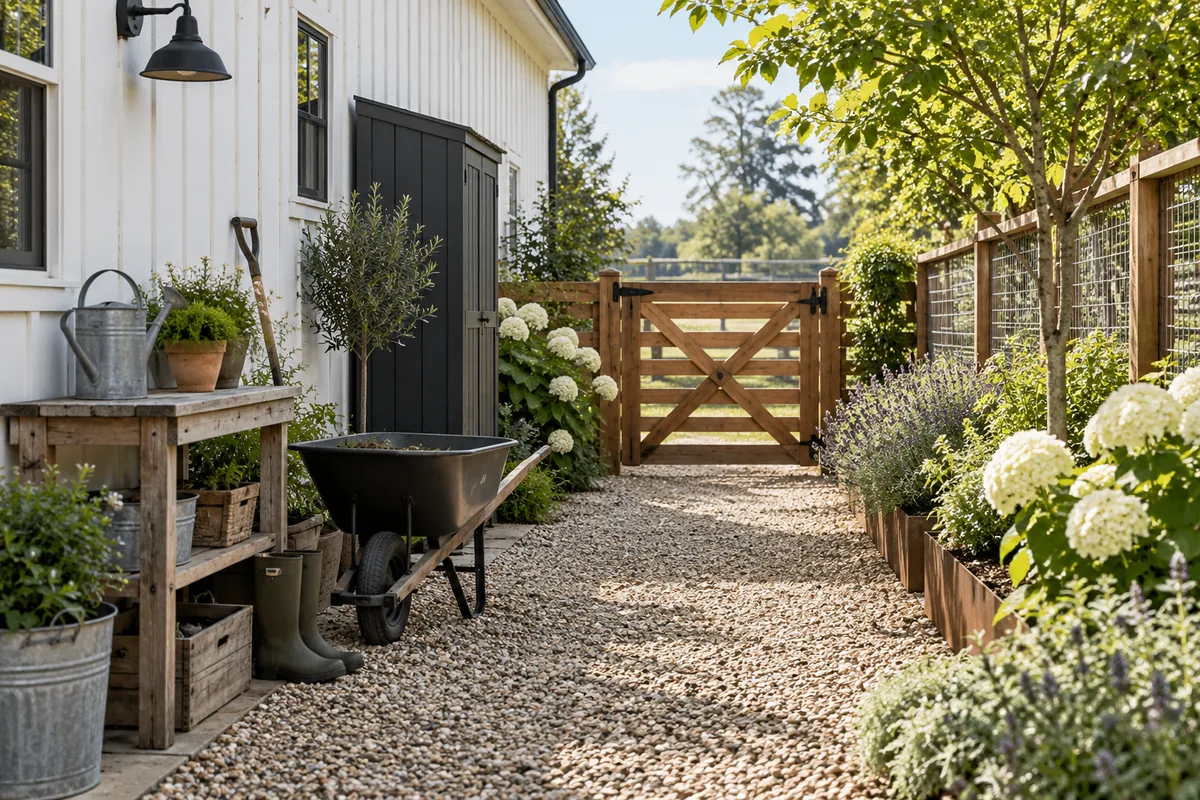
Farmhouse side yard ideas should make ordinary garden work straightforward: moving equipment, reaching storage, watering, and passing through a functioning gate. Simple materials and suitable planted edges can relate that service space to the house. Add productive or decorative features only where they fit real use, rather than disguising practical access with rustic-looking objects.
Published · 6 min read
Key takeaways
- Organize tools and storage around actual use.
- Keep gates and service points functioning as plants grow.
- Let simple materials connect the passage to other garden rooms.
Which working tasks should decide the arrangement?
Move the normal bins, tools, and equipment through the side yard and note where they snag or have no place to go. Open storage and gates fully. Utility, manufacturer, and local requirements determine equipment access, so record those constraints before proposing screens or beds. The useful side of farmhouse style is especially appropriate here when it makes work easier.
Check the route from the house to the productive garden and identify any real pause point. A service passage may not need a decorative destination. Neighboring windows and boundary rules can affect finishes or storage positions, while water and grade concerns need qualified assessment. Keep the house's existing materials in mind before adding a new rustic palette. A straightforward connection can feel intentional without pretending the property contains a larger agricultural setting.
Eight ideas for a practical farmhouse connection
- Give tools a reachable home. Position appropriate storage where it opens without blocking the passage or service points. It suits an owner who regularly works in the rear garden. Check weather protection, rules, and actual equipment sizes. A charming-looking cabinet that cannot open fully is a counterexample, not a useful farmhouse detail.
- Make bin movement easy to understand. Reserve a dependable route and a practical holding position where local requirements allow it. This fits a side yard used weekly for household service. Test the route with the actual bins, including gate turns. Decorative pots along the center may look connected in a photograph but can interfere with the task the passage must perform.
- Relate the gate to a working boundary. A plain gate or compatible fence detail can organize movement without unnecessary ornaments. It works where containment or access control has a real role. Check latch reachability, swing, and local rules. Keep plants outside the opening as they mature rather than accepting repeated trimming as the only solution.
- Use a warm surface relationship. Appropriate brick, stone, or restrained gravel details can connect the passage to the house and backyard. This suits a property with sound existing warm masonry. Have access, levels, grip, and drainage assessed before replacing surfaces. An aged appearance does not justify an unstable essential route or unsuitable loose material for regular equipment movement.
- Put a productive detail where it can be tended. A verified growing container or modest planted patch may belong at a genuine opening with suitable light. It fits an owner who will visit and care for it. Confirm soil, water, harvest access, and local conditions. A bed squeezed across the service route solely to suggest farmhouse productivity is an approach that fails.
- Repeat a quiet planted edge. A suitable shrub or perennial role can connect the working area visually to the broader garden. This works where mature space exists outside circulation. Check building shade and regional suitability rather than forcing the same plant along the whole passage. Leave inspection gaps near walls and equipment so care remains possible.
- Place watering supplies for ordinary use. Keep the hose or other equipment accessible from the growing area without dragging it through decorative planting. It suits a passage that connects tools and productive beds. Respect service clearances and avoid makeshift storage that remains wet or obstructive. A functional care point provides more character than an unused rural prop beside the gate.
- Support evening movement with practical light. Identify where a person needs to see a latch, door, or level transition. This fits households that use the side connection after dusk. Licensed professionals should review wiring and local requirements. Inspect glare toward nearby windows and keep fixtures reachable; a simple fitting still needs a safe installation and workable repair access.
What checks apply to useful planting and materials?
Select actual plant roles through regional advice on USDA hardiness zone, sunlight, soil, moisture, mature form, and invasive information. Side-building exposure may not suit productive plants that work elsewhere in the backyard. Pet-reachable beds need separate ASPCA toxicity review, and thorny or rigid growth should remain away from contact routes. Farmhouse association does not establish a suitable national plant list.
The farmhouse style guide gives the practical emphasis, and storage guidance helps identify layout questions. Licensed local professionals must assess foundations, structural work, grades, drainage, gas, and electricity. Contact 811 before digging in the United States and address private utility locating as required. Do not infer safe clearances or construction details from a rustic-looking concept. The side space needs the same site-specific review as any other part of the garden.
How does a service area avoid becoming permanent clutter?
Keep a defined place for ordinary objects and review whether storage actually encourages their return. Repair a latch, clear a surface, and remove unused containers before adding decorative details. Maintain plant access and inspect the passage during wet weather. A useful route and sound components make the working area convincing without requiring artificial distress or a collection of farm-themed accessories.
AILandscape's side yard tool can explore farmhouse visual concepts using your photo. Compare the position of storage, gate, and planted edges, then confirm measurements, species, utility access, water movement, and construction locally. It is a visual reference, not evidence that a cabinet fits or a productive bed will perform. Revise concepts that hide service equipment or remove the working route. The practical character succeeds when the side garden helps household tasks happen smoothly.
Frequently asked questions
Can a farmhouse side yard focus mainly on storage?
Storage can be the central role when it supports real garden routines. Keep it reachable and relate its materials to the house and route. Planting is optional where service requirements or mature space leave insufficient room for a useful planted edge.
Should every side yard include productive planting?
Only where light, soil, water, local rules, and actual care support it. A working connection can express farmhouse character without an edible bed. Do not interrupt gate movement or utility access just to add a productive-looking feature.
Are rustic containers suitable as permanent storage?
Assess weather protection, stability, access, and the objects being stored rather than relying on appearance. A decorative crate or pot may be unsuitable for the practical task. Choose sound equipment that can be repaired and used comfortably through ordinary conditions.
Sources
Related reading
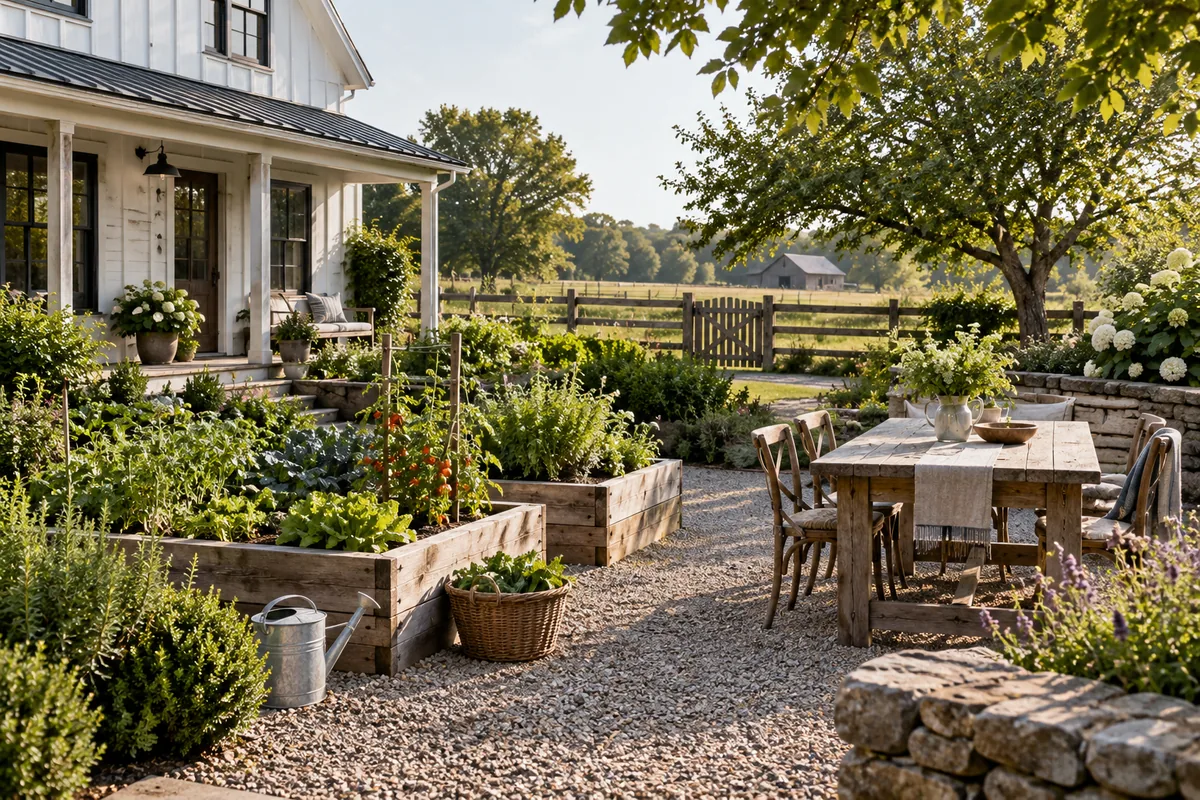
Farmhouse landscape style: useful spaces and honest materials
Discover farmhouse landscape style through practical fences, productive beds, wood and stone, and useful outdoor spaces that support everyday garden routines.
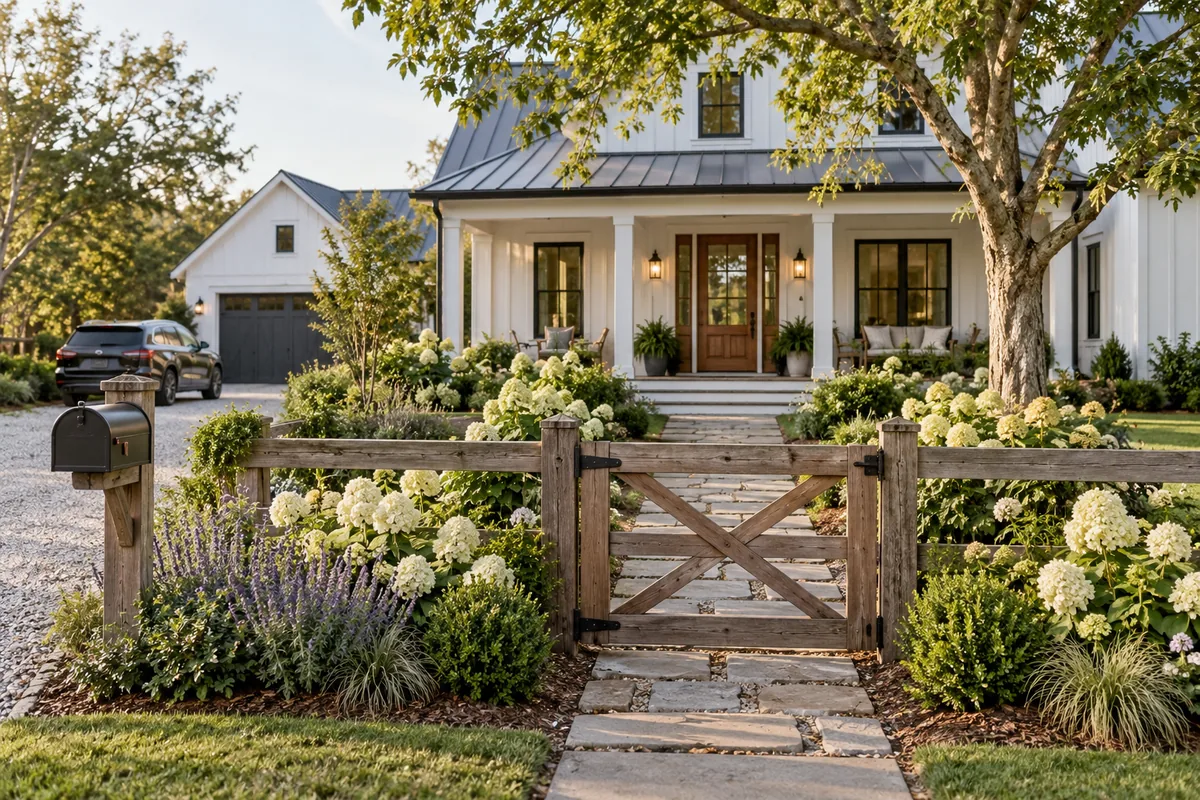
Farmhouse front yard ideas with a useful, welcoming framework
Discover farmhouse front yard ideas for working gates, sturdy boundaries, warm materials, practical planting, and an entrance that supports everyday arrivals.
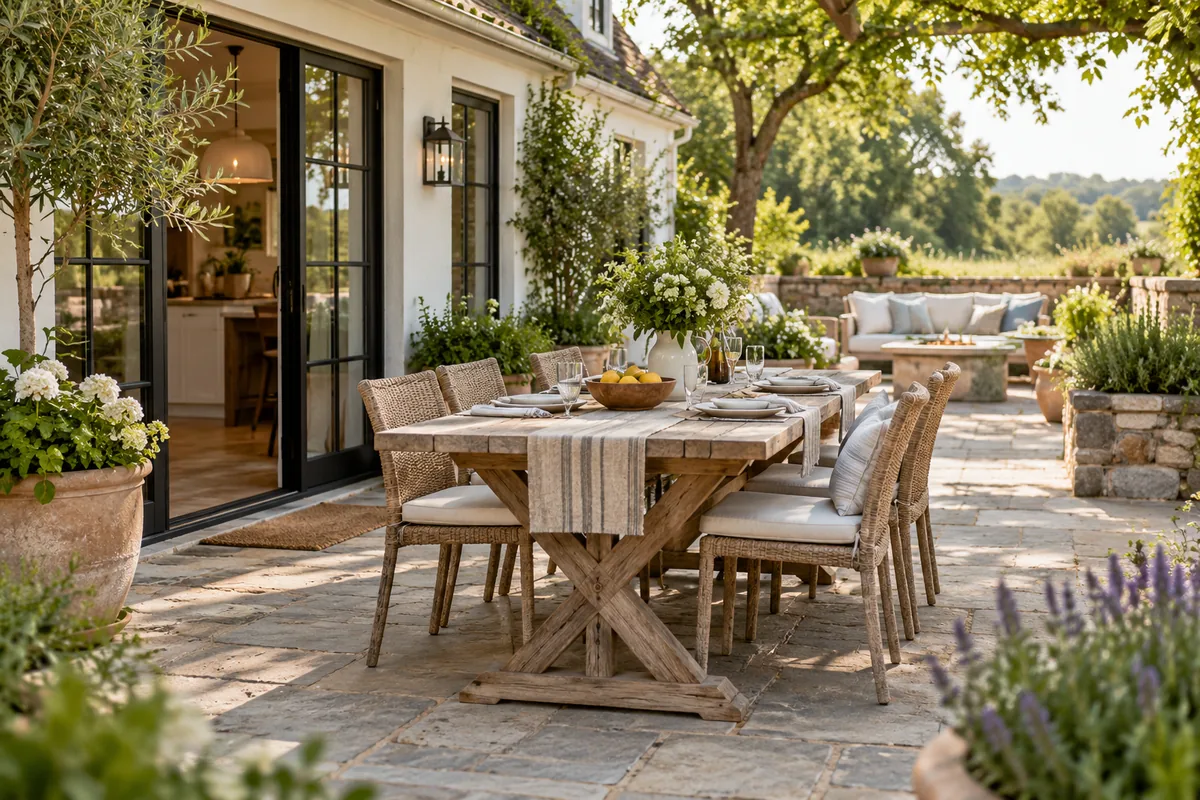
Farmhouse patio ideas for meals, useful pots, and simple materials
Discover farmhouse patio ideas for practical dining, sturdy furniture, warm surfaces, productive containers, and convenient storage without decorative clutter.
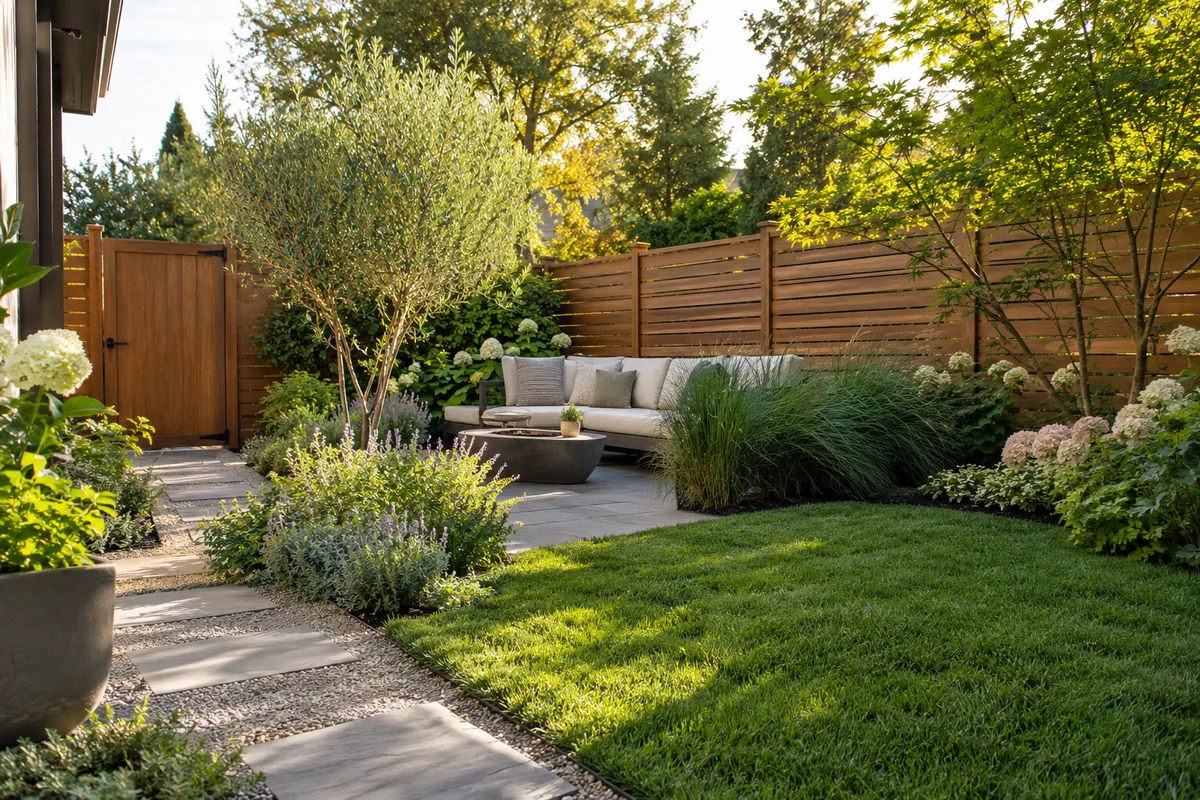
Garden Fence Ideas for Privacy and Practical Use
Learn how garden fence ideas fit your yard, with practical material, placement, upkeep, and safety questions to review before choosing a visual direction.
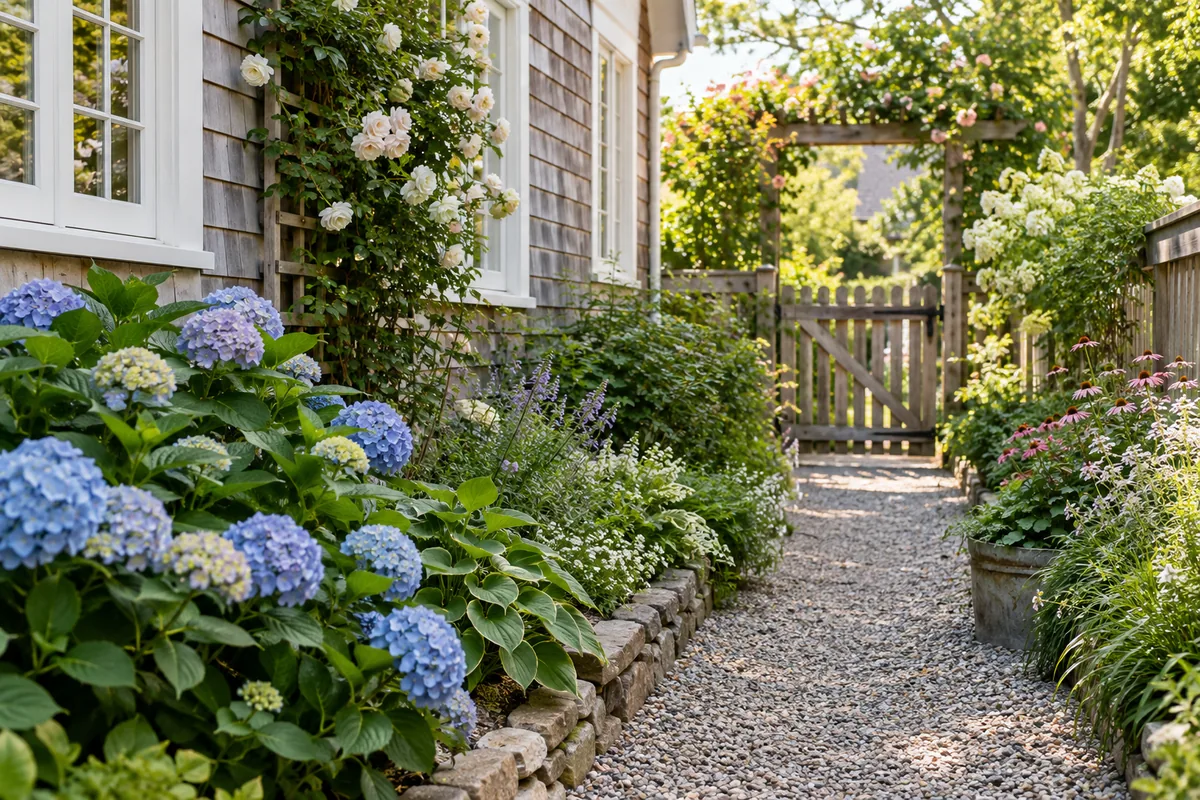
Cottage side yard ideas for flowers beside a working route
Find cottage side yard ideas for connected flowers, appropriate climbers, stable pots, readable gates, and a working route that stays comfortable to use.
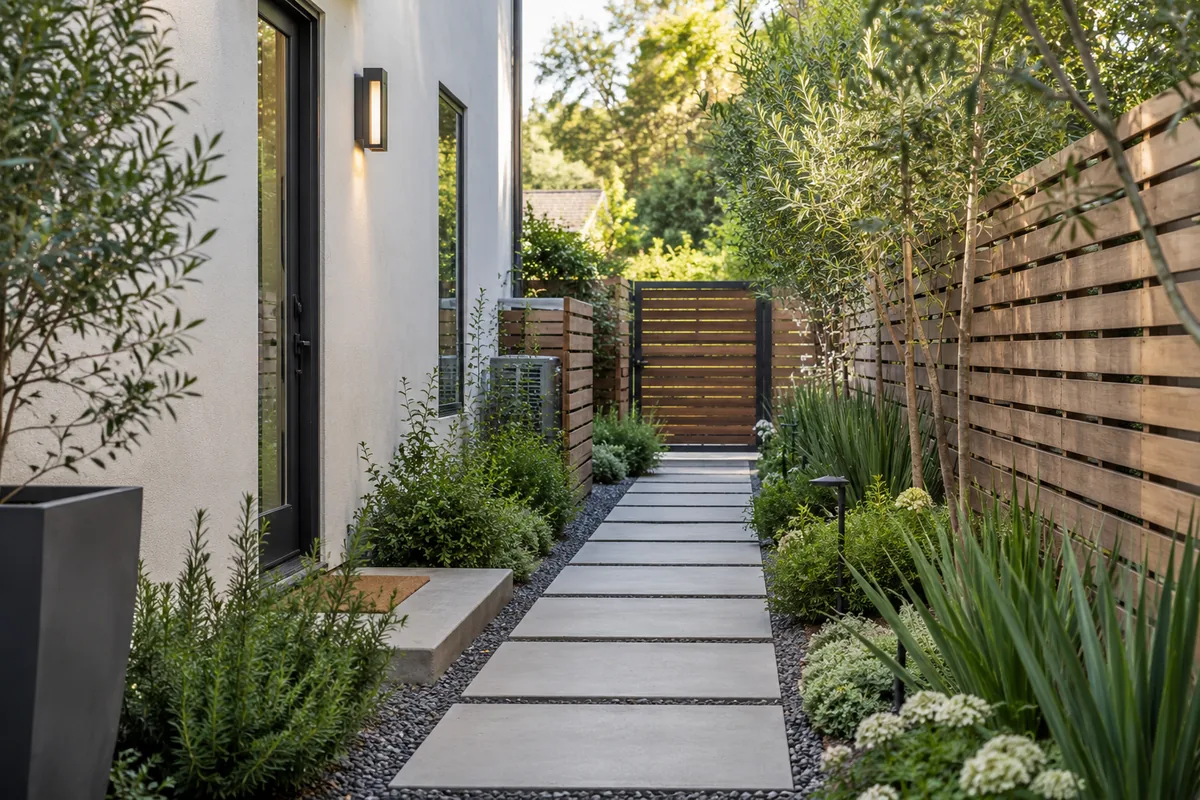
Modern side yard ideas that make service space deliberate
Explore modern side yard ideas for coherent surfaces, reachable equipment, restrained planting, practical storage, and a clear passage between garden spaces.