
By AI Landscape Design Team · Editorial policy
Garden Fence Ideas for Privacy and Practical Use
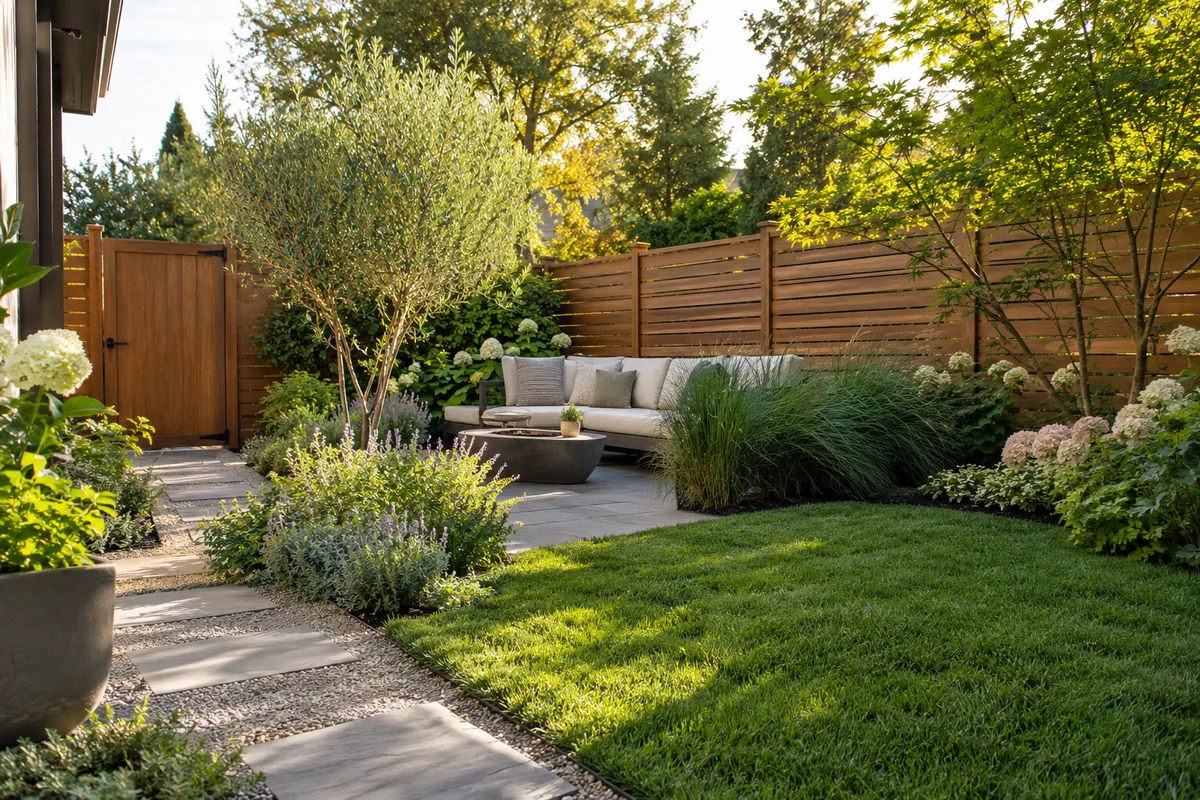
A garden fence should answer a boundary need before its material is chosen: privacy, definition, containment, or a controlled view. Useful ideas compare openness, height as locally permitted, gates, support, maintenance, and the relationship with planting. No fence image establishes a property line or approval. Verify local requirements and the complete assembly with appropriate advisers before selecting a decorative panel.
Published · 6 min read
Key takeaways
- Compare equivalent privacy and gate functions, not unrelated panel photographs.
- Check local height, setback, and approval requirements before purchase.
- Keep structural support, planting growth, and future repair access visible.
What should the boundary actually do?
Write down whether the goal is to define space, screen a particular view, manage access, or contain an animal. Those aims can call for different openness and gate arrangements. A solid panel and an open picket system are not equivalent proposals even when their material price is similar. Confirm the boundary position through appropriate property information, not an assumption based on an old planting edge. Walk the daily routes and mark where gates need to open. A useful fence supports the household's movement as well as its privacy. The visual idea should be selected after those functions are clear rather than used to invent a problem the garden does not have.
How can materials be compared fairly?
Consider the actual products and complete systems, not universal statements that one material never needs care. The table highlights questions for a local selection discussion.
| Material | Visual character | Care and selection question |
|---|---|---|
| Wood | Grain or selected finish | Which treatment and repair process? |
| Vinyl | Manufactured repeated profile | Which cleaning and matching components? |
| Metal | Open or solid patterned boundary | Which finish and exposure guidance? |
| Mixed system | Deliberate material transition | How are supports and repairs coordinated? |
A quiet profile may fit a detailed facade better than an elaborate border. Ask how the chosen material will look from both sides and what happens when a section needs replacement.
How much privacy is actually needed?
Identify the viewing position you want to screen, such as a seated dining area or a particular window relationship. A full-height solid boundary everywhere may be unnecessary if a more targeted arrangement serves the use. Openness, orientation, planting, and local conditions influence the experience. Do not assume an open pattern creates adequate privacy at every angle, or that a solid panel resolves comfort without assessment of wind and the site. Compare from actual seated and standing positions. A qualified local professional can help review the implications of the proposed system. The aim is a defined need met appropriately, not maximum enclosure simply because it dominates a concept image.
Which rules should be verified?
Height, setbacks, permitted materials, visibility near access points, property information, and neighborhood covenants can affect a proposal. Check the current requirements with relevant authorities and qualified advisers rather than copying a nearby fence. Existing installations may have different circumstances or approvals. Ask who is responsible for submitting information if a contractor is involved and keep written records of the decisions. This guide does not provide jurisdiction-specific legal advice. A material selected online should not be ordered until its intended location and role have been checked. The cost of changing an unsuitable proposal is better avoided through early investigation than hidden behind a beautiful panel photograph.
What matters about posts and gates?
The infill is only one part of the system. Posts, foundations, connections, ground conditions, wind exposure, and gate loads require appropriate assessment. Do not use an ordinary fence as a retaining structure without the relevant licensed design and review. A gate must work with the actual route and support arrangement, not simply fill a break in the image. Contact 811 before excavation in the United States and ask about privately located services. Have qualified local professionals evaluate structural, drainage, or other regulated work. A narrow-looking post can carry significant responsibility; its visual lightness should not become a reason to skip assessment.
How can planting soften the edge?
A border can connect a fence with cottage, native, or modern planting when its mature growth and care are planned. Verify USDA hardiness zone, light, soil, moisture, regional invasive status, and eventual dimensions. Do not default to an invasive vine for fast coverage. Leave enough access to inspect, clean, and repair the fence, and assess the compatibility of climbers with the actual support. Pet areas also need appropriate plant toxicity checks using the ASPCA list where relevant. A softened boundary should remain serviceable. If all future work requires destroying an established border, the combination may be less practical than it first appears.
How do upkeep and costs influence the choice?
Product-specific cleaning, timber finish care, connection inspection, and component replacement can create different routines. Ask for care guidance and local service options before choosing an unusual profile. Quotes should include posts, gates, foundations, access, removal, and restoration as appropriate, not only panels. Avoid assigning exact prices or universal lifespans to material categories. Reuse or disposal also depends on the actual products and local facilities. A lower purchase price may not serve the same privacy or repair requirement as another system. Keep maintenance access and replacement availability part of the comparison so the fence remains useful after its initial appearance has weathered.
What should photo exploration help clarify?
Keep the boundary location, gate use, and household activities constant while comparing profiles and openness. AILandscape offers visual yard concepts; it does not verify property lines, approvals, containment, support, drainage, or construction details. Use the preferred image to explain material tone and the views you want to manage, then obtain appropriate local confirmation. Review real products from relevant viewing positions and account for mature planting. A successful fence idea provides the needed boundary function with a practical care plan. It should not be chosen solely because it makes the photograph look complete or conceals technical questions behind a continuous decorative line.
Frequently asked questions
Can a fence image show where my boundary is?
No. Property information and appropriate verification are needed to establish the boundary. Existing plants or a generated line are not evidence of its legal location. Confirm the proposed position and relevant local requirements before purchasing or installing the system.
Is a solid fence always better for privacy?
It may screen particular views, but the need depends on viewing position, use, orientation, and local conditions. A targeted arrangement may be sufficient. Compare the actual privacy goal and site implications rather than assuming maximum enclosure is always the best choice.
Can vines cover a fence without extra planning?
Check the plant's regional suitability, invasive status, mature growth, and compatibility with the support. Keep inspection and repair access. A climber that looks attractive in a reference can become unsuitable or difficult to manage if those questions are ignored.
Sources
Related reading
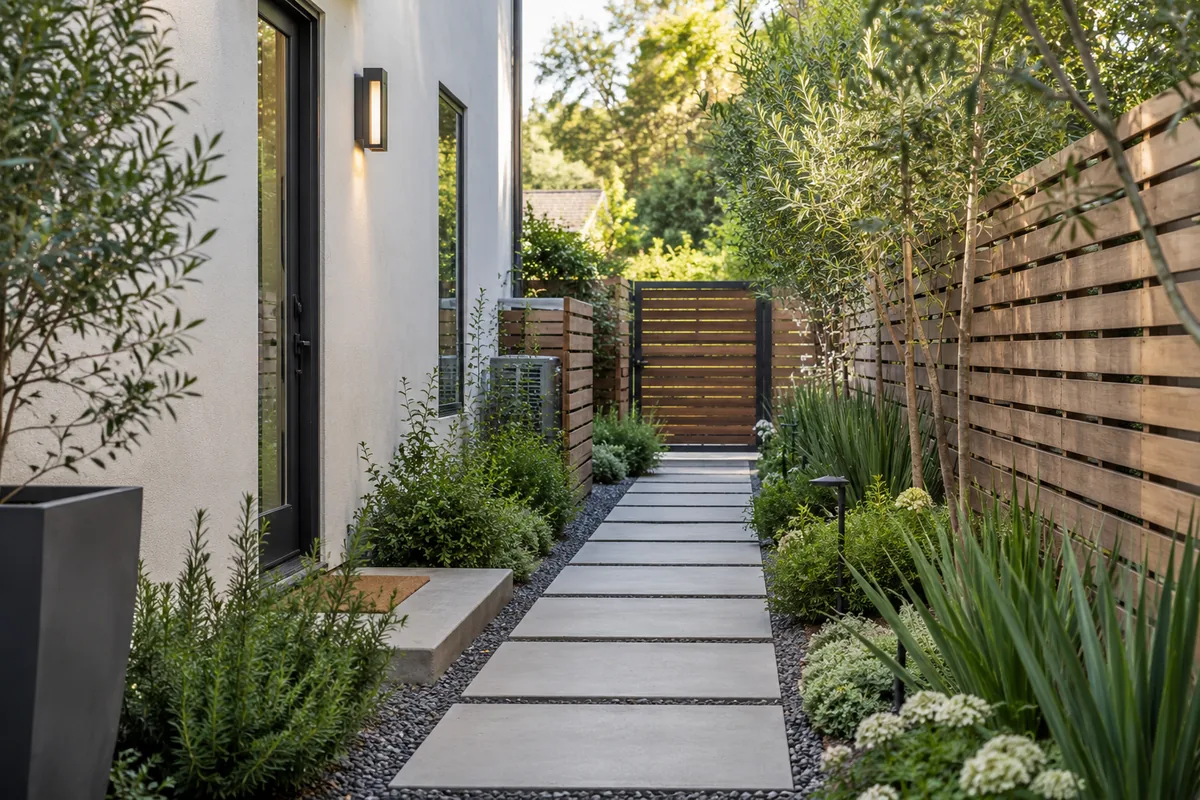
Modern side yard ideas that make service space deliberate
Explore modern side yard ideas for coherent surfaces, reachable equipment, restrained planting, practical storage, and a clear passage between garden spaces.
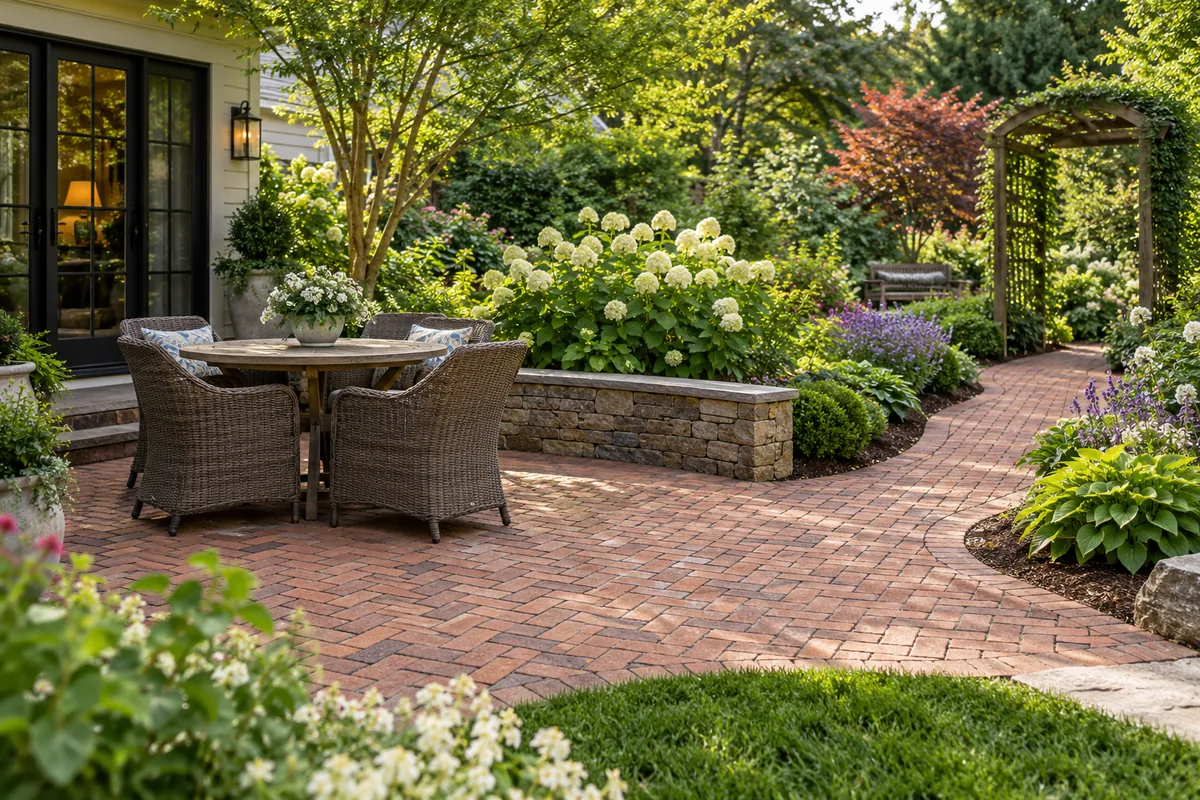
Brick Pavers for Useful Patios and Garden Paths
Brick Pavers for Patios and Paths: explore materials, placement, upkeep, and local safety questions before deciding how this feature fits your yard.
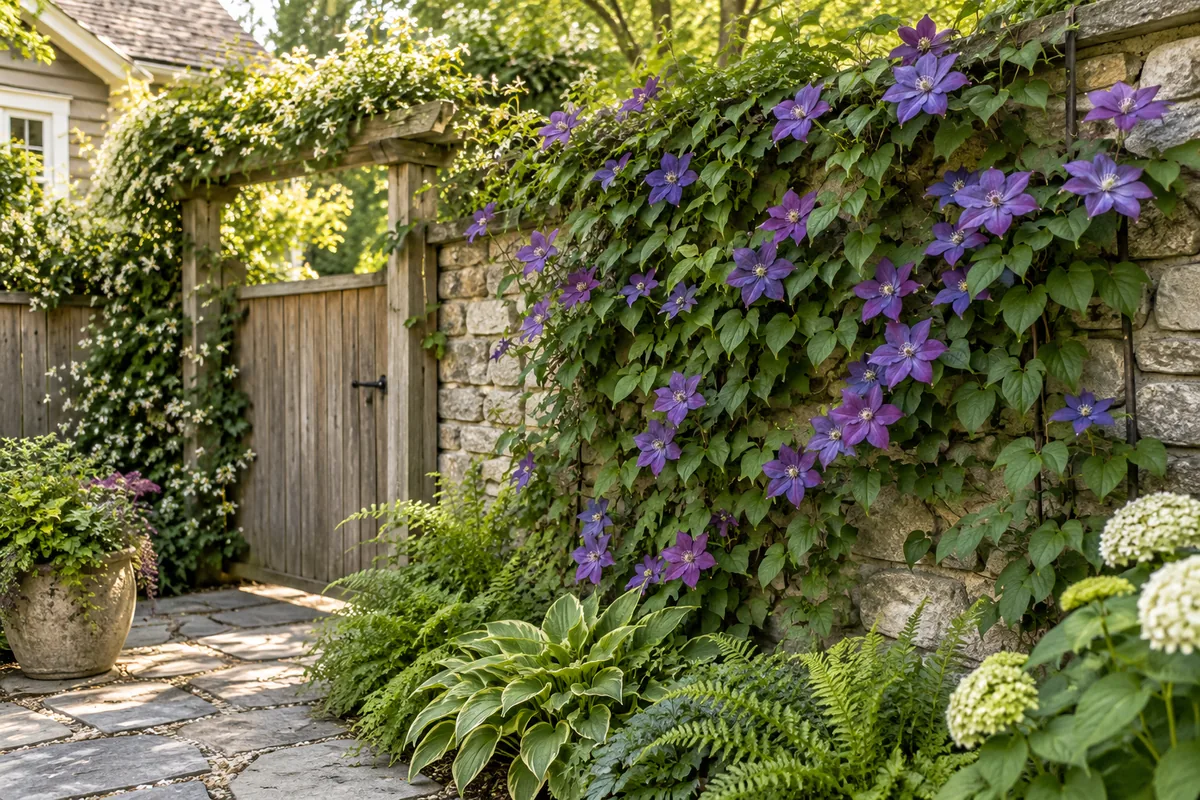
Climbing Vines for Fences and Walls with Suitable Supports
Climbing Vines: Support, Walls, and Local Fit: explore placement, upkeep, and local safety questions before deciding how this feature fits your yard.
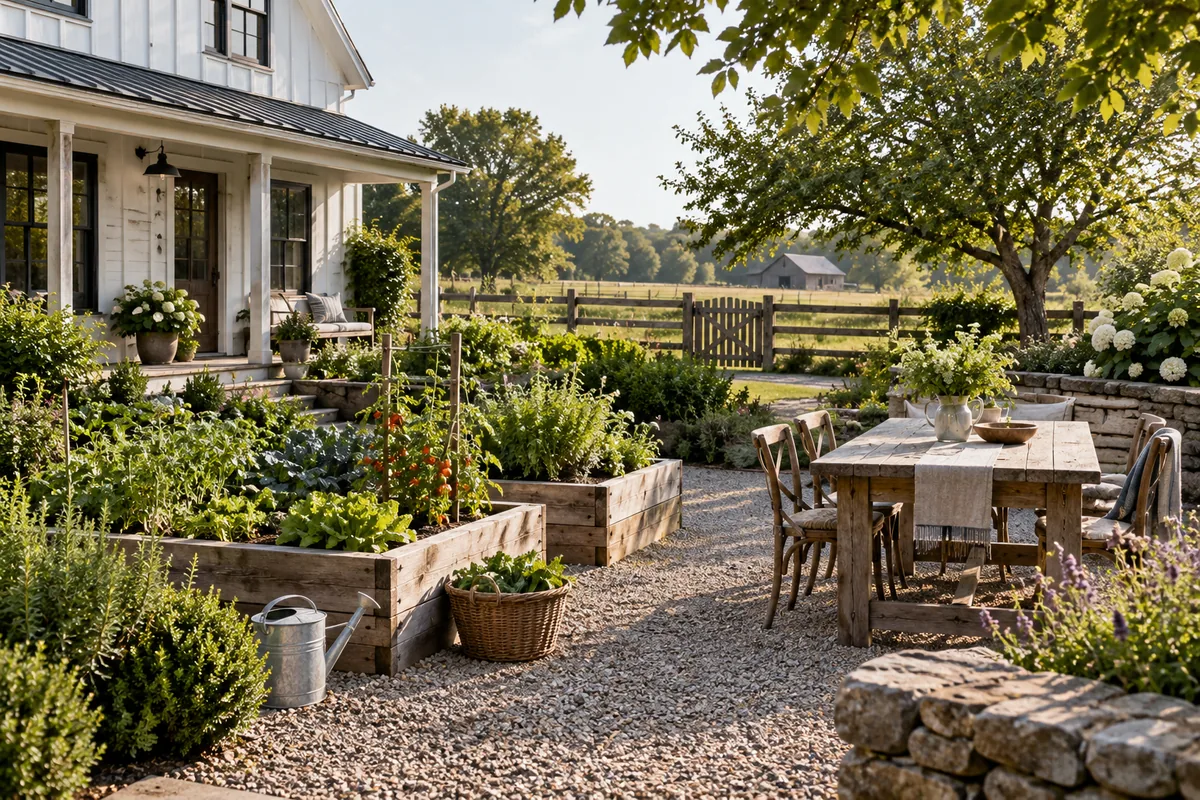
Farmhouse landscape style: useful spaces and honest materials
Discover farmhouse landscape style through practical fences, productive beds, wood and stone, and useful outdoor spaces that support everyday garden routines.
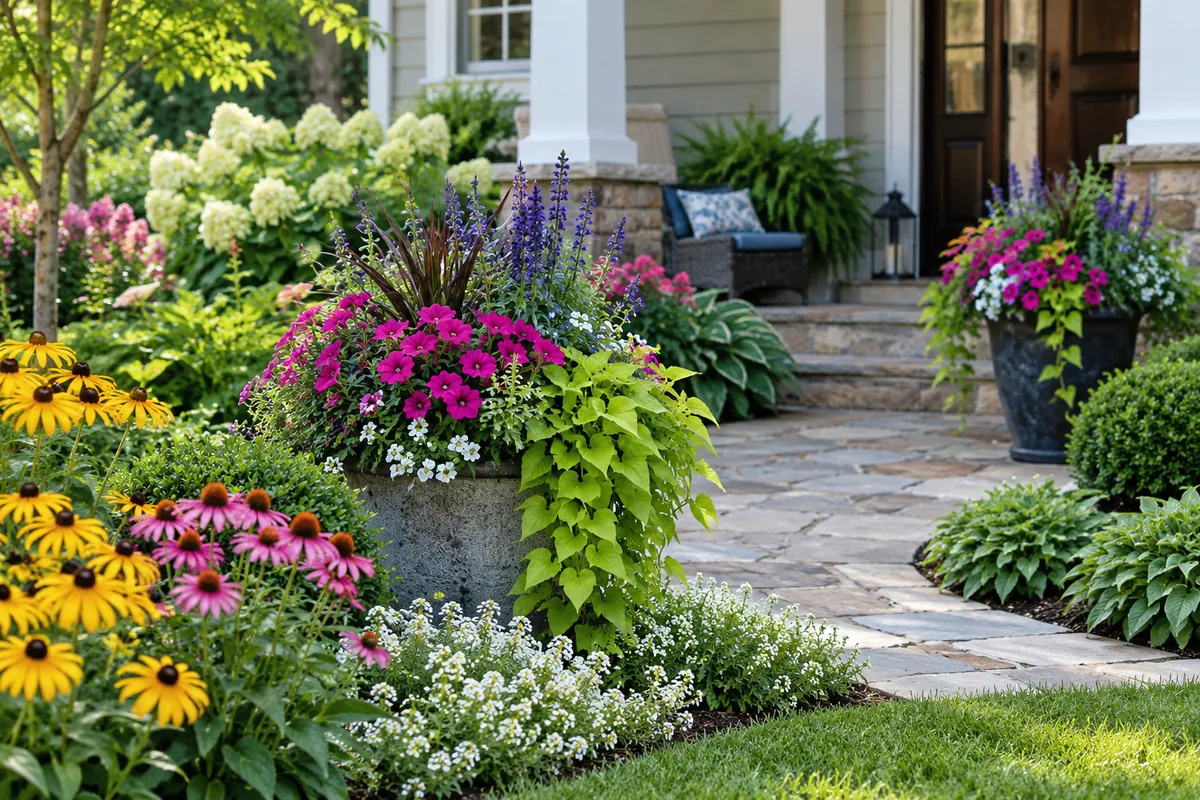
Annual Flowers for Seasonal Borders and Garden Containers
Annual Flowers: Seasonal Color and Containers: explore placement, upkeep, and local safety questions before deciding how this feature fits your yard.
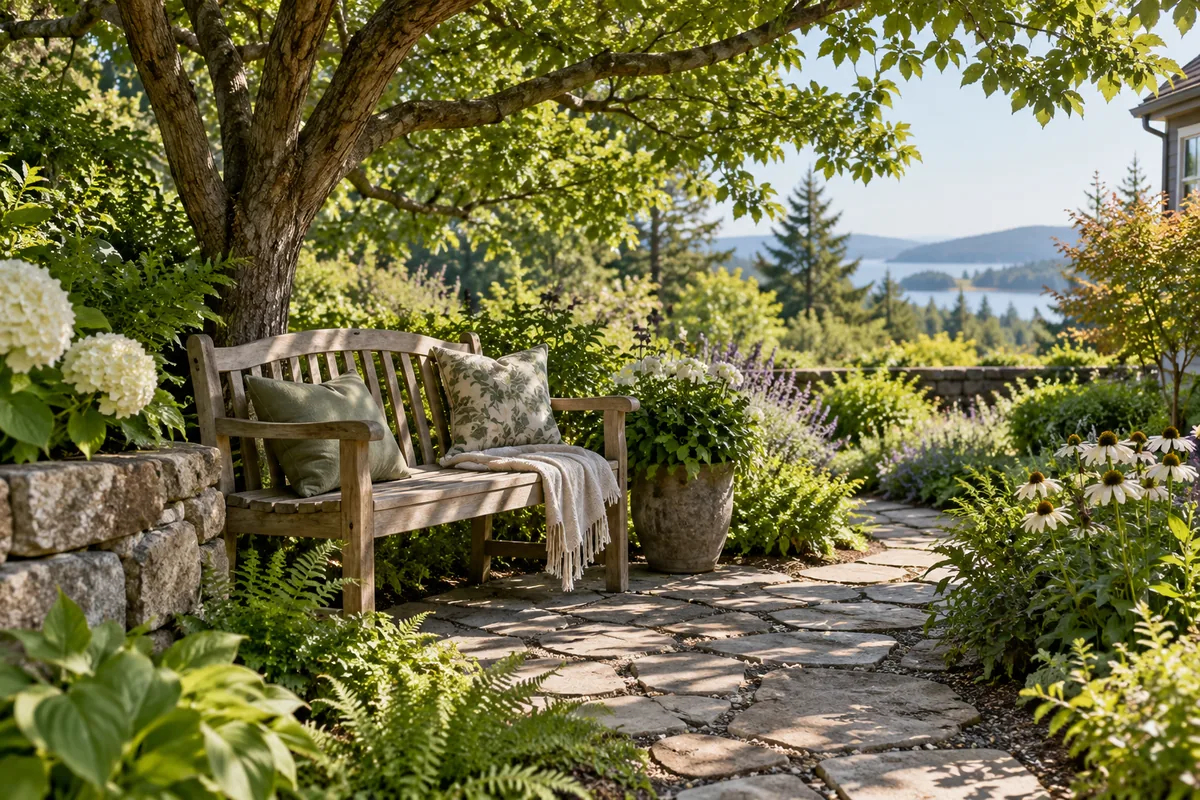
Garden Bench Ideas That Give People a Reason to Sit
Find garden bench ideas for shade, views, and everyday pauses, with practical guidance on seat fit, materials, access, maintenance, and stable placement.