
By AI Landscape Design Team · Editorial policy
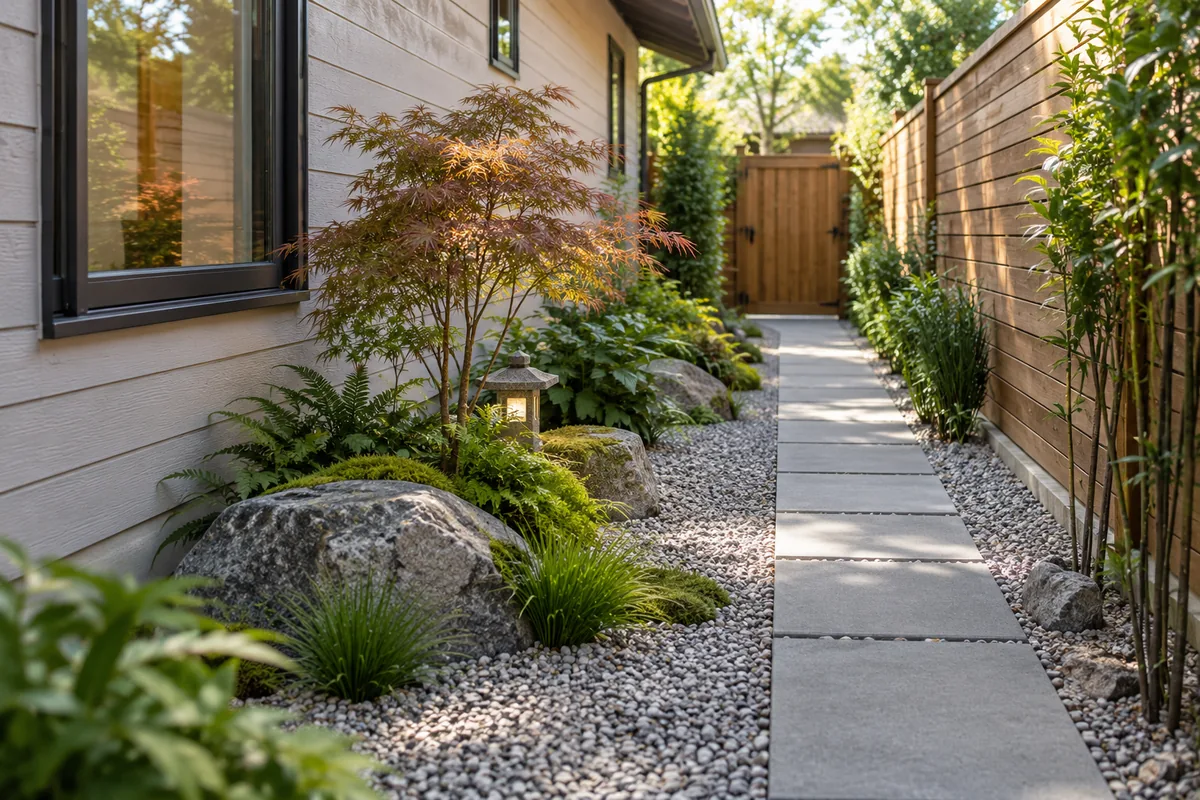
Zen side yard ideas for a viewed composition beside the route
Zen side yard ideas can turn a view from a window into a restrained composition while leaving the passage useful. Place stones, gravel, and suitable planting beside the working route, not over it. Select the viewpoint before objects and preserve access to gates, meters, and machinery; a side yard can be a viewed garden without becoming a place people must stop.
Published · 6 min read
Key takeaways
- Compose the view from the actual window or doorway.
- Distinguish ornamental ground from the service route.
- Keep maintenance and equipment access part of the arrangement.
Is the side yard a destination or a view?
A small ornamental composition may be worth making because it is seen often from the house. That does not mean the passage needs seating or a remote retreat. Study the view at its ordinary eye level and identify where a quiet background could help. Then walk the route and check every gate, door, and service point independently.
Utility, manufacturer, and local requirements determine actual equipment clearance; the composition cannot establish it. Shared boundaries and nearby windows also need consideration before a screen changes light or visibility. Keep ordinary movement understandable from both ends. A residential dry-garden interpretation can use stone and open space without claiming cultural authenticity or adding symbolic ornaments where there is no practical room.
Eight ways to create a quiet side view
- Start with the frequently used window. Position the ornamental area where it contributes to a real indoor view. It suits a room that currently overlooks unresolved side space. Compare standing and seated heights, and note what doors or furniture obscure. A composition designed from an overhead image may not make sense from the place it is actually seen.
- Keep a distinct walking surface. Separate the practical passage from a raked or decorative field. This works where bins, tools, and regular trips would otherwise disturb the composition. Have access and levels reviewed locally. A route that requires stepping through ornamental gravel is a counterexample when its users need a dependable surface or service access.
- Contain a modest gravel area. Use a readable edge around the viewed field where maintenance remains possible. It fits a quiet section beside the route rather than the whole passage. Inspect aggregate glare and debris behavior, and assess water movement professionally. A decorative layer cannot solve an existing drainage problem merely because it looks dry in a concept.
- Choose stone relationships at the right scale. Compare a limited group from the intended window, paying attention to the spaces between shapes. It suits a plain backdrop with enough open ground to read them. Heavy placement and stability require experienced assessment. Large stones crowded around machinery or gate movement do not become useful because the style favors composed rocks.
- Use a restrained regional plant frame. A suitable low layer or quiet shrub role can connect the ornamental view to the rest of the property. It works when mature growth fits outside service circulation. Moss is a possible visual reference, not a required plant for every shaded passage. Check the actual light, water, soil, and regional options with horticultural advice.
- Quiet the background without sealing it. An appropriate existing fence finish or planting group may make the composition clearer. This fits a view interrupted by several strong colors. Check property rules and neighboring windows before changes. A screen that prevents inspection, airflow, or repair around equipment is unsuitable even if it creates an attractive plain backdrop.
- Leave room to care for the field. Plan where someone will stand to remove leaves, adjust gravel, and inspect plants. It suits an owner willing to maintain a viewed composition. If the only access involves climbing over stones or bending around machinery, reduce the ornamental area. Quiet appearance depends on a workable care route, not on making all practical space invisible.
- Make necessary night cues discreet. Light the gate, doorway, or important transition rather than flooding the ornamental field. This works where the side route is used after dark. Licensed professionals should review outdoor electricity and requirements. Observe glare through both houses' windows and keep fixtures reachable; the viewpoint should not come at the cost of intrusive illumination.
What belongs on the local verification list?
Select plants against USDA hardiness zone, actual exposure, moisture, soil, mature form, and invasive advice. Conditions beside buildings may differ from an open garden elsewhere on the property. Consult ASPCA toxicity information when pets can reach planting, and keep sharp forms outside contact routes. A culturally associated silhouette cannot establish a safe or suitable regional plant choice.
The zen style guide explains the composition vocabulary, while gravel path considerations distinguish surface uses. Have licensed local professionals assess drainage, grades, walls, structural work, and electrical installation. Before US excavation, contact 811 and arrange private utility locating where applicable. Do not infer equipment clearance, ground levels, or stable stone installation from an image. Treat the viewed area as one part of a functioning service space.
How do you know the quiet view will remain practical?
Carry ordinary objects through the passage and operate every gate before approving permanent changes. Observe how nearby trees and wind affect debris in a test area. Keep care tools accessible and reassess the view as planting grows. A modest composition that can be maintained may provide more daily value than a larger one that interferes with every service task.
AILandscape's side yard tool can compare a zen-inspired visual arrangement using your photo. Use the output to discuss the window view and the distinction between ornament and movement, then confirm species, dimensions, utility needs, drainage, and construction locally. It cannot prove a safe installation or appropriate regional palette. Revise any result that hides equipment or adds an unnecessary fountain. The considered view should make the existing passage more pleasant while preserving its useful role.
Frequently asked questions
Does a zen side yard need a bench?
A frequently seen window view may be the useful purpose without a seat. Add furniture only if there is genuine room beyond circulation and service requirements. The composition can be enjoyed from indoors while the side yard remains a practical connection.
Can ornamental gravel cover the whole passage?
Only where its actual access, maintenance, and drainage conditions support that choice. Essential routes may need a separate dependable surface. Keep ornamental ground beside the working passage when routine bin movement, tools, or service visits would otherwise disrupt or conflict with it.
Should equipment disappear behind the composition?
Equipment needs the access and clearances required by utilities, manufacturers, and local rules. A visual concept cannot establish those conditions. Keep reachability apparent and have any proposed screen assessed independently before treating concealment as a design improvement.
Sources
Related reading
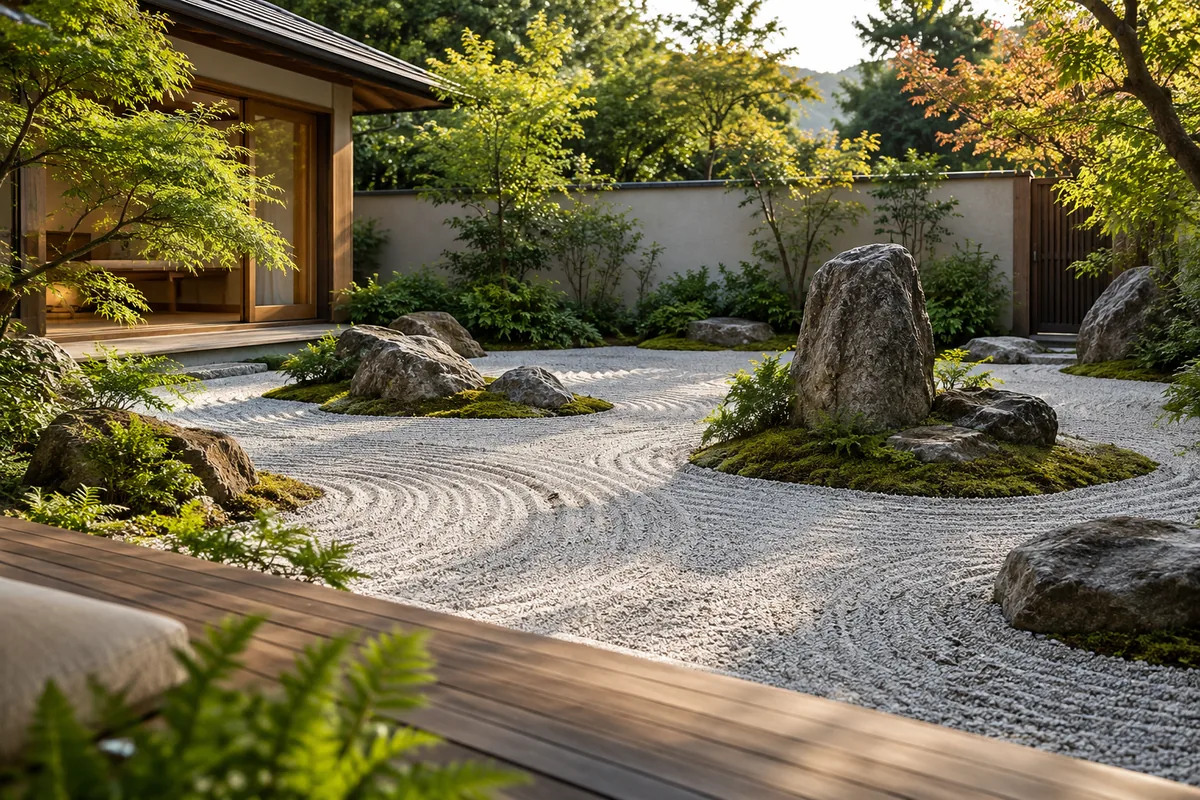
Zen garden style: stones, gravel, and deliberate space
Learn how zen garden style uses composed stones, raked gravel, restrained planting, and a chosen viewpoint, with practical limits for residential gardens.
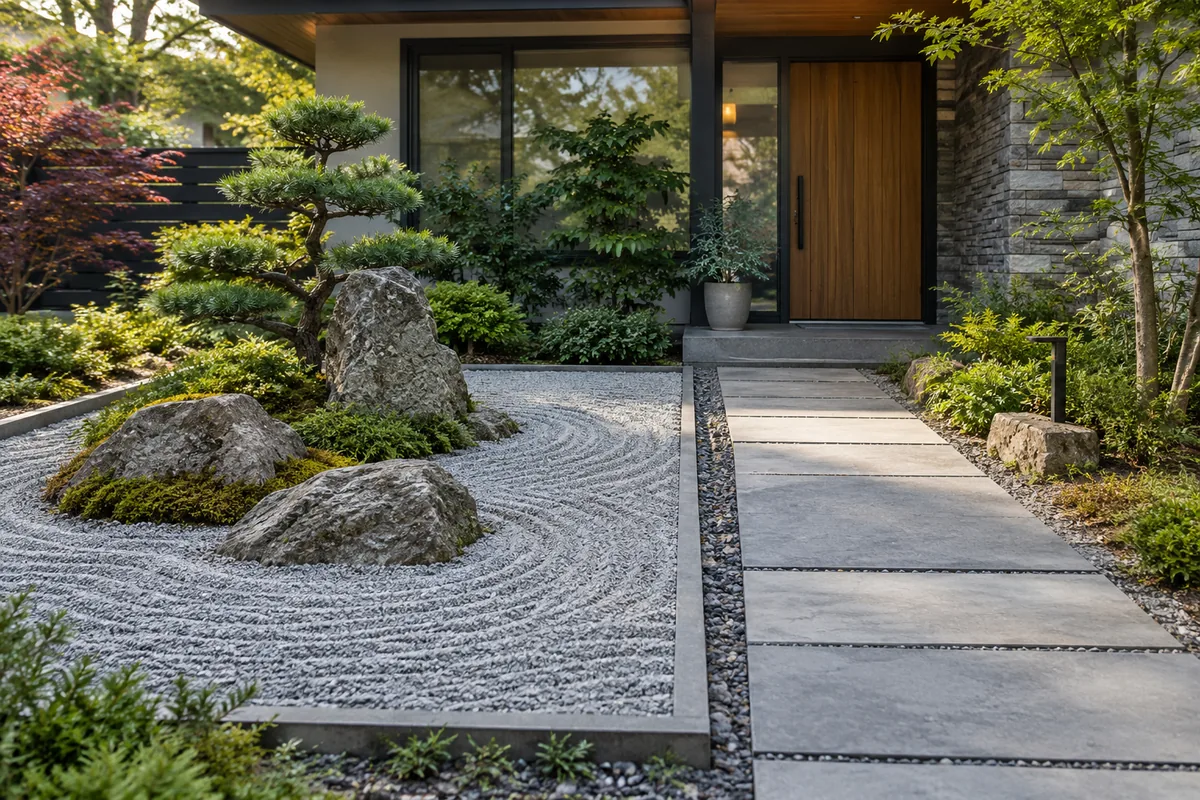
Zen front yard ideas: a quiet view beside a usable entrance
Explore zen front yard ideas using a composed stone view, restrained gravel, simple planting, and clear arrival routes beside a usable entrance.
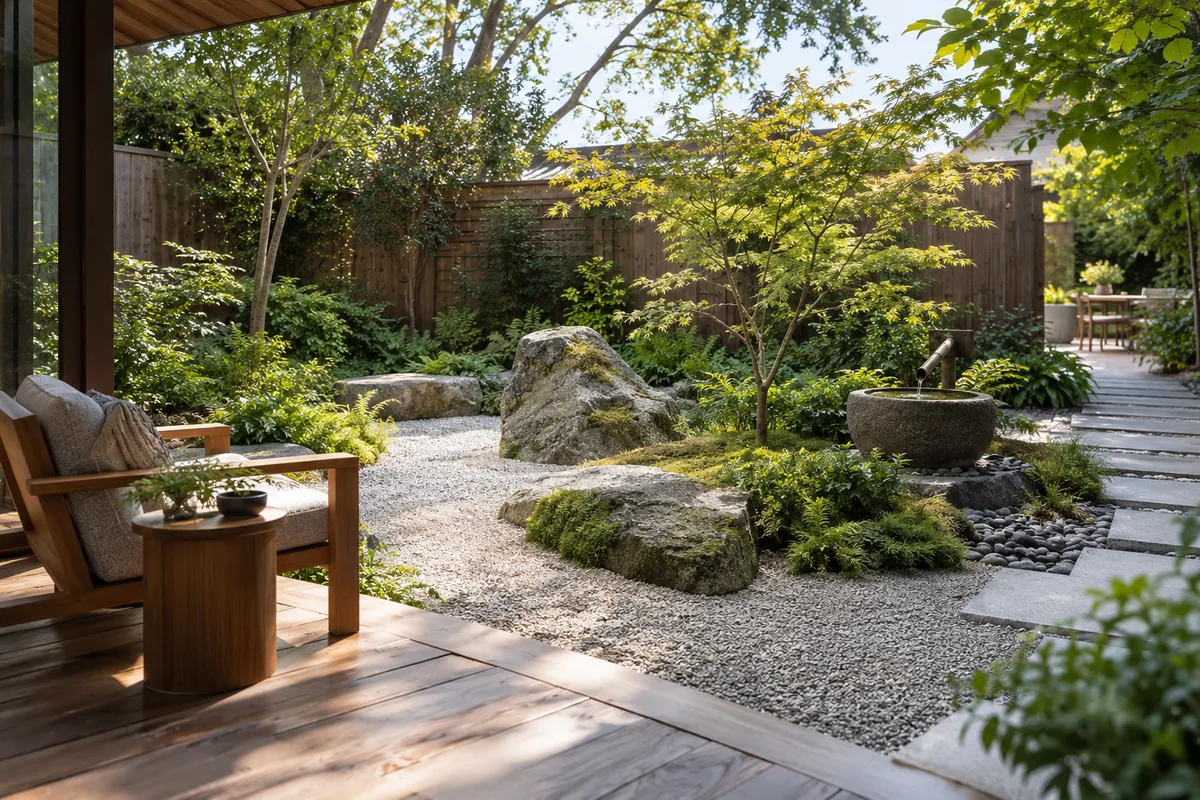
Zen backyard ideas that reserve a quiet place to look
Explore zen backyard ideas for a chosen viewpoint, contained gravel, composed stones, quiet planting, and separation from dining, play, and service routes.
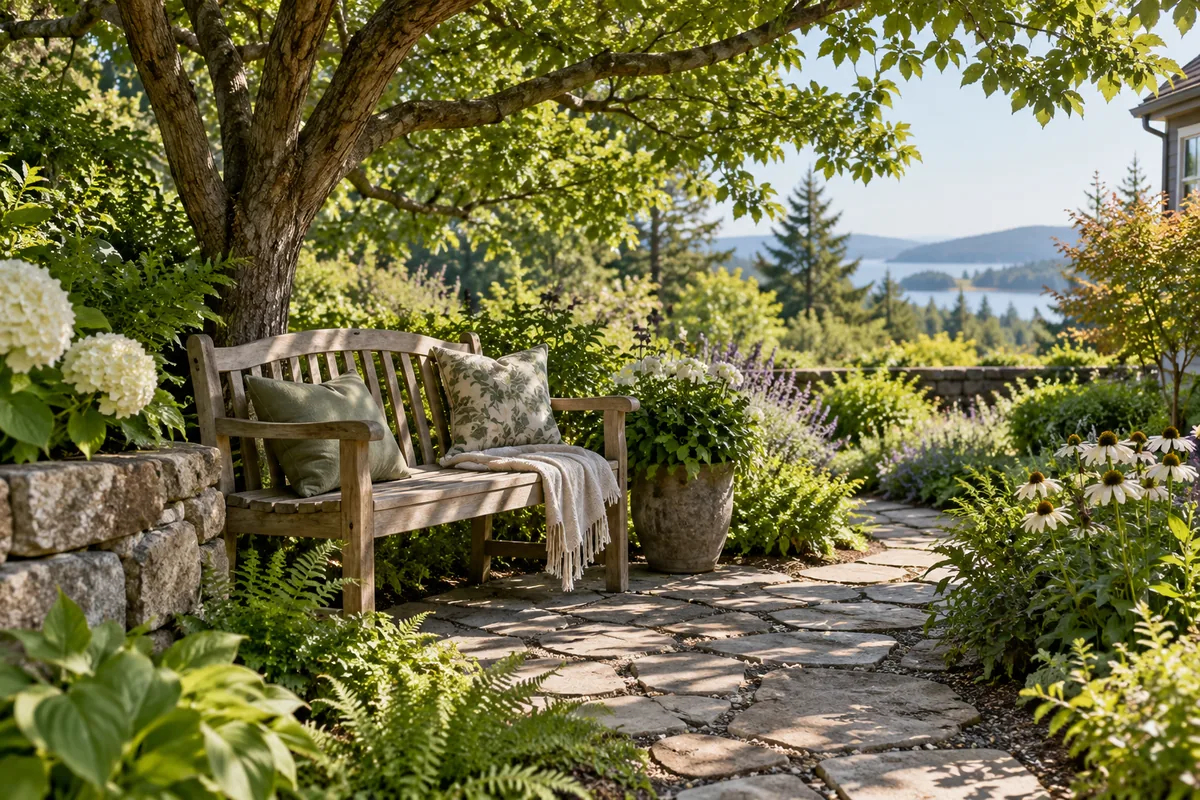
Garden Bench Ideas That Give People a Reason to Sit
Find garden bench ideas for shade, views, and everyday pauses, with practical guidance on seat fit, materials, access, maintenance, and stable placement.
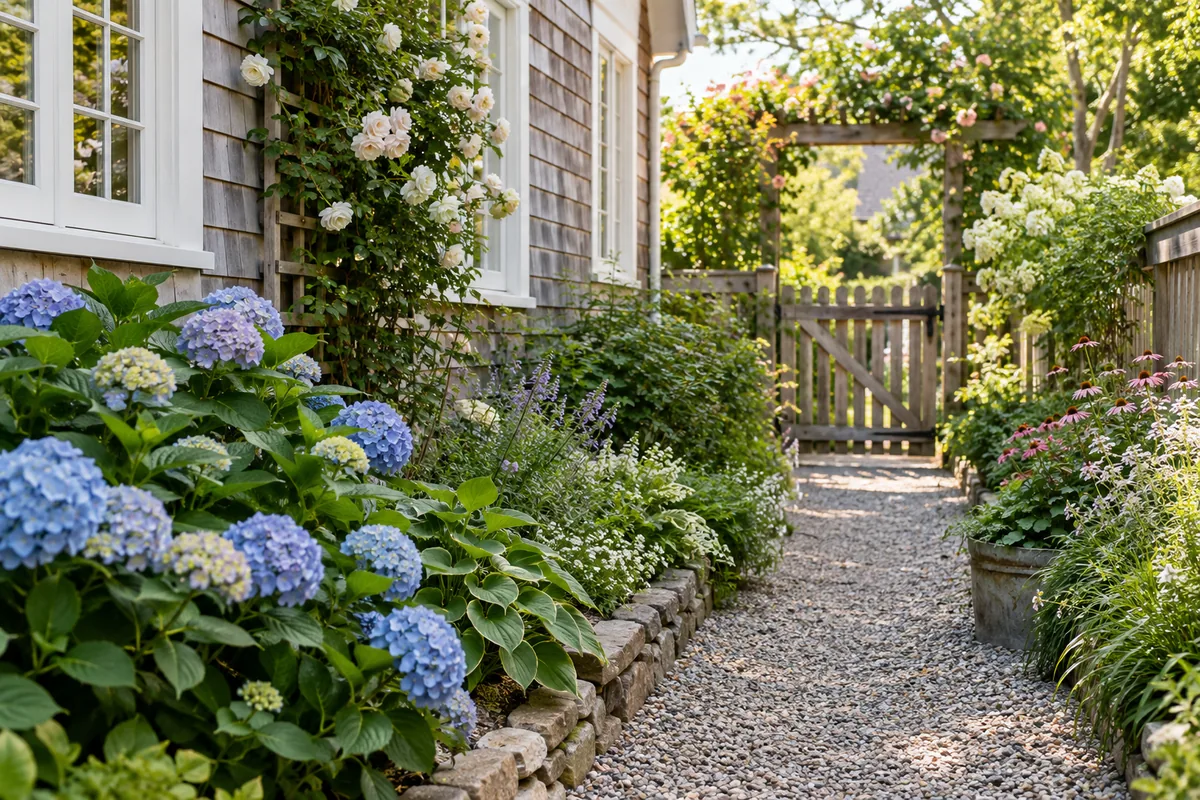
Cottage side yard ideas for flowers beside a working route
Find cottage side yard ideas for connected flowers, appropriate climbers, stable pots, readable gates, and a working route that stays comfortable to use.
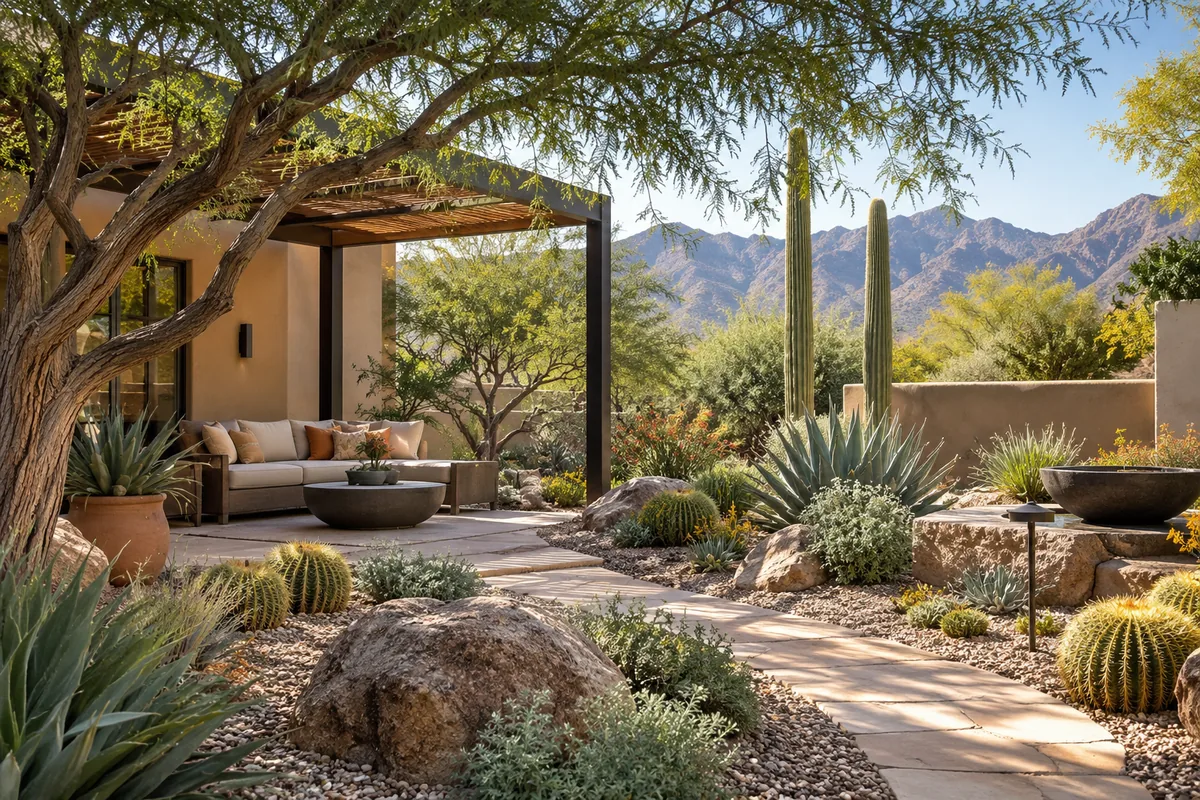
Desert landscape style: shade, stone, and plant form
Understand desert landscape style through plant form, mineral surfaces, useful shade, and heat-aware layouts, while separating its appearance from xeriscaping.