
By AI Landscape Design Team · Editorial policy
Desert landscape style: shade, stone, and plant form
Desert landscape style uses open mineral surfaces, sculptural plant forms, and deliberate shade to respond visually to arid settings. Stone, gravel, and spare planting are familiar features, but the style is not identical to xeriscaping. A desert-looking garden may still waste water or overheat if its plants, exposure, irrigation, and usable outdoor spaces are not planned for the actual site.
Last updated · 8 min read
Key takeaways
- Plan comfortable shade before expanding exposed hardscape.
- Use plant form and open ground as a composition, not a water-saving claim.
- Distinguish desert appearance from the broader practice of xeriscaping.
- Keep sharp plants and loose surfaces away from essential routes.
What does desert landscape style mean?
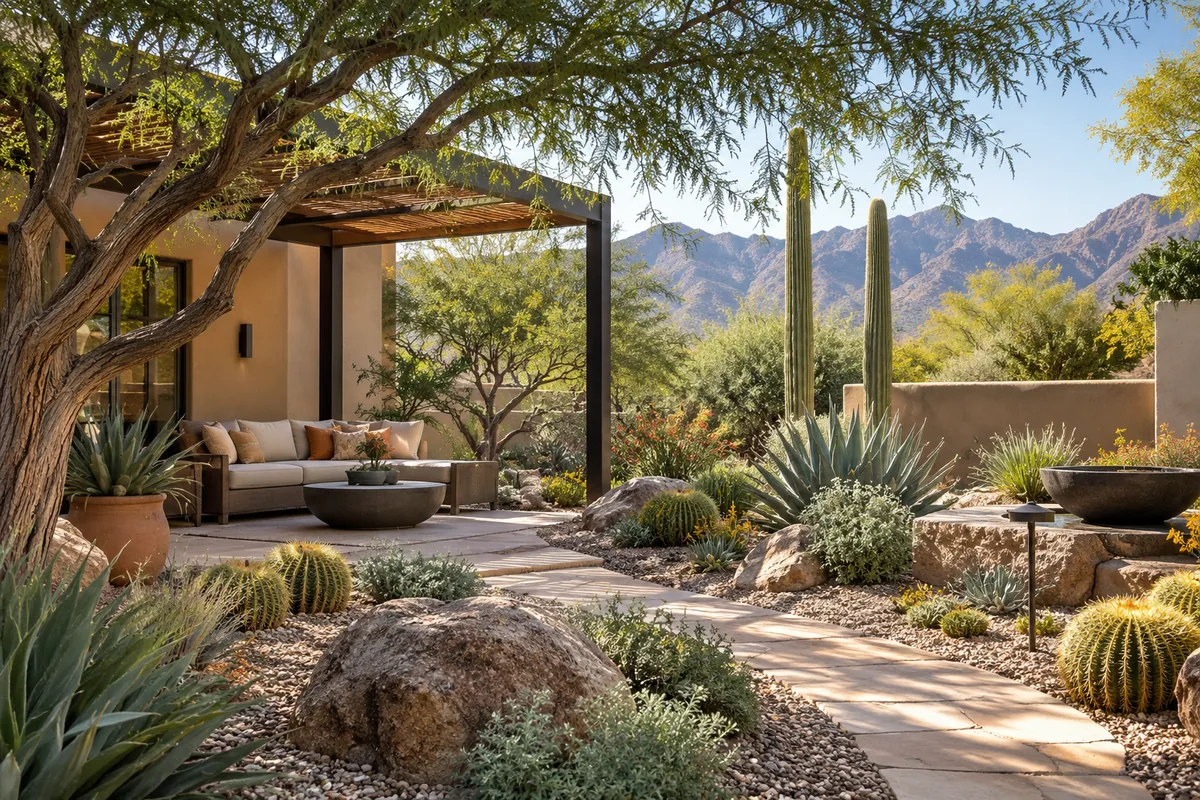
The visual language often gives individual plants room to be seen. An upright silhouette, a spreading shrub, and a low ground layer can form a readable composition against stone or gravel. The empty ground is part of that arrangement rather than a gap waiting to be filled. It can also allow views of the house, distant landscape, or a sheltered sitting area.
Do not mistake sparse planting for a completed climate plan. Surface color, shade, wind, and water management all affect how the garden works. The same visual arrangement may need different plants and materials in a high desert, a hot low-elevation desert, or a property outside an arid region. Start with the actual conditions and the household's intended use, then decide which desert design cues belong in the proposal.
How is desert style different from xeriscaping?
Desert style describes an appearance associated with arid landscapes. Xeriscaping describes a broader approach to reducing irrigation demand through appropriate planning, planting, and care. A xeriscape need not resemble a field of gravel or contain cacti. A garden with a desert look may be poorly matched to its local conditions and may need substantial water during establishment or ongoing maintenance.
Compare desert landscaping and xeriscaping by examining the purpose of each decision. Ask whether a selected surface supports access, whether plants suit the site, and whether watering reflects their verified needs. According to EPA WaterSense, outdoor efficiency involves landscaping and watering practices. Treat the style as a visual direction, then assess actual water use separately. Do not advertise gravel coverage alone as evidence that a landscape is efficient.
Where should shade and outdoor rooms be placed?
Observe when people want to use the garden and where protection from the sun already exists. A sitting area behind a useful wall or beneath a suitable canopy may work better than an exposed center terrace. Protect the route between the house and the seat as well as the seat itself. Test the view from indoors before adding a shade structure that changes the facade.
A pergola, covered area, or tree brings site-specific considerations. Licensed professionals should assess foundations, structural loads, wind, and local requirements. Planting a tree solely to imitate an image can create future root or branch conflicts if its mature scale is ignored. Use a temporary chair in the proposed position and observe comfort through the relevant part of the day before deciding that a visually open area is a useful place to gather.
How do gravel and stone support the composition?
Pick aggregate color by seeing samples against the house and in actual light. A quiet mineral background can clarify sculptural plants, but a large expanse of bright material may produce glare. Avoid combining several strong gravel colors into patterns unless those patterns have a deliberate relationship to the layout. Containment should make the intended boundary clear.
Different surfaces serve different purposes. A loose decorative aggregate may be unsuitable for a main walking route, and ornamental boulders do not replace engineered retaining structures. Ask qualified local professionals about access, drainage, edge details, and grade changes. Contact 811 before excavation in the United States. Keep mineral surfaces away from places where they may migrate onto steps or under a gate. Evaluate how leaves and debris will be collected before increasing the area of loose material.
What plant forms belong, and how are they chosen?
Use shape as the first design discussion, then verify actual species locally. A vertical accent, a rounded shrub mass, and a low spreading layer can provide contrast without a large collection. Succulent or cactus forms may fit some sites, but they are references rather than universally appropriate recommendations. Spines and rigid leaves need extra care near doors, seats, and play routes.
Match candidates to the USDA hardiness zone, sunlight, soil, available moisture, and local invasive guidance. Some arid-region plants still face winter limitations elsewhere, while wet conditions can create a different problem from cold. Check mature dimensions so the space between plants remains intentional after growth. Where animals can reach planting, consult the ASPCA toxicity list rather than assuming a desert-associated plant is pet-safe. Regional horticultural advice should guide the final purchase decision.
How can color, texture, and architecture work together?
A desert palette can be warm, cool, or mixed according to the site. Repeated stone tones may relate to masonry, while muted foliage can make one flower accent visible. Let the house and existing rock provide cues instead of introducing an unrelated collection of terracotta, black steel, white gravel, and several paving colors. A limited palette makes plant silhouettes easier to appreciate.
Texture can connect the near view to a larger setting. Coarse stone beside finer gravel may frame a planted group, but the contrast should be observed from the main window and seat. Do not add many small boulders simply to fill gaps. A few carefully placed elements can make the available space feel purposeful. If the architecture has strong horizontal lines, a restrained upright plant accent may provide useful contrast without dominating the entrance.
What watering and maintenance should be expected?
Drought tolerance does not mean every plant can be installed and ignored. Establishment needs, soil conditions, weather, and the chosen species affect watering. Group plants by verified needs and discuss irrigation design with appropriate local experts. Keep emitters and service points reachable, and do not bury the maintenance route under a visually continuous stone arrangement.
Gravel may collect windblown seeds and leaves, joints can support weeds, and shrubs can outgrow their intended outline. Inspect rather than assume. A maintenance visit should include routes, edges, irrigation equipment, and plants whose rigid or sharp growth is approaching occupied space. Avoid unnecessary pruning to force a large plant into a small location; replacement with a suitable candidate may be more sensible. Review lighting and other electrical work with licensed professionals, particularly where equipment is exposed to severe weather.
How to use desert style in a front yard, backyard, side yard, or patio
A desert front yard can use clear plant silhouettes and a dependable entry route while maintaining driveway visibility. A desert backyard should organize sheltered living space first, then use mineral surfaces and planting to connect it with the rest of the site.
For a desert side yard, keep access and equipment servicing possible even if the visual treatment is sparse. A desert patio can combine a comfortable seat with a few appropriate containers, provided weight, drainage, and sharp plant edges are considered. The style should not reduce the garden to a surface pattern. Review how each space will be occupied during warm weather and how its maintenance will happen throughout the year.
Which mistakes deserve an early review?
Covering nearly everything with rock can create a harsh visual result without supplying useful space or suitable planting. Another problem is borrowing plants from a reference without understanding local requirements. Avoid treating the absence of a lawn as the only design objective. Shade, access, and a coherent planting arrangement still need deliberate choices.
AILandscape can compare desert-style visual concepts on a yard photo, helping discuss the balance of mineral ground, shade, and plant forms. The result does not establish water performance, heat comfort, plant identity, or construction feasibility. Confirm those matters through real observations and qualified local advice. An image that removes a valuable shade tree or places a sharp plant next to a seat should prompt revision. Keep the actual site's climate and everyday comfort ahead of the visual shorthand of a desert garden.
Frequently asked questions
Is a desert garden the same thing as a xeriscape?
Desert describes a visual style associated with arid landscapes, while xeriscaping concerns water-conscious planning and care. They can overlap, but either can exist without the other. Assess plant suitability, irrigation, and site conditions rather than judging water efficiency from the amount of gravel.
Can desert style work outside an arid climate?
Its plant forms, stone palette, and open composition can be adapted, but the species and drainage details need local review. Cold winters or persistent moisture may rule out familiar desert plants. Borrow visual roles and select appropriate regional plants instead of copying a reference list.
Do desert-style plants need maintenance?
They still need inspection, suitable watering, and enough room for mature growth. Tasks vary by plant and site, and sharp foliage may require careful placement near occupied areas. Loose mineral surfaces also need debris removal and edge management, so the style should not be presented as maintenance-free.
Sources
Related reading
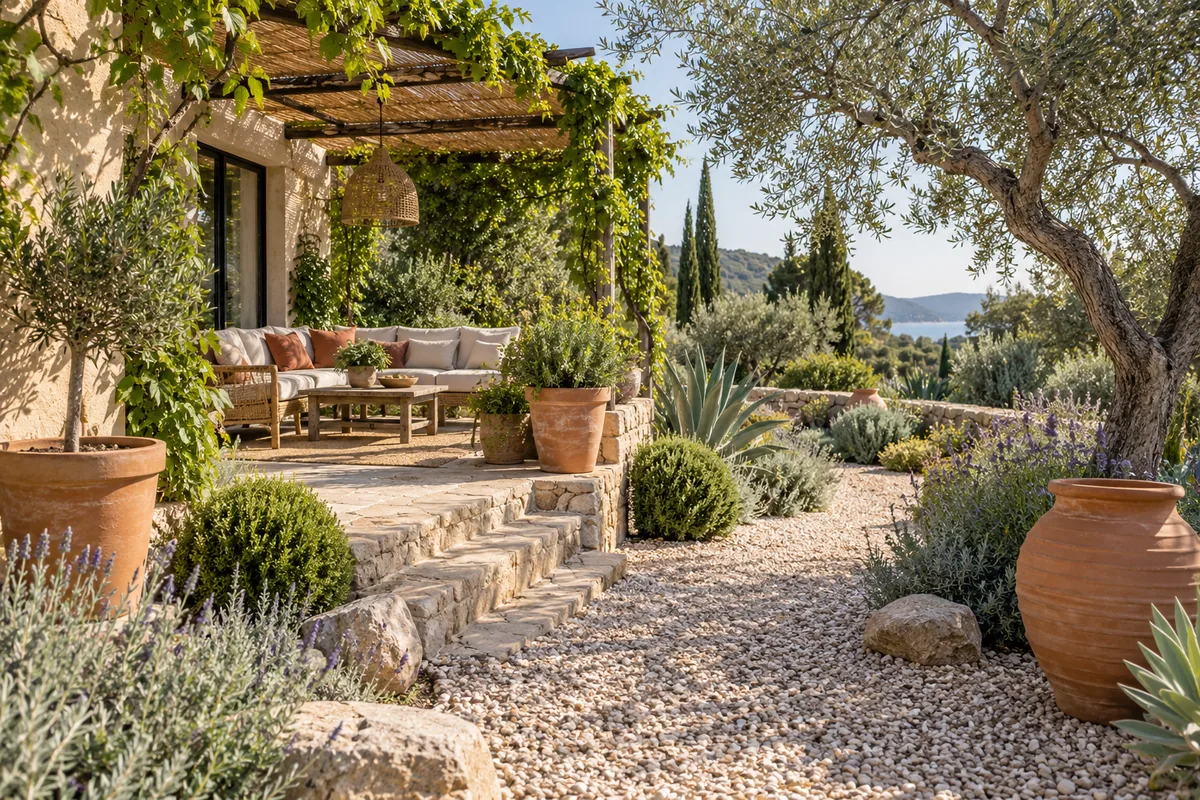
Mediterranean garden style: shade, gravel, and warm color
Understand Mediterranean garden style through shade, gravel, clay pots, and silver foliage, with practical ways to adapt the visual language to local climates.
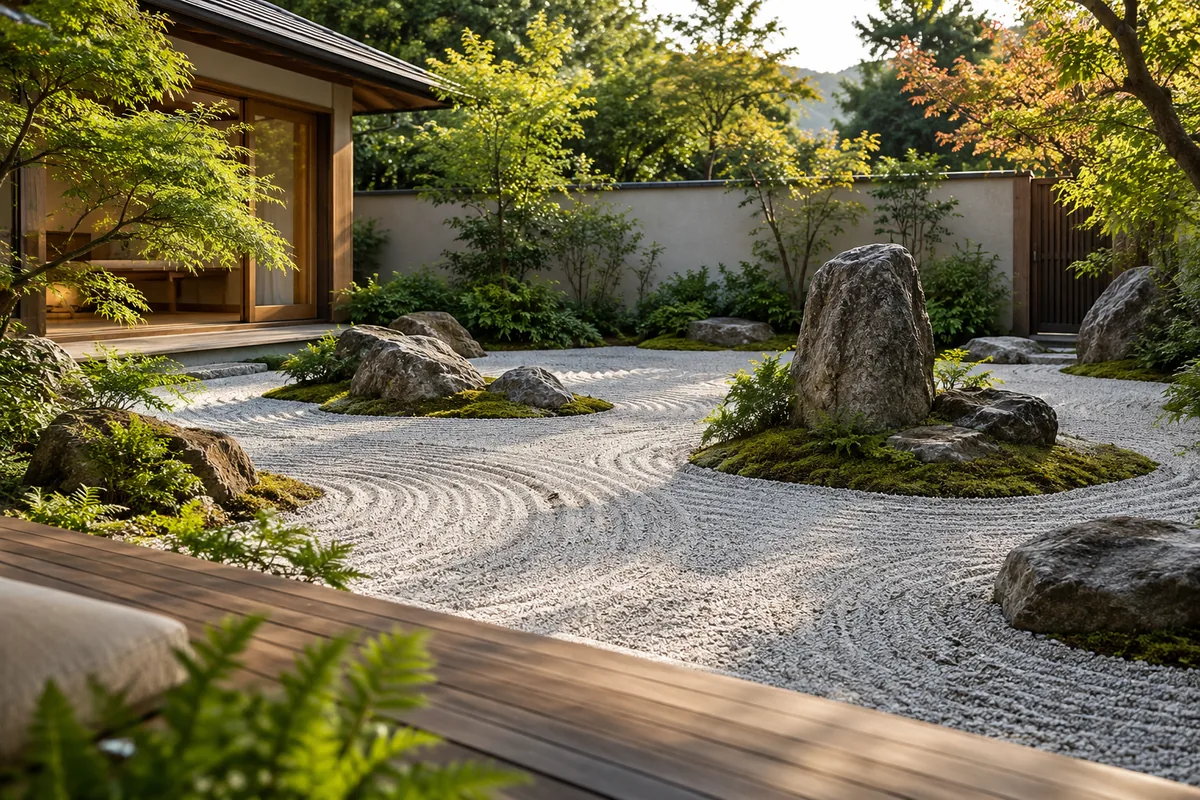
Zen garden style: stones, gravel, and deliberate space
Learn how zen garden style uses composed stones, raked gravel, restrained planting, and a chosen viewpoint, with practical limits for residential gardens.
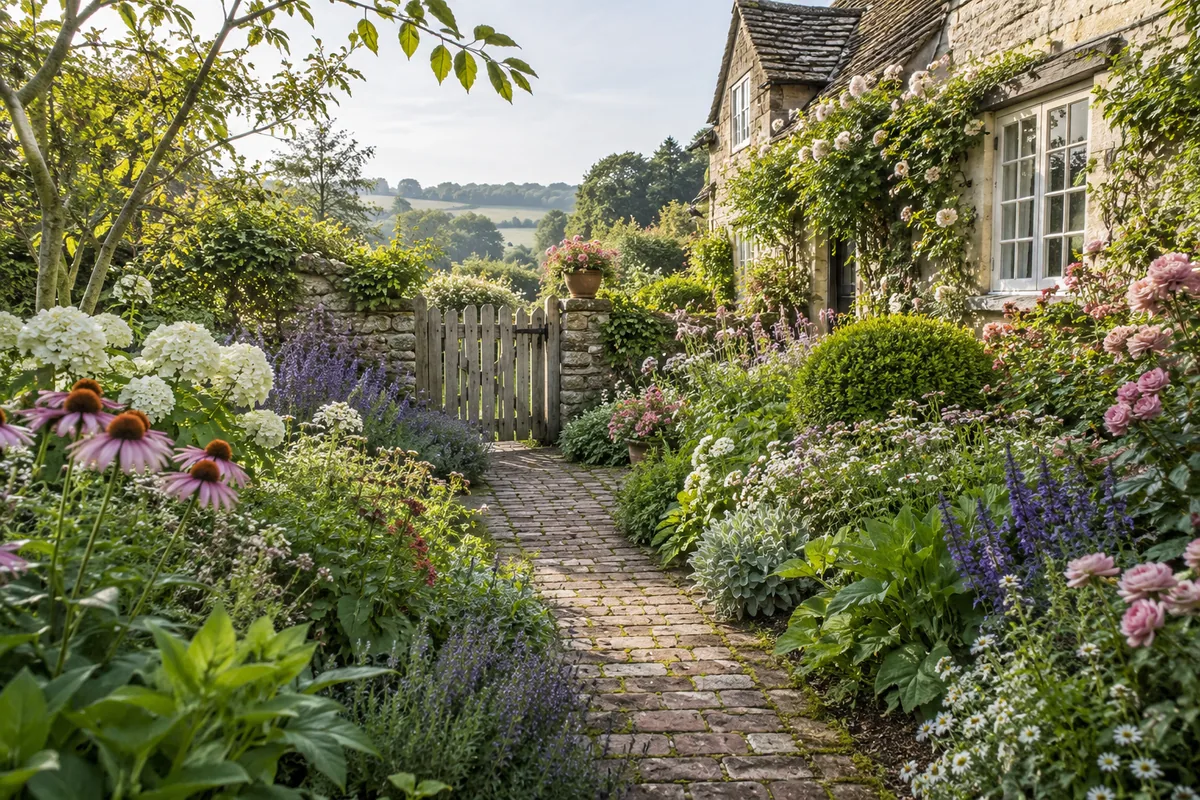
Cottage garden style: flowers with a working framework
Explore cottage garden style through layered flowers, selective self-seeding, clear paths, seasonal care, and the framework that makes informal planting usable.
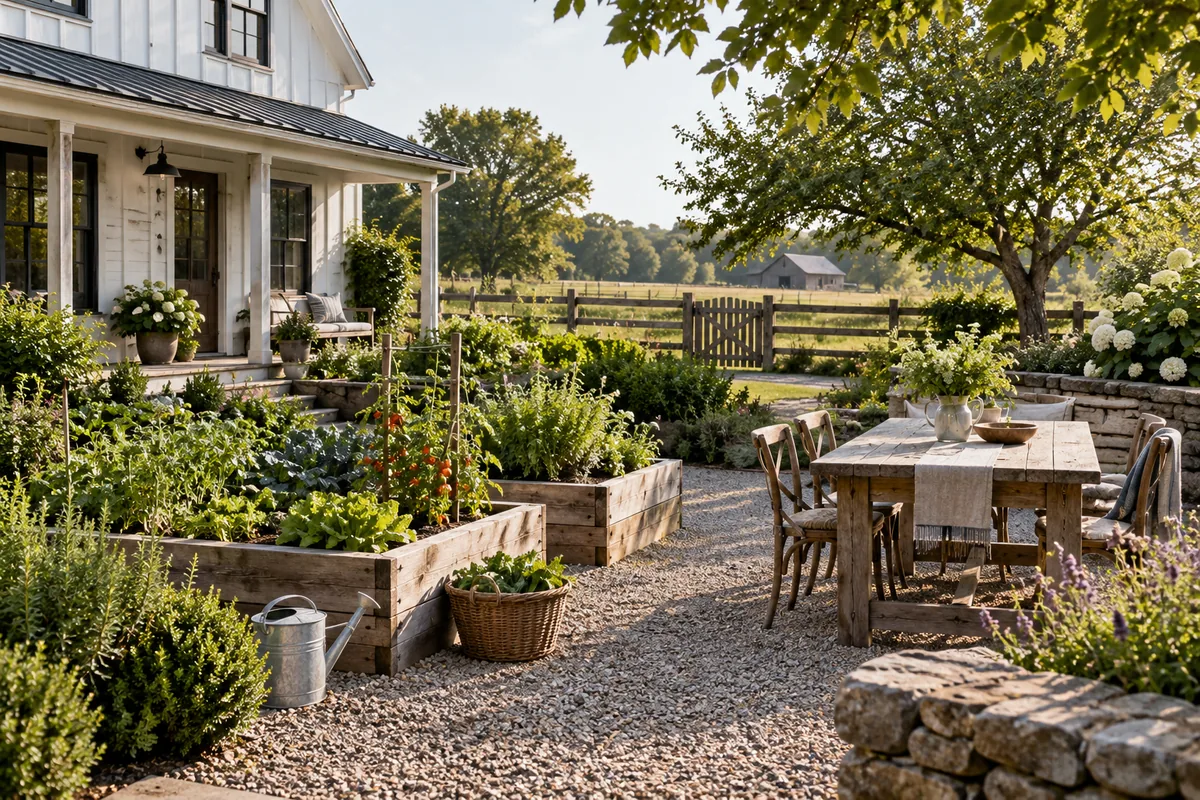
Farmhouse landscape style: useful spaces and honest materials
Discover farmhouse landscape style through practical fences, productive beds, wood and stone, and useful outdoor spaces that support everyday garden routines.
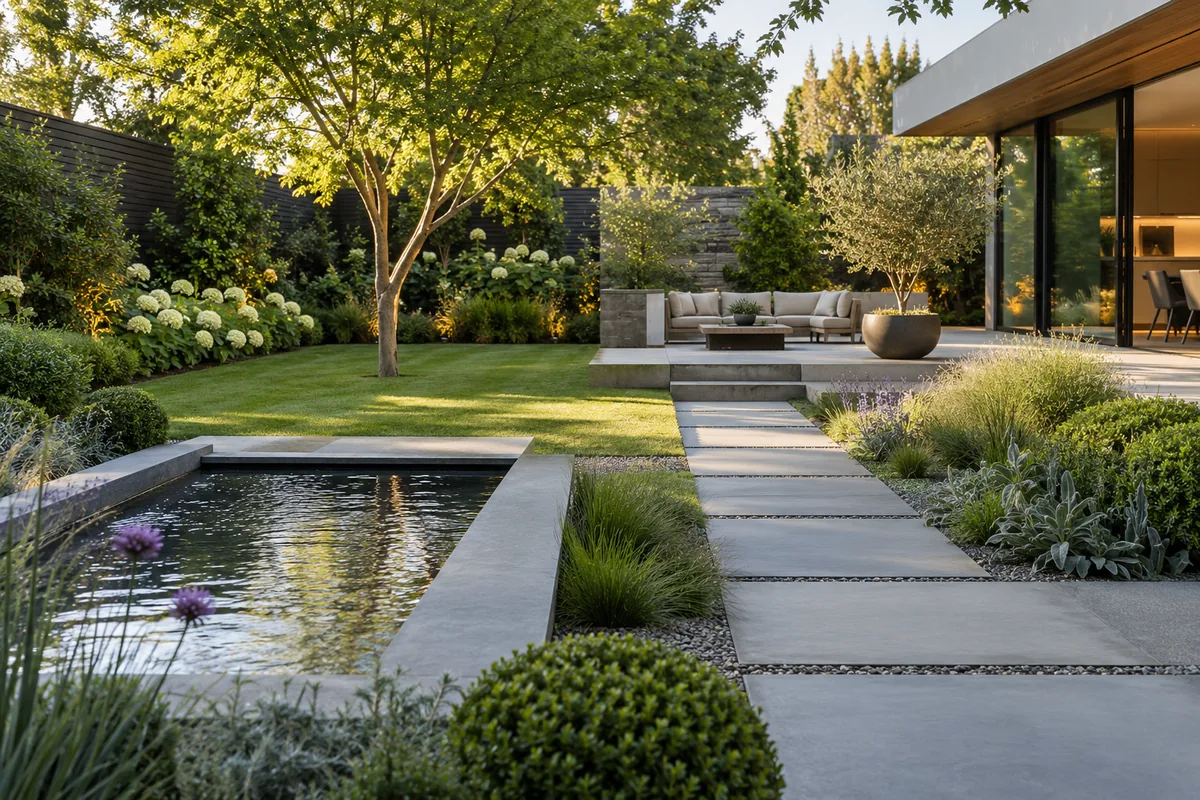
Modern landscape style: lines, space, and materials
Understand modern landscape style through clean lines, restrained materials, planting structure, and practical connections to contemporary architecture.
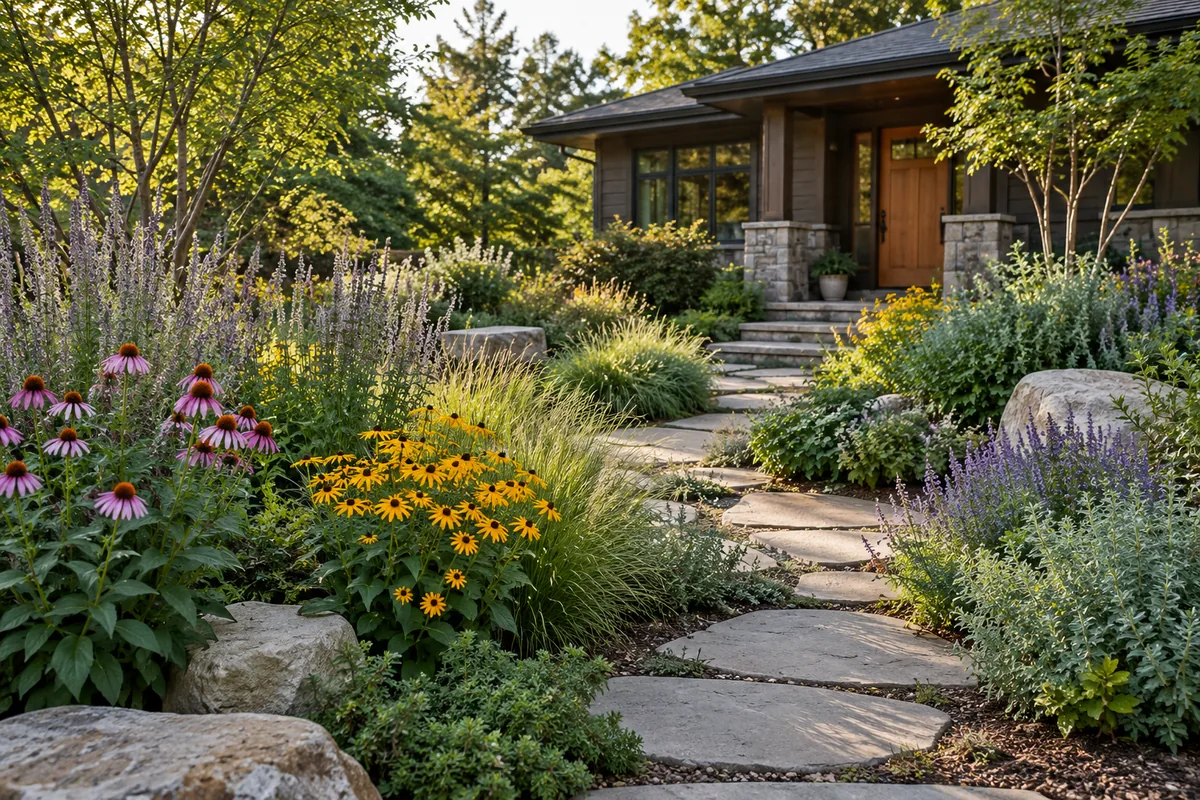
Native plant landscape style: regional plants with structure
Learn how native plant landscape style combines regional plant choices, seasonal change, and clear garden structure with practical care and neighborhood views.