
By AI Landscape Design Team · Editorial policy
Desert backyard ideas that make room for comfortable living
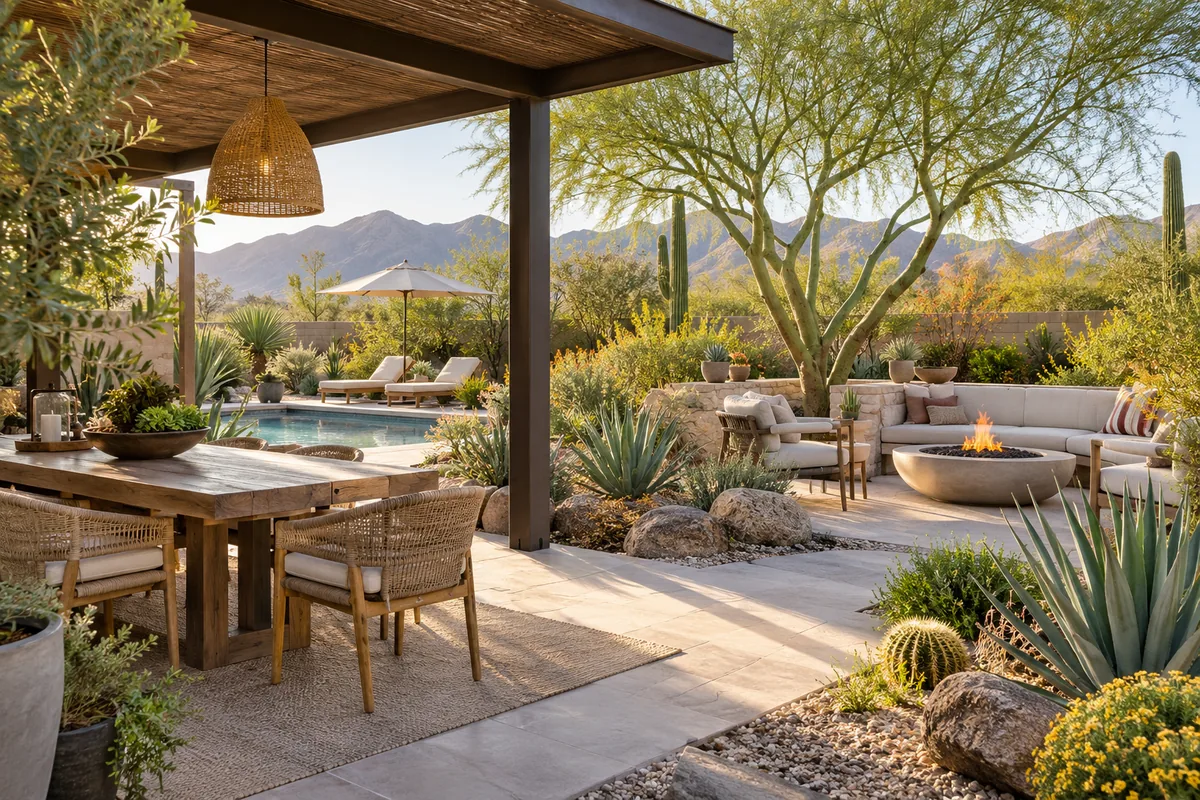
Desert backyard ideas should put comfortable shade and useful outdoor rooms ahead of decorative rock coverage. Arrange suitable plant forms and mineral surfaces around places for meals, sitting, and activity while keeping sharp growth outside occupied routes. Assess actual watering, heat, and drainage separately; a desert-looking concept cannot establish that the resulting backyard will perform well on the site.
Published · 6 min read
Key takeaways
- Preserve or plan shelter for the intended hours of use.
- Use open mineral ground to support rooms and plant form.
- Keep water-performance assumptions separate from appearance.
How should heat and household activity change the plan?
Visit the yard when you expect to eat or relax outside. Notice which surfaces and walls create uncomfortable exposure, where existing shade falls, and how people get back to the house. A large empty terrace may look useful in a photograph yet offer little comfort at the relevant time. Retain shelter that already works when professional review supports it.
Mark activity areas before choosing aggregate or plants. Dining, lounging, pets, and play need clear space and dependable routes. Check boundaries and local rules before installing shade or enclosure. Grades, retaining work, and water movement need site assessment. The arid visual language can leave open ground and emphasize plant silhouettes, but those decisions should serve the room rather than make the whole yard an exposed mineral display.
Eight ideas that put comfort inside the desert composition
- Place the main seat in useful shelter. Use an existing protected position or consider a professionally reviewed shade strategy for the time the seat is used. It suits yards where the best visual area is otherwise exposed. Observe actual conditions before fixing the location. A canopy pattern in an image does not establish its wind resistance, foundations, or the comfort it provides.
- Give dining an efficient house connection. Position the table on an appropriate surface where food can move from indoors without crossing a loose ornamental field. It works for regular outdoor meals. Test chairs and service circulation with real furniture. Keep plant silhouettes as a frame rather than putting rigid leaves or decorative boulders where people need to pass.
- Retain flexible usable ground. Choose an appropriate open surface for play or changing family activities where those uses matter. This fits a backyard that must do more than provide a viewed composition. Do not assume a desert reference requires removing every usable lawn area. Assess the local care needs and keep sharp or unstable objects outside the actual activity zone.
- Repeat a small number of verified plant roles. An upright accent, a rounded shrub group, and a low layer can organize open ground. It suits a yard whose planting currently feels scattered. Confirm regional suitability and mature dimensions before deciding positions. Repetition can help the view, but identical visual roles do not automatically have identical watering or soil requirements.
- Contain mineral ground beside the room. Gravel can support a plant group or define a quieter viewed area when its edge is clear. This works where access and debris removal remain manageable. Check glare and ask qualified professionals about drainage. The main route may require a different finish, and decorative aggregate alone is not evidence of reduced water demand.
- Use stones where their grouping can be read. Place an ornamental stone relationship within the viewed planting instead of spreading rocks through every gap. It fits a yard with an uncluttered background. Heavy handling and stability need experienced review, and stones should remain outside occupied circulation. Never treat decorative boulders as a substitute for site-specific retaining design.
- Plan containers as limited care points. A suitable pot beside a sheltered seat can provide emphasis where in-ground planting is impractical. It works when someone will inspect and water it regularly. Verify planted weight, drainage, toxicity, and sharp growth. Containers associated with desert imagery can still need attentive care and should not become an unplanned line of obstacles around furniture.
- Make night movement readable. Illuminate the practical route between house and outdoor rooms before adding stone or plant accents. It suits evening use of the yard. Licensed professionals should review electricity, fixtures, and permits. Test glare from chairs and nearby windows, and keep equipment reachable as plants grow or aggregate shifts around the edges.
Which local checks make the concept responsible?
Use regional horticultural advice to select the actual plants. USDA hardiness zone, soil, light, moisture, mature size, and invasive status need checking, including weather conditions that differ from the reference landscape. Ask ASPCA toxicity questions for pet-reachable planting and keep rigid or spiny forms clear of children's movement. A visual silhouette cannot establish plant identity or safety.
The desert style guide explains the distinction from xeriscaping; gravel path considerations help compare surface roles. Have licensed local professionals assess drainage, grades, retaining elements, shade structures, gas, and electrical work. Use 811 before US excavation and address private services through appropriate locating. Separate the watering review from decorative choices so the eventual maintenance plan reflects real plants and conditions rather than a photograph's sparse appearance.
How can you test the whole arrangement before buying?
Set chairs in the proposed rooms and observe the relevant hours of the day. Walk the routes with ordinary household objects and notice where furniture or plants create conflict. Plan access to irrigation and clean-up tools. Open ground makes debris and edge problems visible, so consider actual maintenance before increasing mineral coverage.
AILandscape's backyard tool can compare desert visual concepts from your property photo. Use the result to discuss shade, plant form, and usable spaces, then check dimensions, regional species, water movement, and installation locally. The image cannot establish comfort, water savings, or construction feasibility. Reject an attractive version that removes needed shelter or positions sharp growth beside a seat. The worthwhile desert backyard is one people can use and maintain, with visual restraint supporting that purpose.
Frequently asked questions
Can desert backyard ideas include lawn or other play space?
An appropriate open surface can remain when the household uses it. The style can be expressed through plant form, mineral edges, and the outdoor-room composition without removing every activity area. Evaluate local care and watering needs separately from the appearance of the reference.
Where should sharp desert-looking plants be placed?
Keep their verified mature growth outside seats, doors, play areas, and essential routes. Consider contact risk and access for maintenance, not just the initial nursery size. If the available position is too close to activity, choose a different locally suitable plant role.
Should I cover unused areas with rock?
Only when the material has a defined role and its glare, access, debris, and water behavior have been assessed. Covering ground can create new maintenance or comfort issues without improving use. Reconsider the layout first instead of treating aggregate as the default answer to every open area.
Sources
Related reading
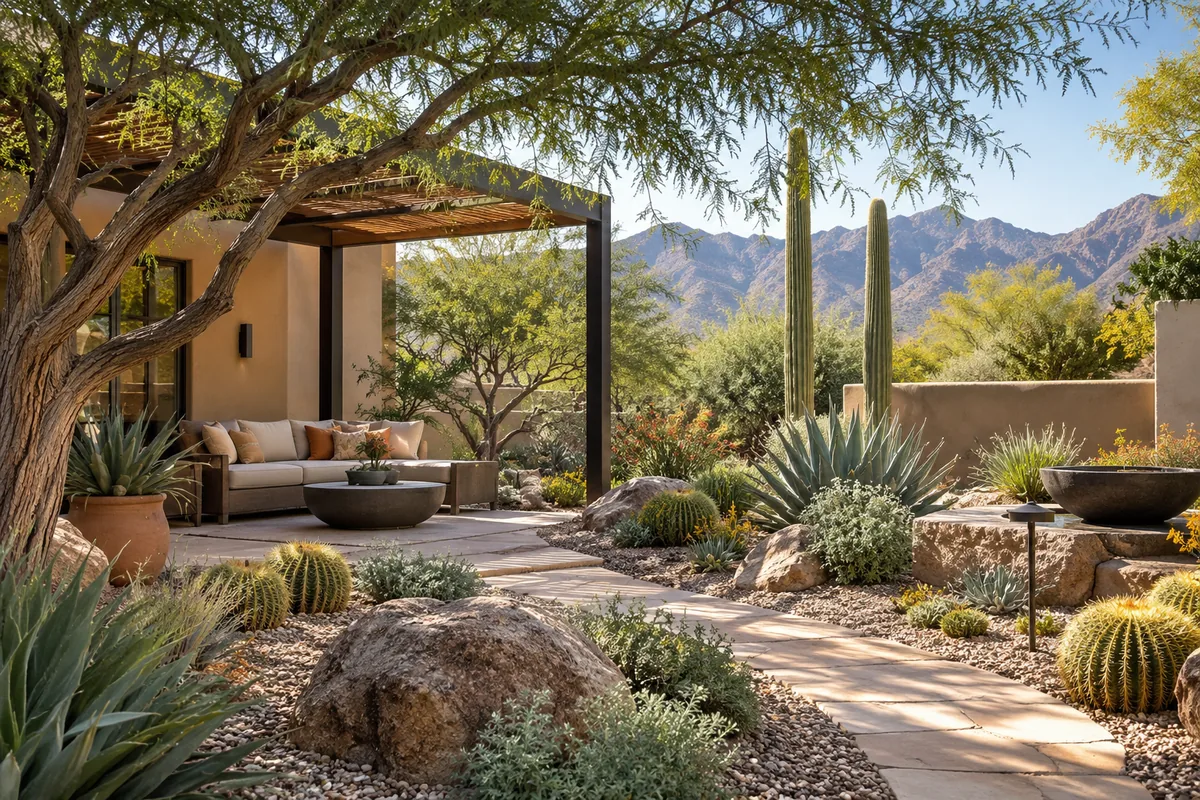
Desert landscape style: shade, stone, and plant form
Understand desert landscape style through plant form, mineral surfaces, useful shade, and heat-aware layouts, while separating its appearance from xeriscaping.
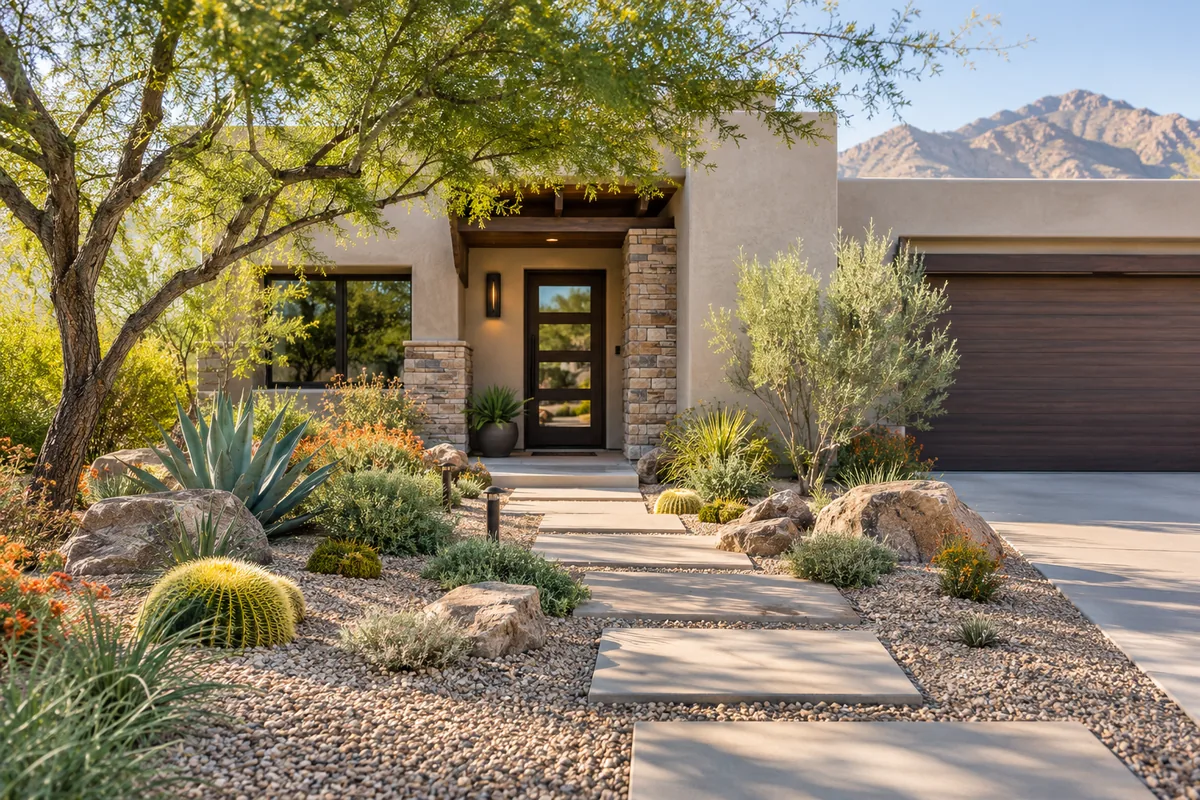
Desert front yard ideas for a comfortable, readable arrival
Explore desert front yard ideas with useful shade, sculptural plants, mineral surfaces, visible addresses, and safe access beside driveways and doors.
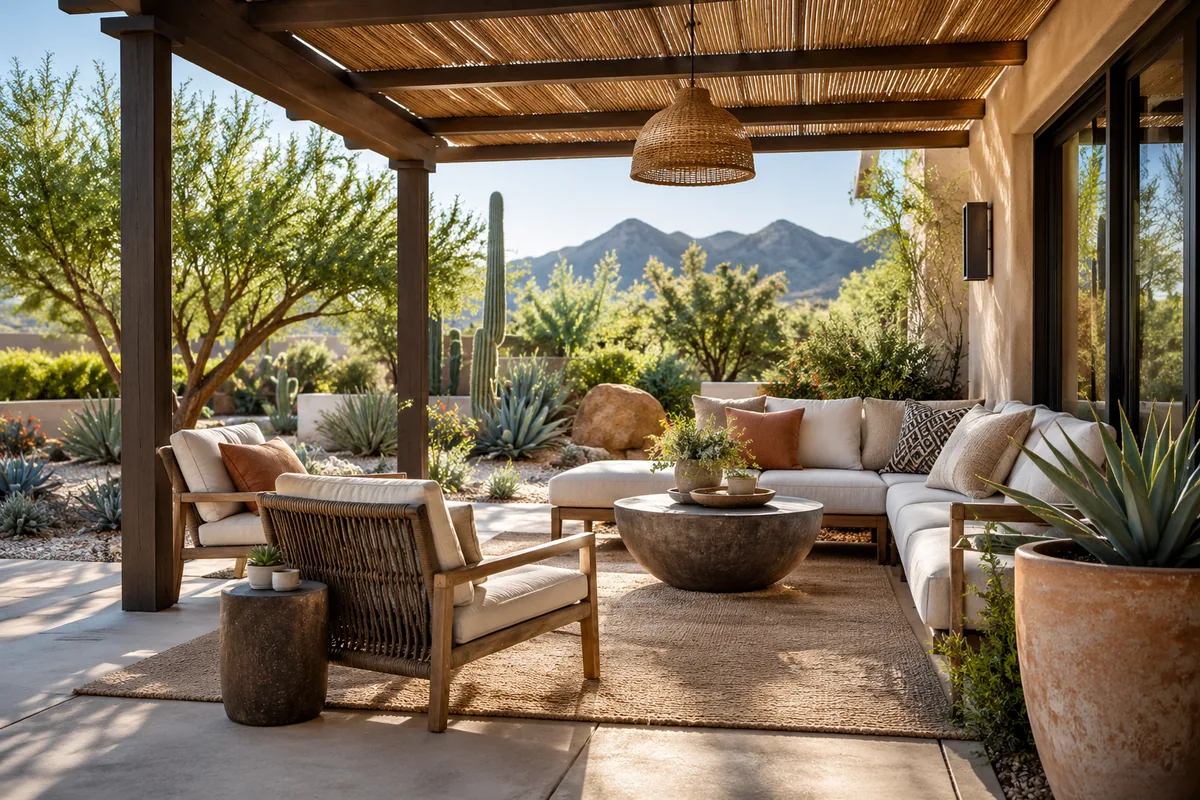
Desert patio ideas that put shade and comfort around the seats
Explore desert patio ideas for usable shade, quiet mineral surfaces, appropriate plant forms, stable containers, and clear movement around outdoor furniture.
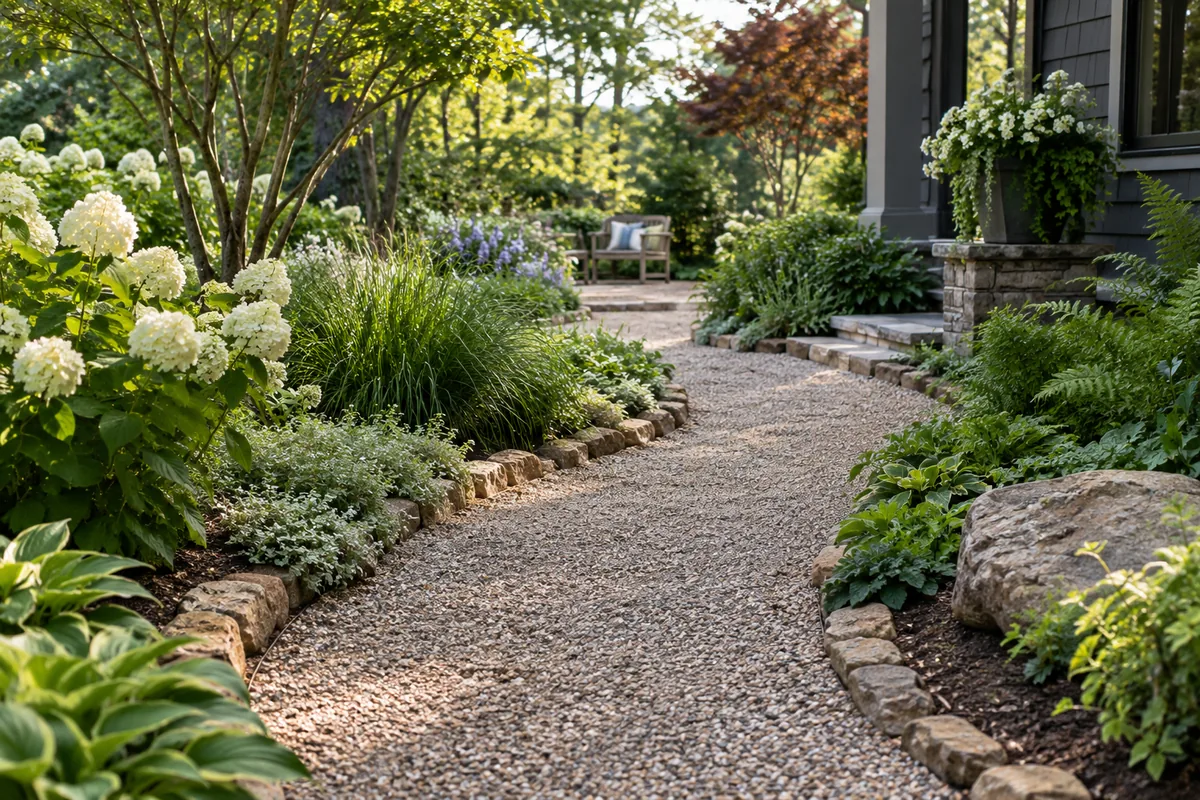
Gravel Paths That Fit Real Garden Movement
Learn how gravel path ideas fit your yard, with practical material, placement, upkeep, and safety questions to review before choosing a visual direction.
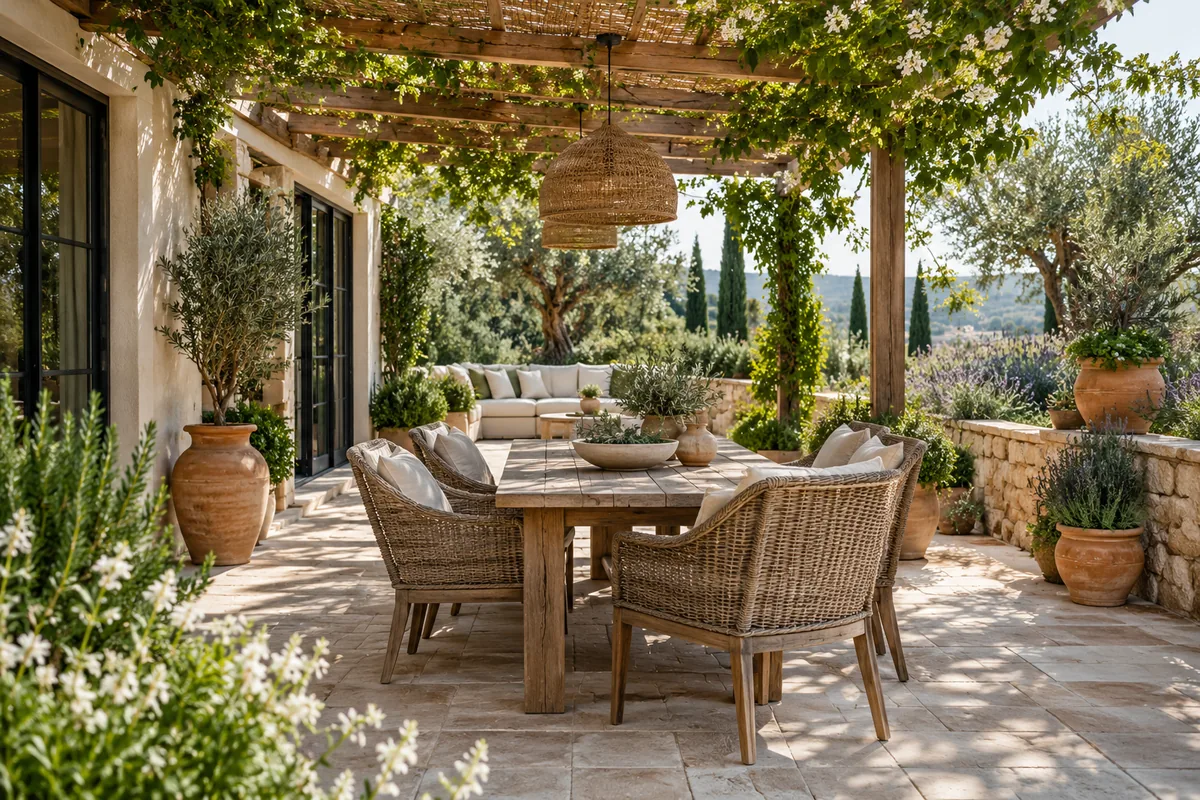
Mediterranean backyard ideas for shaded outdoor living
Find Mediterranean backyard ideas for shaded meals, clay containers, mineral surfaces, textured planting, and comfortable garden rooms adapted to local weather.
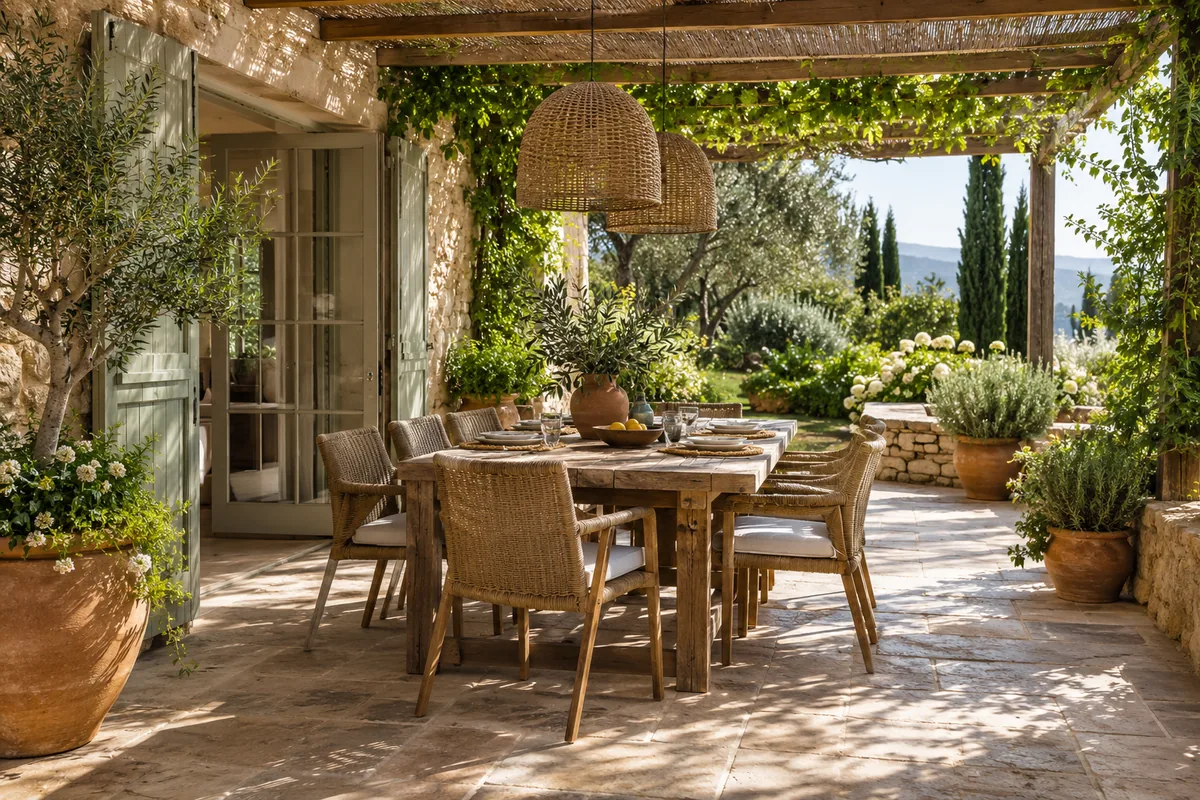
Mediterranean patio ideas for shaded meals and warm materials
Find Mediterranean patio ideas for clay pots, quiet stone colors, useful shade, comfortable dining, and locally suitable container planting around the room.