
By AI Landscape Design Team · Editorial policy
Summer Landscaping Checklist for Real Outdoor Use
A summer landscaping checklist should review how the garden is actually used, how plants and surfaces respond to current conditions, and which care needs require local advice. In most temperate US climates, exposure and activity can change during summer, but irrigation and maintenance still depend on real plants, soil, weather, and rules. Observe first, keep access clear, and avoid turning a sunny visual reference into a universal care schedule.
Published · 6 min read
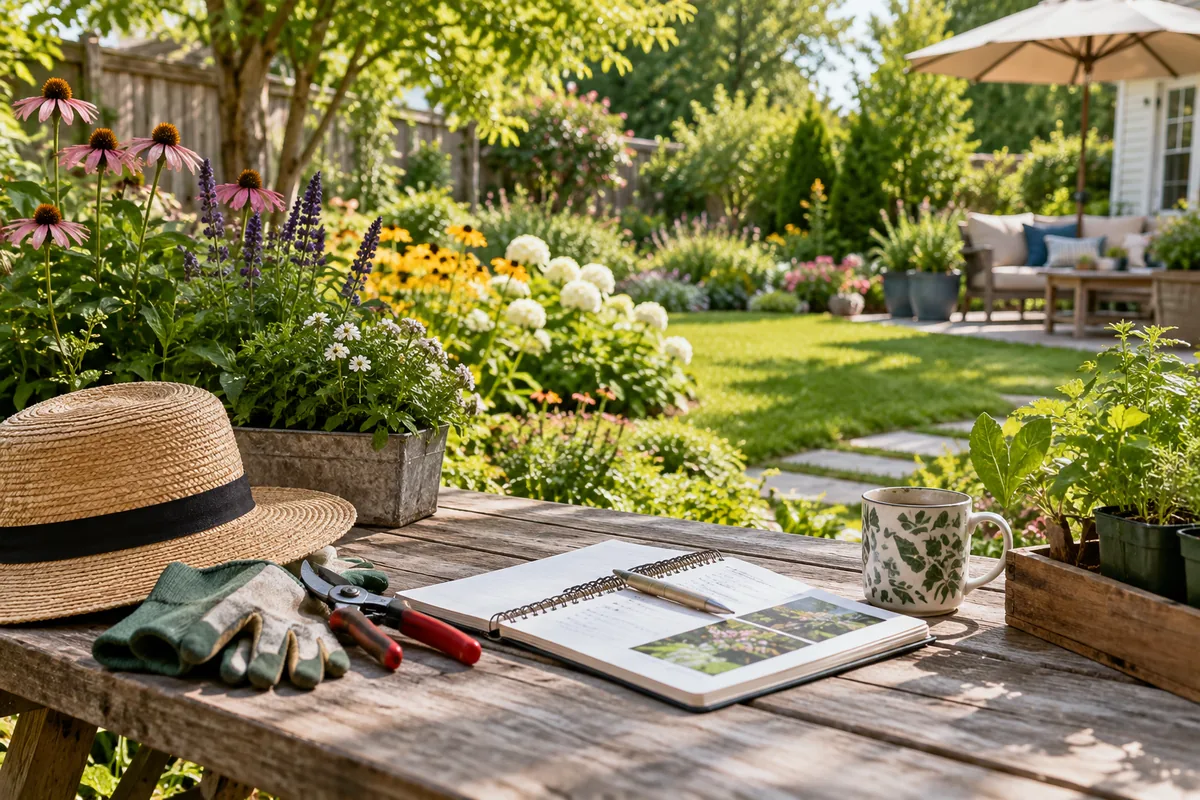
Key takeaways
- Check the spaces during the times people use them.
- Base irrigation on actual needs and local advice.
- Keep maintenance and movement clear around mature growth.
What does everyday use reveal in summer?
Observe the sitting, dining, arrival, and working areas during relevant hours rather than judging them from one bright photograph. Record where people choose to spend time and where conditions discourage the intended use. Furniture arrangement, exposure, shade, and circulation can interact. A larger or more decorated surface does not necessarily improve an activity that is awkward because of its location.
In most temperate US climates, summer can make those relationships easier to observe, but the same calendar label does not describe every property. Check the actual local conditions and retained features before adding structures or more paving. Professional advice is needed for shade supports, attachments, foundations, permits, and changes affecting trees. Compare Mediterranean style and modern style only as visual options for organizing surfaces and planting. Neither style guarantees comfort or local plant suitability. Keep practical observations with the references so a concept can be adapted to the property instead of dictating use from an idealized sunny scene.
How should watering and plant condition be reviewed?
Identify the real plants and record visible changes without guessing their cause from a photo. Wilting, discoloration, or slow growth can require suitable diagnosis rather than automatic extra water. Confirm the USDA hardiness zone and local horticultural guidance alongside actual light, soil, moisture, and care. A drought-tolerant label or native origin does not remove those checks.
According to EPA WaterSense, irrigation and plant selection should respond to regional and site conditions. Use that principle to discuss compatible water needs and appropriate inspection with local experts. The checklist supplies no operating times, emitter counts, or fixed saving claims. Review the actual installed system with those qualified to advise on it. Pets’ access requires a separate ASPCA toxicity check for the planting. Keep plant health and water decisions distinct from the visual goal of a lush border; an AI concept can suggest density or texture but cannot verify species, moisture requirements, disease, or reliable performance through a hot season.
What surfaces and furniture need inspection?
Walk the routes and transitions used during ordinary activity. Plant spread, containers, furniture, and loose material can change the usable passage even when the original outline was generous. Check the arrangement with chairs occupied and doors operating. Treat visible damage or instability as a question for appropriate professionals rather than specifying a repair from the surface appearance.
Discuss maintenance, drainage, levels, and actual access requirements before adding or replacing built features. Review dining sets to consider furniture use without assuming a pictured set fits the property. Electrical or lighting changes require a licensed electrician or relevant qualified professional. Before any excavation in the United States, use 811 and arrange private-service locating where necessary. Avoid cluttering the route with summer decorations or pots simply because they complete the palette. A summer review should keep the garden workable for its users, not rely on a photograph in which furniture and plants appear conveniently still and every surface is clean.
How can maintenance choices remain realistic?
Assess the work the garden actually requires and the support available to do it. Dense planting, numerous containers, and elaborate surface edges can create ongoing tasks. Keep access for watering, inspection, and plant care visible in the layout. Ask local experts about pruning, treatment, or other unfamiliar work rather than adopting a calendar-wide rule for every species.
Use drip irrigation to clarify one delivery method without assuming it eliminates scheduling or upkeep. Record what needs professional investigation and what is ordinary owner care. A visual concept may help compare a simpler arrangement, but it does not verify exact plants, irrigation, measurements, or construction. Remove features that conflict with the actual care capacity rather than promising that a style will remain full with little effort. Revisit the priorities if local conditions or use changes. The purpose of the summer checklist is an informed adjustment of a real garden, preserving useful features and acknowledging limitations instead of applying an identical watering or maintenance formula to every yard.
Which summer checks can be grouped by task?
Planning
- [ ] Note where people actually sit during relevant hours.
- [ ] Record exposure concerns before buying a shade feature.
- [ ] Compare the current activities with the original priorities.
- [ ] Identify changes needing qualified site assessment.
Hardscape
- [ ] Test circulation with furniture in ordinary use.
- [ ] Check thresholds for displaced loose material or clutter.
- [ ] Refer damaged supports and surfaces to appropriate professionals.
- [ ] Keep proposed electrical work within qualified responsibility.
Planting
- [ ] Identify plants before interpreting visible seasonal changes.
- [ ] Verify local conditions and actual moisture needs.
- [ ] Check pet-accessible candidates against toxicity resources.
- [ ] Assess mature spread beside paths and windows.
Maintenance
- [ ] Obtain suitable advice for irrigation scheduling and inspection.
- [ ] Keep watering points reachable without trampling planting.
- [ ] Record unresolved care concerns instead of guessing treatments.
- [ ] Reassess the design if upkeep exceeds available support.
Adapt these checks to the real climate, local requirements, and garden scope. They do not establish a universal watering amount, a plant diagnosis, or confirmation that an installed feature is safe.
Frequently asked questions
Does summer mean every plant needs more water?
Actual water needs depend on species, soil, exposure, weather, establishment, and local rules. Visible stress may require diagnosis rather than automatic watering. Seek suitable local guidance and review the installed irrigation instead of applying one seasonal schedule to the whole garden.
Can a shade structure be chosen from an image?
An image can communicate a visual preference but cannot establish shade coverage, supports, loads, foundations, or permits. Test the intended use and obtain qualified local review. Real structural and site information must guide installation before the attractive concept is treated as feasible.
Should summer planting always be dense?
Plant density is a visual preference constrained by mature growth, conditions, and maintenance access. Confirm actual species and local needs before adding plants. A full-looking concept can hide overcrowding or conflicting care, so inspect the real border rather than using appearance as a performance measure.
Sources
Related reading
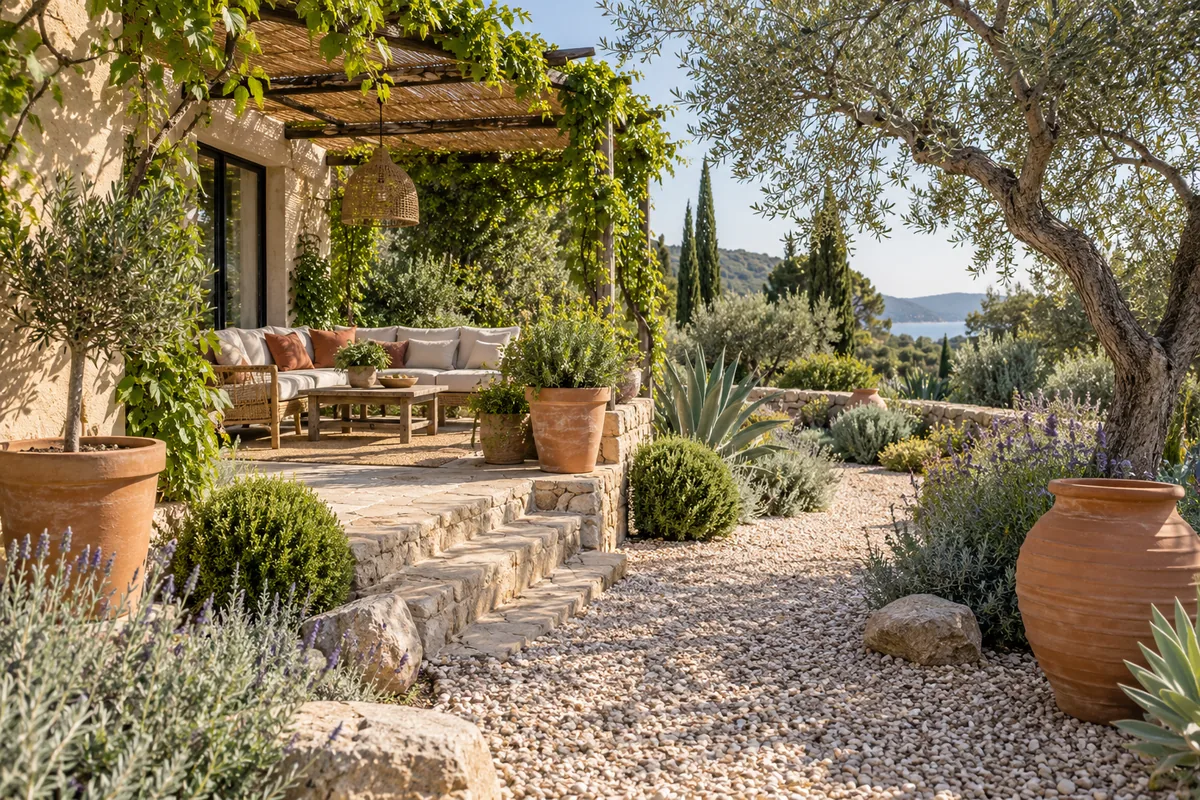
Mediterranean garden style: shade, gravel, and warm color
Understand Mediterranean garden style through shade, gravel, clay pots, and silver foliage, with practical ways to adapt the visual language to local climates.
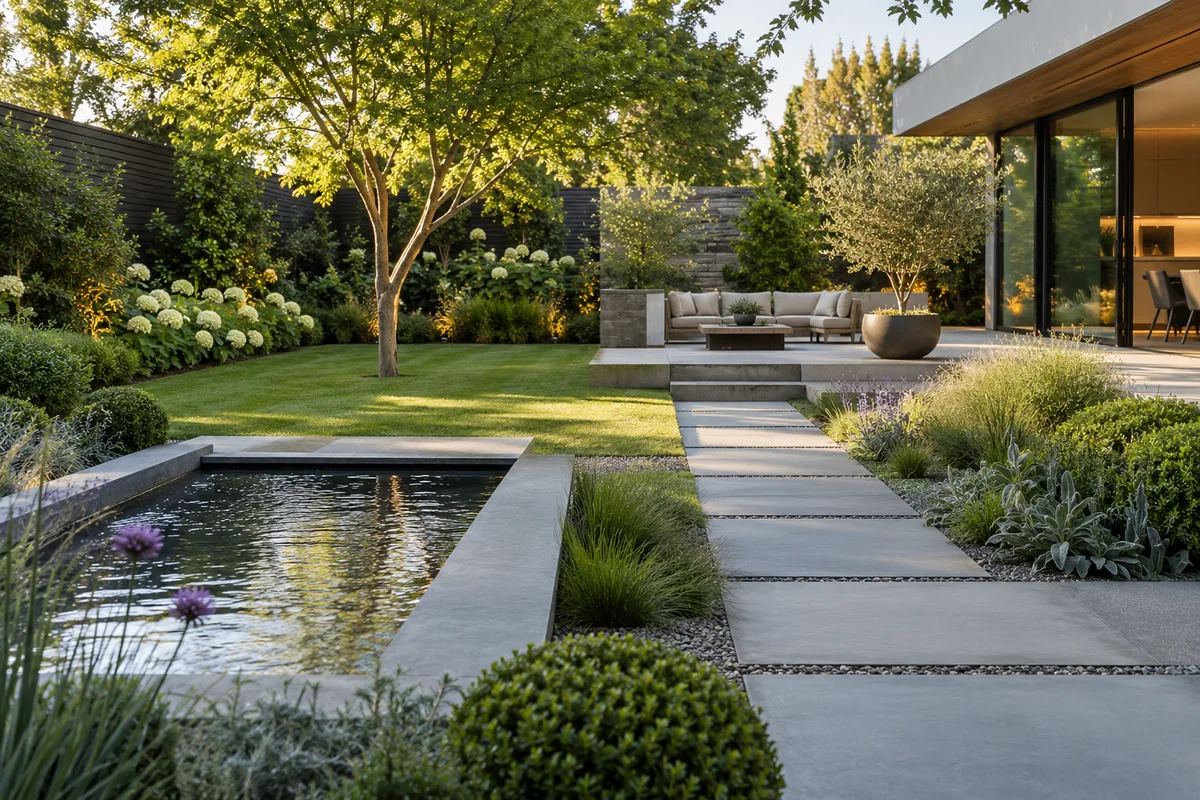
Modern landscape style: lines, space, and materials
Understand modern landscape style through clean lines, restrained materials, planting structure, and practical connections to contemporary architecture.
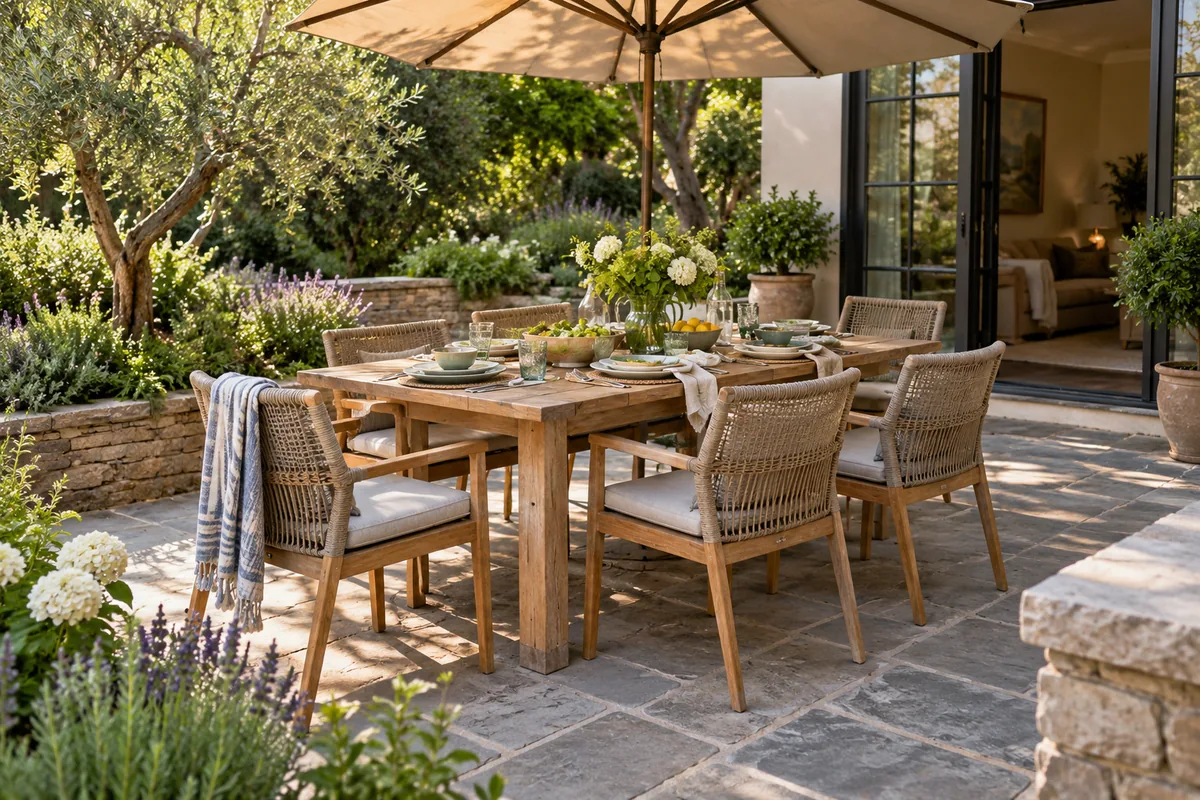
Outdoor Dining Set Ideas Based on the Occupied Table
Choose outdoor dining sets using table shape, real chair movement, serving routes, shade, material care, and the usable patio area rather than empty furniture.
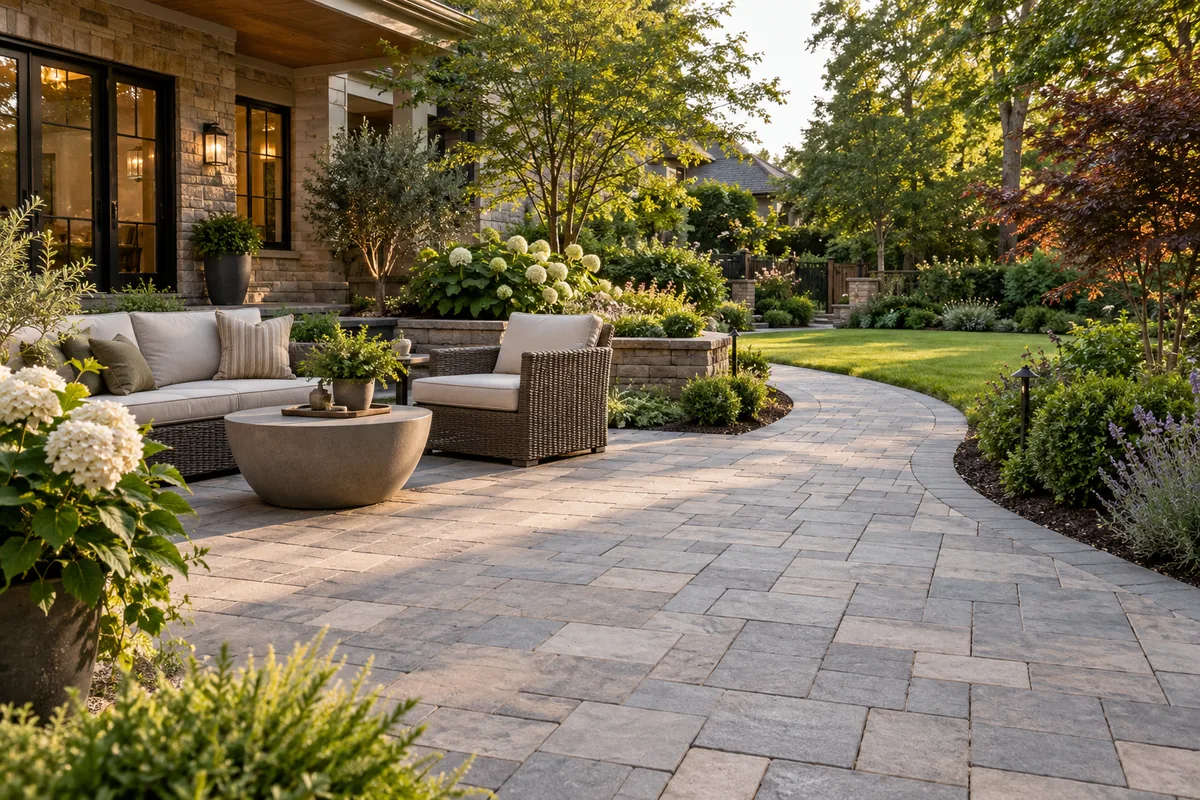
Concrete Pavers for Patios, Paths, and Yard Routes
Learn how concrete pavers fit your yard, with practical material, placement, upkeep, and safety questions to review before choosing a visual direction.

Outdoor Lounge Furniture for the Way You Actually Rest
Choose outdoor lounge furniture using seating habits, modular layouts, fabric care, storage, exposure, movement, and independently assessed fire features.
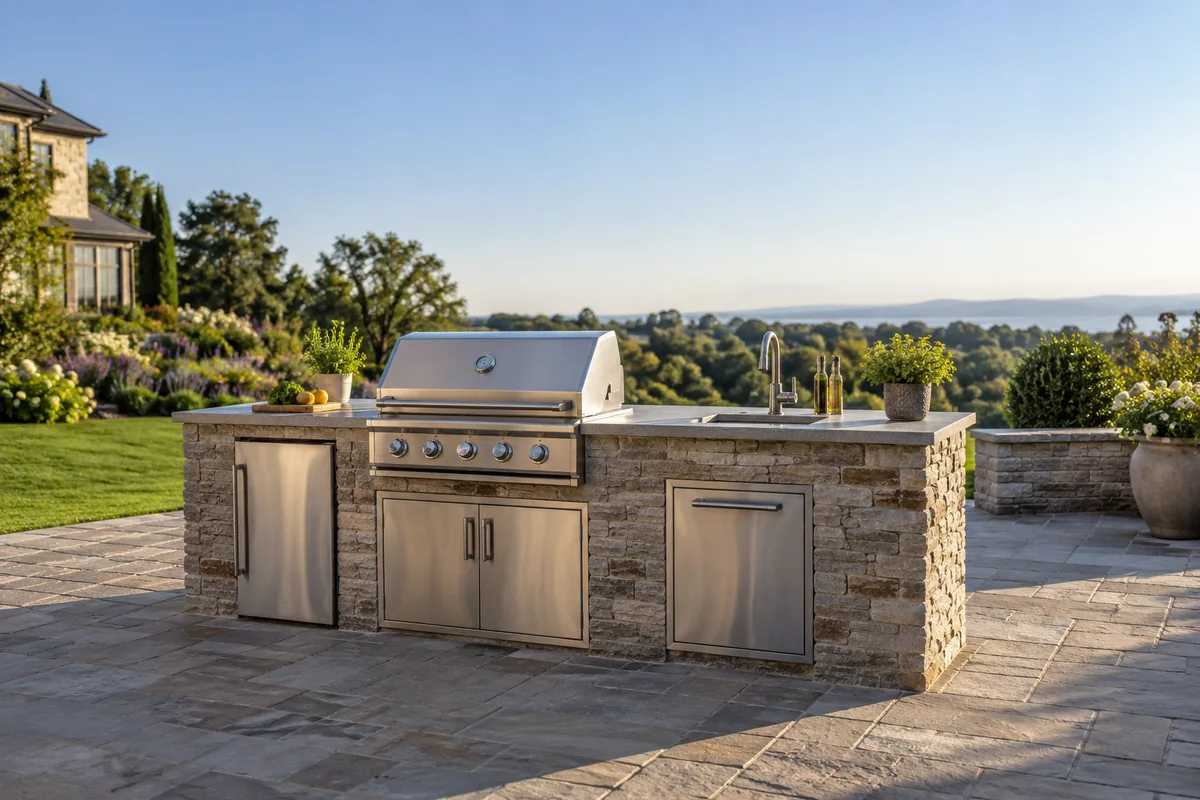
Outdoor Kitchen Design That Follows Real Use
Learn how outdoor kitchen design fit your yard, with practical material, placement, upkeep, and safety questions to review before choosing a visual direction.