
By AI Landscape Design Team · Editorial policy
Landscaping for Mediterranean Climates: Site Choices
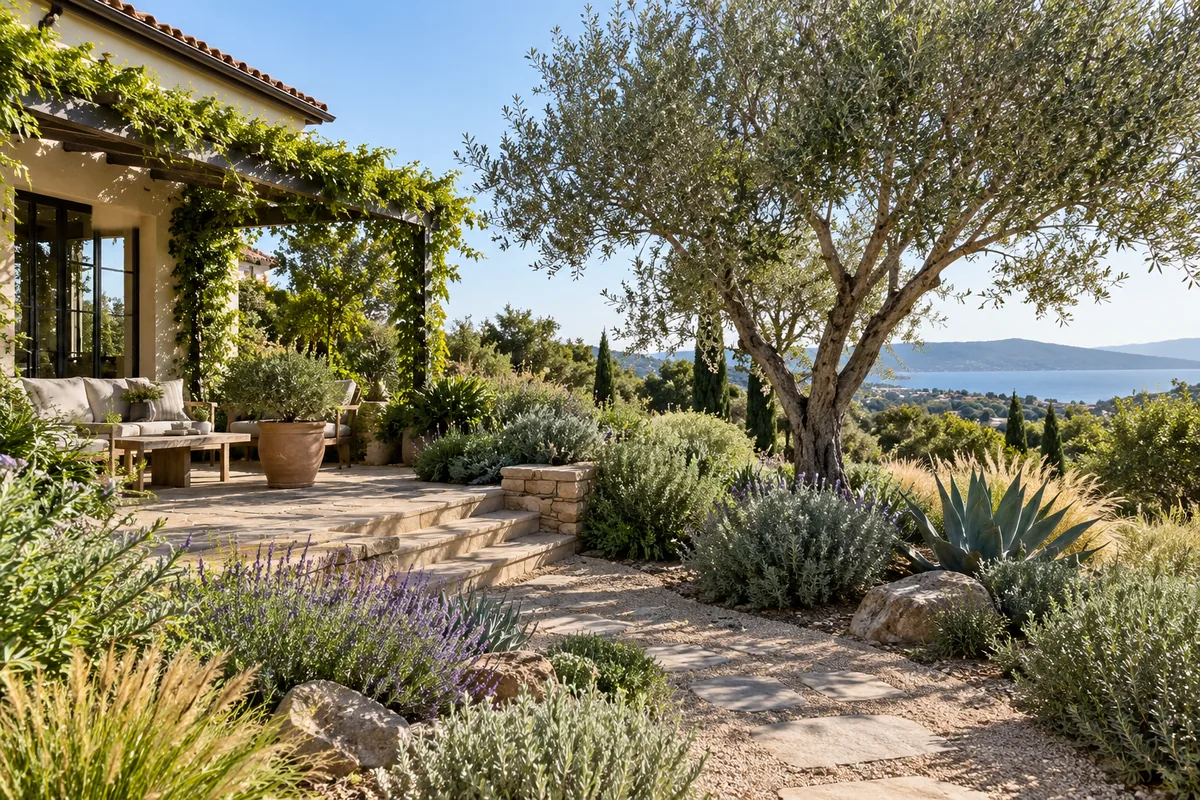
Landscaping for Mediterranean climates should account for seasonal water patterns, exposure, local soil, and everyday use rather than simply copying a Mediterranean-style photograph. Compare planting needs with the actual site, review useful shade and circulation, and select materials for their installed conditions. The climate category and visual style are related ideas but different checks; verify USDA hardiness and local extension guidance before choosing species or changing drainage and structures.
Published · 6 min read
Key takeaways
- Separate a climate pattern from a visual style.
- Review seasonal moisture as well as exposure.
- Choose real plants through local verification.
Why separate climate and style?
A Mediterranean-looking garden can appear in many climates, while a site described as Mediterranean may support several visual directions. Keep the two concepts separate from the beginning. Climate describes relevant growing patterns; style describes relationships among materials, planting, and space. A reference image may be useful for a paving palette without providing a plant list appropriate to the property.
Confirm the location and use the USDA Plant Hardiness Zone Map as one source of cold-tolerance context. Local extension advice and observation are needed for actual soil, moisture, exposure, and other growing conditions. Do not infer those facts from a sunny photo. Record the outdoor uses and retained features before selecting decorative details. A courtyard, an open garden, and a frontage may require different solutions even within the same climate description. The project should respond to the real setting, not to an expectation that every Mediterranean-climate yard needs identical plants, walls, pots, or gravel surfaces.
How should seasonal moisture guide planning?
Observe where water collects, how the soil behaves, and which areas differ through relevant seasons. Broad climate descriptions do not diagnose a particular wet bed or establish drainage capacity. Ask qualified local professionals to assess water sources, levels, soil, and appropriate destinations where changes are proposed. A plant label associated with dry conditions does not prove tolerance of the site’s seasonal moisture pattern.
According to EPA WaterSense, appropriate plant selection and irrigation depend on local conditions. Use that principle to discuss compatible needs rather than applying one schedule to all planting. The guide gives no water amounts, operating times, or universal maintenance calendar. Existing conditions may call for a different palette or layout from the original reference. Keep uncertainty visible until assessed, and avoid using surface stone to hide an unresolved water problem. Before digging in the United States, contact 811 and review private utility locating separately. The seasonal water discussion should precede construction commitments that could make later assessment or repair more difficult.
Which plant roles support the preferred appearance?
Consider foliage form, repeated groups, and seasonal accents before choosing exact plants. Locally suitable shrubs, grasses, herbs, or flowering perennials may provide visual possibilities, but these groups are not a guarantee of suitability. Check cold tolerance, light, soil, moisture, mature dimensions, invasive status, and toxicity where relevant. A plant’s association with a regional aesthetic does not establish that it belongs in a specific American yard.
Compare Mediterranean style with modern style when a simpler surface and planting relationship might fit the house. Keep the plant roles adaptable rather than insisting on species visible in a foreign garden photograph. Ask local nursery or extension experts about the real candidates and their care. Review the palette outside peak flowering periods so the structure does not depend on a short display. Repetition can clarify the design when actual growing conditions match, but repeating unsuitable planting simply spreads the problem across more of the site.
How do pots, paving, and shade affect use?
Pots and restrained paving can contribute to the visual direction when they serve a clear role. A container may mark a doorway or provide seasonal planting, but it needs a stable position, suitable growing medium, drainage, and realistic care. Keep essential routes and door operation clear. Review the planter guide for practical questions rather than reading sizes or plant identities from a concept.
Test furniture arrangements and the useful shade at the actual times the area will be used. A covered-looking reference does not prove dependable comfort or structural feasibility. Qualified professionals must review supports, attachments, permits, levels, and drainage for built features. Choose surfaces for actual movement and maintenance as well as color. Loose material, joints, and thresholds can influence everyday access. Avoid extending a decorative palette into places where it conflicts with use. The aim is a readable, usable layout that responds to the site, not a collection of regional motifs assembled without checking whether they can be maintained or safely installed.
What belongs in the final local review?
Keep the confirmed conditions, intended uses, preferred visual relationships, real plant candidates, and unresolved construction questions in one concise brief. Use microclimate to explain why different beds may need different decisions. Compare the concept with those notes and remove features that rely on unsupported climate or plant assumptions. A photo visualization can help explore the arrangement but does not verify local plants, irrigation needs, dimensions, or installation.
Ask the appropriate local professionals to confirm the remaining horticultural, drainage, structural, and electrical matters before purchases or excavation. Check pet toxicity through ASPCA where animals reach the planting. Review maintenance access and seasonal care with the actual owner rather than assigning effortless upkeep to the style. Update the plan when information changes. A successful climate-responsive landscape can use a Mediterranean visual language without copying every detail from a reference. Its suitability depends on the real plants and site decisions, which require evidence and local advice beyond the appearance of the finished concept.
Frequently asked questions
Is Mediterranean style proof that plants suit the climate?
Style describes visual relationships rather than verified growing requirements. Plants associated with the look may still be unsuitable for the actual soil, exposure, cold, or moisture. Confirm the USDA zone and local advice before purchasing a palette based on a reference image.
Can containers replace local plant checks?
Containers change some growing conditions but do not establish climate tolerance, safe toxicity, or appropriate care. Verify the actual plants, position, drainage, and maintenance. A plant that looks suitable in a decorative pot may still be poorly matched to the location.
Should irrigation follow one climate-wide schedule?
Water needs vary with actual plants, soil, exposure, establishment, and local requirements. Use qualified irrigation and horticultural advice for the site. A broad climate category or Mediterranean-looking concept is not enough to determine a reliable universal operating schedule.
Sources
Related reading
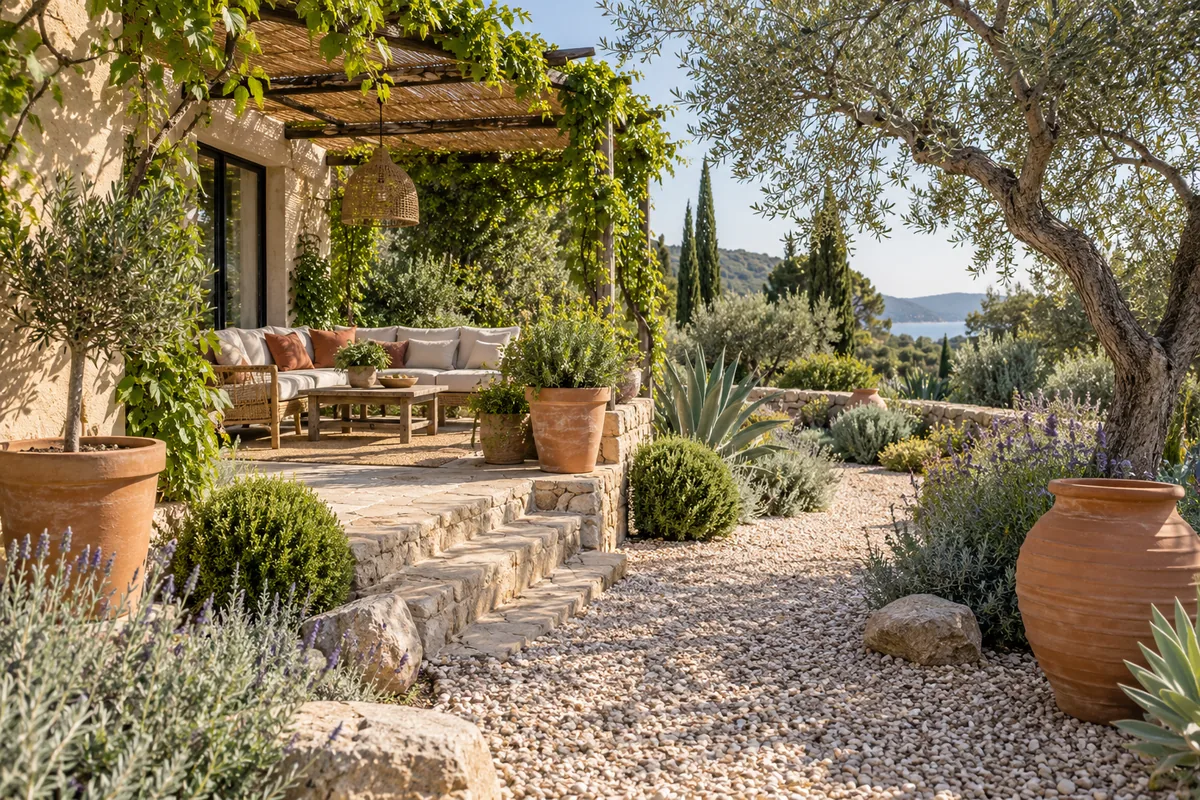
Mediterranean garden style: shade, gravel, and warm color
Understand Mediterranean garden style through shade, gravel, clay pots, and silver foliage, with practical ways to adapt the visual language to local climates.
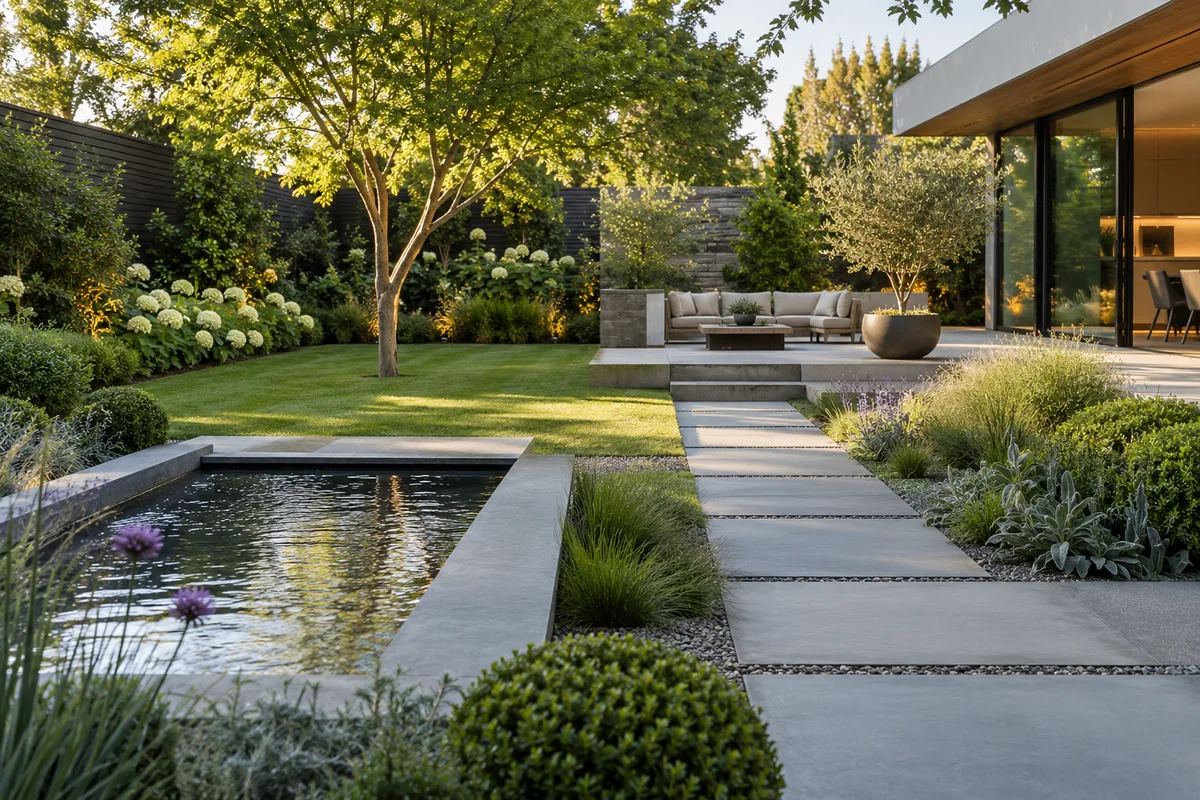
Modern landscape style: lines, space, and materials
Understand modern landscape style through clean lines, restrained materials, planting structure, and practical connections to contemporary architecture.
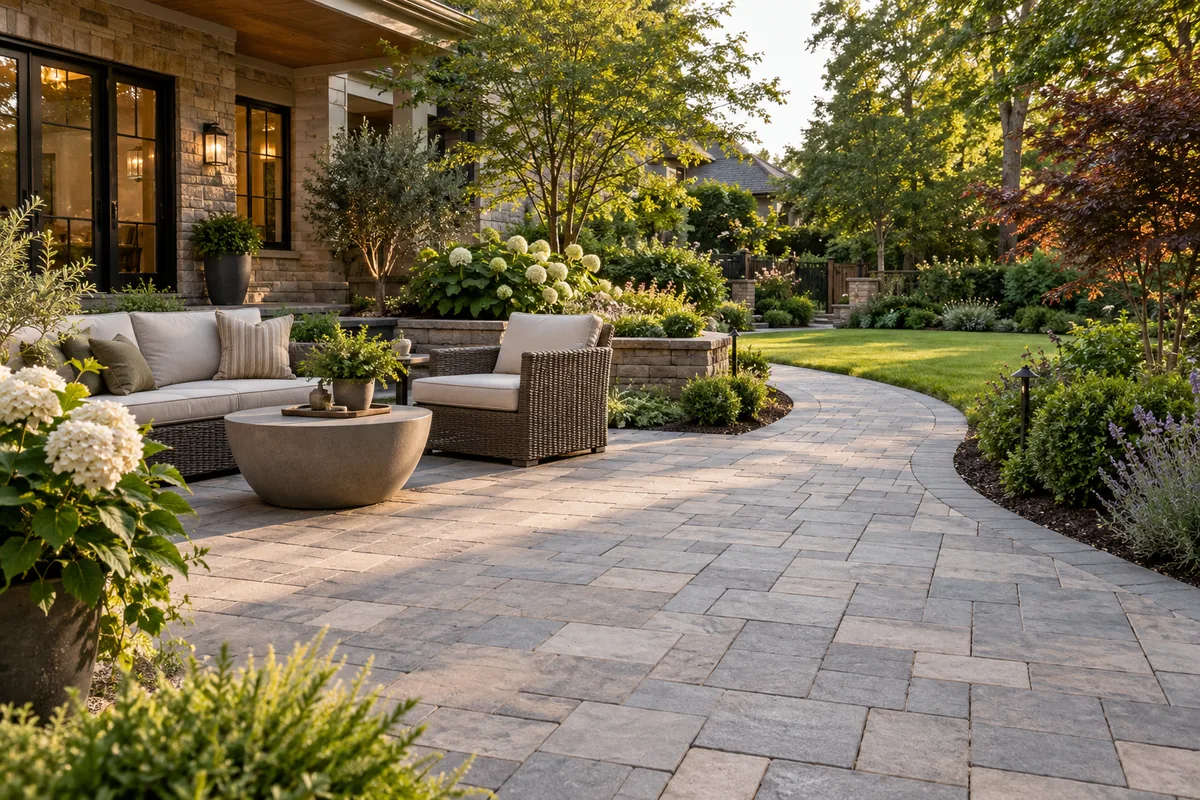
Concrete Pavers for Patios, Paths, and Yard Routes
Learn how concrete pavers fit your yard, with practical material, placement, upkeep, and safety questions to review before choosing a visual direction.
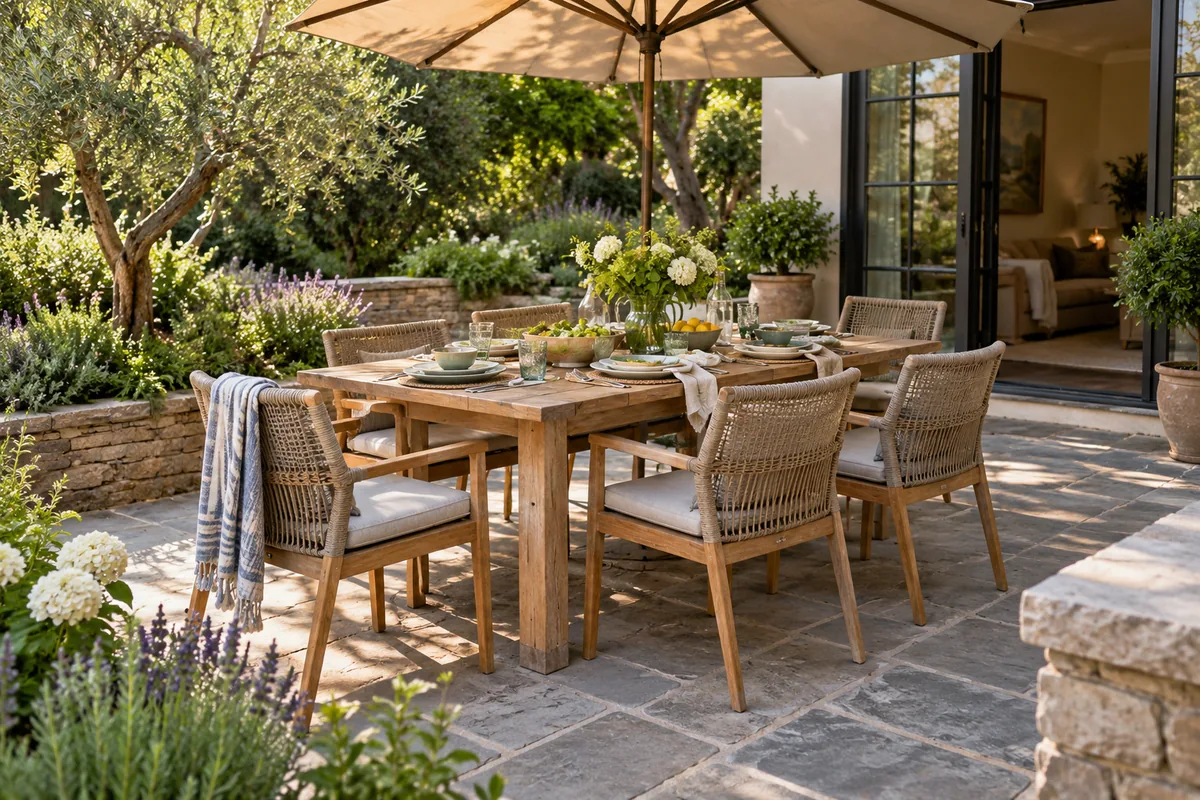
Outdoor Dining Set Ideas Based on the Occupied Table
Choose outdoor dining sets using table shape, real chair movement, serving routes, shade, material care, and the usable patio area rather than empty furniture.
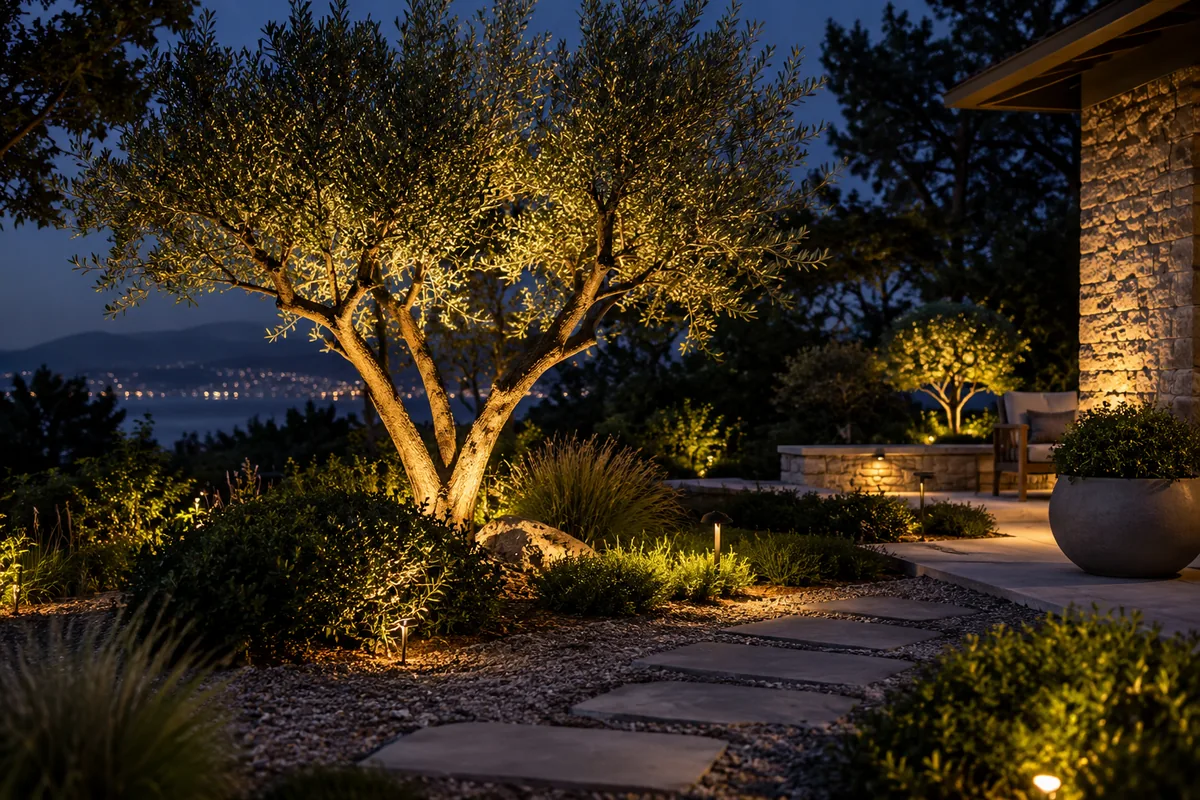
Landscape Accent Lighting That Respects the Night View
Plan landscape accent lighting around selected features, controlled glare, useful viewing positions, appropriate fixtures, and professional electrical review.
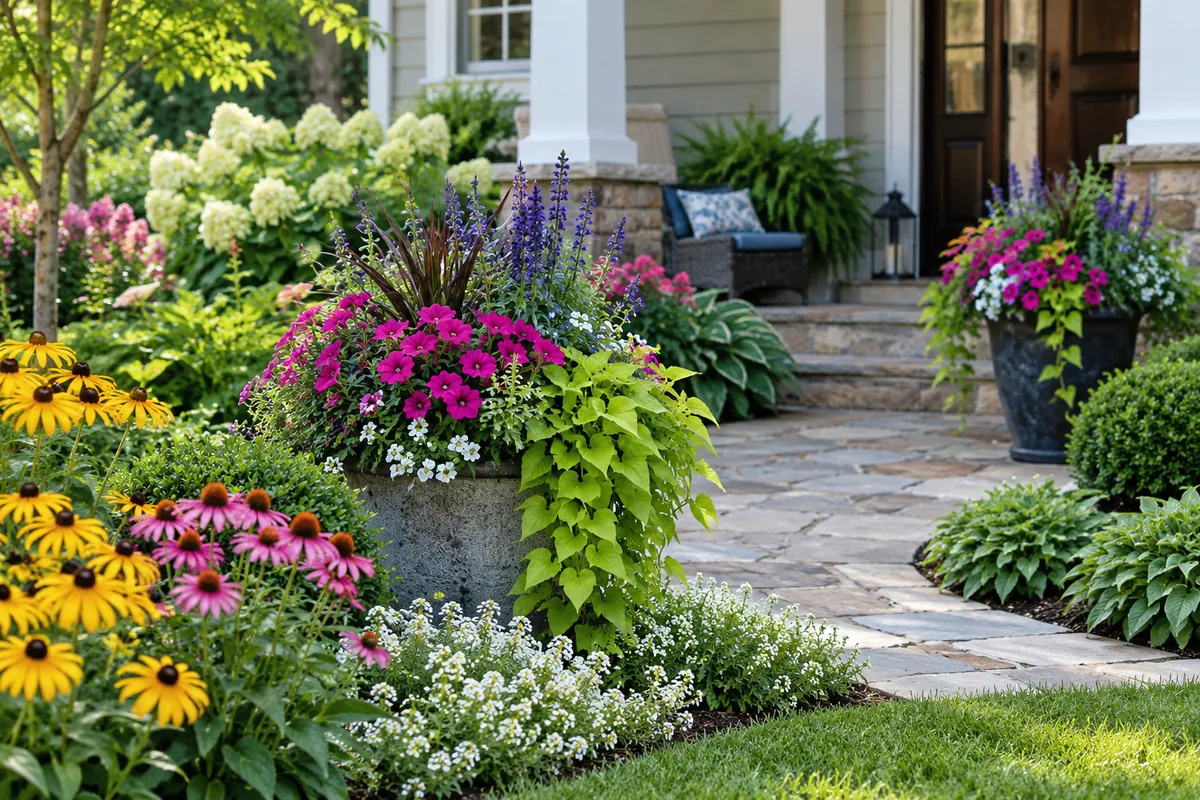
Annual Flowers for Seasonal Borders and Garden Containers
Annual Flowers: Seasonal Color and Containers: explore placement, upkeep, and local safety questions before deciding how this feature fits your yard.