
By AI Landscape Design Team · Editorial policy
Landscaping for Humid Subtropical Climates
Landscaping for humid subtropical climates should prioritize actual water movement, mature planting space, exposure, and maintainable outdoor routes before choosing a lush visual palette. Humidity and warmth are broad context, not proof that every tropical-looking plant will suit the yard. Confirm USDA hardiness and local extension guidance for species, soil, and care, and obtain qualified assessment of drainage or structural changes rather than treating dense planting as a solution.
Published · 6 min read
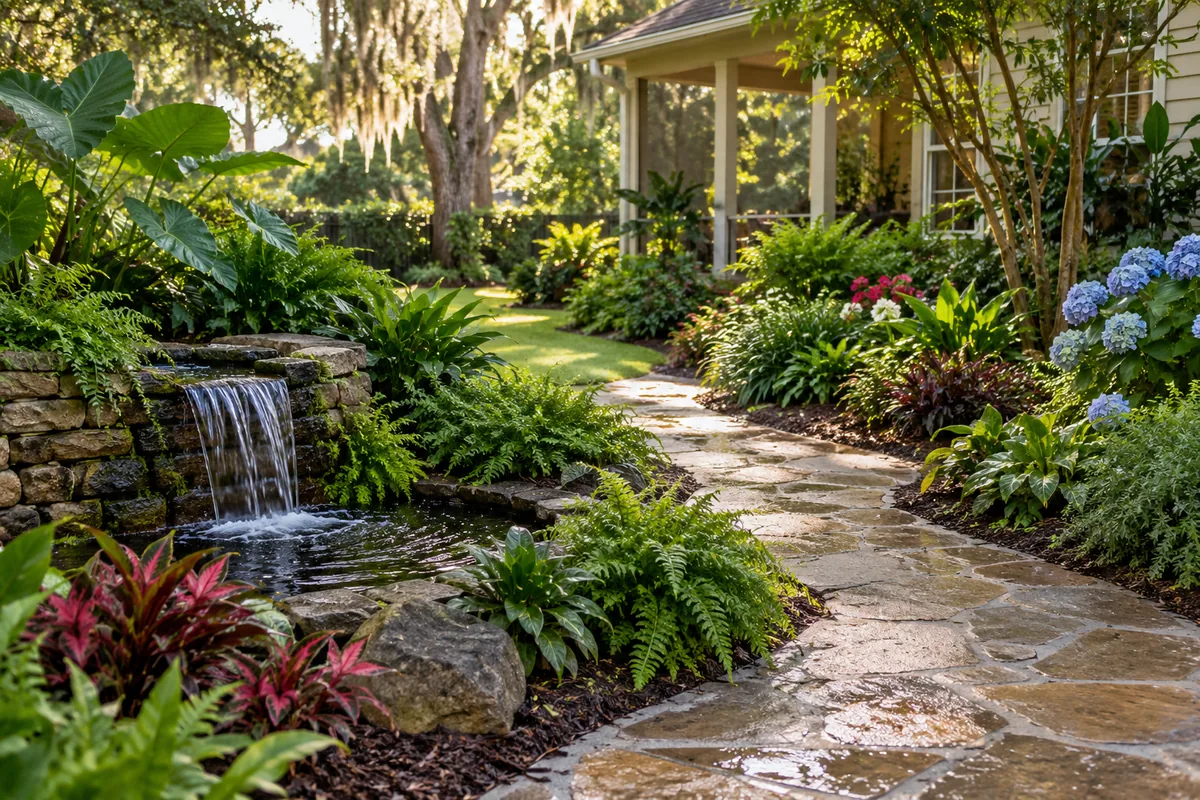
Key takeaways
- Assess drainage independently from the planting appearance.
- Allow mature growth and access for care.
- Verify regional species rather than copying tropical imagery.
What should the site assessment establish?
Record the confirmed location, USDA hardiness zone, and observed light, soil, moisture, and exposure in each proposed area. A humid climate description does not tell you whether a bed stays wet, dries quickly, or receives usable sunlight. Existing trees, buildings, and surfaces can create different conditions nearby. Seek appropriate local advice where observations leave uncertainty about the growing environment.
Document water concerns without diagnosing them from a photograph. Qualified local professionals should assess levels, soil, water sources, and lawful destinations before drainage or ground changes are proposed. A lush border cannot establish that a wet area is safe for planting or that the underlying problem has been resolved. Keep house access, retained structures, and maintenance routes visible in the initial notes. Before excavation in the United States, arrange 811 and private-service locating as relevant. The assessment should describe real constraints that the design must respect, rather than start with a tropical image and search for reasons it can be copied.
How can planting remain lush without overcrowding?
Assign a limited set of visual roles and allow enough real space for the locally suitable plants to mature. Large-looking foliage can supply a particular texture, but the depicted plant may not fit the bed or tolerate the region’s cold conditions. Repeated shrubs, perennials, grasses, or other locally appropriate groups can create density through relationships rather than a crowded collection of unrelated species.
Check actual mature height and spread with local horticultural guidance. Space for inspection and care matters alongside the desired appearance. Avoid interpreting dense nursery spacing or an AI-generated mass of leaves as a reliable planting pattern. Confirm invasive status and toxicity independently, especially where pets or children can reach the border. Review the palette during periods when flowers or leaves may be absent. A coherent design should still communicate its structure without relying on every plant performing exactly as it appears in a single image. Keep alternatives available for visual roles that local verification rules out.
Which styles can organize the visual direction?
Compare tropical style with native style as different approaches to form, texture, and repeated planting. Neither label identifies a verified species list. A tropical-looking scheme may need regionally suitable substitutions, while a native palette still needs matching to the actual bed. Explain the preferred relationships to a designer instead of requesting every plant shown in a foreign or oversized reference garden.
Keep useful existing surfaces and circulation when testing the styles. The yard’s activities should remain clear beneath the planting emphasis. A sitting area, a gate route, and a utility access point may need deliberately open space even when the overall composition is full. Review evergreen shrubs as one possible structural role, with the actual species checked locally. Native origin, retained foliage, and a broad climate label answer different questions. The preferred visual direction should be flexible enough to survive necessary species and layout changes without losing its purpose or becoming a collection of disconnected substitutes.
What maintenance and surfaces need attention?
Describe the care the owner can provide before choosing a dense scheme. Access for pruning, inspection, debris removal, and irrigation review is part of the layout rather than an invisible future task. Plant growth and seasonal material can change how an edge or route is used. A visually full garden is not automatically low maintenance, and repeated tropical imagery cannot establish practical care requirements.
Discuss built surfaces for real movement, maintenance, and site water conditions with qualified professionals. A surface appearing dry or smooth in a concept does not verify access or drainage. Keep entrances and levels readable, and ask appropriate experts about electrical or structural work. Avoid applying generic watering because the climate is humid; plants and beds still differ in their actual moisture needs. Local advice should establish irrigation and care, including establishment requirements. The plan should reveal how people will maintain the full planting and use the space, not only how dense foliage looks beside a clean patio in the final image.
How should the concept be checked before planting?
Prepare a real shortlist with exact plant names, intended roles, mature expectations, growing conditions, and open questions. Use mature size to make the space discussion precise. Confirm USDA hardiness, local suitability, soil, light, invasive status, and ASPCA toxicity where relevant before purchase. These checks should happen even when the proposed palette looks familiar in the broader region.
AI concepts can explore lushness, texture, and the balance of open surfaces with planting, but they cannot identify species or verify drainage and construction. Record invented or altered features and compare the proposal with the actual site notes. Obtain appropriate local professional review for ground levels, structures, electrical details, and water movement. Simplify the palette if care or growing conditions require it rather than promising that a dense visual style will perform without intervention. The guide offers selection principles and example plant groups only; they are not a guaranteed suitability list. Local verification determines whether the real planting supports the intended everyday use.
Frequently asked questions
Are tropical-looking plants suitable across humid subtropical regions?
The visual category does not establish cold tolerance, moisture needs, soil compatibility, or mature fit. Check the USDA hardiness zone and local guidance for each real species. A plant familiar in one location can still be inappropriate for another yard.
Can dense planting solve a wet area?
A wet area needs assessment of soil, levels, water sources, and appropriate destinations before changes are made. Qualified local professionals should investigate the conditions. Dense or moisture-associated planting in an image is not evidence that drainage has been resolved.
Does humidity remove the need for irrigation review?
Actual plant and soil needs can vary even in a humid climate. Establishment, exposure, local weather, and maintenance affect irrigation decisions. Seek suitable local guidance rather than applying a universal schedule or assuming a broad climate label means no additional water is ever needed.
Sources
Related reading
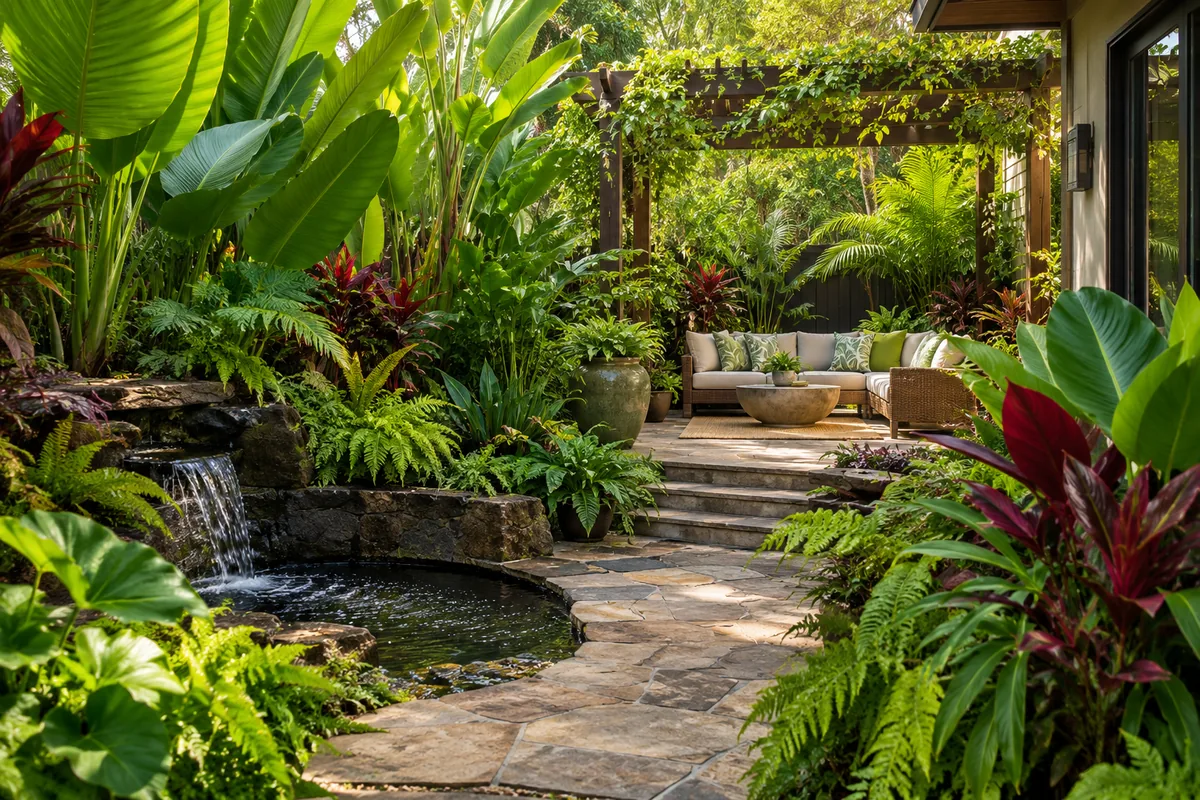
Tropical landscape style: foliage, layers, and shelter
Explore tropical landscape style using large leaves, layered greenery, sheltered seating, and container strategies adapted to local weather and care routines.
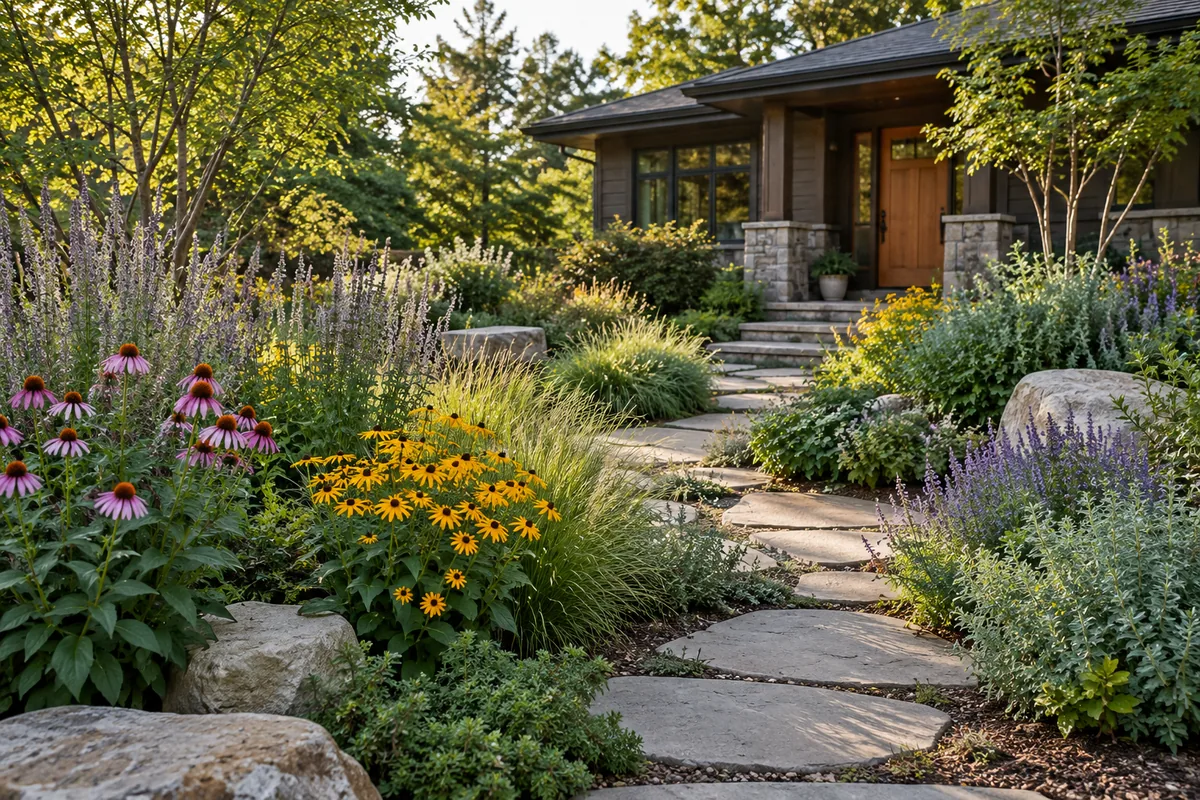
Native plant landscape style: regional plants with structure
Learn how native plant landscape style combines regional plant choices, seasonal change, and clear garden structure with practical care and neighborhood views.
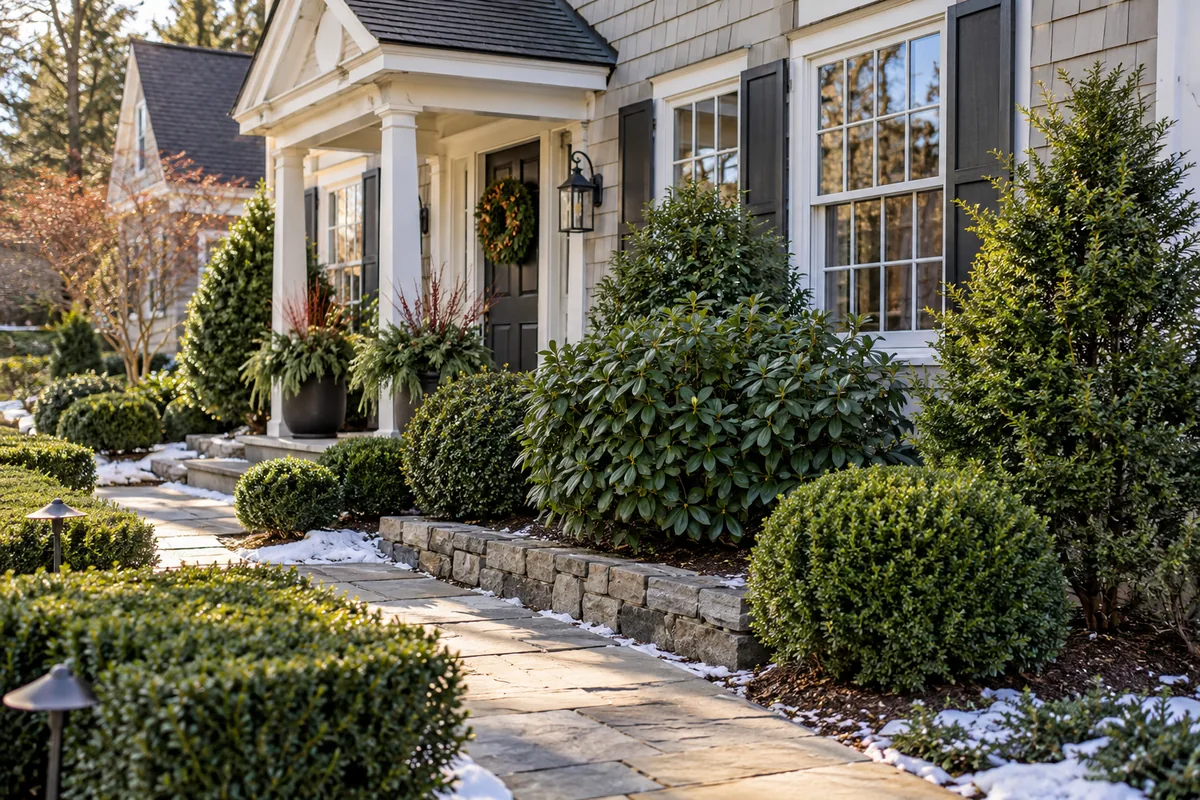
Evergreen Shrubs for Foundations and Winter Structure
Evergreen Shrubs: Foundation and Hedge Roles: explore placement, upkeep, and local safety questions before deciding how this feature fits your yard.
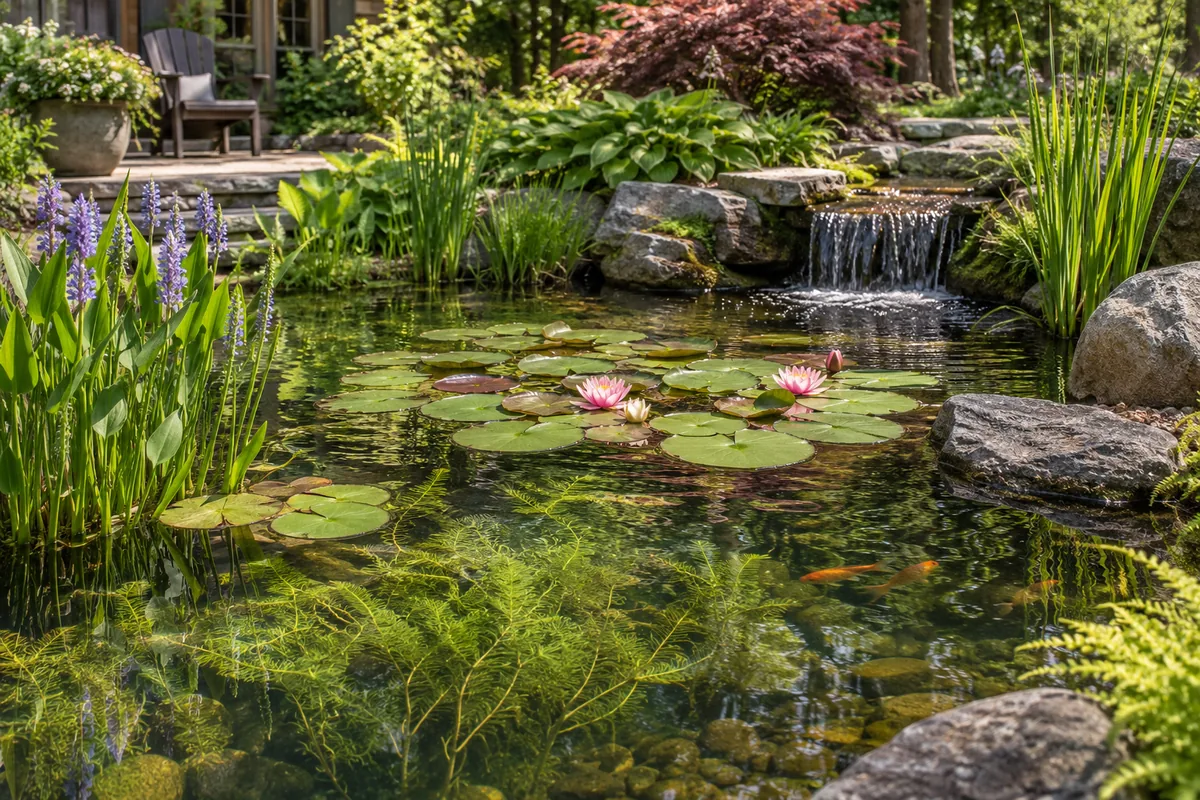
Pond Plants Selected for Roles and Local Conditions
Learn how pond plants fit your yard, with practical material, placement, upkeep, and safety questions to review before choosing a visual direction.
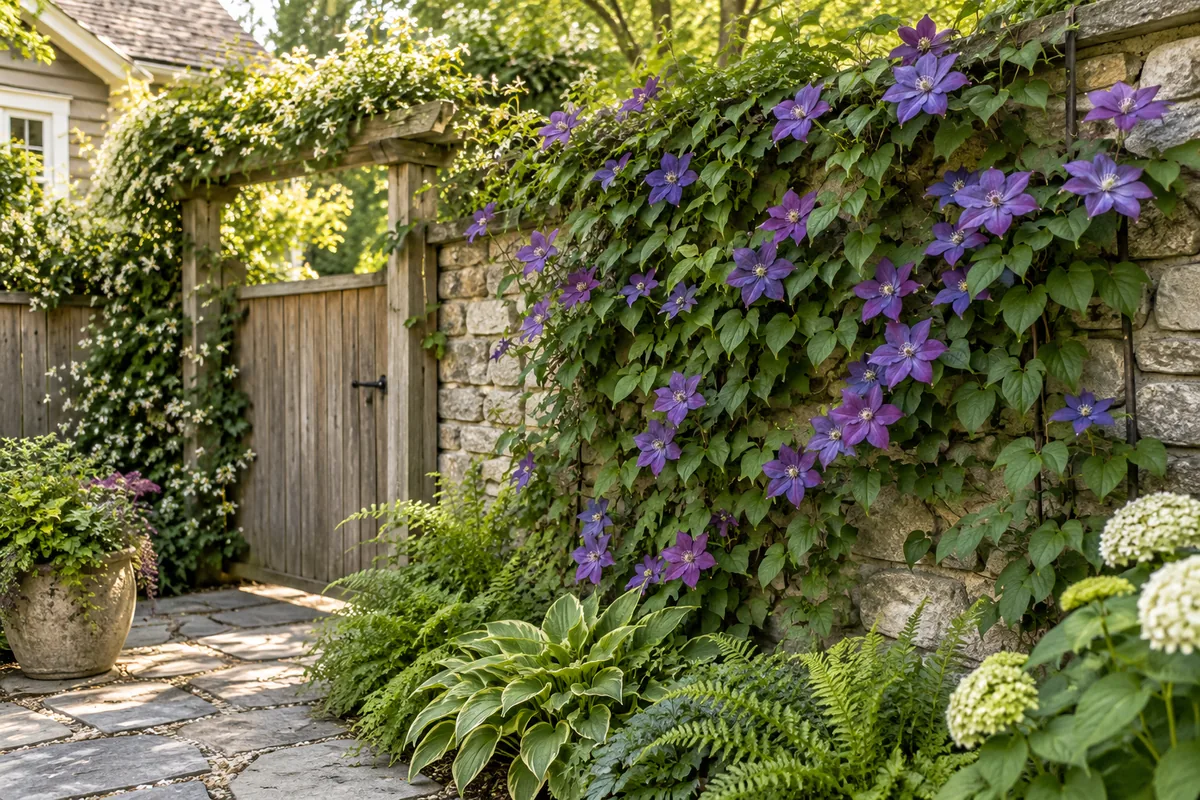
Climbing Vines for Fences and Walls with Suitable Supports
Climbing Vines: Support, Walls, and Local Fit: explore placement, upkeep, and local safety questions before deciding how this feature fits your yard.
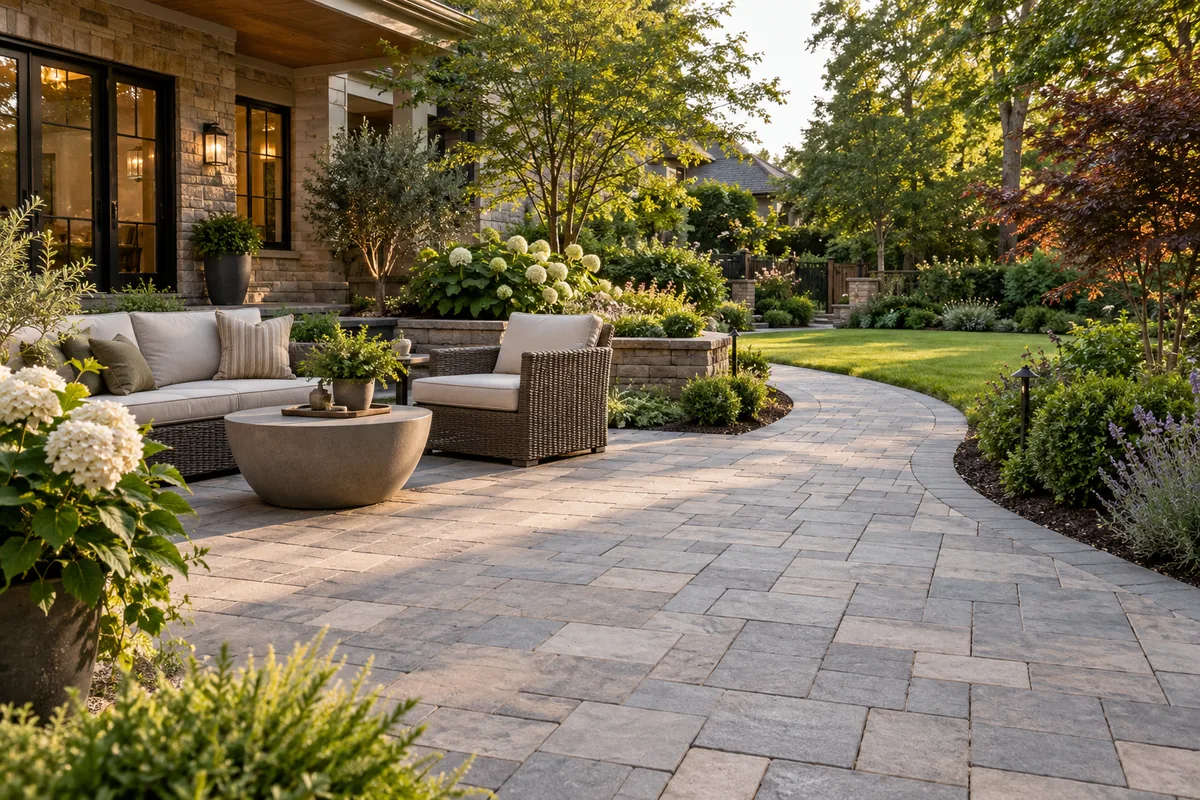
Concrete Pavers for Patios, Paths, and Yard Routes
Learn how concrete pavers fit your yard, with practical material, placement, upkeep, and safety questions to review before choosing a visual direction.