
By AI Landscape Design Team · Editorial policy
Coastal Landscaping Guide: Exposure and Planting
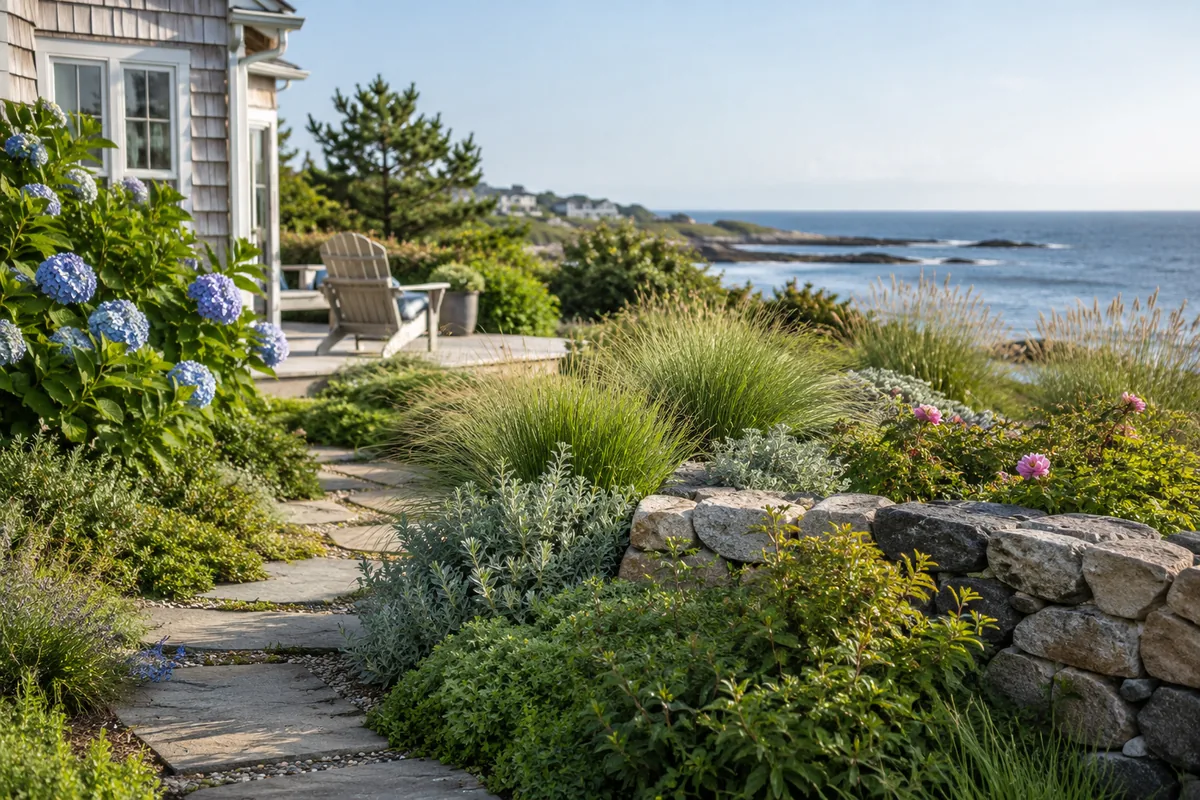
Coastal landscaping should respond to the actual wind, salt exposure, soil, moisture, and everyday use of the site rather than a generic seaside aesthetic. Locally suitable planting, practical shelter, and maintainable surfaces need separate assessment. Confirm USDA hardiness and local extension guidance for species and care, and ask qualified professionals to review structures and drainage. Plant groups and visual concepts are selection prompts, not proof of coastal suitability or safe installation.
Published · 6 min read
Key takeaways
- Assess actual coastal exposure rather than assume it.
- Verify plants for local salt, wind, and growing conditions.
- Structures and surfaces need independent professional review.
Which coastal conditions matter at this property?
Distance from the coast does not by itself describe the conditions of every garden area. Observe exposure, shelter, soil, moisture, and the positions people actually use. According to the Royal Horticultural Society, coastal planting can face strong winds carrying salt; the local intensity and setting still require assessment. Confirm the USDA hardiness zone and seek local extension or nursery advice for the real site.
Record existing vegetation, buildings, boundaries, and surfaces that influence conditions. A sheltered corner may differ from an exposed frontage, so one palette may not suit the entire yard. Do not diagnose plant injury from a single photo or assume that a plant with a coastal-looking shape tolerates the actual exposure. Appropriate local experts should investigate health or soil concerns. Keep constraints and unanswered questions with the visual references. The design should distinguish a preferred seaside appearance from the verified conditions that plants and built features must withstand, rather than using the climate label as permission to copy every element in a coastal image.
How should shelter and use be discussed?
Identify the outdoor activities and viewing positions before choosing a screening or overhead feature. A comfortable seat, a visible entrance, and an exposed route can have different priorities. Existing shelter may contribute to the layout, but trees, structures, and boundaries need appropriate review when changes are proposed. Do not assume that a solid-looking screen in an image provides the right response to wind.
Qualified local professionals should assess loads, attachments, foundations, permits, and the effect of the proposed structure on the site. The guide provides no barrier heights, opening ratios, or construction parameters. Keep access and maintenance visible when comparing enclosure. A smaller useful destination can sometimes be more practical than attempting to shelter every part of the garden. Review Mediterranean style and native style as distinct visual possibilities without assigning either guaranteed coastal performance. The preferred material and planting relationships must remain adaptable to structural and horticultural findings from the actual property.
Which planting principles avoid false guarantees?
Choose roles such as background, repeated texture, and lower edge before selecting real species. Locally appropriate shrubs, grasses, perennials, or other groups may offer those roles, but the group name does not establish salt tolerance or wind behavior. Verify USDA hardiness, actual soil and moisture, mature growth, local invasive status, and exposure with regional expertise. Coastal origin elsewhere is not enough to prove suitability here.
Ask about establishment and care rather than assuming tolerant means unattended. Plants may perform differently in sheltered and exposed parts of the same site. Keep room for mature spread and access, and avoid a dense palette that becomes difficult to inspect. Review the ornamental grass guide for questions about visual texture and maintenance while leaving the exact selection to local verification. Consult ASPCA where pets can reach the planting and consider child access separately. No seaside reference image establishes species identity, toxicity, local ecological fit, or future performance of the depicted plants.
What should be checked about surfaces and drainage?
Compare surfaces for the actual activity, movement, upkeep, and local exposure. A pale granular texture may look coastal while behaving differently from a stable essential route. Product labels and a clean photograph do not establish access, installed performance, or suitability for the actual property. Discuss the complete proposed system with qualified local professionals rather than choosing solely from the preferred color palette.
Drainage requires assessment of water sources, soil, levels, and appropriate destinations independently from salt or wind concerns. Avoid prescribing a universal coastal surface or directing water elsewhere without review. Before digging in the United States, contact 811 and arrange private-service locating where necessary. Existing built features should be inspected for condition by suitable professionals before retention or alteration. The visual plan can show relationships among paving, planting, and shelter, but technical choices must follow real site information. Keep maintenance expectations and exposed connections part of the conversation so the finished appearance does not conceal practical work needed later.
How can the concept remain useful after local checks?
Summarize the exposure observations, intended activities, retained features, real planting candidates, and professional questions. Use microclimate to explain variation within the property. Compare each appealing detail with the actual constraints and replace visual roles when specific plants or structures prove unsuitable. The design should not depend on one exact reference photograph or a foreign coastal species list.
AI concepts are useful for exploring visual direction but do not verify salt tolerance, wind loads, species, drainage, or construction. Mark any invented feature and ask appropriate local experts to confirm the horticultural and built choices before purchase or installation. Keep maintenance access and the owner’s care expectations visible. A restrained concept that responds to the property may be more feasible than a dense collage of seaside motifs. The guide offers principles and example plant categories only, not a verified suitability list. Real local evidence determines whether the chosen plants, surfaces, and shelter will support the intended use under the actual coastal conditions.
Frequently asked questions
Does a coastal plant label establish local suitability?
A broad label does not confirm the actual salt exposure, wind, cold, soil, or moisture at the property. Check exact species and regional advice alongside USDA hardiness. Plant categories and reference images are not substitutes for independent verification of growing conditions.
Should every coastal yard have a solid wind screen?
The appropriate shelter depends on exposure, use, structure, and local requirements. Qualified professionals should assess any proposed barrier rather than applying one visual solution everywhere. A solid appearance in an image does not establish safe loads or the desired effect at the site.
Can coastal landscaping still use planting and paving variety?
Variety can be considered when the real plants and materials fit local conditions and maintenance. Keep a coherent visual direction and verify each choice separately. The coastal aesthetic should respond to exposure and use rather than override horticultural or construction assessment.
Sources
Related reading
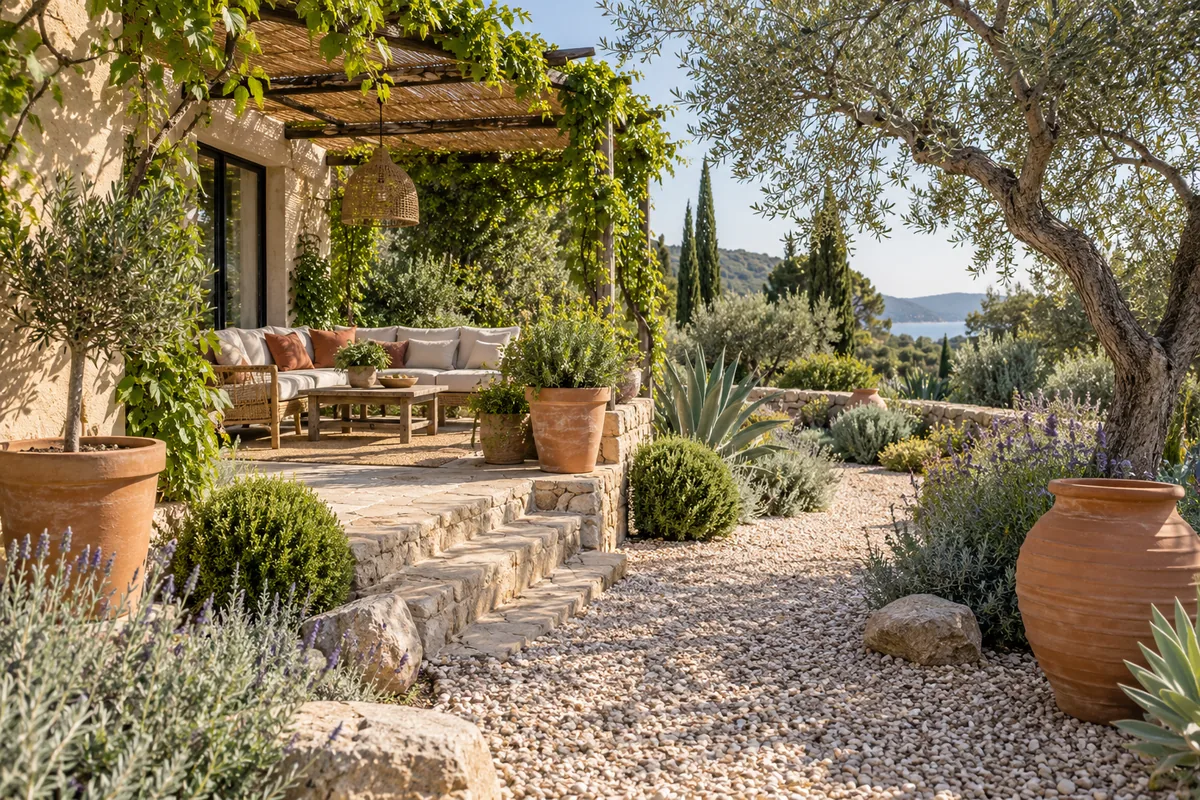
Mediterranean garden style: shade, gravel, and warm color
Understand Mediterranean garden style through shade, gravel, clay pots, and silver foliage, with practical ways to adapt the visual language to local climates.
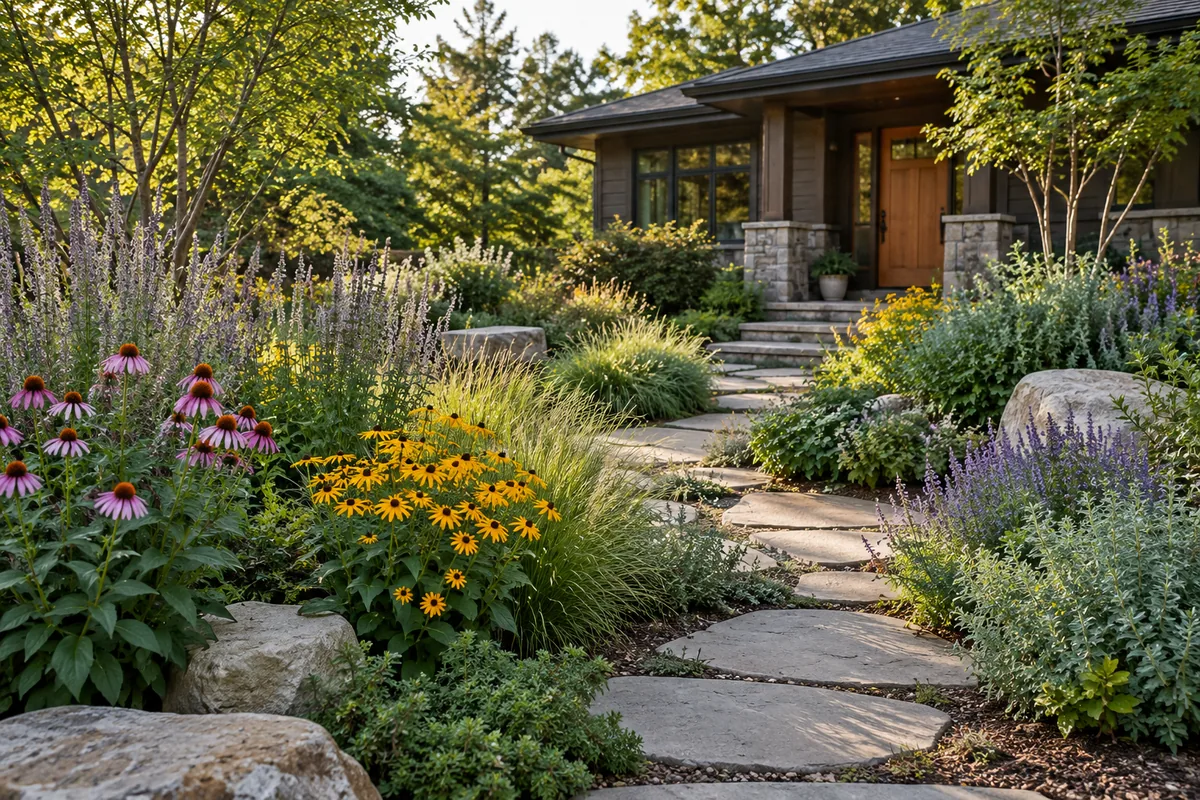
Native plant landscape style: regional plants with structure
Learn how native plant landscape style combines regional plant choices, seasonal change, and clear garden structure with practical care and neighborhood views.
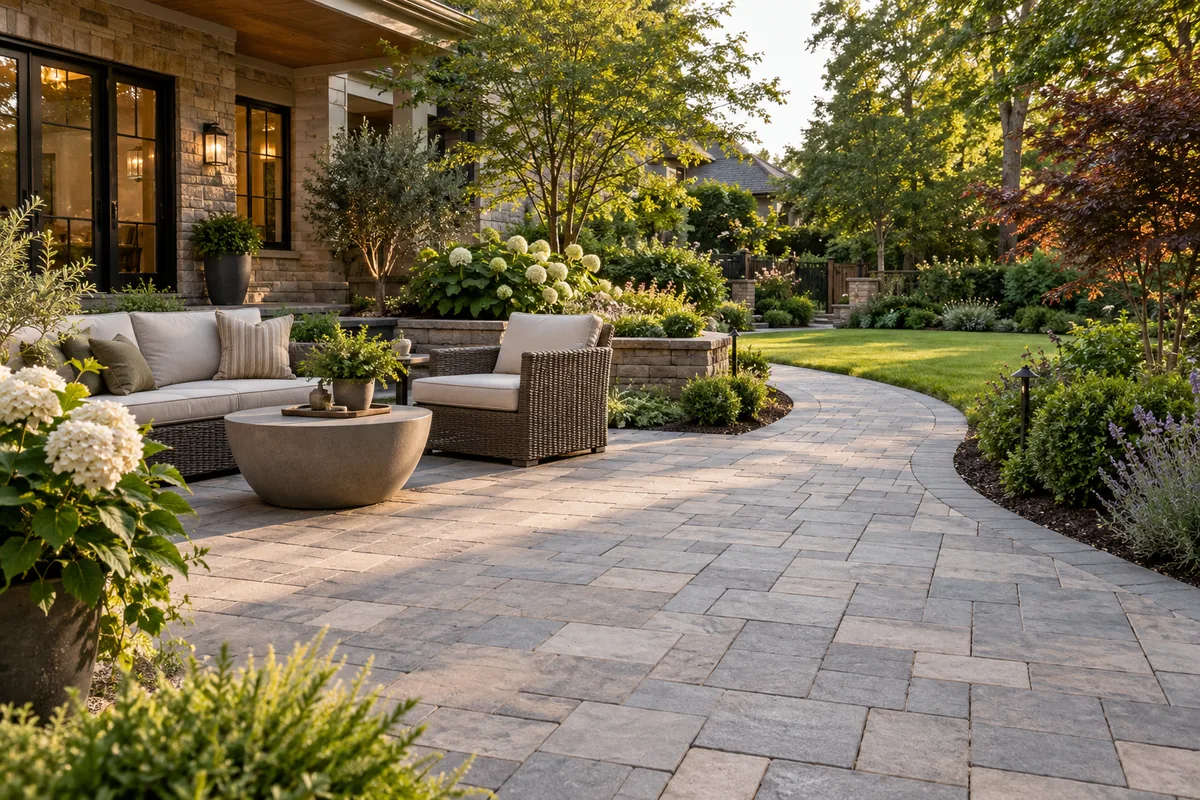
Concrete Pavers for Patios, Paths, and Yard Routes
Learn how concrete pavers fit your yard, with practical material, placement, upkeep, and safety questions to review before choosing a visual direction.
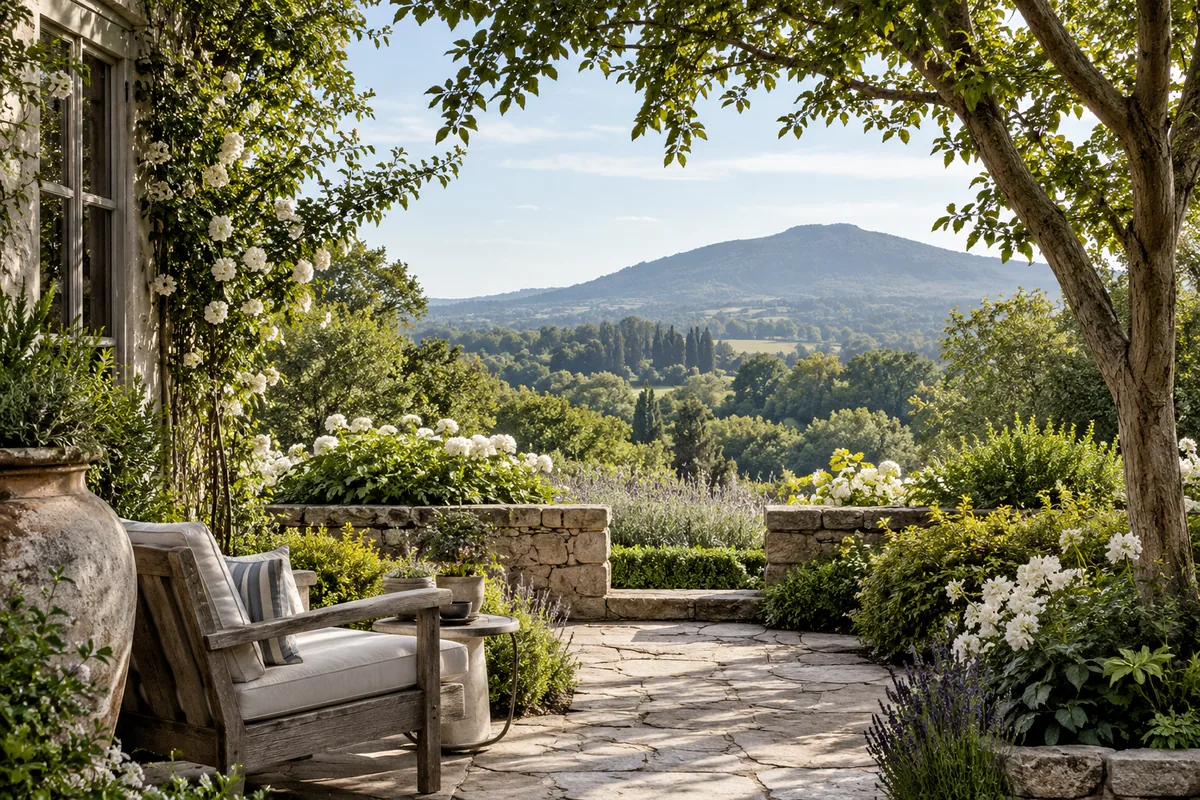
What Is Borrowed Scenery in Landscape Design?
Learn what borrowed scenery means in landscape design, with a practical yard example, related terms, and the site decisions to check before making changes.
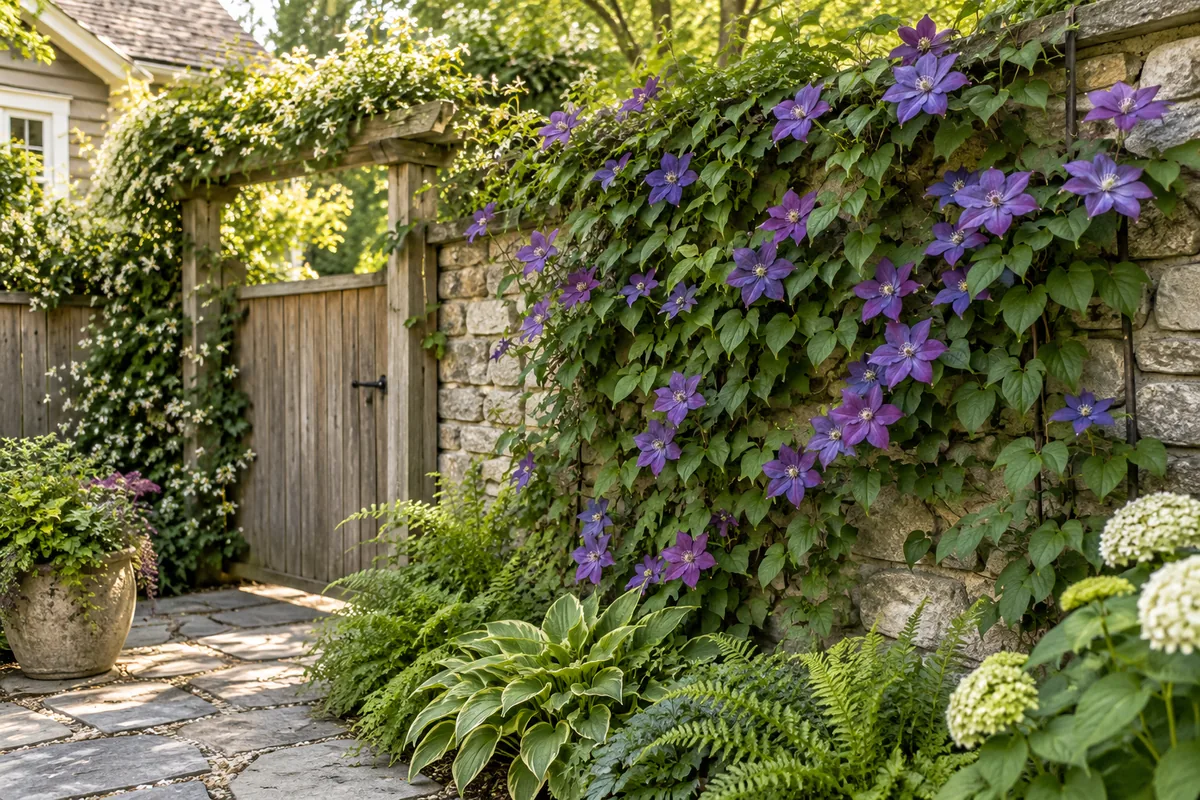
Climbing Vines for Fences and Walls with Suitable Supports
Climbing Vines: Support, Walls, and Local Fit: explore placement, upkeep, and local safety questions before deciding how this feature fits your yard.
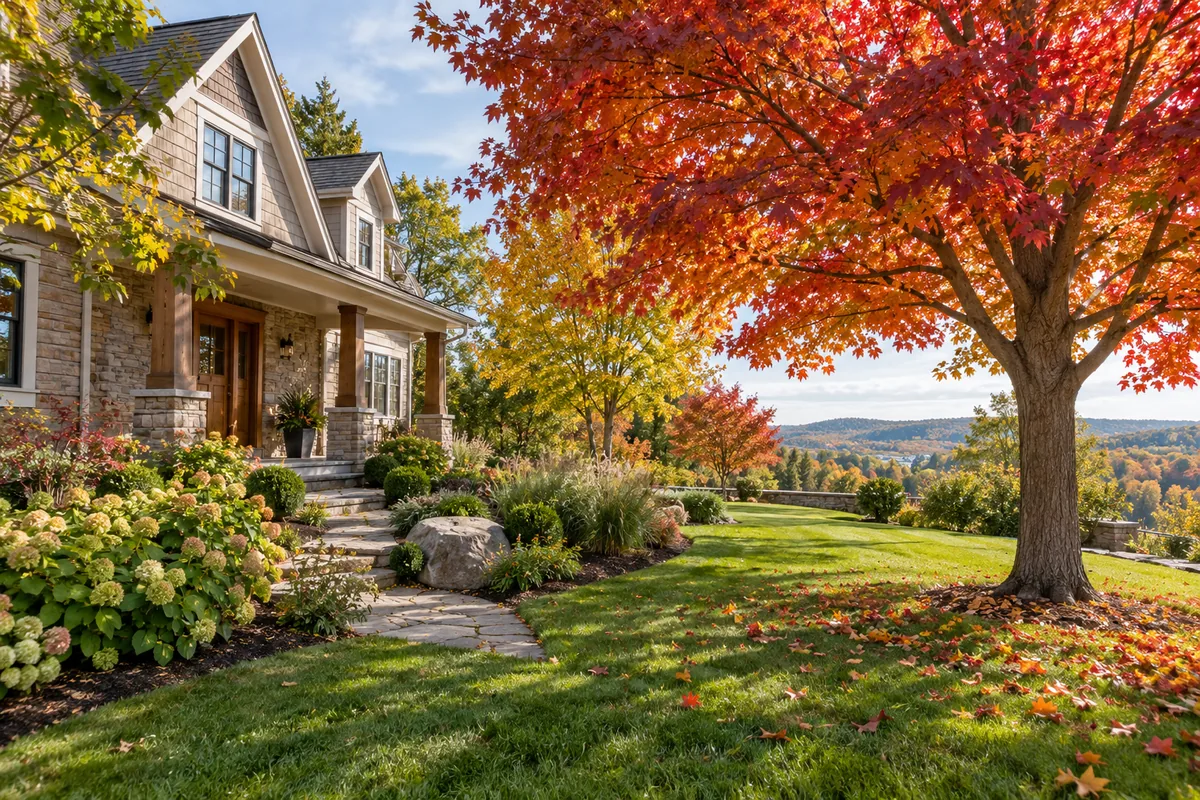
Deciduous Trees for Landscaping and Seasonal Views
Deciduous Trees: Shade, Space, and Local Fit: explore placement, upkeep, and local safety questions before deciding how this feature fits your yard.