
By AI Landscape Design Team · Editorial policy
What Is Mass Planting in Landscape Design?
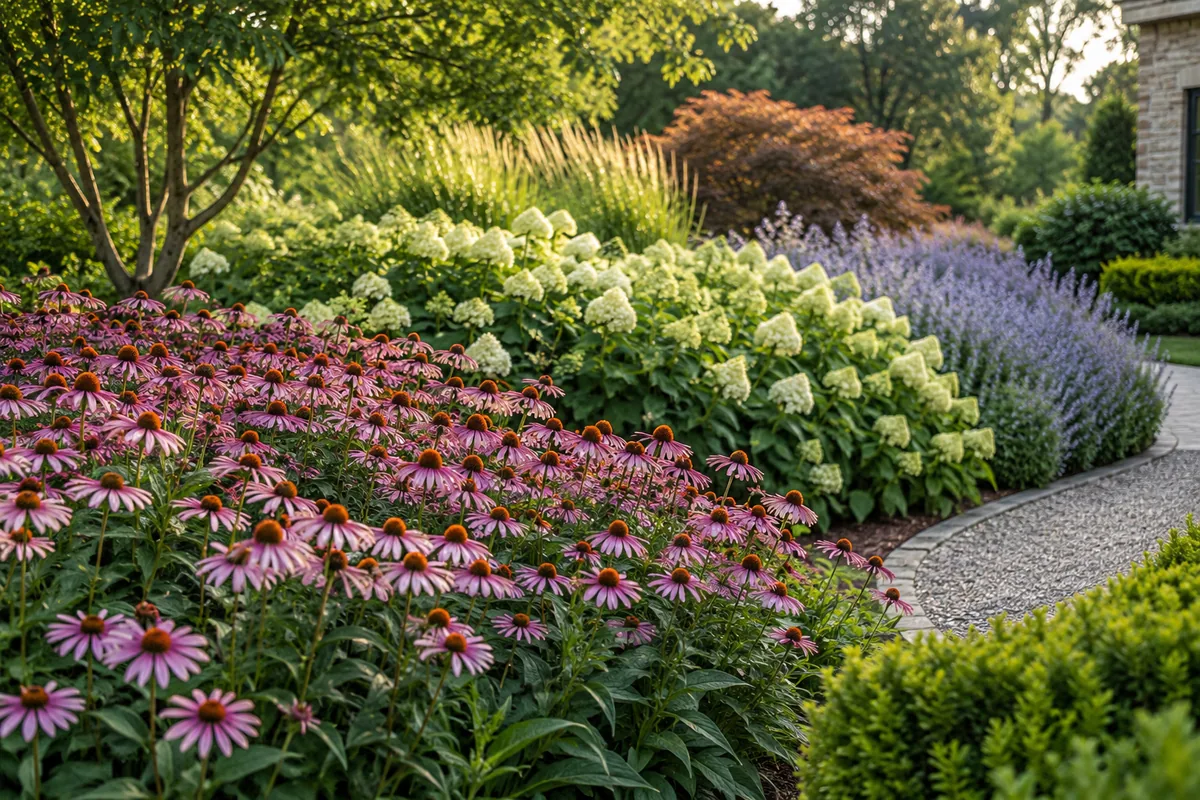
Mass planting is the arrangement of many plants in a recognizable group or drift so they read as a larger visual unit rather than as isolated individual specimens. Repetition can clarify a border and make texture or color more noticeable. The group may use one variety or a limited combination. Its size should respond to the available space, plant growth, and maintenance access instead of an arbitrary numerical recipe.
Published · 2 min read
Key takeaways
- Repeated groups read as visual units.
- Scale the group to mature growth and available space.
- Repetition does not guarantee lower maintenance.
How is mass planting used in landscape design?
Think about the outline of the whole group before purchasing plants. A repeated planting can guide attention along a border or create a consistent foreground. Avoid placing plants so tightly that mature growth creates preventable problems. Verify suitability for the USDA hardiness zone, light, and soil with local advice, and check invasive status before committing a large area to one choice.
What does mass planting look like in a yard?
Along a backyard patio, a repeated group of locally suitable grasses can connect several seating views without adding many separate ornaments. Leave openings for access to the rest of the garden. The outline will change with growth and seasonal cutting back. Trial a smaller area when the care needs or local performance of the selected planting are uncertain.
Which terms help explain mass planting?
Layered planting organizes height; softscape names the living materials; a specimen plant is intentionally read as an individual. Masses and specimens can coexist. A visual concept may help compare their balance, but check plant choices, mature spacing, and care locally before turning a repeated pattern into a purchase list.
Frequently asked questions
Does mass planting mean using one species?
A single species can form a mass, but a limited combination may also read as a coherent group. The important design question is whether repetition is visible. Plant diversity and local resilience require separate consideration from the visual pattern.
Is mass planting less work than mixed planting?
Repeated plants can simplify some decisions, but maintenance depends on the species and site. A large group of demanding plants can require substantial work. Check actual watering, cutting back, and replacement needs before assuming repetition reduces upkeep.
Can mass planting suit a compact border?
A compact border can use a modest repeated group when mature growth fits the available space. Keep access and surrounding plants in view. Scale the grouping to the border rather than copying the size of a drift from a large garden photograph.
Sources
Related reading
What Is Softscape in Landscape Design?
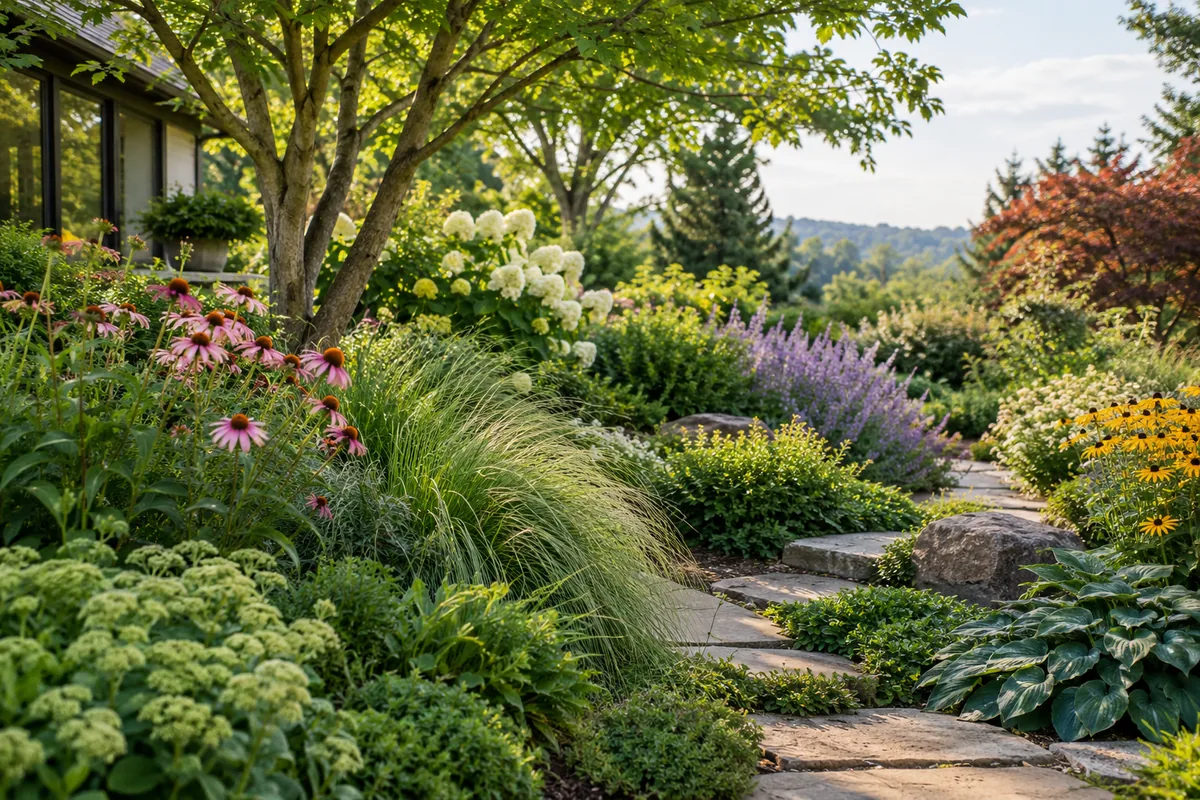
Learn what softscape means in landscape design, with a practical yard example, related terms, and the site decisions to check before making changes.
What Is Borrowed Scenery in Landscape Design?
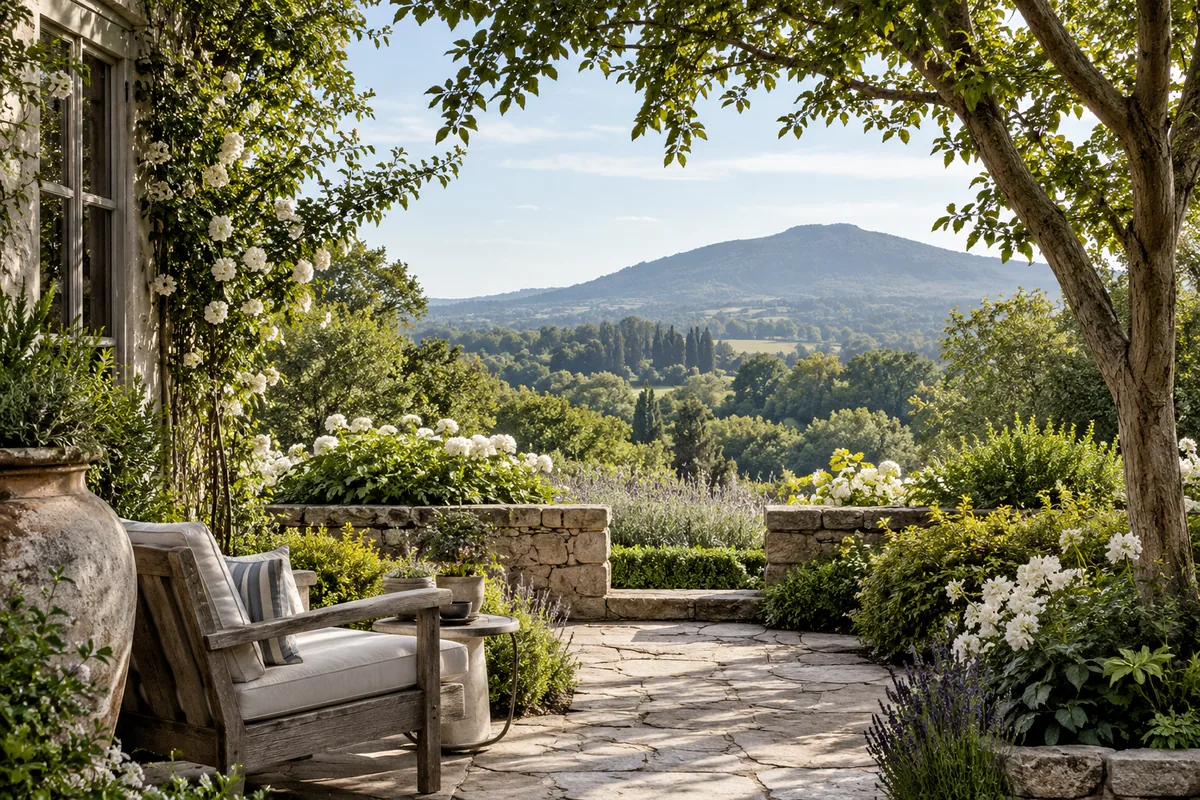
Learn what borrowed scenery means in landscape design, with a practical yard example, related terms, and the site decisions to check before making changes.
Modern landscape style: lines, space, and materials
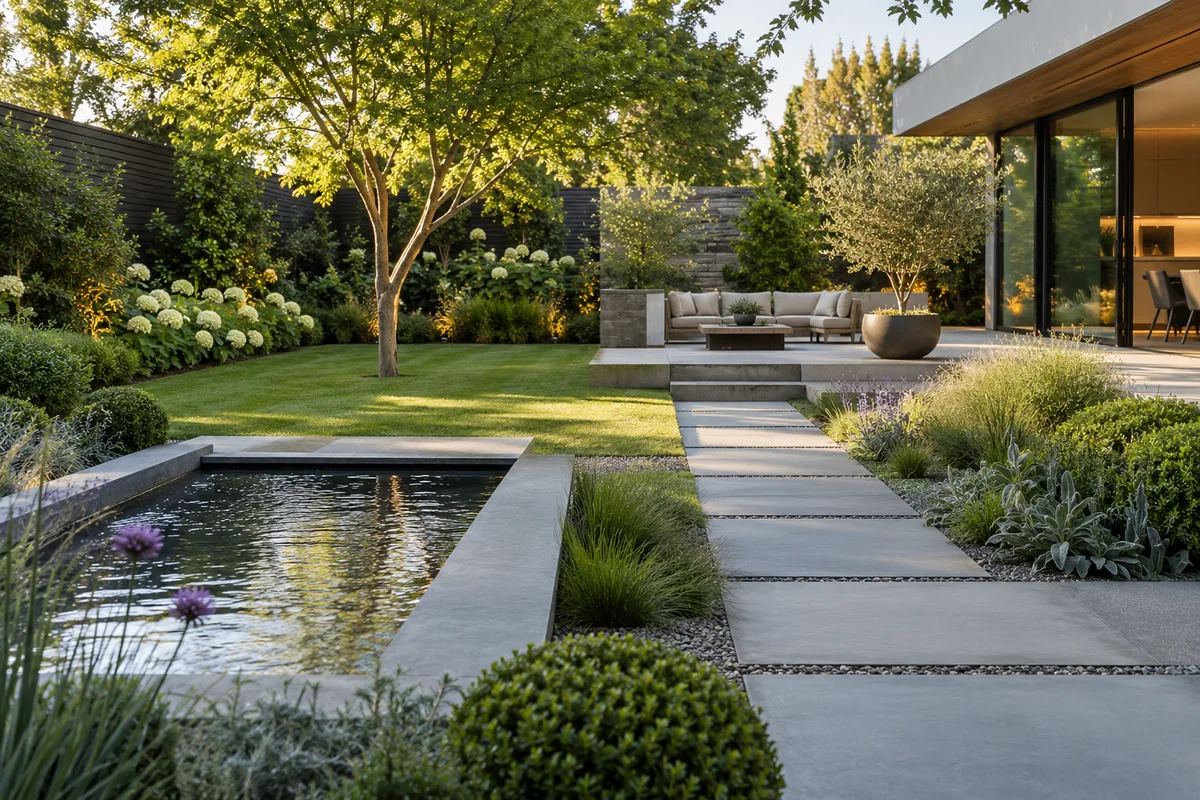
Understand modern landscape style through clean lines, restrained materials, planting structure, and practical connections to contemporary architecture.
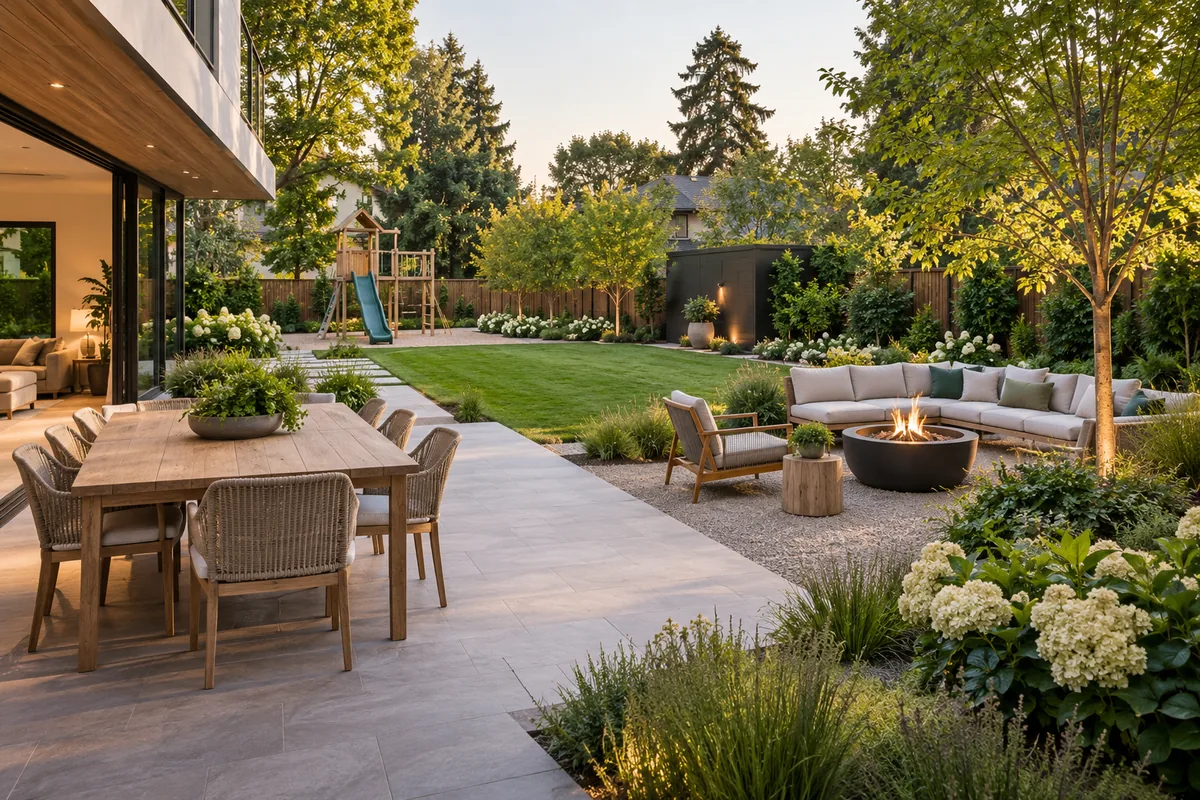
Modern backyard ideas organized around the way you live
Explore modern backyard ideas for activity zones, clean material connections, repeated planting, usable furniture layouts, and careful evening lighting.
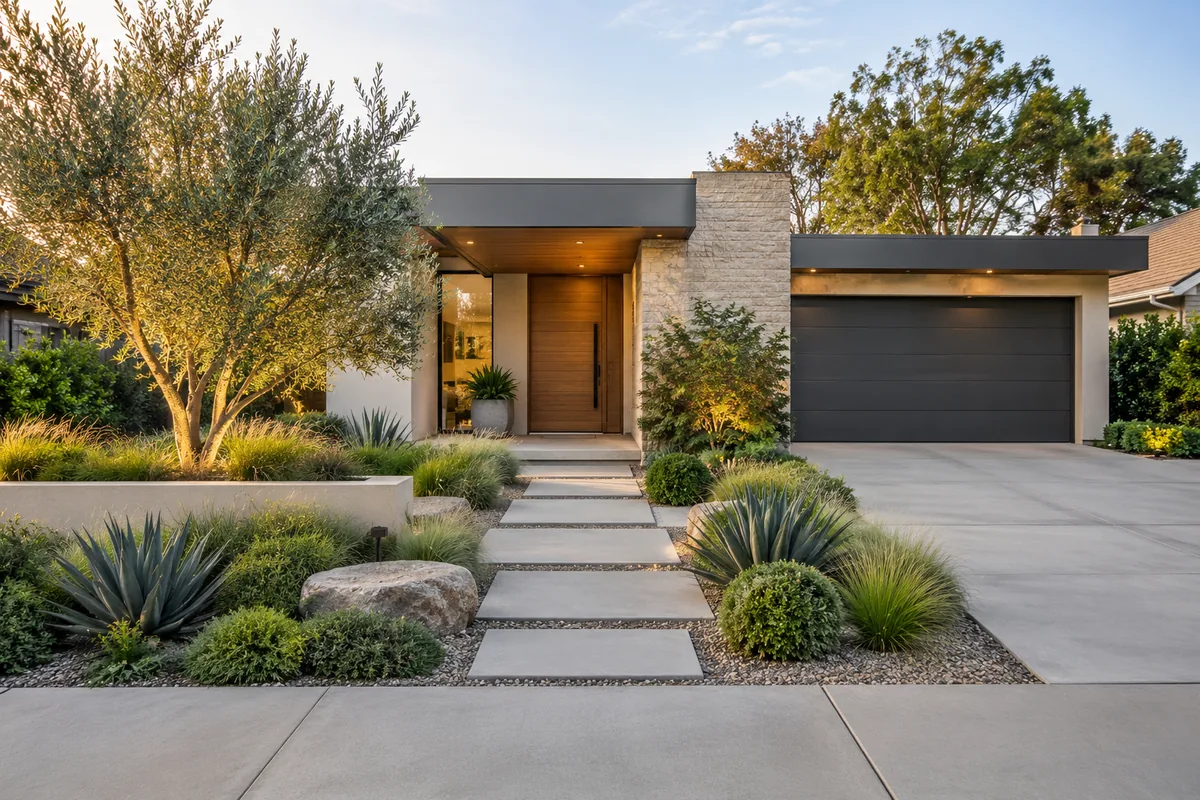
Modern front yard ideas for a clear, composed entrance
Explore modern front yard ideas for clear entrances, repeated planting, restrained materials, readable house numbers, and practical maintenance from the street.
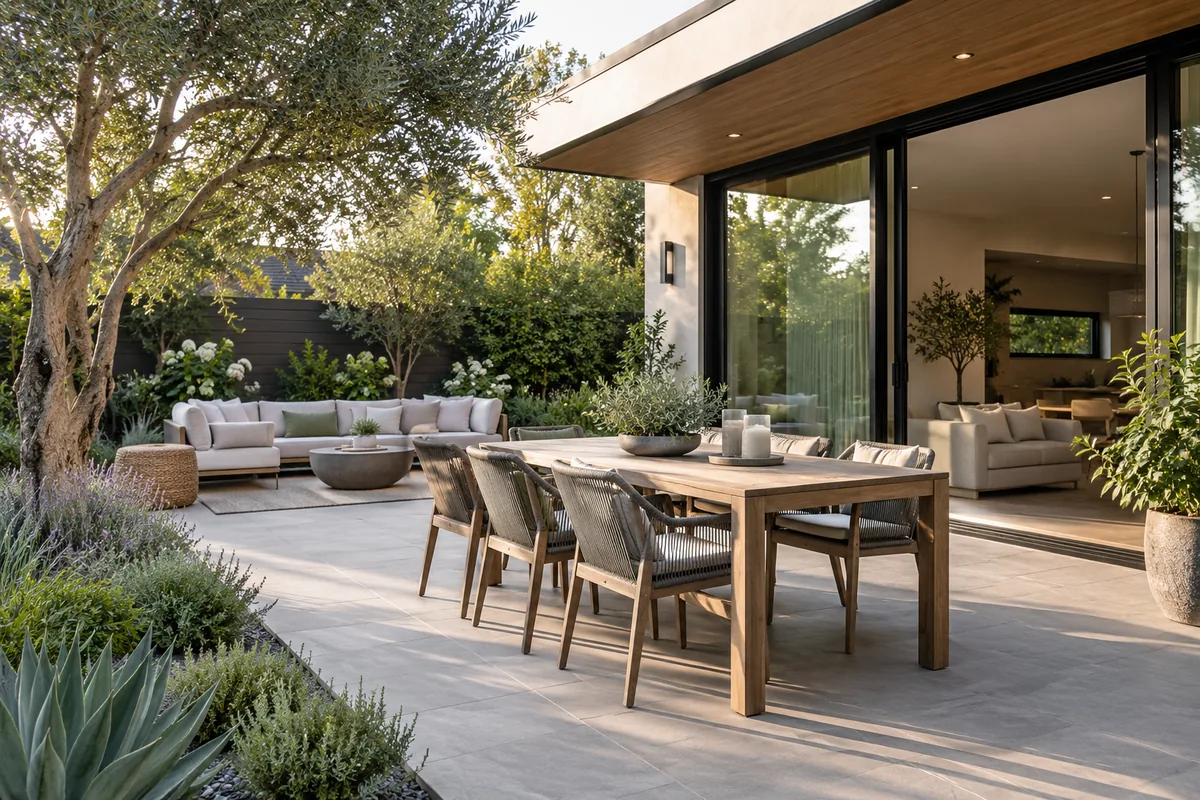
Modern patio ideas for clear furniture layouts and calm materials
Explore modern patio ideas for restrained surfaces, usable furniture, clear door connections, suitable containers, and deliberate shade and evening light.