
By AI Landscape Design Team · Editorial policy
What Is Hardscape in Landscape Design?
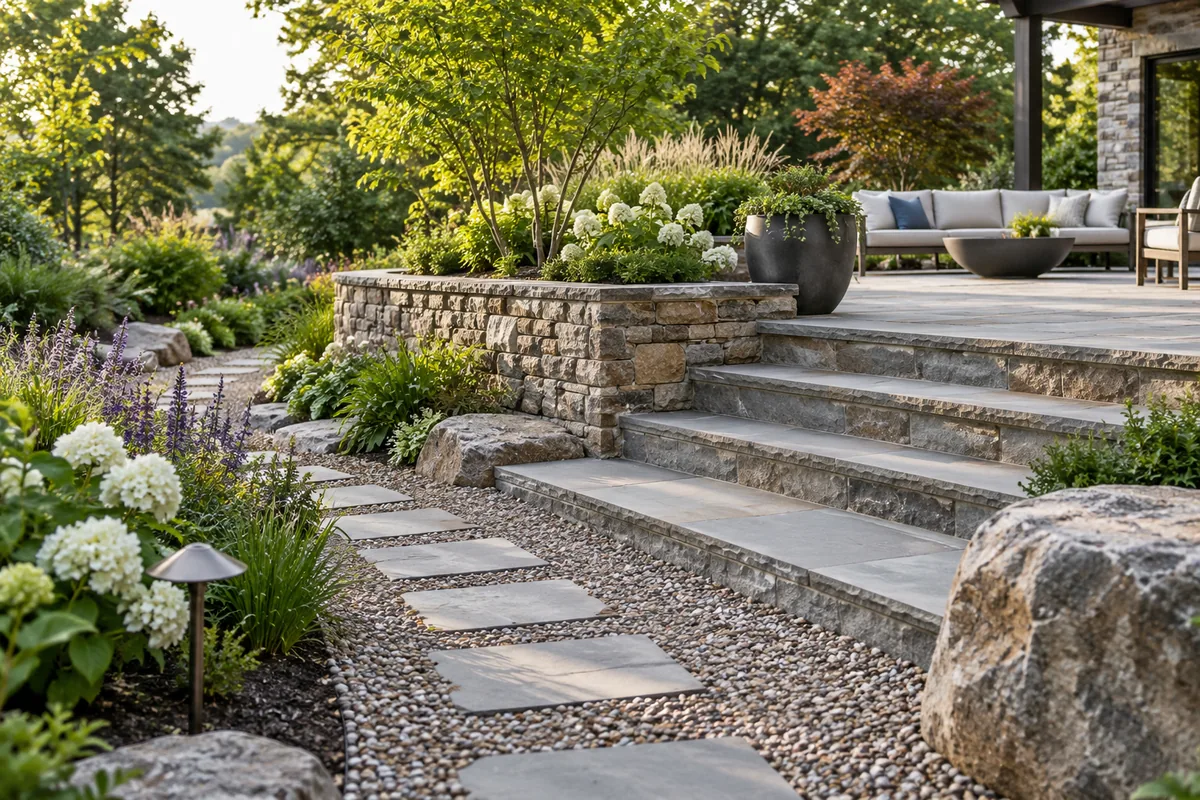
Hardscape is the constructed, nonliving part of a landscape, including paths, patios, steps, and walls that give outdoor space its surfaces and boundaries. The category describes what a feature does in a layout, rather than prescribing its construction. Loose aggregate and solid paving both belong to hardscape, but they differ in access, upkeep, and how they interact with planting.
Published · 2 min read
Key takeaways
- Hardscape includes constructed surfaces and boundaries.
- Choose finishes after defining intended use.
- Inspect access and site conditions before construction.
How is hardscape used in landscape design?
Begin a hardscape discussion with use: how will visitors reach the door, where will chairs move, and which areas need regular access? Surface selection follows those questions. A material chosen for its color may perform poorly for the intended route. Changes involving levels, foundations, or water movement need qualified local assessment, not decisions made from an attractive image.
What does hardscape look like in a yard?
A backyard may have a paved dining area beside a planted border. The paving provides a usable surface; the border softens its outline and changes through the year. Keeping enough circulation space around furniture is a layout decision requiring real measurements. Compare existing sound paving with a proposed replacement before assuming that a new finish is necessary.
Which terms help explain hardscape?
Softscape describes the living planting beside built features. An outdoor room explains how surfaces and boundaries support a use. Neither term determines installation details. AI images can help explore visual relationships, but confirm materials and construction locally. Before digging in the United States, contact 811 and review the separate locating needs of private utilities.
Frequently asked questions
Does gravel count as hardscape?
Gravel counts as hardscape when it forms a constructed surface such as a path or sitting area. The label does not establish accessibility. Check containment, surface stability, and the intended use before selecting loose aggregate.
Is hardscape maintenance-free?
Hardscape needs upkeep even though it does not grow. Inspect surfaces for movement, clear debris where it collects, and address developing access problems. The maintenance task depends on the material, installation, and local conditions.
Can hardscape and planting be designed separately?
They can be discussed separately, but the final layout needs to consider both together. Mature roots, plant spread, access, and water movement influence built surfaces. A local professional can assess those relationships before construction begins.
Sources
Related reading
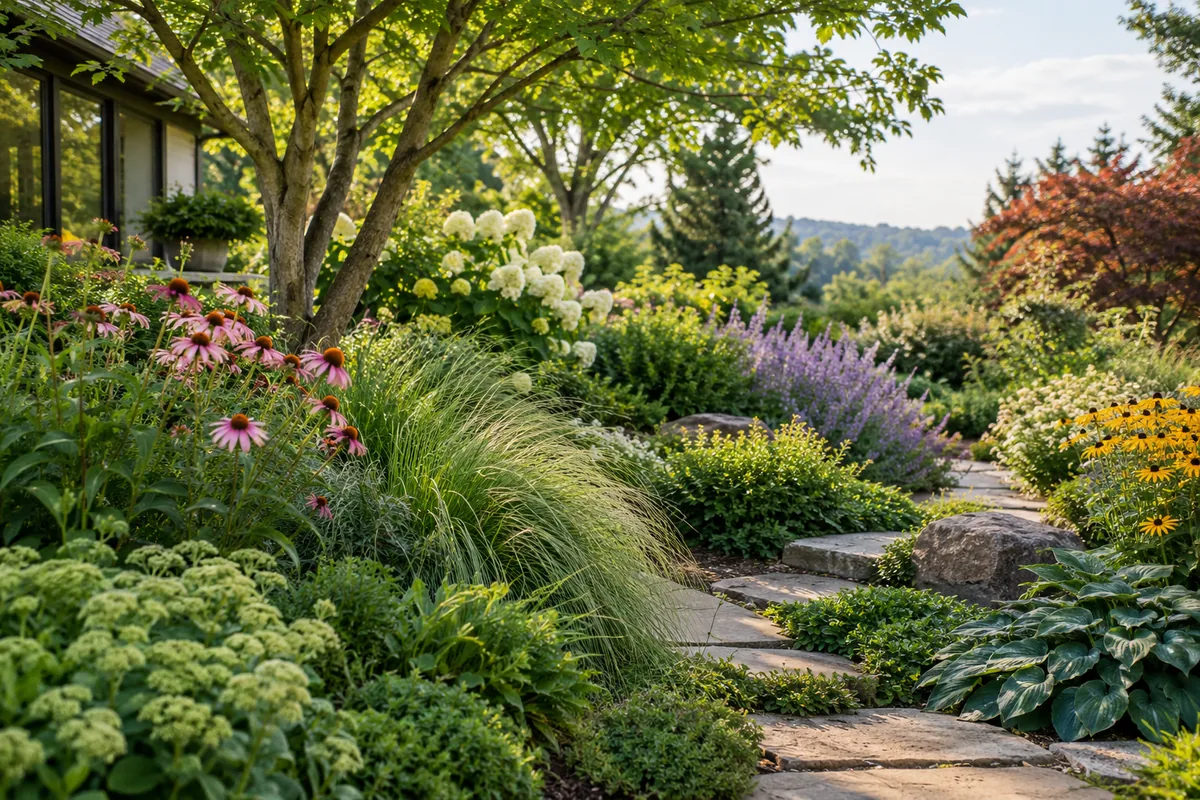
What Is Softscape in Landscape Design?
Learn what softscape means in landscape design, with a practical yard example, related terms, and the site decisions to check before making changes.
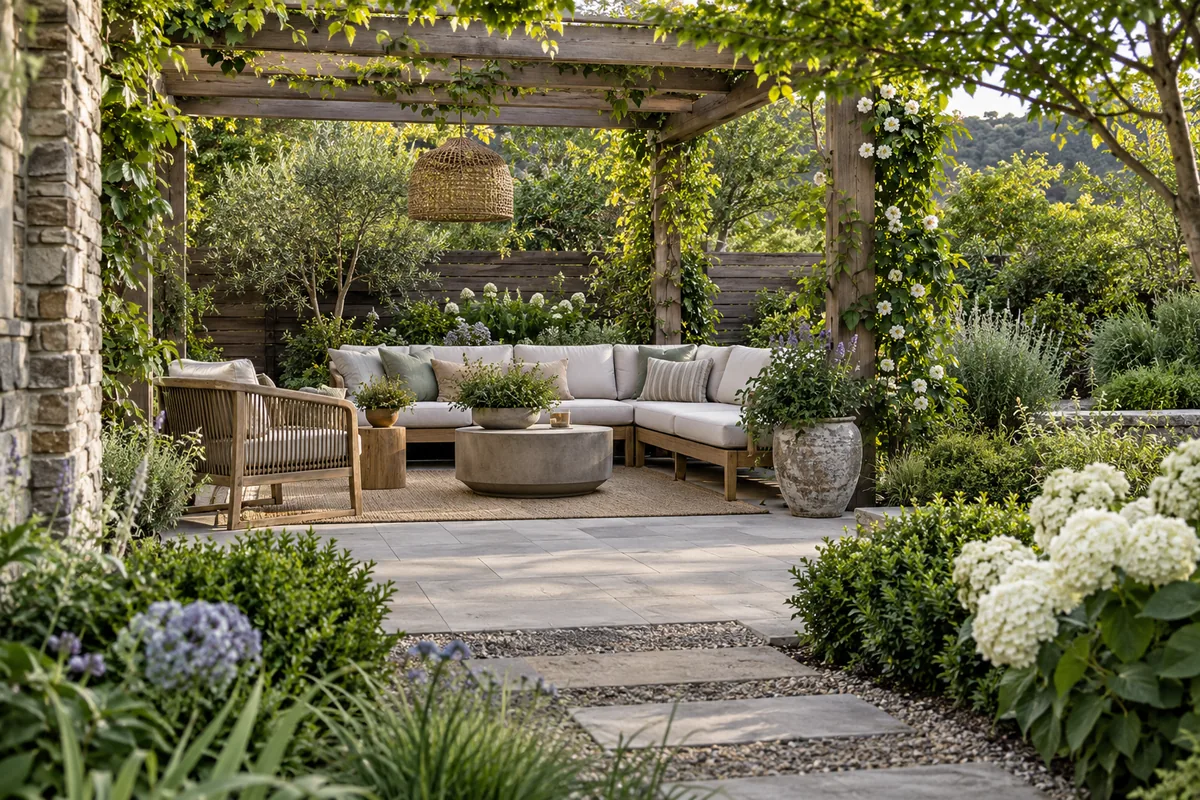
What Is Outdoor Room in Landscape Design?
Learn what outdoor room means in landscape design, with a practical yard example, related terms, and the site decisions to check before making changes.
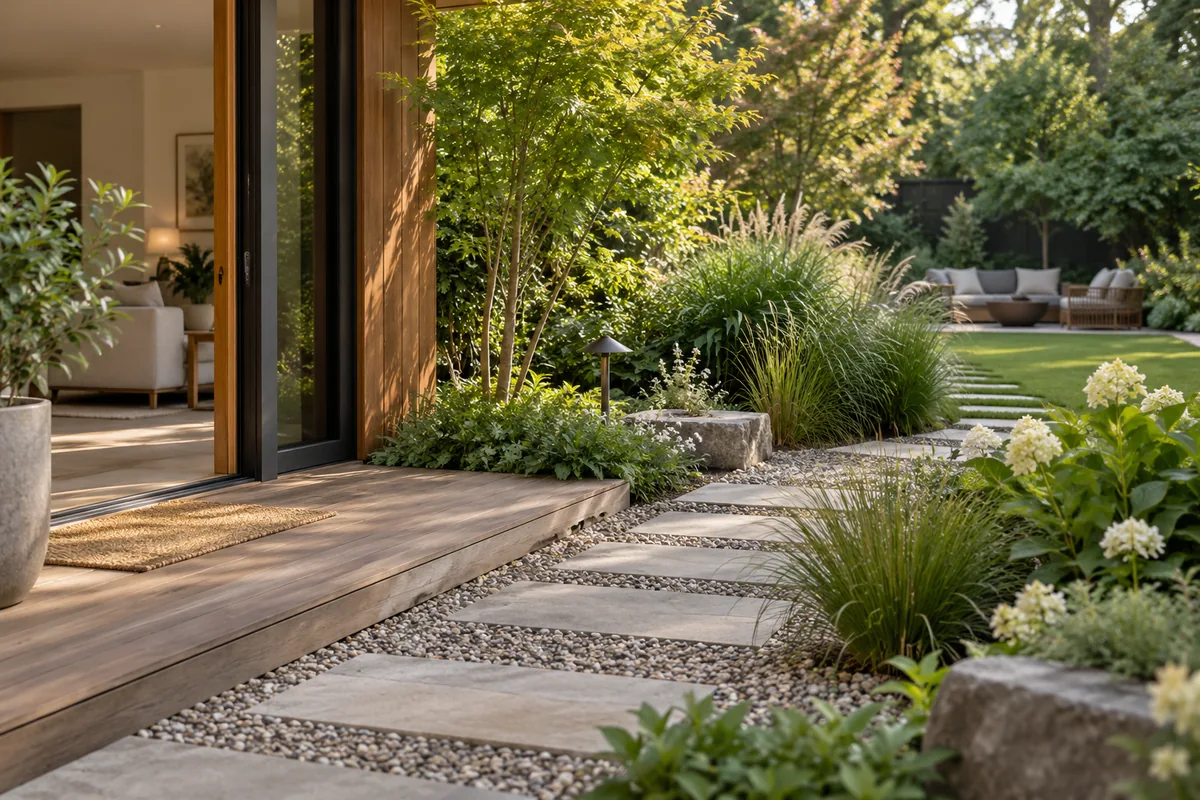
What Is Transition Zone in Landscape Design?
Learn what transition zone means in landscape design, with a practical yard example, related terms, and the site decisions to check before making changes.
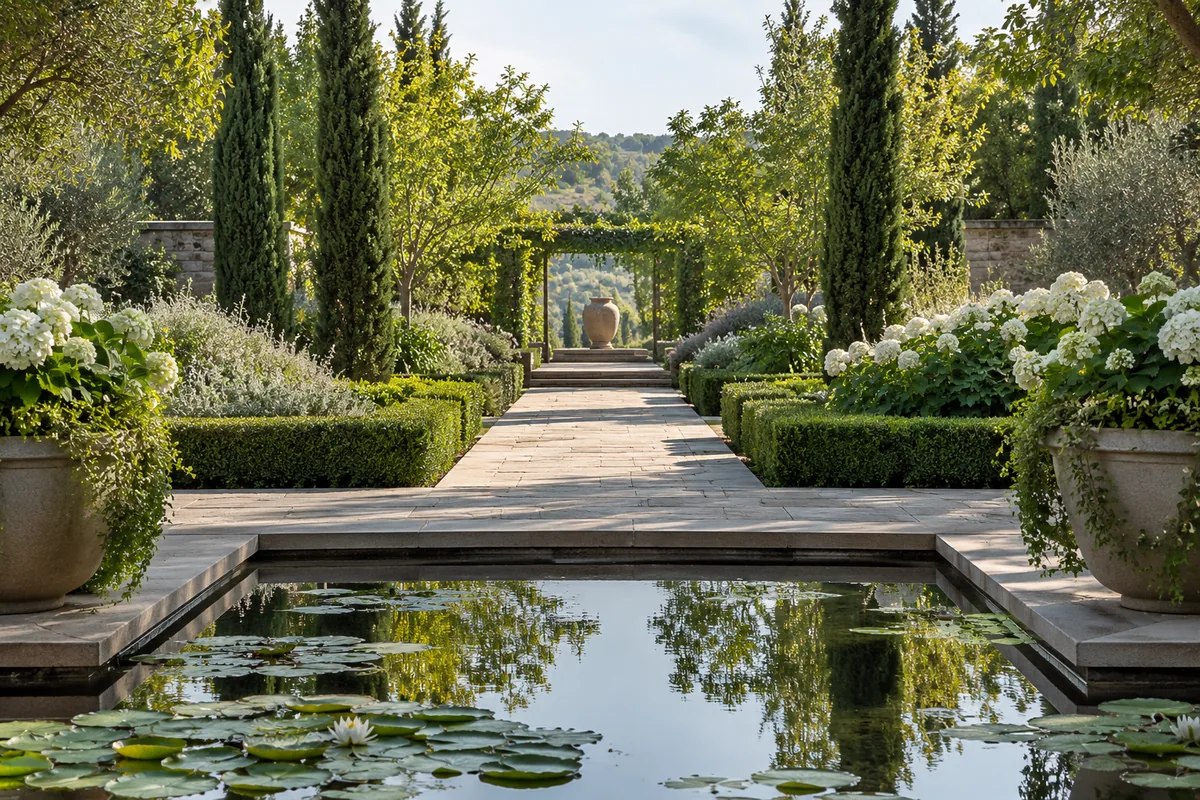
What Is Axis in Landscape Design?
Learn what axis means in landscape design, with a practical yard example, related terms, and the site decisions to check before making changes.
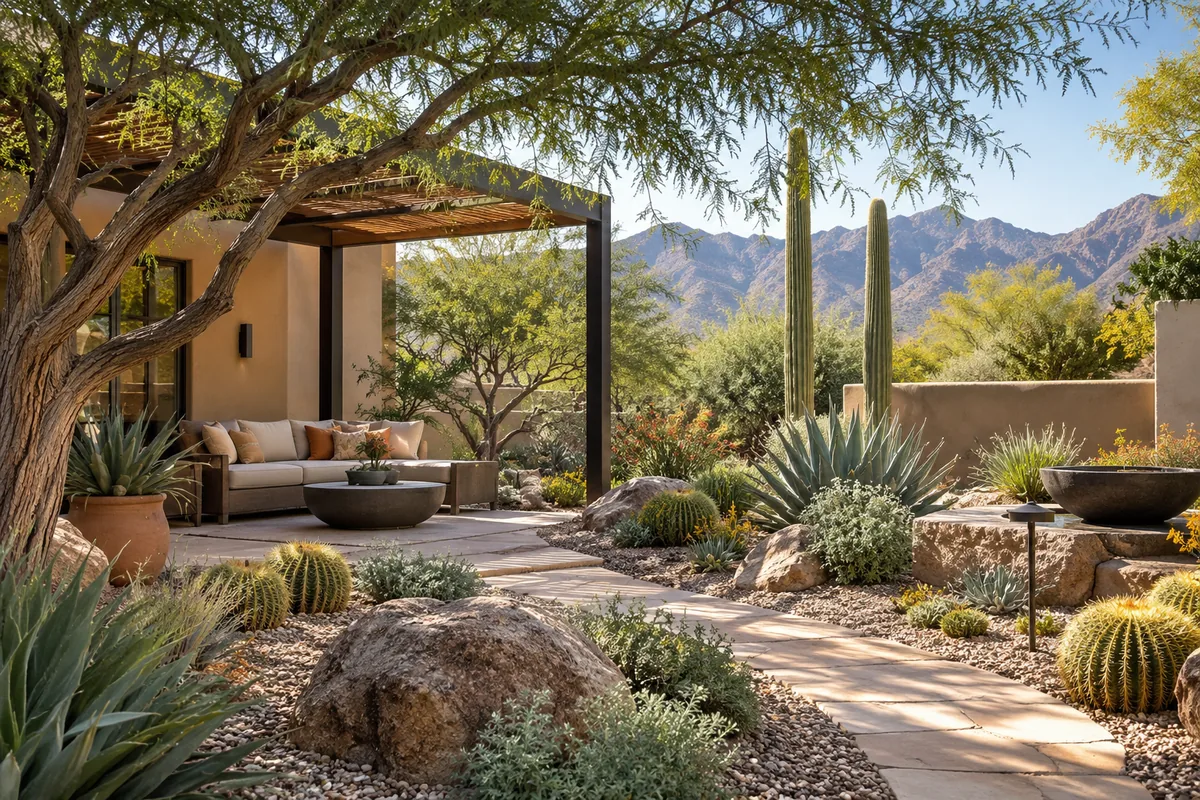
Desert landscape style: shade, stone, and plant form
Understand desert landscape style through plant form, mineral surfaces, useful shade, and heat-aware layouts, while separating its appearance from xeriscaping.
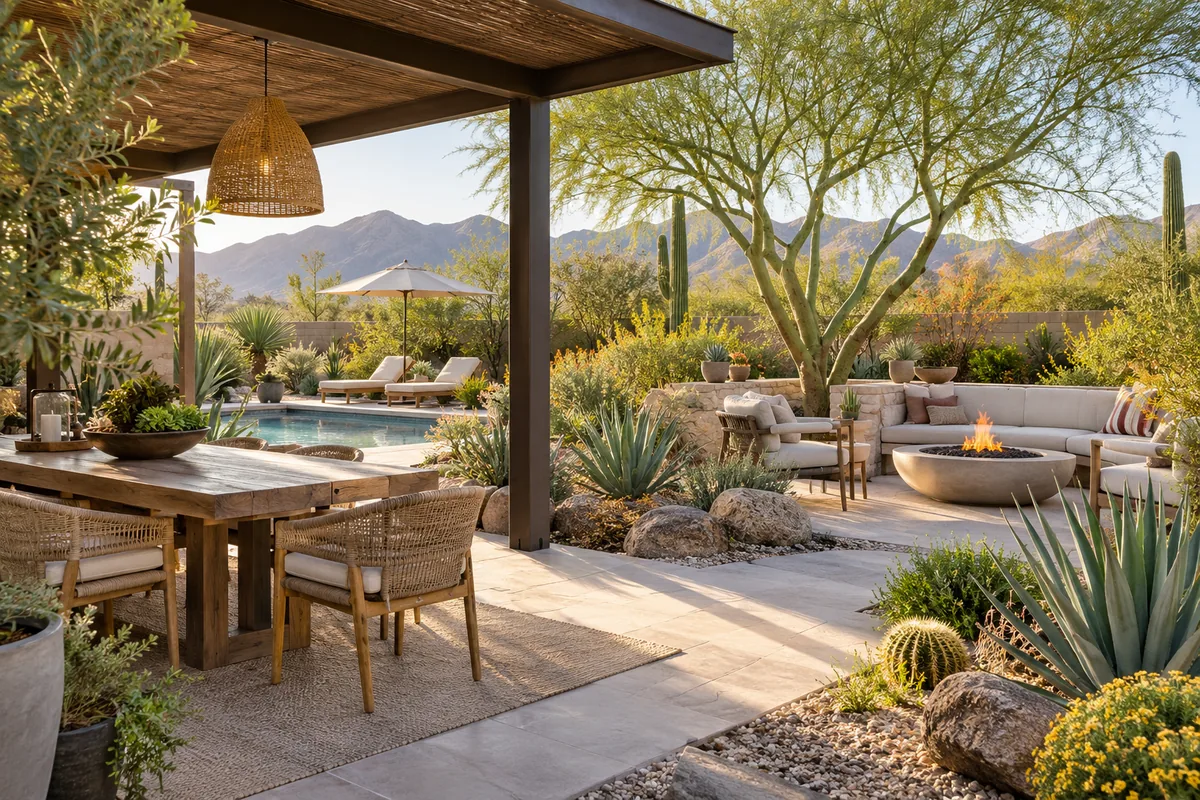
Desert backyard ideas that make room for comfortable living
Explore desert backyard ideas for useful shade, open plant forms, mineral surfaces, flexible activity space, and practical care around seats and dining areas.