
By AI Landscape Design Team · Editorial policy
What Is Transition Zone in Landscape Design?
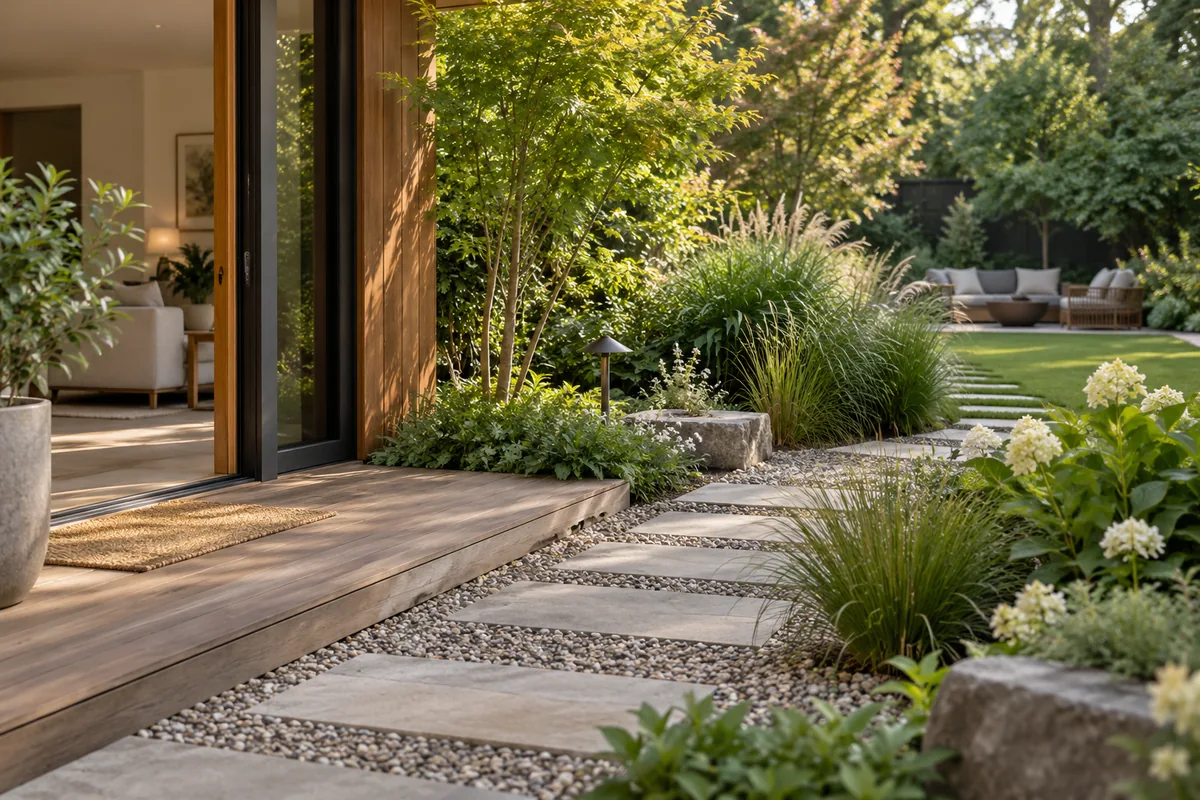
A transition zone is an area that connects different landscape spaces or conditions through a gradual or deliberate change in surface, planting, scale, or use. The connection may occur between a doorway and a garden or between an open terrace and a planted corner. Its purpose is to make the change understandable and usable. The term alone does not determine a particular material or required dimension.
Published · 2 min read
Key takeaways
- Transitions connect uses and conditions.
- Keep the connection clear during everyday movement.
- Surface styling does not establish safe construction.
How is transition zone used in landscape design?
Look for the point where an activity or condition changes. Someone leaving the house may need a clear landing before reaching planting, while a route into a garden room may benefit from a change in enclosure. Avoid concentrating furniture and pots at the connection. Check measured clearances and accessibility, and obtain local advice for changes involving levels or steps.
What does transition zone look like in a yard?
At a patio edge, a short open area between dining furniture and a planted path can act as a transition zone. It lets people move from the social space into the garden without pushing through chairs or stems. The planting can become less dense near the opening, then fuller beyond it. Observe the route during ordinary use before adding decorative details.
Which terms help explain transition zone?
Outdoor rooms describe activity areas, and garden rooms describe distinct spaces. Layered planting can soften the change between them. A visual concept may suggest a connection, but actual access, plant spread, surfaces, and drainage must be confirmed locally. Treat any structural threshold changes as professional site decisions rather than visual styling.
Frequently asked questions
Is a transition zone always a path?
A path can provide a transition, but an open landing or a change in planting can do so too. The useful question is how people recognize and move between spaces. A separate constructed route is not always necessary.
Can a surface change create a transition?
A surface change can make a boundary between uses visible, provided the connection stays practical and safe. Consider movement, cleaning, and accessibility. Material contrast alone does not resolve levels, drainage, or installation requirements.
Why leave a patio threshold clear?
A clear threshold lets people move between the house, furniture, and garden without unnecessary obstacles. Check doors, carried items, and actual user needs. Pots and decorative planting should fit around that movement rather than occupy its essential space.
Related reading
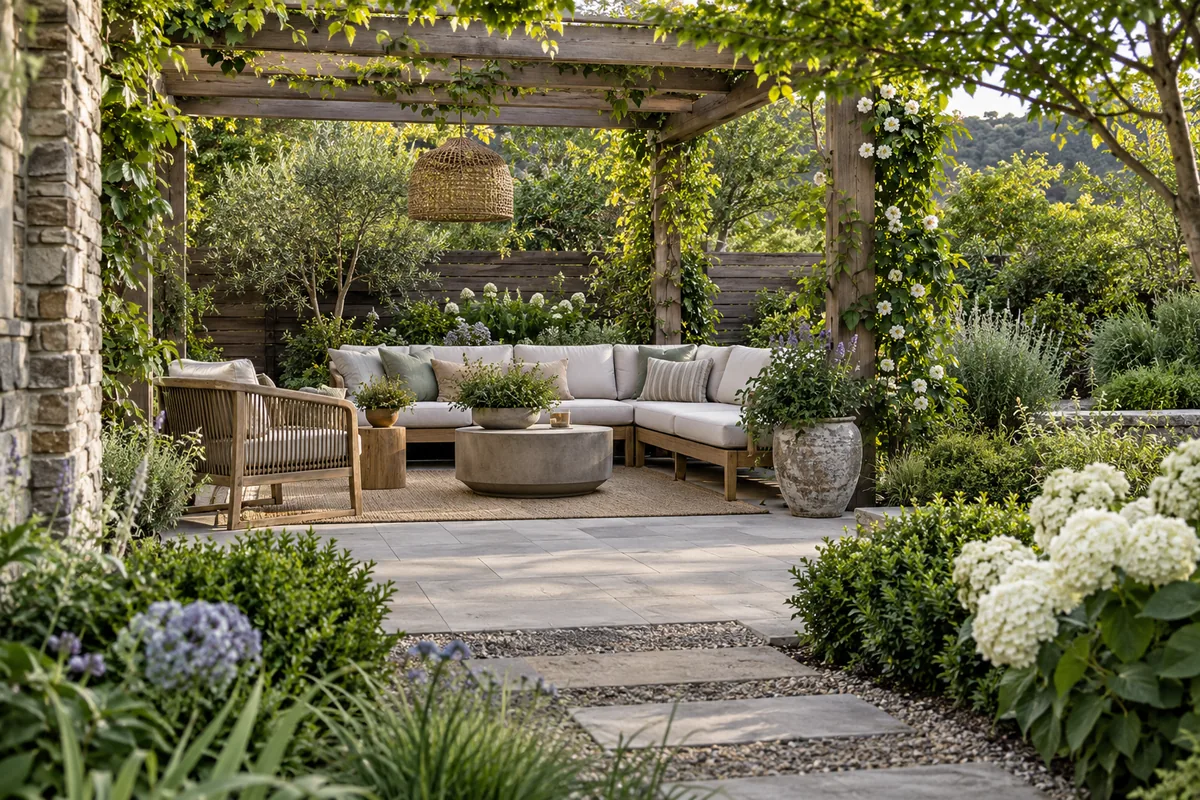
What Is Outdoor Room in Landscape Design?
Learn what outdoor room means in landscape design, with a practical yard example, related terms, and the site decisions to check before making changes.
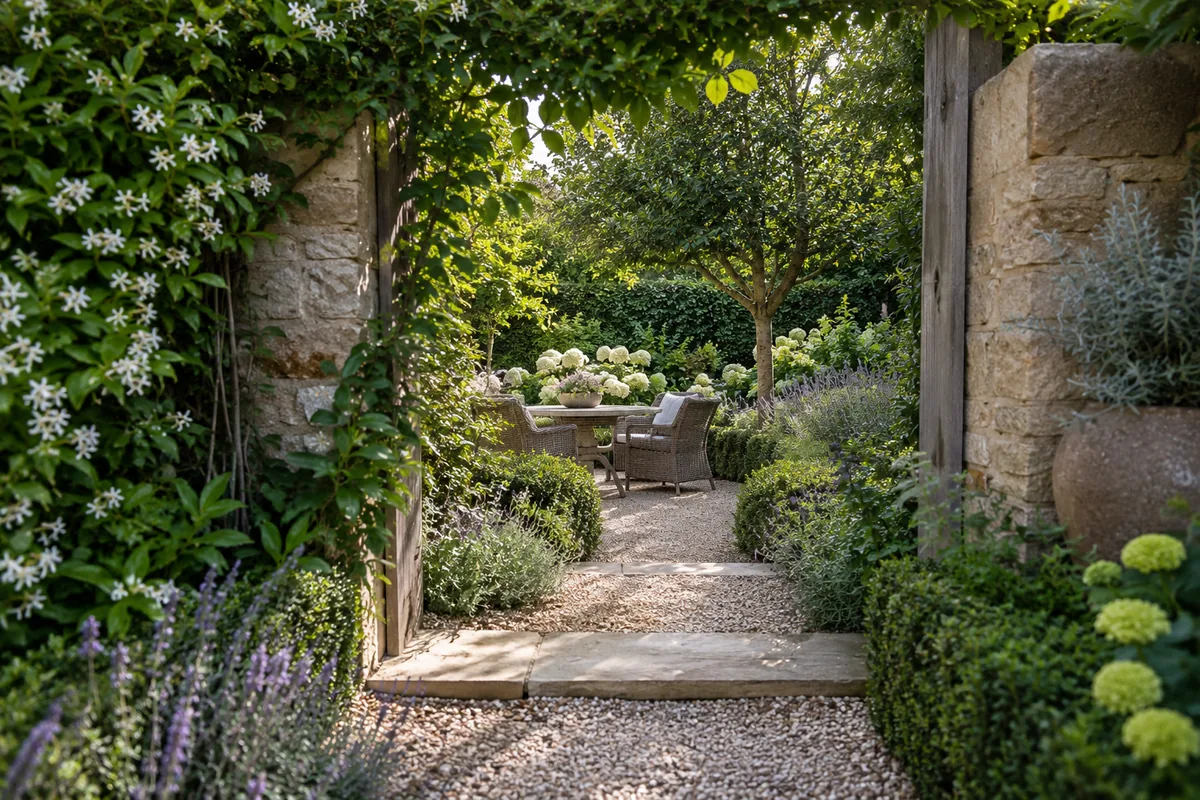
What Is Garden Room in Landscape Design?
Learn what garden room means in landscape design, with a practical yard example, related terms, and the site decisions to check before making changes.
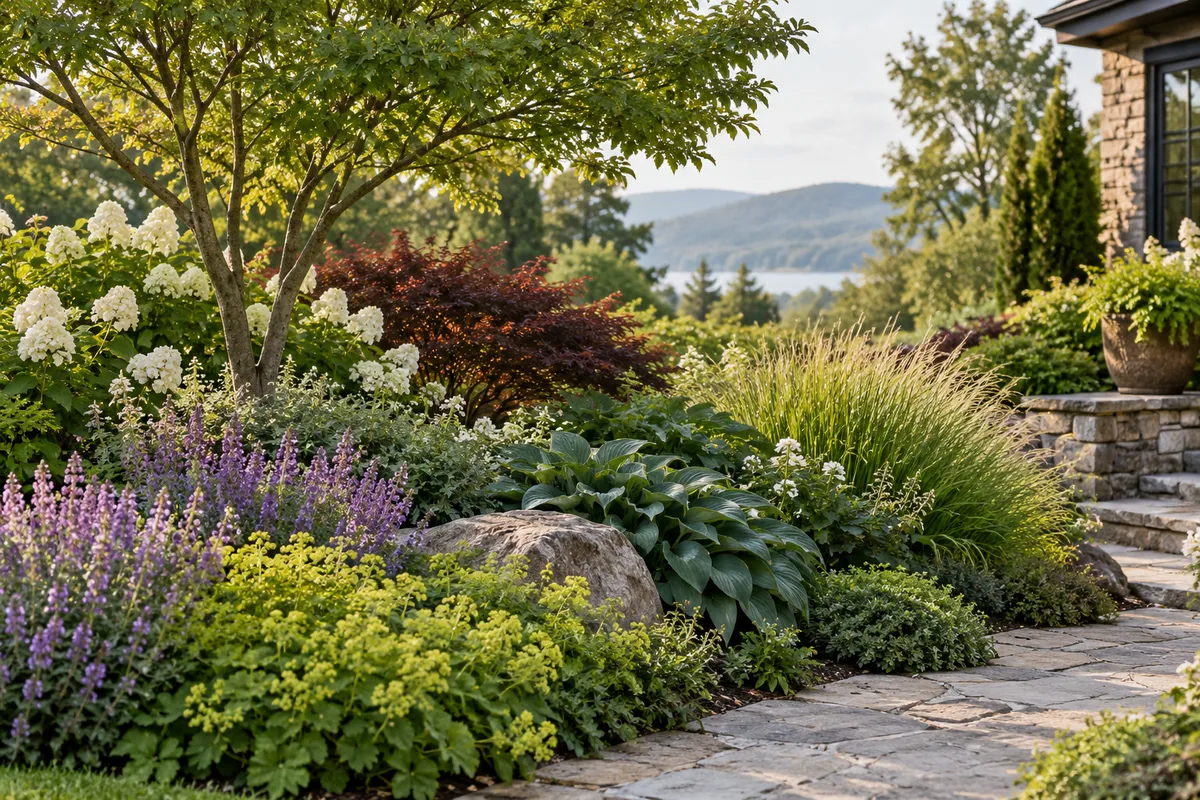
What Is Layered Planting in Landscape Design?
Learn what layered planting means in landscape design, with a practical yard example, related terms, and the site decisions to check before making changes.
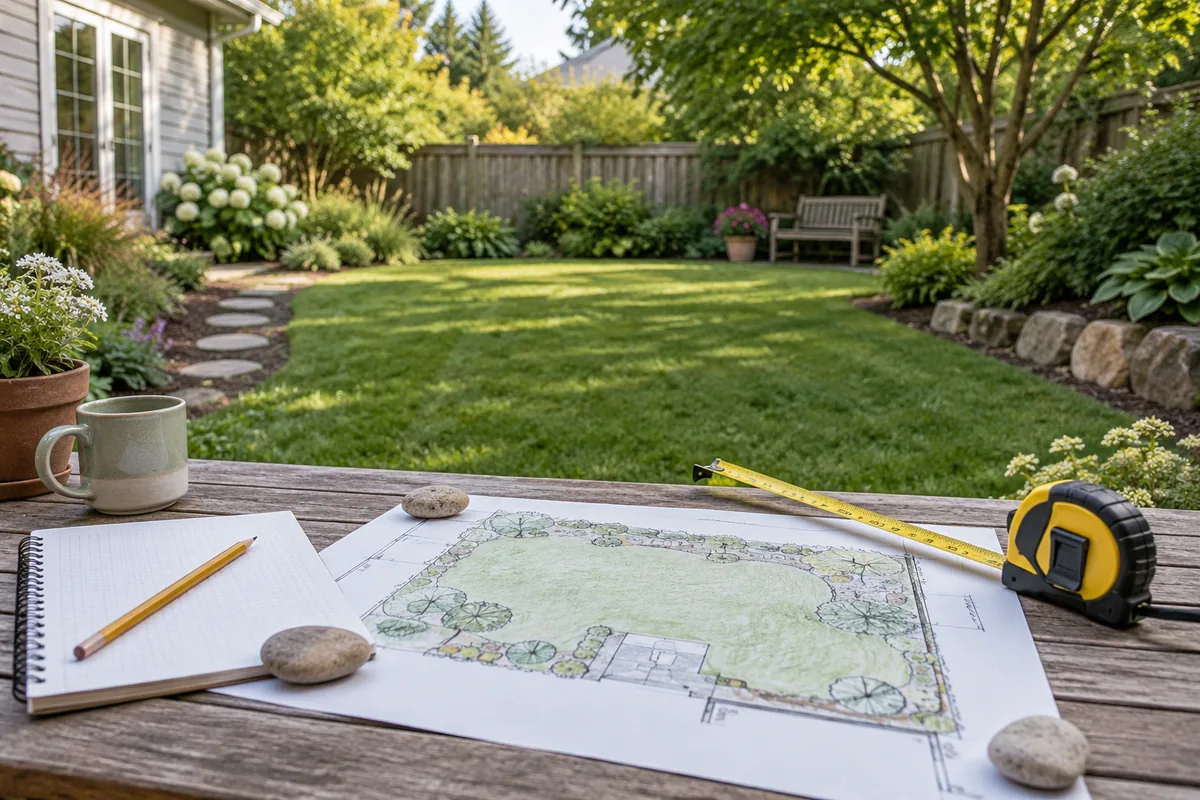
How to Measure Your Yard for Landscape Planning
Measure your yard for an initial planning sketch using clear reference points, recorded dimensions, and fixed-feature notes before seeking professional surveys.