
By AI Landscape Design Team · Editorial policy
What Is Layered Planting in Landscape Design?
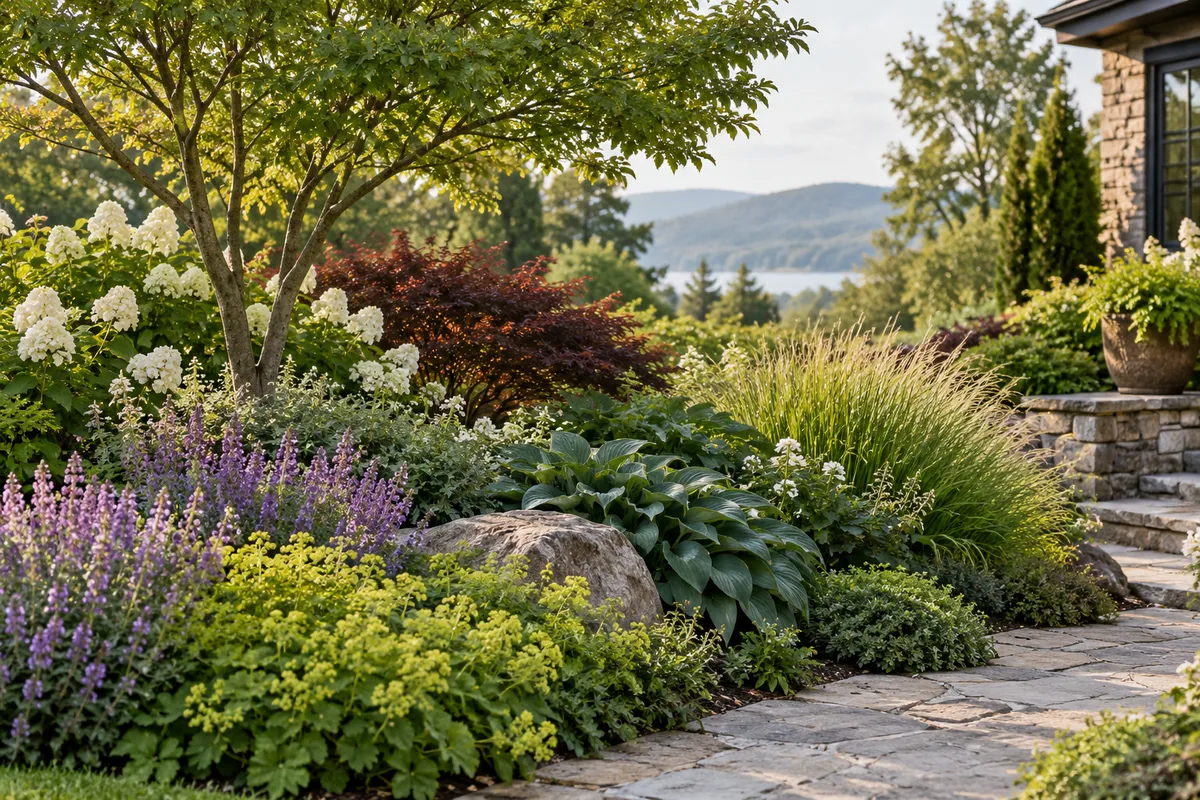
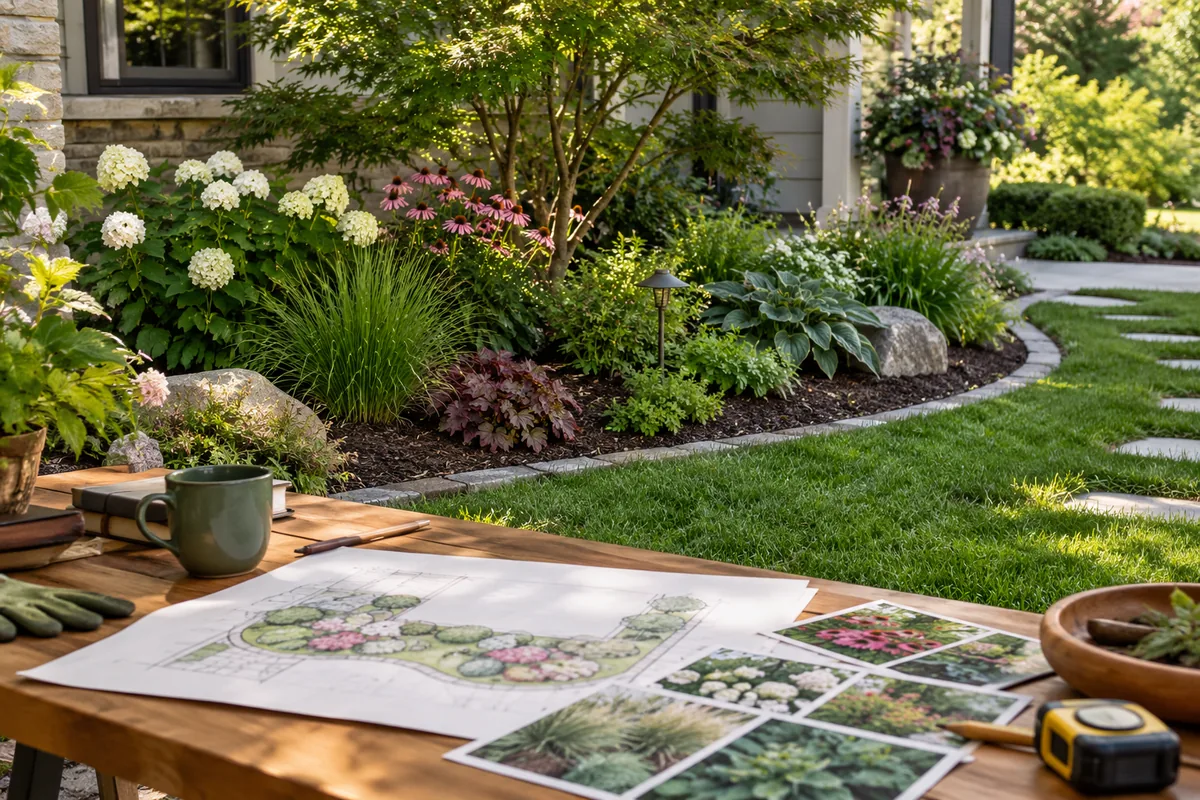
Layered planting is the arrangement of plants at different heights or depths so their forms remain readable together and create a foreground, middle ground, and background. The layers need not form rigid rows. Their relationship depends on the viewing position and available growing space. A layout should consider mature growth and seasonal gaps so that taller plants do not obscure routes, windows, or important views.
Published · 2 min read
Key takeaways
- Layering organizes plant height and depth.
- Viewing direction determines the arrangement.
- Check mature spread and seasonal gaps.
How is layered planting used in landscape design?
Assign visual roles before shopping for varieties. Lower plants can mark an edge, middle-height growth can provide the main texture, and taller forms can establish a background. Those roles are flexible and must fit the actual conditions. Verify regional suitability and light, soil, and moisture requirements locally; a plant’s advertised height alone does not determine whether it belongs in the bed.
What does layered planting look like in a yard?
A border behind a patio seat could use low growth near the paving and taller plants farther from the main viewing position. If the border is visible from both sides, the arrangement may need a different pattern instead of a simple tall-at-the-back rule. Leave room for mature spread and maintenance. Check toxicity when pets have access to the planting.
Which terms help explain layered planting?
Mass planting describes repetition within a layer; foundation planting describes location beside a building. A sightline helps decide what should remain visible between layers. Use AI concepts to compare broad depth relationships, then confirm species, mature dimensions, access, and care with local expertise rather than copying the depicted planting literally.
Frequently asked questions
Must the tallest plants always go at the back?
Taller growth often forms a background in a one-sided border, but an island bed or a view from several directions needs another arrangement. Check the actual viewing positions. The useful rule is to keep intended forms and routes readable.
Can a border have only two layers?
Two distinct height or depth roles can be enough when the available space is limited. Avoid forcing extra layers into a narrow bed. Mature plant spread and the room required for care matter more than reaching a particular number.
Does layered planting guarantee continuous color?
Layering concerns arrangement, not guaranteed flowering. Seasonal foliage, dormancy, and cutting back can change the composition. Review how locally suitable plants behave through the year and leave a clear layout even when some of the display is absent.
Sources
Related reading
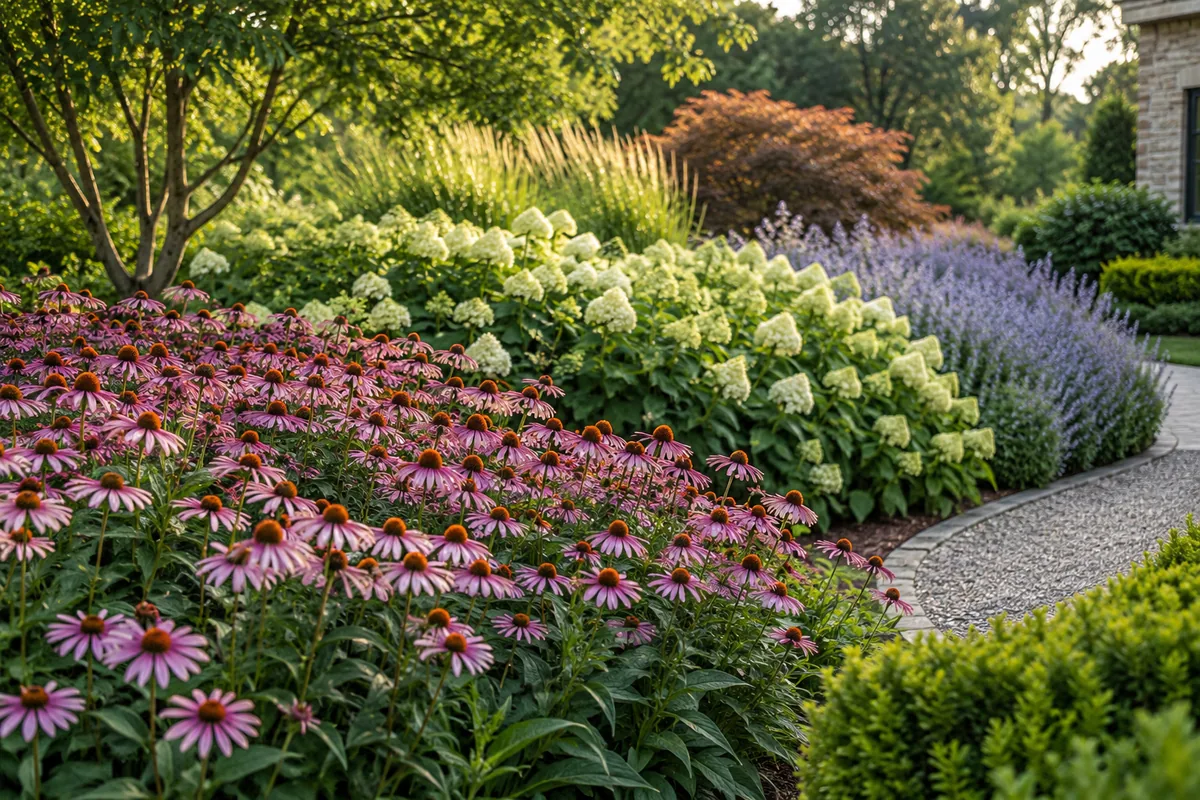
What Is Mass Planting in Landscape Design?
Learn what mass planting means in landscape design, with a practical yard example, related terms, and the site decisions to check before making changes.
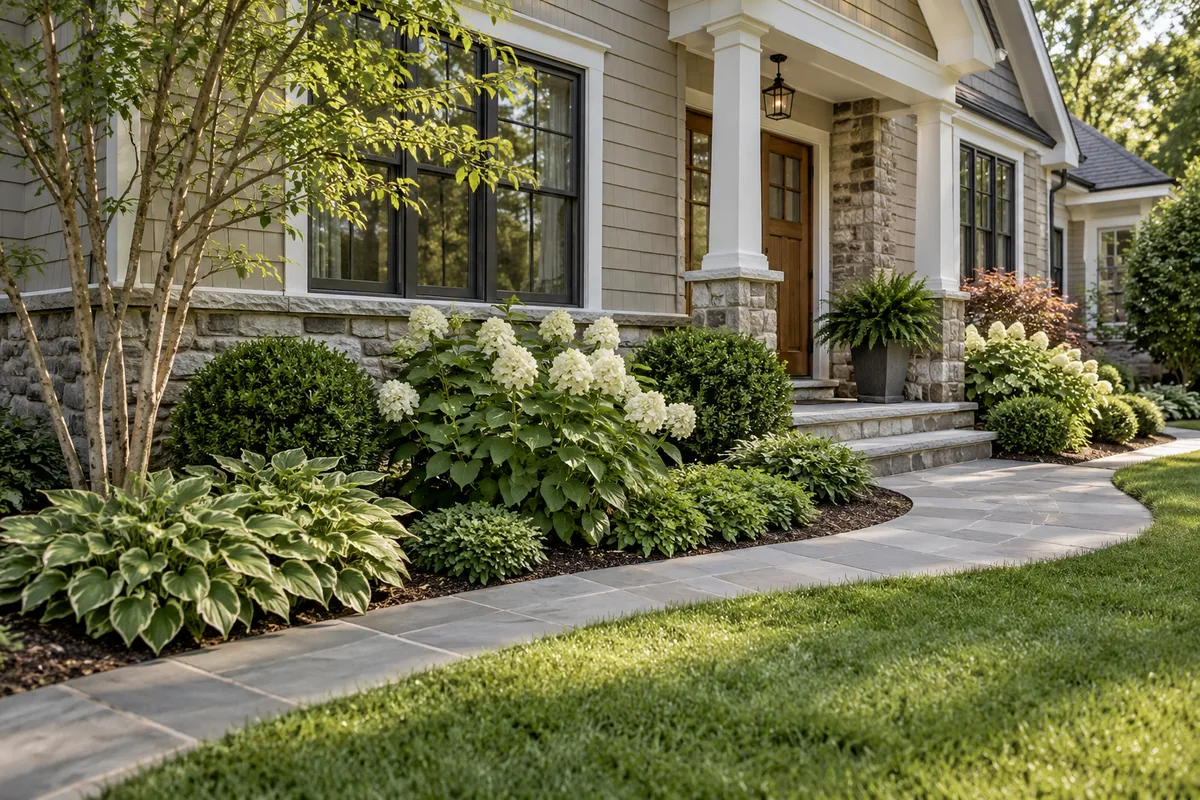
What Is Foundation Planting in Landscape Design?
Learn what foundation planting means in landscape design, with a practical yard example, related terms, and the site decisions to check before making changes.
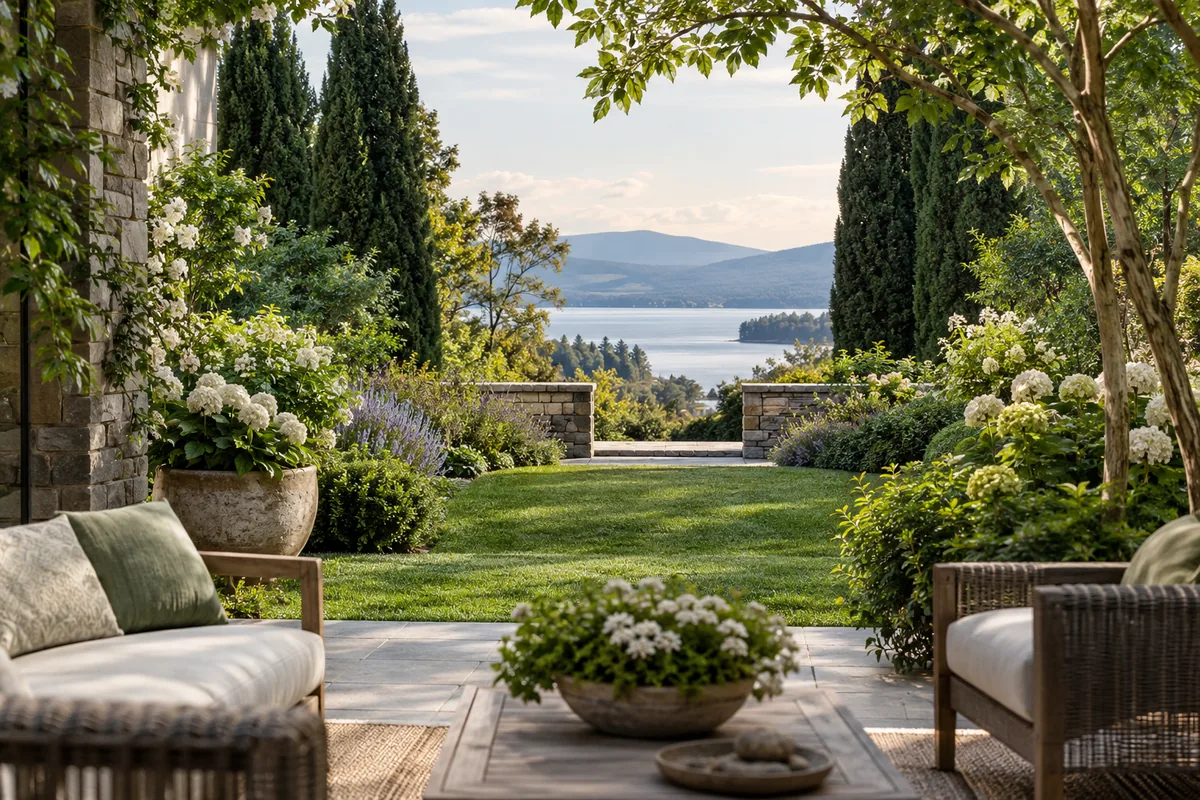
What Is Sightline in Landscape Design?
Learn what sightline means in landscape design, with a practical yard example, related terms, and the site decisions to check before making changes.
How to Design a Garden Bed Around Real Site Conditions
Design a garden bed by testing its outline, planting roles, mature growth, and maintenance access before selecting locally suitable plants and edging.