
By AI Landscape Design Team · Editorial policy
Deck and Stair Railings That Fit the Whole Route
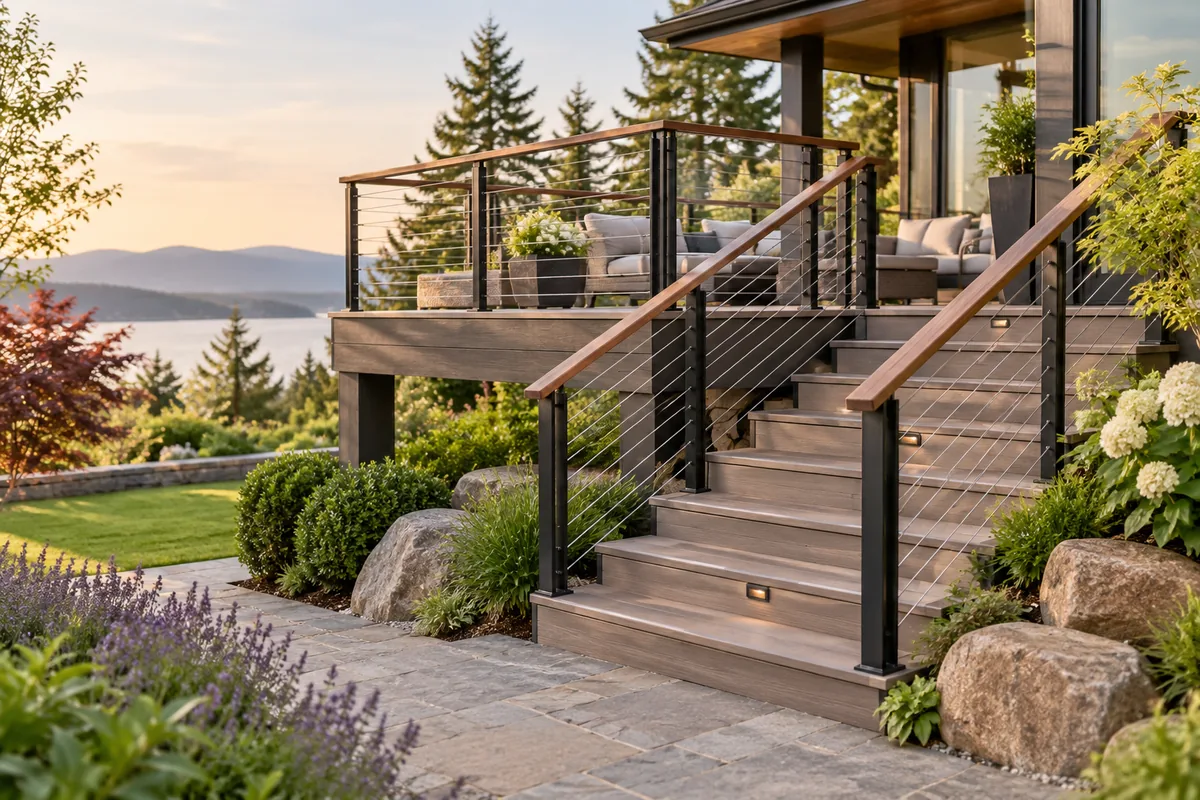
Deck and stair railings should be selected as part of the complete route and structure, with handrail and guard functions distinguished where relevant. Materials affect appearance and care, but local requirements and verified support determine what is appropriate. Ask qualified local professionals to assess the actual need, geometry, connections, and performance before deciding that an open view or decorative profile is sufficient.
Published · 6 min read
Key takeaways
- Check whether the system needs handrail, guard, or other functions.
- Material appearance does not establish compliant geometry or support.
- Preserve service access and a product-specific maintenance plan.
What function is the railing serving?
A rail beside a stair may assist movement, while a guard at an edge addresses a different protection role. The actual requirements can overlap or differ and must be established by qualified professionals and the relevant local authority. Do not assume that every attractive fence-like panel is a suitable rail system. Explain who uses the route and what the underlying structure is before selecting a profile. A clear functional brief helps prevent the visual choice from driving an inappropriate assembly. The homeowner should know what has been assessed and who is responsible for it, rather than relying on the general term railing to imply every needed feature.
Which local questions should be checked?
Applicable building rules, access requirements, permits, and the condition of the existing deck or stair all need investigation for the actual proposal. Avoid giving a universal height or gap rule without jurisdiction and project context. A system sold for one use may not be appropriate for another. Ask which provisions apply and what documentation the responsible professional will provide. Replacing a panel should not become an assumption that posts and connections are sound. Keep records of approvals and product details. This is a selection framework rather than jurisdiction-specific legal or engineering guidance; the relevant authorities and licensed professionals must establish the requirements.
How do materials change the visual effect?
Timber can give a familiar substantial edge, metal can support a slimmer rhythm, and glass or other selected systems can change how views pass through the boundary. Each product also has finish, connection, cleaning, and exposure requirements. Compare the complete system rather than one attractive infill panel. A visually open option may reveal more of a neighboring boundary or equipment area than expected. A solid-looking rail can provide enclosure while blocking a valued seated view. Evaluate it from the normal standing and sitting positions. The material should support the desired relationship with the garden without replacing the functional assessment.
What determines sightline quality?
Post spacing, infill pattern, height as assessed for the project, and the viewing position affect what is visible. A slim profile seen at a favorable camera angle may appear more transparent than it will from the main chair or doorway. Put the intended furniture into the discussion and inspect representative systems where possible. Do not remove or reduce necessary components simply to improve a photograph. The goal is a verified system whose visual relationship is understood. Planting can frame a view beyond it, but mature growth should not obstruct required use or maintenance. Consider the whole backdrop rather than treating transparency as automatically better.
Which connections need inspection?
Posts, anchors, supports, attachments, and the structure beneath them determine more than the infill material. Have appropriate licensed local professionals assess what the proposed system relies on and what existing components can remain. A new panel does not verify the condition of an old deck edge or stair. Ask how connections will be inspected later and whether covers or planting restrict access. Do not hang heavy objects or add attachments without appropriate compatibility review. The appearance of a firmly drawn rail in a concept cannot establish load capacity. Keep its structural responsibility explicit instead of assuming that decorative continuity with the house resolves the less-visible work.
What maintenance should be expected?
Timber, coated metal, glass, and manufactured systems have different product-specific care needs. Ask about compatible cleaning, finish inspection, corrosion or damage concerns where relevant, and replacement components. Preserve access around the rail and avoid storing furniture where inspection becomes difficult. A clear view through glass, for example, can involve cleaning obligations that a sample board does not communicate. Do not describe a manufactured system as maintenance-free. Compare the care you can reasonably undertake and the service support available locally. Keep records so a later repair uses the actual product information rather than trying to identify the system from a photograph.
How should the railing pair with the garden?
A restrained metal rhythm may support a modern terrace, timber may connect a farmhouse porch, and a simple verified system can suit a cottage setting with planting providing softness. Style does not establish the required dimensions or infill. Nearby plants need checks for USDA hardiness zone, light, soil, mature size, and invasive status, with growth kept clear of necessary rail functions. Any excavation in the United States calls for 811 contact and appropriate private utility review. Structural changes and electrical lighting require the relevant licensed professionals. Treat accessories, planters, and lights as additions that need compatibility assessment, not as harmless items because they appear beside a rail in a reference image.
What should a photo concept help decide?
Use it to compare material tone, visual openness, and the relationship with the house while keeping the route and furniture consistent. AILandscape provides visual yard concepts; its images do not verify rail geometry, structural support, access requirements, plant suitability, or construction details. Take the preferred character to a qualified local professional and ask what verified system could achieve it. Review any necessary changes without treating the original image as fixed. A successful railing choice balances a view you understand with a functional, serviceable assembly whose requirements are confirmed, rather than prioritizing invisibility or decoration over the actual movement and edge conditions.
Frequently asked questions
Are handrails and guards the same thing?
They serve different functions, although a particular assembly may involve both. The actual site and relevant requirements determine what is needed. Ask qualified professionals to distinguish the roles rather than assuming a decorative panel can satisfy every rail-related function.
Can a new railing use existing posts?
Only after the relevant components and connections have been appropriately assessed for the proposed system. New infill does not establish the condition or capacity of old supports. Ask the responsible licensed professional what can be retained and what must change.
Which material gives the most open view?
That depends on the complete system and viewing position, not material alone. Inspect posts, infill, and the scene beyond from actual standing and seated viewpoints. Keep all required functions intact while evaluating visual openness and the associated cleaning obligations.
Sources
Related reading
DIY landscaping vs Professional landscaping: Which Fits Your Yard?
Compare diy landscaping and professional landscaping for your yard. Review layout, materials, upkeep, and practical trade-offs before choosing a direction.
Modern patio ideas for clear furniture layouts and calm materials
Explore modern patio ideas for restrained surfaces, usable furniture, clear door connections, suitable containers, and deliberate shade and evening light.
Farmhouse backyard ideas for growing, gathering, and work
Find farmhouse backyard ideas for productive beds, simple gathering spaces, working routes, sturdy materials, and practical storage connected to everyday use.

What Is Sightline in Landscape Design?
Learn what sightline means in landscape design, with a practical yard example, related terms, and the site decisions to check before making changes.
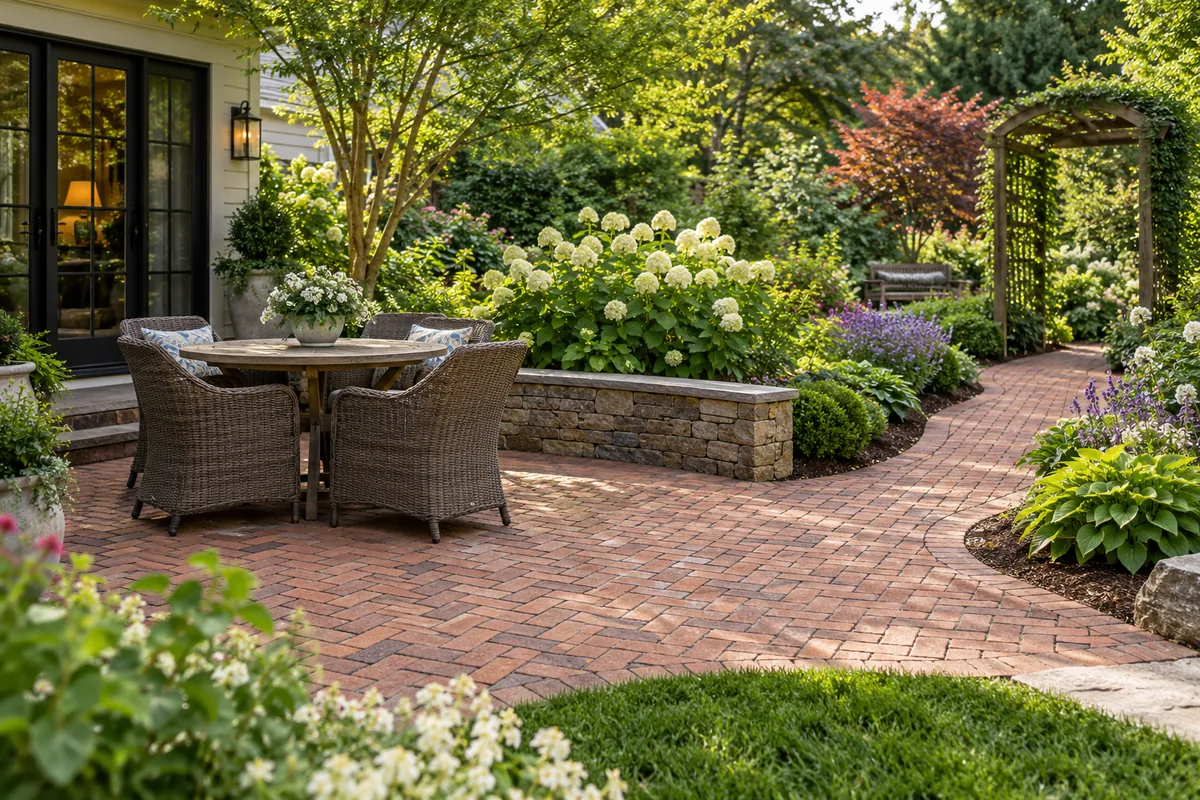
Brick Pavers for Useful Patios and Garden Paths
Brick Pavers for Patios and Paths: explore materials, placement, upkeep, and local safety questions before deciding how this feature fits your yard.
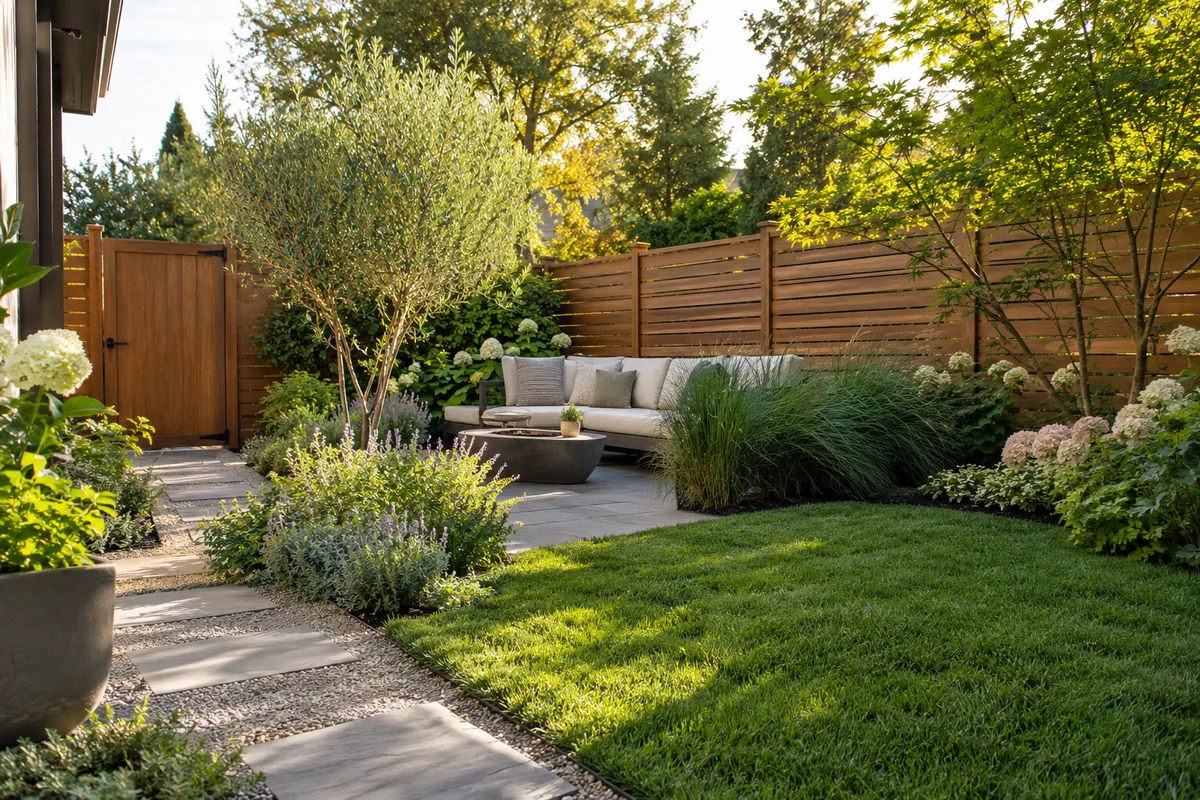
Garden Fence Ideas for Privacy and Practical Use
Learn how garden fence ideas fit your yard, with practical material, placement, upkeep, and safety questions to review before choosing a visual direction.