
By AI Landscape Design Team · Editorial policy
Ground Cover Plants for Borders and Deliberate Lawn Alternatives
Ground cover plants form a low layer where a suitable planting can replace bare soil or part of an unused lawn. They do not all tolerate walking, and a green carpet is not a slope-stability assessment. Species availability and fit differ by region; check your USDA zone and local extension service. Exclude English ivy and periwinkle, which have invasive concerns in many areas.
Published · 6 min read
Key takeaways
- Distinguish decorative cover from a walking or play surface.
- Give necessary foot traffic a clear route through the planting.
- Verify regional spread and invasive status before replacing lawn.
Which area actually needs living ground cover?
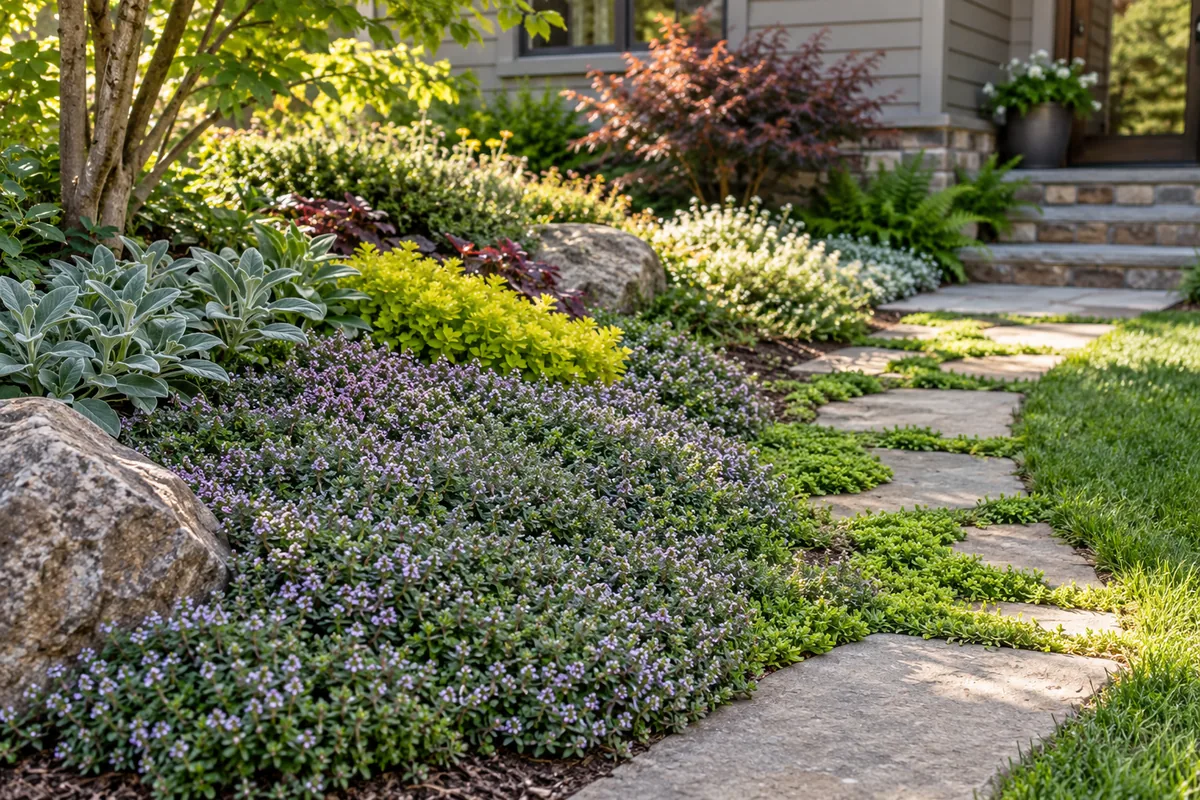
Begin with the use of the area rather than a desire to remove every patch of grass. Ground cover may fit beneath a suitable tree, within a border, or in an unused corner where mowing is awkward. A main walking line or active play area asks different questions. Mark those uses before choosing a plant. Decide whether you want one calm low mass or a mixture that changes seasonally. Keep the edge understandable from the house and street. Living cover works best as an intentional part of the layout, rather than a blanket applied to every gap without considering how people move across it.
Which examples can be investigated locally?
The list below describes roles to discuss, not universal replacements for turf. Confirm actual identity, conditions, regional behavior, and traffic tolerance before selecting.
- Wild strawberry: a low-growing regional cover option.
- Woodland phlox: a flowering ground-layer role in a suitable setting.
- Pennsylvania sedge: a grasslike layer where the site and region fit.
- Wild ginger: a foliage-cover possibility with conditions verified.
- Foamflower: a low border or woodland-style component.
- Pussytoes: a fine low plant to investigate for appropriate conditions.
- Creeping thyme: a low aromatic cover requiring suitability and traffic review.
- Selected stonecrop: a low succulent texture where the actual species belongs.
An example can suit one location and fail another; broad common names should never replace a specific planting decision.
How should tolerance of walking be described?
Sort potential uses qualitatively: no intended foot traffic, occasional light steps, or frequent purposeful movement. Then ask whether the chosen species and local conditions support the relevant category. Do not treat a low height as evidence that the plant can withstand play, carts, or a daily shortcut. RHS guidance on chamomile lawn alternatives emphasizes light traffic, showing why an attractive carpet differs from a heavily used surface. Give the main route suitable paving or another assessed walking arrangement when needed. The ground layer can soften that route without carrying its whole load. Clear circulation protects both the people using the yard and the chosen plants.
What does replacing lawn change in practice?
Identify lawn that is not serving a real household use and compare a suitable planted alternative there. A replacement changes tasks rather than removing responsibility. Establishment, weeding, observation, watering when appropriate, and edge management still need planning. Allow access for those jobs without turning every visit into a walk over fragile foliage. Keep a purposeful turf area if it fits the household and regional conditions. Compare appearance during establishment and seasonal changes, not just at full cover. A considered partial conversion can be more practical than promising that one low plant will reproduce the durability and uniformity of every existing lawn area.
Why are ivy and periwinkle excluded?
English ivy and periwinkle are not recommended here because they have invasive concerns in many regions. A quick-cover marketing claim does not make spread beyond the intended bed acceptable. USDA National Invasive Species Information Center profiles English ivy; regional resources should guide the assessment of actual species and local restrictions. Seek alternatives with extension advice and inspect common names carefully. An existing planting may need a responsible management plan, especially around retained trees or structures. Avoid giving chemical or removal instructions from a decorative article. The desired carpet effect should remain open to a suitable local plant rather than justify repeating a problematic familiar ground cover.
Can planting alone settle a slope concern?
Ground cover may be one component of an appropriately reviewed slope planting, but a leaf carpet cannot establish stability, drainage capacity, or resistance to erosion in a particular site. Ask local professionals to assess significant slopes, water movement, retaining features, and any risk to property or people. Plant selection then follows the verified conditions and recommended arrangement. Keep maintenance access realistic; a difficult bank may remain difficult even after it appears green. Do not use a visual rendering as proof that roots will secure the ground. Separate the decorative role from technical site assessment while allowing both to inform the final plan.
Which growing and household checks narrow the palette?
Check USDA hardiness information for winter-temperature context and evaluate light, soil, moisture, and exposure through extension guidance. Conditions beneath retained trees require particular local consideration without damaging existing roots. Inspect the proposed plant's spreading behavior and keep boundaries accessible. Where pets explore or chew the ground layer, use ASPCA resources and veterinary advice for the identified plant. Before digging in the United States, contact 811 and clarify private services. A low cover can conceal inspection points or objects, so preserve essential access. The planting should work for the actual household instead of simply making every visible surface look green.
What should a concept help compare?
Use a yard concept to study the boundaries between living cover, a retained lawn, and deliberate circulation. AILandscape can explore that visual balance but cannot confirm species, traffic tolerance, slope stability, root protection, or regional suitability. Bring the desired low-layer role to a qualified local adviser and select actual plants for the assessed conditions. Revise the edge if the chosen cover needs a different footprint or maintenance approach. A useful arrangement lets people understand where to walk and which areas are planted. The concept should clarify that relationship while leaving botanical and technical claims to verified site-specific guidance.
Frequently asked questions
Can any ground cover replace a busy lawn?
No. Low-growing plants differ in traffic tolerance and seasonal behavior. Assess the household's actual use and ask about the exact selection locally. Retain an appropriate activity surface or provide clear walking routes where frequent movement would damage the planting.
Are English ivy and periwinkle suggested here?
They are excluded because of invasive concerns in many areas. Check local guidance and seek an appropriate alternative for the desired ground-layer role. Familiarity or rapid coverage does not establish ecological suitability for a new planting.
Will ground cover prove that a bank is stable?
A planted appearance does not verify slope stability or drainage. Have meaningful slope and erosion concerns reviewed by qualified local professionals. Choose the ground layer after that assessment, with a realistic plan for establishment and maintenance access.
Sources
Related reading
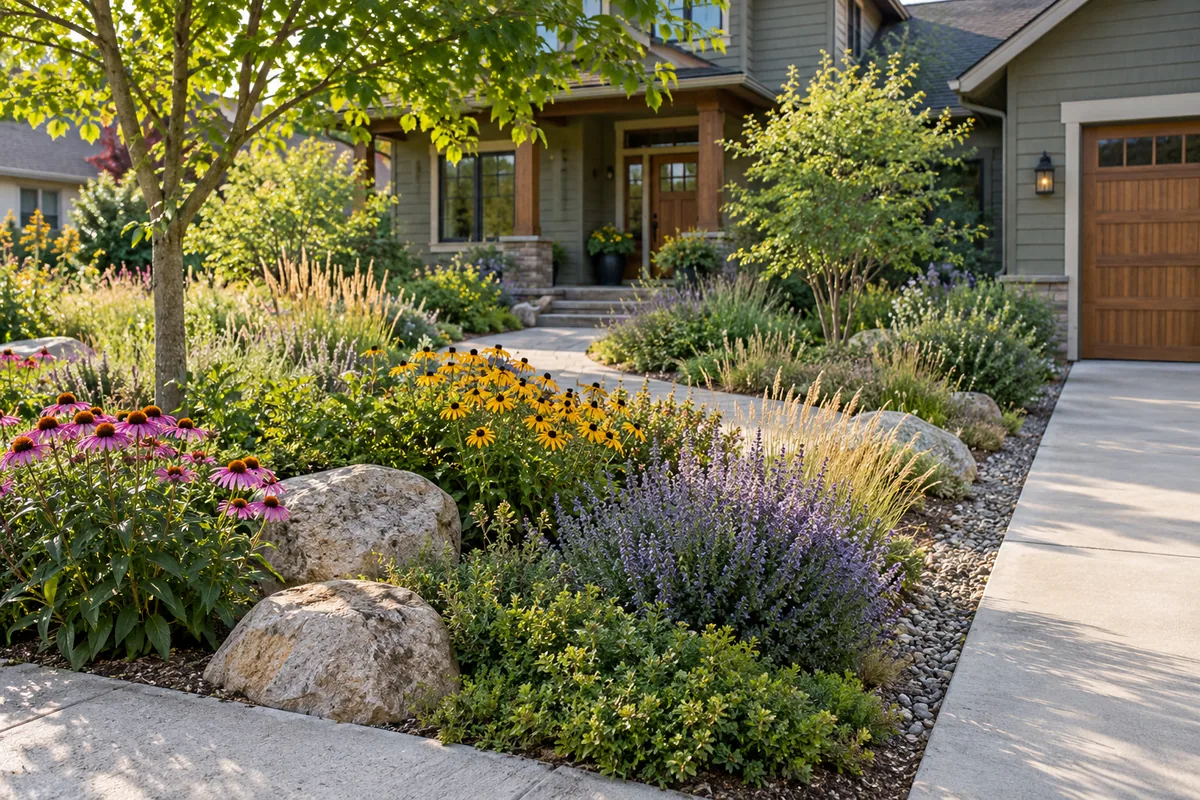
Native front yard ideas that make seasonal planting intentional
Find native front yard ideas for regional plant groups, legible borders, seasonal texture, visible entrances, and practical care in a publicly viewed garden.
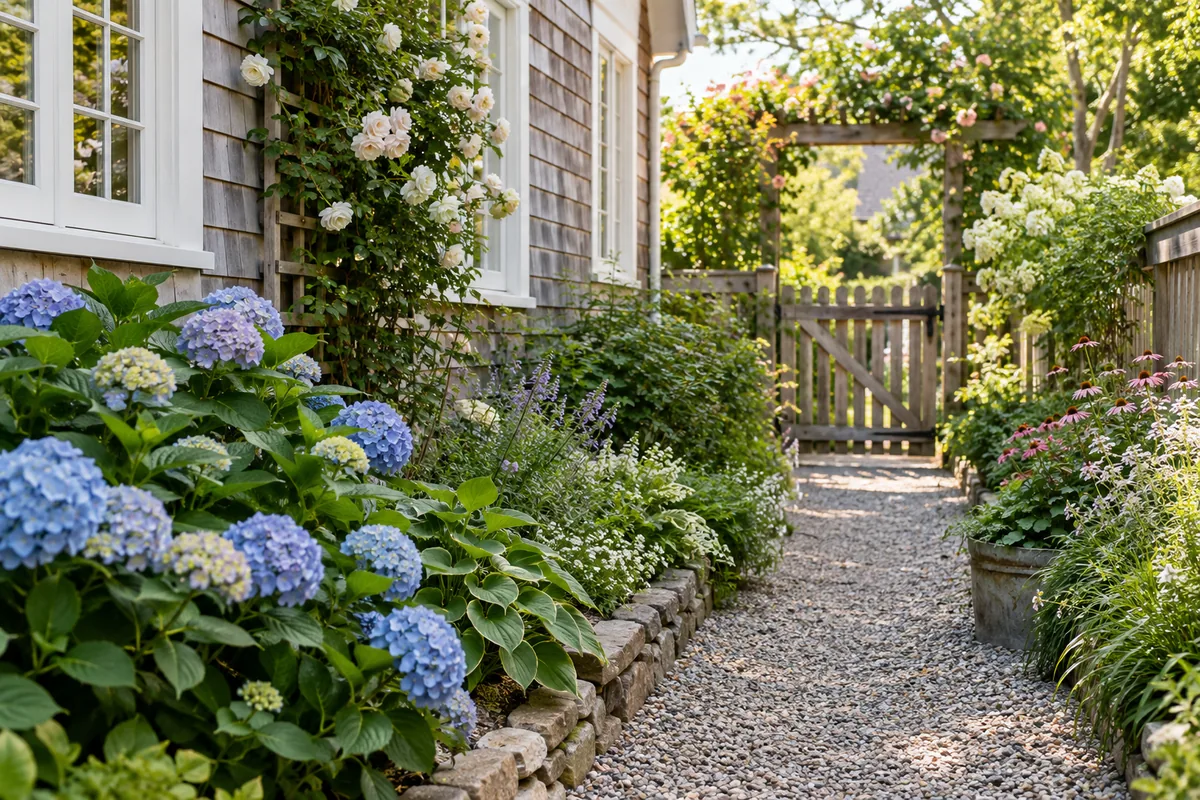
Cottage side yard ideas for flowers beside a working route
Find cottage side yard ideas for connected flowers, appropriate climbers, stable pots, readable gates, and a working route that stays comfortable to use.
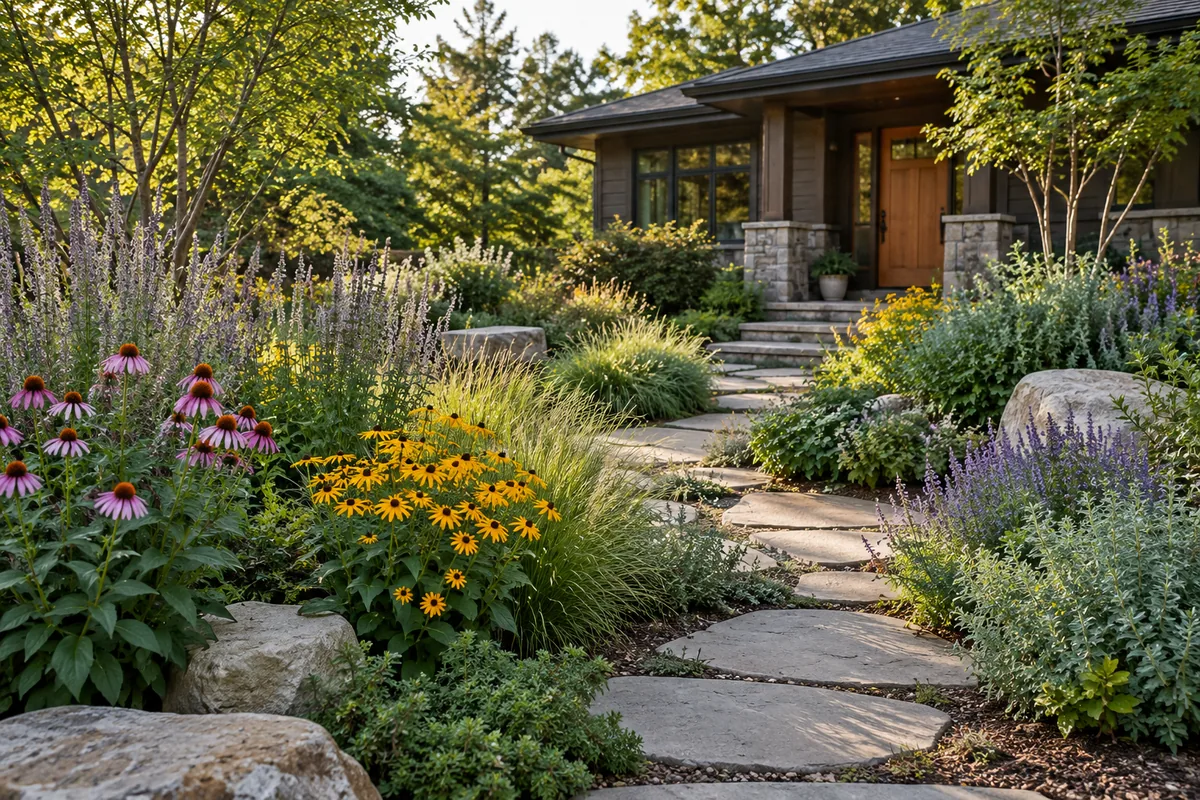
Native plant landscape style: regional plants with structure
Learn how native plant landscape style combines regional plant choices, seasonal change, and clear garden structure with practical care and neighborhood views.
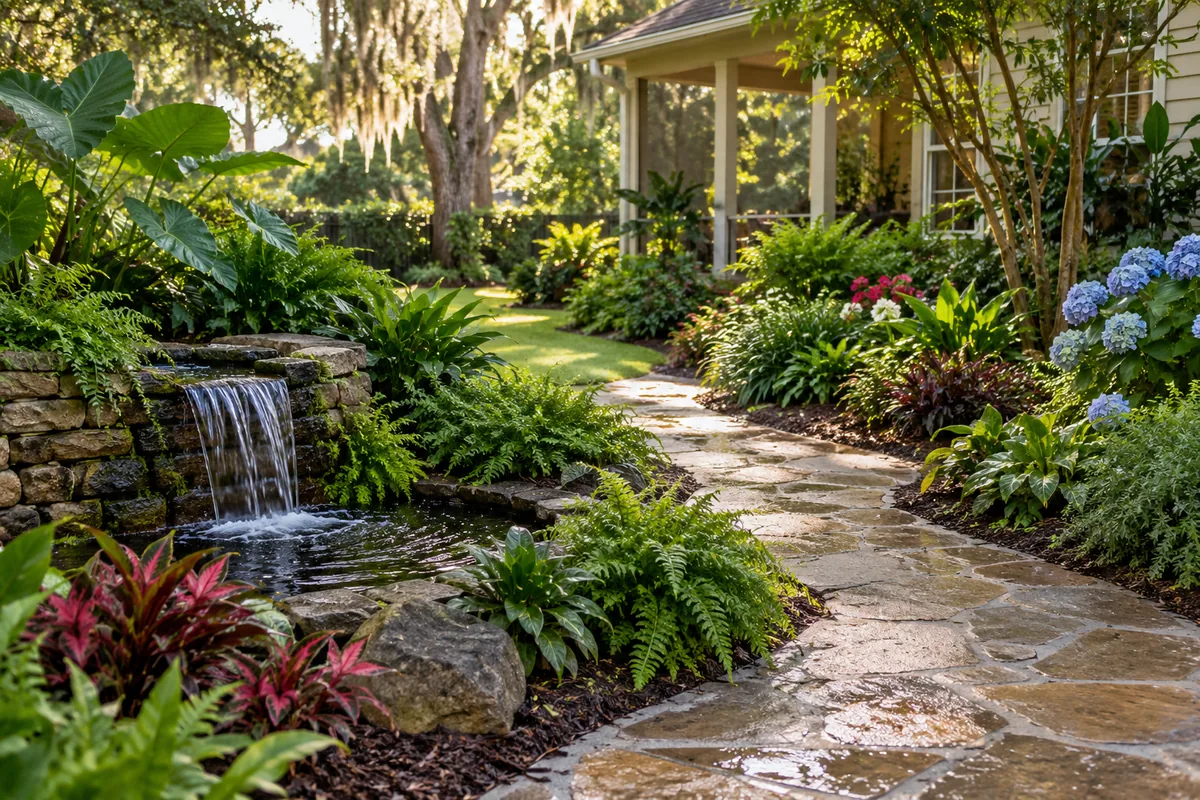
Landscaping for Humid Subtropical Climates
Plan humid subtropical landscaping with site drainage review, mature planting space, actual exposure, and regionally verified plant choices for everyday use.
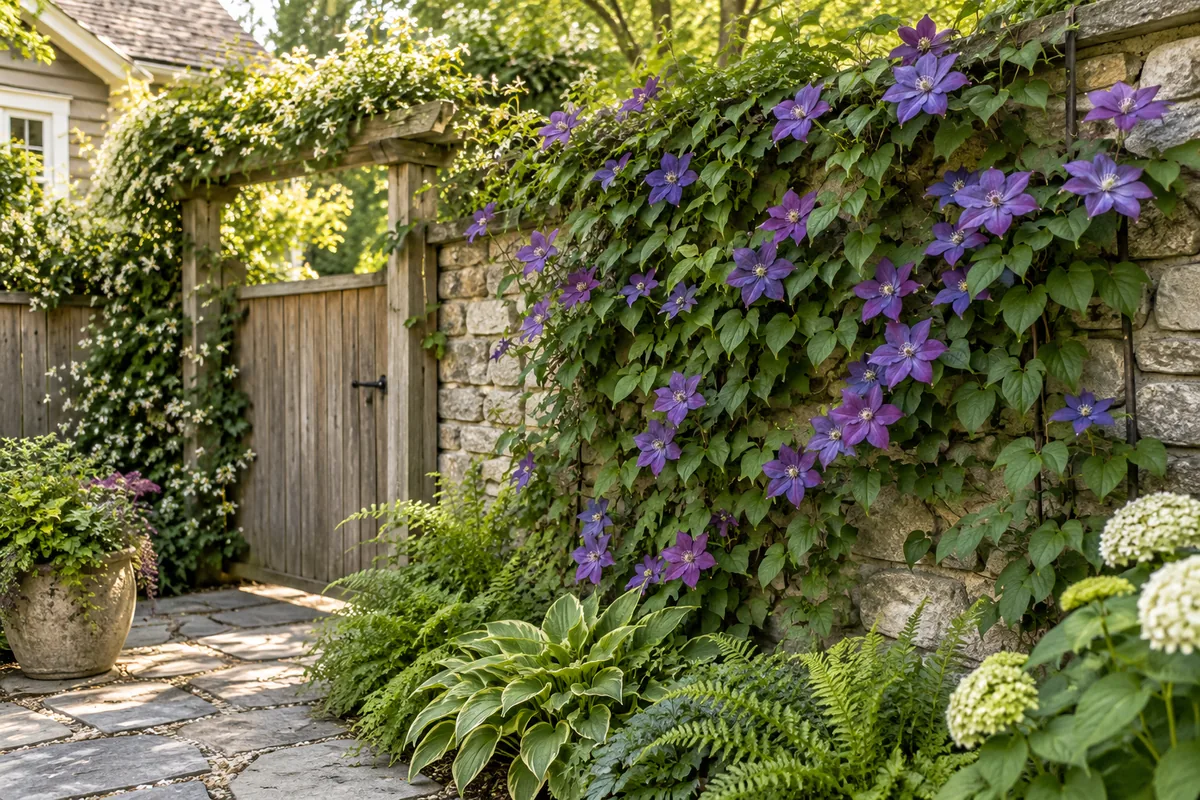
Climbing Vines for Fences and Walls with Suitable Supports
Climbing Vines: Support, Walls, and Local Fit: explore placement, upkeep, and local safety questions before deciding how this feature fits your yard.
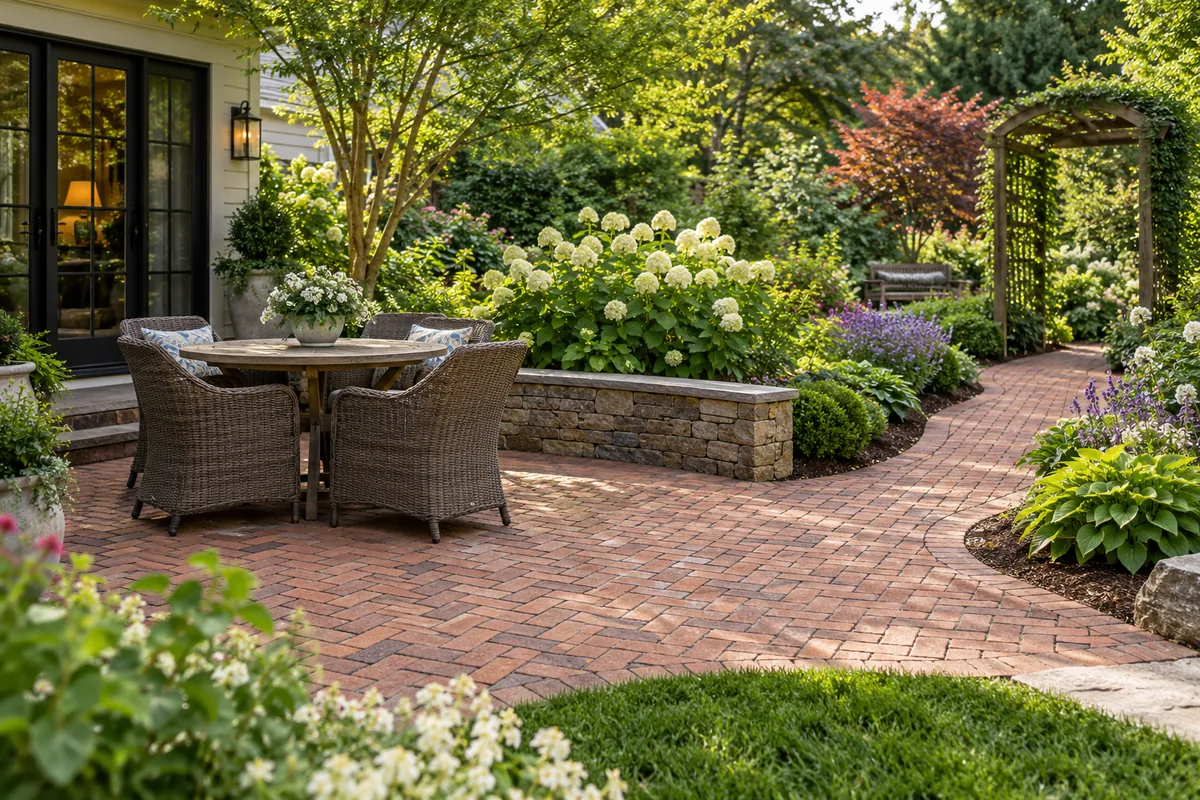
Brick Pavers for Useful Patios and Garden Paths
Brick Pavers for Patios and Paths: explore materials, placement, upkeep, and local safety questions before deciding how this feature fits your yard.