
By AI Landscape Design Team · Editorial policy
Fruit Trees for Backyards with a Manageable Care Plan
Backyard fruit trees work best when growing conditions, mature size, pollination requirements, and household care capacity are considered together. Dwarfing rootstocks can influence the adult tree, but do not eliminate pruning, watering, or harvest work. Availability and suitability vary by region; confirm your USDA hardiness zone and local extension guidance before choosing an exact variety and rootstock combination.
Published · 6 min read
Key takeaways
- Choose the fruit variety and rootstock together.
- Confirm pollination needs for the exact selection.
- Keep harvest access and fallen fruit away from busy routes.
What harvest goal fits the household?
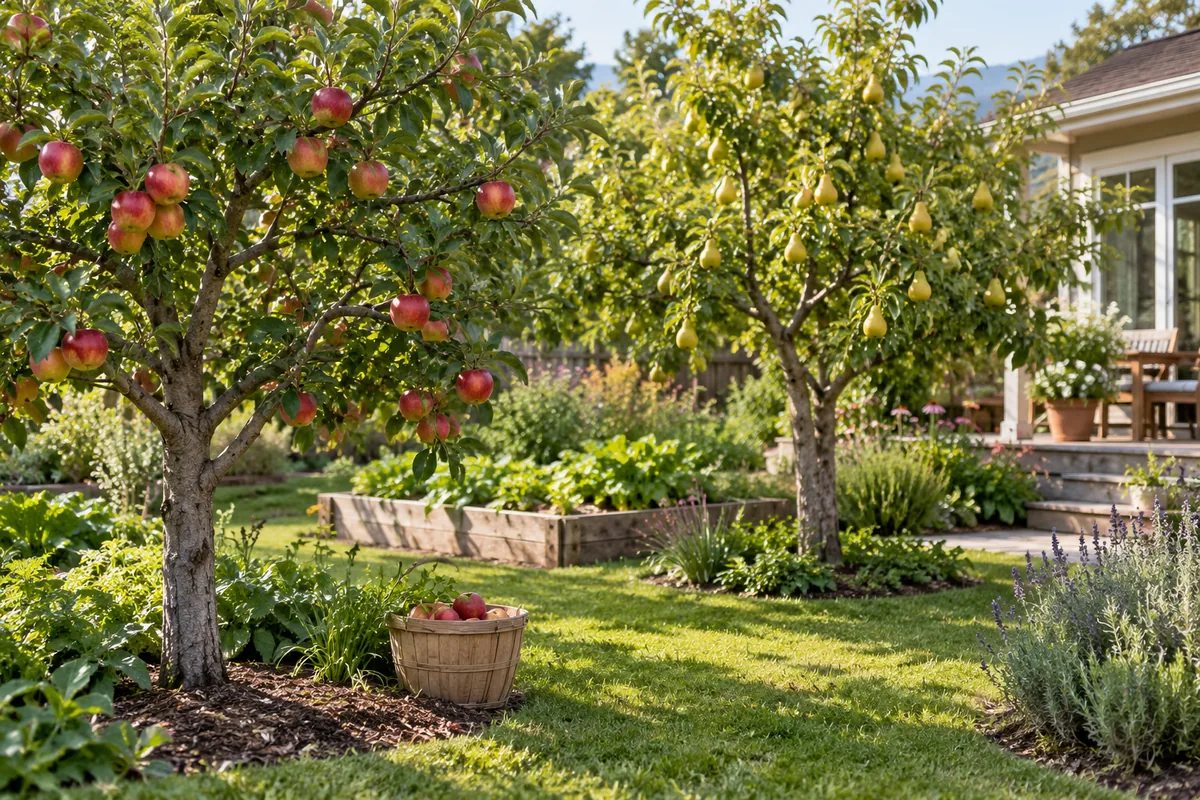
Decide whether the tree is primarily an edible project, a seasonal family activity, or a garden feature with some fruit as a benefit. That distinction changes the care you are willing to provide. A productive-looking rendering cannot establish yield or fruit quality. Start with a realistic plan for observing the tree, seeking advice, gathering fruit, and dealing with material left on the ground. If the household rarely has time for those jobs, consider whether a fruit tree is the right element. The reward should be judged alongside the actual work, rather than assumed from a photograph of branches covered with ripe fruit.
Which fruit trees illustrate different choices?
The following examples introduce questions to explore with local extension staff, rather than a nationwide orchard recommendation. Variety, rootstock, climate, and growing site remain decisive.
- Apple: a familiar harvest tree with variety and pollination questions.
- Cultivated orchard pear: a fruit-tree role with rootstock and compatible flowering assessed.
- Peach: a stone-fruit option needing locally suitable care and conditions.
- Plum: a fruiting canopy with variety-specific pollination requirements.
- Cherry: a harvest choice whose adult form and local suitability need checking.
- Fig: an edible-garden accent where the actual selection can grow appropriately.
- Persimmon: a fruiting focal tree with species-specific requirements.
- Pawpaw: a regional edible-tree possibility to investigate rather than assume suitable.
An orchard pear is not a recommendation for invasive Callery pear. Confirm identity before buying anything sold under a broad common name.
How does rootstock affect the plan?
Many orchard trees combine the fruiting variety with a selected rootstock. RHS guidance explains that rootstock affects eventual size, which makes it part of the design decision rather than hidden nursery detail. Ask for the exact combination and locally applicable mature expectations. A dwarfing label does not prove that a tree will fit a tiny container indefinitely or require no support and care. Compare the eventual canopy with the harvest method and surrounding routes. Record rootstock information alongside the cultivar name so later advice can refer to the actual plant. Do not replace that information with a generic compact-tree silhouette in a concept image.
What should be verified about pollination?
Some fruit selections can crop with their own pollen; others need compatible flowering partners. Ask extension staff or a reputable local fruit-tree adviser about the exact cultivar combination and its flowering overlap. Do not infer compatibility merely because two trees share a fruit name or flower in the same season generally. Nearby trees, pollinator activity, and weather can also affect the outcome, so avoid promising a harvest from a planting diagram. If space only permits one tree, verify a suitable option before committing to a particular fruit. The pollination plan belongs with the purchasing decision, not as a rescue question after years without fruit.
How should sunlight and ground conditions be reviewed?
Map the actual light at the proposed location and ask what the selected fruit needs there. USDA hardiness zone addresses winter-temperature context, while soil, drainage, exposure, and regional climate deserve separate assessment. A sunny-looking image does not measure the garden. Avoid changing grades or building permanent beds around existing roots without qualified advice. Confirm water access and the practical way to reach the tree during establishment and later care. Fruit cultivation should be based on observable site conditions. If the desired location cannot support the chosen selection, change the choice or layout rather than relying on an attractive visual arrangement to compensate.
Where can fruit and care conflict with circulation?
Give harvest work a place that does not block everyday movement. Consider dropped fruit near patios, doorsteps, parked vehicles, and children's play routes. Plan who will collect material and where equipment can be stored. Do not assume all fallen fruit is harmless to pets; consult ASPCA information and veterinary advice about the actual plant and accessible parts. Keep maintenance access within your own property instead of relying on a neighbor's space. A tree that is enjoyable to tend can become frustrating if every ordinary task requires moving furniture or crossing a busy route. Position it around both adult canopy and household routines.
What maintenance commitments should precede planting?
Ask for local guidance on establishment, pruning, training, observation, and any relevant plant-health concerns. Those tasks vary among fruits and should not be reduced to one generic seasonal instruction. A trained form may use space deliberately but involves ongoing work to retain that arrangement. Avoid numerical crop, growth, or lifespan promises unsupported by the actual selection and site. Contact 811 before digging in the United States, and arrange any private-service locating needed. Have structures or irrigation near the tree reviewed appropriately. The planting proposal should identify a manageable care approach and the person responsible, rather than hiding that commitment beneath an edible-garden label.
How can a concept clarify the orchard corner?
Compare an open fruit-tree corner with a tree integrated into the main garden, considering sunlight, access, and the view after harvest. AILandscape can help explore visual placement; it does not calculate pollination, verify rootstocks, diagnose disease, or predict yield. Bring the layout goal to an extension adviser or qualified local designer, then adjust for real horticultural requirements. A single suitable tree with a clear care plan can be a more useful household project than a crowded imitation orchard. Treat the concept as a discussion aid and keep the eventual species, cultivar, and rootstock information in the locally reviewed planting plan.
Frequently asked questions
Does dwarf rootstock mean no pruning?
Dwarfing rootstocks influence size but do not remove care requirements. Ask for guidance on the exact tree, including support, training, water, and pruning where applicable. A compact label should not substitute for understanding the eventual tree and its upkeep.
Will two fruit trees automatically pollinate each other?
Compatibility depends on the actual selections and flowering relationship, among other conditions. Verify the intended pair through local extension or a qualified fruit-tree adviser. Two trees with the same general fruit name are not sufficient evidence of a suitable combination.
Can a yard rendering show likely fruit production?
A rendering can show the appearance of a proposed orchard corner, but cannot establish yield, pollination, climate fit, or plant health. Confirm those matters separately using the actual variety, rootstock, and site, then adapt the visual layout accordingly.
Sources
Related reading
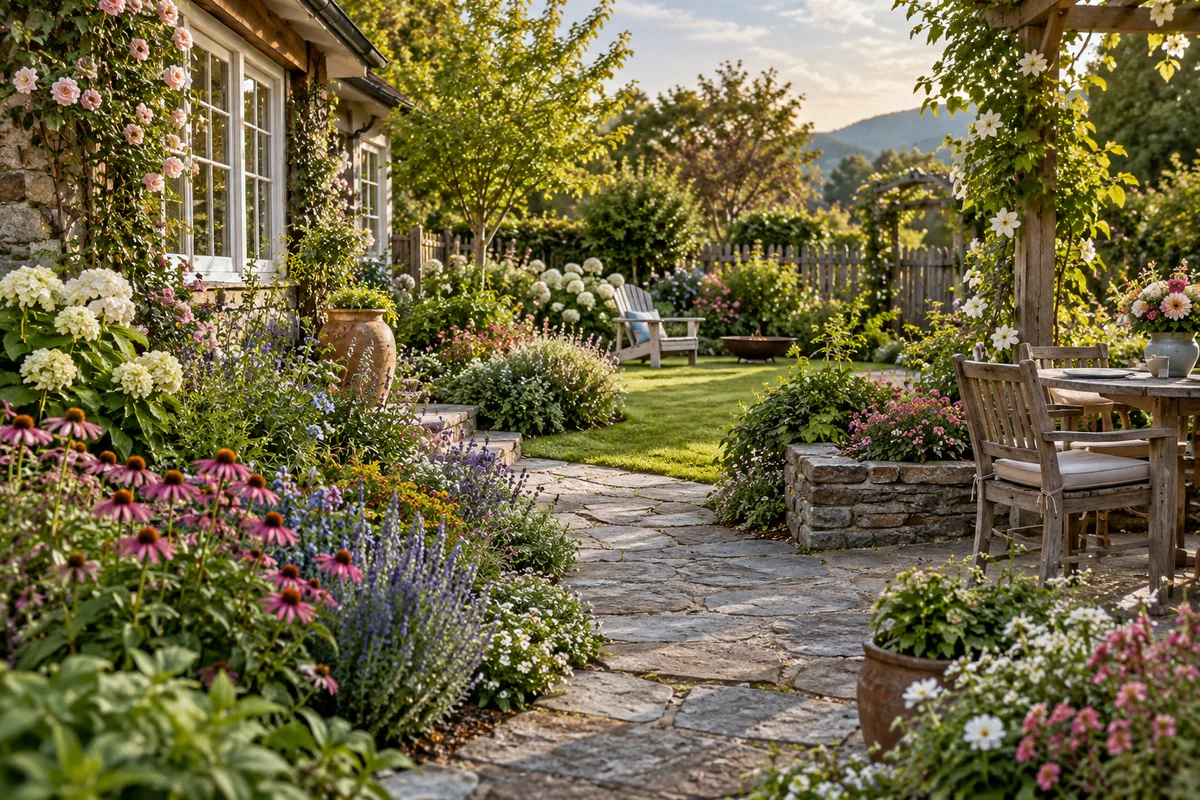
Cottage backyard ideas for flowers, seats, and seasonal life
Explore cottage backyard ideas for layered flowers, comfortable seats, connected borders, productive corners, and practical access through seasonal planting.
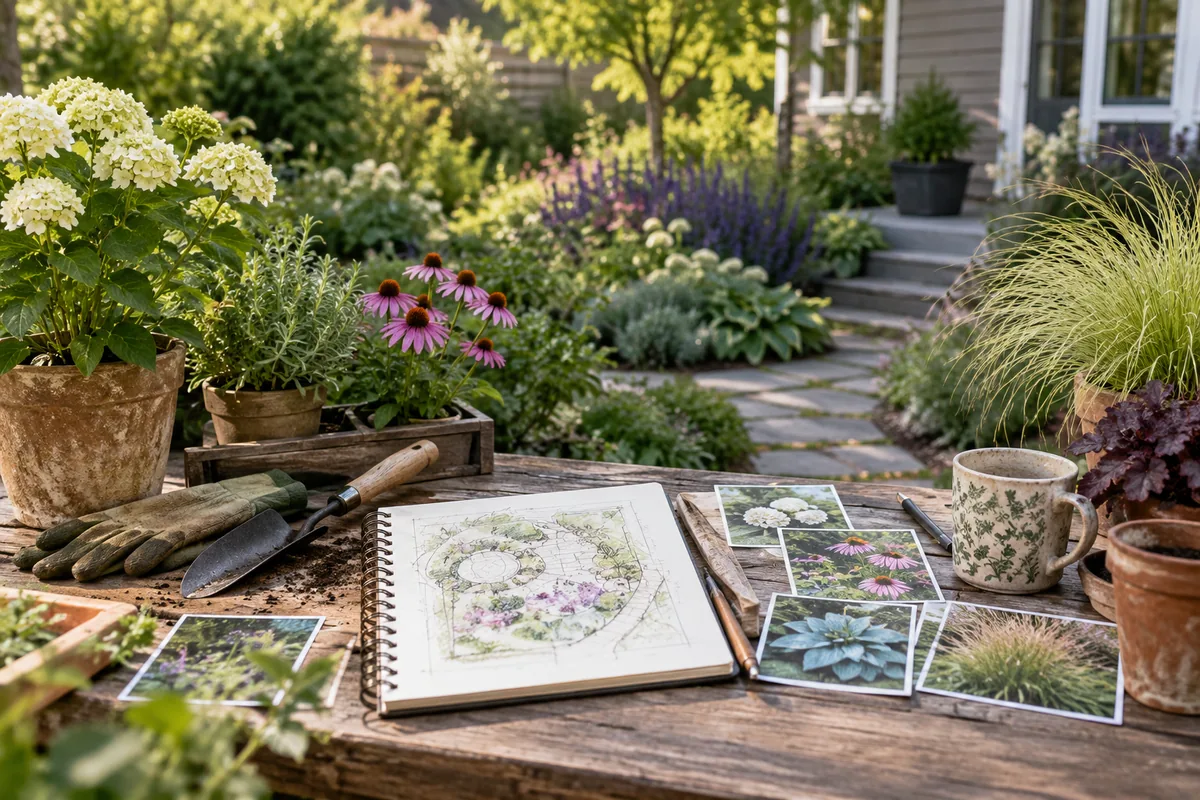
How to Plan a Planting Palette for Your Garden
Plan a planting palette around structure, repeated groups, seasonal interest, and confirmed regional conditions rather than copying species from a garden image.
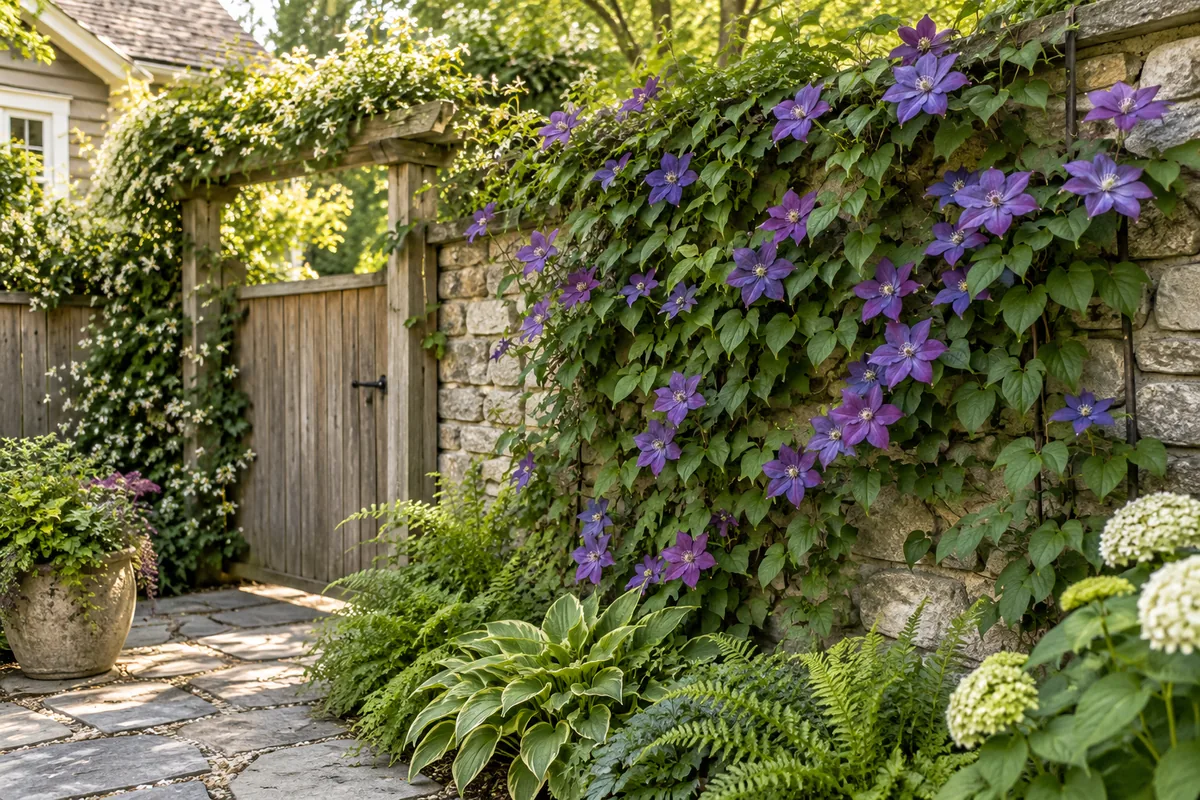
Climbing Vines for Fences and Walls with Suitable Supports
Climbing Vines: Support, Walls, and Local Fit: explore placement, upkeep, and local safety questions before deciding how this feature fits your yard.
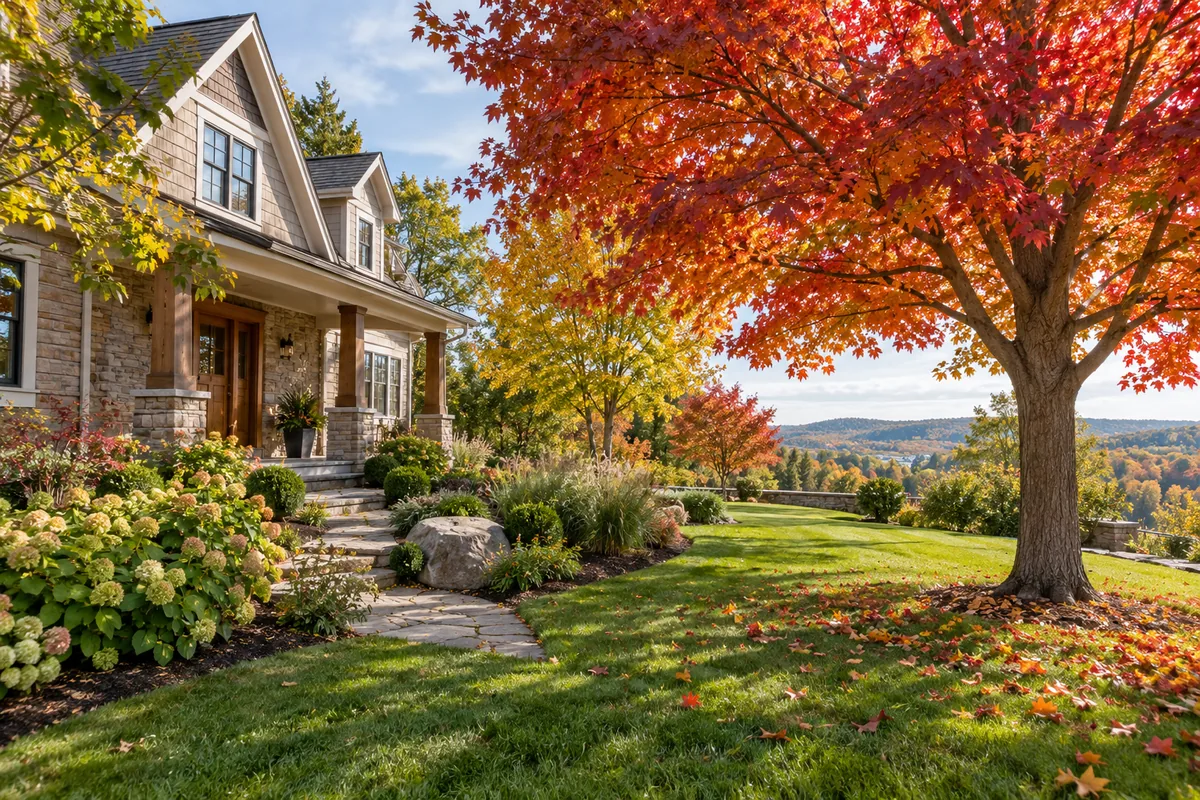
Deciduous Trees for Landscaping and Seasonal Views
Deciduous Trees: Shade, Space, and Local Fit: explore placement, upkeep, and local safety questions before deciding how this feature fits your yard.
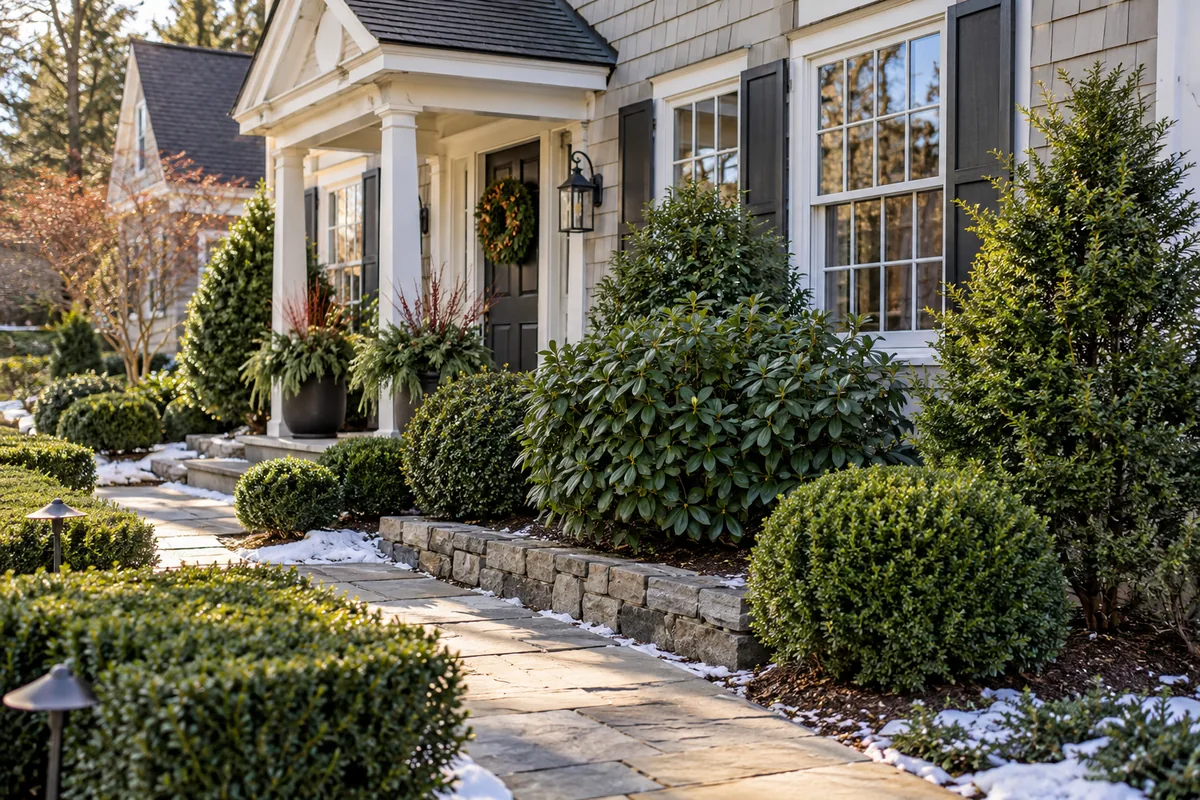
Evergreen Shrubs for Foundations and Winter Structure
Evergreen Shrubs: Foundation and Hedge Roles: explore placement, upkeep, and local safety questions before deciding how this feature fits your yard.
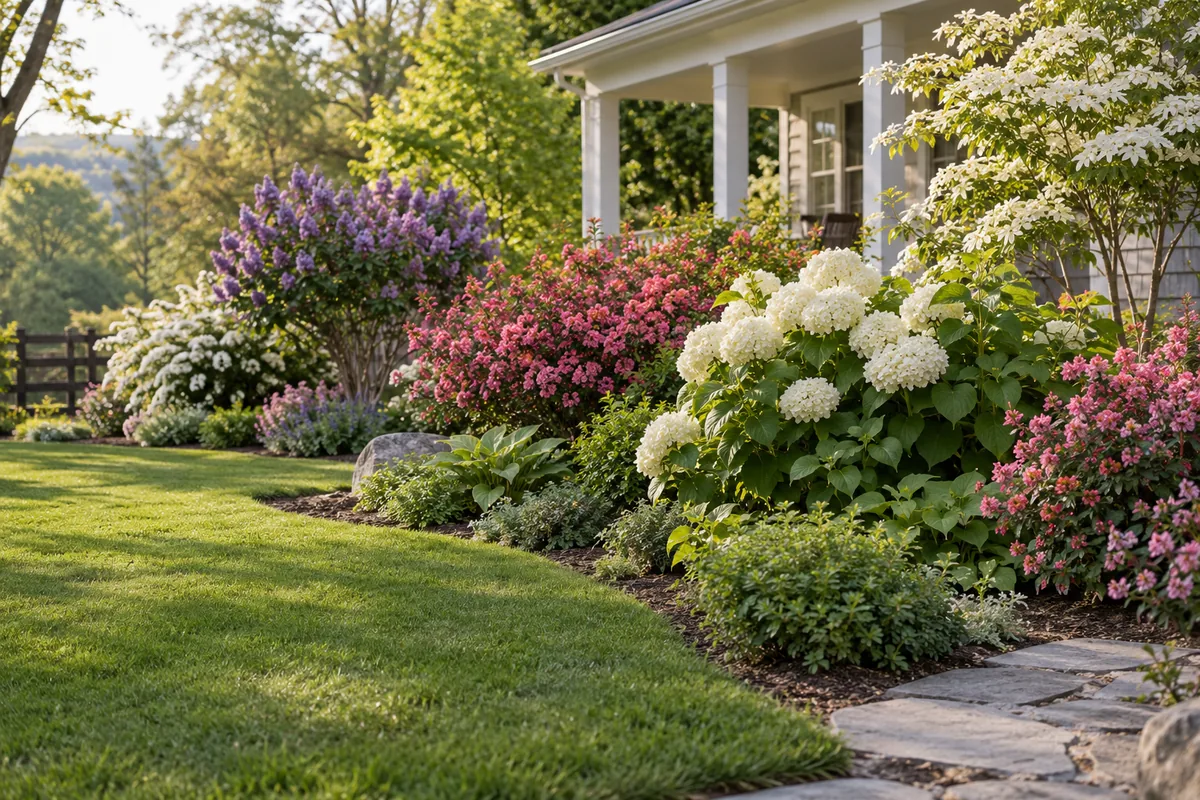
Flowering Shrubs for a Seasonal Border with Clear Structure
Learn how flowering shrubs fit your yard, with practical material, placement, upkeep, and safety questions to review before choosing a visual direction.