
By AI Landscape Design Team · Editorial policy
Flowering Vines for Arbors, Trellises, and Seasonal Views
Flowering vines can give a trellis, arbor, or garden boundary a seasonal display when the actual plant and support suit the site. Plan for adult growth and maintenance outside bloom as well as flower color. Species availability and regional fit differ: check your USDA zone and local extension advice. Confirm flowering wood, pruning needs, and invasive status before selecting a vine from a reference image.
Published · 6 min read
Key takeaways
- Choose the support and adult plant relationship together.
- Keep the composition useful between flowering periods.
- Verify pruning for the actual selection instead of using one schedule.
Where should the flowering display be seen?
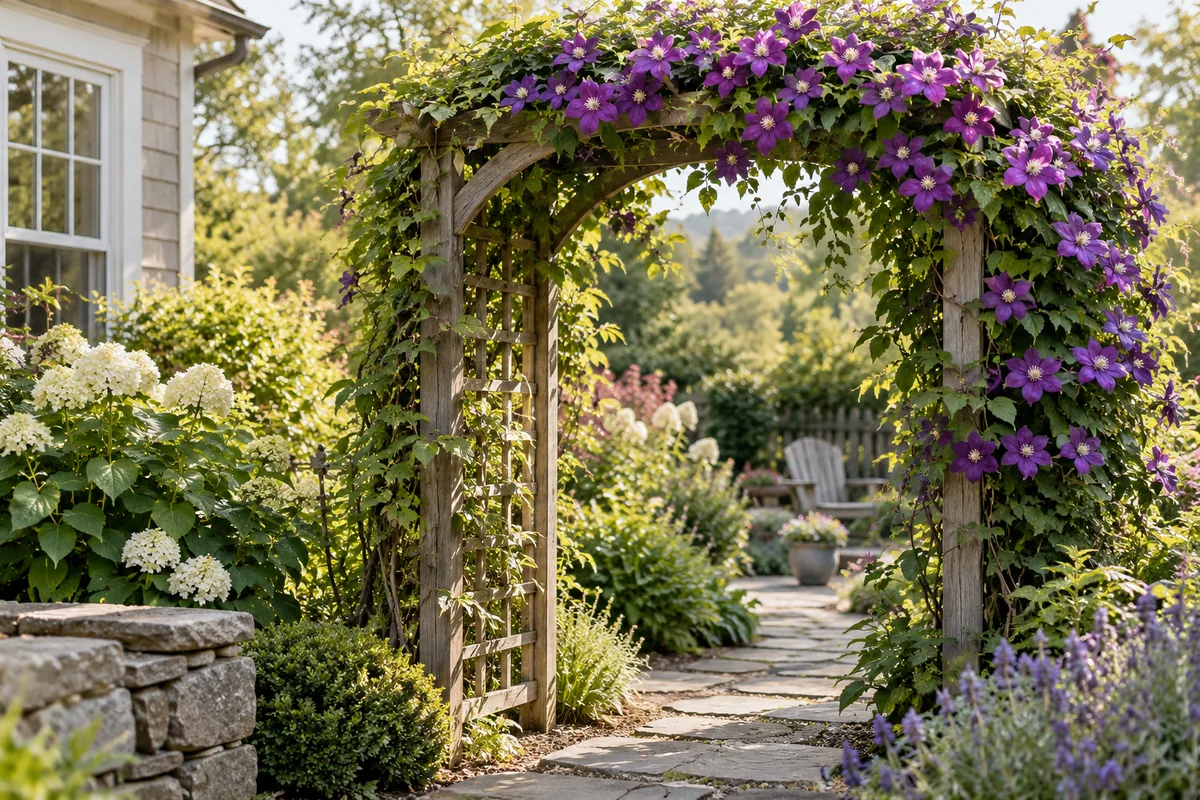
Place the seasonal display where the household can appreciate it from a route, seat, or room rather than where an empty structure merely suggests a vine. An arbor framing an opening creates a different impression from a low trellis beside a patio. Decide which viewpoint matters most and keep the opening usable as the plant develops. Check the background behind the flowers and the broader garden mass around them. One deliberate display can be clearer than flowering vines on every boundary. The objective is a useful seasonal accent that supports the layout, not a promise that a structure will remain continuously covered in bloom.
Which examples help discuss possible flower roles?
Investigate these possibilities regionally and confirm the actual plant. Broad names may cover selections with different conditions, climbing methods, care, and ecological implications.
- Coral honeysuckle: a flowering vine role in a locally suitable native palette.
- Crossvine: a boundary or support accent with attachment behavior checked.
- American wisteria: a flowering overhead or vertical role where suitable and supported.
- Virgin's bower clematis: a locally appropriate climbing flower contribution.
- Climbing rose: a trained seasonal display with support and tying planned.
- Passionflower: a striking flower accent with the actual species' regional fit assessed.
- Scarlet runner bean: a seasonal climbing project where appropriate.
- Black-eyed Susan vine: a seasonal ornamental role where local conditions and invasive checks permit.
None of these examples establishes safe contact, edible plant parts, or suitability for pets.
How should the support be chosen?
Identify whether the vine twines, uses tendrils, attaches, or needs deliberate training, then discuss a compatible support. Trellises and arbors differ in their garden roles and structural relationships. Leave practical access for observing and managing growth, and keep gates or openings clear. A delicate-looking nursery vine can become a substantial plant, so the eventual arrangement deserves review. Significant structures, fixings, and overhead growth should be assessed by qualified local professionals using the actual selection and site. A flowering rendering cannot calculate those requirements. Choose the structure and plant together rather than adding an attractive climber after construction and hoping their requirements align.
What happens when flowers are absent?
Look at foliage, branch or stem form, and the appearance of the support during quieter periods. Seasonal climbers may leave more visible structure when growth ends, while perennial selections can have their own dormant appearance. Plan neighboring plants and background materials so the view remains intentional. Ask locally about the actual bloom pattern rather than promising a precise month or uninterrupted color. The main entrance should not depend on flowers being present to look cared for. Treat bloom as one stage within a changing plant relationship, with the support and surrounding garden contributing structure through the rest of the year.
Why does flowering wood matter for pruning?
Some selections carry flower buds on older growth, while others flower on growth produced in the current season. That distinction can affect when and how appropriate pruning is undertaken. RHS climbing-plant guidance discusses these differences; the actual species and cultivar still need specific advice. Avoid one universal instruction for all flowering vines, especially where a common name includes plants with different habits. Ask whether the intended training shape and desired display can coexist within the available care capacity. Pruning should serve the healthy, suitable plant and its verified role, rather than be used to force oversized growth back into a misleading concept footprint.
Which regional checks are essential?
Use USDA hardiness information for winter-temperature context, then assess local light, soil, moisture, exposure, and growing-season conditions with extension help. Availability varies, so remain open to an appropriate alternative that serves the same seasonal role. Check regional invasive lists and restrictions for each actual identity. Chinese and Japanese wisteria and English ivy are excluded here rather than recommended as familiar solutions. Native alternatives may be worth discussing, but native status alone does not settle support needs or placement. Record the selected botanical identity so future care and invasive guidance can refer to the real plant rather than the general label flowering vine.
How does household use affect placement and care?
Keep flowers and foliage away from places where mature growth would interfere with movement, inspection, or essential building features. Where pets explore supports and borders, check ASPCA resources and veterinary advice about accessible plant parts. Do not infer toxicity or edibility from a familiar decorative name. Plan how the vine can be tended without blocking ordinary garden use. Contact 811 before US digging for plants or support posts and clarify private-service locating. Local professionals should review substantial structures and any relevant drainage or root conflicts. A manageable display includes realistic access and responsibilities after the first flowering photograph, not just an appealing initial arrangement.
What should concept exploration test?
Compare a flowering accent around one clear opening with a larger planted screen, using the household's actual viewpoints. AILandscape can help explore the visual emphasis but cannot verify the vine species, flowering schedule, pruning group, toxicity, invasive status, or support. Take the desired role to a qualified local adviser and select a suitable plant for the reviewed structure. Adjust the visual arrangement to that plant's adult requirements. A useful concept can make the choice more concrete without turning pictured flowers into horticultural evidence. Keep the final planting and support decisions grounded in identified selections, local conditions, and qualified installation advice.
Frequently asked questions
Can a flowering vine cover an arbor immediately?
A visual concept does not establish growth rate or establishment performance. Plan around the actual selection and local guidance, allowing the structure to look purposeful before and between flowering displays. Avoid timing promises derived from a mature reference photograph.
Does every flowering vine use the same pruning method?
No. Identify the actual selection and how it carries flowers before cutting. Appropriate timing and training vary, and a common name alone may not settle the advice. Obtain plant-specific guidance suited to your region and desired structure.
Is native status enough to approve a vine overhead?
Native status does not certify structural suitability, mature space, maintenance access, or household safety. Verify the plant's regional fit and have the intended support assessed appropriately. The adult plant and the structure need to be considered together.
Sources
Related reading
Cottage backyard ideas for flowers, seats, and seasonal life
Explore cottage backyard ideas for layered flowers, comfortable seats, connected borders, productive corners, and practical access through seasonal planting.
Cottage garden style: flowers with a working framework
Explore cottage garden style through layered flowers, selective self-seeding, clear paths, seasonal care, and the framework that makes informal planting usable.
Climbing Vines for Fences and Walls with Suitable Supports
Climbing Vines: Support, Walls, and Local Fit: explore placement, upkeep, and local safety questions before deciding how this feature fits your yard.
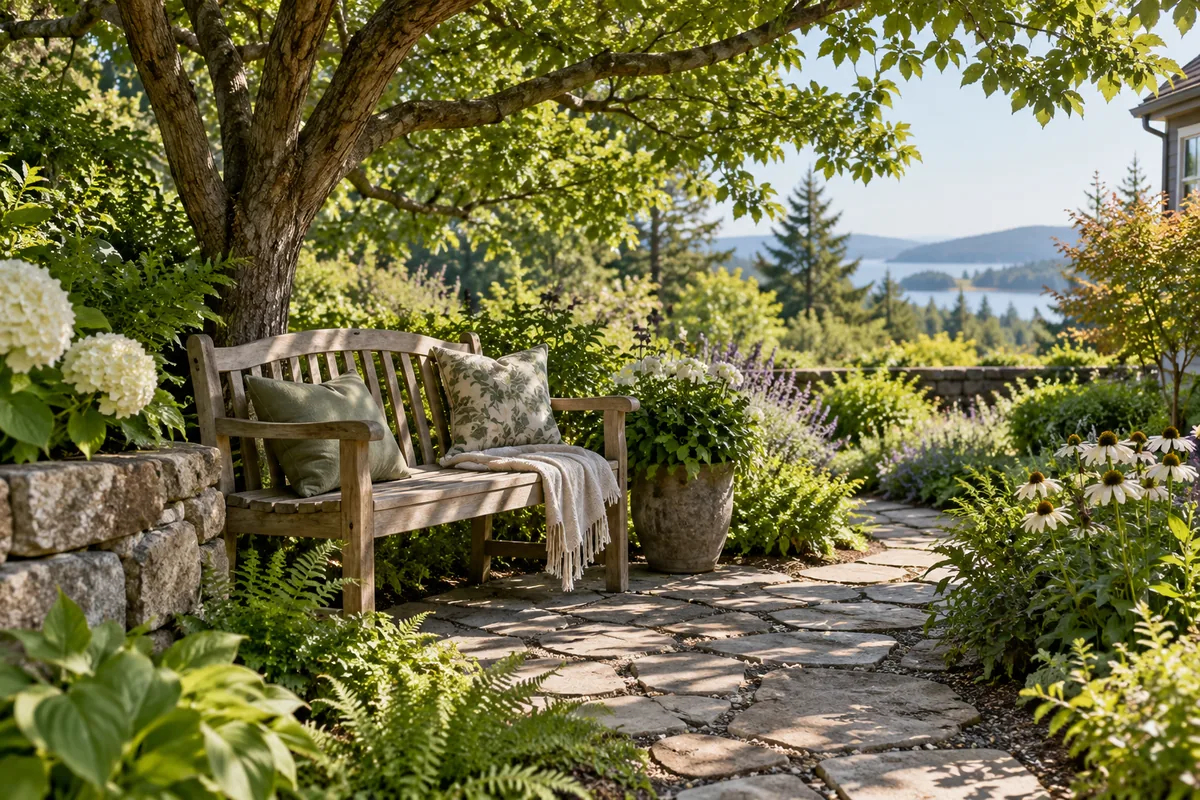
Garden Bench Ideas That Give People a Reason to Sit
Find garden bench ideas for shade, views, and everyday pauses, with practical guidance on seat fit, materials, access, maintenance, and stable placement.
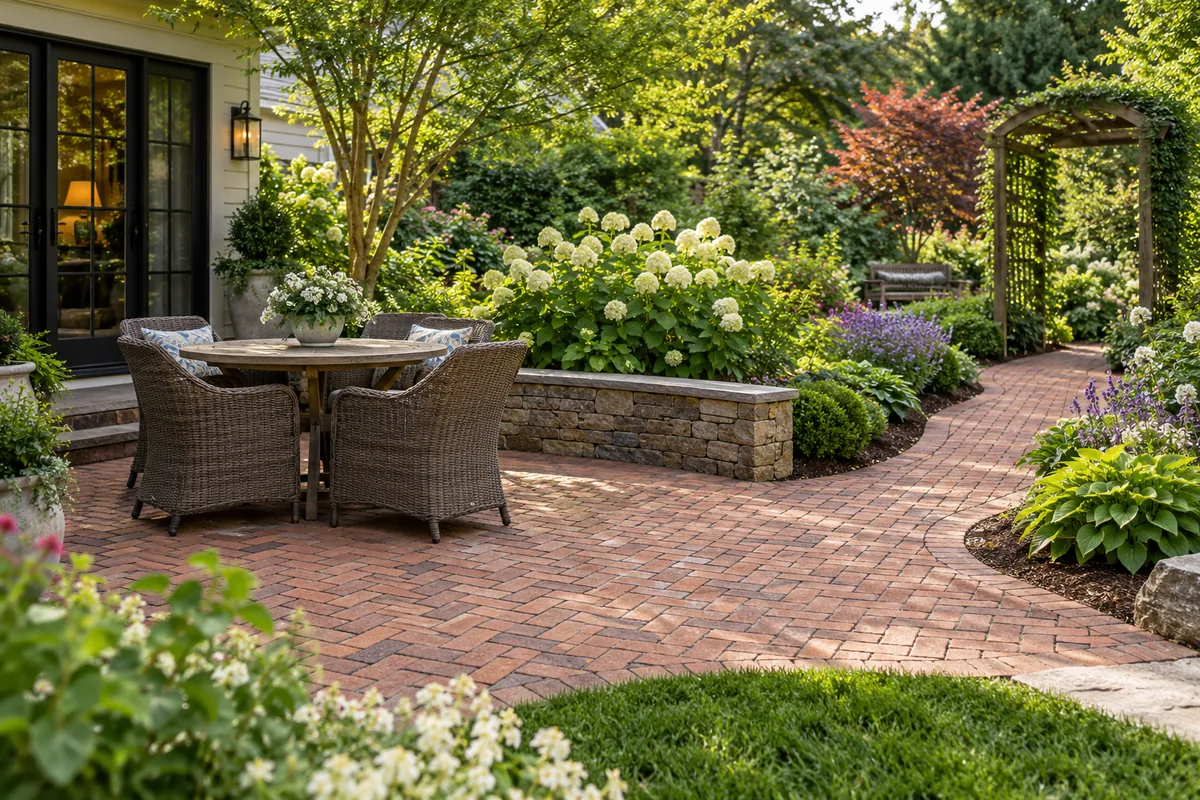
Brick Pavers for Useful Patios and Garden Paths
Brick Pavers for Patios and Paths: explore materials, placement, upkeep, and local safety questions before deciding how this feature fits your yard.
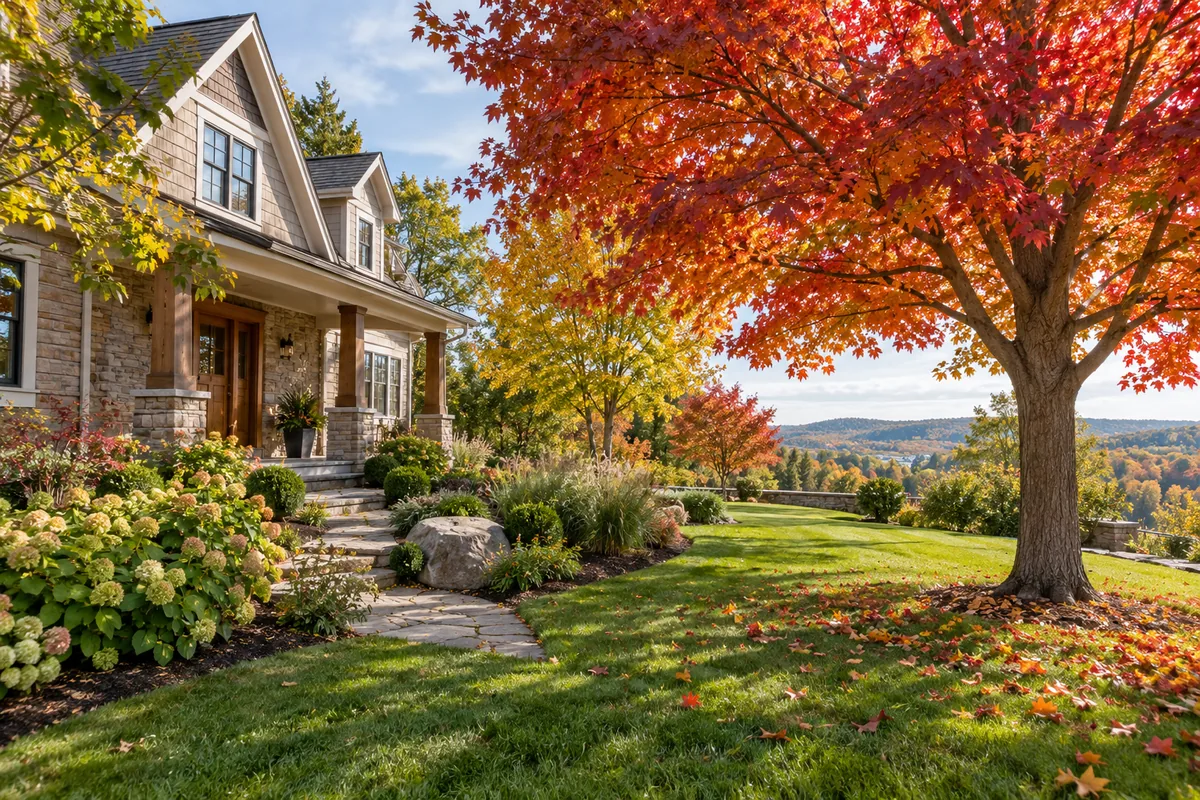
Deciduous Trees for Landscaping and Seasonal Views
Deciduous Trees: Shade, Space, and Local Fit: explore placement, upkeep, and local safety questions before deciding how this feature fits your yard.