
By AI Landscape Design Team · Editorial policy
Flowering Trees for Yards with Room to Grow
Flowering trees bring a seasonal focal point to a yard, but bloom is only one part of the choice. Judge the mature canopy, ordinary foliage, winter outline, and relationship to daily routes. Plant availability and suitability differ regionally; check your USDA hardiness zone and local extension service. Avoid Bradford or other Callery pears, which USDA invasive-species resources identify as invasive.
Published · 6 min read
Key takeaways
- Choose a useful mature tree before choosing a flower color.
- Evaluate the tree outside its brief flowering display.
- Exclude Callery pear and verify regional alternatives.
What is the flowering tree meant to frame?
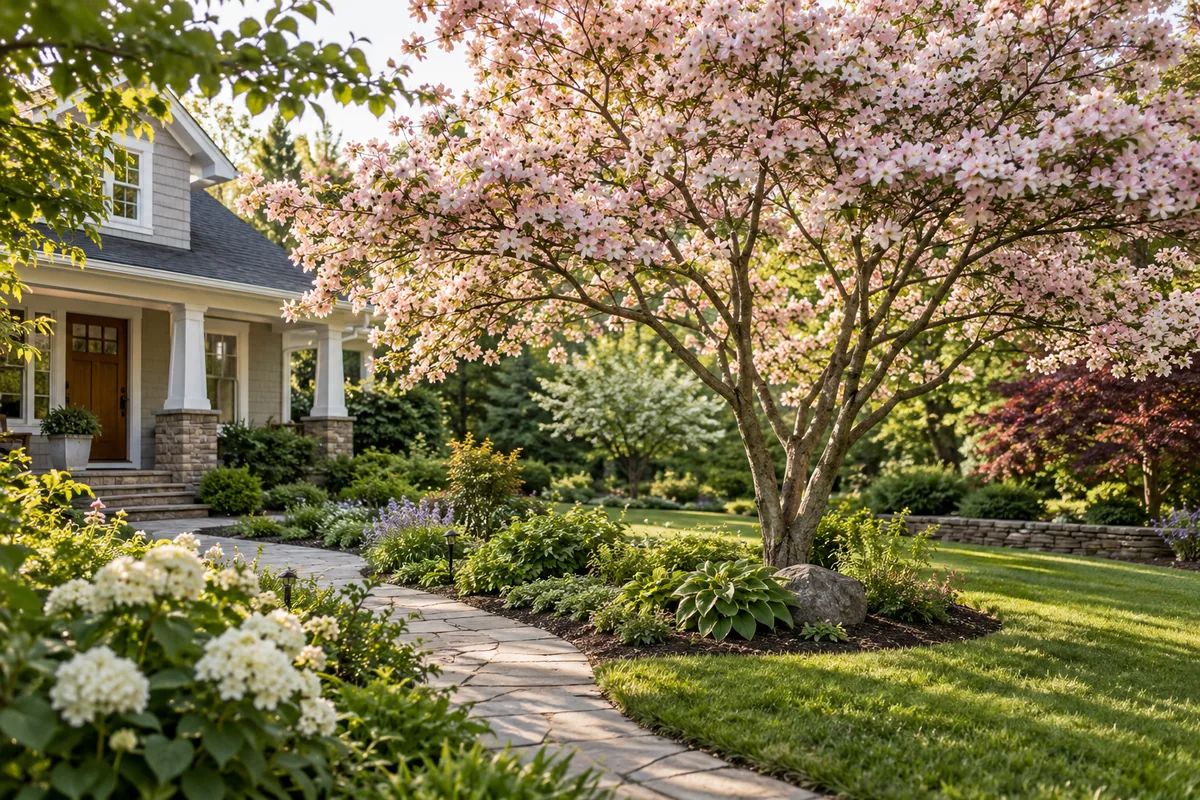
Start with the view that deserves emphasis: the approach to the front door, a seating outlook, or the end of a garden path. A tree can make that view feel deliberate without standing directly on the route. Decide whether the canopy should sit beside the house, within an open lawn, or at the edge of a mixed border. Check each arrangement against the eventual trunk and branch footprint. The most photogenic flowering position may interfere with ordinary movement or windows once the tree matures. Design for the repeated everyday view, then let flowers add a seasonal event to a tree that already belongs there.
Which trees illustrate different ornamental roles?
Use this list to discuss possibilities with a local adviser rather than as a universal shopping list. Exact selections can behave differently and need confirmed conditions.
- Flowering dogwood: a flowering canopy or woodland-edge accent.
- Serviceberry: a smaller-scale flowering or multistem composition.
- Eastern redbud: an accent-tree role within an appropriate regional palette.
- Magnolia: a strong flower display with species-specific mature proportions.
- Fringetree: a distinct flowering focal point to investigate locally.
- Crabapple: an ornamental flower-and-fruit relationship, with cultivar choice important.
- Sourwood: a seasonal-interest tree for a suitable site.
- Tuliptree: a substantial canopy option only where the adult tree has adequate room.
Ask which actual species fits your soil and exposure; these names do not establish size, disease resistance, bloom timing, or suitability across the country.
Why should Callery pear be excluded?
Bradford is a cultivar of Callery pear, not an exemption from the invasive-species concern associated with that tree. USDA National Invasive Species Information Center includes Callery pear among its terrestrial invasive-plant profiles. Do not recommend it because a nursery display looks tidy or a street photograph shows abundant white flowers. Request regionally appropriate alternatives from extension staff or qualified horticultural advisers, and check local restrictions. For an existing tree, discuss responsible assessment and management rather than improvising removal around utilities. A replacement decision should consider the actual site and mature role, not simply substitute any white-flowering species into the same footprint.
How much of the year will the composition work?
Compare the flowering tree in leaf, without flowers, and after seasonal leaf loss where applicable. Keep its surrounding border purposeful during those ordinary stages. A calm ground layer may make the flowering period clearer, while too many competing accents can weaken the composition. Observe the important view from the house as well as the street. Do not promise a fixed bloom date: weather, selection, and region affect the display. If a particular occasion depends on a fixed flower display, a permanent tree cannot offer that assurance. Select a pleasing mature form and appropriate foliage relationship so the yard remains coherent between seasonal highlights.
Where do adult dimensions change the decision?
Mark the expected mature footprint using verified information for the actual selection. Discuss roots, foundations, paved routes, overhead lines, and underground services with local professionals. Small ornamental does not mean harmless to every tight location. Allow access for inspection and care without turning the front entrance into a passage beneath crowded branches. Check vehicle and pedestrian visibility where the canopy meets an approach. These questions rarely have one correct national planting distance. If the available space depends on repeatedly forcing a large tree into a small shape, investigate a different species or place before purchasing it.
What growing and household checks are needed?
Use USDA zone as a winter-temperature reference, then evaluate light, soil, moisture, exposure, and the neighboring plants. Ask your extension service about locally appropriate choices and known problems. A flowering illustration does not identify the species or demonstrate healthy growing conditions. Fallen fruit, flowers, and leaves also affect paths and maintenance preferences. Where pets use the yard, consult ASPCA plant toxicity resources and veterinary advice for the actual selection and accessible material. Treat a beautiful flowering tree as a living plant with specific requirements rather than an automatically safe decorative object. Keep the species identity in the planting record.
How does a flowering accent fit the yard style?
A cottage garden might place a flowering tree above a varied border, while a native-led yard can use a regionally suitable species as part of a broader habitat composition. A modern layout may reserve one tree as a clear sculptural accent. The architecture, mature scale, and surrounding plant masses matter more than applying a style label to a flower color. Check the intended backdrop so the bloom remains visible without needing excessive contrast. Contact 811 before US digging and clarify private-service locating. Root protection and nearby construction need professional review where relevant; an ornamental role does not remove installation responsibilities.
What should be carried from concept to planting plan?
Use a visual yard concept to compare the tree's position and overall relationship to the house. AILandscape can help explore that appearance, but cannot verify botanical identity, mature size, plant health, utility conflicts, or planting details. Write down the desired function separately from the pictured species: seasonal entry accent, canopy framing, or a flowering border anchor. A local professional can then select a suitable actual tree and review placement. Revisit the composition if that selection has a different adult footprint. The most useful concept gives the eventual tree room to succeed instead of asking horticulture to preserve an unrealistic image.
Frequently asked questions
Is Bradford pear different from Callery pear?
Bradford is a cultivar of Callery pear. Its familiar landscape use does not remove the invasive concern identified for Callery pear. Seek a locally appropriate alternative and consult regional guidance when managing an existing tree.
Can I select only for spring flowers?
Consider the ordinary leaf canopy, mature branches, seasonal outline, and care as well. Flowers are a temporary display within a long-lived landscape decision. A tree that suits the site outside bloom is a stronger starting point than color alone.
Does a small flowering tree suit any narrow yard?
No. The actual adult spread, root relationship, site conditions, and required access determine suitability. Verify the particular species or cultivar locally, and change the placement or selection if its mature footprint conflicts with buildings, utilities, or paths.
Sources
Related reading
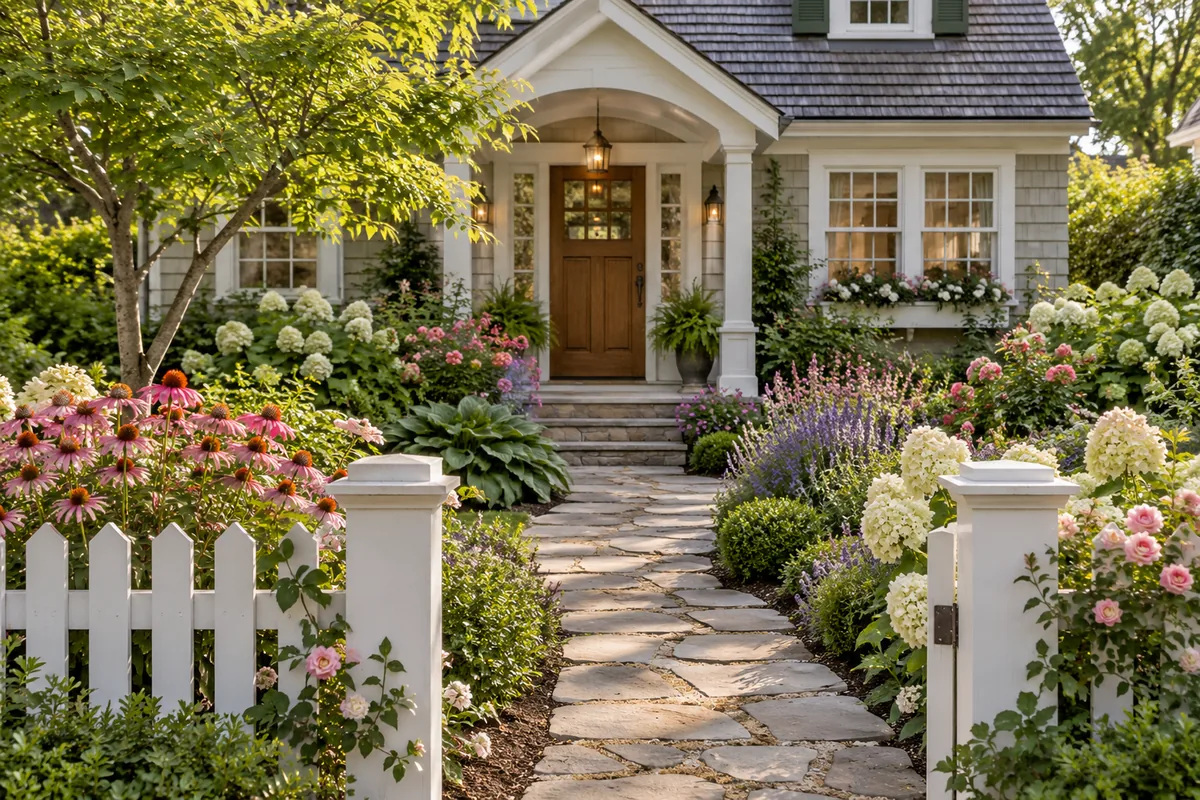
Cottage front yard ideas that welcome visitors through flowers
Find cottage front yard ideas for layered borders, useful gates, brick details, seasonal flower groups, and a welcoming entrance that stays easy to reach.
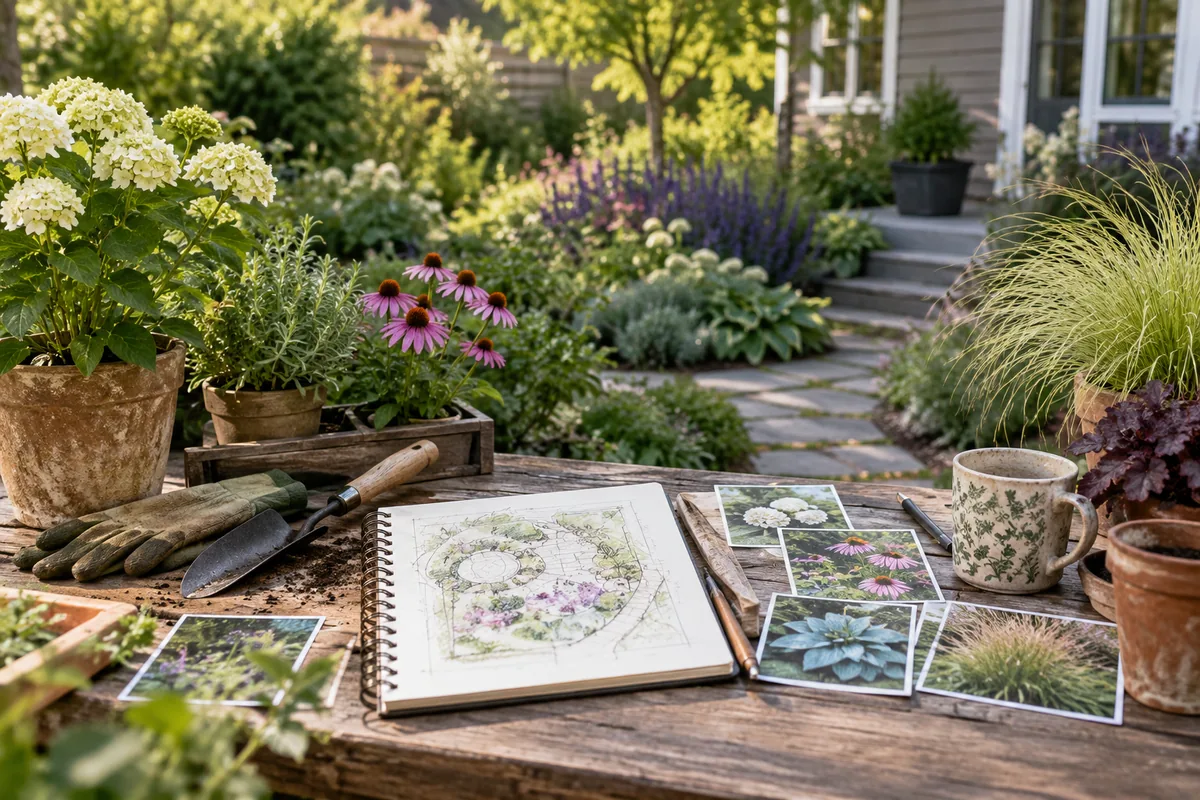
How to Plan a Planting Palette for Your Garden
Plan a planting palette around structure, repeated groups, seasonal interest, and confirmed regional conditions rather than copying species from a garden image.
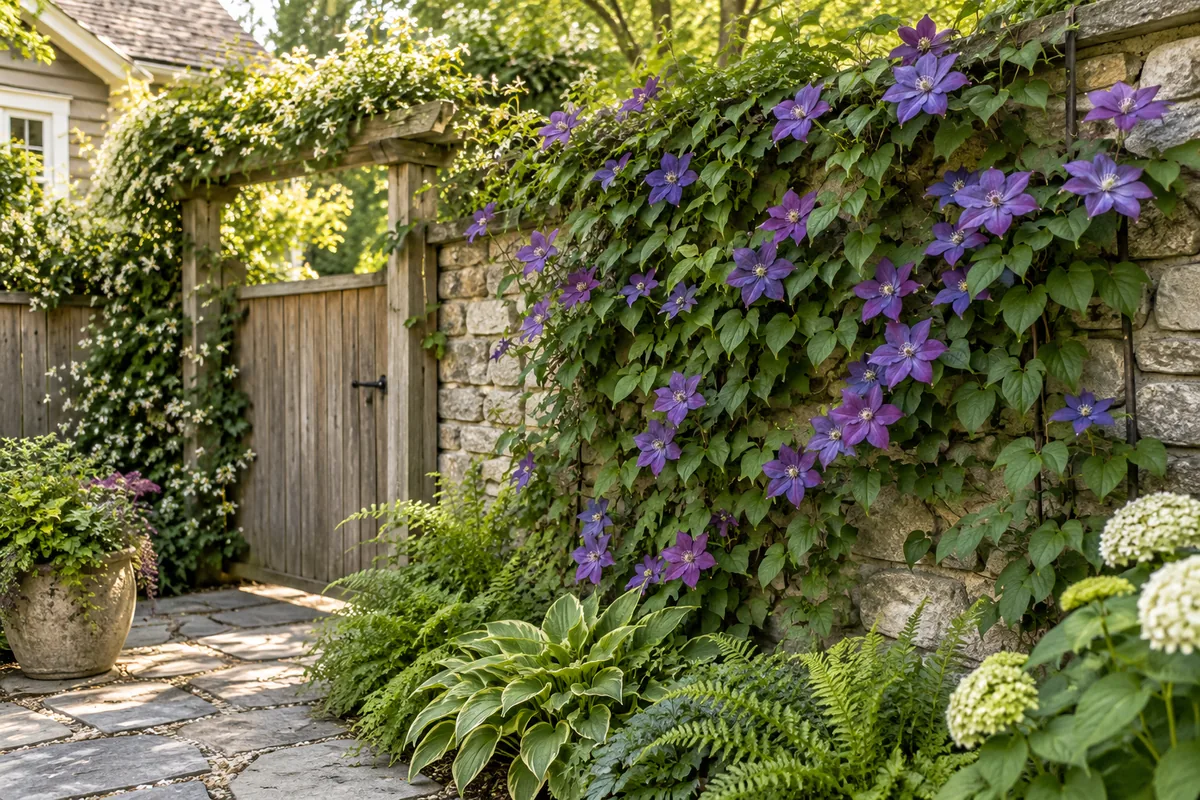
Climbing Vines for Fences and Walls with Suitable Supports
Climbing Vines: Support, Walls, and Local Fit: explore placement, upkeep, and local safety questions before deciding how this feature fits your yard.
Deciduous Trees for Landscaping and Seasonal Views
Deciduous Trees: Shade, Space, and Local Fit: explore placement, upkeep, and local safety questions before deciding how this feature fits your yard.
Evergreen Shrubs for Foundations and Winter Structure
Evergreen Shrubs: Foundation and Hedge Roles: explore placement, upkeep, and local safety questions before deciding how this feature fits your yard.
Flowering Shrubs for a Seasonal Border with Clear Structure
Learn how flowering shrubs fit your yard, with practical material, placement, upkeep, and safety questions to review before choosing a visual direction.