
By AI Landscape Design Team · Editorial policy
Fire Pit and Fire Feature Ideas for Outdoor Use
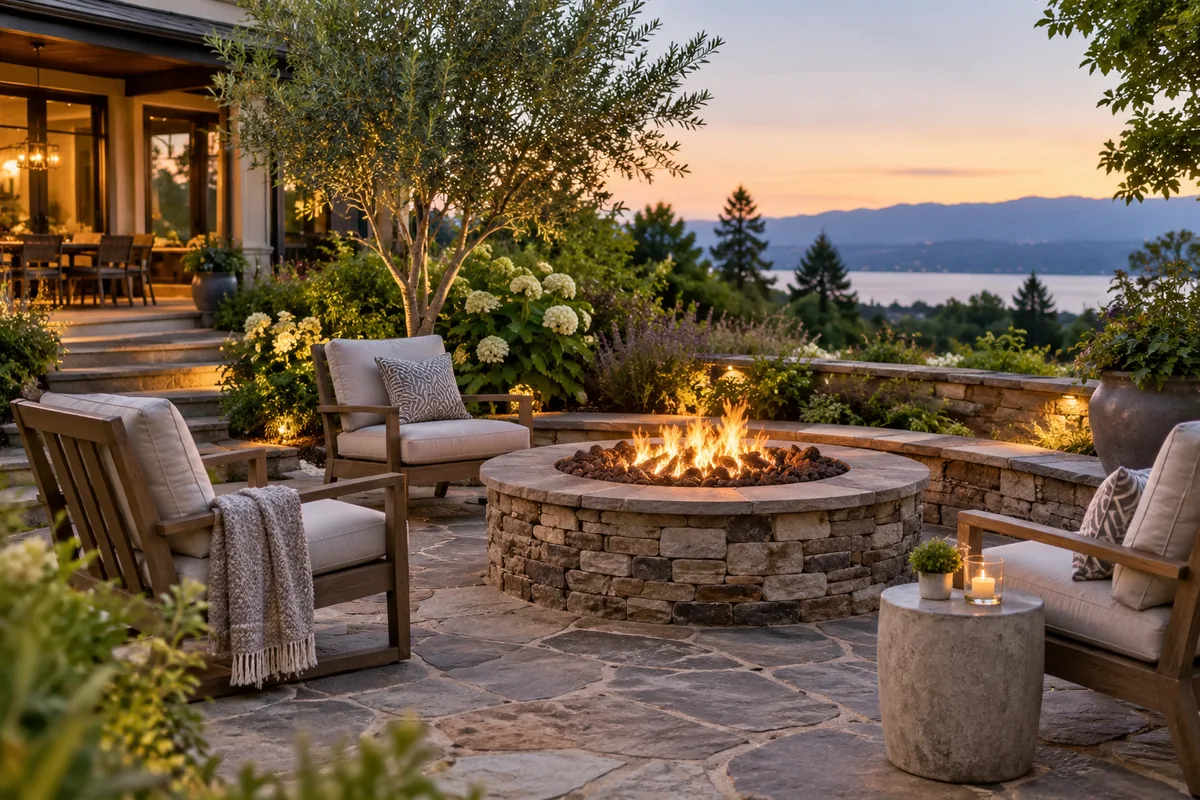
Fire features create an outdoor focus through a fire pit, fire table, fireplace, or another specified appliance. Select the format and fuel only after reviewing the intended use, site, product instructions, clearances, local fire rules, and maintenance. A warm-looking image is not a safety assessment. Gas, electrical, structural, and other regulated work must be handled by appropriate licensed local professionals.
Published · 5 min read
Key takeaways
- Match the format to the activity rather than choosing fire as decoration alone.
- Actual fuel, product guidance, and local rules determine requirements.
- Preserve supervision, equipment access, and a practical care plan.
Which format supports the gathering?
A fire pit can form a central focus, a fire table can relate to a seating arrangement, and an outdoor fireplace can provide a stronger visual destination. Products and uses vary, so identify the actual appliance rather than treating the format as a complete specification. Ask whether the household wants conversation, an occasional visual feature, or another supported activity. Furniture should not be placed simply to make the image symmetrical. The qualified assessment must establish clearances and the route around the area. Keep circulation and service access outside the gathering's most congested zone so ordinary movement does not conflict with the feature's use.
How should fuel options be compared?
Fuel choice affects operation, cleaning, supply, local permissions, and product requirements. The table is a selection prompt rather than an installation guide.
| Option | Use question | Responsibility to verify |
|---|---|---|
| Wood-burning product | Is smoke and ash care acceptable? | Local restrictions and product guidance |
| Gas appliance | Is a suitable supply proposed? | Licensed connection and service review |
| Electrical visual feature | What effect is actually provided? | Outdoor product and licensed electrical assessment |
Do not equate all flames or visual effects with the same heating performance. Discuss the actual product's purpose and restrictions before using fuel labels to compare appearance or convenience.
Where can the feature be considered?
The relationship with the house, planting, overhead structures, boundaries, furniture, and prevailing conditions must be assessed using actual requirements. Do not give a universal safe distance for every appliance. The manufacturer instructions and local fire rules are essential inputs, with qualified local professionals reviewing the proposed site. A pergola or roof above the seating can change the questions substantially. Keep access for operation, isolation, cleaning, and maintenance. If the preferred position cannot meet the applicable requirements, move or change the feature rather than reducing clearances to preserve the picture. The layout should follow a verified use and safety brief.
What should children and pets change in the brief?
Supervision and controlled use deserve deliberate planning where children or pets can reach the gathering area. Review the actual product, surface, furniture, edges, and access with appropriate local advisers. Do not describe a table shape or enclosure as child-safe based on appearance. Nearby planting also needs toxicity checks using the ASPCA list where relevant, along with local suitability and mature growth review. Keep the activity arrangement clear when people enter and leave. A comfortable-looking group of chairs can become congested during real use. The concept should support the household's supervision needs rather than assume that attractive seating automatically manages them.
Which surfaces and structures need assessment?
The appliance and surrounding assembly must be compatible with the supporting surface and any cover or enclosure. A deck, heavy masonry feature, or roofed area introduces structural and product-specific questions. Have the relevant licensed professionals assess support, connections, and applicable requirements rather than placing an appliance on a surface solely because it is shown there online. Some products have particular heat-related limitations, so retain their guidance. Decorative stone or timber around the feature is not automatically suitable. Ask what will be inspected after installation and how repairs can occur without dismantling the entire sitting area.
Who should handle connections and excavation?
Gas and electrical connections require appropriately licensed local work, and the actual system must meet product and local requirements. Contact 811 before excavation in the United States and investigate private services separately. Do not use a photo concept to infer supply locations or devise connection instructions. The project should identify who coordinates installation and who verifies any related structural or drainage changes. For movable products, follow the manufacturer's actual setup and use guidance rather than assuming portability removes site restrictions. A clear responsibility plan prevents the visual decision from proceeding ahead of the technical assessment that makes the intended use appropriate.
What care and relative costs belong in the decision?
Cleaning, ash or fuel-related handling where applicable, covers, finish care, and component inspection can create different routines. Ask for the actual product instructions and service availability. Costs can include preparation, support, supply work, installation, permissions, and restoration as well as the appliance. Avoid exact prices or unsupported heating claims. A simpler approved product may meet the use more effectively than a custom feature with unclear maintenance access. Check how the area functions when the fire is not in use, since it should remain part of a practical garden rather than an obstacle retained solely for occasional photographs.
How can visual ideas be evaluated?
Keep the same seating needs and retained features while comparing a pit, table, or stronger fireplace destination. AILandscape offers visual yard exploration; its concepts do not verify fire rules, clearances, fuel connections, support, plants, or construction details. Use the image to explain atmosphere and then obtain appropriate local and product-specific confirmation. Revise furniture and feature placement when assessment requires it. If safe implementation would consume the useful terrace or require excessive disruption, keep a different focal point as an alternative. A good fire-feature idea describes a realistic activity with clear care and safety responsibilities, not only a glowing centerpiece in a polished scene.
Frequently asked questions
Can a fire feature sit under any pergola?
No universal assumption is appropriate. The actual appliance, overhead structure, clearances, ventilation, and local rules need review through product guidance and qualified professionals. An open-looking roof in a concept does not establish compatibility with a particular fire feature.
Does a portable fire pit avoid local rules?
Portability does not establish approval or remove product and site restrictions. Check the actual instructions and applicable local fire requirements. Choose a suitable location and use arrangement rather than treating a movable product as appropriate everywhere.
Can a gas fire table be connected as a casual DIY task?
Gas work must be completed by appropriately licensed local professionals, with the product and supply assessed. Do not infer connection methods from an image or general layout guide. Establish qualified responsibility before purchase and installation.
Sources
Related reading
Modern patio ideas for clear furniture layouts and calm materials
Explore modern patio ideas for restrained surfaces, usable furniture, clear door connections, suitable containers, and deliberate shade and evening light.
What Is Outdoor Room in Landscape Design?
Learn what outdoor room means in landscape design, with a practical yard example, related terms, and the site decisions to check before making changes.
Garden Bench Ideas That Give People a Reason to Sit
Find garden bench ideas for shade, views, and everyday pauses, with practical guidance on seat fit, materials, access, maintenance, and stable placement.
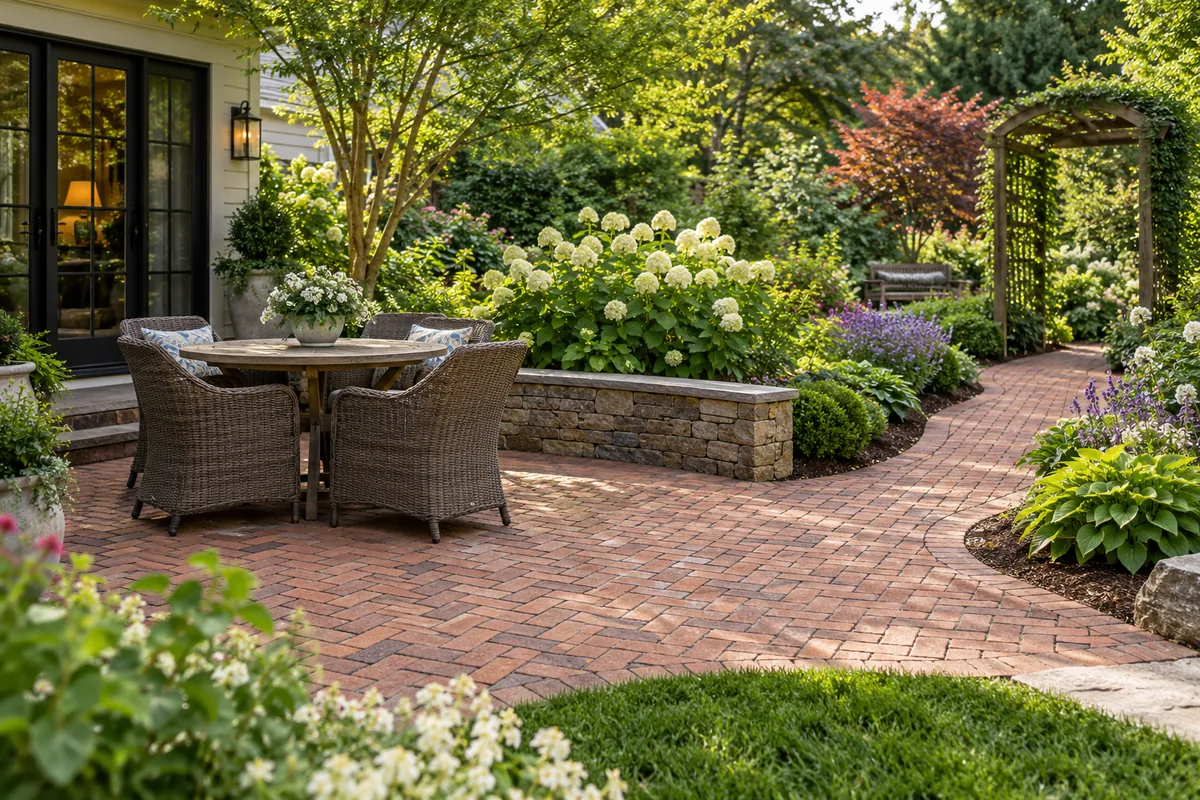
Brick Pavers for Useful Patios and Garden Paths
Brick Pavers for Patios and Paths: explore materials, placement, upkeep, and local safety questions before deciding how this feature fits your yard.
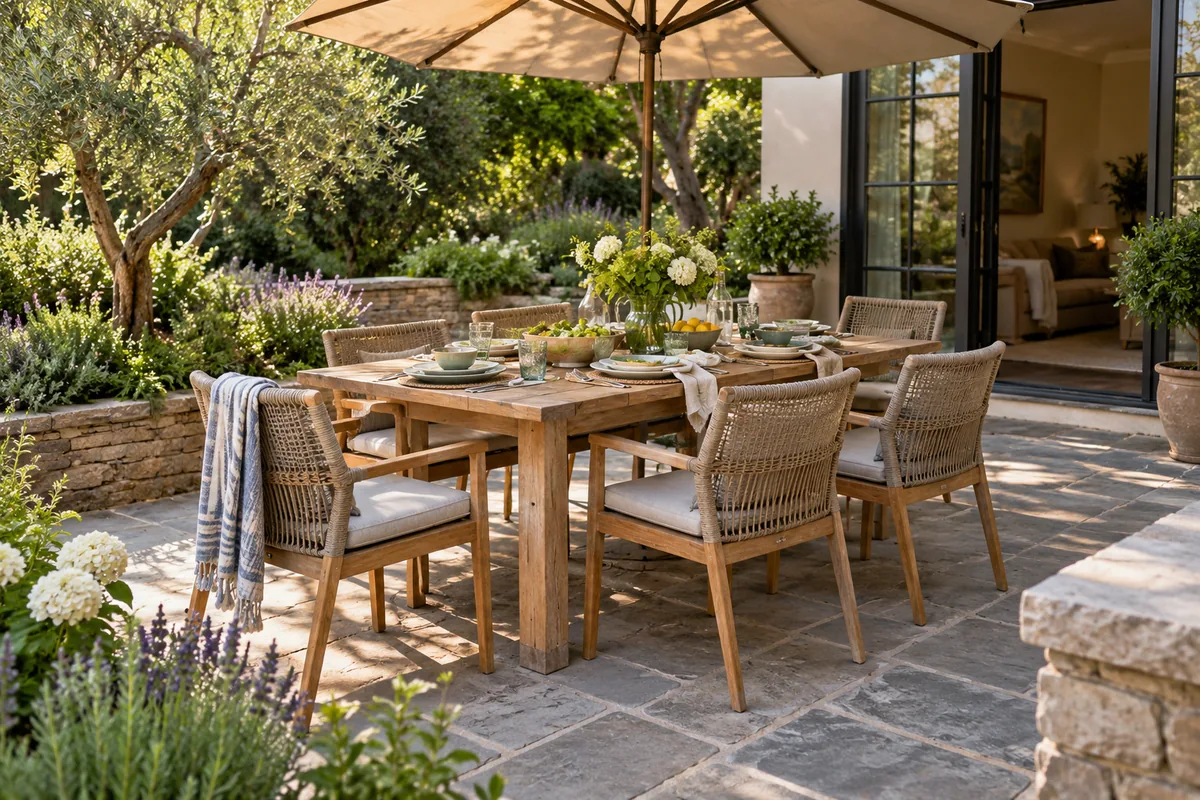
Outdoor Dining Set Ideas Based on the Occupied Table
Choose outdoor dining sets using table shape, real chair movement, serving routes, shade, material care, and the usable patio area rather than empty furniture.
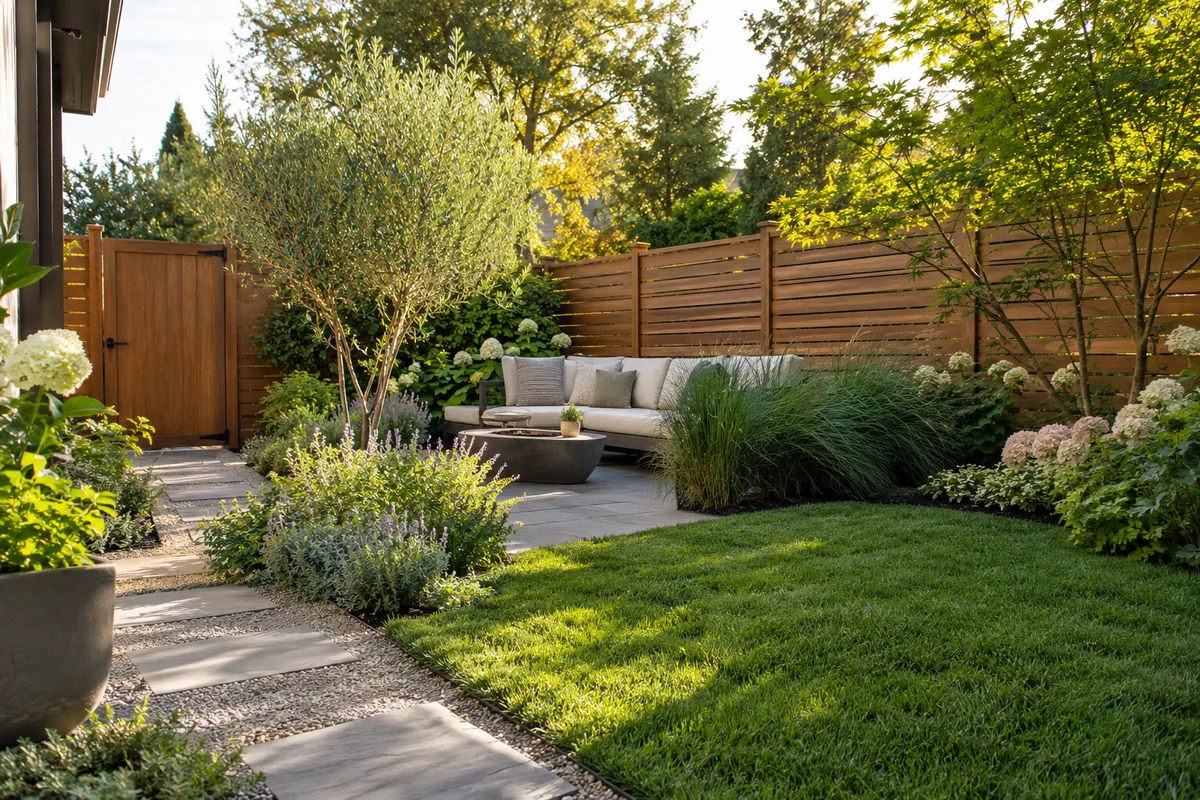
Garden Fence Ideas for Privacy and Practical Use
Learn how garden fence ideas fit your yard, with practical material, placement, upkeep, and safety questions to review before choosing a visual direction.