By AI Landscape Design Team · Editorial policy
Native garden vs Cottage garden: Which Fits Your Yard?
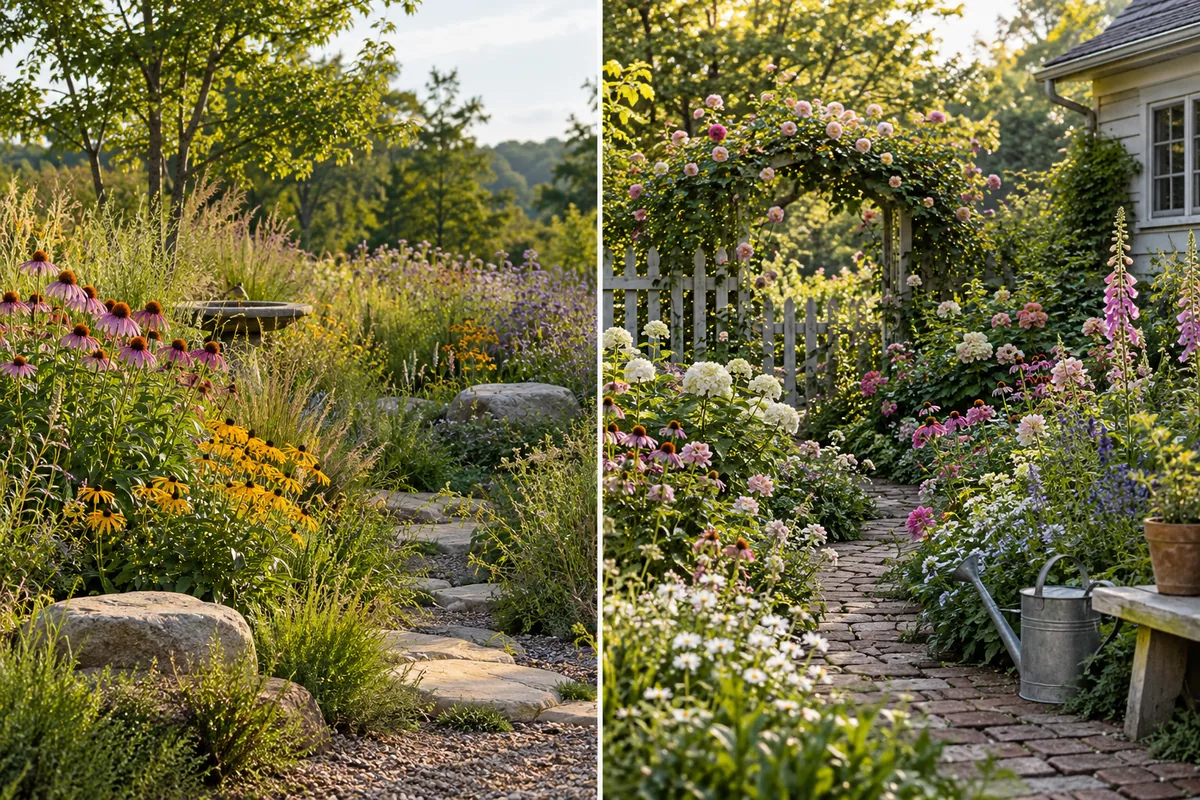
Choose a native garden when locally indigenous plant communities and habitat relationships should guide selection; choose a cottage garden when a dense, informal mixture of flowers and useful plants should guide appearance. They can share the same space. A cottage composition can use native plants, but neither the cottage label nor a plant's country of origin establishes local suitability.
Published · 6 min read
Key takeaways
- Selection priority: Regional origin and habitat roles; Informal flowers and productive uses.
- Appearance: Flexible with deliberate edges; Dense layered border character.
- Local verification: Range habitat and site fit; Suitability and invasive screening.
| Dimension | Native garden | Cottage garden |
|---|---|---|
| Selection priority | Regional origin and habitat roles | Informal flowers and productive uses |
| Appearance | Flexible with deliberate edges | Dense layered border character |
| Local verification | Range habitat and site fit | Suitability and invasive screening |
| Maintenance | Establishment and weed monitoring | Mixed seasonal border tasks |
| Hybrid approach | Native-led flowering composition | Cottage form with native selections |
| Pet safety | Separate toxicity check required | Separate toxicity check required |
What is the deciding principle?
A native garden begins with a question about place: which plants belong to the relevant region and habitat, and how can the site support them? A cottage garden starts from an experience of abundant, informal planting close to everyday life. That difference can influence the selection process even when the finished borders look similar. List your priorities before browsing plant photographs. If supporting regional habitat is central, investigate local native status and ecological relationships first. If the priority is a flower-filled route to the kitchen, establish the route and the visual rhythm first, then select appropriate plants. Neither method removes the need to inspect soil, light, and available space.
Does native mean native everywhere in the country?
A plant described as North American or US native may still be outside its appropriate local range or habitat. Look for guidance relevant to the actual region, and distinguish range information from suitability for your particular soil and exposure. According to the National Wildlife Federation, its Native Plant Finder connects plant choices with the insects they support in a location. Use such resources as a starting point, then check local horticultural guidance and actual growing conditions. A wetland species and a dry-site species can both be native within a broad region while needing very different conditions. The label should improve the questions you ask rather than end the selection process.
How can native planting look deliberately cared for?
A clear edge, a reachable path, and repeated plant groups can communicate intention without converting the border into clipped topiary. Position tall seasonal growth where it will not obstruct the entrance or overwhelm a window. Reserve lower planting near essential routes and allow a fuller interior where there is room. A cottage border uses many of the same organizing devices, although its plant selection may be broader. Try a restrained edge around a loose interior rather than forcing the entire planting into one visual density. Discuss mature spread and seasonal appearance with a local adviser. The aim is a legible garden that supports the selected plants, not a promise of constant flowers.
What work will each garden require?
Native plants do not make a new border self-managing. Establishment, invasive weed control, and monitoring remain important, especially after disturbed ground is planted. A cottage border can add work involving deadheading, division, staking, and replacing short-lived plants. The actual difference depends on species, site conditions, and the desired appearance after flowering. Decide whether seed heads and dormant stems can remain in a particular area, and balance that preference with access and local requirements. Do not cut every part of a border simply because one section looks untidy. Plan how equipment enters the space and where collected material goes so maintenance can happen without trampling the planting.
Can flowers and vegetables stay in a native-led scheme?
A garden can reserve a working vegetable bed beside a border selected primarily for local native plants. Label those roles honestly instead of describing the whole property as an intact native ecosystem. In a cottage garden, productive planting can sit naturally among ornamental beds, but growing food still needs suitable light, soil assessment, and convenient access. Check USDA hardiness zone, local invasive status, and mature size for any proposed ornamental additions. Where pets can reach plants, consult the ASPCA toxicity list rather than equating native with harmless. A locally native plant can still have properties that make it unsuitable beside a play area or regularly used path.
Which material choices suit the combination?
Use a simple path and border edge to connect the planting decisions. Brick beside a cottage-inspired flower bed may work well with native species; a plain paver route can give a habitat-oriented border a clear public-facing boundary. Avoid introducing several surface patterns merely to explain every planting zone. Compare materials under the same light as the site and consider how their joints or edges will be weeded. Excavation and drainage changes need separate evaluation. Contact 811 before digging in the United States, and have licensed professionals assess retaining work, electrical changes, or altered runoff. Neither plant philosophy supplies evidence that a new path will perform safely.
When should you favor one over the other?
Favor native-led selection when you are prepared to investigate regional plant communities and accept their seasonal behavior. Favor cottage-led composition when tending a varied flower and productive garden is part of the enjoyment, with appropriate local screening of the plants. If time is limited, reduce the number of separate care tasks in either approach rather than assuming one name is automatically easier. Begin with a manageable bed whose conditions you understand. Keep notes on crowding, flowering, and water needs before expanding it. Replacing every existing plant at once can create unnecessary disruption; retain healthy, suitable features where they serve the goals and do not conflict with local invasive guidance.
How do you compare a hybrid fairly?
Prepare a brief that states both the visual aim and the plant-selection policy. For example, you might want cottage density with regionally verified native plants forming the main border, plus a separate vegetable area. Compare that with a more restrained native-led composition using the same route and site constraints. AILandscape provides visual exploration from a photo; its concepts cannot identify plants reliably or confirm habitat performance, soil, drainage, and construction details. Review a preferred image with local advisers and replace any uncertain species with appropriate choices. The useful result is a composition whose plant roles can be explained and whose care is realistic, rather than a fashionable label applied after the fact.
Frequently asked questions
Can a native garden look like a cottage garden?
Yes. Dense, informal borders and repeated flowering groups can be composed from locally suitable native plants. Native describes a selection relationship with place, while cottage describes an appearance and arrangement. Check each species independently rather than assuming every native plant suits the same border.
Are native plants always safe for pets?
No. Native status is not a toxicity rating. Check the ASPCA plant toxicity list and seek veterinary advice for uncertain plants within pets' reach. Also review sharp foliage, fruit, and access around the planting rather than assessing safety from flowers alone.
Should I remove every nonnative plant?
Not solely because it is nonnative. Assess regional invasive status, plant condition, site suitability, and the role it performs. A phased plan can retain appropriate existing plants while adding verified native planting, avoiding unnecessary disturbance and an unmanageable establishment workload.
Sources
Related reading
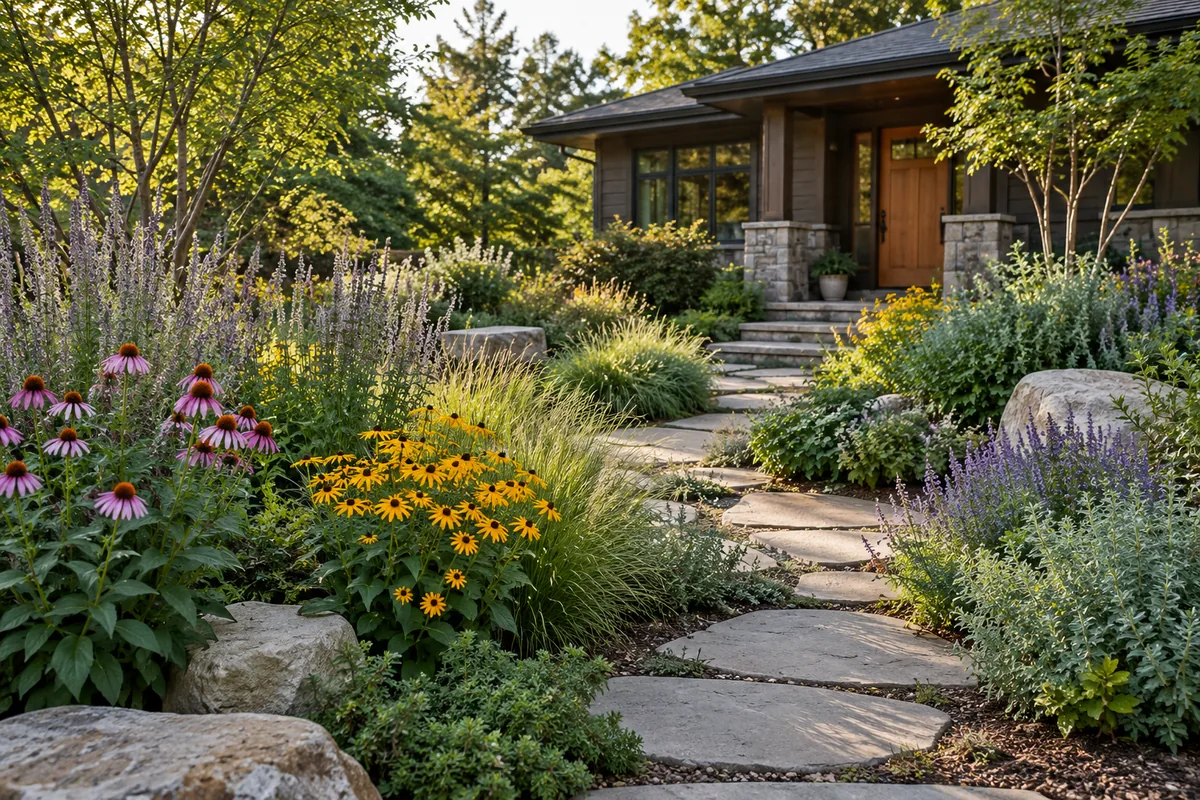
Native plant landscape style: regional plants with structure
Learn how native plant landscape style combines regional plant choices, seasonal change, and clear garden structure with practical care and neighborhood views.
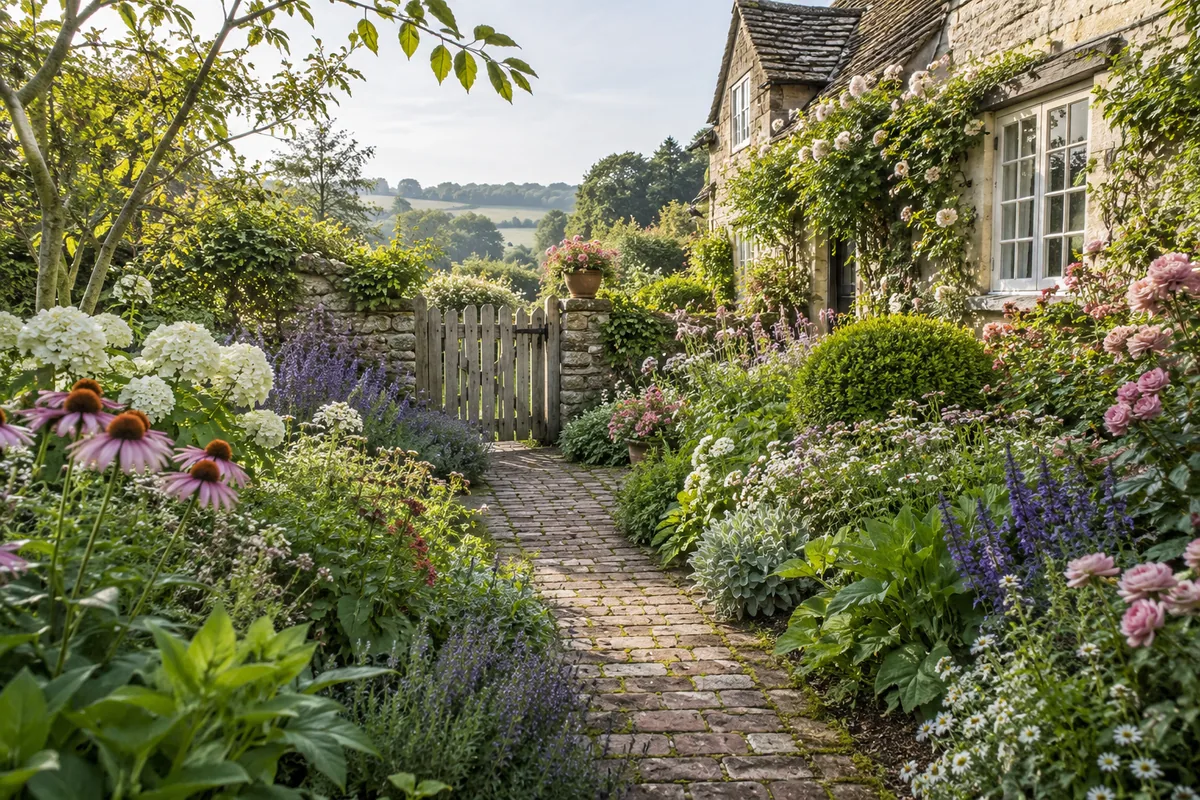
Cottage garden style: flowers with a working framework
Explore cottage garden style through layered flowers, selective self-seeding, clear paths, seasonal care, and the framework that makes informal planting usable.
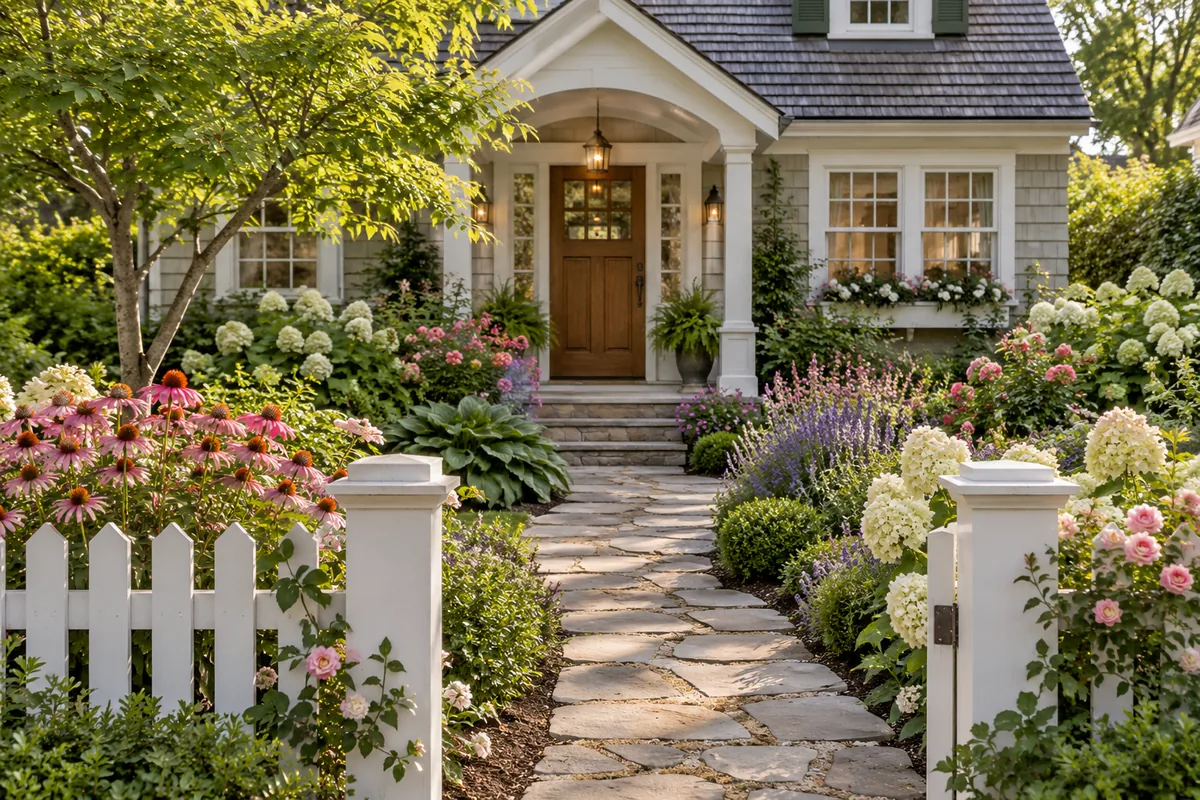
Cottage front yard ideas that welcome visitors through flowers
Find cottage front yard ideas for layered borders, useful gates, brick details, seasonal flower groups, and a welcoming entrance that stays easy to reach.
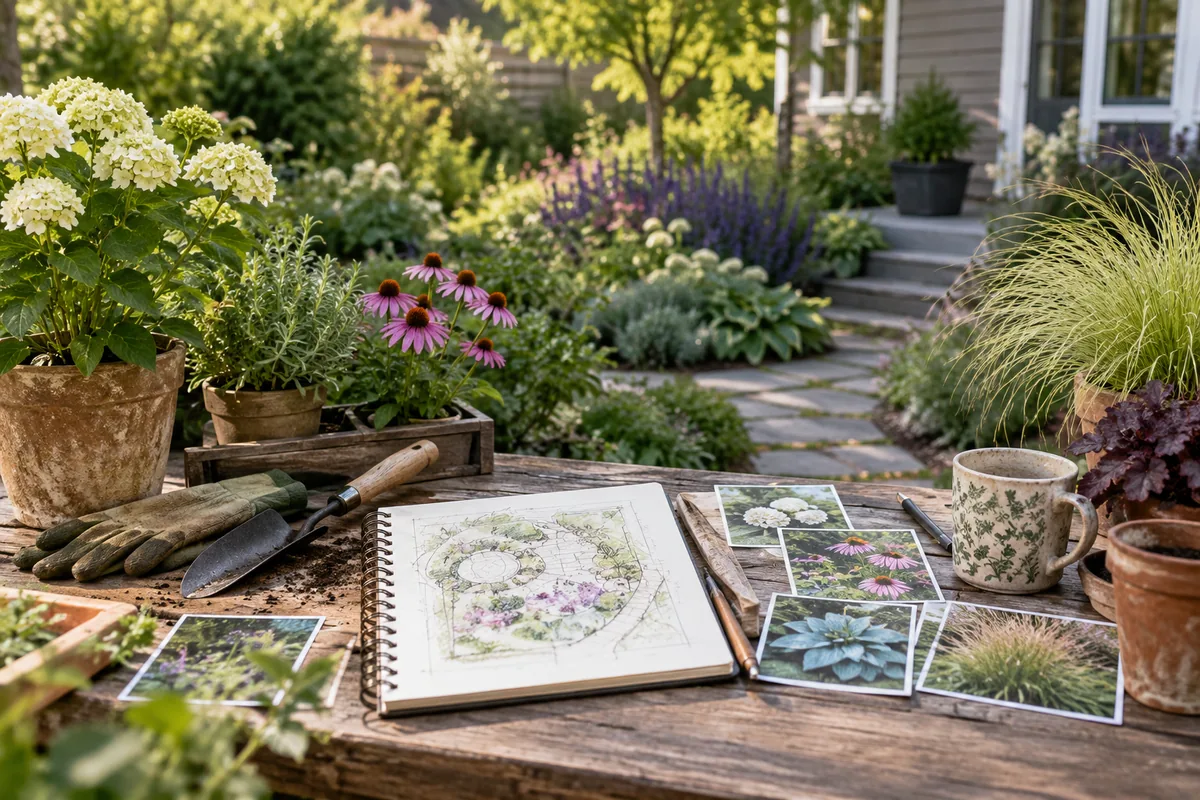
How to Plan a Planting Palette for Your Garden
Plan a planting palette around structure, repeated groups, seasonal interest, and confirmed regional conditions rather than copying species from a garden image.
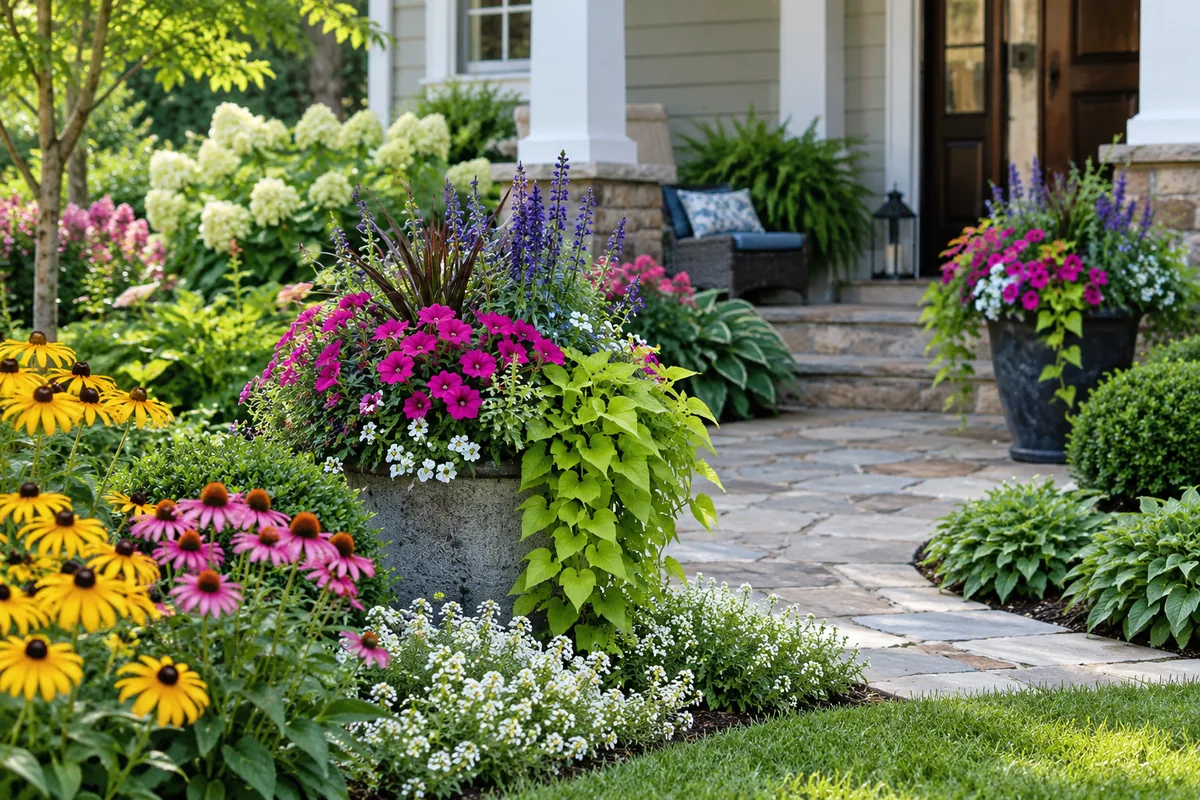
Annual Flowers for Seasonal Borders and Garden Containers
Annual Flowers: Seasonal Color and Containers: explore placement, upkeep, and local safety questions before deciding how this feature fits your yard.
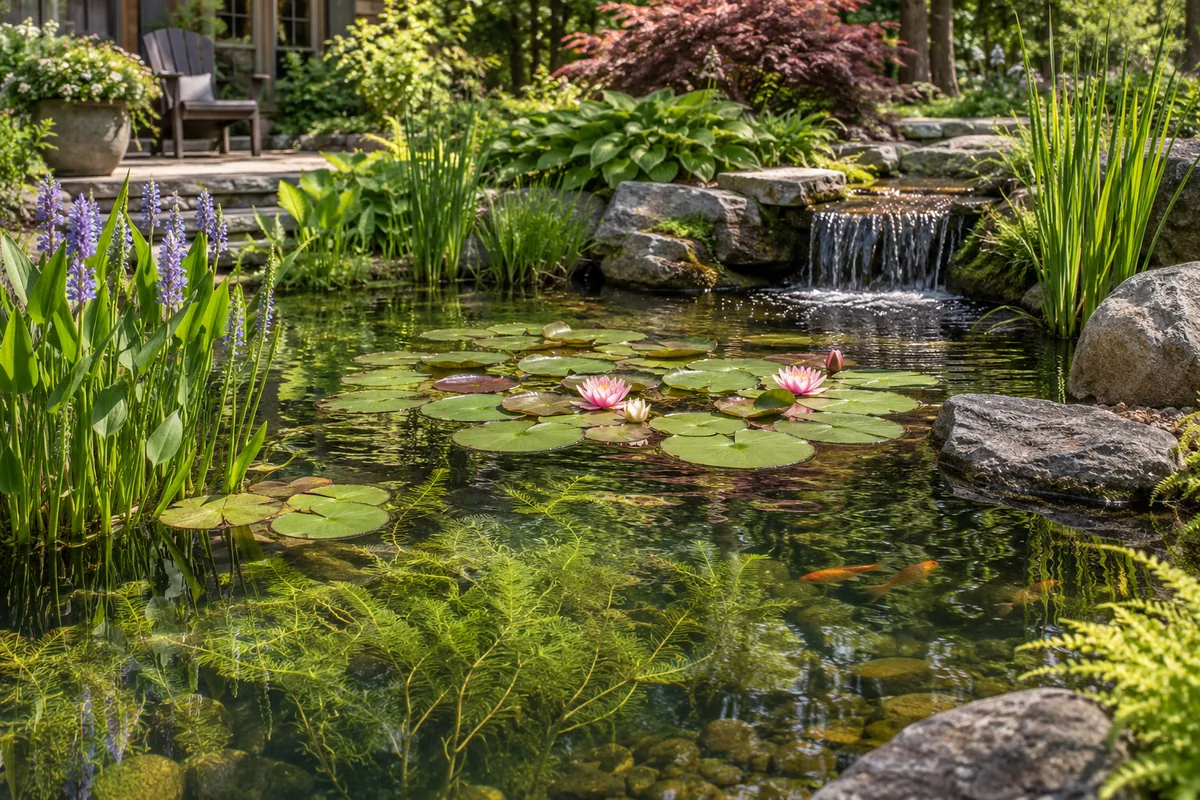
Pond Plants Selected for Roles and Local Conditions
Learn how pond plants fit your yard, with practical material, placement, upkeep, and safety questions to review before choosing a visual direction.