
By AI Landscape Design Team · Editorial policy
Front yard ideas on a budget: prioritize, retain, and phase
Front yard ideas on a budget should prioritize a functioning entrance, sound existing features, and a manageable first phase before decorative purchases. Rank costs by what makes the site safe and usable, then simplify finishes and plant groups where practical. Avoid saving on unassessed drainage, unstable surfaces, or necessary groundwork; a low-cost appearance does not make those problems disappear.
Published · 6 min read
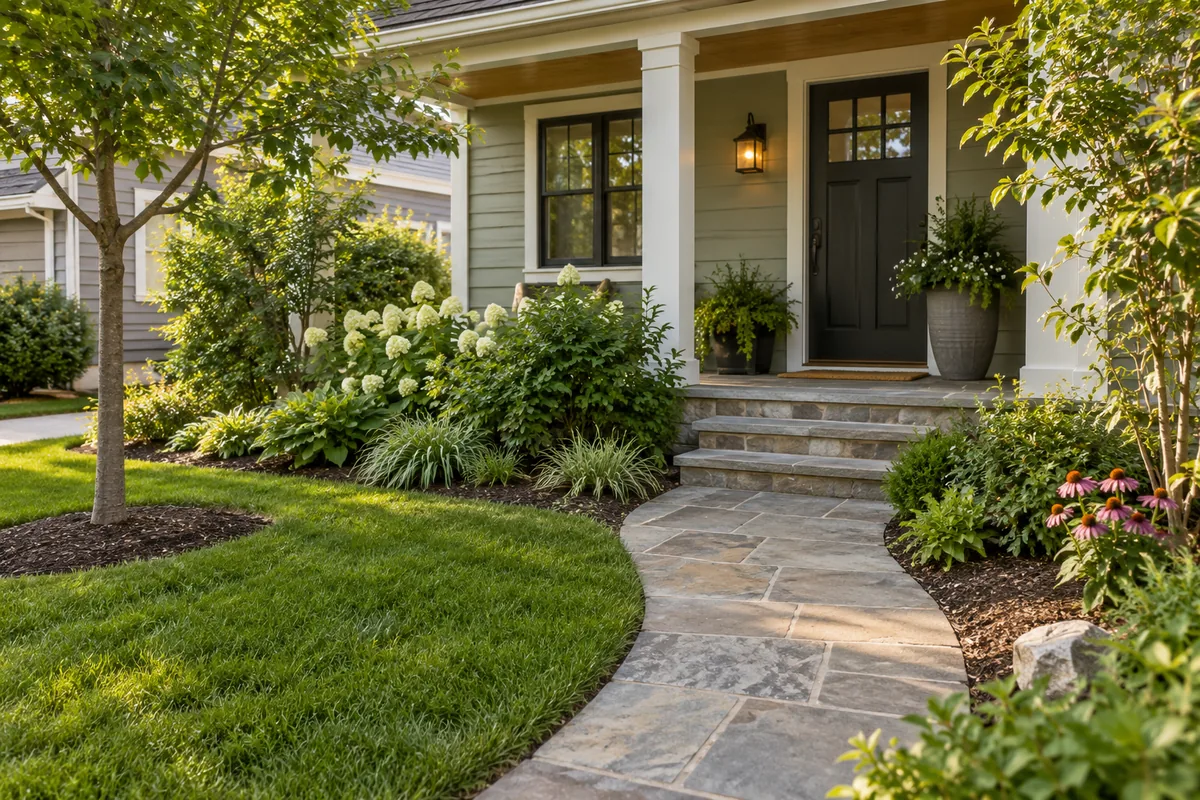
Key takeaways
- Retain sound existing features before buying replacements.
- Sequence work so each phase leaves a usable frontage.
- Separate decorative savings from necessary site and construction review.
What is worth paying attention to before choosing products?
Identify the actual problem: an unclear door, damaged surface, overgrown border, or an unfinished collection of pots. Those issues imply different work. A material purchase can be cheap and still waste money if it does not address the cause. Record what is sound, what needs assessment, and what is simply a visual preference before setting the first phase.
Costs can be driven by removal, site access, groundwork, transport, installation, and ongoing care as much as by the visible finish. Obtain site-specific advice and quotations where work is needed rather than inventing prices from inspiration images. Review neighborhood and local rules before frontage changes. The aim is a more coherent entrance through deliberate priorities, not the largest possible change for the smallest apparent material cost.
Eight ideas for spending where the frontage benefits
- Keep a sound entrance surface. If access and condition are appropriate after review, use planting or restrained details to connect the existing route to the house. It suits a frontage where replacement is primarily cosmetic. Surface damage or water problems need separate assessment. Retention saves unnecessary work only when the component is actually fit for continued use.
- Edit existing planting before adding more. Identify plants, mature growth, and regional behavior, then consider selective maintenance or reorganization with local horticultural advice. This works where the bed is crowded rather than empty. Do not remove a useful established tree because a new concept looks simpler. Significant root or structural conflicts need qualified assessment rather than a decorative budget decision.
- Make the first phase visibly complete. Choose one connected entrance area that can remain usable while later work waits. It suits a household that cannot undertake the whole project at once. Plan the sequence with professionals where construction is involved. Avoid leaving half-finished grades or blocked access as an assumed temporary condition, because later spending may not happen immediately.
- Limit the number of new finishes. A quiet repeated material can connect a frontage without many small decorative purchases. This works when unrelated edging, aggregate, and pots currently fragment the view. Compare actual performance and repair needs, not only unit prices. A cheap finish that needs repeated replacement may be a poor choice for the essential route.
- Use repeated suitable plant roles. Connected groups can provide visual coherence without collecting one of every nursery option. It fits a bed with verified room and growing conditions. Check mature size and maintenance before choosing actual plants. Starting with fewer manageable groups can help observation, but spacing must follow the selected plants rather than a promise to fill gaps cheaply later.
- Give one container a real job. A stable pot near a useful entry position can supply emphasis without a frontage full of separate watering tasks. This works where door movement and arrivals remain clear. Check planted weight, drainage, and suitability. Decorative savings disappear if numerous pots need seasonal handling the household cannot maintain or repeatedly obstruct the approach.
- Fix practical arrival details. Make the house number readable, keep the mailbox accessible, and review necessary entry light before adding ornamental features. It suits a frontage with small but persistent visitor problems. Licensed professionals should assess electrical installation where needed. A modest useful improvement can matter more than an accessory whose only purpose is to resemble a reference photograph.
- Reserve a contingency for verified site work. Keep planning flexible when assessment identifies drainage, base, level, or structural needs. This works for a phased project where hidden conditions could change decorative priorities. Obtain professional scope and review rather than assigning an invented amount. Do not treat necessary groundwork as optional simply because it is absent from the finished image.
Where are the trade-offs rather than shortcuts?
A smaller finish palette may reduce complexity, but it does not remove labor, preparation, or repair questions. New planting may be phased, but establishment still needs care. Verify USDA hardiness zone, sunlight, soil, moisture, mature size, and local invasive information. Pet-accessible planting needs ASPCA toxicity screening; an inexpensive plant is not necessarily appropriate or safe.
The farmhouse front yard ideas show a practical visual approach, while planter considerations help compare a limited accent. Licensed professionals should assess drainage, grades, unstable surfaces, foundations, structures, and electricity. Contact 811 before digging in the United States and address private locating when relevant. Do not economize by inferring base requirements or water behavior from a photograph. Qualified assessment can prevent spending on an attractive finish that cannot perform on the site.
How do you review value beyond the first purchase?
Keep a list of the tasks each proposed feature adds: watering, cleaning, pruning, moving, storage, and repair. Compare those obligations with the household's actual time as well as the installation scope. A modest coherent entrance may be a better value than a larger decorated frontage that remains incomplete or difficult to care for. Review each phase against its original practical purpose.
AILandscape's front yard tool can compare broad visual priorities on your photo before purchasing finishes. Use the concept to discuss what might be retained or simplified, then confirm measurements, plants, site work, and construction through local evidence. It cannot provide a project quotation or prove that a depicted change is affordable. Keep cost decisions tied to actual scope and professional assessment rather than a persuasive visual transformation.
Frequently asked questions
What should a first frontage phase include?
Choose a connected area that improves an actual arrival or planting problem while leaving the property usable. Retain sound features and identify work requiring professional assessment. Sequence later changes deliberately instead of assuming unfinished surfaces, blocked routes, or unresolved water conditions can wait indefinitely.
Is buying the cheapest paving a good saving?
Assess preparation, installation, access, maintenance, repair, and actual performance along with the product. A low unit price does not establish overall value. Essential routes and underlying conditions need qualified review before the finish is selected simply because it appears inexpensive.
Can a concept image estimate the project budget?
An image can help compare appearance and broad scope but cannot establish quantities, labor, site conditions, or quotations. Use direct measurements and appropriate professional advice for actual costs. Keep visual preferences separate from claims that a generated scene is feasible at a particular budget.
Sources
Related reading
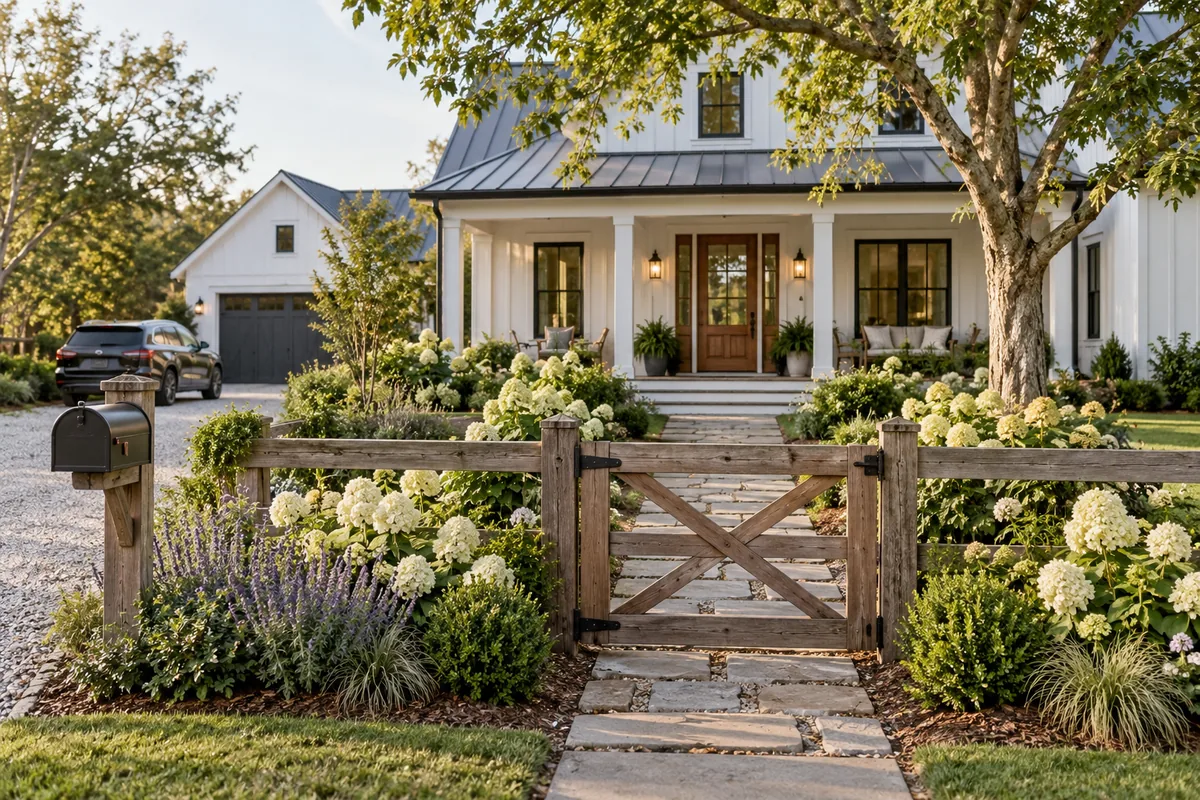
Farmhouse front yard ideas with a useful, welcoming framework
Discover farmhouse front yard ideas for working gates, sturdy boundaries, warm materials, practical planting, and an entrance that supports everyday arrivals.
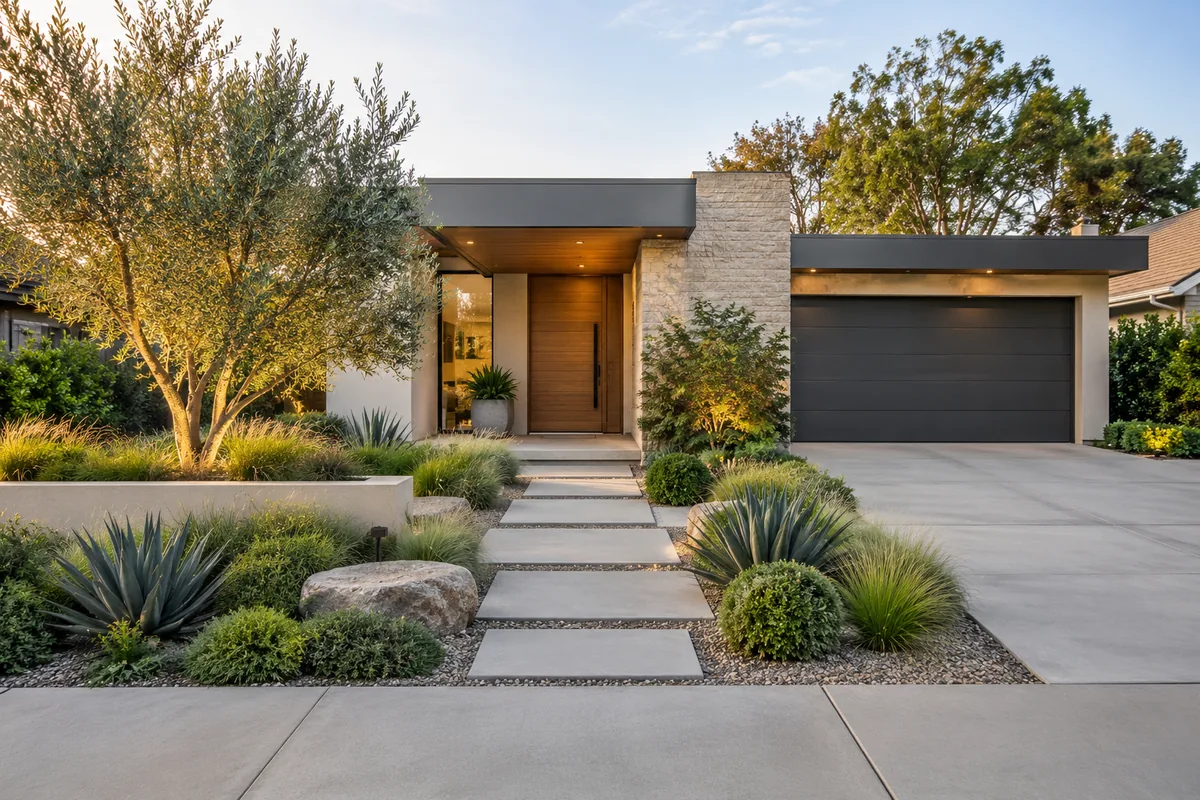
Modern front yard ideas for a clear, composed entrance
Explore modern front yard ideas for clear entrances, repeated planting, restrained materials, readable house numbers, and practical maintenance from the street.
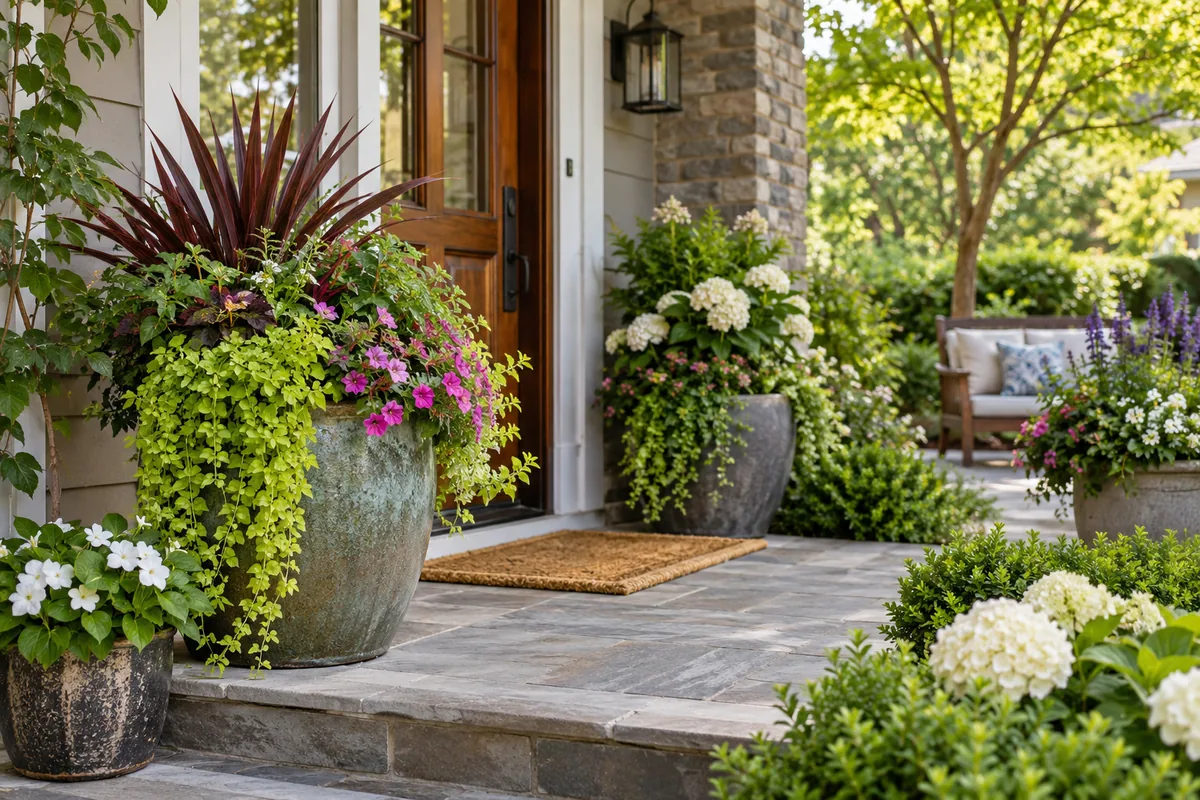
Garden Planters for Useful and Manageable Planting
Learn how garden planters fit your yard, with practical material, placement, upkeep, and safety questions to review before choosing a visual direction.
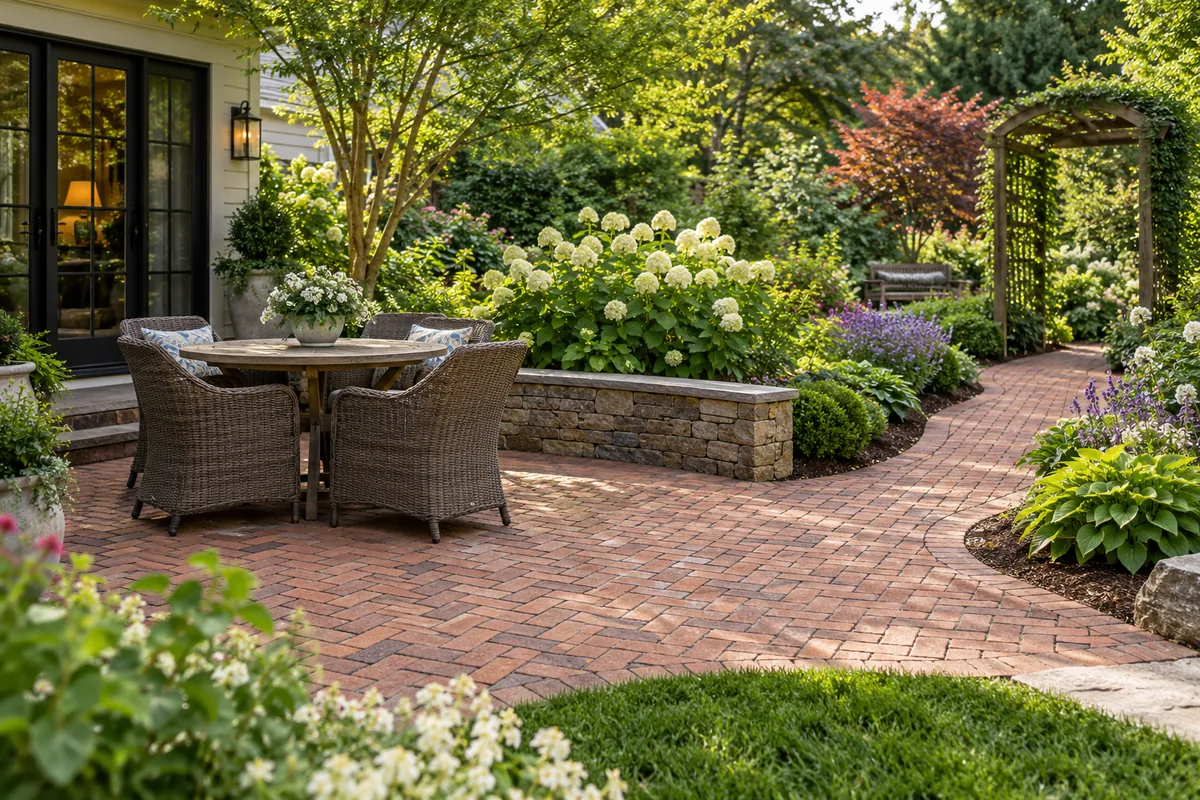
Brick Pavers for Useful Patios and Garden Paths
Brick Pavers for Patios and Paths: explore materials, placement, upkeep, and local safety questions before deciding how this feature fits your yard.
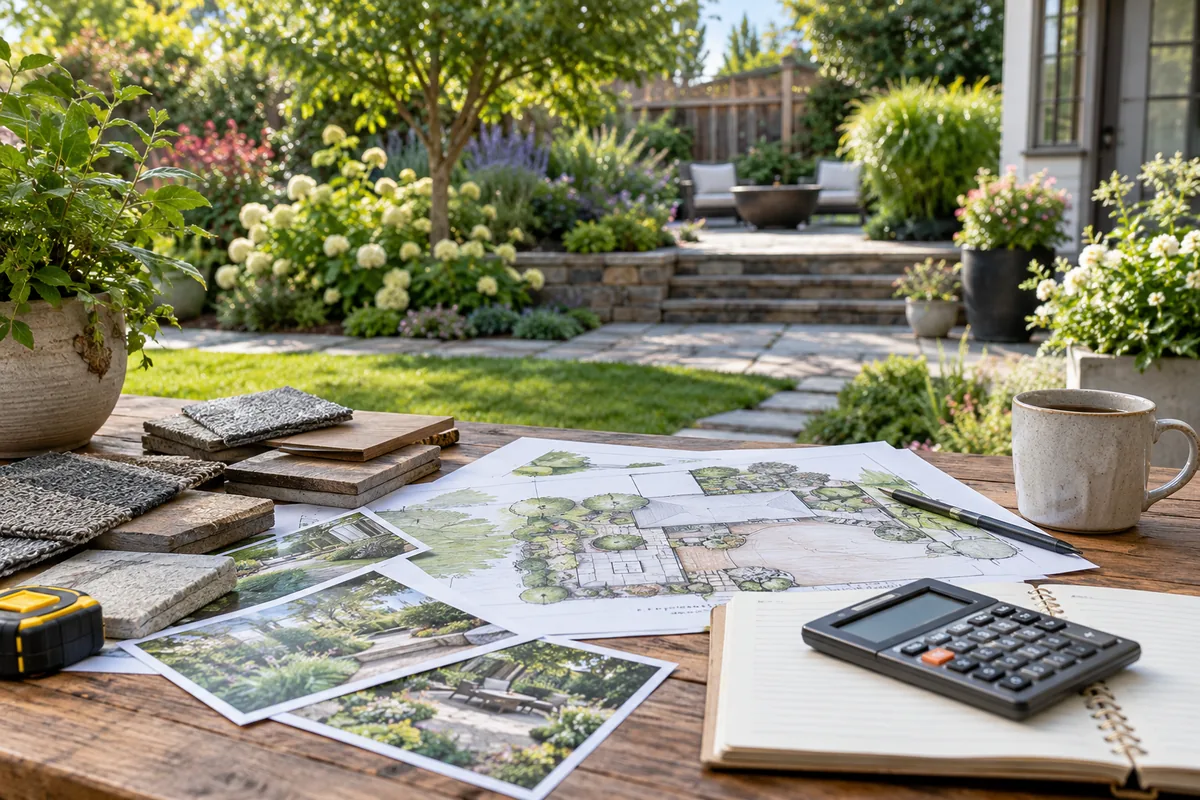
How to Set a Landscaping Budget Without Guessing Costs
Set a landscaping budget with a defined scope, separate cost categories, clear unknowns, and practical phases before comparing quotes for the actual project.
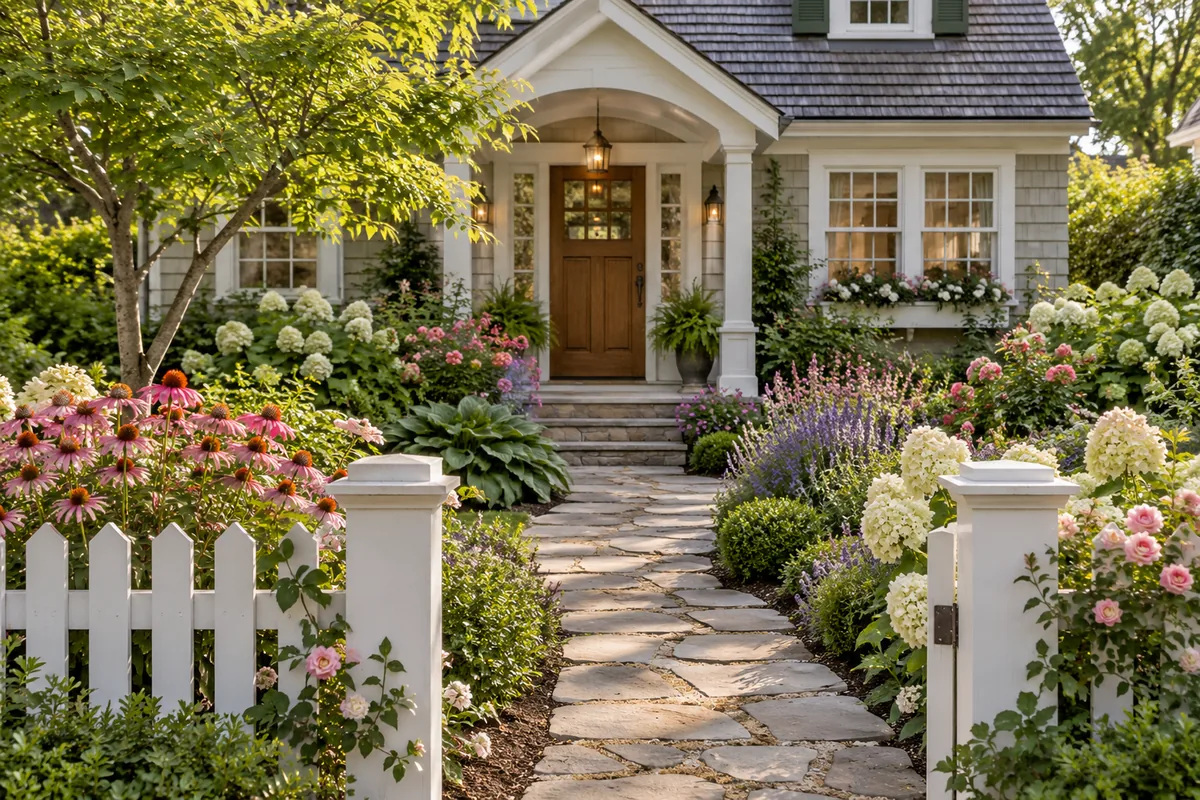
Cottage front yard ideas that welcome visitors through flowers
Find cottage front yard ideas for layered borders, useful gates, brick details, seasonal flower groups, and a welcoming entrance that stays easy to reach.