
By AI Landscape Design Team · Editorial policy
Landscaping for Windy Sites: Layout and Shelter
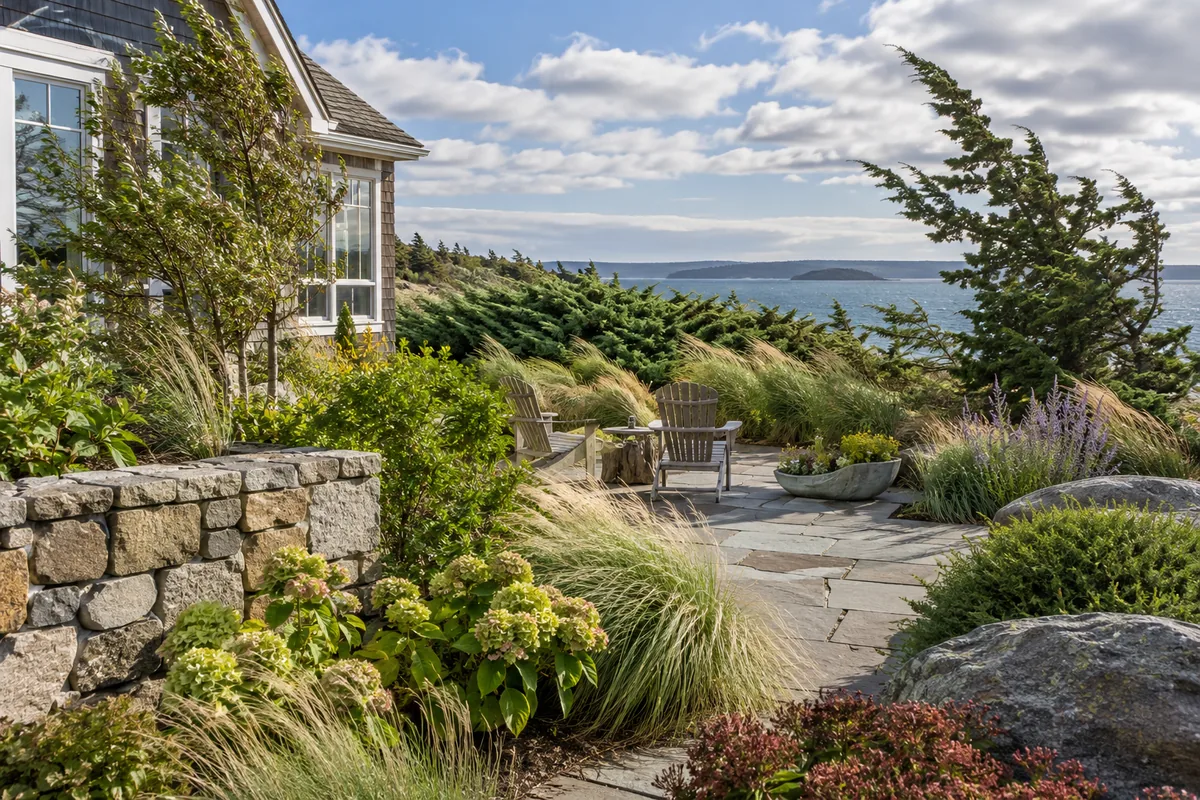
Landscaping for windy sites should begin with actual exposure and outdoor activities, then compare suitable planting and shelter without assuming a barrier is automatically the answer. Wind can vary across the property and through the year. Confirm USDA hardiness and local advice for real plants, and obtain qualified professional review of structures, attachments, and drainage. A visual concept can explore enclosure but cannot establish wind performance or safe construction.
Published · 6 min read
Key takeaways
- Observe where and when exposure affects use.
- Match planting to confirmed local conditions.
- Have shelter structures professionally assessed.
What should exposure observation record?
Identify where wind affects ordinary use, not only where vegetation appears to move in a photograph. A seat, entrance, open route, and planting bed can have different concerns. Observe relevant times and seasons where safely possible, and record existing shelter and exposed boundaries. This does not replace a professional assessment of loads or the site’s conditions when built features are proposed.
Confirm the USDA hardiness zone and local growing information before connecting wind exposure to a plant palette. Soil, moisture, light, mature space, and invasive status remain separate requirements. A plant’s flexible-looking shape does not prove it is suitable, and a broad climate label does not explain each bed. Ask appropriate local experts about plant health or established-tree issues. Keep uncertainty visible in the notes rather than diagnosing damage yourself. The useful starting point is a clear description of the activities or features affected, which allows horticultural and construction professionals to assess real options instead of approving a generic sheltered-looking image.
How can the layout support everyday use?
Review the positions people prefer for sitting, dining, arriving, and working. A smaller practical destination may be more useful than trying to make the whole yard feel enclosed. Relate seating and planting to existing features, while preserving routes and maintenance access. Do not place lightweight objects or unstable containers simply because the arrangement appears balanced in the concept.
Compare modern style and native style as different visual approaches to open surfaces and planting relationships. Neither is a verified wind solution. A reference may suggest a coherent palette without specifying the actual plants or support. Test circulation and furniture use on site and discuss exposure with relevant professionals. An attractive fence or screen may introduce loads, boundaries, and permit questions beyond the layout preference. Keep the activity brief separate from technical design so the preferred visual enclosure can be adapted to real constraints without undermining the reason the space is being created.
Which plant choices need local confirmation?
Choose planting roles before species, then ask local extension or nursery expertise about candidates for the actual exposure. Shrubs, grasses, perennials, and trees can contribute different forms, but the category alone does not establish tolerance. Check hardiness, soil, light, moisture, mature spread, invasive status, and care. A plant that suits one windy setting may fail in another because the other conditions differ.
Keep room for inspection and maintenance rather than creating an inaccessible wall of planting. Existing tree health and any pruning need appropriate arborist advice. Where pets or children access the area, check toxicity and physical hazards independently. Do not assume native origin means no establishment needs or that fast growth is a reason to select an invasive screen. The guide provides example groups and selection principles only. A generated swath of grasses or a hedge-like boundary is a visual role, not evidence of exact species, local suitability, mature behavior, or predictable shelter across seasons.
What should a professional assess about screens?
Ask qualified local professionals to review the actual site, proposed feature, loads, attachments, foundations, permits, and boundary requirements. A fence is a built system rather than simply a line that hides the view. This guide gives no panel dimensions, opening ratios, or installation details. Shelter and visual privacy are related goals but should not be treated as equivalent technical outcomes.
Use privacy screen to explain which views matter without claiming acoustic or wind performance. Consider the route, neighboring setting, inspection access, and how mature planting will interact with the structure. Before excavation in the United States, use 811 and arrange separate private utility locating where needed. Drainage and level changes require independent assessment too. AI concepts may show a plausible-looking barrier but cannot verify its effect on wind or the safety of its support. Real decisions must come from appropriate professional information rather than a solid or porous appearance chosen from the image.
How should the final concept be reviewed?
Keep exposure notes, intended uses, preferred visual relationships, actual plant candidates, and structural questions in a concise record. Review whether the concept solves the relevant activity problem or merely adds enclosure. Remove objects and decorative details that do not support the purpose. Maintain clear access for upkeep and retain alternatives when local verification rules out a specific material, plant, or support.
AI visualization can compare broad open-versus-enclosed arrangements, but it does not confirm plant tolerance, wind loads, attachments, foundations, or site drainage. Have real horticultural and built choices independently assessed before purchase or installation. ASPCA toxicity checks are relevant where pets reach the planting, regardless of whether it is intended as shelter. Revisit the plan when observation or professional findings change the assumptions. A wind-responsive landscape is defined by suitable local decisions and practical use, not by a guaranteed calm appearance. The visual direction should remain flexible enough to respect conditions that cannot be established from a photograph. Keep a dated note of the assumptions so later changes can be checked against the real activity and exposure concerns.
Frequently asked questions
Can any hedge provide reliable wind shelter?
A hedge’s behavior depends on the actual plants, growth, location, and site conditions. Seek local horticultural and relevant professional assessment rather than choosing by density alone. Visual enclosure or fast growth does not prove suitability or predictable shelter across seasons.
Does a solid fence always solve wind problems?
The appropriate structure and its effects require site-specific professional assessment. Loads, attachments, foundations, local rules, and surrounding conditions matter. A solid-looking barrier in a garden image cannot establish the right solution or safe installation at the property.
Can ornamental grasses suit a windy garden?
Some locally appropriate grasses may provide a useful visual role, but the category is not a suitability guarantee. Check exact species, USDA hardiness, light, soil, moisture, invasive status, and care. A flexible-looking rendered plant is not verified horticultural advice.
Sources
Related reading
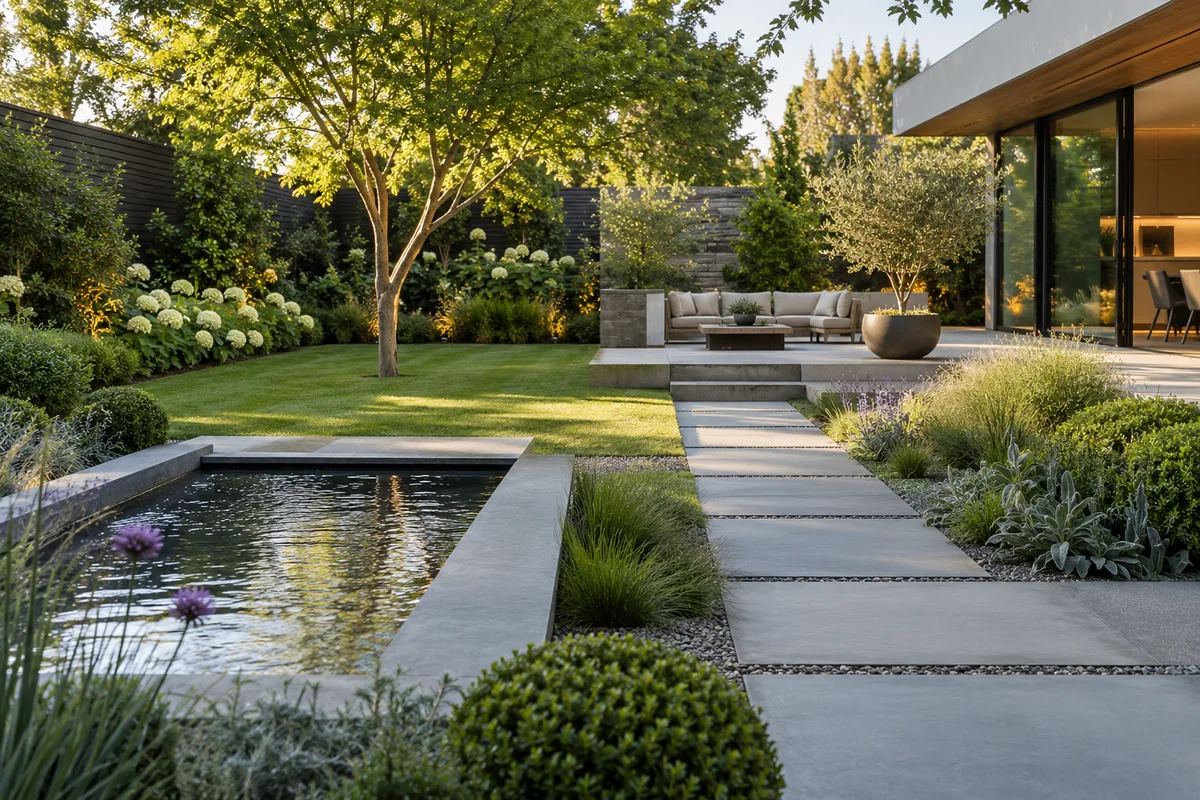
Modern landscape style: lines, space, and materials
Understand modern landscape style through clean lines, restrained materials, planting structure, and practical connections to contemporary architecture.
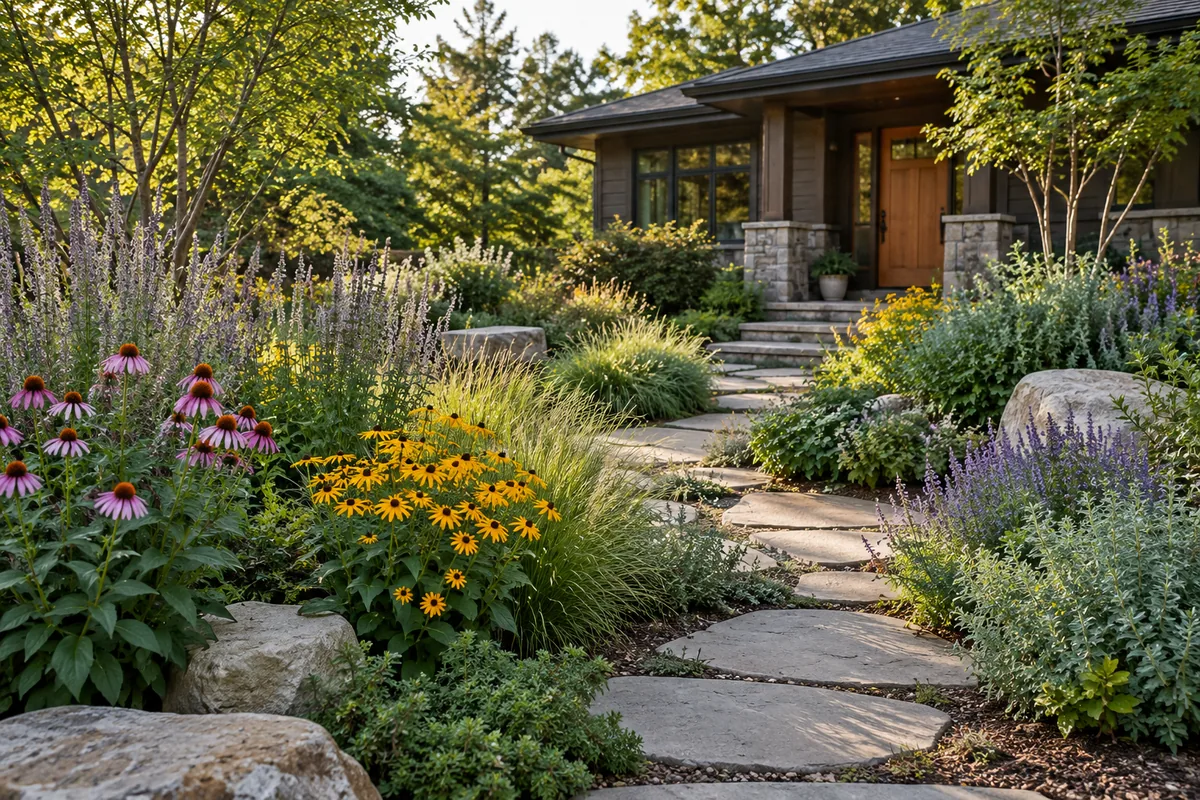
Native plant landscape style: regional plants with structure
Learn how native plant landscape style combines regional plant choices, seasonal change, and clear garden structure with practical care and neighborhood views.
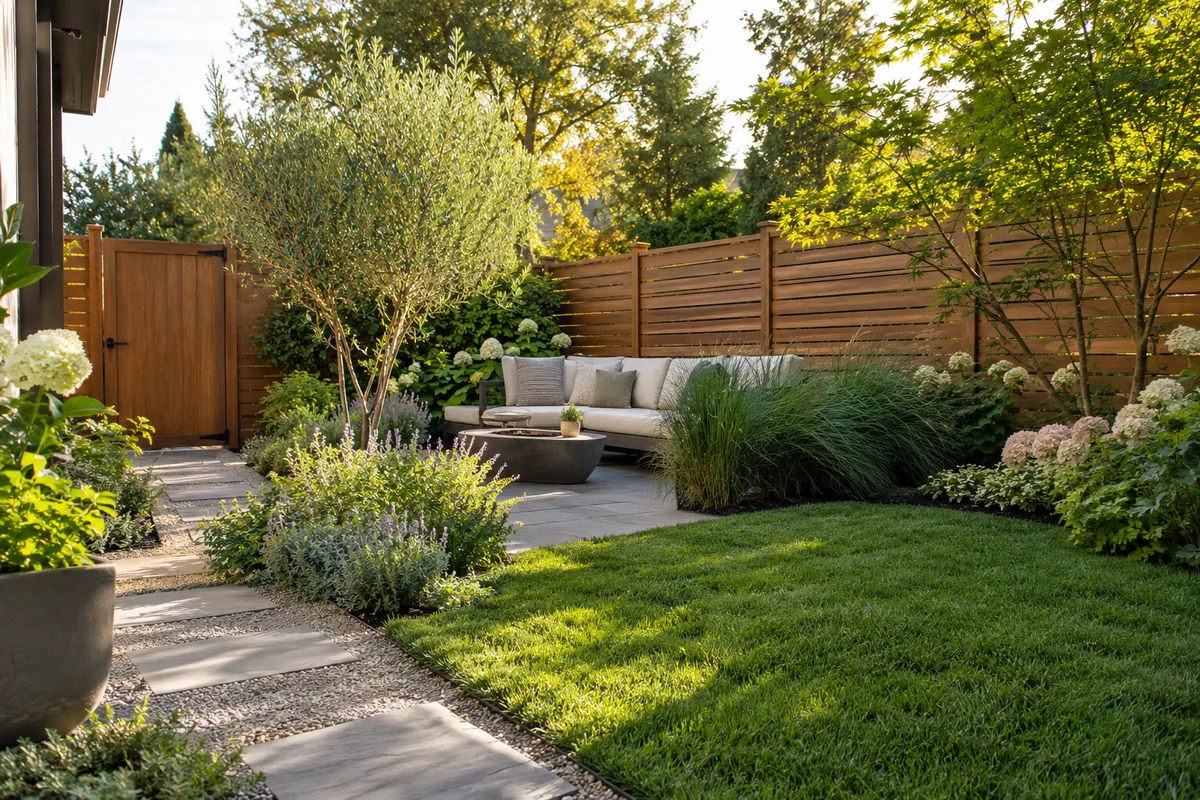
Garden Fence Ideas for Privacy and Practical Use
Learn how garden fence ideas fit your yard, with practical material, placement, upkeep, and safety questions to review before choosing a visual direction.
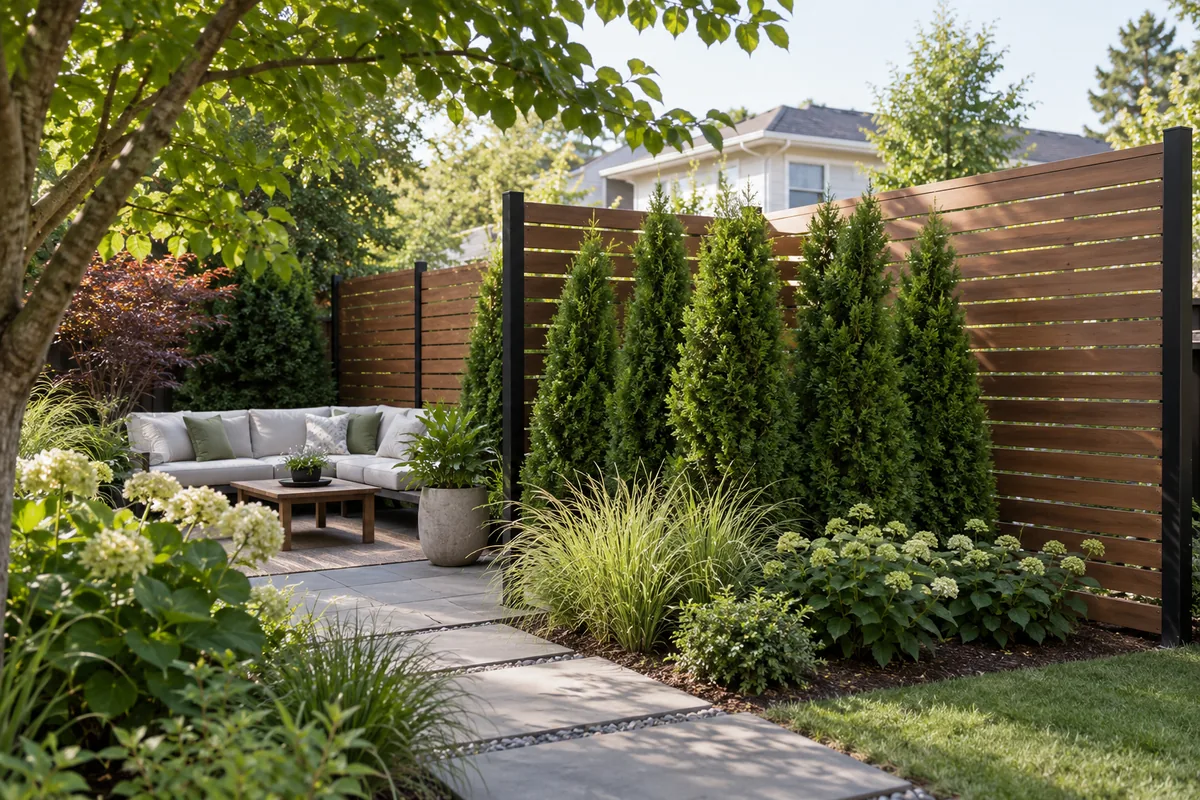
What Is Privacy Screen in Landscape Design?
Learn what privacy screen means in landscape design, with a practical yard example, related terms, and the site decisions to check before making changes.
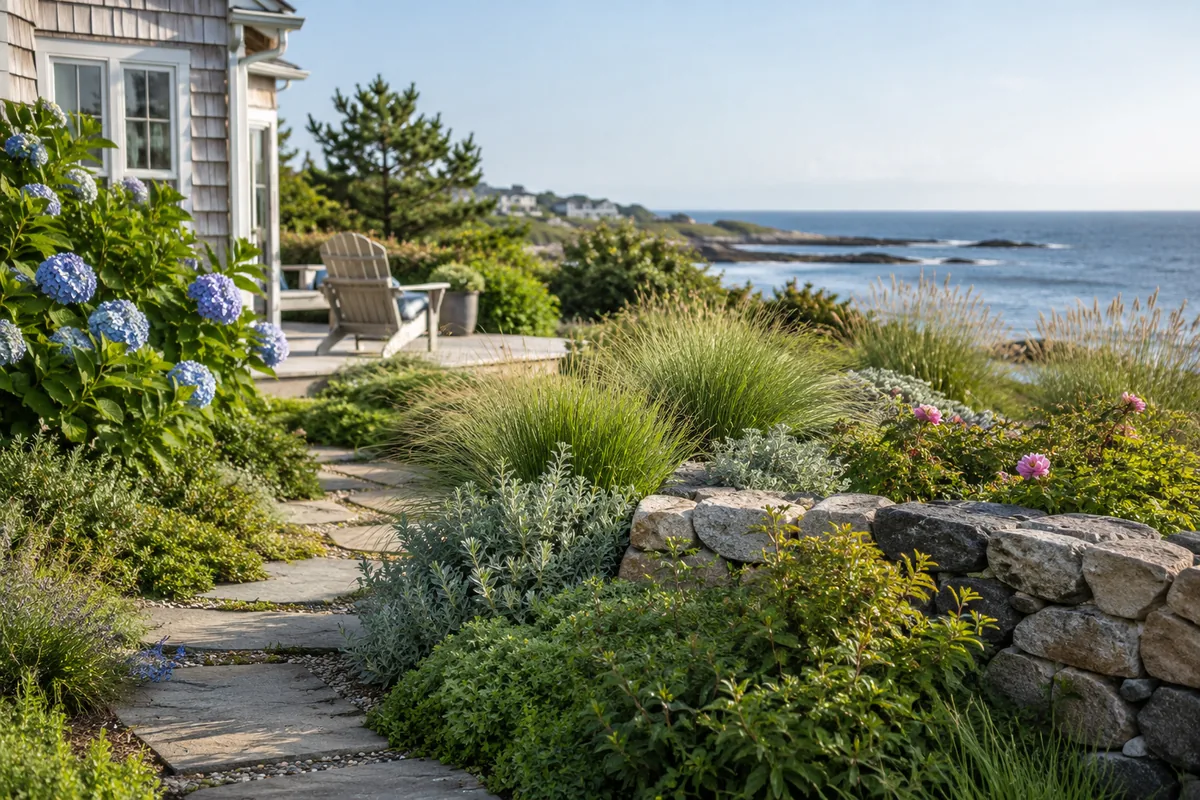
Coastal Landscaping Guide: Exposure and Planting
Plan coastal landscaping around actual wind and salt exposure, local growing conditions, stable outdoor use, and professional checks of structures and drainage.
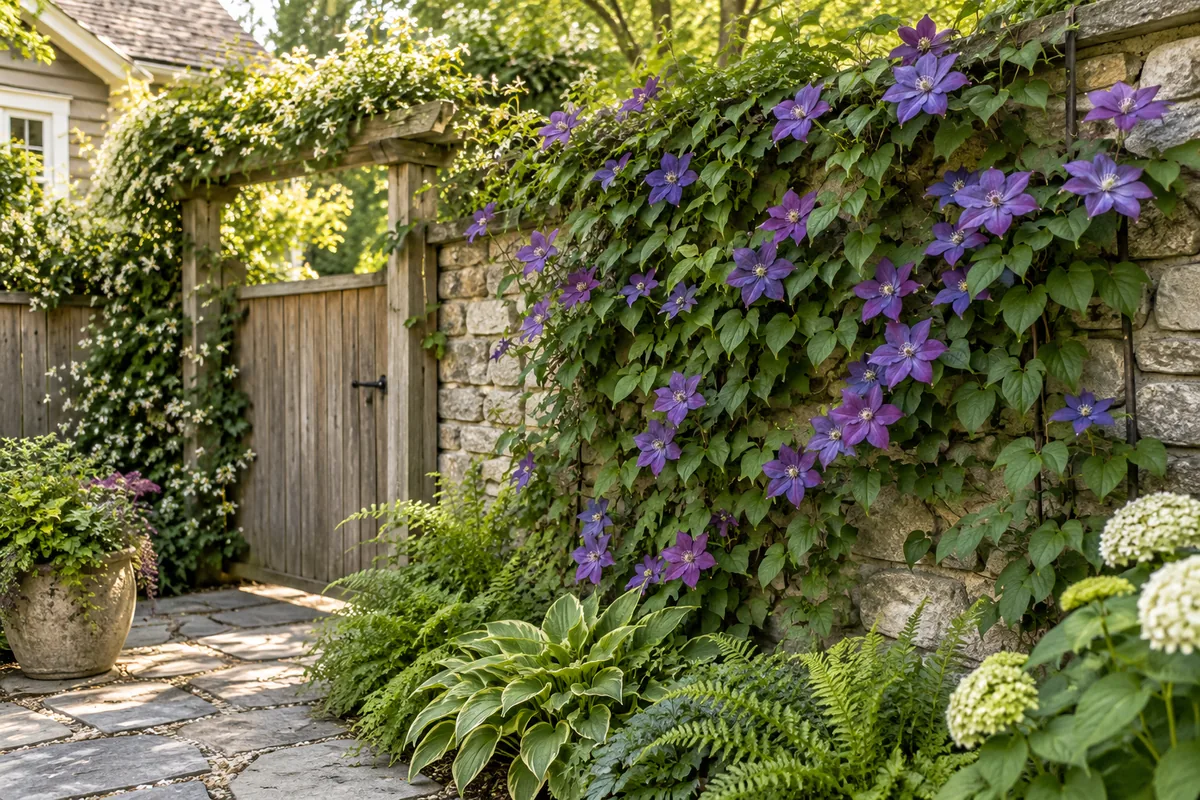
Climbing Vines for Fences and Walls with Suitable Supports
Climbing Vines: Support, Walls, and Local Fit: explore placement, upkeep, and local safety questions before deciding how this feature fits your yard.