
By AI Landscape Design Team · Editorial policy
Landscaping for Cold Winter Climates
Landscaping for cold winter climates should consider verified plant hardiness, seasonal exposure, winter access, and the behavior of real surfaces and structures before selecting a visual palette. Evergreen foliage, branching form, and persistent planting may provide interest, but suitability depends on the exact species and site. Use USDA cold-zone information with local extension guidance, and obtain professional advice for construction, drainage, and frost-related requirements rather than copying a winter garden image.
Published · 6 min read
Key takeaways
- Cold hardiness is one part of plant suitability.
- Review the garden when foliage and flowers are absent.
- Confirm winter access and built requirements locally.
What does regional cold information establish?
According to the USDA Plant Hardiness Zone Map, its classification concerns average annual extreme minimum temperature rather than every possible growing condition. Confirm the location before using that information. A matching label is useful context, not proof that a plant will survive the actual light, soil, moisture, exposure, and care at the property. Local extension advice is needed alongside the regional classification.
Observe the areas affected by wind, shade, or different surfaces during the seasons relevant to planting and use. Record established vegetation and constraints before deciding that the entire garden needs replacement. A warm-looking summer photo can conceal winter conditions that matter to both plants and circulation. Do not diagnose damaged vegetation or choose structural repairs from a reference image. Appropriate horticultural, arborist, and construction professionals should assess those questions. Keep uncertain facts beside the visual brief so the eventual palette responds to actual conditions rather than treating every cold-climate yard as a setting for the same evergreen collection.
Which visual roles remain useful in winter?
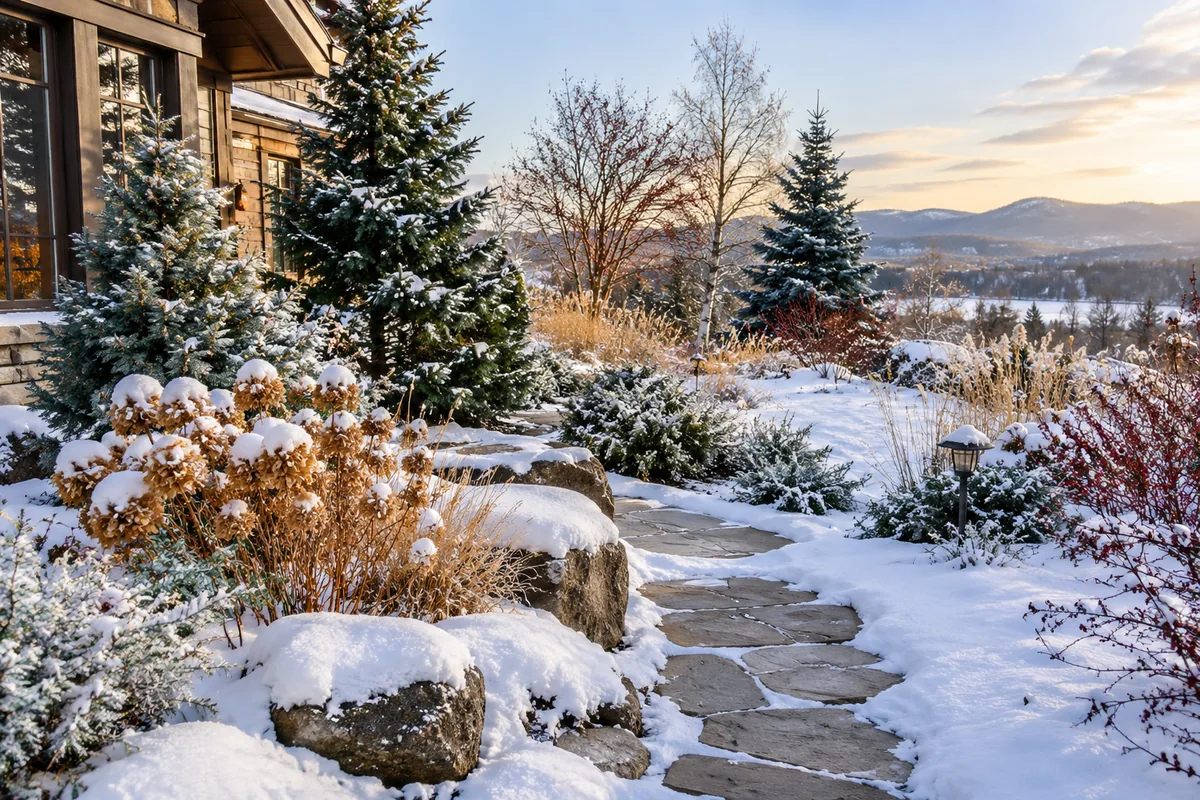
Consider the garden’s structure outside the flowering season. Locally suitable evergreen foliage may hold some outlines, while branching form, retained stems, or open views may contribute differently. These are visual roles rather than verified species recommendations. Check actual seasonal behavior and care before assuming a plant remains attractive or functional throughout the winter. Some growth may need appropriate maintenance or assessment instead of blanket retention.
Compare cottage style with farmhouse style for different relationships among simple surfaces and planting. Adapt their roles to real local candidates rather than copying species from a milder reference garden. Review ornamental grasses as one possible texture, with exact suitability and seasonal care checked separately. Do not promise that all stems remain upright or that fruit appears in every season. Plan the view from frequently used indoor positions as well as from the garden, since the relevant viewing pattern may change with the weather.
How should winter movement shape the layout?
Identify entrances, storage routes, and other places that must remain reachable during local winter conditions. The actual route, surface, levels, lighting, and maintenance need appropriate assessment. A decorative sequence of stepping objects may not be equivalent to an essential access route. Keep furniture, pots, and mature planting out of circulation instead of relying on the cleared appearance in a concept image.
Ask qualified local professionals about surface construction, drainage, and applicable accessibility needs. This guide does not prescribe deicing products, snow-management methods, or a universal winter clearance. Product effects, plants, pets, and site requirements can differ. Record where seasonal material or winter maintenance may affect planting and routes, then discuss those conditions with appropriate experts. Lighting decisions involve a licensed electrician or relevant professional rather than fixture positions derived from a glowing garden picture. The design should describe real access tasks and upkeep expectations so winter use does not depend on the garden remaining identical to its summer arrangement.
Which construction decisions require separate advice?
Structures and buried construction need local assessment of frost-related and other requirements. A USDA plant zone does not specify foundations or establish the depth relevant to a particular project. Ask the local permitting authority and qualified professionals what applies to the actual work. Do not copy footing dimensions or surface layers from a cold-looking photograph or an unrelated installation.
Drainage and ground levels also need site-specific review. Water sources, soil, safe destinations, and nearby buildings can affect proposed changes. Before excavation in the United States, contact 811 and arrange private-service locating as needed. The frost line glossary explains why plant climate information and construction requirements answer different questions. Keep structural choices separate from selecting the visual role of a pergola or paved area. A generated concept can show how such features might look, but it cannot verify foundations, winter performance, permits, or safe installation. Appropriate professional information must determine whether and how the preferred feature can be realized.
What should the final winter-focused review include?
Collect the verified site information, real plant candidates, seasonal views, access priorities, and construction questions in a concise record. Check USDA hardiness, actual light, soil, moisture, mature size, and local invasive status for the planting. Consult ASPCA toxicity resources when pets can reach it, and review child access and physical hazards independently. A cold-tolerant appearance does not establish any of those facts.
Explore winter interest ideas as a related visual discussion while retaining the actual site constraints. AI concepts may help compare branching, foliage, and surface relationships, but they cannot verify species or predict winter survival and installed performance. Mark invented features and ask local professionals to confirm horticultural, drainage, structural, and electrical decisions before purchase or work. Simplify the design where care or exposure requires it. The objective is a usable, maintainable landscape with verified regional choices, not a promise that every winter feature remains unchanged or that one climate label determines the complete project.
Frequently asked questions
Does a USDA zone guarantee winter survival?
A USDA zone supplies cold-tolerance context rather than a survival promise. Actual exposure, moisture, soil, care, and unusual conditions can affect plants. Confirm exact species and local advice before assuming that a matching nursery label establishes suitability for every bed.
Must winter interest come only from evergreens?
Evergreen foliage is one possible role, but branching forms, suitable retained growth, surfaces, and open views may also contribute. Confirm the actual plants and care locally. A winter reference image is not proof that every feature persists or performs the same way at the property.
Can plant-zone information specify a pergola footing?
Plant hardiness information and construction requirements have different purposes. Qualified local professionals and applicable building guidance must establish foundations and other structural details. A cold-zone label or generated garden image cannot provide the site information required for safe installation.
Sources
Related reading
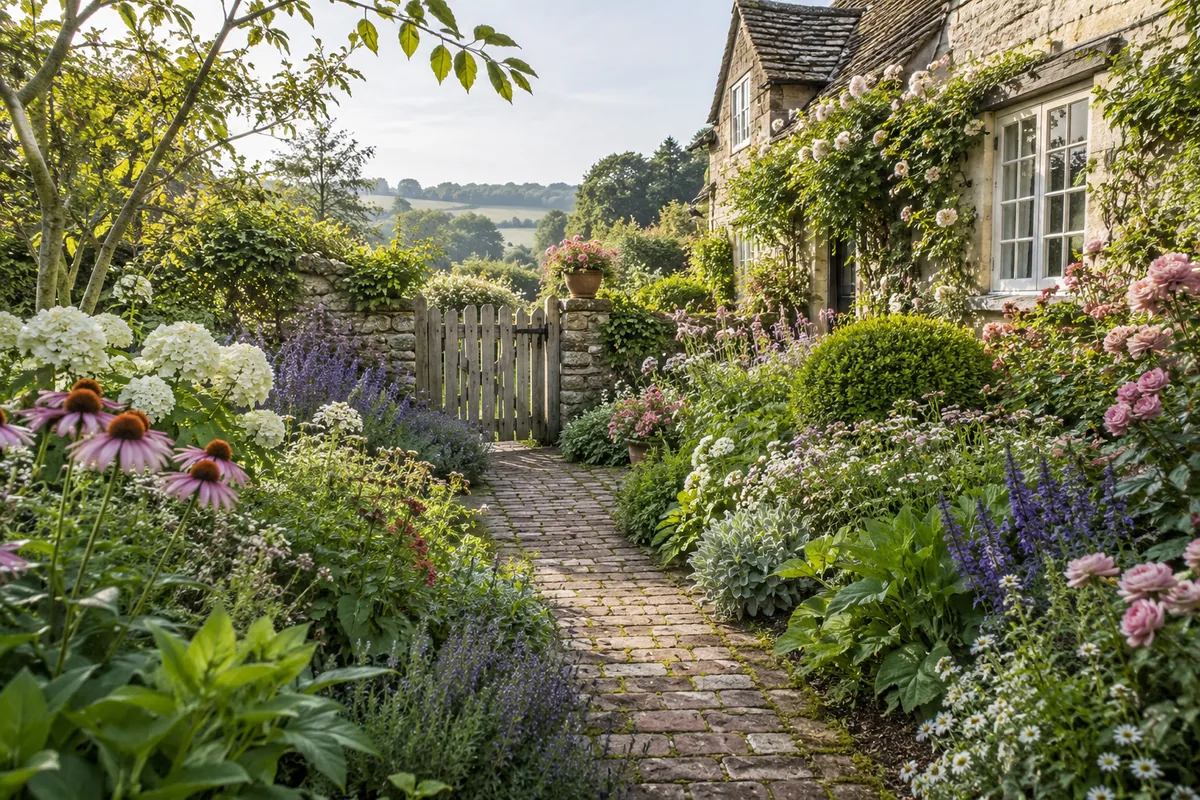
Cottage garden style: flowers with a working framework
Explore cottage garden style through layered flowers, selective self-seeding, clear paths, seasonal care, and the framework that makes informal planting usable.
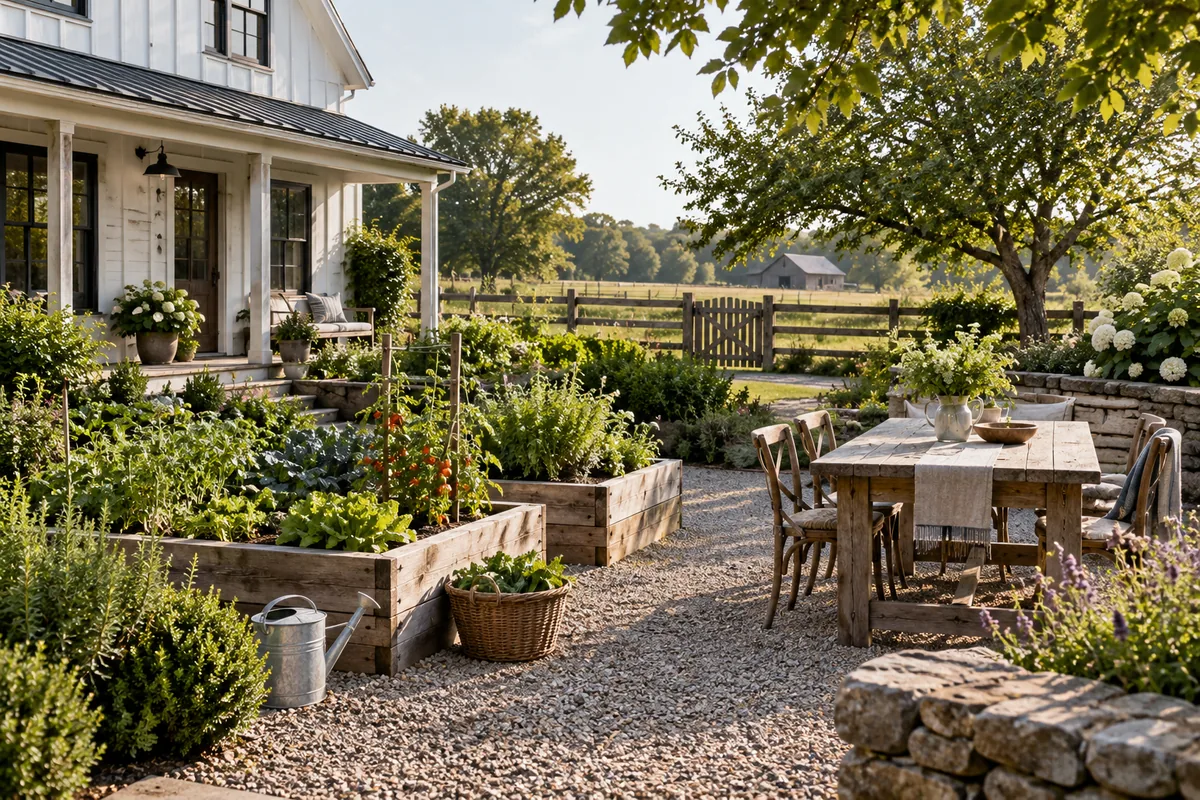
Farmhouse landscape style: useful spaces and honest materials
Discover farmhouse landscape style through practical fences, productive beds, wood and stone, and useful outdoor spaces that support everyday garden routines.
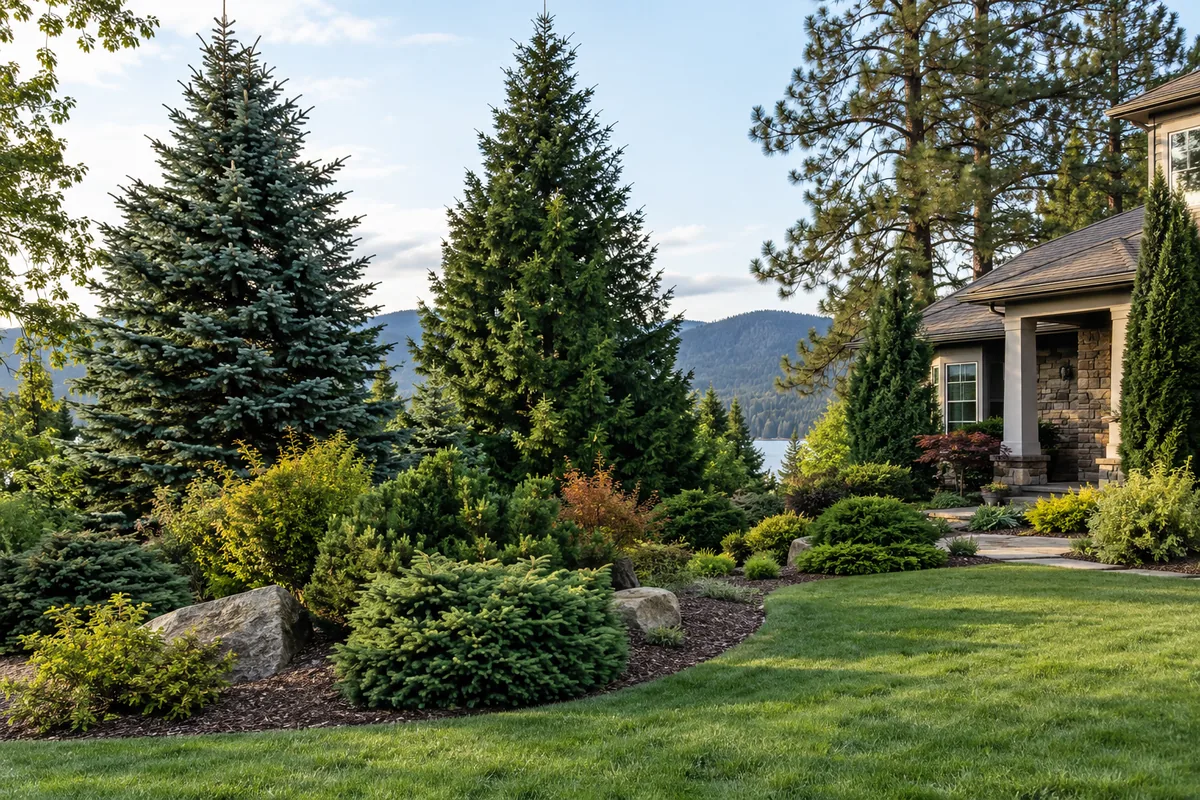
Evergreen Trees for Landscaping With Mature Space
Evergreen Trees: Screening and Local Fit: explore placement, upkeep, and local safety questions before deciding how this feature fits your yard.
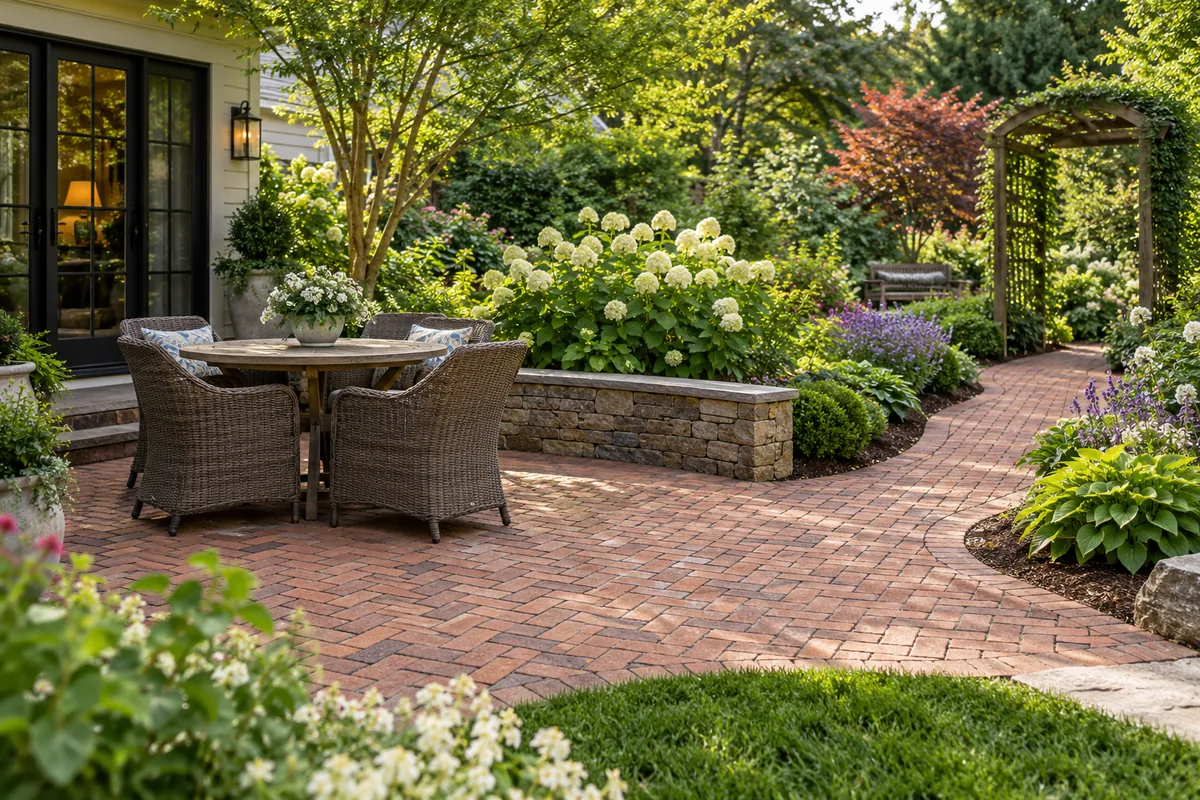
Brick Pavers for Useful Patios and Garden Paths
Brick Pavers for Patios and Paths: explore materials, placement, upkeep, and local safety questions before deciding how this feature fits your yard.
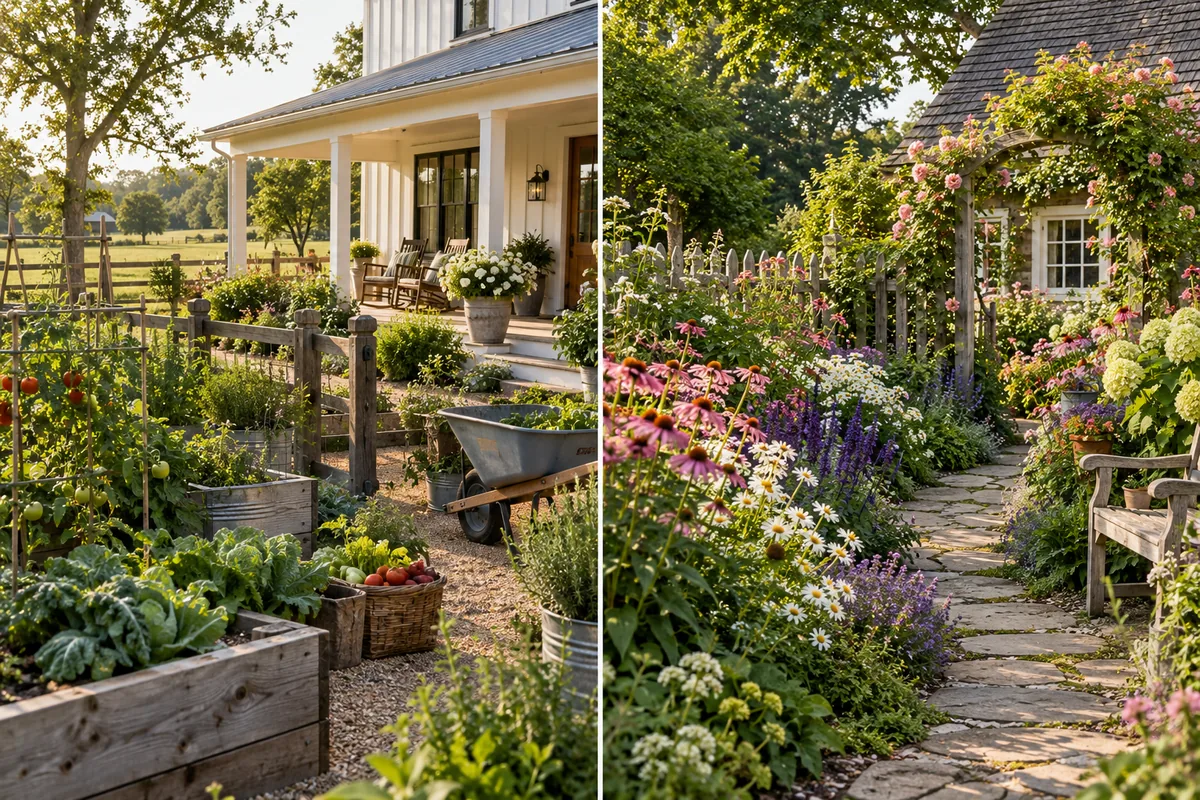
Farmhouse garden vs Cottage garden: Which Fits Your Yard?
Compare farmhouse garden and cottage garden for your yard. Review layout, materials, upkeep, and practical trade-offs before choosing a direction.
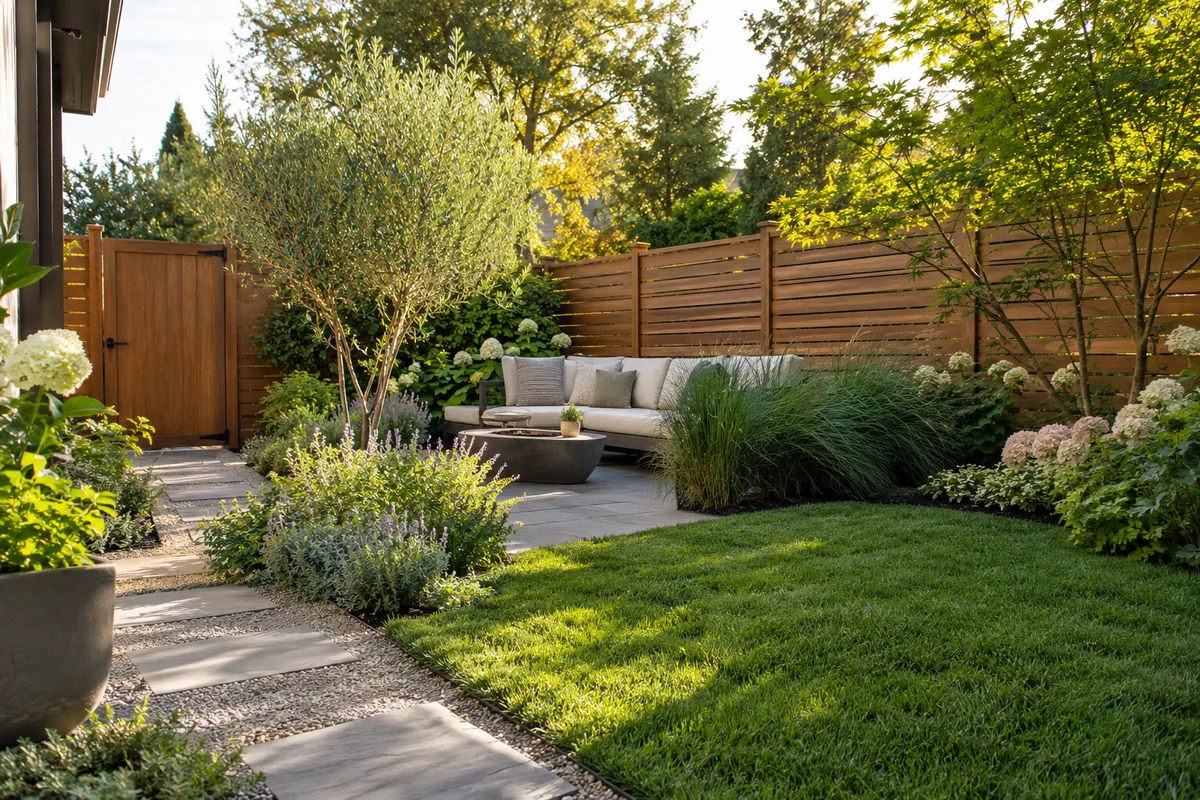
Garden Fence Ideas for Privacy and Practical Use
Learn how garden fence ideas fit your yard, with practical material, placement, upkeep, and safety questions to review before choosing a visual direction.