
By AI Landscape Design Team · Editorial policy
What Is Allée in Landscape Design?
An allée is a path or avenue lined on both sides by repeated trees or other planting, using that repetition to emphasize direction through a landscape. The arrangement creates a recognizable route and can frame its destination. Plant selection and spacing must respond to mature growth, available soil, and actual use. The formal image of a tree-lined passage should not override access or growing conditions.
Published · 2 min read
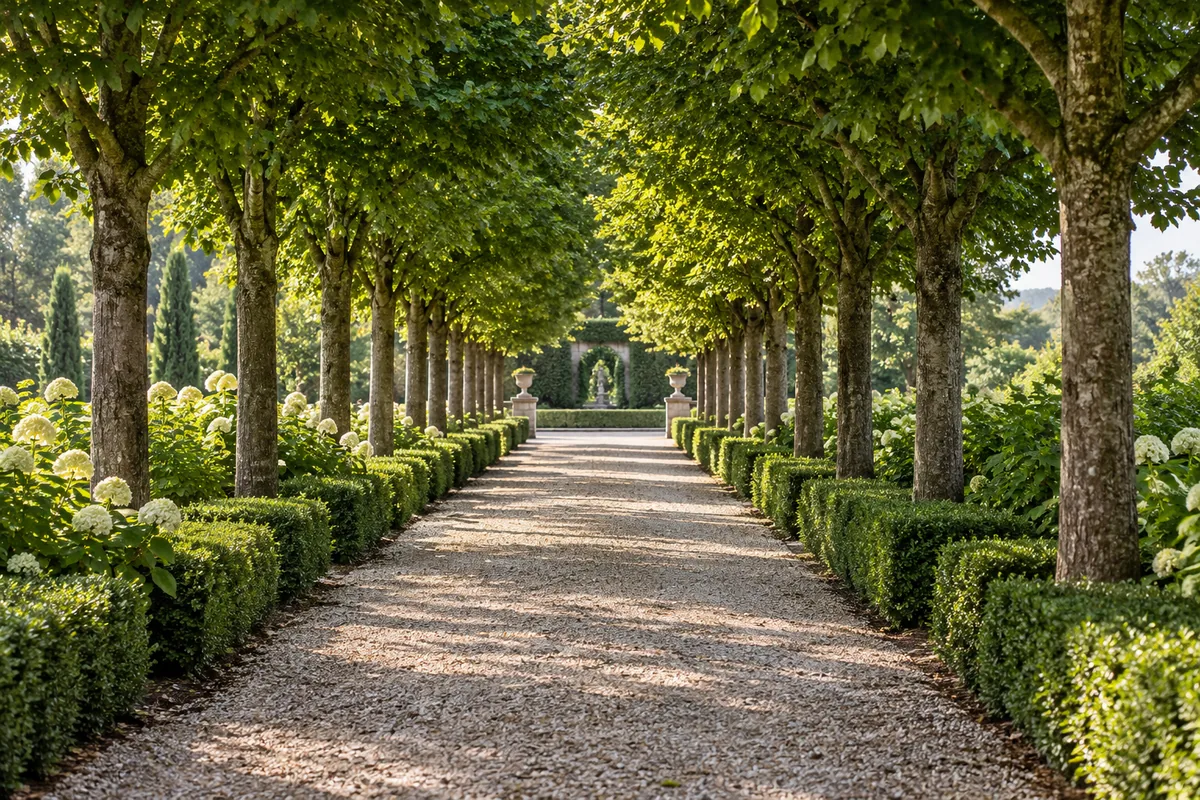
Key takeaways
- An allée uses paired repetition along a route.
- Scale the idea to mature planting needs.
- Its destination should be useful and reachable.
How is allée used in landscape design?
Begin with the route rather than the trees. Identify where it leads and whether repeated planting can fit without interfering with buildings, utilities, or circulation. The line may feel formal even when the surroundings are less regular. Verify USDA hardiness and local soil, light, and invasive status before selecting plants; matching appearances do not ensure equivalent health or growth.
What does allée look like in a yard?
In a larger backyard, paired planting along a route to a sitting area can make that destination easier to read. A compact yard may lack the space for mature trees on both sides. Smaller repeated planting might express the directional idea without imitating the scale of an avenue. Consult appropriate professionals about roots, paving, and any excavation before installing the layout.
Which terms help explain allée?
An axis explains the route’s alignment, a sightline explains the view, and mass planting explains grouped repetition. These ideas overlap without being interchangeable. Photo concepts can help explore the rhythm visually, while actual planting dimensions, utility locations, and construction details need independent confirmation at the site.
Frequently asked questions
Does an allée need large trees?
Trees are a familiar allée feature, but repeated planting can express a similar directional composition at another scale. Clarify the intended design rather than promising a full avenue in a restricted space. Mature growth and access still determine what can fit.
Is every tree-lined path an allée?
The term usually describes a deliberate repeated arrangement along both sides of a route. A path passing among irregular existing trees may have a different character. The distinction helps discuss composition rather than judging one arrangement as better.
Can an allée end at a seat?
A seat can provide a meaningful destination when it is visible and reachable along the route. Check whether people will use the area and how planting will affect the approach over time. Avoid choosing an endpoint solely to complete a formal picture.
Sources
Related reading
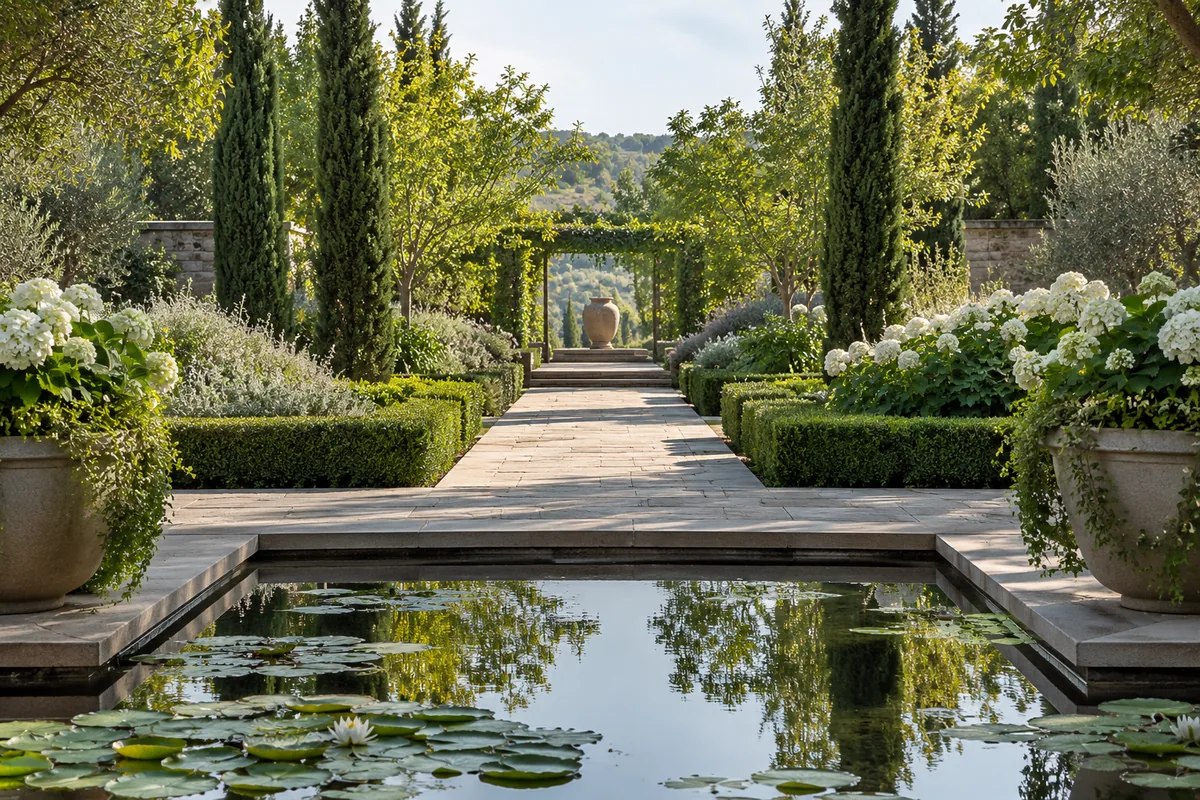
What Is Axis in Landscape Design?
Learn what axis means in landscape design, with a practical yard example, related terms, and the site decisions to check before making changes.
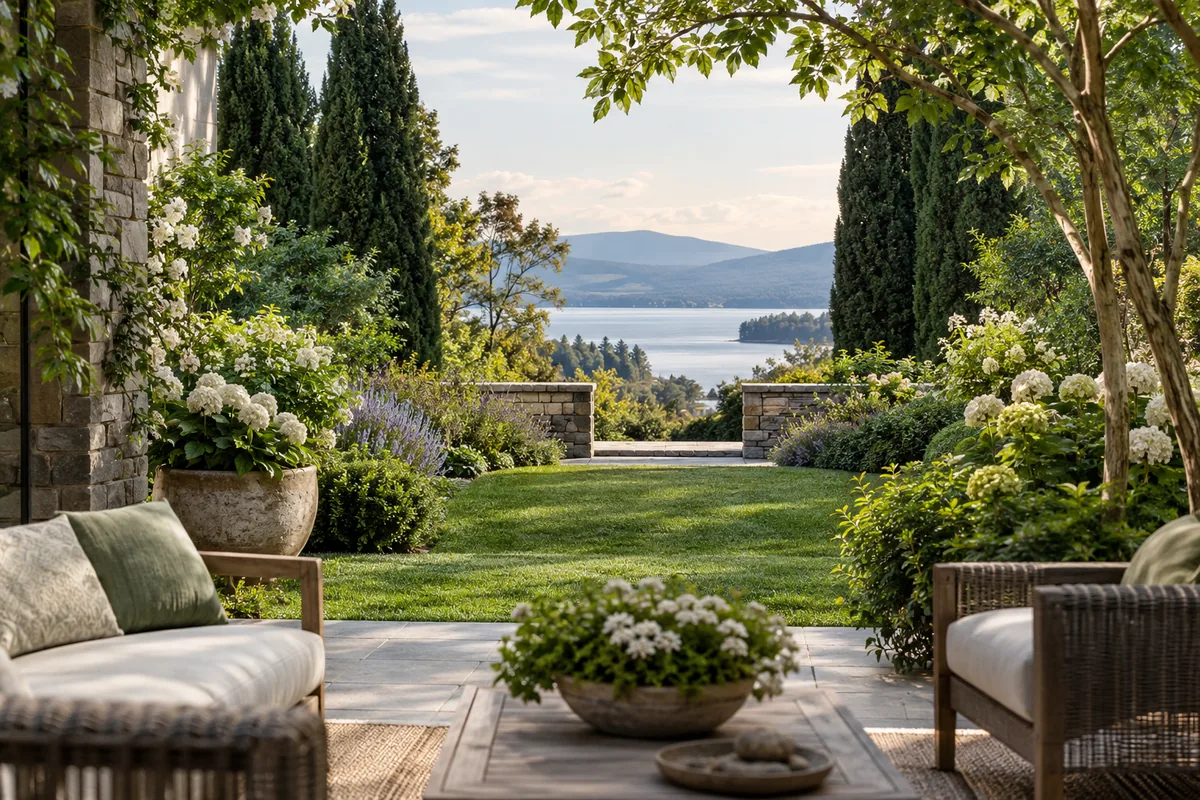
What Is Sightline in Landscape Design?
Learn what sightline means in landscape design, with a practical yard example, related terms, and the site decisions to check before making changes.
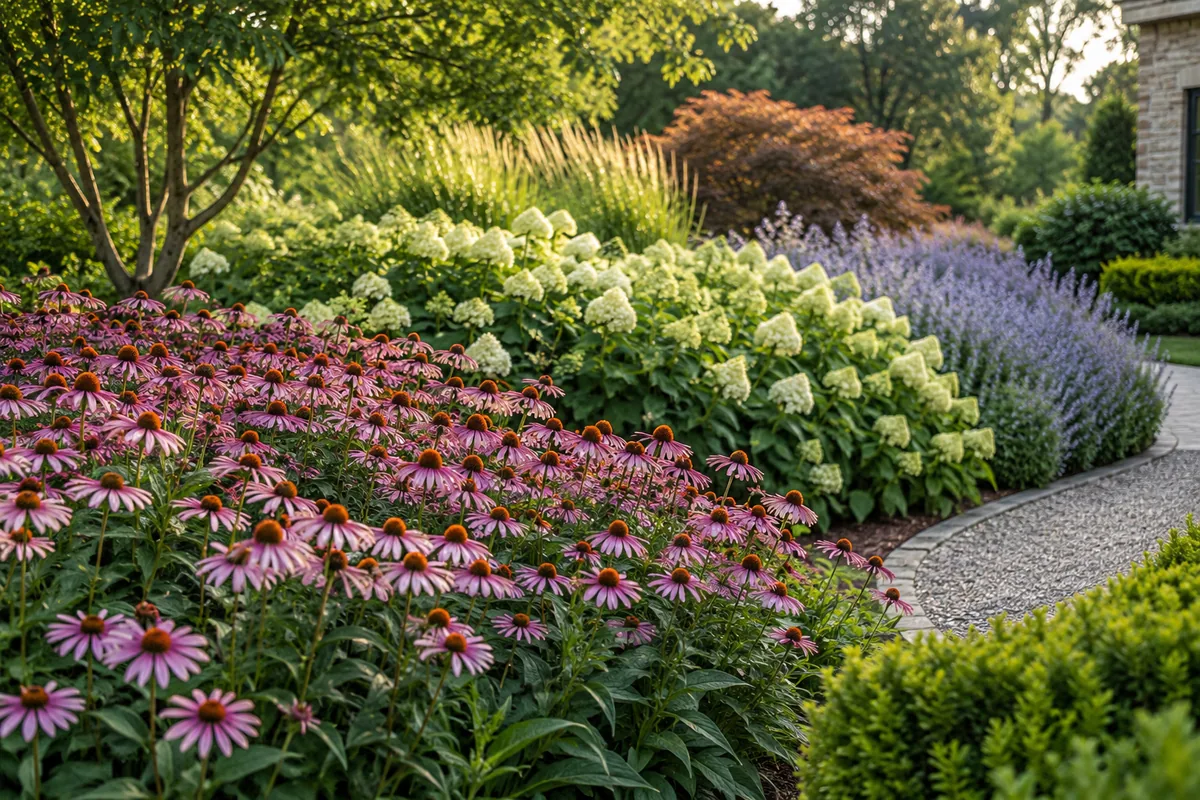
What Is Mass Planting in Landscape Design?
Learn what mass planting means in landscape design, with a practical yard example, related terms, and the site decisions to check before making changes.
Deciduous Trees for Landscaping and Seasonal Views
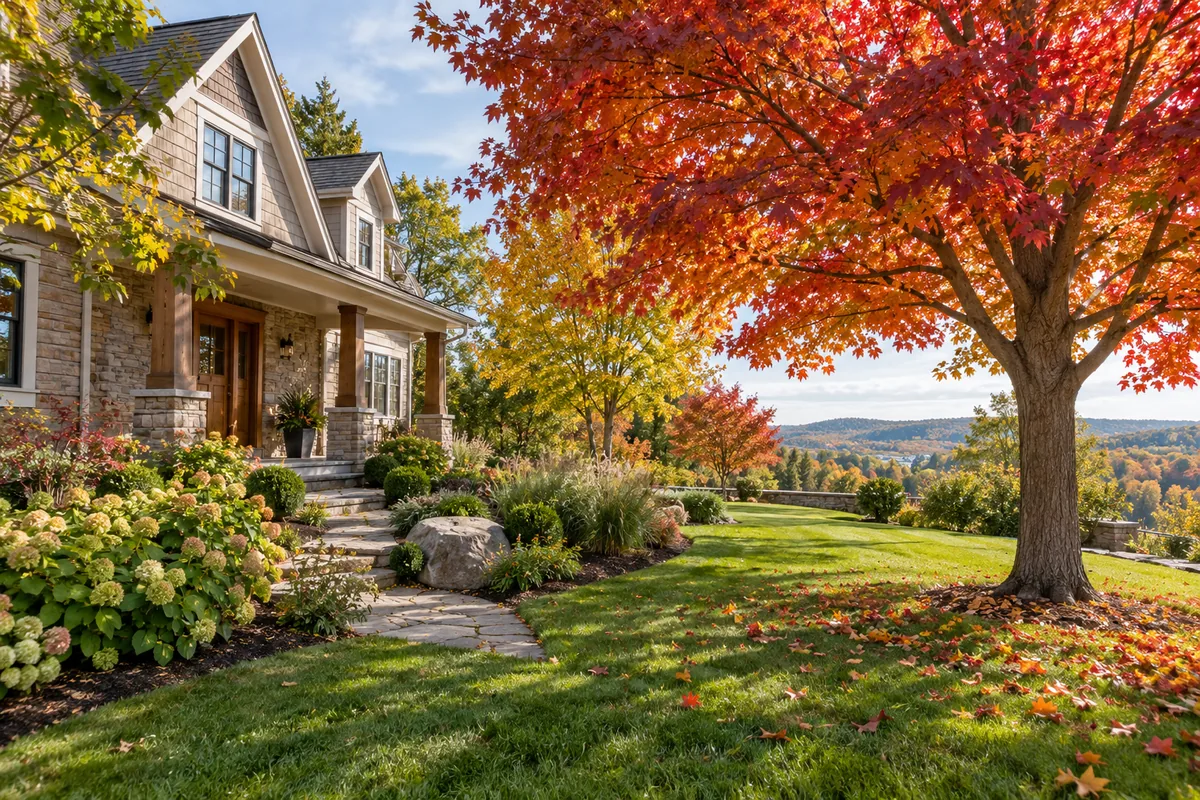
Deciduous Trees: Shade, Space, and Local Fit: explore placement, upkeep, and local safety questions before deciding how this feature fits your yard.
What Is Specimen Plant in Landscape Design?
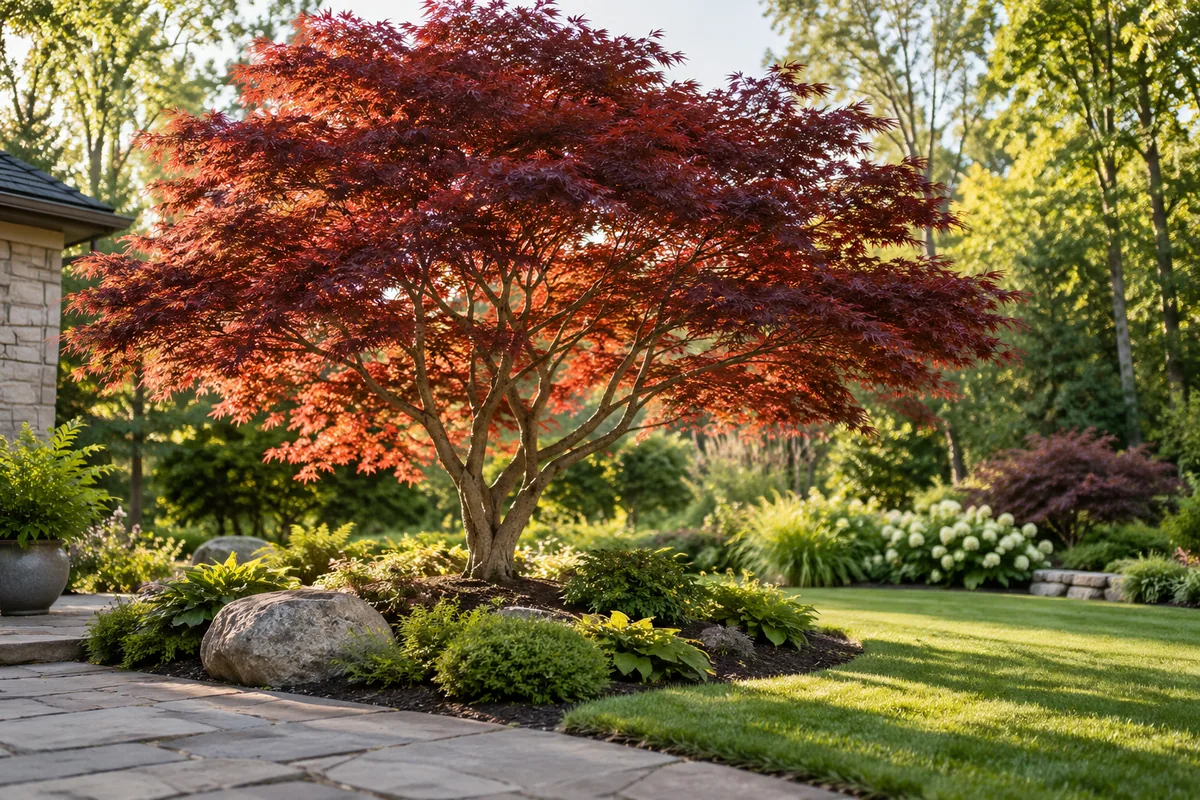
Learn what specimen plant means in landscape design, with a practical yard example, related terms, and the site decisions to check before making changes.