
By AI Landscape Design Team · Editorial policy
What Is Specimen Plant in Landscape Design?
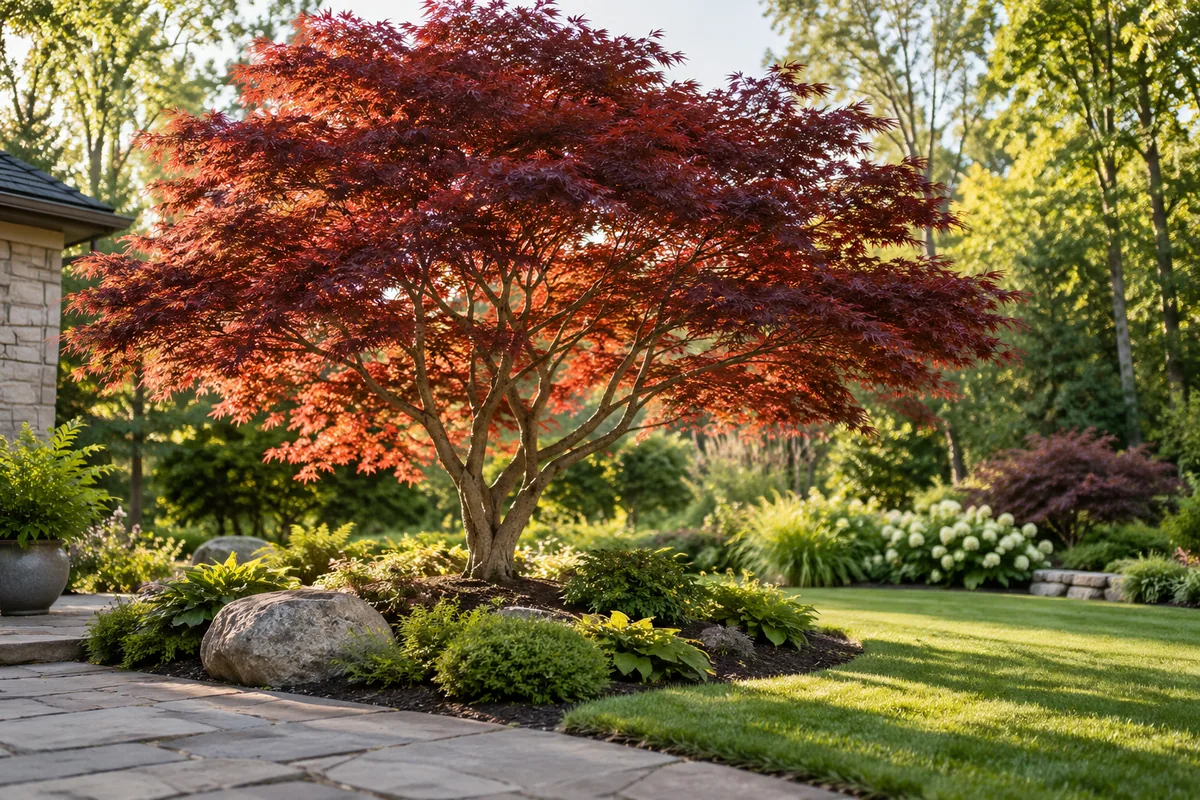
A specimen plant is an individual plant given enough visual prominence to be appreciated for its form, foliage, flowers, or other distinctive characteristics within a landscape. The role comes from placement as well as the plant itself. A familiar tree can act as a specimen when its outline is clearly visible. Its eventual size and care requirements remain more important than novelty when deciding whether it fits.
Published · 2 min read
Key takeaways
- A specimen role depends on placement and visibility.
- Common plants can have distinctive visual form.
- Assess health and mature growth before changes.
How is specimen plant used in landscape design?
Give the plant a reason to stand apart. Its shape may balance a building corner, mark a turn, or provide interest from a seat. Avoid surrounding it with equally assertive objects that compete for attention. Check mature size, local hardiness, light, soil, and invasive status before purchase. A distinctive appearance does not establish suitability or justify a difficult location.
What does specimen plant look like in a yard?
In a front yard, an existing tree with a readable branching form may already perform the specimen role. Clearing unrelated visual clutter can reveal that role without introducing another tree. Any pruning or tree-health decision needs an appropriate local arborist. Keep the entrance and utilities accessible rather than treating the specimen’s position as independent of the rest of the site.
Which terms help explain specimen plant?
A focal point describes the attention the plant receives, while mass planting emphasizes groups. Softscape includes both roles. An AI visualization can test the visual balance around a specimen, but it cannot verify identity, health, or future growth. Confirm those plant decisions in the real garden before buying or removing anything.
Frequently asked questions
Must a specimen plant be rare?
Rarity is not required. An ordinary plant can serve as a specimen when its form and placement distinguish it from the surroundings. Choose for actual site suitability and long-term care rather than novelty alone.
Can a shrub be a specimen plant?
A shrub can perform the specimen role if its mature form is visible and meaningful in the composition. Consider its appearance beyond the flowering period. Give it enough space for healthy growth and the maintenance access it will require.
Can an existing tree become a specimen?
An existing tree may already have the visual qualities needed for a specimen role. Evaluate the surrounding layout and seek arborist advice for health or pruning questions. Do not change roots or nearby grades merely to improve the appearance in a photo.
Sources
Related reading
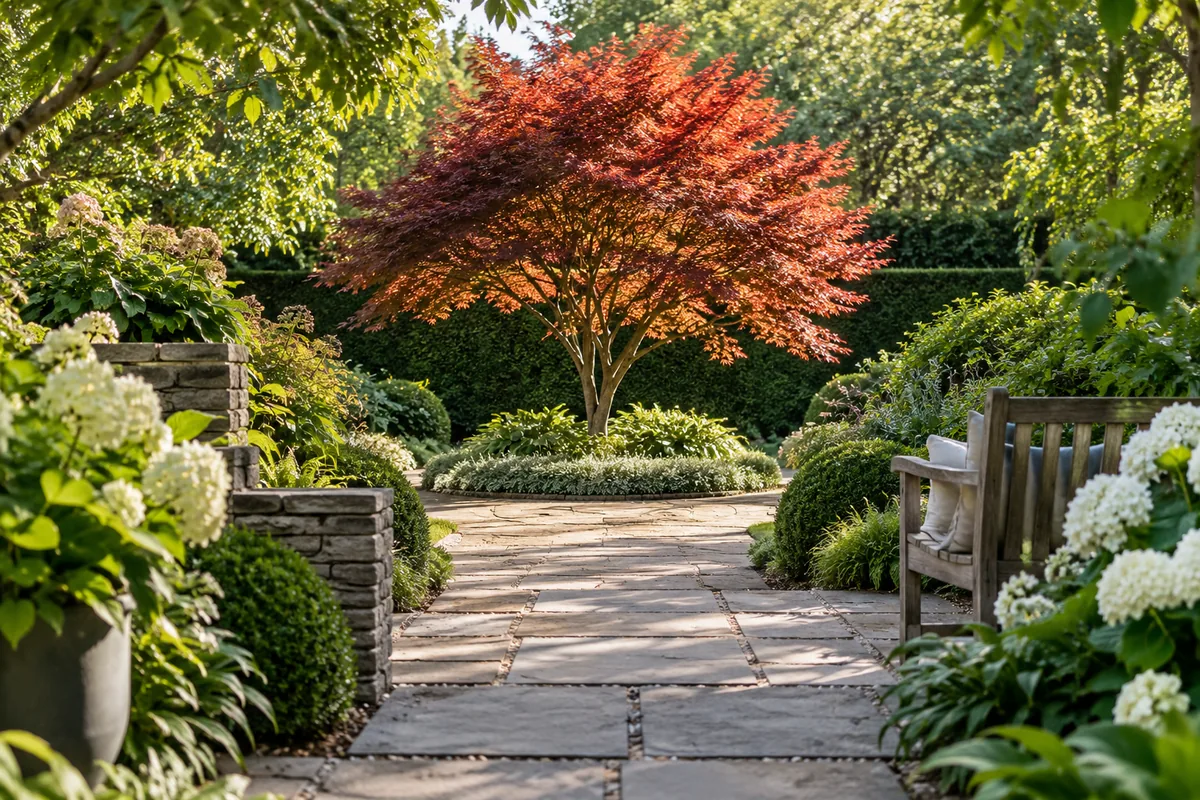
What Is Focal Point in Landscape Design?
Learn what focal point means in landscape design, with a practical yard example, related terms, and the site decisions to check before making changes.
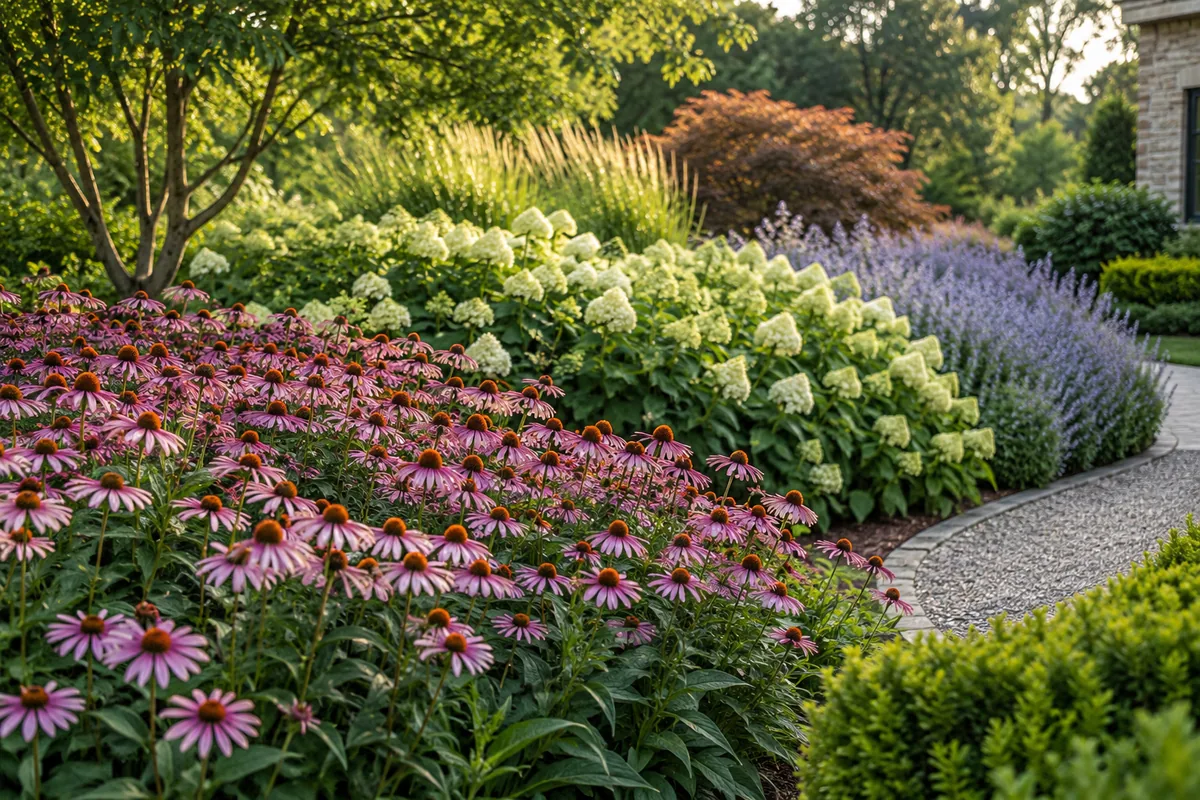
What Is Mass Planting in Landscape Design?
Learn what mass planting means in landscape design, with a practical yard example, related terms, and the site decisions to check before making changes.
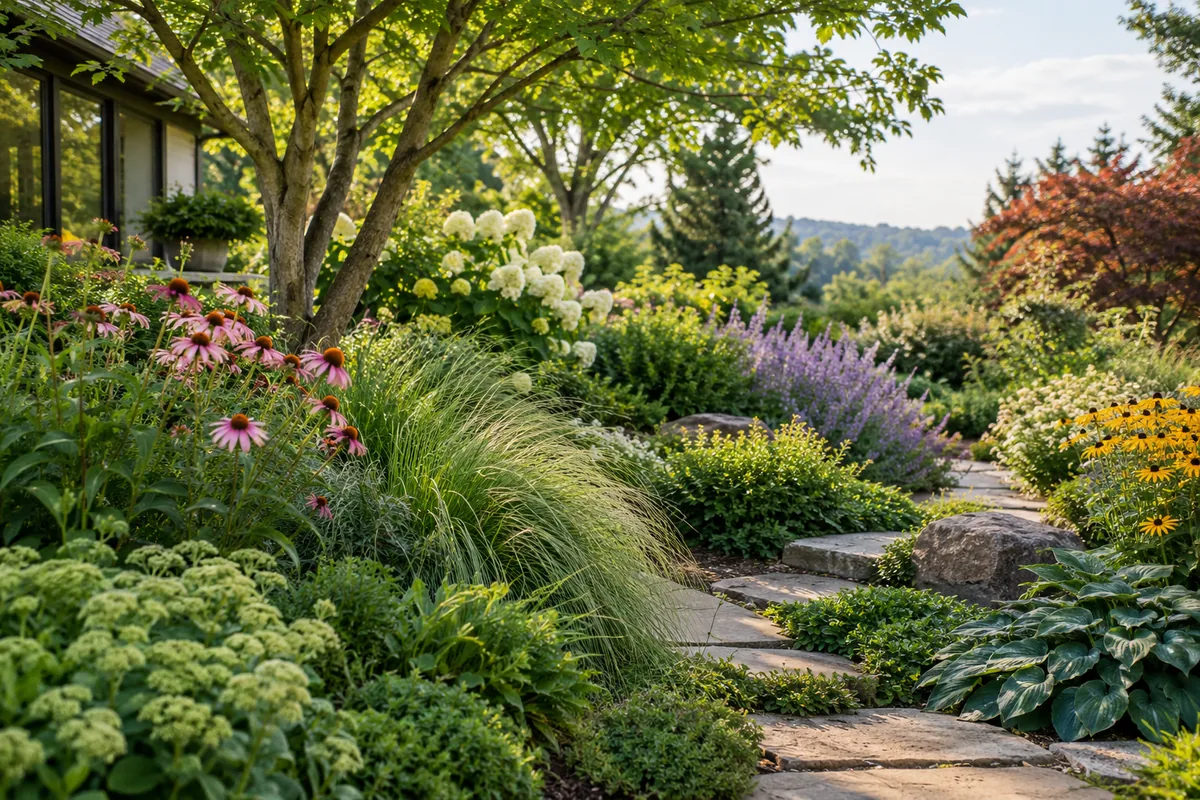
What Is Softscape in Landscape Design?
Learn what softscape means in landscape design, with a practical yard example, related terms, and the site decisions to check before making changes.

Deciduous Trees for Landscaping and Seasonal Views
Deciduous Trees: Shade, Space, and Local Fit: explore placement, upkeep, and local safety questions before deciding how this feature fits your yard.