
By AI Landscape Design Team · Editorial policy
Ornamental Grasses for Seasonal Texture and Clear Edges
Ornamental grasses provide fine texture, movement, and seasonal stems or seed heads where the actual plant suits the site. Compare cool-season and warm-season growth, clumping and spreading habits, and the adult footprint before choosing. Availability and suitability vary by region: check USDA hardiness information and local extension guidance, including invasive lists for pampas grass and particular Miscanthus selections.
Published · 6 min read
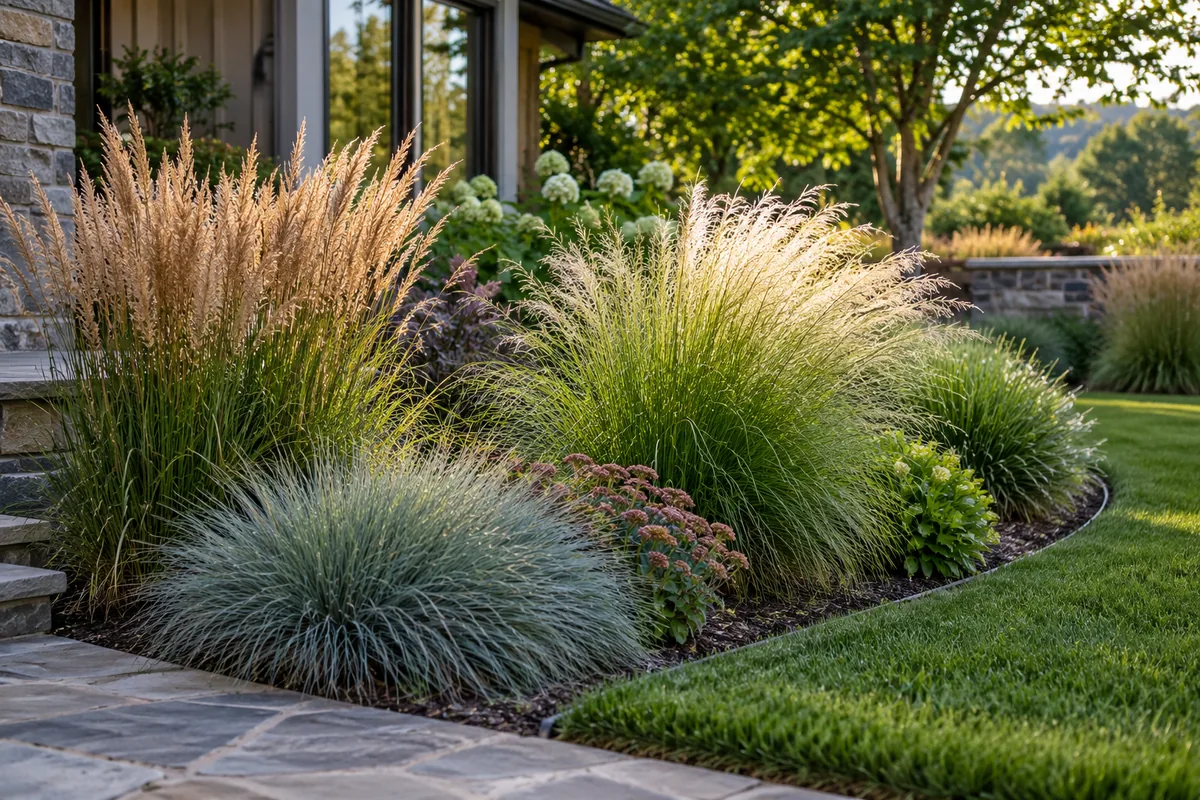
Key takeaways
- Separate growth season from the season of decorative interest.
- Verify spreading behavior before planting beside routes or borders.
- Check local invasive guidance before buying familiar ornamental grasses.
What does the grass mass contribute to the view?
Use ornamental grass for a particular visual role: a fine-textured edge, repeated upright forms, or a loose seasonal backdrop. Movement can soften a rigid composition, but a large mass can also hide a useful view or narrow a route. Judge the plant from the main sitting position and from inside the house. Individual blades may disappear into an overall silhouette at that distance. A short, restrained repeat can feel different from a broad meadow-like group. Decide which effect supports the garden before comparing plant names, and keep the space needed for mature growth and practical care visible in the layout.
Which examples introduce useful design questions?
These eight examples are prompts for local selection rather than a verified list for every climate. Ask about each actual species or cultivar, including its growth season and spreading habit.
- Little bluestem: a fine-textured seasonal mass where regionally suitable.
- Switchgrass: an upright border or meadow-like framework.
- Prairie dropseed: a distinct clump role within an appropriate palette.
- Sideoats grama: a grass texture for locally suitable native-led planting.
- Blue grama: a lower grass form to investigate for the site.
- Northern sea oats: a seed-head accent with spreading behavior assessed.
- Feather reed grass: a selected vertical rhythm with identity verified.
- Tufted hair grass: a fine-textured clump where growing requirements fit.
Common names do not settle mature size, regional suitability, or winter appearance; confirm those details before purchasing.
How do cool and warm growing seasons affect the plan?
Cool-season and warm-season categories describe growth patterns, not a universal decorative schedule or nationwide planting date. Ask local advisers when the actual selection becomes active and what the garden will look like before that growth. A warm-season mass may leave a different early-season impression from a cool-season one. Combine roles deliberately rather than expecting every clump to fill out simultaneously. University of Minnesota grass resources distinguish these categories and emphasize species-specific behavior. Keep the final timing advice local. The important design question is whether the border remains understandable through the plant's quieter stages, not whether a category label promises identical performance everywhere.
What separates a clump from a spreading planting?
Ask how the selection occupies more ground over time and whether the intended border can accommodate that habit. A clumping form and a spreading form create different care and containment questions. Do not infer behavior from a young pot or from a neat photograph immediately after planting. Leave access to observe the edge and manage growth appropriately. If neighboring beds, paving, or property boundaries cannot accept spread, select a more suitable plant rather than assuming a hidden barrier solves every issue. Species-specific local advice is more useful than treating all ornamental grasses as interchangeable low-effort accents. Record the actual identity for later management questions.
Why review pampas and Miscanthus carefully?
Some grasses sold for dramatic plumes or tall texture have invasive concerns in particular regions. Pampas grass and certain Miscanthus are reasons to consult local invasive-species lists and extension guidance, not a recommendation to buy first and ask later. Minnesota extension identifies creeping miscanthus as invasive, illustrating why exact identity matters within a genus. USDA National Invasive Species Information Center offers further context and links to regional resources. A familiar ornamental name or selected cultivar does not establish suitability or exempt it from local restrictions. Seek alternatives that perform the desired visual role without copying a problematic species into a new region.
What can autumn and winter interest realistically mean?
Standing stems and seed heads can contribute a seasonal outline, but weather, selection, and management influence how that material looks. Avoid presenting a photograph of intact winter grasses as an assured outcome. Decide whether the household values a loose seasonal silhouette or expects a consistently tidy edge. Ask local guidance about cutting back and any ecological considerations rather than prescribing one calendar date for every grass. Keep routes visible when foliage arches outward or material falls. A successful seasonal plan accommodates changing appearance and care, with neighboring forms providing continuity when the grasses are reduced or beginning new growth.
Which conditions and household issues need checking?
Your USDA zone supplies winter-temperature context; light, soil, moisture, exposure, and adult space require their own assessment. Availability also varies, so let local expertise refine the palette. Check ASPCA resources and veterinary advice where pets can chew foliage or seed heads, and inspect the chosen plant for any handling concerns. Before excavating in a US yard, arrange 811 locating and check whether private services need separate attention. Local professionals should review drainage changes, slope issues, and nearby structures. A soft-looking grass mass cannot certify those technical conditions. Pair the decorative aim with a realistic establishment and maintenance plan based on the actual site.
How should a visual concept inform selection?
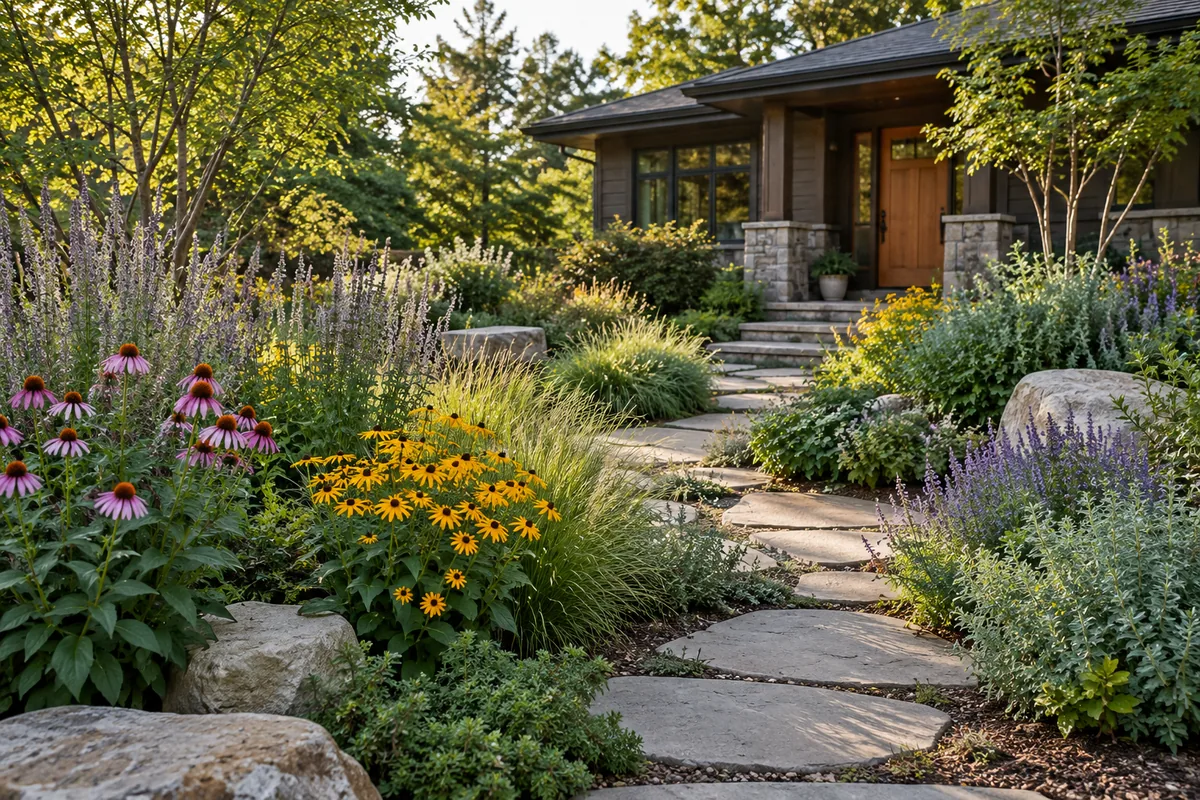
Compare an orderly repeated grass border with a looser native-led mass in a yard concept. AILandscape can help explore their texture and placement, but cannot identify every pictured grass or verify invasive status, seasonal behavior, mature spread, and growing conditions. Take the useful visual role to an extension adviser or qualified local designer, then choose actual plants. Adjust the composition if the suitable species has a different footprint. The result should be a legible adult planting with acceptable management, rather than a dense image whose grass outlines conceal botanical assumptions. Keep the chosen identities and local care advice with the planting record.
Frequently asked questions
Are all ornamental grasses warm-season plants?
No. Growth patterns differ among selections, and cool-season or warm-season categories need species-specific interpretation. Ask local extension guidance about the actual grass and its seasonal appearance rather than assuming that all decorative grasses become active at the same time.
Is a clumping grass automatically non-invasive?
Clumping describes one aspect of growth, not a complete ecological assessment. Verify the exact identity, potential seed spread, and regional invasive guidance. Local suitability cannot be established solely from the appearance of a contained nursery clump.
Should winter stems always be expected to remain upright?
Weather, plant selection, and care affect the seasonal outline. Treat standing stems as a possible design contribution rather than a fixed performance promise. Keep the surrounding garden coherent if the grass changes shape or needs appropriate management.
Sources
Related reading
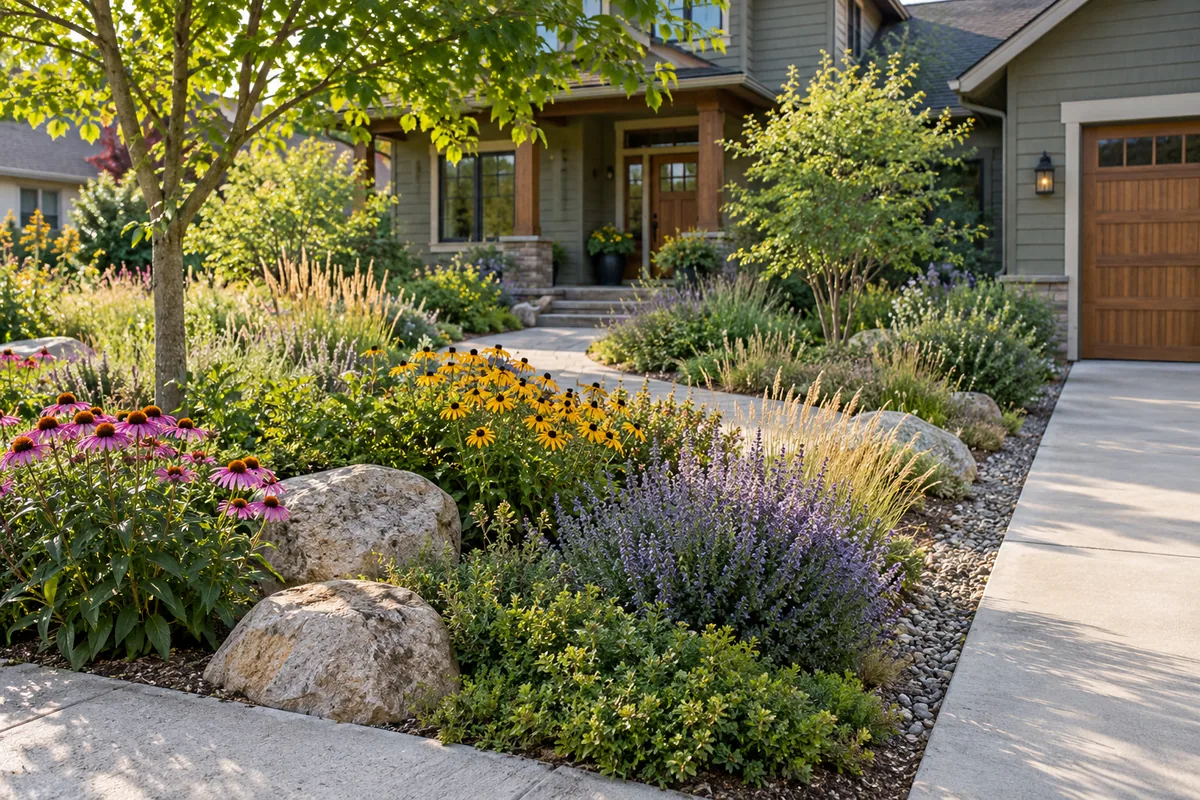
Native front yard ideas that make seasonal planting intentional
Find native front yard ideas for regional plant groups, legible borders, seasonal texture, visible entrances, and practical care in a publicly viewed garden.
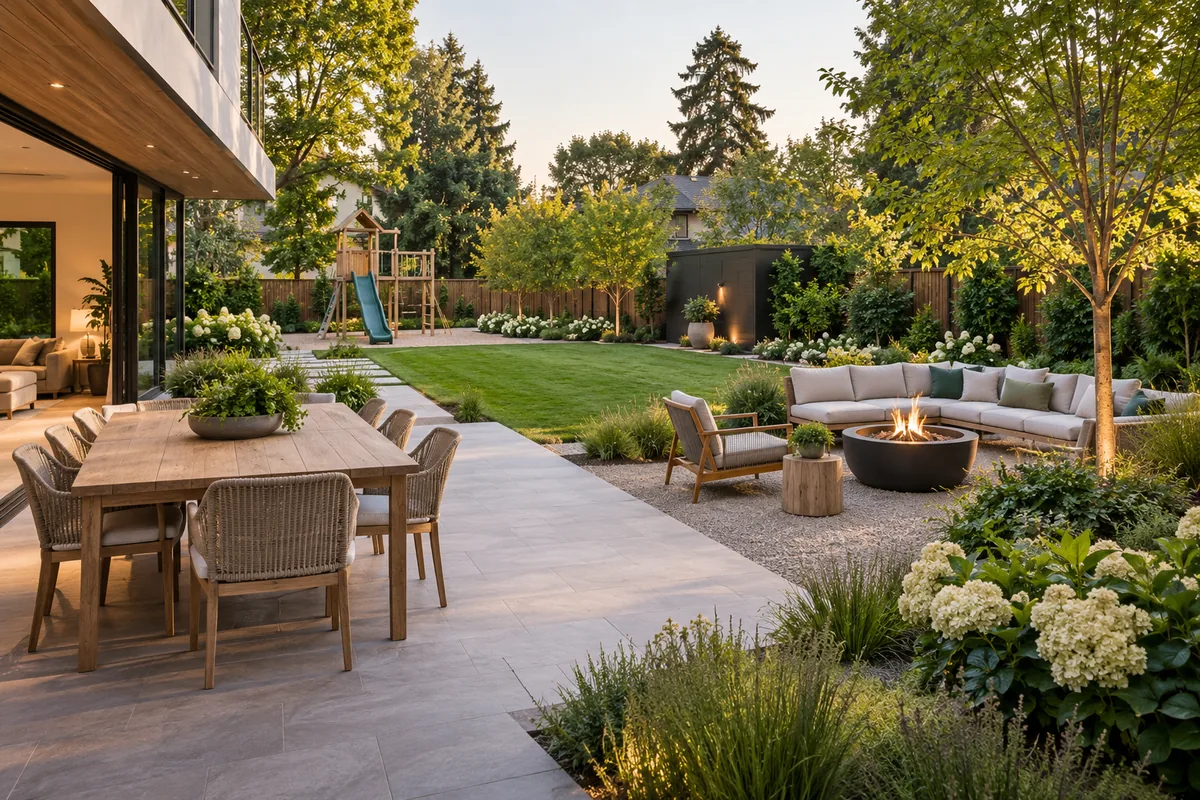
Modern backyard ideas organized around the way you live
Explore modern backyard ideas for activity zones, clean material connections, repeated planting, usable furniture layouts, and careful evening lighting.
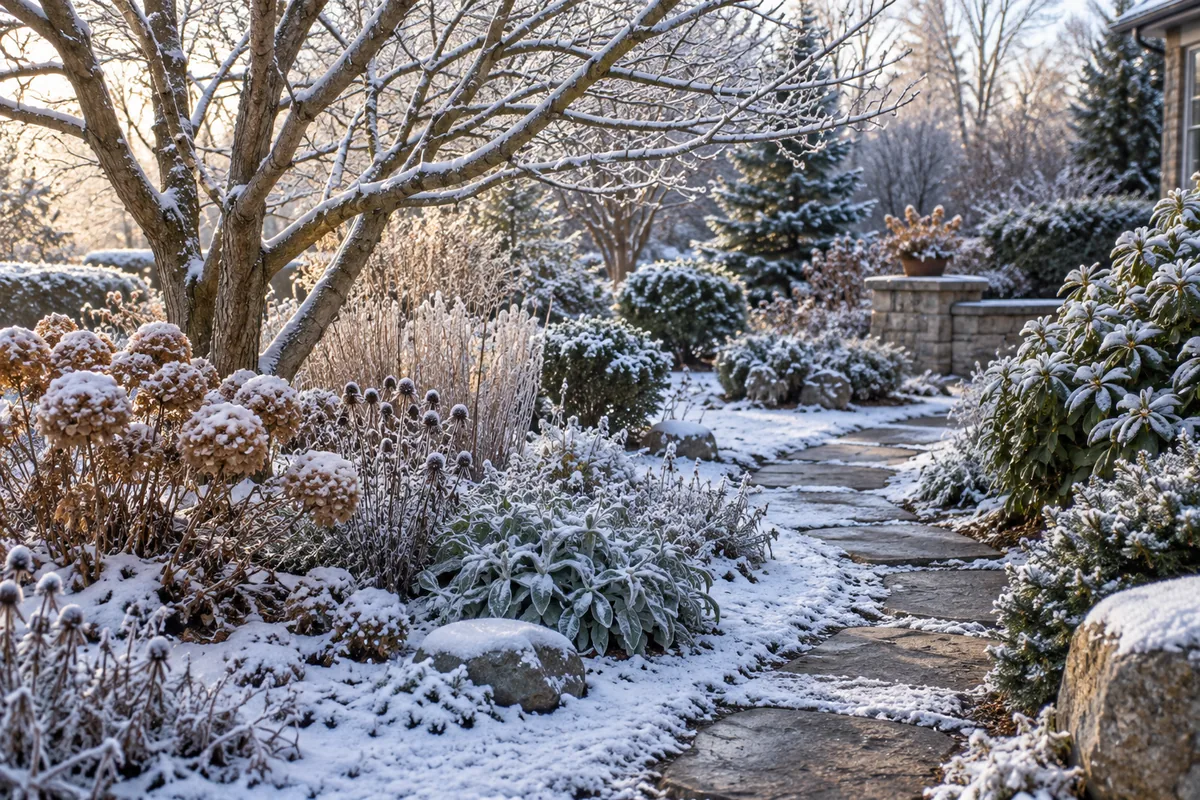
What Is Hardiness Zone in Landscape Design?
Learn what hardiness zone means in landscape design, with a practical yard example, related terms, and the site decisions to check before making changes.
Native plant landscape style: regional plants with structure
Learn how native plant landscape style combines regional plant choices, seasonal change, and clear garden structure with practical care and neighborhood views.

Coastal Landscaping Guide: Exposure and Planting
Plan coastal landscaping around actual wind and salt exposure, local growing conditions, stable outdoor use, and professional checks of structures and drainage.

Landscaping for Windy Sites: Layout and Shelter
Plan windy-site landscaping with observed exposure, useful activity areas, locally verified planting, and professionally assessed shelter structures.