
By AI Landscape Design Team · Editorial policy
Native backyard ideas for seasonal planting and daily life
Native backyard ideas should connect regionally verified planting with the household's actual sitting, dining, play, and gardening routines. Use clear boundaries and repeated groups to make seasonal growth intentional, while reserving useful open ground and maintenance access. Native status does not establish suitability, safety, or a required naturalistic appearance; those decisions need local evidence and a practical layout.
Published · 6 min read
Key takeaways
- Verify plant origin and requirements for the actual region.
- Combine habitat intentions with clear household activity areas.
- Choose seasonal care decisions by location rather than one universal rule.
How can regional planting share the backyard with daily use?
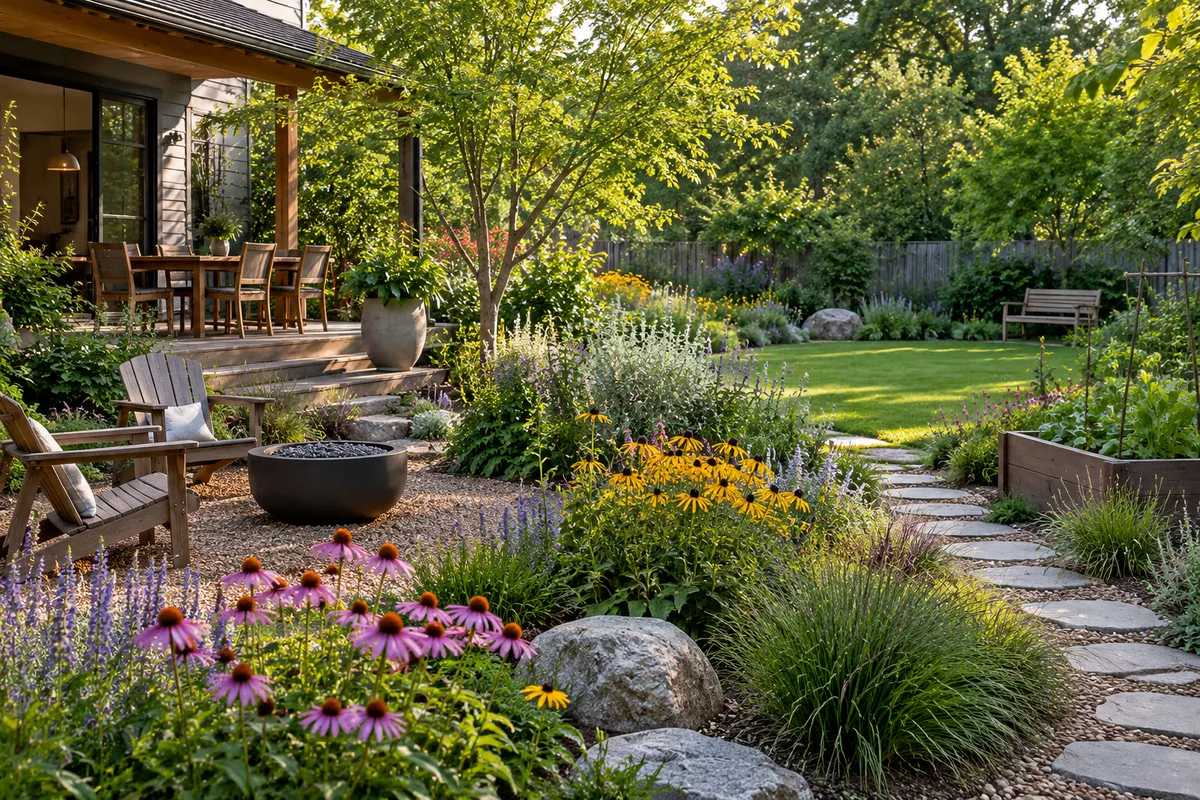
Start by identifying what the household wants to do outside and what it wants to see from indoors. A broad planted patch may suit one part of the yard, while a clear dining room and activity area remain essential elsewhere. The garden does not have to become a meadow to use native plants deliberately. Formal groups and readable edges can support the same regional emphasis.
Observe the site's light, moisture, existing vegetation, and routes to storage. Local rules and shared boundaries may affect the extent or treatment of planting. Retain plants and surfaces worth keeping when appropriate assessment supports them. Habitat-oriented language does not resolve drainage or construction questions. Establish the daily framework first, then decide how regionally verified plant roles can contribute through ordinary seasons.
Eight ideas for a regionally informed everyday garden
- Frame a real sitting place with repeated groups. Put locally suitable planting where someone can observe it from a comfortable seat. It fits a yard where seasonal interest is enjoyed regularly. Leave access around the furniture and verify mature form. An attractive habitat patch loses household value if the seat becomes unreachable or buried in growth.
- Reserve a dependable route through the planting. Connect house, storage, and outdoor rooms with an appropriate surface. This works where naturalistic groups would otherwise encourage informal shortcuts. Keep the route readable as plants mature. Surface choice and grades need site review; a locally native plant bed does not make loose or uneven access suitable for every user.
- Choose an orderly edge near frequent activity. Define the planting beside the terrace or play area so seasonal stems have a recognizable place. It suits a household that wants natural variation without visual confusion. The edge should support care and access rather than function as an ornament alone. Check trip risks and actual water behavior before selecting a raised detail.
- Allow a larger seasonal patch farther from the door. Where site conditions and rules permit, a more relaxed group can occupy ground outside essential daily routes. This fits a yard with enough separation between active and viewed areas. Verify actual species and maintenance needs. Do not use distance as a reason to stop identifying weeds or monitoring vigorous spread.
- Plan flowering and foliage roles together. Repeat locally appropriate forms that contribute outside the most colorful period. It suits an indoor view that should remain understandable through the year. Record actual flowering and growth rather than promising continuous bloom or a specific wildlife outcome. Plant origins alone do not determine which combinations will establish in the same bed.
- Keep play and pets inside the review. Reserve appropriate clear ground and evaluate planting at its mature size near activity. This works where the backyard serves several generations or animals. Consult ASPCA toxicity information for pets, and assess thorns, rigid leaves, loose objects, and unstable containers separately. Regional native status is not a certification that all household contact is safe.
- Retain a useful existing canopy where feasible. A sound tree can anchor the planted composition and provide a valued view or shelter. It fits a site with established vegetation worth preserving. Have significant root disturbance or construction near it assessed by qualified professionals. New planting beneath it needs actual shade and moisture review, not an assumption that any native candidate belongs there.
- Place tools where seasonal care can happen. Make hoses, access gaps, and green-waste handling practical before enlarging the border. This suits an owner who wants to manage diverse growth over time. Reachability is more useful than screening every working object from sight. A garden that looks natural may still need deliberate watering, weed identification, and selective editing during establishment.
Which evidence should guide the actual planting list?
Use regional resources and location-based tools such as the National Wildlife Federation Native Plant Finder to form a shortlist. The Lady Bird Johnson Wildflower Center can also support native-plant research. Check the exact regional status and then consult local horticultural advice on USDA hardiness zone, soil, light, moisture, mature growth, and current invasive information. Confirm the species or cultivar actually being sold rather than relying on a broad nursery label.
The native style guide explains how regional origin relates to garden form, while wildflower considerations frame seasonal questions. Have licensed local professionals assess rain-garden proposals, grading, retaining work, structures, and electricity. Contact 811 before digging in the United States and identify private utilities through the appropriate service. A habitat intention or natural-looking depression cannot establish drainage performance, construction safety, or site suitability from appearance alone.
How should seasonal maintenance respond to the backyard's rooms?
The bed beside a table may need a different cleanup standard from a distant planted patch. Decide what can remain according to access, plant health, local guidance, and habitat intentions. Keep practical routes open and track which species dominate before making additions. Establishment work and regional plant knowledge should be part of the routine rather than promises that native planting will need no attention.
AILandscape's backyard tool can compare native-style visual arrangements on your property photo. Use it to discuss room boundaries and planting density, then verify plant identities, regional origin, measurements, water movement, and construction locally. The concept does not establish an ecological outcome or a validated plant list. A version that blocks equipment or removes useful activity space needs revision. The useful garden makes informed regional planting part of everyday life without abandoning its household functions.
Frequently asked questions
Does a native backyard have to replace every open activity area?
Keep open space where the household genuinely uses it. Native planting can frame sitting, dining, or play while other surfaces remain functional. Choose the extent of planting from site conditions, care capacity, and use rather than a belief that one garden form is required.
Can native plants be arranged in formal groups?
Repeated groups and clear outlines are compatible with regionally native plants. Origin describes the plant relationship to place, not the required layout. Verify actual species and care needs, then choose an arrangement that communicates intention and preserves useful garden access.
Should all stems and leaves remain through winter?
Seasonal decisions should consider plant health, habitat intentions, local guidance, and household access. Material may remain in one patch while routes beside dining or play need editing. Avoid a universal rule and review the actual winter view and maintenance needs of each area.
Sources
Related reading
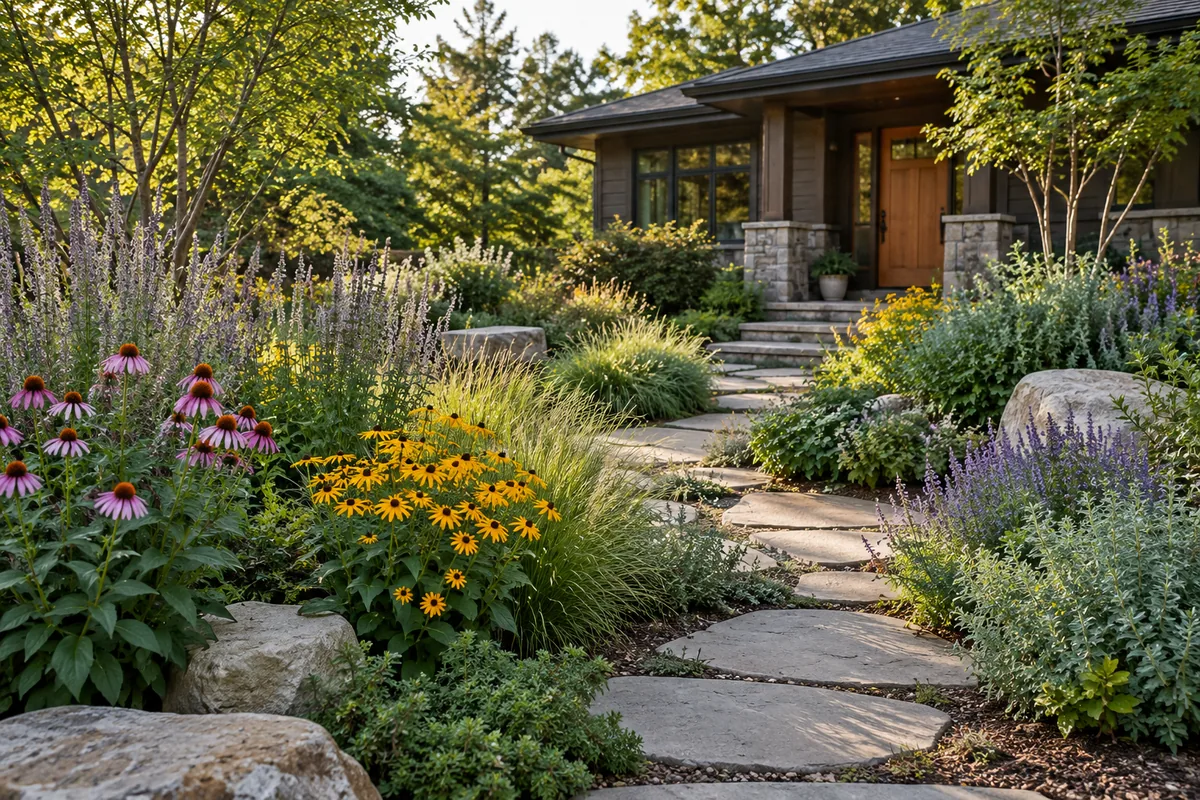
Native plant landscape style: regional plants with structure
Learn how native plant landscape style combines regional plant choices, seasonal change, and clear garden structure with practical care and neighborhood views.
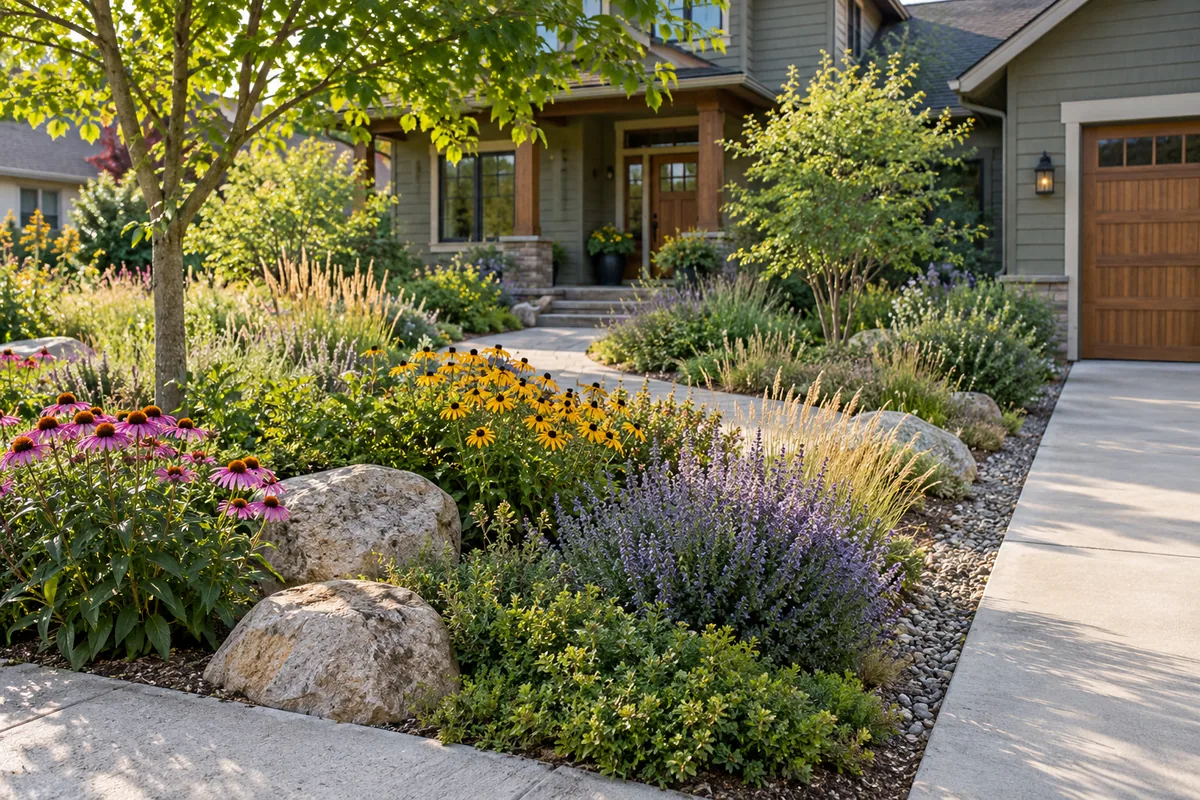
Native front yard ideas that make seasonal planting intentional
Find native front yard ideas for regional plant groups, legible borders, seasonal texture, visible entrances, and practical care in a publicly viewed garden.
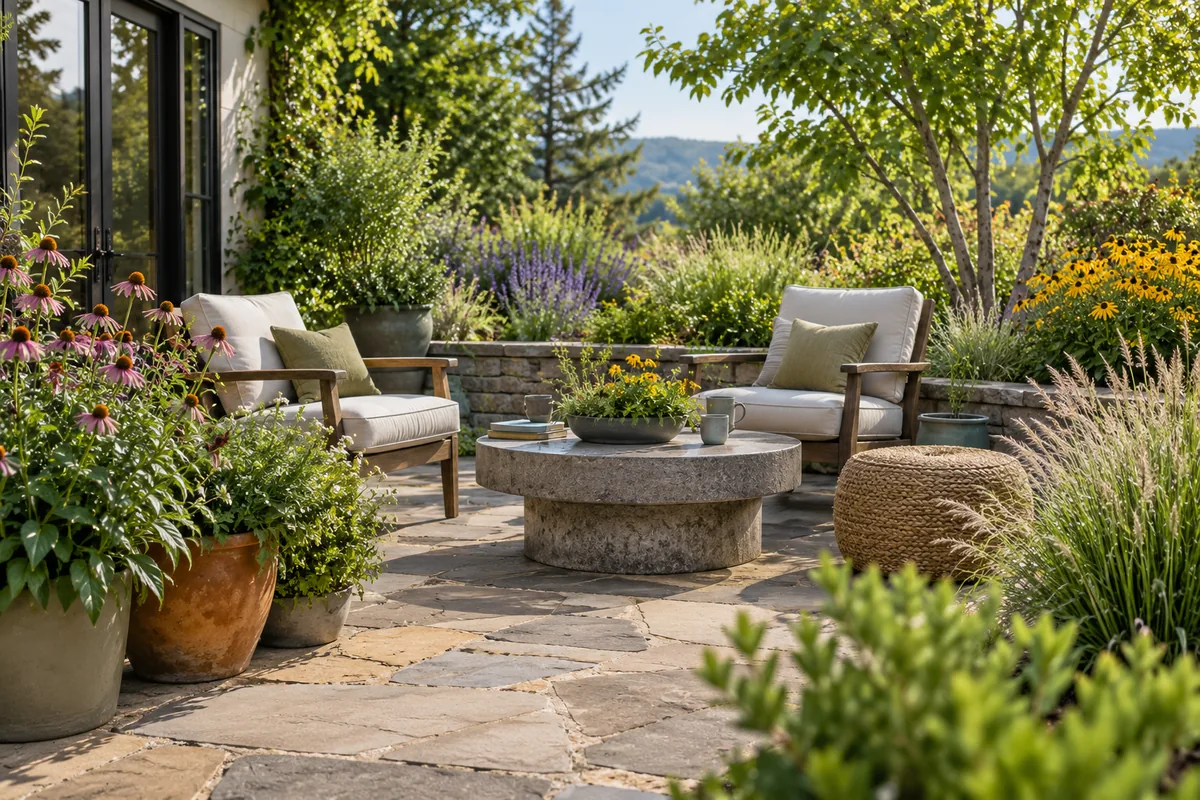
Native patio ideas for regional planting around everyday seats
Find native patio ideas for locally verified containers, seasonal foliage, readable edges, useful furniture, and practical care around the outdoor room.
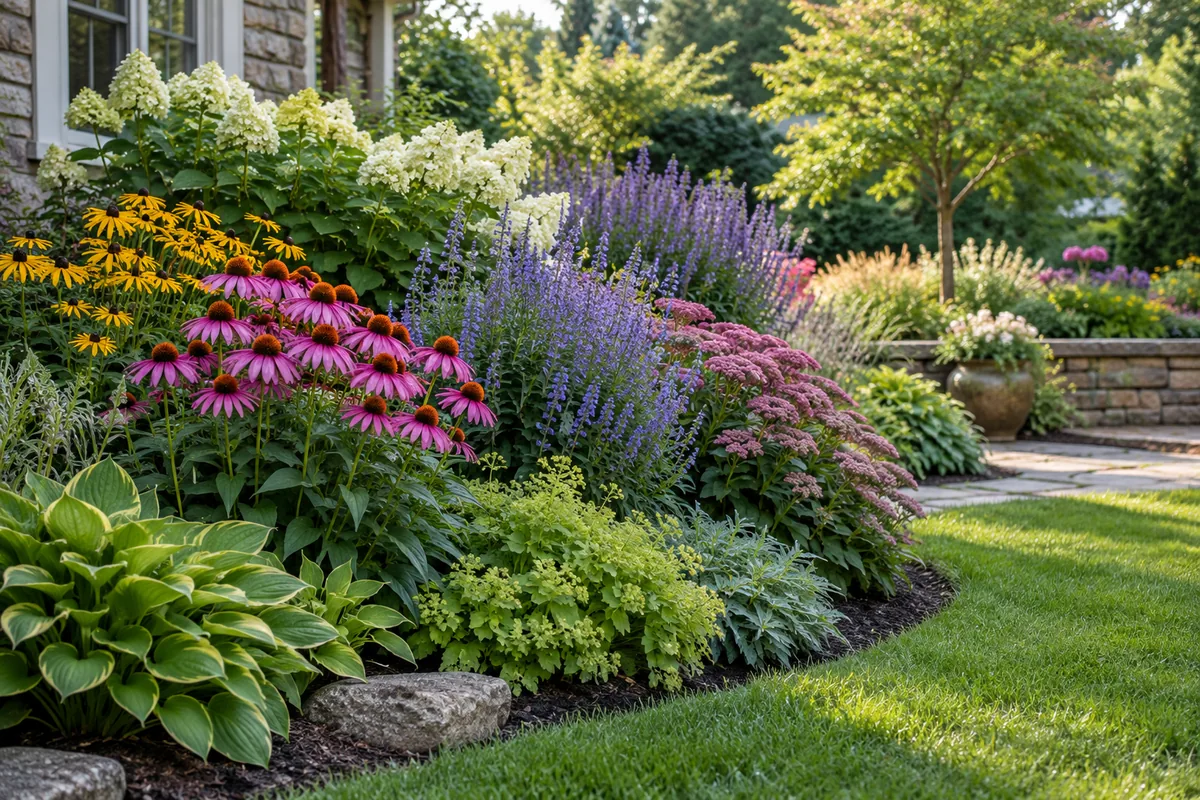
Perennial Flowers for Seasonal Roles and a Readable Border
Learn how perennial flowers fit your yard, with practical material, placement, upkeep, and safety questions to review before choosing a visual direction.
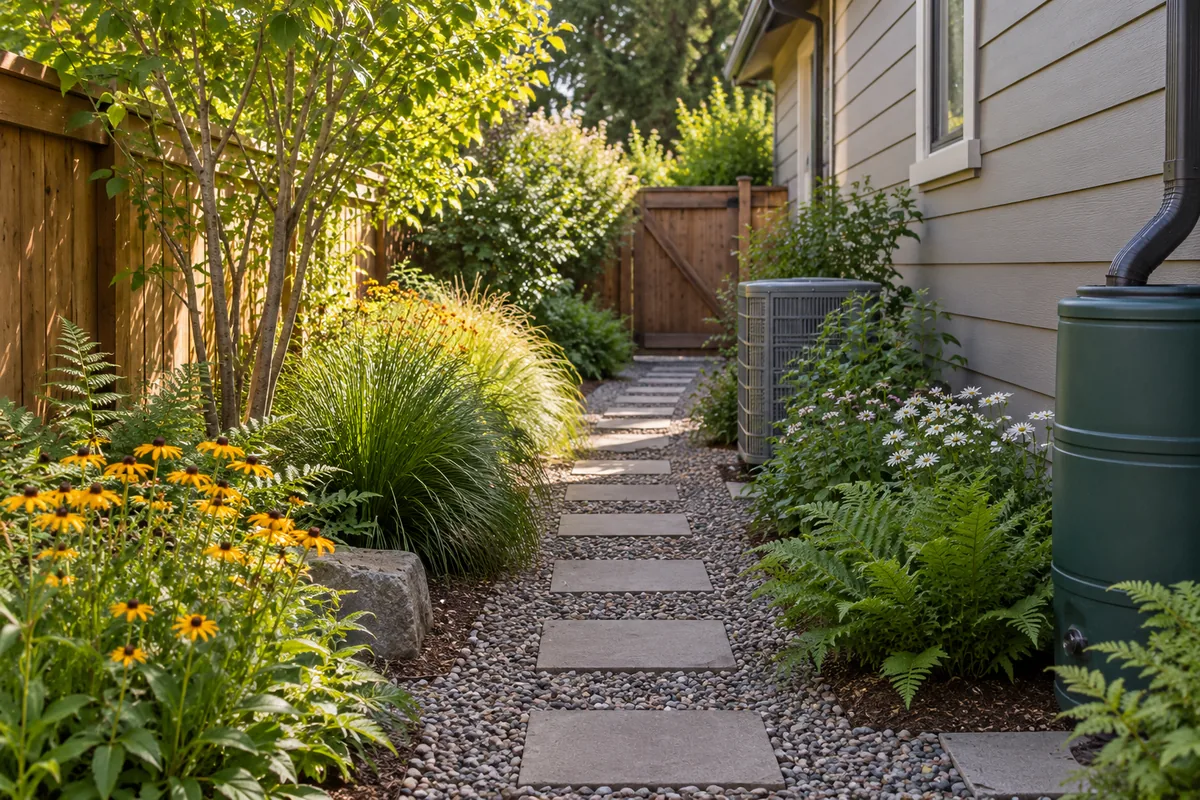
Native side yard ideas for regional planting beside access
Find native side yard ideas for regional plant groups, readable boundaries, seasonal texture, reachable equipment, and a practical connection around the house.
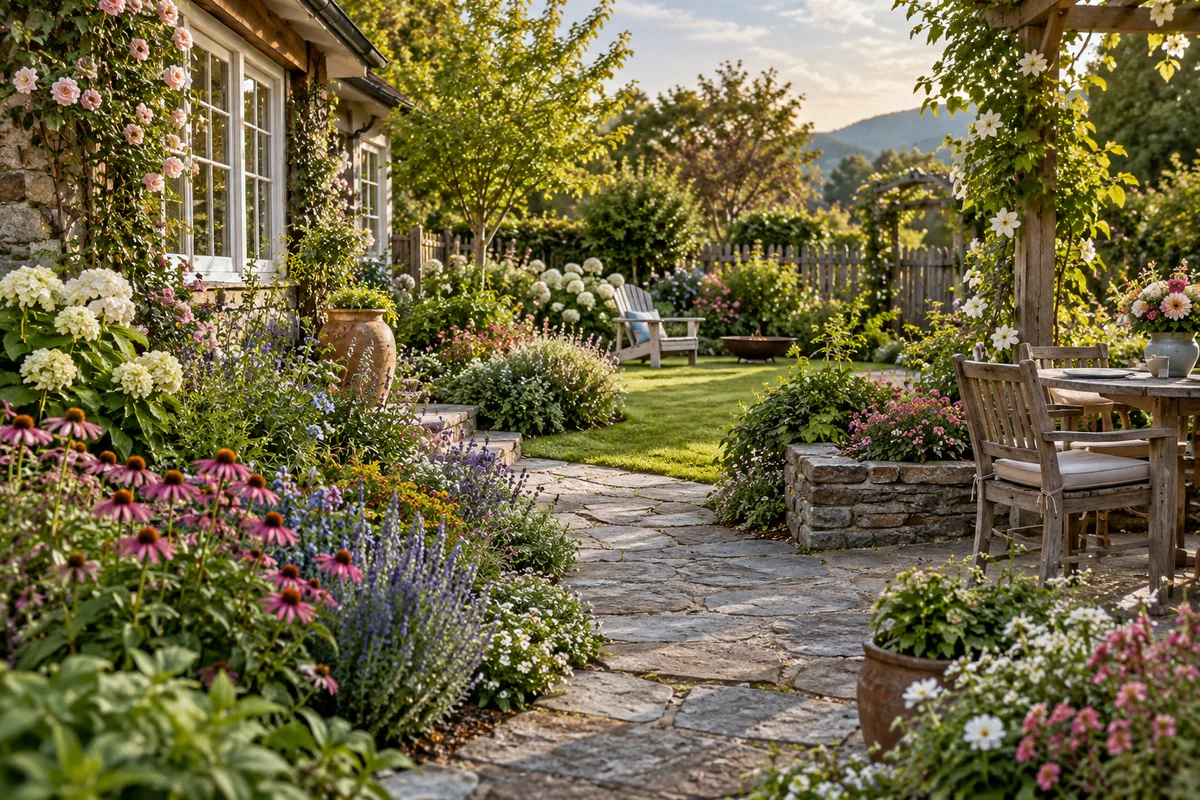
Cottage backyard ideas for flowers, seats, and seasonal life
Explore cottage backyard ideas for layered flowers, comfortable seats, connected borders, productive corners, and practical access through seasonal planting.