
By AI Landscape Design Team · Editorial policy
Drought tolerant front yard ideas organized around real water needs
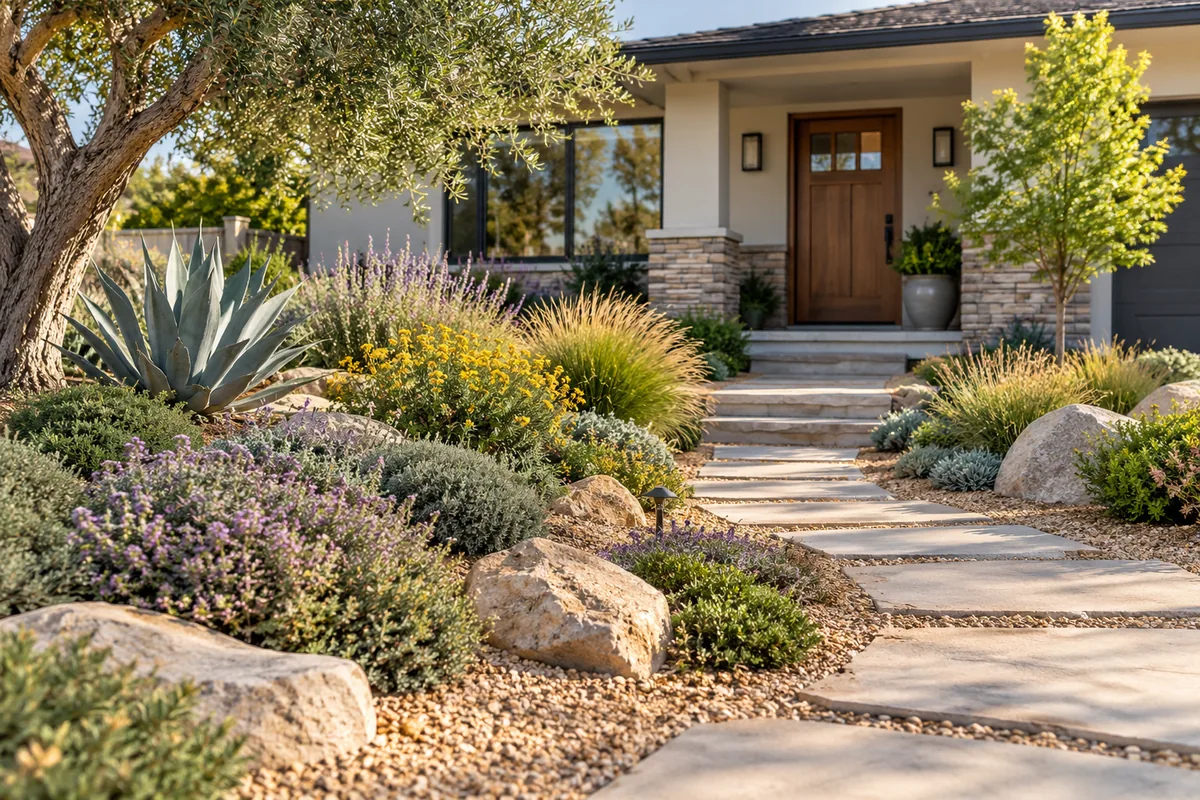
Drought tolerant front yard ideas begin by matching plants to local conditions and grouping them by verified watering needs. Keep lawn only where it serves a purpose, use suitable ground coverage, and plan establishment care rather than assuming new plants need no water. A clear entrance and readable planted groups can make the water-conscious arrangement intentional from the street.
Published · 5 min read
Key takeaways
- Group plants by actual watering needs rather than visual similarity.
- Keep establishment care separate from long-term expectations.
- Choose surface and lawn changes according to use and site conditions.
Why is a frontage more complex than a low-water plant list?
The same front yard can have reflected heat beside the drive, shade under a tree, and a more protected border near the door. Those positions may need different plant roles and care. Record the local soil, exposure, existing irrigation, and actual household use before removing lawn or buying plants. Preserve driveway views, address visibility, and a dependable entrance.
According to EPA WaterSense, grouping plants with similar watering needs into hydrozones helps watering respond to each group's requirements. Use that principle as a planning question, not a promise of a particular saving. A plant's drought-tolerant label does not identify its establishment needs or suitability on the actual site. Local rules may also affect frontage changes, so review restrictions before major conversion.
Eight ideas that connect watering decisions to the layout
- Map different growing conditions first. Separate observed sun, shade, soil, and exposure areas on a rough sketch. It suits a frontage where one irrigation routine currently serves unlike positions. Get regional advice before assigning plants. Similar foliage does not mean similar water needs, and a visually continuous bed may require a more considered planting and irrigation arrangement.
- Group verified plant needs into hydrozones. Put candidates with compatible care together where the site supports them. This works when replacing a mixed border or reviewing irrigation. Ask a qualified irrigation professional about actual zoning and equipment. Do not rearrange a system from a photograph or assume a neat plant group can follow a watering schedule that ignores local weather and soil.
- Keep lawn only for a defined use. Assess whether each lawn area supports activity or merely fills a visual gap. It suits a frontage where some turf is difficult to tend and seldom used. A regionally appropriate planted alternative may fit other areas, but check local rules and transition work. Removing grass does not automatically create a successful or maintenance-free landscape.
- Choose a suitable mulch role. Discuss ground coverage with local horticultural advice for the actual plants and soil. It works where exposed ground and weed competition need attention. According to EPA WaterSense, mulch can help reduce soil evaporation. Material type and placement still need care; avoid treating a decorative rock layer as universally appropriate around every plant or exposed sunny position.
- Repeat locally checked forms for a readable street view. Connected shrub, grass, or low-layer roles can make the new arrangement intentional. This suits a frontage converting from a large uniform surface. Verify mature height near drives and growth beside the door. Regional suitability and actual watering needs should decide candidates before their visual similarity is used to organize them.
- Retain useful existing shade. A sound established canopy may support comfort and affect the new planting conditions. It fits a frontage with valuable mature vegetation. Have significant root disturbance assessed before conversion and select plants for the conditions beneath it. Do not remove a tree solely to match an arid reference or assume every drought-associated plant wants the newly exposed ground.
- Make watering equipment reachable. Preserve inspection and maintenance access as beds develop. This works when the frontage includes irrigation fittings or separate care areas. Keep equipment out of practical arrival movement while leaving it serviceable. A hidden leak or unreachable component is not solved by a visually sparse arrangement, so review the actual system with appropriate professionals.
- Phase the planting where observation is possible. Begin with a manageable area and track establishment before extending the palette. It suits an owner learning local plant behavior and care. Keep unconverted parts useful and avoid leaving the whole frontage unresolved. A pilot area can reveal exposure and workload issues without committing every surface to an untested visual scheme.
Which safety, cost, and maintenance trade-offs remain?
Check USDA hardiness zone, actual soil, light, moisture, mature form, and invasive status with local horticultural advice. Consult ASPCA toxicity information for plants pets can reach. Drought tolerance does not establish safety or native status. Expect watering and weed identification during establishment, then adjust care from observations rather than a fixed no-water promise.
The desert front yard ideas provide a visual interpretation, while ground-cover guidance can frame alternatives. Soil work, removal, irrigation review, and establishment care drive costs as well as plant purchases. Licensed professionals should assess drainage, grades, electrical work, and structural changes. Contact 811 before US excavation and review private utility locating. A budget reduction should not come from skipping those practical checks.
How can the visual concept support an evidence-based choice?
AILandscape's front yard tool can compare how plant groups, retained shade, and lawn alternatives might look on your photo. Treat the image as an arrangement reference, then confirm measurements, species, watering, soil, drainage, and construction locally. The concept cannot prove water savings or regional performance. Keep a care record beside the visual proposal so the decision is based on actual conditions as the new garden establishes.
Frequently asked questions
Does drought tolerant mean no watering after planting?
New plants may need establishment care even when their long-term role is drought tolerant. Actual species, soil, weather, and site exposure determine needs. Use local horticultural advice and observations rather than assuming the label removes the need to water or inspect them.
Can the front yard retain some lawn?
Keep lawn where it has a practical function and assess suitable regional turf and care. Other areas may use verified planting or surfaces according to the site and local rules. Water-conscious planning concerns the whole arrangement, not a requirement to remove every patch of grass.
Are hydrozones a planting pattern or an irrigation decision?
They connect plant grouping with actual watering needs. The visual pattern can support the idea, but irrigation equipment and operation need appropriate assessment. Group compatible plants for the conditions present and ask qualified professionals how the real system can serve them.
Sources
Related reading
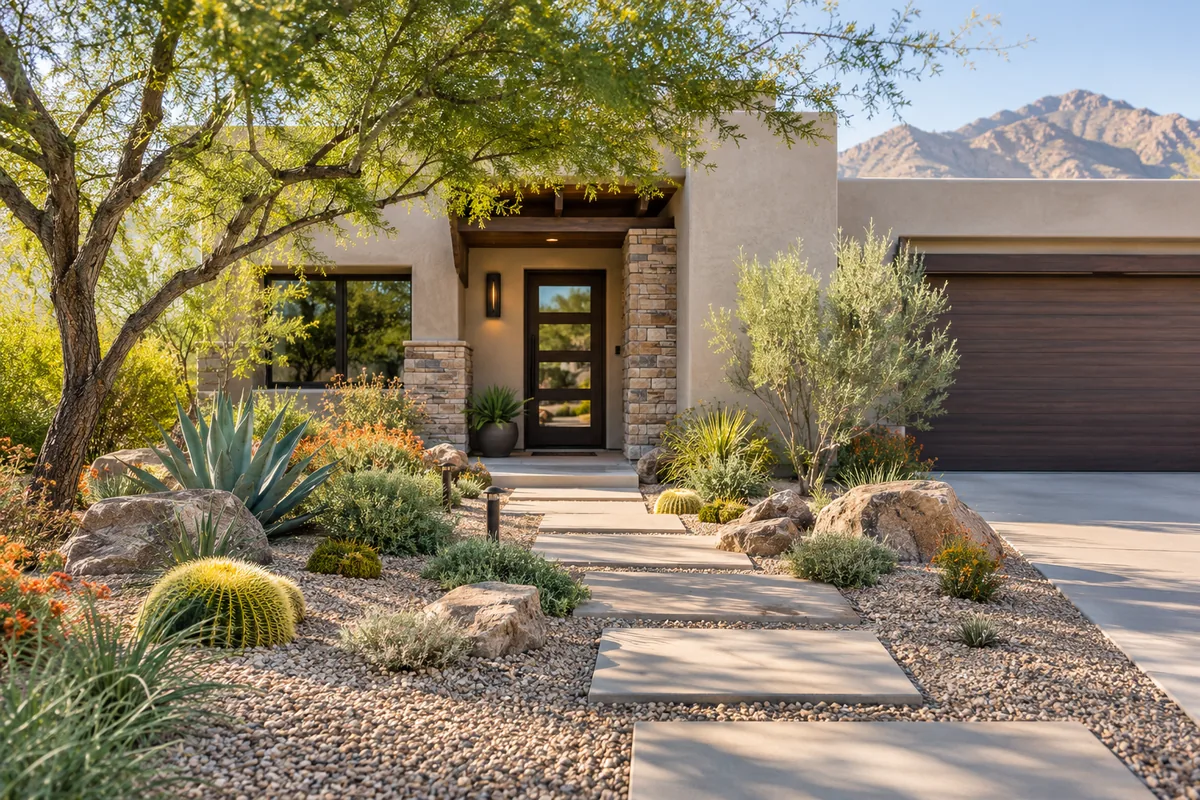
Desert front yard ideas for a comfortable, readable arrival
Explore desert front yard ideas with useful shade, sculptural plants, mineral surfaces, visible addresses, and safe access beside driveways and doors.
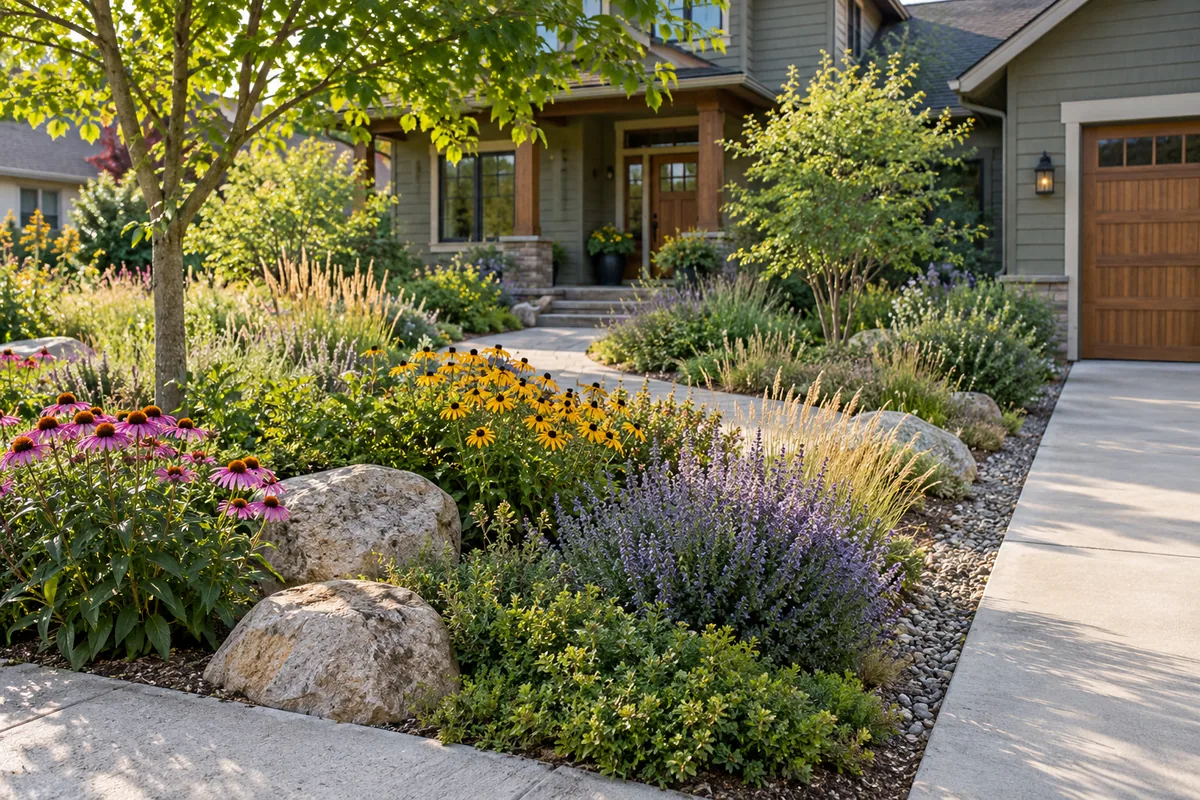
Native front yard ideas that make seasonal planting intentional
Find native front yard ideas for regional plant groups, legible borders, seasonal texture, visible entrances, and practical care in a publicly viewed garden.
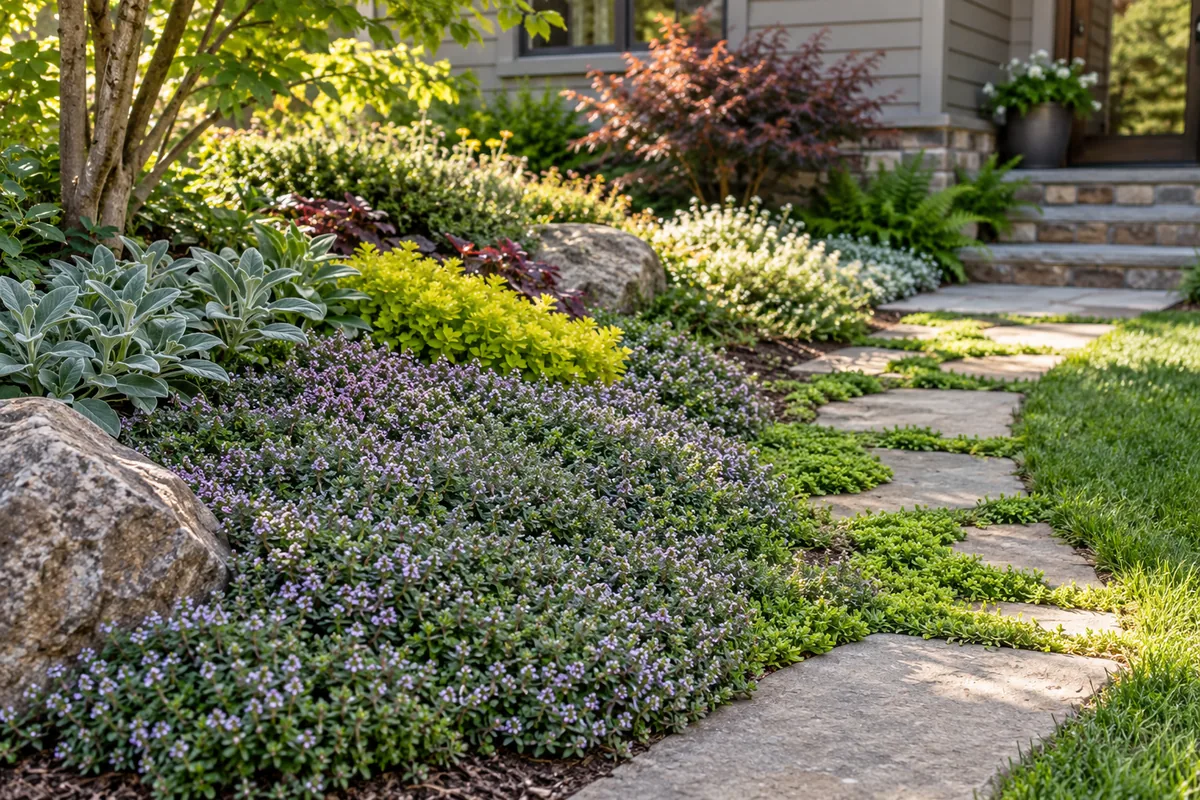
Ground Cover Plants for Borders and Deliberate Lawn Alternatives
Learn how ground cover plants fit your yard, with practical material, placement, upkeep, and safety questions to review before choosing a visual direction.
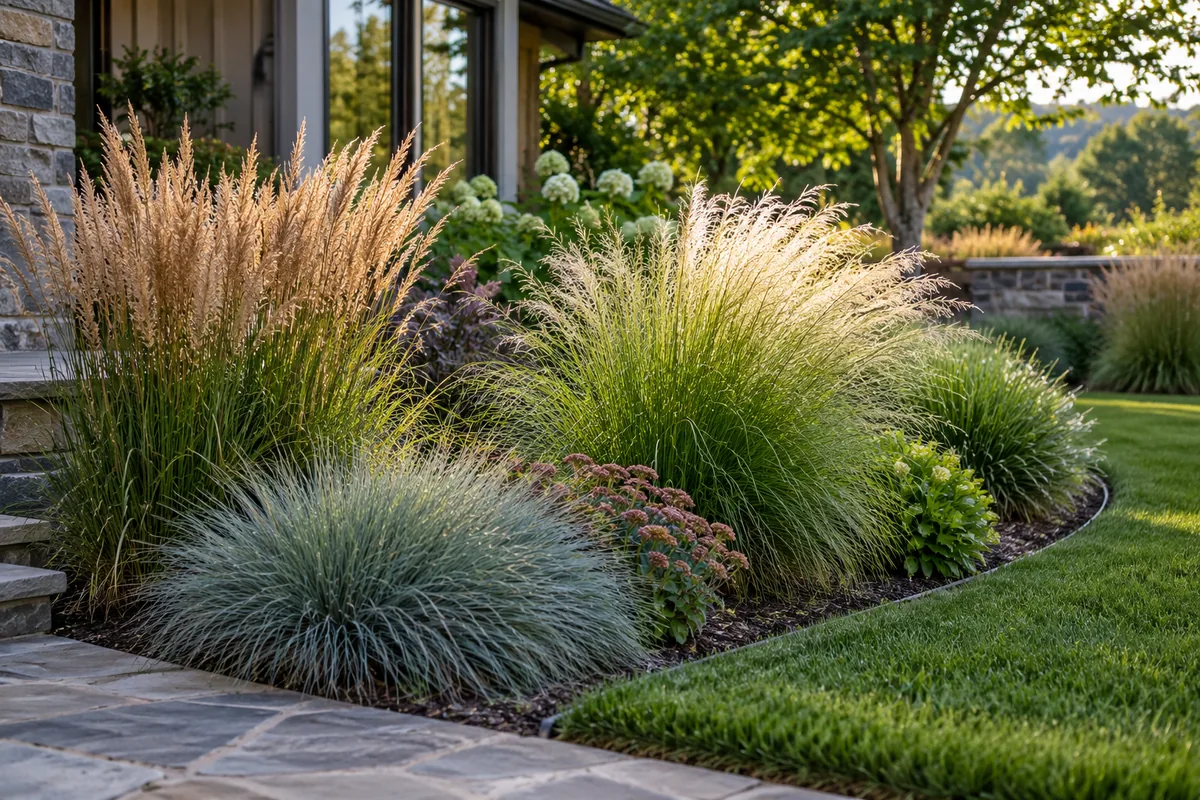
Ornamental Grasses for Seasonal Texture and Clear Edges
Ornamental Grasses: Seasonal Texture and Fit: explore placement, upkeep, and local safety questions before deciding how this feature fits your yard.
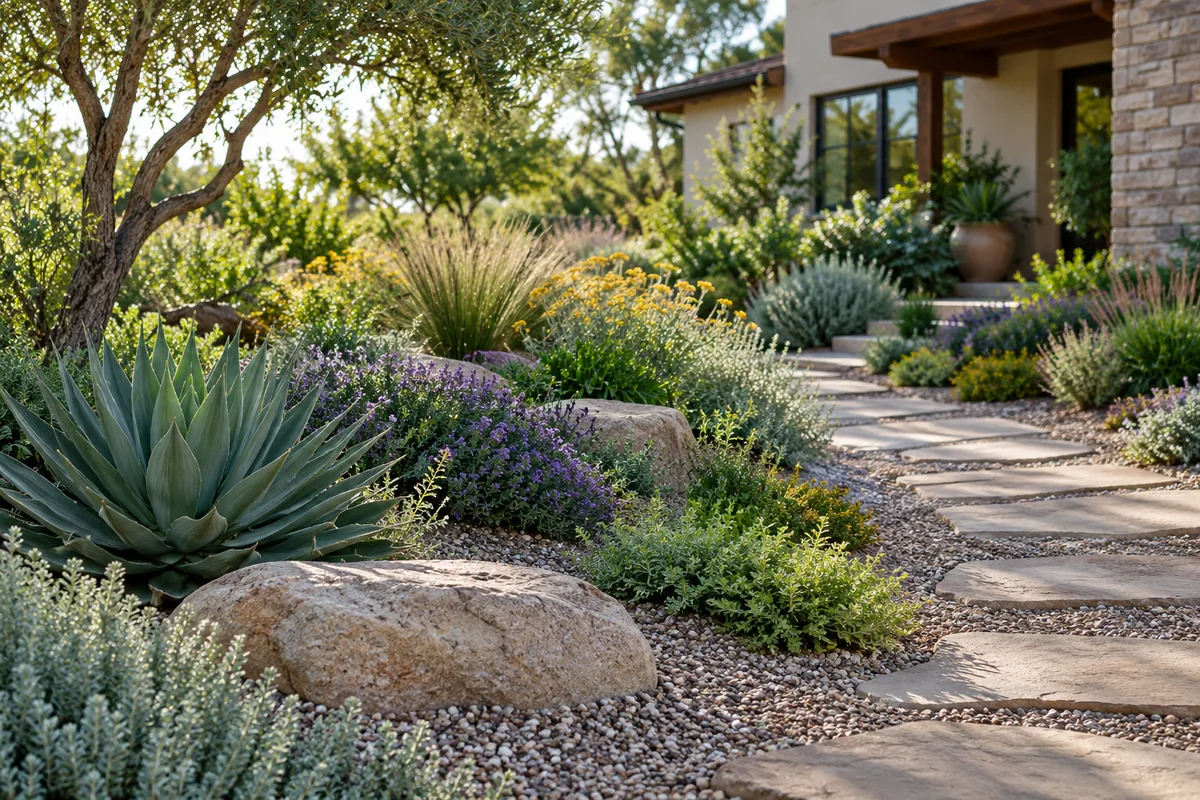
What Is Xeriscaping in Landscape Design?
Learn what xeriscaping means in landscape design, with a practical yard example, related terms, and the site decisions to check before making changes.
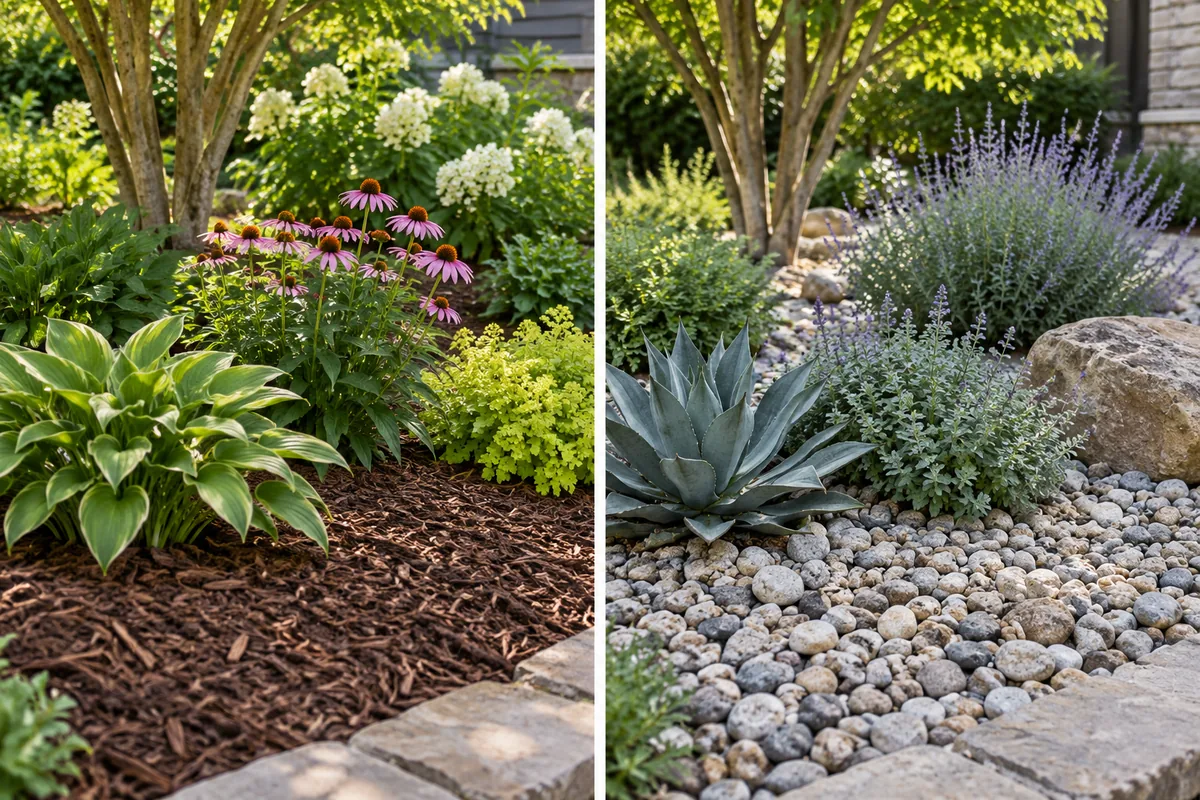
Organic mulch vs Rock landscaping: Which Fits Your Yard?
Compare organic mulch and rock landscaping for your yard. Review layout, materials, upkeep, and practical trade-offs before choosing a direction.