
By AI Landscape Design Team · Editorial policy
What Is Topsoil in Landscape Design?
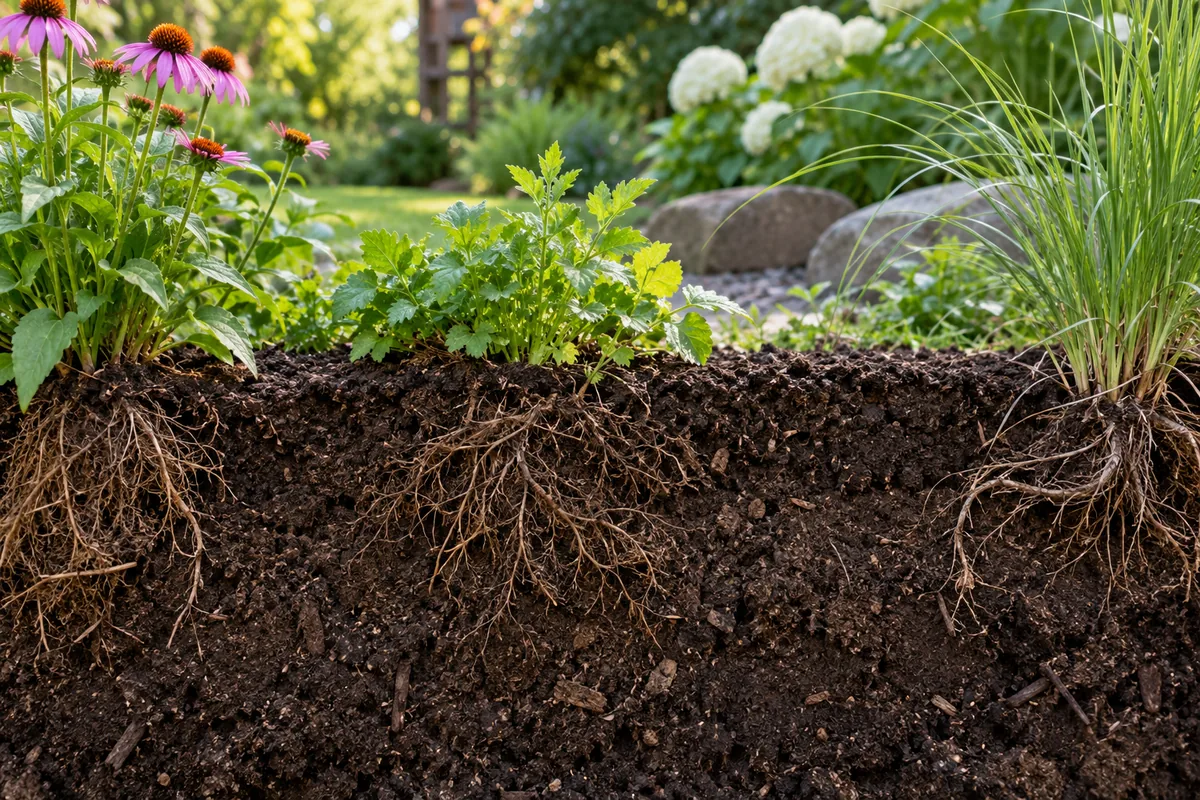
Topsoil is the upper layer of soil in a site, typically the layer most directly involved in everyday planting, root growth, and contact with garden surfaces. The name does not guarantee a particular quality, composition, or suitability. Soil sold under the label can differ, and existing topsoil needs assessment before major changes. A planting plan should consider the actual soil rather than assume that adding more always improves it.
Published · 2 min read
Key takeaways
- Topsoil describes a layer rather than guaranteed quality.
- Assess supplied and existing soil separately.
- Added soil changes site levels as well as planting conditions.
How is topsoil used in landscape design?
Inspect the existing growing conditions and obtain appropriate advice or testing before importing soil. Texture, drainage, contamination concerns, and intended planting affect the decision. Product labels are not a substitute for reliable information about a supplied material. Adding soil also changes levels, which may matter near buildings and established trees. Seek qualified guidance where those site relationships are involved.
What does topsoil look like in a yard?
A front border being revised after building work may have disturbed soil that does not resemble the original planting area. Assess the condition rather than hiding it beneath a new layer. Confirm local plant suitability, USDA hardiness, and moisture needs independently. Avoid raising soil against the house or around established trees merely because a reference image shows a fuller bed.
Which terms help explain topsoil?
Compost is an organic material, while soil amendment describes a use. Grading concerns changes to ground levels. Topsoil is not interchangeable with those terms. A generated concept can explore the bed’s visual outline, but soil quality, safe levels, and any proposed earthwork must be verified through real site assessment before installation.
Frequently asked questions
Is purchased topsoil always good for planting?
The label does not establish quality or suitability for a particular bed. Ask for reliable material information and consider the actual planting needs. Local testing or horticultural advice can help evaluate whether the proposed soil addresses the existing conditions.
Is topsoil the same as compost?
Topsoil describes a soil layer or supplied soil, whereas compost is decomposed organic material. They can play different roles in planting decisions. Neither should be treated as a universal replacement for understanding the site’s existing soil.
Can topsoil be added around established trees?
Changing levels around established trees can affect roots and growing conditions. Obtain appropriate arborist and site advice before adding material. The visual desire for a deeper border does not establish that the change is safe for the tree.
Sources
Related reading
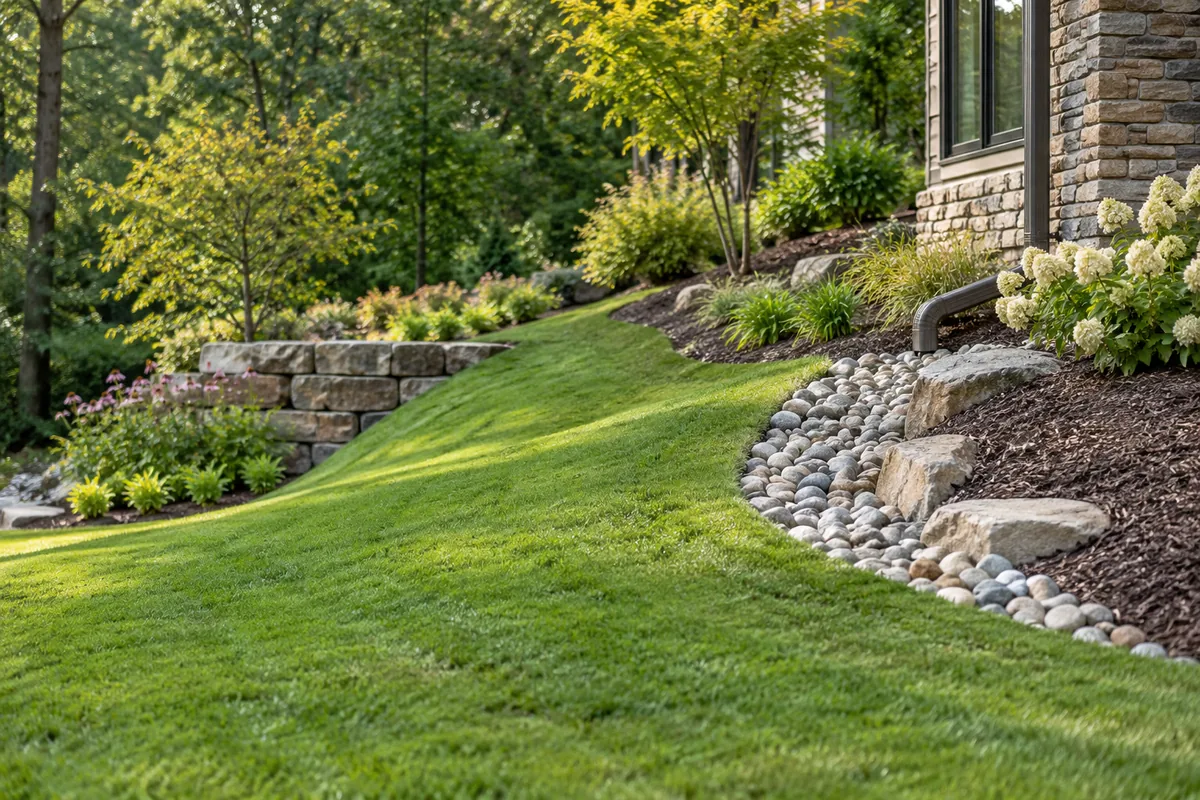
What Is Grading in Landscape Design?
Learn what grading means in landscape design, with a practical yard example, related terms, and the site decisions to check before making changes.
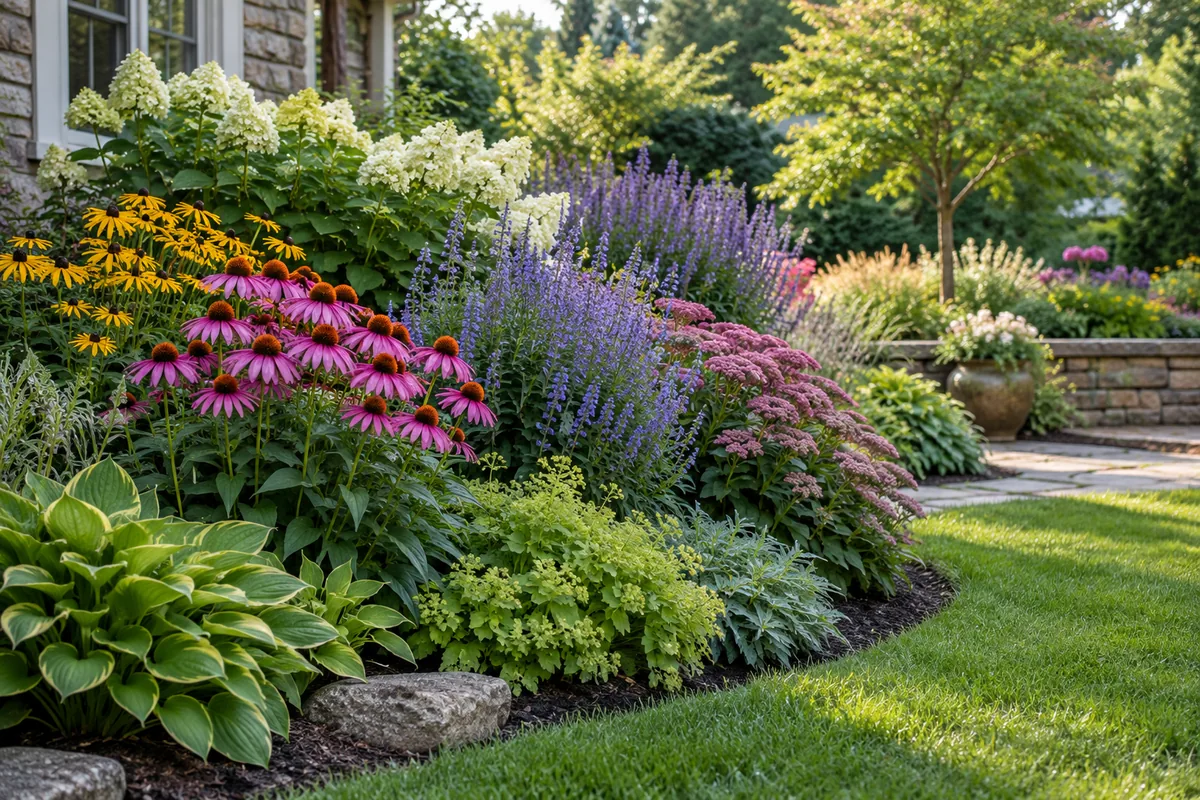
Perennial Flowers for Seasonal Roles and a Readable Border
Learn how perennial flowers fit your yard, with practical material, placement, upkeep, and safety questions to review before choosing a visual direction.
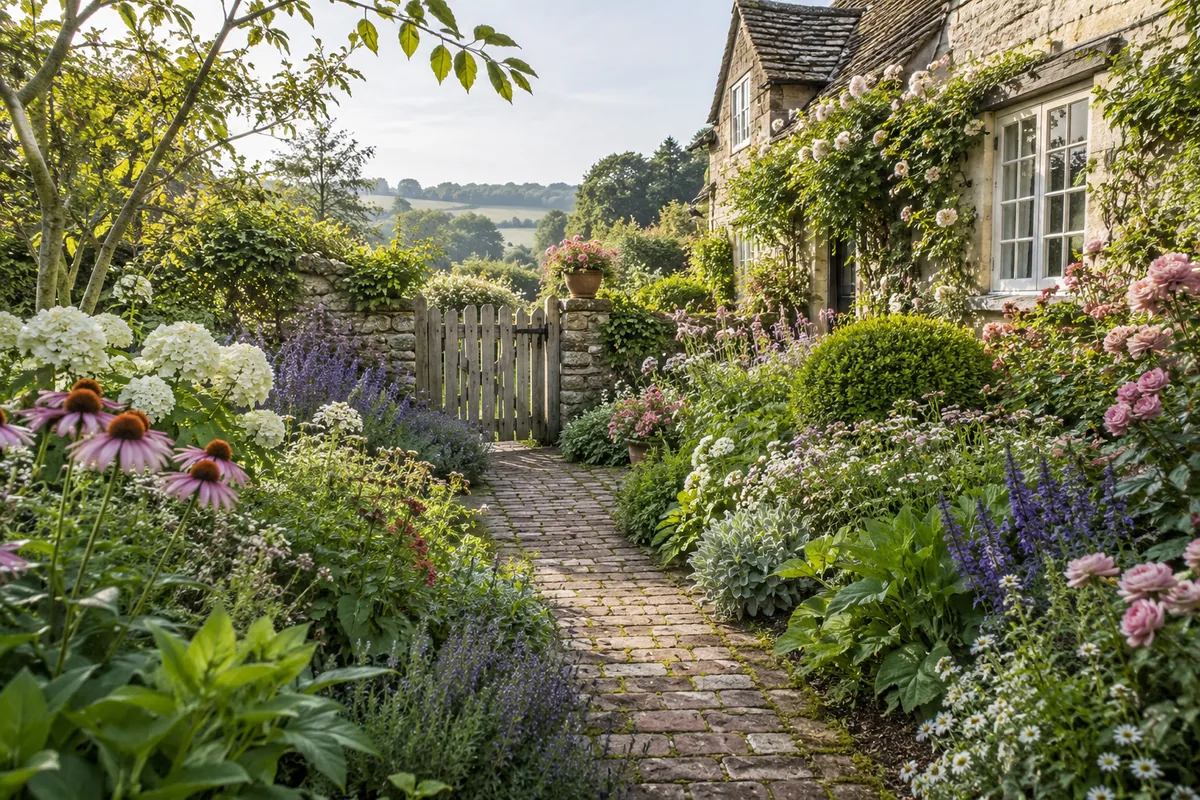
Cottage garden style: flowers with a working framework
Explore cottage garden style through layered flowers, selective self-seeding, clear paths, seasonal care, and the framework that makes informal planting usable.
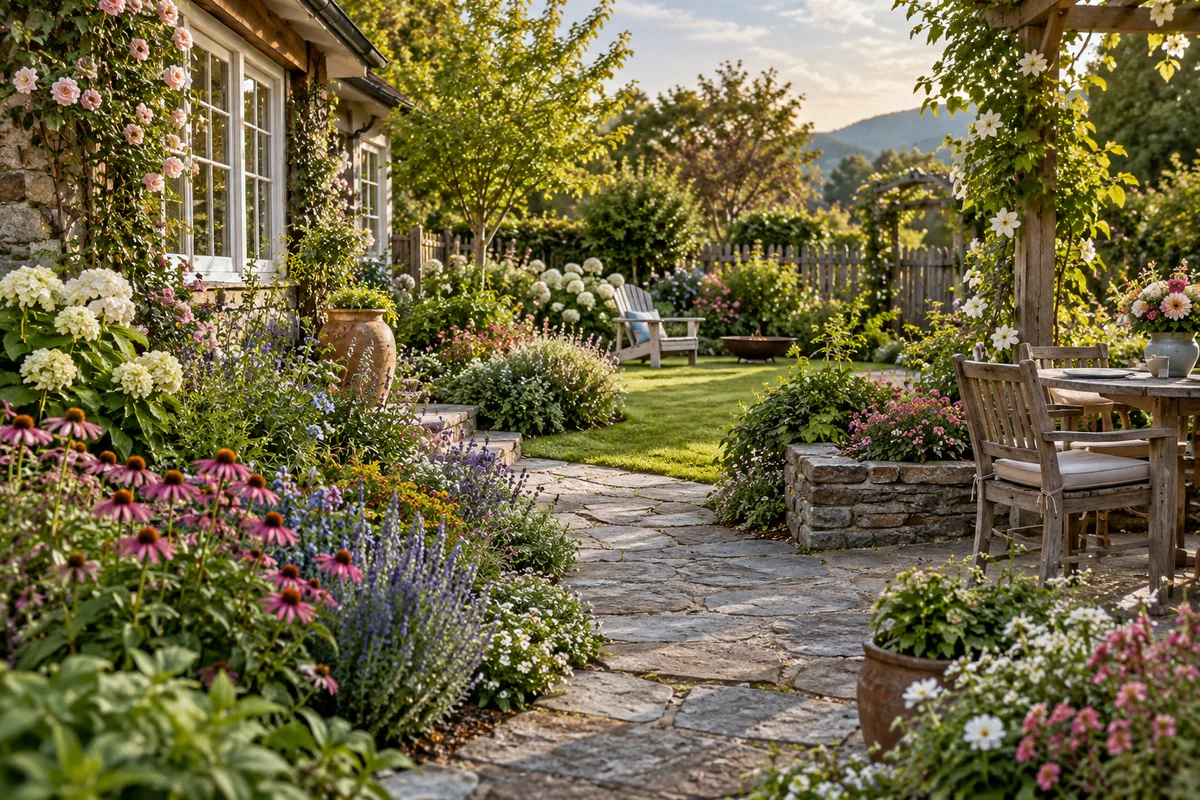
Cottage backyard ideas for flowers, seats, and seasonal life
Explore cottage backyard ideas for layered flowers, comfortable seats, connected borders, productive corners, and practical access through seasonal planting.
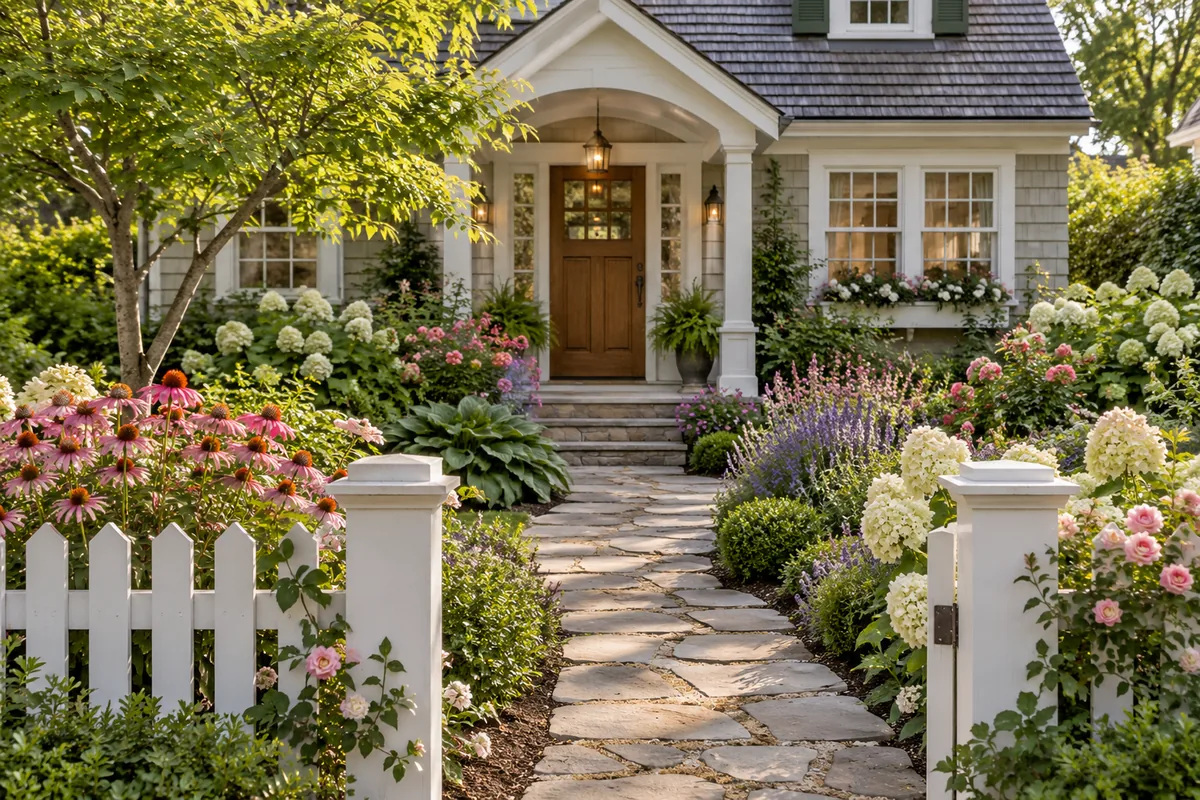
Cottage front yard ideas that welcome visitors through flowers
Find cottage front yard ideas for layered borders, useful gates, brick details, seasonal flower groups, and a welcoming entrance that stays easy to reach.
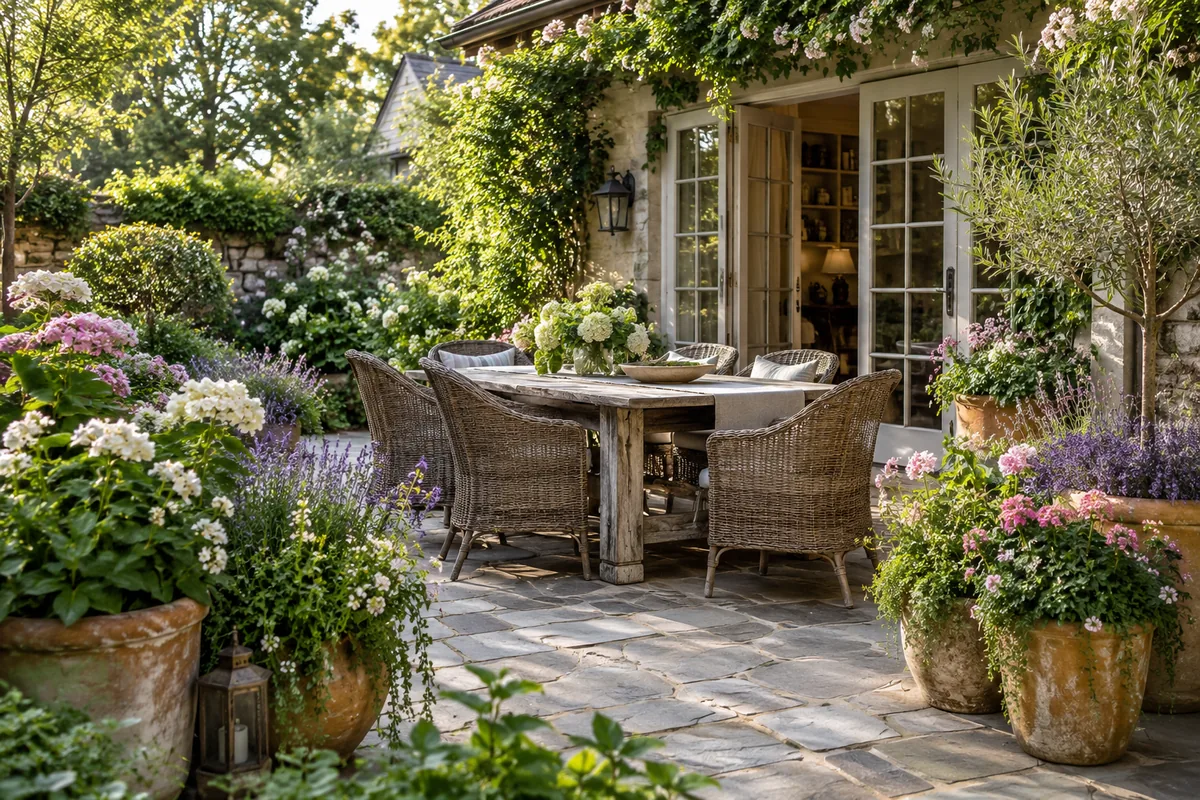
Cottage patio ideas that place flowers around a usable room
Find cottage patio ideas for grouped flowers, stable containers, appropriate climbers, warm materials, and a clear outdoor room that stays comfortable to use.